Biangbiang Noodles (油泼扯面) — Xi'an Hand-Pulled Belt Noodles
Biangbiang noodles are broad, hand-pulled wheat noodles from Shaanxi, especially Xi'an. This version is finished in the youpo style, where sizzling oil blooms chili, garlic, scallion, soy sauce, and black vinegar.
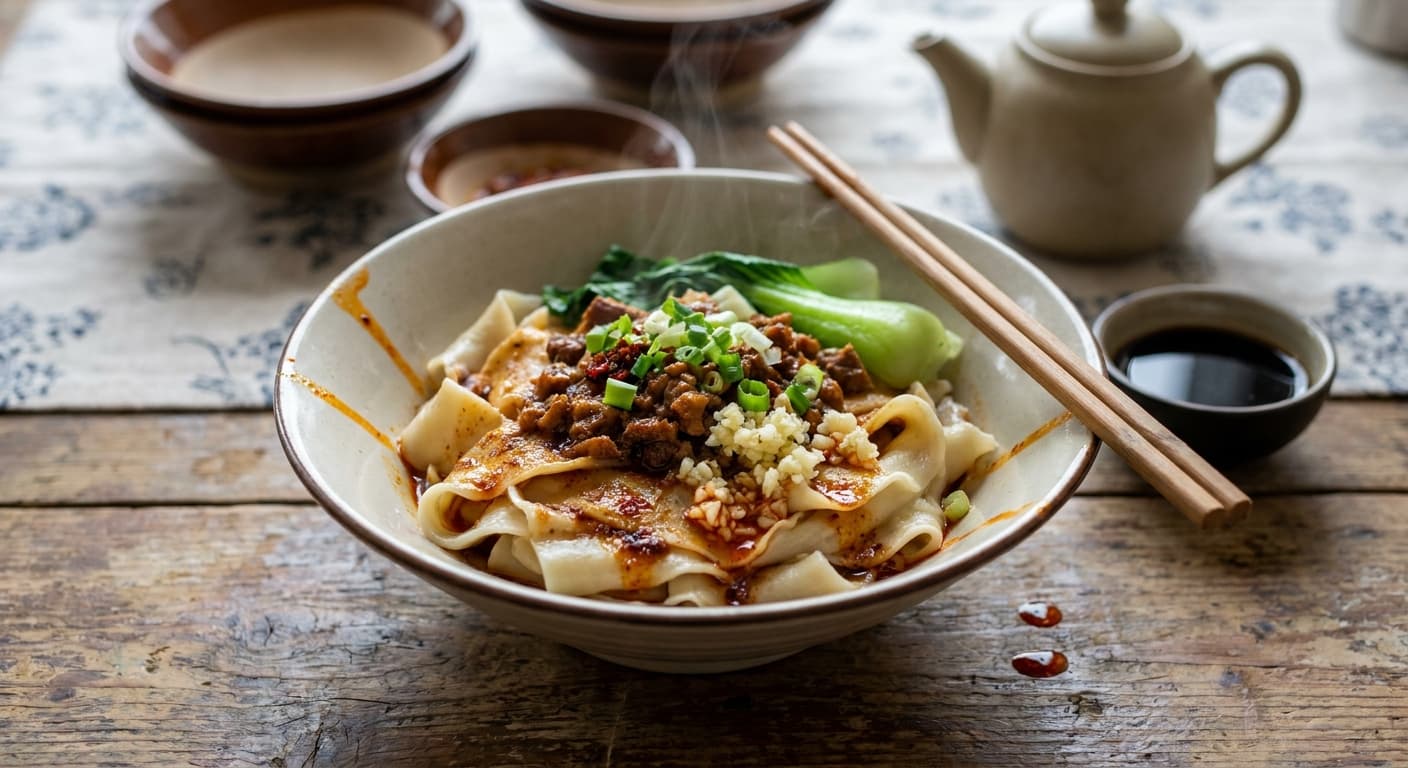
Printable Recipe Card
Servings: 4 · Total: 65 min · Difficulty: medium
Ingredients (quick list)
- 500 g bread flour
- 6 g fine sea salt
- 260 ml room-temperature water
- 2 tbsp neutral vegetable oil (for coating the rested dough)
- 4 tbsp light soy sauce
- 4 tbsp Chinese black vinegar (Chinkiang vinegar is preferred)
- 2 tsp dark soy sauce
- 2 tsp toasted sesame oil
- 4 tbsp Shaanxi-style chili flakes (medium-coarse flakes, not fine powder)
- 6 clove garlic (finely minced)
- 4 scallions (thinly sliced)
- 1 tsp ground cumin
+ 2 more in the full ingredients section below.
Steps (summary)
- Mix the bread flour and fine sea salt in a large bowl, then add the water gradually while stirring with chopsticks or a fork. K…
- Cover the dough and rest it for 20 minutes, then knead it again for 3 minutes to strengthen the gluten. Divide it into 8 equal…
- Bring a large pot of water to a vigorous boil while you prepare the sauce bowls. Divide the light soy sauce, Chinese black vine…
- Press one oiled dough log into a flat strip about 20 cm long, then use a rolling pin or chopstick to make a shallow lengthwise…
- Cook the pulled noodles immediately in the boiling water for 2 to 3 minutes, stirring gently so they do not stick. In the final…
- Lift the noodles and bok choy with a spider strainer, shaking off excess water without drying them completely. Place one portio…
+ 2 more steps in the full instructions section below.
Cultural Background
Biangbiang noodles belong to Shaanxi's wheat-based food culture, where hand-pulled noodle skill is prized in homes and street stalls. Fuchsia Dunlop has helped document regional Chinese cooking for English-language readers, including the importance of noodles, soy sauce, vinegar, and aromatic oil techniques.
Equipment
💡 Tips
- Resting the oiled dough is essential; under-rested dough tears instead of stretching into long belt noodles.
- Use medium-coarse chili flakes so the hot oil blooms fragrance and color without turning the topping gritty.
- Pull and cook one or two dough logs at a time, because fresh hand-pulled noodles stick together if they sit uncooked.
⚠️ Common Mistakes
❌ The noodles snap while pulling.
✅ Fix: Rest the oiled dough longer, at least 20 additional minutes, so the gluten relaxes before stretching.
❌ The chili tastes raw and dusty.
✅ Fix: Heat the oil to 190°C and pour it directly over the chili, garlic, and scallion so the aromatics bloom properly.
❌ The noodles become soggy after cooking.
✅ Fix: Boil them only until springy and serve immediately, since wide fresh noodles continue softening as they sit.
🧊 How to Store
Store leftover noodles and sauce in an airtight container for up to 2 days. Reheat in a skillet with 2 tbsp water per serving over medium heat for 3 minutes, then refresh with 1 tsp vinegar.
📅 Make Ahead
The dough logs can be kneaded, oiled, covered, and refrigerated for up to 12 hours. Bring them to room temperature for 45 minutes before pulling so they stretch evenly.
🍽️ Pairs Well With
- Smashed cucumber salad
- Xi'an-style lamb skewers
- pickled mustard greens
- hot tea.
Regional Variations
- Xi'an street-stall versions often use extra black vinegar and a stronger chili-oil splash.
- Some Shaanxi cooks add blanched bean sprouts, leafy greens, or thinly sliced celery for crunch.
- Meat-topped versions may include small spoonfuls of braised pork or cumin lamb, though the oil-splashed noodle base remains central.
Ingredients
- 500 gbread flour
- 6 gfine sea salt
- 260 mlroom-temperature water
- 2 tbspneutral vegetable oil (for coating the rested dough)
- 4 tbsplight soy sauce
- 4 tbspChinese black vinegar (Chinkiang vinegar is preferred)
- 2 tspdark soy sauce
- 2 tsptoasted sesame oil
- 4 tbspShaanxi-style chili flakes (medium-coarse flakes, not fine powder)
- 6 clovegarlic (finely minced)
- 4scallions (thinly sliced)
- 1 tspground cumin
- 0.5 tspSichuan peppercorn powder
- 4baby bok choy (halved lengthwise)
🔄 Substitutions
- Chinese black vinegar→ 3 tbsp rice vinegar mixed with 1 tbsp light soy sauce
- Shaanxi-style chili flakes→ Korean gochugaru mixed with crushed red pepper flakes in a 3:1 ratio
- baby bok choy→ yu choy or spinach
Instructions
- 1
Mix the bread flour and fine sea salt in a large bowl, then add the water gradually while stirring with chopsticks or a fork. Knead for 8 minutes until the dough becomes firm, smooth, and elastic, adding no extra flour unless the dough is genuinely wet.
- 2
Cover the dough and rest it for 20 minutes, then knead it again for 3 minutes to strengthen the gluten. Divide it into 8 equal logs, coat each log with the 2 tablespoons of vegetable oil, cover tightly, and rest for 30 minutes at room temperature.
- 3
Bring a large pot of water to a vigorous boil while you prepare the sauce bowls. Divide the light soy sauce, Chinese black vinegar, dark soy sauce, and toasted sesame oil evenly among 4 deep serving bowls.
- 4
Press one oiled dough log into a flat strip about 20 cm long, then use a rolling pin or chopstick to make a shallow lengthwise groove down the center. Hold both ends, slap the strip lightly against the counter, and stretch it into a wide belt noodle about 90 cm long before tearing it along the groove into 2 long strands.
- 5
Cook the pulled noodles immediately in the boiling water for 2 to 3 minutes, stirring gently so they do not stick. In the final 45 seconds, add the baby bok choy so it turns bright green and tender-crisp.
- 6
Lift the noodles and bok choy with a spider strainer, shaking off excess water without drying them completely. Place one portion into each sauced bowl, because a small amount of starchy noodle water helps the soy sauce and vinegar cling to the noodles.
- 7
Top each bowl with equal amounts of chili flakes, minced garlic, scallion, ground cumin, and Sichuan peppercorn powder. Heat the 80 ml vegetable oil in a small pan to 190°C, then carefully pour it over the aromatics in each bowl so the chili and garlic sizzle and bloom.
- 8
Toss each bowl thoroughly from the bottom so the hot oil, soy sauce, vinegar, and chili coat every noodle. Serve immediately, because biangbiang noodles are best while the wide belts remain springy, glossy, and hot.
🪪 Recipe Passport
Cultural Background
Biangbiang noodles belong to Shaanxi's wheat-based food culture, where hand-pulled noodle skill is prized in homes and street stalls. Fuchsia Dunlop has helped document regional Chinese cooking for English-language readers, including the importance of noodles, soy sauce, vinegar, and aromatic oil techniques.
Regional Variations
Researched from multiple sources and validated by the Zaffaron editorial team. Every recipe is tested for accuracy, measurements, and cultural authenticity.
📚 Sources & Cultural References
- Fuchsia Dunlop — Every Grain of Rice — (2012)
- Carolyn Phillips — All Under Heaven — (2016)
Sources cited by the Zaffaron editorial team during recipe research. Cultural and culinary references supporting authenticity claims.
Nutrition per serving
Pairs well with
If you enjoyed this recipe, here are a few related Zaffaron recipes to try next.
Does your family make this differently?
Every family has their own version. Maybe your grandmother adds a secret ingredient, or your aunt has a completely different technique. Preserve your family's version — with their name on it, forever.
You Might Also Like
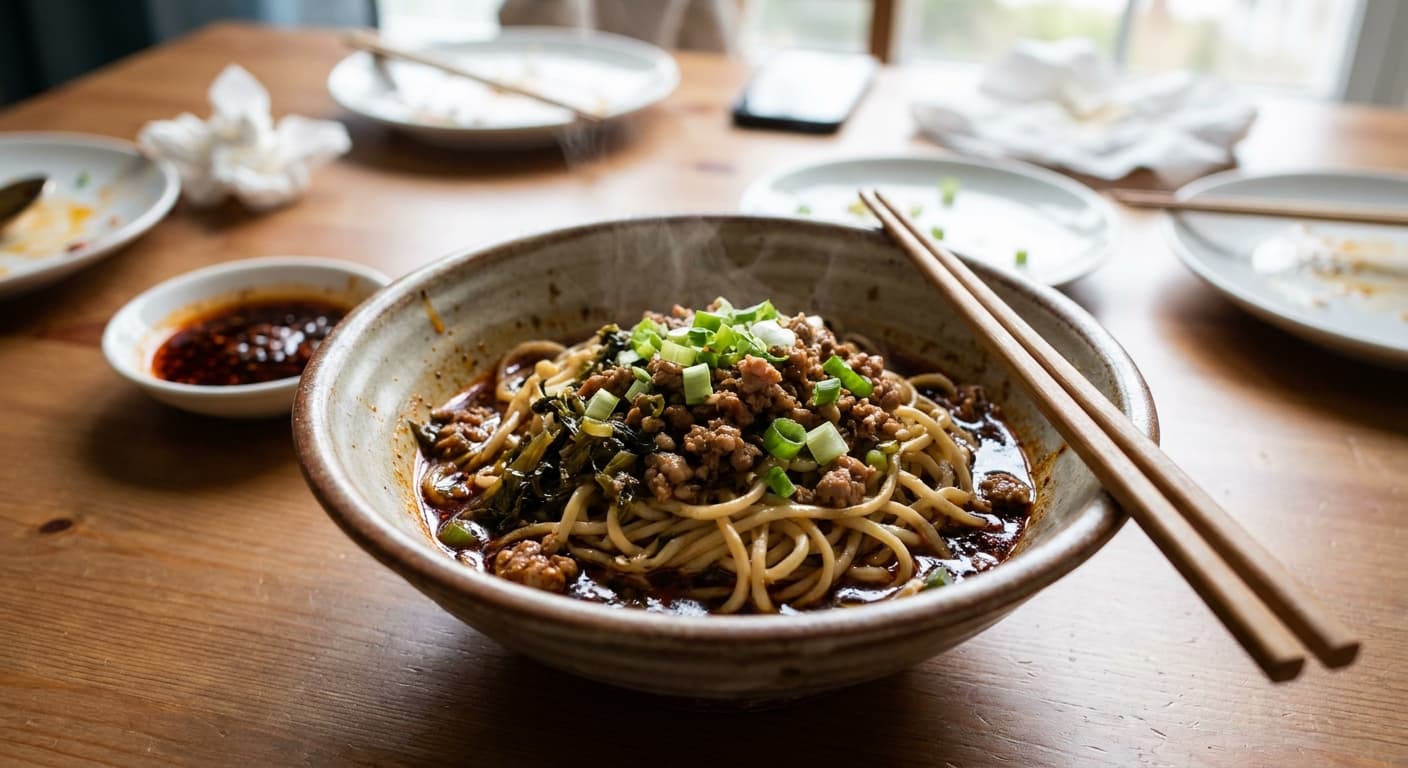
Dan Dan Noodles (担担面) — Sichuan Noodles with Spicy Sesame-Chili Pork Sauce
Chinese · Main Courses · 45 min
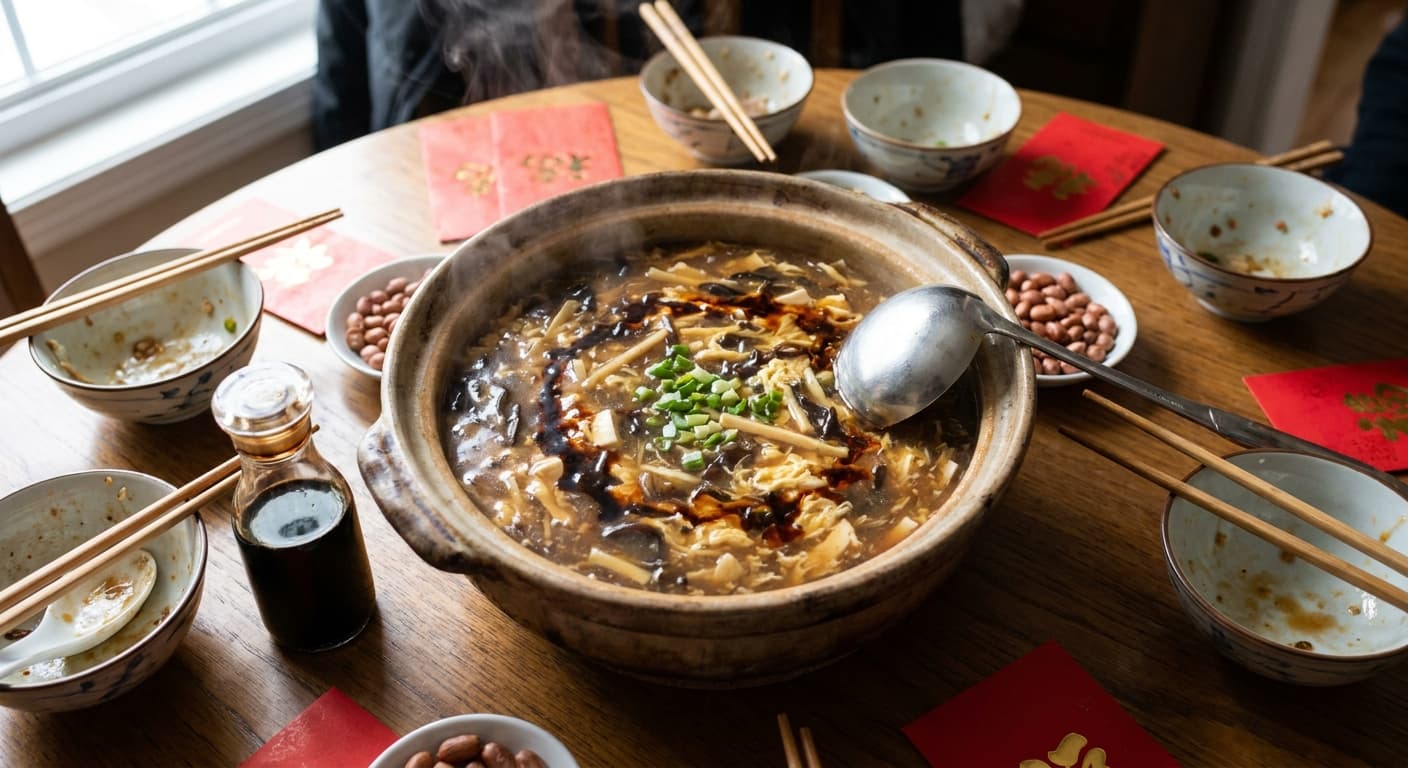
Hot and Sour Soup (酸辣汤) — Northern Chinese Soup with Tofu and Black Vinegar
Chinese · Soups · 45 min
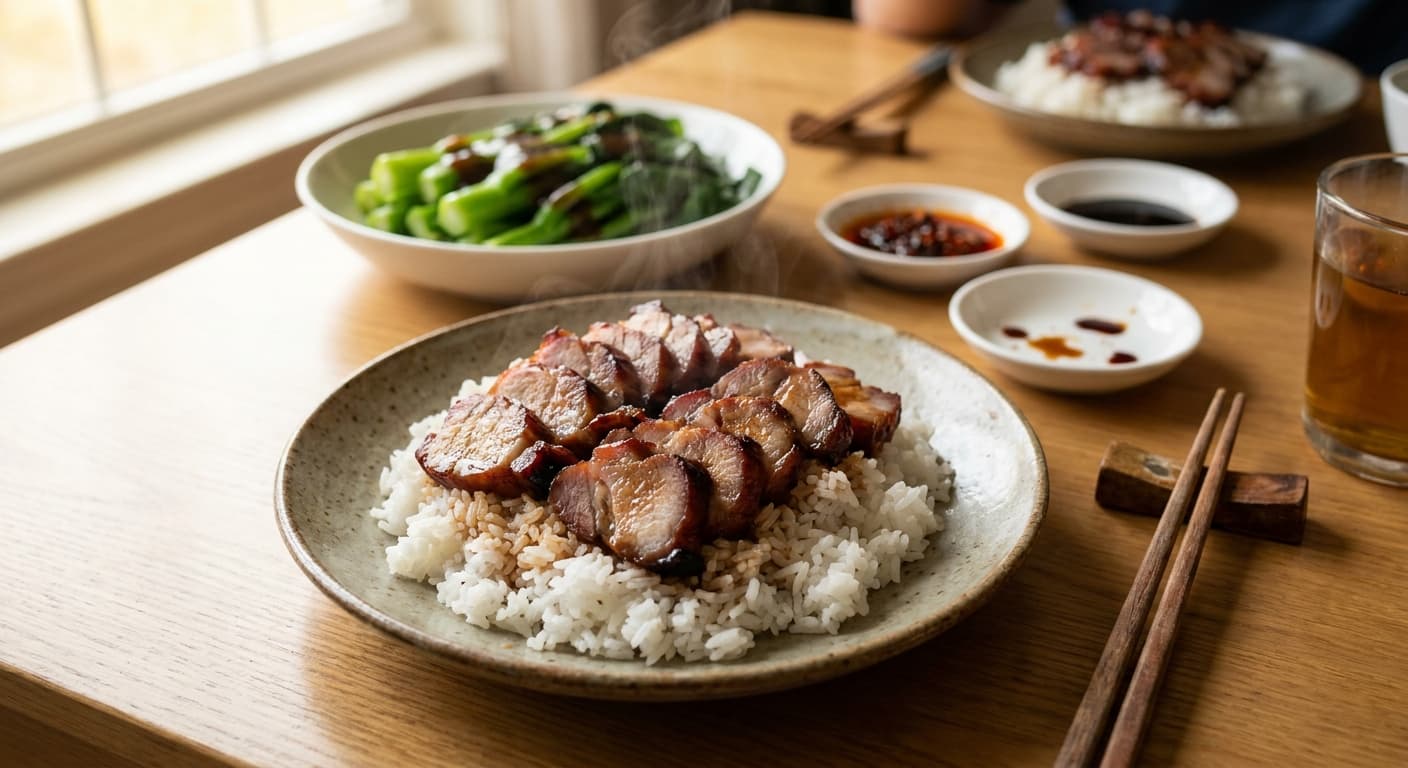
Char Siu (叉燒) — Cantonese Honey-Glazed Barbecue Pork
Chinese · Main Courses · 70 min
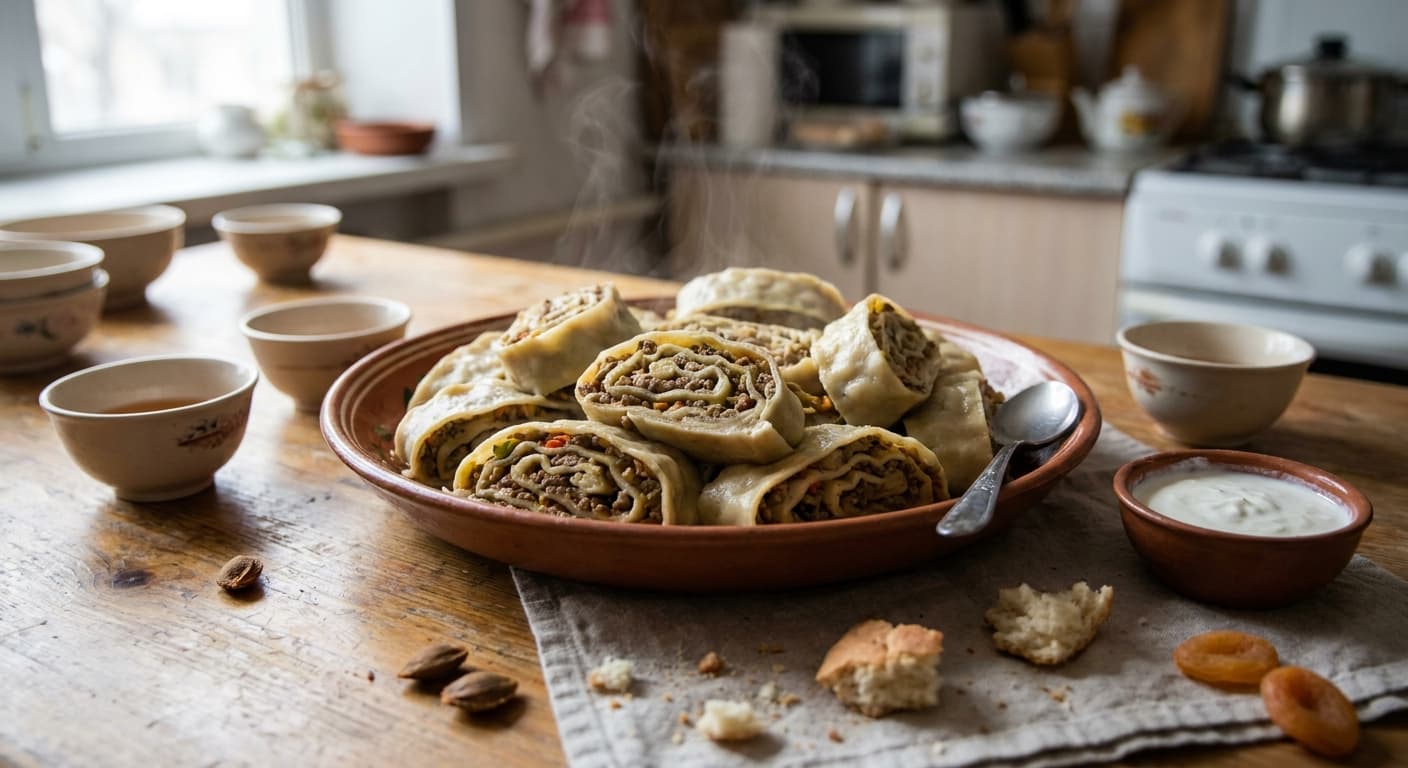
Orromo (Оромо) — Kyrgyz Steamed Rolled Dumpling with Lamb and Pumpkin
Kyrgyz · Main Courses · 105 min
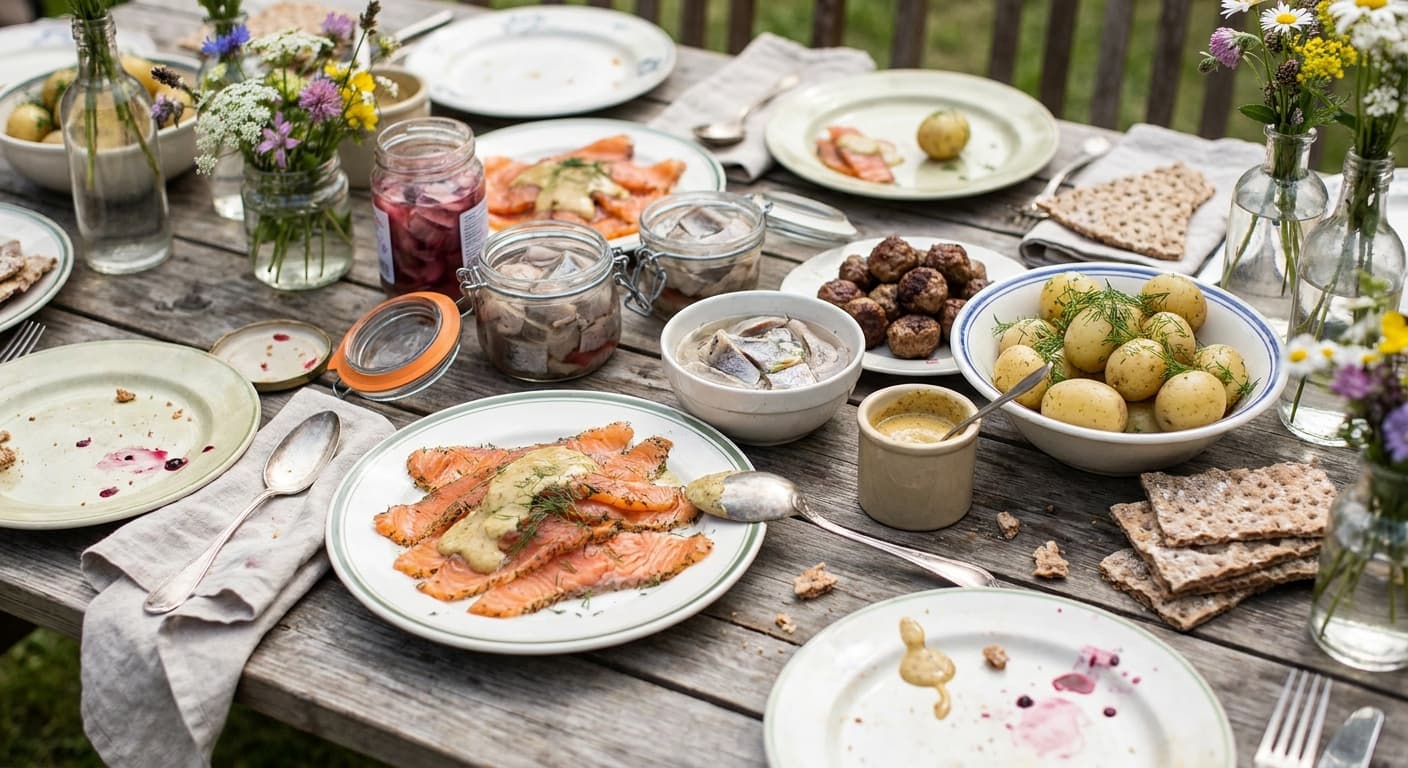
Swedish Smörgåsbord (Smörgåsbord) — Classic Buffet with Gravlax, Sill, and Köttbullar
Swedish · Main Courses · 115 min
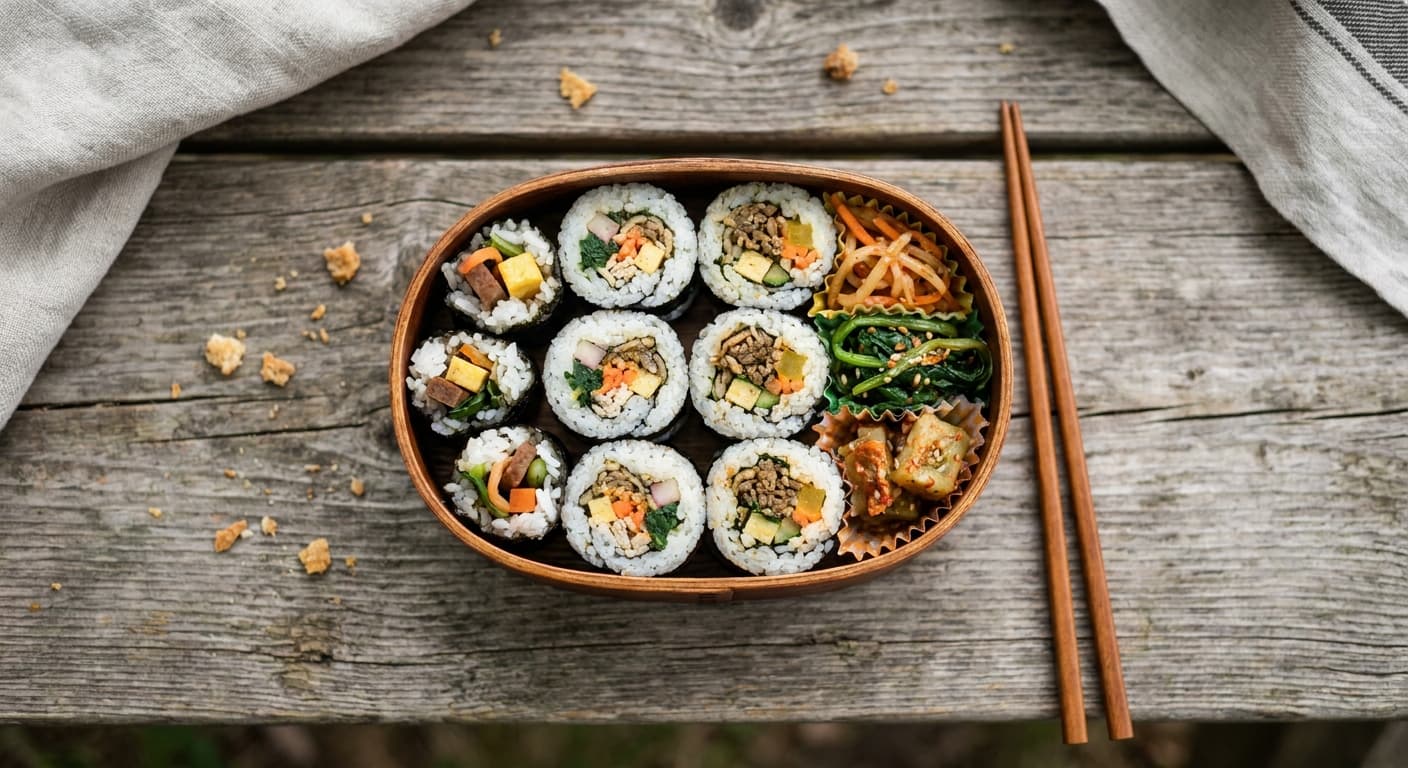
Kimbap (김밥) — Korean Seaweed Rice Rolls
Korean · Main Courses · 70 min
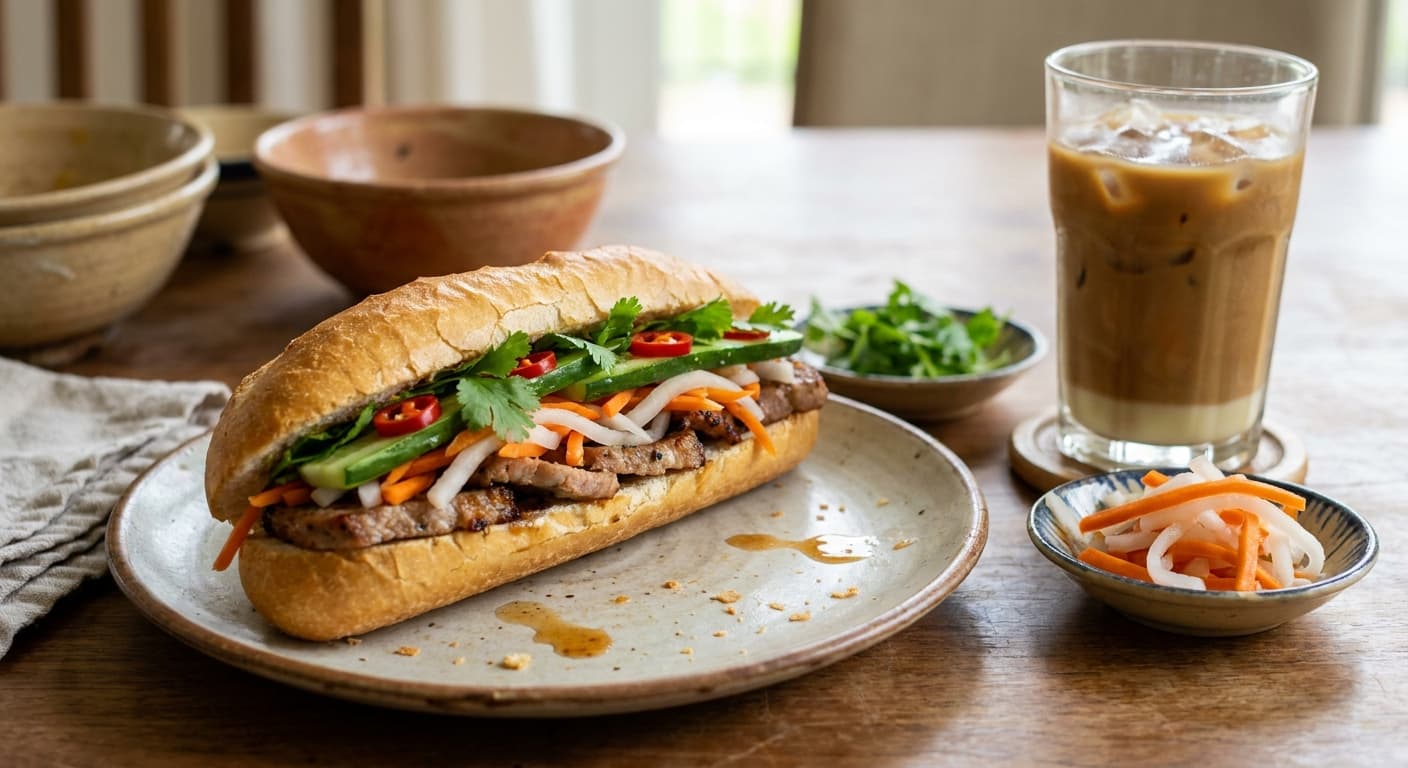
Vietnamese Pork Banh Mi (Bánh Mì Thịt) — Crisp Baguette Sandwich with Pickles, Pâté, and Herbs
Vietnamese · Main Courses · 60 min
Pork and Chive Dumplings (猪肉韭菜饺子) — Boiled Jiaozi with Juicy Pork and Garlic Chives
Chinese · Main Courses · 87 min
Reviews
Cooked this recipe?
Tap the stars to rate it — that's all it takes. A few words are welcome but optional.
No ratings yet. Cooked this one? Be the first to rate it — it takes one tap.