Khorak Fileh Gusht (خوراک فیله گوشت) — Persian Beef Fillet Skillet
Khorak Fileh Gusht is a Persian comfort skillet of tender beef fillet seared with onions, mixed bell peppers, and warm spices, served alongside golden pan-fried potatoes and fresh parsley for a bright finish.
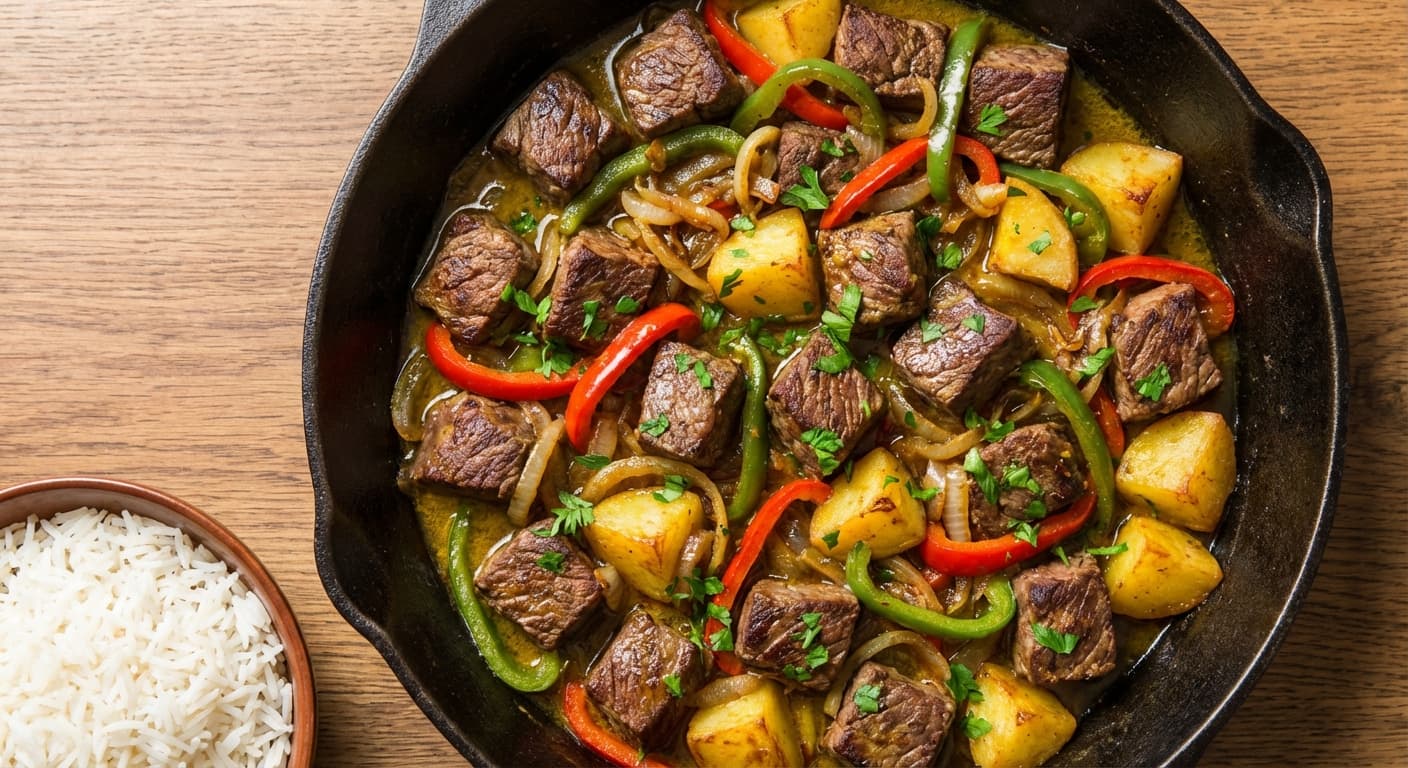
Printable Recipe Card
Servings: 4 · Total: 60 min · Difficulty: medium
Ingredients (quick list)
- 500 g Beef tenderloin (fillet), trimmed (cut into 3 cm cubes, patted very dry)
- 8 g Fine sea salt (about 1 1/4 tsp, divided)
- 2 g Ground black pepper (about 1 tsp, divided)
- 3 g Ground turmeric (about 1 1/4 tsp)
- 2 g Ground cumin (about 1 tsp)
- 2 g Ground coriander (about 1 tsp)
- 0.5 g Ground cinnamon (about 1/4 tsp)
- 0.2 g Saffron threads (about 1/4 tsp, finely crushed)
- 30 ml Hot water (to bloom the saffron)
- 250 g Yellow onion (thinly sliced (about 1 large))
- 150 g Red bell pepper (cut into 2.5 cm strips)
- 150 g Green bell pepper (cut into 2.5 cm strips)
+ 6 more in the full ingredients section below.
Steps (summary)
- Bloom the saffron: crush the saffron threads and stir with 30 ml hot water (not boiling). Let stand 10 minutes to deepen color…
- Par-cook and dry the potatoes for better browning. Add potato cubes to a pot, cover with cold water, and bring to a boil. Boil…
- Brown the potatoes: heat 35 ml oil in a large heavy skillet over medium-high heat (about 200°C surface heat). Add potatoes in a…
- Sear the beef in the same skillet: add 15 ml oil and increase heat to high. When shimmering, add beef in one layer (work in two…
- Build the aromatic base: reduce heat to medium and add the remaining 10 ml oil. Add sliced onion and cook 6–8 minutes, stirring…
- Cook peppers and form a light sauce: add red and green bell peppers and sauté 4–5 minutes until slightly softened but still vib…
+ 2 more steps in the full instructions section below.
Cultural Background
Skillet-style meat dishes served with potatoes and fresh herbs are a familiar part of Iranian home cooking, often prepared for practical weeknight meals. Khorak dishes are commonly eaten with rice or bread and are valued for balancing protein, vegetables, and bright herb garnishes in one table-ready pan.
Equipment
💡 Tips
- Dry beef thoroughly and avoid overcrowding the pan; moisture and crowding prevent proper searing.
- Par-boiling potatoes briefly and steam-drying them is the fastest way to get a crisp exterior with a fluffy center in a skillet.
- If your bell peppers are very sweet, add 5 ml extra lemon juice at the end to keep the dish balanced.
- Use a heavy skillet (cast iron or stainless steel) for better browning; nonstick pans brown less deeply.
⚠️ Common Mistakes
❌ Cooking the beef too long after it is seared
💡 Why: Tenderloin is very lean and turns dry and tough with extended simmering.
✅ Fix: Sear hard, then return beef only for 3–5 minutes on low to warm through; keep the sauce gentle, not boiling.
❌ Overcrowding the skillet when browning potatoes or beef
💡 Why: Crowding traps steam, preventing browning and creating soft, pale results.
✅ Fix: Cook in batches and keep ingredients in a single layer; increase skillet size or use two pans if needed.
❌ Skipping saffron blooming or adding it to very high heat
💡 Why: Unbloomed saffron tastes muted, and high heat can diminish its aroma.
✅ Fix: Bloom in hot water for 10 minutes and stir it in after deglazing, then keep the simmer low.
❌ Adding tomato paste without cooking it
💡 Why: Raw tomato paste can taste sharp and metallic.
✅ Fix: Fry tomato paste for 60 seconds in the pan before adding water to round out flavor.
🧊 How to Store
Refrigerate leftovers in an airtight container for up to 3 days. Reheat beef and peppers gently in a covered skillet over low heat with 1–2 tbsp water. Re-crisp potatoes separately in a dry skillet or 200°C oven for 8–10 minutes to avoid sogginess.
📅 Make Ahead
Slice onions and peppers up to 24 hours ahead and refrigerate in airtight containers. Par-boil potatoes up to 6 hours ahead, drain, and refrigerate uncovered until dry; brown them just before serving. For best texture, cook the beef and assemble the skillet right before eating.
🍽️ Pairs Well With
- Steamed basmati rice
- Persian salad (cucumber
- tomato
- onion with lemon)
- Plain yogurt or yogurt-cucumber dip
- Pickled vegetables
Regional Variations
- Tehran-style home cookingOften kept simple with onions, peppers, and saffron, served alongside rice and a fresh herb plate; potatoes may be served on the side to stay crisp.
- Northern Iran (Caspian-influenced)Sometimes finished with extra sourness such as a bit more lemon juice; herbs like parsley may be increased for a greener, fresher finish.
- Southern IranMay include a slightly bolder spice mix, such as a touch more black pepper and cumin, while keeping overall heat mild.
Ingredients
- 500 gBeef tenderloin (fillet), trimmed (cut into 3 cm cubes, patted very dry)
- 8 gFine sea salt (about 1 1/4 tsp, divided)
- 2 gGround black pepper (about 1 tsp, divided)
- 3 gGround turmeric (about 1 1/4 tsp)
- 2 gGround cumin (about 1 tsp)
- 2 gGround coriander (about 1 tsp)
- 0.5 gGround cinnamon (about 1/4 tsp)
- 0.2 gSaffron threads (about 1/4 tsp, finely crushed)
- 30 mlHot water (to bloom the saffron)
- 250 gYellow onion (thinly sliced (about 1 large))
- 150 gRed bell pepper (cut into 2.5 cm strips)
- 150 gGreen bell pepper (cut into 2.5 cm strips)
- 20 gTomato paste (about 1 tbsp)
- 80 mlWater (to deglaze and lightly sauce the skillet)
- 60 mlNeutral cooking oil (divided; use sunflower, canola, or grapeseed)
- 650 gPotatoes (peeled and cut into 2 cm cubes)
- 25 gFresh parsley (finely chopped, for finishing)
- 15 mlFresh lemon juice (about 1 tbsp, to brighten at the end)
🔄 Substitutions
- Beef tenderloin (fillet)→ Beef sirloin steak
- Saffron threads→ Ground saffron (food-grade)
- Neutral cooking oil→ Ghee
Instructions
- 1
Bloom the saffron: crush the saffron threads and stir with 30 ml hot water (not boiling). Let stand 10 minutes to deepen color and aroma. Meanwhile, pat the beef very dry with paper towels, then season it with 5 g salt and 1 g black pepper so it sears instead of steaming.
- 2
Par-cook and dry the potatoes for better browning. Add potato cubes to a pot, cover with cold water, and bring to a boil. Boil 6 minutes, then drain well and let steam-dry 5 minutes. This step reduces skillet time and helps the potatoes turn golden without absorbing excess oil.
- 3
Brown the potatoes: heat 35 ml oil in a large heavy skillet over medium-high heat (about 200°C surface heat). Add potatoes in a single layer and cook 12–15 minutes, turning every 3–4 minutes, until deeply golden and crisp at the edges. Transfer to a plate and sprinkle with 2 g salt.
- 4
Sear the beef in the same skillet: add 15 ml oil and increase heat to high. When shimmering, add beef in one layer (work in two batches if needed). Sear 90 seconds per side, 3–4 minutes total, until browned but still tender. Remove beef to a bowl; keep any juices.
- 5
Build the aromatic base: reduce heat to medium and add the remaining 10 ml oil. Add sliced onion and cook 6–8 minutes, stirring, until soft and lightly golden. Stir in turmeric, cumin, coriander, and cinnamon for 30 seconds to toast the spices without burning.
- 6
Cook peppers and form a light sauce: add red and green bell peppers and sauté 4–5 minutes until slightly softened but still vibrant. Add tomato paste and cook 1 minute to remove raw taste. Pour in 80 ml water, scraping browned bits from the pan, then stir in the bloomed saffron.
- 7
Finish gently to keep the fillet tender: return the beef and any juices to the skillet. Simmer on low 3–5 minutes, just until the beef is warmed through (aim for medium-rare to medium). Taste and adjust with the remaining 1 g pepper and up to 1 g salt if needed.
- 8
Combine and serve: fold the browned potatoes back into the skillet and warm 2 minutes so they absorb a little sauce while staying crisp. Turn off heat, drizzle in lemon juice, and scatter parsley over the top. Serve immediately while the beef is juicy and the potatoes are golden.
🪪 Recipe Passport
Cultural Background
Skillet-style meat dishes served with potatoes and fresh herbs are a familiar part of Iranian home cooking, often prepared for practical weeknight meals. Khorak dishes are commonly eaten with rice or bread and are valued for balancing protein, vegetables, and bright herb garnishes in one table-ready pan.
Regional Variations
Researched from multiple sources and validated by the Zaffaron editorial team. Every recipe is tested for accuracy, measurements, and cultural authenticity.
Nutrition per serving
Pairs well with
If you enjoyed this recipe, here are a few related Zaffaron recipes to try next.
- Khorak Macaroni ba Mahi (خوراک ماکارونی با ماهی) — Iranian-Inspired Smoked Fish Pasta Salad
- Khorak Makaroni va Broccoli (خوراک ماکارونی و بروکلی) — Persian-Style Pasta in Garlic Tomato Sauce
- Khorak-e Sib Zamini va Gerdoo (خوراک سیبزمینی و گردو) – Persian Potato & Walnut Stew
- Khorak Goosht Zanjabili (خوراک گوشت زنجبیلی) — Persian Ginger Beef Stew
Does your family make this differently?
Every family has their own version. Maybe your grandmother adds a secret ingredient, or your aunt has a completely different technique. Preserve your family's version — with their name on it, forever.
You Might Also Like
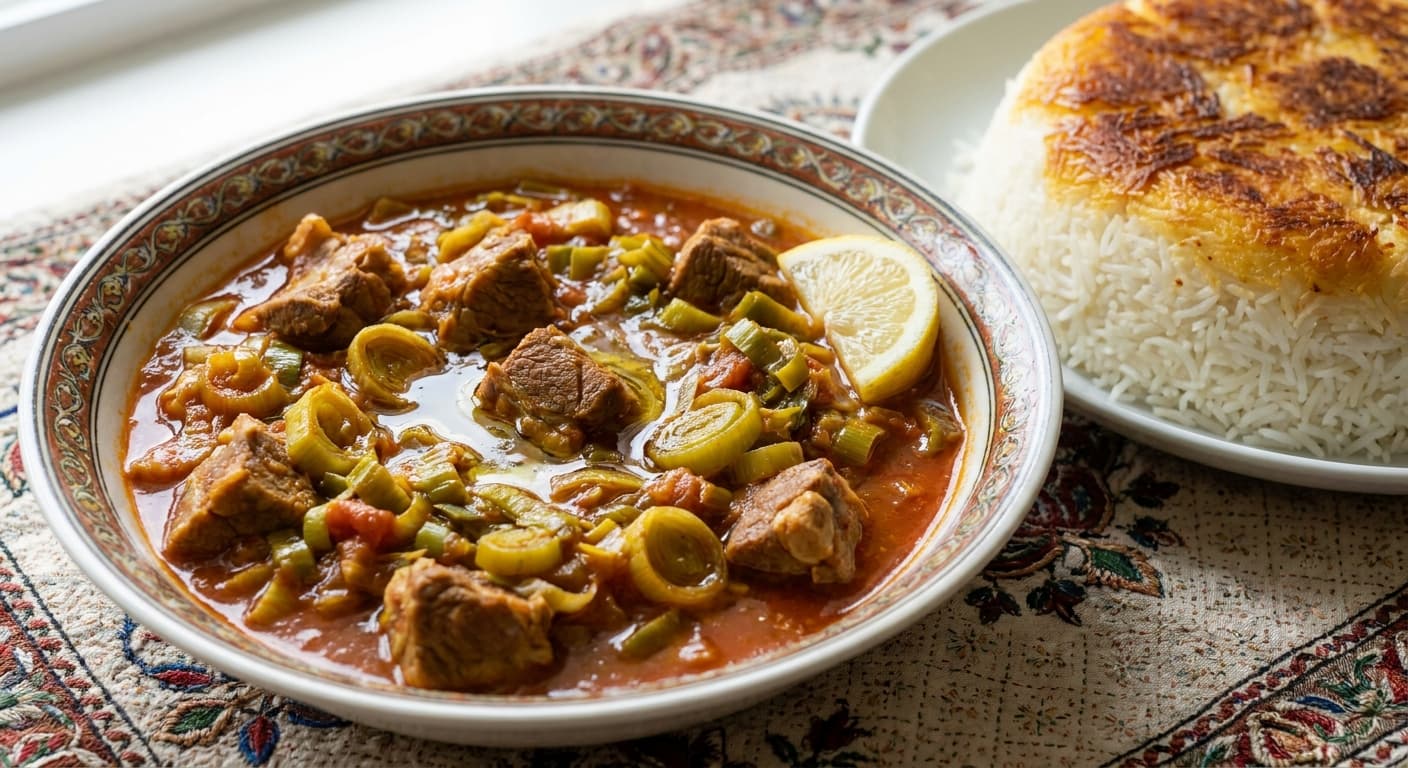
Khoresh Tareh Farangi (خورش تره فرنگی) — Persian Leek and Lamb Stew
Persian · Stews · 130 min
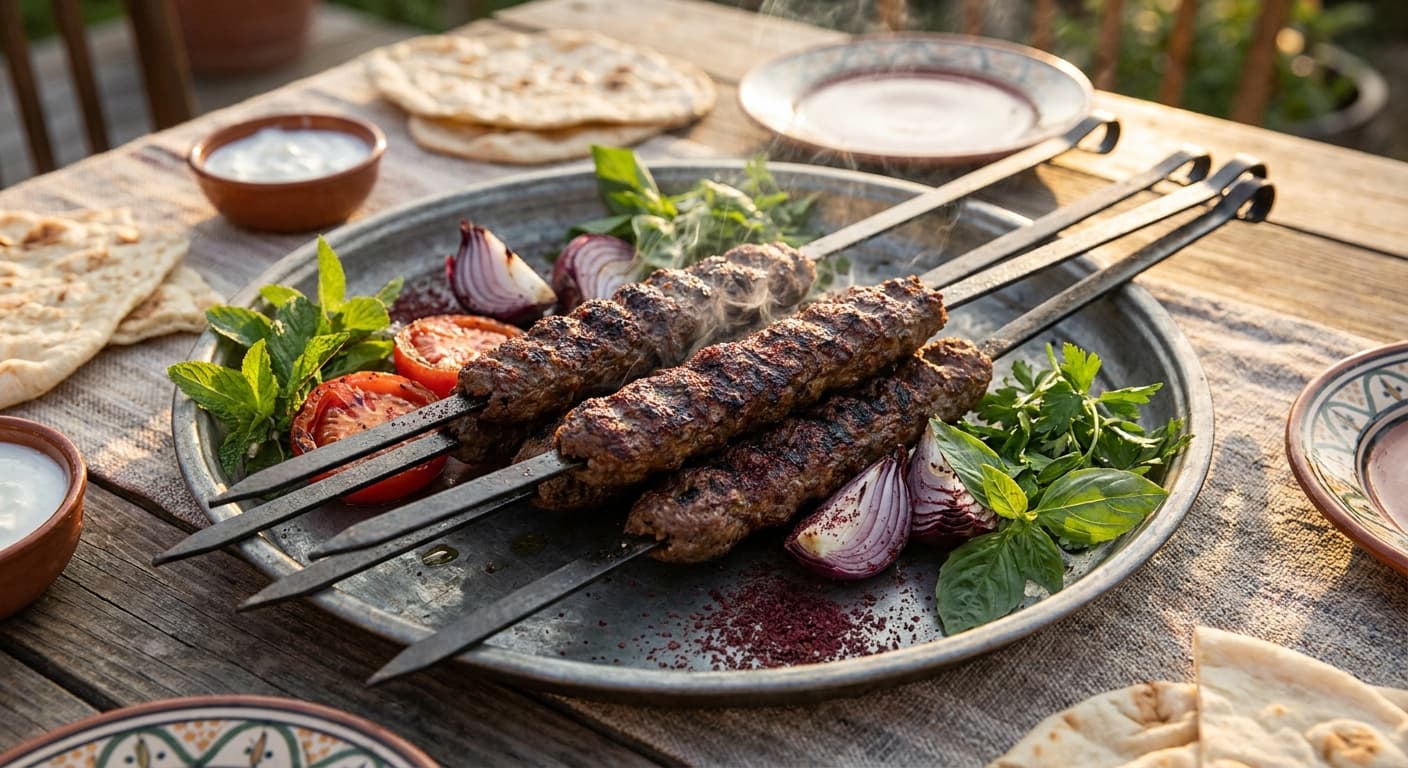
Authentic Kabab Koobideh (کباب کوبیده) — Persian Minced Lamb Skewers
Persian · Kebabs · 40 min
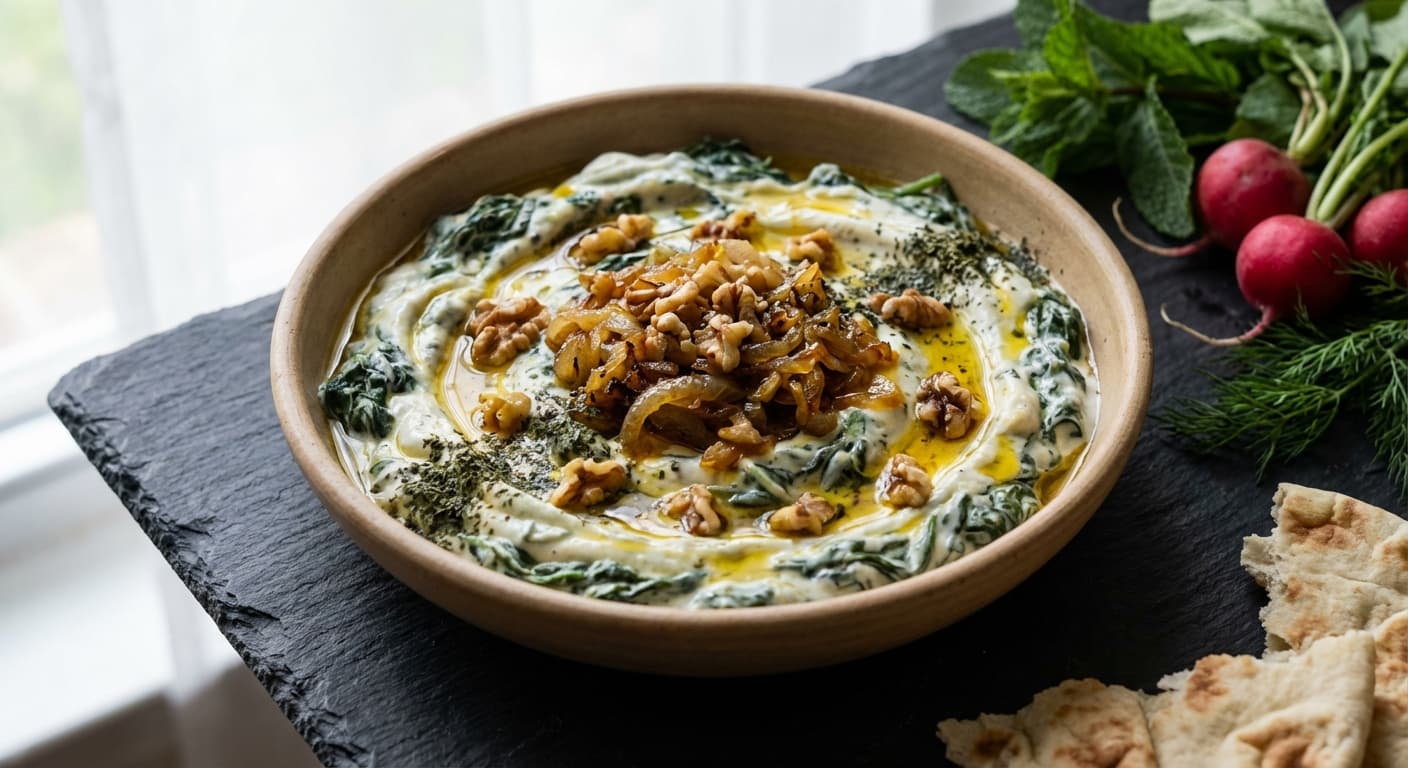
Borani Esfenaj (بورانی اسفناج) — Persian Spinach and Yogurt Dip with Saffron and Walnuts
Persian · Appetizers · 40 min
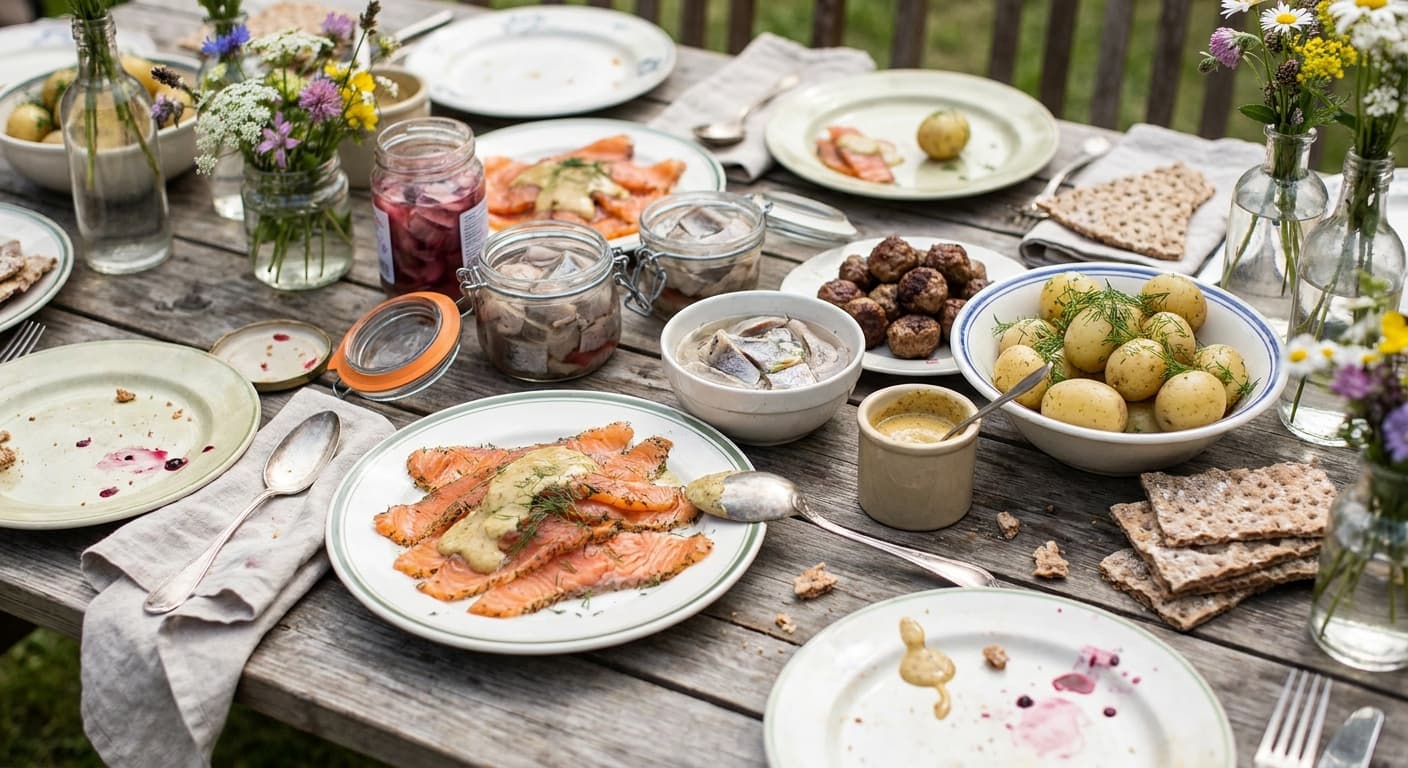
Swedish Smörgåsbord (Smörgåsbord) — Classic Buffet with Gravlax, Sill, and Köttbullar
Swedish · Main Courses · 115 min
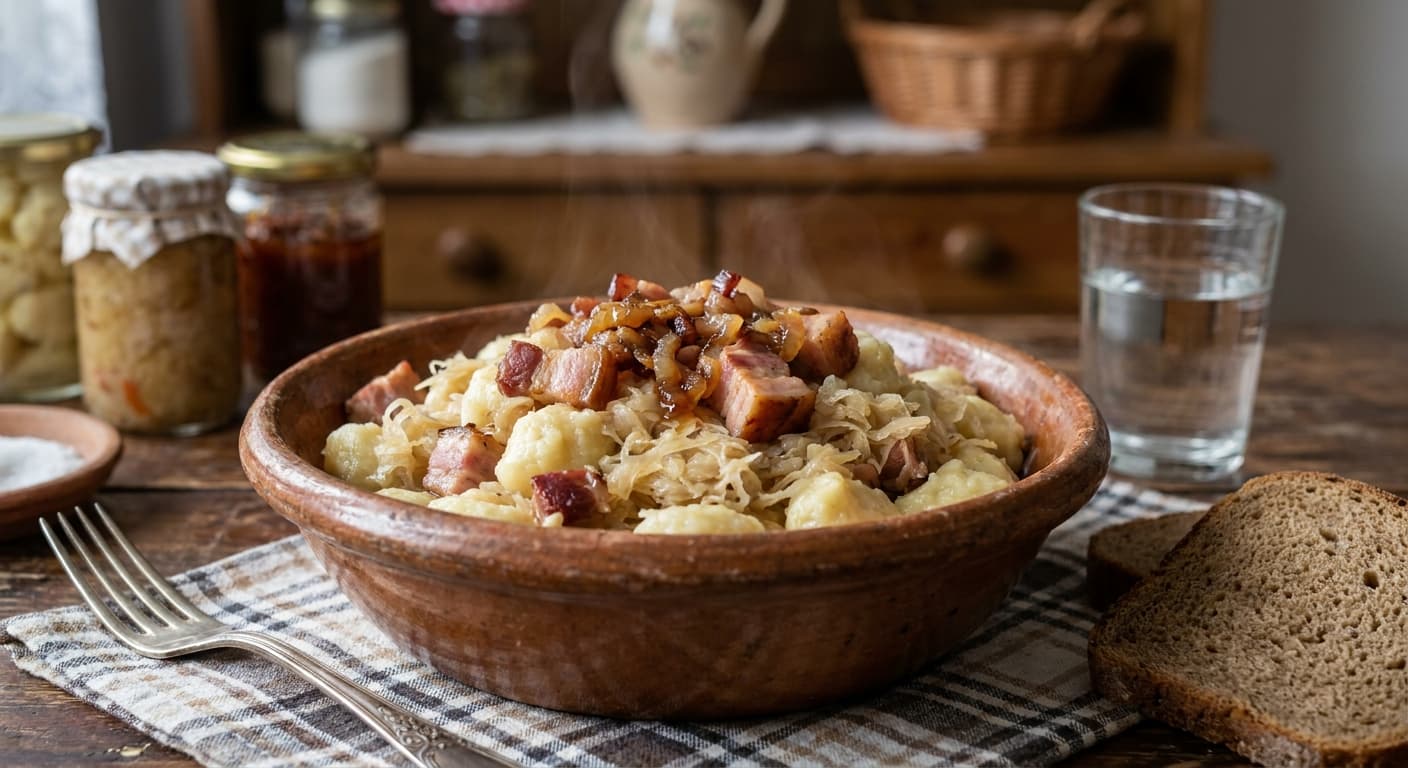
Potato Dumplings with Smoked Meat (Strapačky s údeným mäsom) — Rustic Slovak Halušky with Sauerkraut
Slovak · Main Courses · 70 min
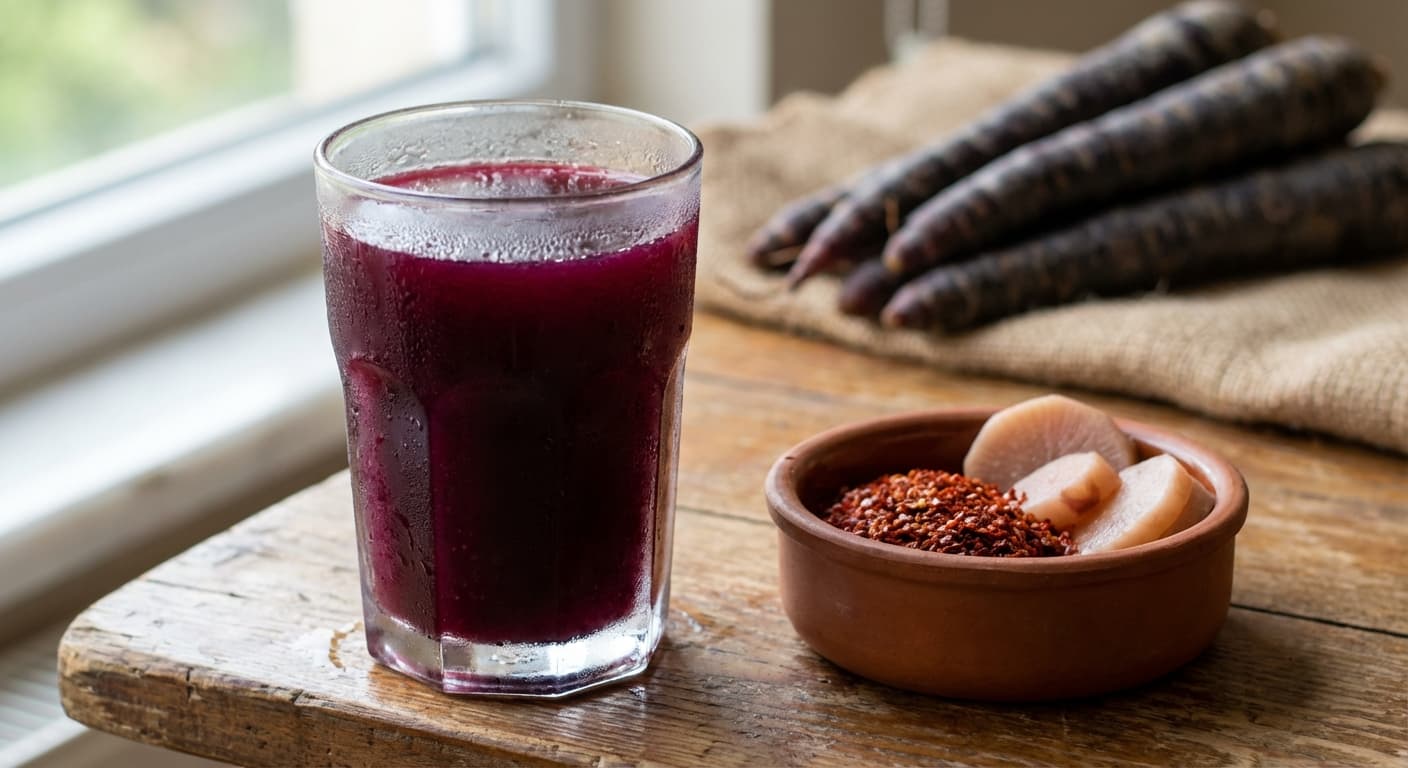
Salgam Juice (Şalgam) — Spicy, tangy fermented black-carrot drink
Turkish · Drinks · 25 min
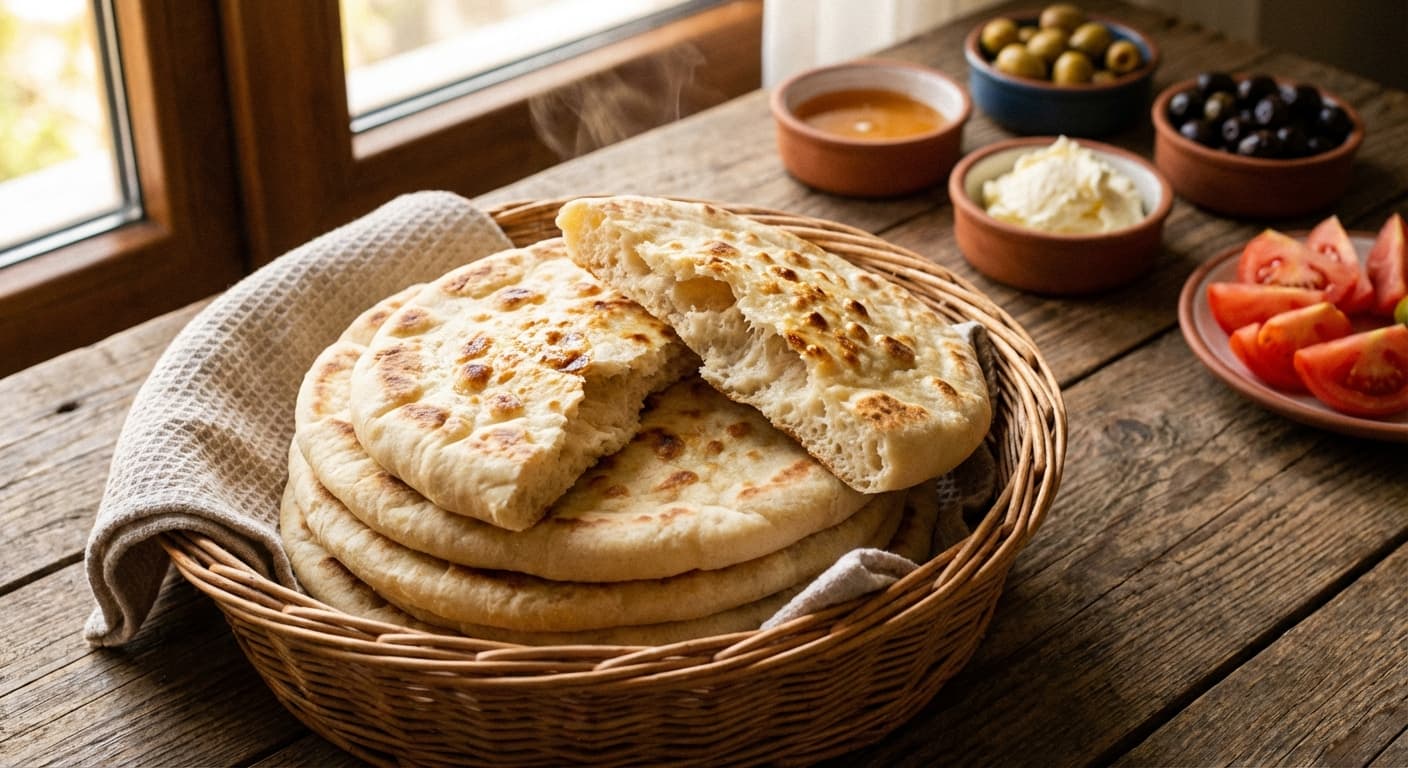
Bazlama (بازلاما) — Puffy Turkish Village Flatbread Cooked on a Saj
Turkish · Breads · 38 min
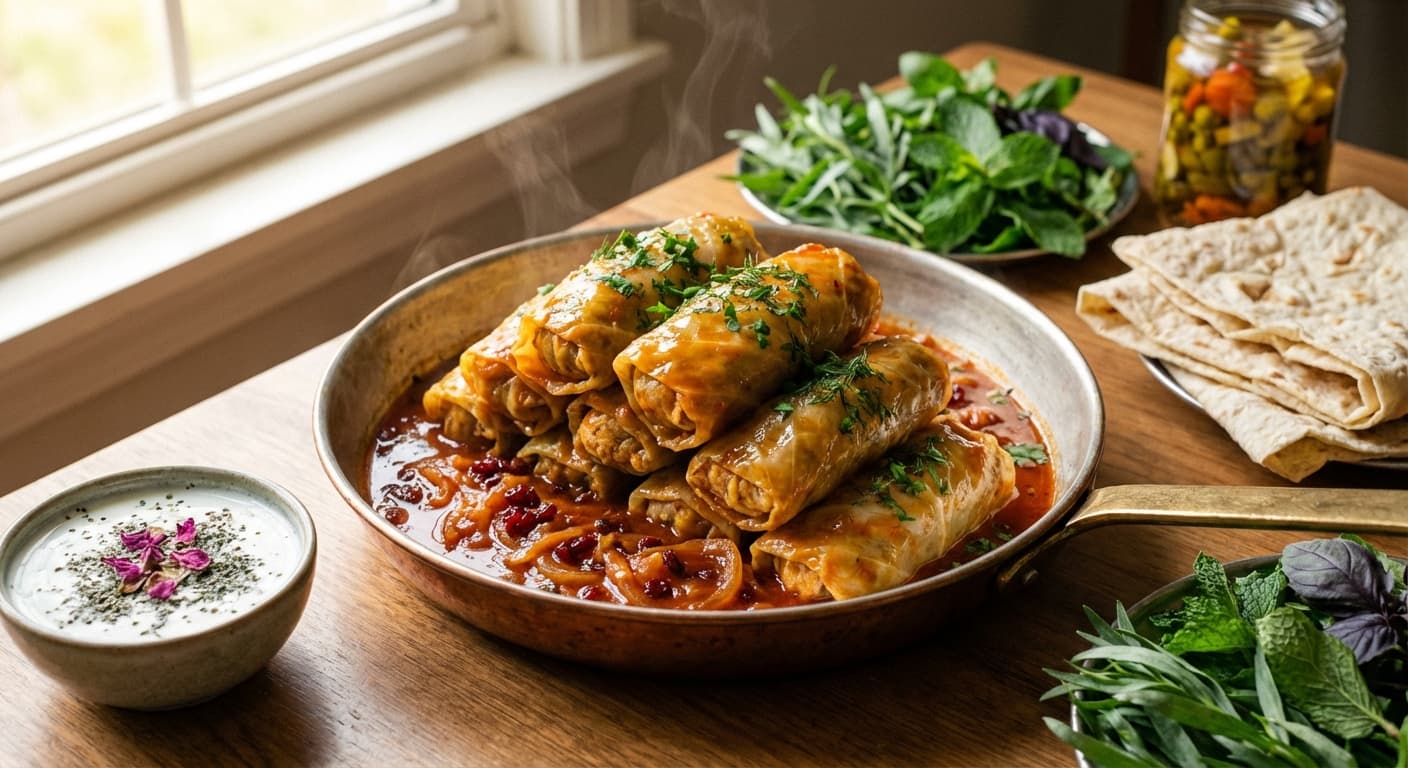
Chicken Stuffed Cabbage Rolls (دلمه کلم با مرغ) — Herb-Scented Persian Dolmeh in Tomato Saffron Sauce
Persian · Main Courses · 90 min
Reviews
Cooked this recipe?
Tap the stars to rate it — that's all it takes. A few words are welcome but optional.
No ratings yet. Cooked this one? Be the first to rate it — it takes one tap.