Peking Duck (北京烤鸭) — Crisp-Skinned Beijing Roast Duck
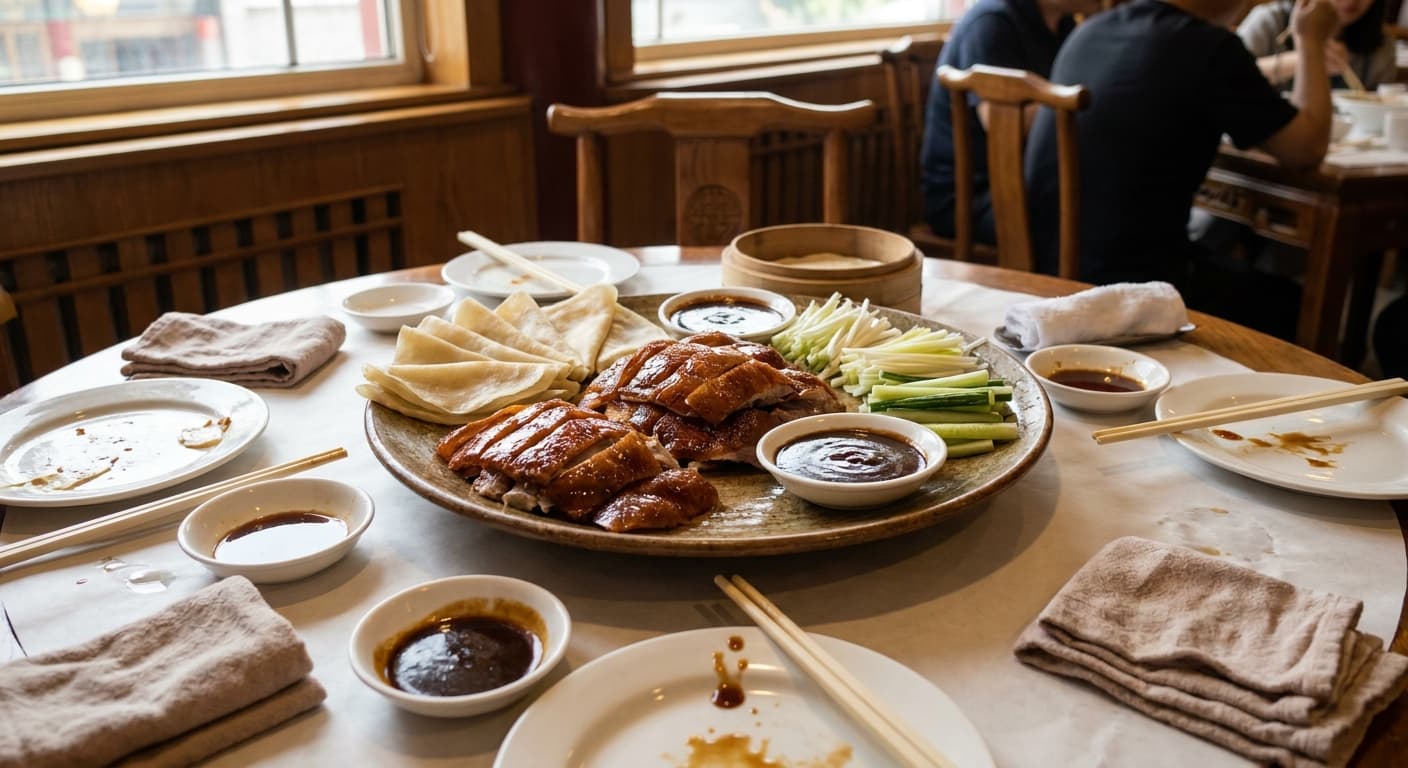
Peking duck is Beijing's celebrated banquet roast, prized for lacquered crisp skin, tender meat, Mandarin pancakes, hoisin, scallion, and cucumber. This home version uses blanching, maltose glaze, and overnight air-drying to echo the restaurant technique.
Printable Recipe Card
Servings: 6 · Total: 180 min · Difficulty: hard
Ingredients (quick list)
- 1 whole whole duck (2.4-2.7 kg, head and feet removed if preferred)
- 18 g kosher salt
- 2 inch fresh ginger (sliced)
- 6 scallions (trimmed and bruised)
- 30 ml Shaoxing wine
- 30 ml light soy sauce
- 1 tsp Chinese five-spice powder
- 2 whole star anise
- 1 stick cinnamon
- 3 l water
- 30 ml rice vinegar
- 45 g maltose (or use the substitution listed below)
+ 7 more in the full ingredients section below.
Steps (summary)
- Remove the duck from the refrigerator 45 minutes before starting, then pat it thoroughly dry inside and out. Trim excess fat fr…
- Loosen the skin from the breast and upper legs by carefully sliding your fingers between the skin and flesh. If you have a clea…
- Rub the cavity with the kosher salt, five-spice powder, Shaoxing wine, and light soy sauce. Place the ginger, scallions, star a…
- Bring 3 l water to a full boil in a large wok or stockpot. Holding the duck securely over the pot, ladle boiling water over eve…
- Stir the maltose with 60 ml boiling water until dissolved, then mix in the rice vinegar, Shaoxing wine, and light soy sauce. Br…
- Set the duck breast-side up on a rack over a tray and refrigerate it uncovered for 24 hours. Turn on a fan in the refrigerator…
+ 7 more steps in the full instructions section below.
Cultural Background
Peking duck is a Beijing banquet emblem, historically associated with imperial and restaurant roasting traditions. Eileen Yin-Fei Lo's work on Chinese cooking helps frame it as a dish of technique, sharing, and ceremonial hospitality.
Equipment
💡 Tips
- Air-drying the duck uncovered for a full 24 hours is more important than adding extra glaze; dry skin becomes crisp, while wet glaze turns leathery.
- Maltose gives the most traditional lacquered finish, but it must be loosened with boiling water before brushing or it will clump.
- Keep the pancakes covered after cooking and steam them briefly before serving so they stay supple enough to fold around the duck.
⚠️ Common Mistakes
❌ Roasting the duck before the skin is fully dry.
✅ Fix: Refrigerate it uncovered for at least 24 hours after glazing, and pat away any beads of moisture before roasting.
❌ Applying a thick glaze.
✅ Fix: Brush on thin coats only; heavy maltose glaze burns before the fat renders and can make the skin chewy.
❌ Wrapping the rested duck in foil.
✅ Fix: Rest it uncovered so steam can escape and the skin remains crisp.
🧊 How to Store
Refrigerate carved duck, pancakes, sauce, and vegetables in separate airtight containers for up to 3 days. Reheat duck skin-side up in a 200 C oven for 8 to 10 minutes, and steam pancakes for 2 to 3 minutes until soft.
📅 Make Ahead
The duck can be seasoned, blanched, glazed, and air-dried 24 hours ahead. Pancakes can be cooked 1 day ahead, wrapped tightly, refrigerated, and steamed just before serving.
🍽️ Pairs Well With
- Mandarin pancakes
- hoisin sauce
- scallion slivers
- cucumber batons
- quick pickled cabbage
- hot Chinese tea.
Regional Variations
- Beijing restaurant versions often use specially raised ducks, forced-air drying, and wood-fired hung ovens for a crisper, more evenly lacquered skin.
- Some Cantonese banquet kitchens season the cavity more assertively and serve the duck with plum sauce as well as hoisin.
- Home versions in North America commonly roast on a rack and use honey when maltose is unavailable.
Ingredients
- 1 wholewhole duck (2.4-2.7 kg, head and feet removed if preferred)
- 18 gkosher salt
- 2 inchfresh ginger (sliced)
- 6scallions (trimmed and bruised)
- 30 mlShaoxing wine
- 30 mllight soy sauce
- 1 tspChinese five-spice powder
- 2whole star anise
- 1 stickcinnamon
- 3 lwater
- 30 mlrice vinegar
- 45 gmaltose (or use the substitution listed below)
- 60 mlboiling water
- 300 gall-purpose flour
- 2 tspneutral oil
- 2 tsptoasted sesame oil
- 180 ghoisin sauce
- 1 tspgranulated sugar
- 1English cucumber (cut into 7 cm batons)
🔄 Substitutions
- maltose→ 45 g mild honey
- Shaoxing wine→ 45 ml unsalted chicken stock plus 5 ml rice vinegar
- Mandarin pancakes→ 24 store-bought Chinese duck pancakes
Instructions
- 1
Remove the duck from the refrigerator 45 minutes before starting, then pat it thoroughly dry inside and out. Trim excess fat from the cavity opening and neck area, but do not tear the skin because intact skin is essential for crisp Peking duck.
- 2
Loosen the skin from the breast and upper legs by carefully sliding your fingers between the skin and flesh. If you have a clean kitchen air pump, drinking straw, or turkey baster, gently inflate under the skin in several places to separate it further without puncturing it.
- 3
Rub the cavity with the kosher salt, five-spice powder, Shaoxing wine, and light soy sauce. Place the ginger, scallions, star anise, and cinnamon stick inside the cavity, then close the opening with wooden skewers or kitchen twine so the aromatics perfume the duck while it roasts.
- 4
Bring 3 l water to a full boil in a large wok or stockpot. Holding the duck securely over the pot, ladle boiling water over every part of the skin for 2 to 3 minutes, turning the duck as needed until the skin tightens and looks slightly glossy.
- 5
Stir the maltose with 60 ml boiling water until dissolved, then mix in the rice vinegar, Shaoxing wine, and light soy sauce. Brush this glaze over the entire duck, wait 10 minutes, and brush again so the skin receives an even, thin coating rather than a sticky heavy layer.
- 6
Set the duck breast-side up on a rack over a tray and refrigerate it uncovered for 24 hours. Turn on a fan in the refrigerator area only if safe and practical, because slow air-drying is the main home-cook substitute for the hanging and drying method used in Beijing roast-duck shops.
- 7
Make the Mandarin pancake dough while the duck dries or on roasting day. Put the flour in a bowl, pour in 180 ml boiling water while stirring with chopsticks or a wooden spoon, then knead for 6 minutes until the dough is smooth and elastic.
- 8
Cover the dough and rest it for 30 minutes, then divide it into 24 equal balls of about 20 g each. Brush 12 balls lightly with toasted sesame oil, top each with another ball, press each pair flat, and roll each pair into a thin 15 cm round.
- 9
Cook each paired pancake in a dry skillet over medium heat for 45 to 60 seconds per side, just until pale brown spots appear and the dough is cooked through. While still warm, peel each paired round apart into 2 thin pancakes, stack them under a clean towel, and later steam for 3 minutes to refresh.
- 10
Heat the oven to 220 C and place a rack in a roasting pan. Set the dried duck breast-side up on the rack and roast for 20 minutes, then reduce the heat to 180 C and continue roasting for 70 to 85 minutes until the thigh reaches 74 C.
- 11
If the skin needs more color, raise the oven to 230 C for the final 5 to 8 minutes while watching closely. Rest the duck uncovered for 15 minutes so the juices settle, because covering it with foil will trap steam and soften the crisp skin.
- 12
For the serving sauce, warm the hoisin with toasted sesame oil, water, and sugar until smooth and spoonable. Carve the duck by first removing crisp skin in thin pieces, then slicing the breast and leg meat, keeping skin and meat together where possible.
- 13
Serve immediately with warm Mandarin pancakes, hoisin sauce, scallion slivers, and cucumber batons. To eat, spread a pancake with hoisin, add duck skin and meat, top with scallion and cucumber, then fold the bottom and sides into a compact bundle.
🪪 Recipe Passport
Cultural Background
Peking duck is a Beijing banquet emblem, historically associated with imperial and restaurant roasting traditions. Eileen Yin-Fei Lo's work on Chinese cooking helps frame it as a dish of technique, sharing, and ceremonial hospitality.
Regional Variations
Researched from multiple sources and validated by the Zaffaron editorial team. Every recipe is tested for accuracy, measurements, and cultural authenticity.
📚 Sources & Cultural References
- Eileen Yin-Fei Lo — Mastering the Art of Chinese Cooking — (2009)
- Alan Davidson — The Oxford Companion to Food — (1999)
Sources cited by the Zaffaron editorial team during recipe research. Cultural and culinary references supporting authenticity claims.
Nutrition per serving
Pairs well with
If you enjoyed this recipe, here are a few related Zaffaron recipes to try next.
Does your family make this differently?
Every family has their own version. Maybe your grandmother adds a secret ingredient, or your aunt has a completely different technique. Preserve your family's version — with their name on it, forever.
You Might Also Like
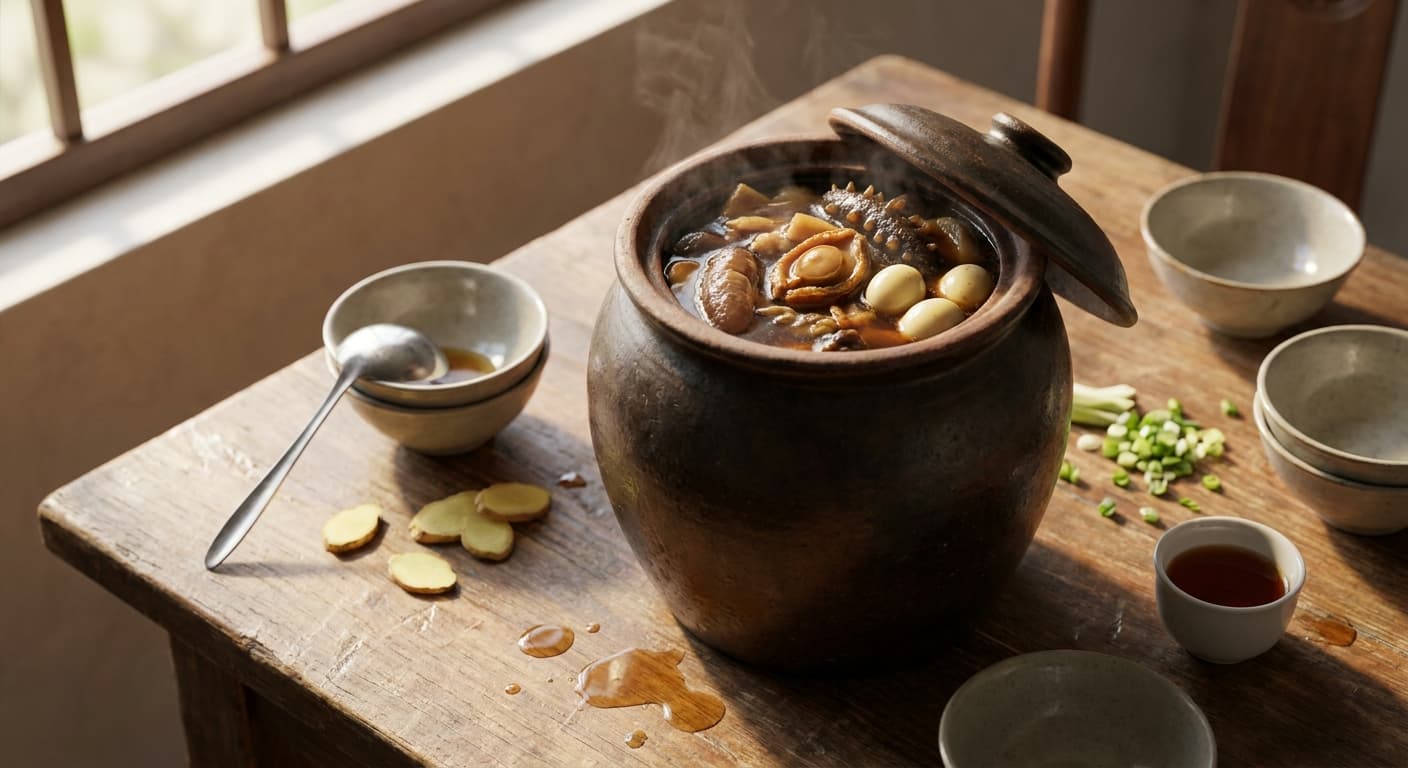
Buddha Jumps Over the Wall (佛跳墙) — Fujian Banquet Treasure Soup
Chinese · Soups · 540 min
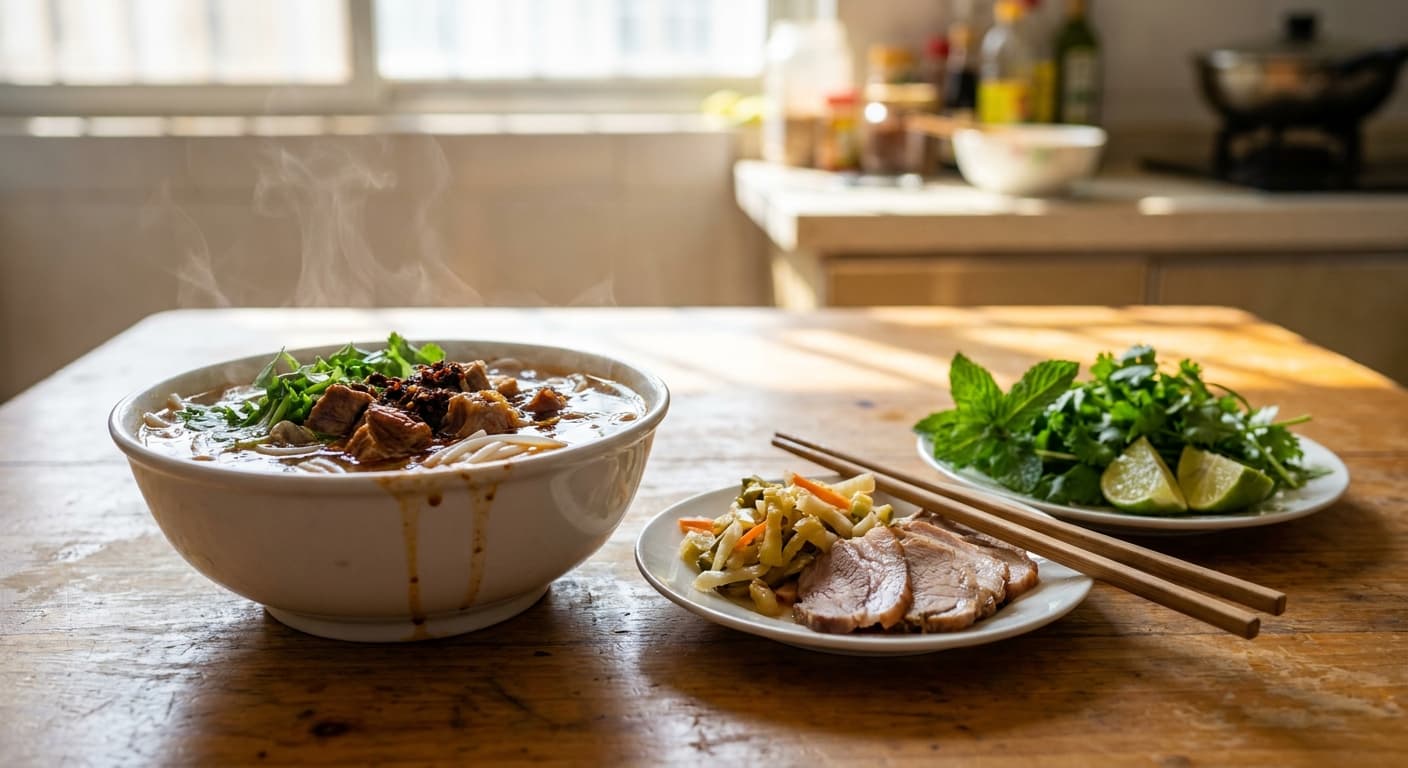
Crossing-the-Bridge Rice Noodles (过桥米线) — Yunnan Hot Broth Noodle Soup
Chinese · Soups · 195 min
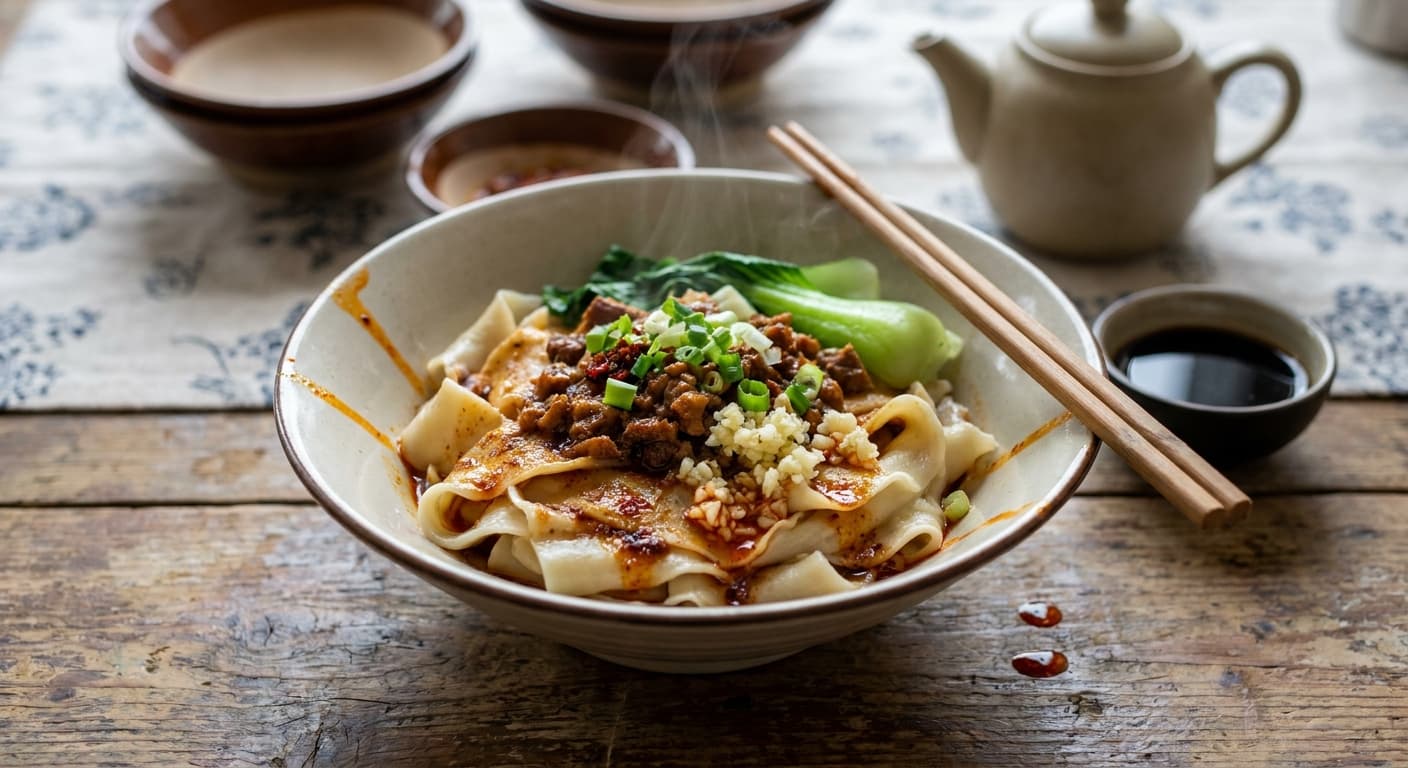
Biangbiang Noodles (油泼扯面) — Xi'an Hand-Pulled Belt Noodles
Chinese · Main Courses · 65 min
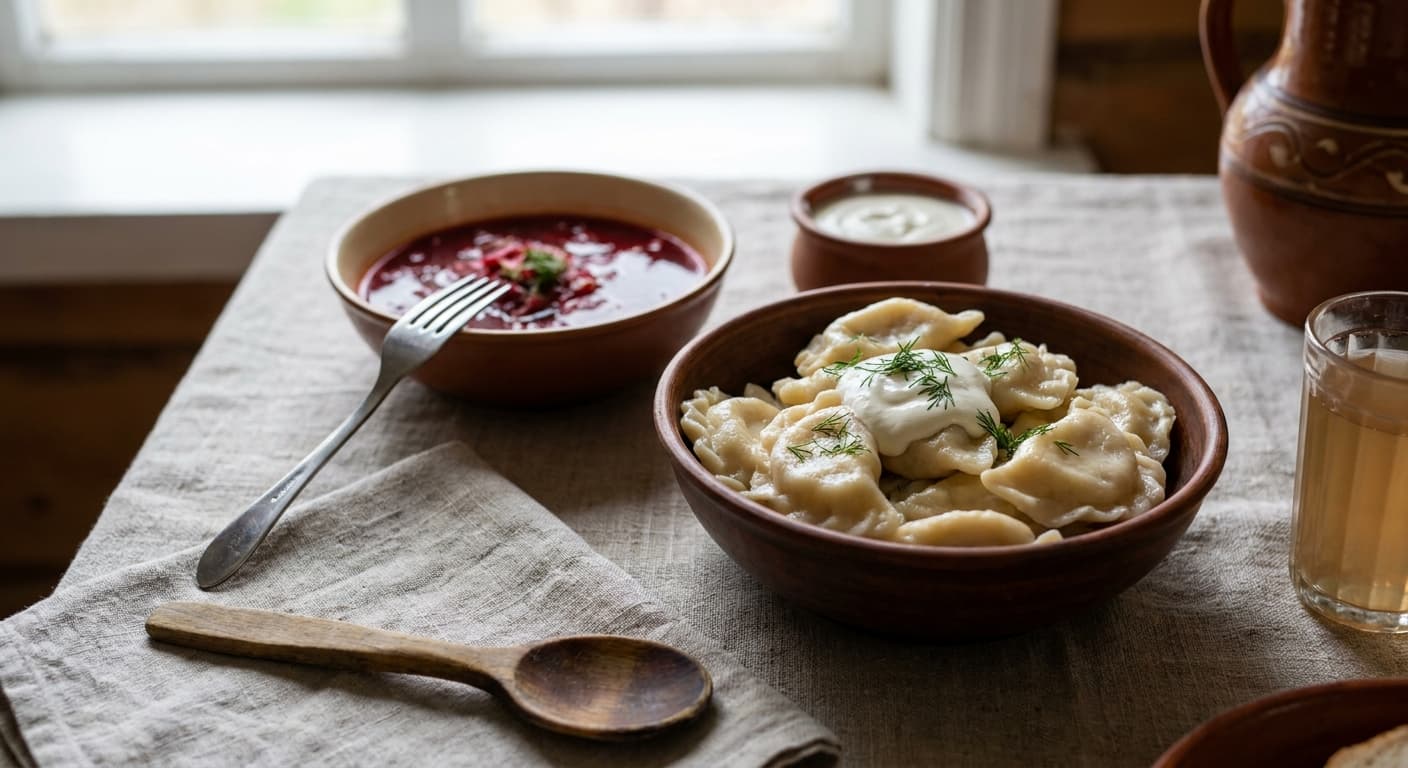
Varenyky (Вареники) — Ukrainian Potato-Cheese Dumplings
Ukrainian · Main Courses · 95 min
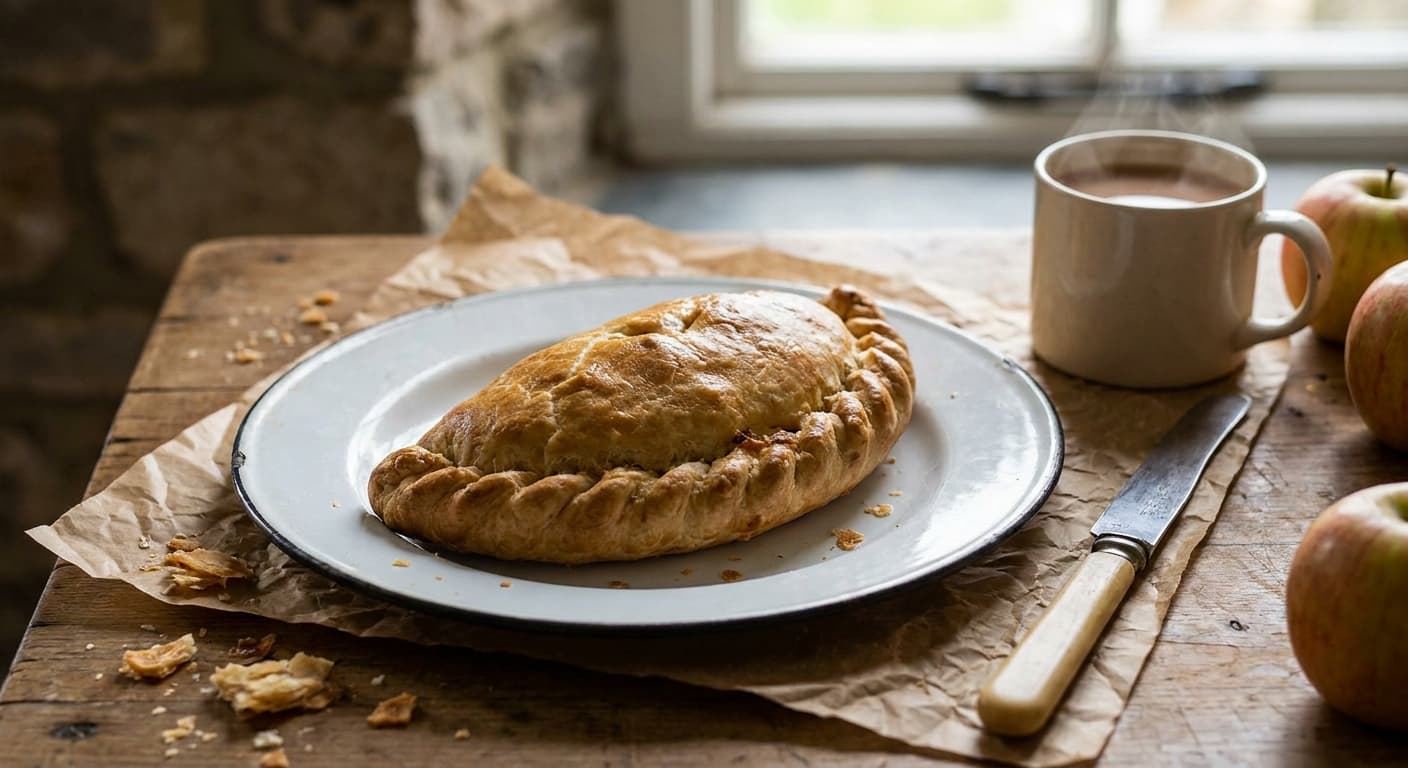
Cornish Pasty (Cornish Pasty) — Traditional Beef and Swede Hand Pie
British · Main Courses · 100 min
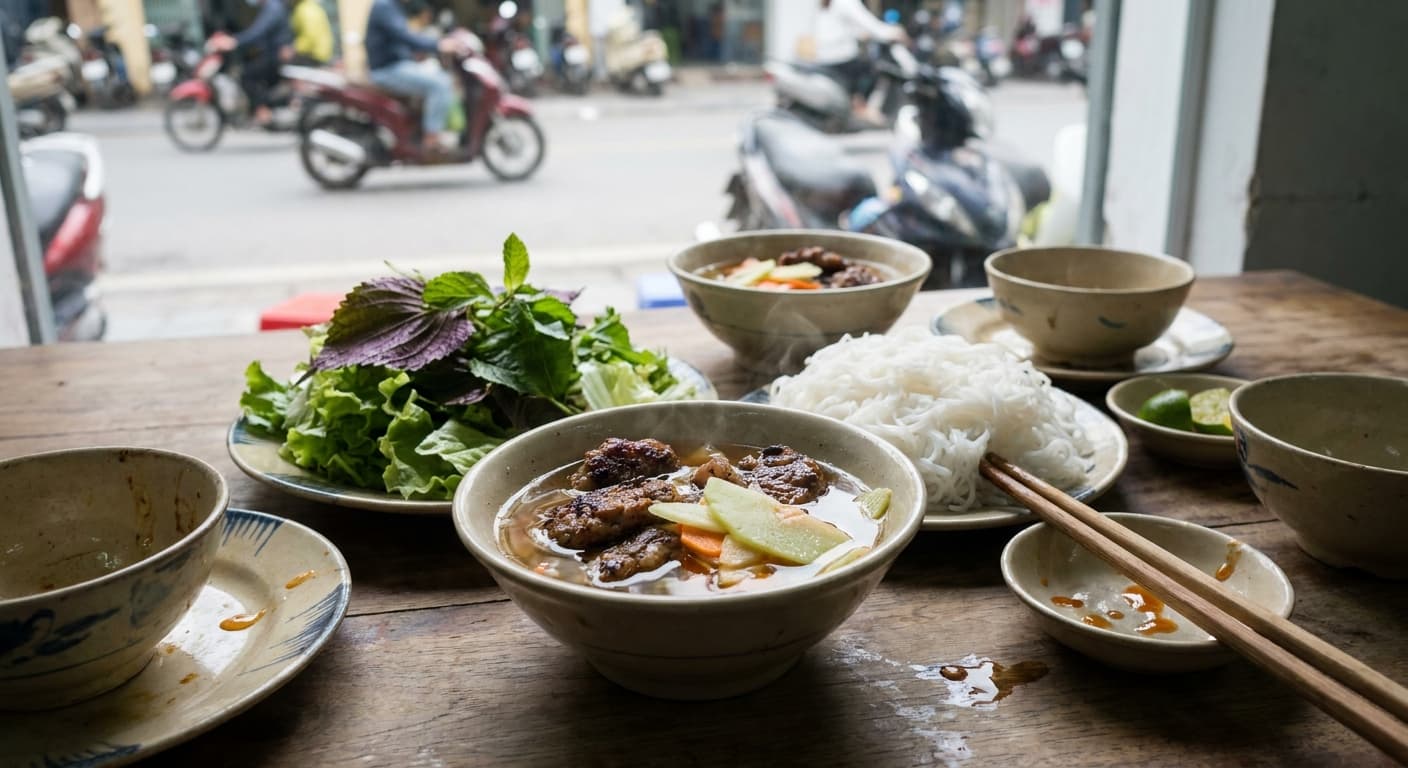
Vietnamese Grilled Pork with Rice Noodles (Bún Chả) — Hanoi-Style Charcoal Pork and Vermicelli
Vietnamese · Main Courses · 65 min

Kitsune Udon (きつねうどん) — Udon Noodles with Sweet Fried Tofu
Japanese · Main Courses · 40 min
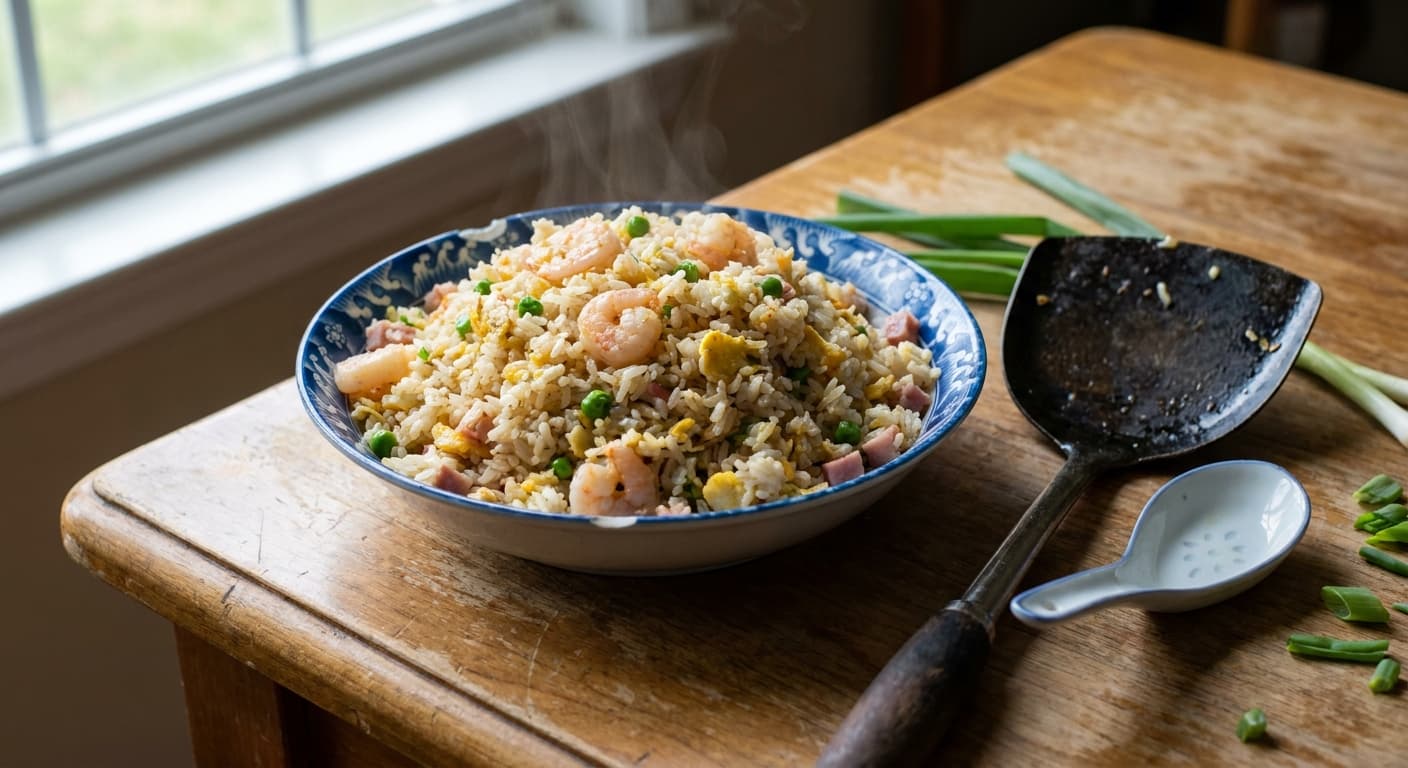
Yangzhou Fried Rice (扬州炒饭) — Classic Shrimp, Char Siu, and Egg Fried Rice
Chinese · Rice Dishes · 30 min
Reviews
Cooked this recipe?
Tap the stars to rate it — that's all it takes. A few words are welcome but optional.
No ratings yet. Cooked this one? Be the first to rate it — it takes one tap.