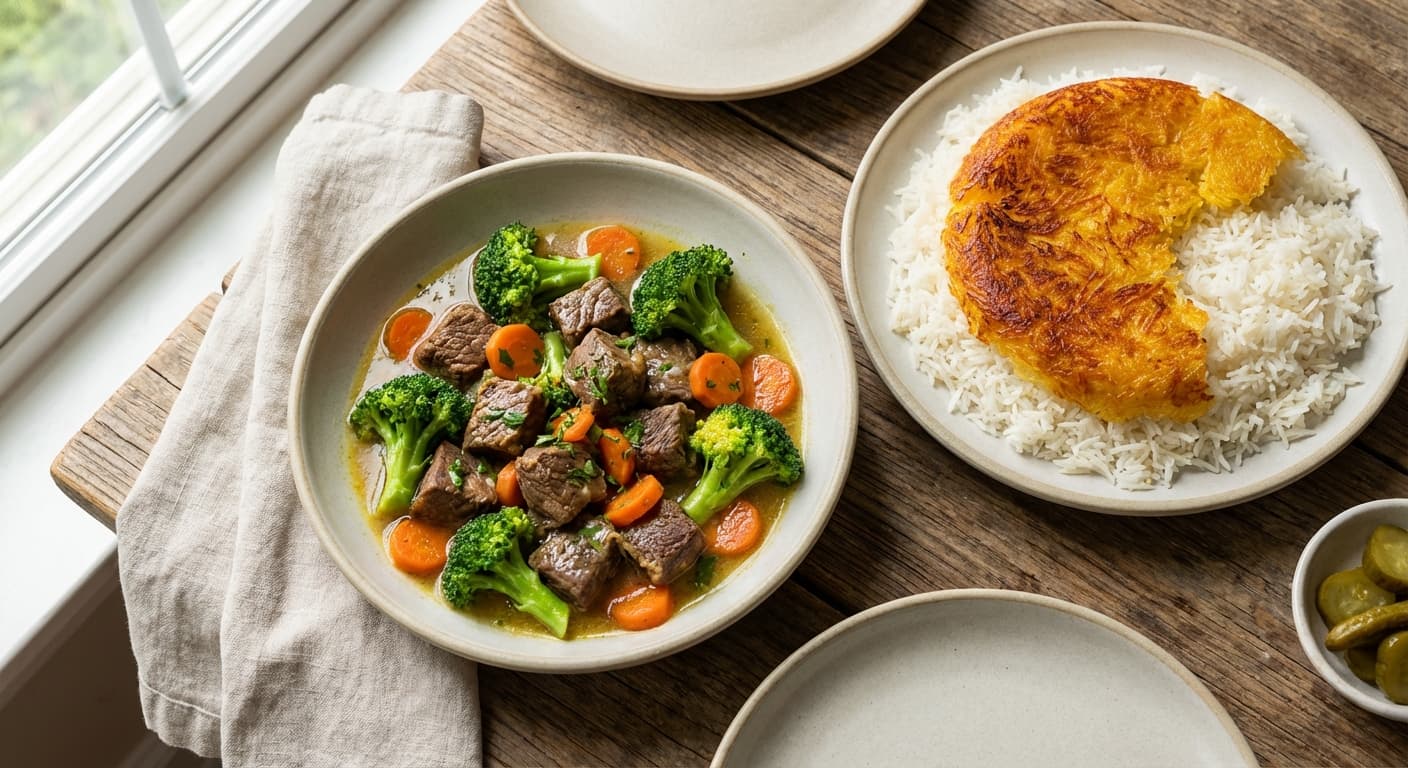
Khorak-e Goosht-o Kalam (خوراک گوشت و کلم) — Persian Lemon-Infused Beef & Broccoli
Tender beef simmered with onion, carrots, and broccoli, finished with fresh lemon juice and black pepper. This bright, home-style Persian khorak is designed for serving with fluffy kateh rice for a balanced, comforting meal.
Printable Recipe Card
Servings: 4 · Total: 100 min · Difficulty: medium
Ingredients (quick list)
- 300 g Basmati rice (rinsed until water runs mostly clear)
- 540 g Water (for cooking the rice)
- 6 g Fine sea salt (for the rice (about 1 tsp))
- 15 g Vegetable oil (for the rice (about 1 tbsp))
- 600 g Beef chuck (cut into 3 cm cubes, well-trimmed)
- 220 g Yellow onion (finely diced)
- 2 g Ground black pepper (about 1 tsp, plus more to taste)
- 200 g Carrots (peeled and cut into 1 cm coins)
- 300 g Broccoli florets (bite-size florets, stems peeled and sliced if using)
- 60 ml Fresh lemon juice (about 4 tbsp, added at the end for brightness)
Steps (summary)
- Rinse the basmati rice 3–5 times until the water is mostly clear, then drain well. In a nonstick pot, combine rice, 540 g water…
- When the rice water reaches the surface and small craters appear, reduce heat to low, cover with a tight lid, and steam for 35…
- Heat 30 g vegetable oil in a heavy pot over medium-high heat for 2 minutes. Add diced onion and sauté 8–10 minutes until golden…
- Season with 8 g salt and 2 g black pepper, stirring for 30 seconds to bloom the aroma. Add 720 g hot water, bring to a boil, th…
- Add sliced carrots, cover again, and simmer 15 minutes, or until carrots are nearly tender. If the pot looks dry, add 60–120 g…
- Add broccoli florets, cover, and cook 6–8 minutes until bright green and crisp-tender. Turn off the heat and immediately stir i…
Cultural Background
Khorak dishes are common in Iranian home cooking, typically built around gently simmered meat and seasonal vegetables served with rice. Lemon or other souring agents are often used to balance richness and highlight natural flavors, especially in everyday family meals.
Equipment
💡 Tips
- Add lemon juice off-heat to prevent bitterness and keep the flavor bright.
- Cut beef into uniform 3 cm cubes so everything becomes tender at the same time.
- If you prefer softer broccoli, cook 2–3 minutes longer; for more crunch, add it in the last 5 minutes.
- For a richer rice crust, increase rice oil to 20 g and keep heat very low during steaming.
⚠️ Common Mistakes
❌ Adding lemon juice early in the simmer
💡 Why: Prolonged cooking dulls the citrus and can introduce bitterness, making the dish taste flat.
✅ Fix: Stir in lemon juice after turning off the heat, then rest 5 minutes before serving; add more to taste at the table.
❌ Boiling the beef aggressively
💡 Why: A hard boil tightens muscle fibers and can make the meat dry while evaporating liquid too fast.
✅ Fix: Keep a gentle simmer with small bubbles; if needed, lower heat and partially cover to control evaporation.
❌ Overcooking broccoli until olive-green
💡 Why: Broccoli loses sweetness, turns sulfurous, and becomes mushy, which dulls the dish’s fresh character.
✅ Fix: Add broccoli near the end and cook 6–8 minutes; stop when it is bright green and crisp-tender.
❌ Lifting the rice lid repeatedly while steaming
💡 Why: Steam escapes, causing uneven cooking and a gummy top layer.
✅ Fix: Steam undisturbed for 35 minutes, then rest covered for 10 minutes before fluffing.
🧊 How to Store
Cool leftovers within 2 hours. Refrigerate beef and vegetables in an airtight container for up to 3 days. Store rice separately for best texture. Reheat gently on the stovetop with 1–2 tbsp water; add a small squeeze of fresh lemon after reheating.
📅 Make Ahead
Cook the beef and carrots up to 2 days ahead and refrigerate. Reheat gently until simmering, then add broccoli for the final 6–8 minutes and finish with fresh lemon juice off-heat. Rice is best made fresh but can be cooked ahead and steamed briefly to refresh.
🍽️ Pairs Well With
- Kateh rice (included)
- Plain yogurt or cucumber yogurt
- Fresh herbs and radishes
- Pickled vegetables
Regional Variations
- Tehran-style home cookingOften kept simple with onion, black pepper, and a bright sour finish; vegetables may vary by season, with green beans or peas replacing broccoli.
- Northern Iran (Caspian-influenced)A tangier profile is common, sometimes increasing the sour element and emphasizing garden vegetables; the dish may be served with more sauce for spooning over rice.
Ingredients
- 300 gBasmati rice (rinsed until water runs mostly clear)
- 540 gWater (for cooking the rice)
- 6 gFine sea salt (for the rice (about 1 tsp))
- 15 gVegetable oil (for the rice (about 1 tbsp))
- 600 gBeef chuck (cut into 3 cm cubes, well-trimmed)
- 220 gYellow onion (finely diced)
- 2 gGround black pepper (about 1 tsp, plus more to taste)
- 200 gCarrots (peeled and cut into 1 cm coins)
- 300 gBroccoli florets (bite-size florets, stems peeled and sliced if using)
- 60 mlFresh lemon juice (about 4 tbsp, added at the end for brightness)
🔄 Substitutions
- Beef chuck→ Boneless lamb shoulder
- Basmati rice→ Jasmine rice
- Broccoli florets→ Cauliflower florets
Instructions
- 1
Rinse the basmati rice 3–5 times until the water is mostly clear, then drain well. In a nonstick pot, combine rice, 540 g water, 6 g salt, and 15 g oil. Bring to a boil over medium-high heat (about 6–8 minutes), stirring once to prevent sticking.
- 2
When the rice water reaches the surface and small craters appear, reduce heat to low, cover with a tight lid, and steam for 35 minutes. For a deeper crust, keep the heat very low but steady. Turn off heat and rest, covered, for 10 minutes while you start the beef.
- 3
Heat 30 g vegetable oil in a heavy pot over medium-high heat for 2 minutes. Add diced onion and sauté 8–10 minutes until golden and lightly caramelized. Add beef cubes in a single layer and brown 6–8 minutes total, turning to color at least two sides for better flavor.
- 4
Season with 8 g salt and 2 g black pepper, stirring for 30 seconds to bloom the aroma. Add 720 g hot water, bring to a boil, then reduce to a gentle simmer. Cover and cook 45 minutes, stirring every 15 minutes and keeping the simmer steady, not rapid.
- 5
Add sliced carrots, cover again, and simmer 15 minutes, or until carrots are nearly tender. If the pot looks dry, add 60–120 g hot water; you want a moist khorak with a little sauce, not a watery soup. Taste and adjust salt lightly.
- 6
Add broccoli florets, cover, and cook 6–8 minutes until bright green and crisp-tender. Turn off the heat and immediately stir in 60 ml fresh lemon juice. Rest 5 minutes uncovered so the lemon stays vivid, then serve the beef and vegetables over kateh rice.
🪪 Recipe Passport
Cultural Background
Khorak dishes are common in Iranian home cooking, typically built around gently simmered meat and seasonal vegetables served with rice. Lemon or other souring agents are often used to balance richness and highlight natural flavors, especially in everyday family meals.
Regional Variations
Researched from multiple sources and validated by the Zaffaron editorial team. Every recipe is tested for accuracy, measurements, and cultural authenticity.
Nutrition per serving
Pairs well with
If you enjoyed this recipe, here are a few related Zaffaron recipes to try next.
- Khorak Makaroni ba Mahi (خوراک ماکارونی با ماهی) — Persian-Style Fish Pasta
- Khorak Nanaa va Jafari (خوراک نعناع و جعفری) — Persian Mint & Parsley Meatball Stew
- Khorak Goosht (خوراک گوشت) — Persian Sweet & Spiced Meat Stew with Dried Fruit
- Khorak-e Loobia Sefid (خوراک لوبیا سفید) — Persian White Bean Potage
Does your family make this differently?
Every family has their own version. Maybe your grandmother adds a secret ingredient, or your aunt has a completely different technique. Preserve your family's version — with their name on it, forever.
You Might Also Like
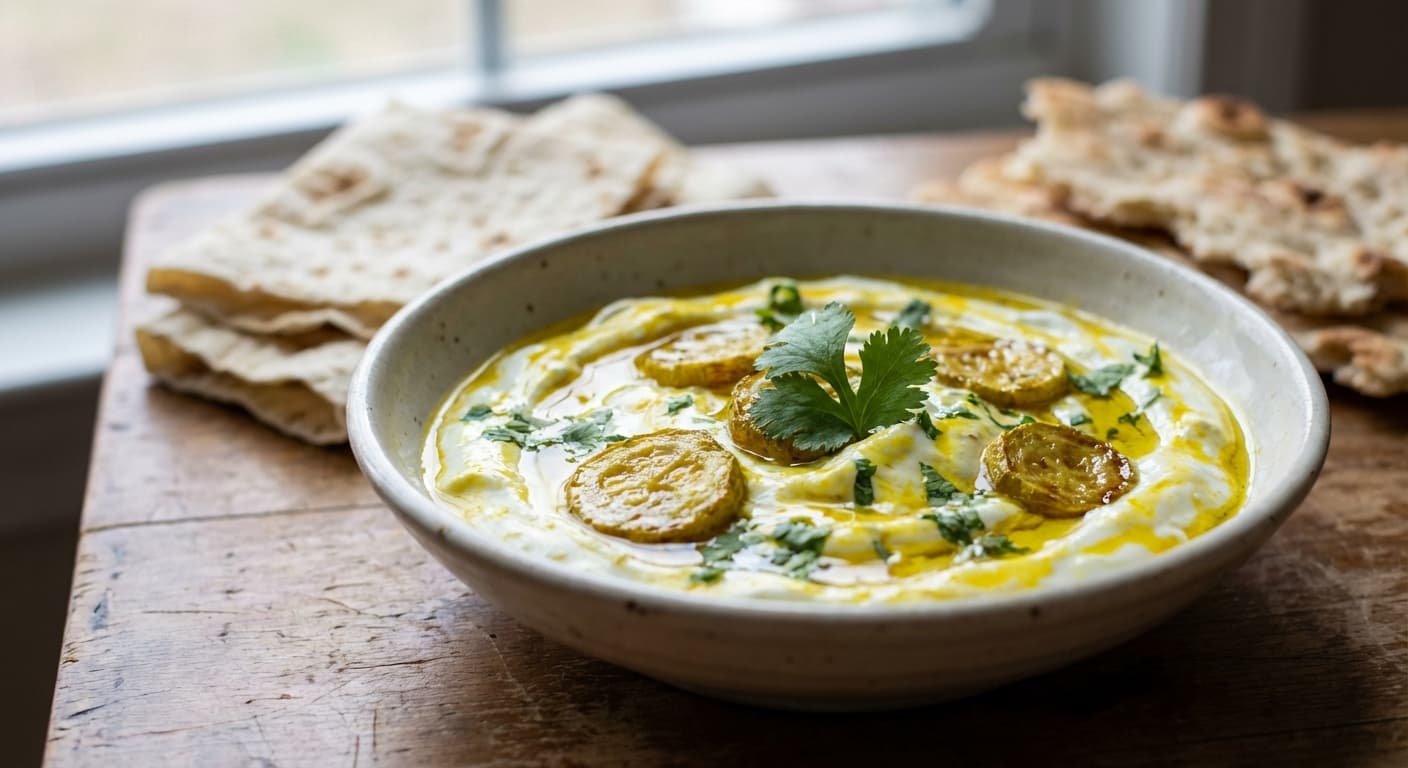
Borani Kadu (بورانی کدو) — Saffron-Infused Zucchini and Yogurt Dip
Persian · Appetizers · 40 min
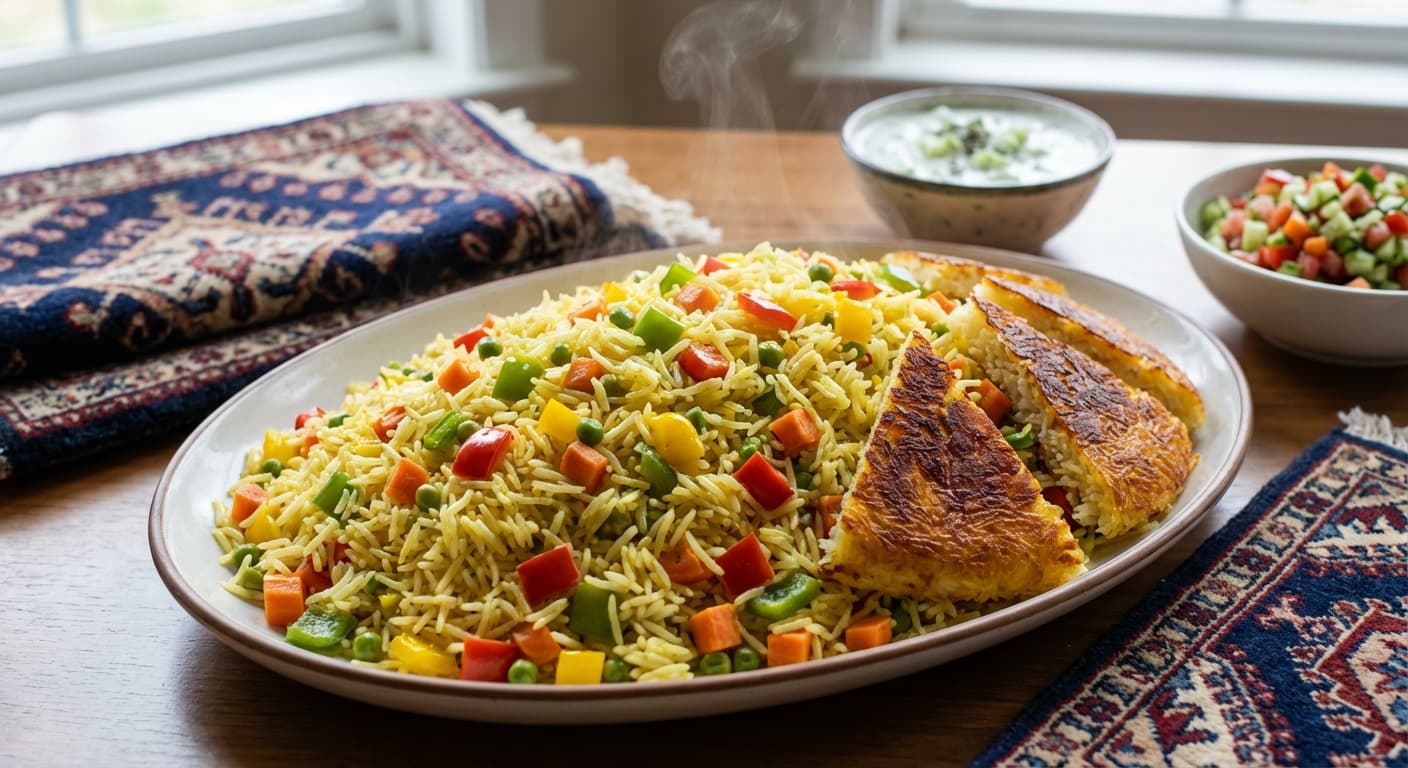
Mixed Vegetable Rice (برنج با مخلوط سبزیجات) — Persian-Style Aromatic Pilaf
Persian · Rice Dishes · 75 min
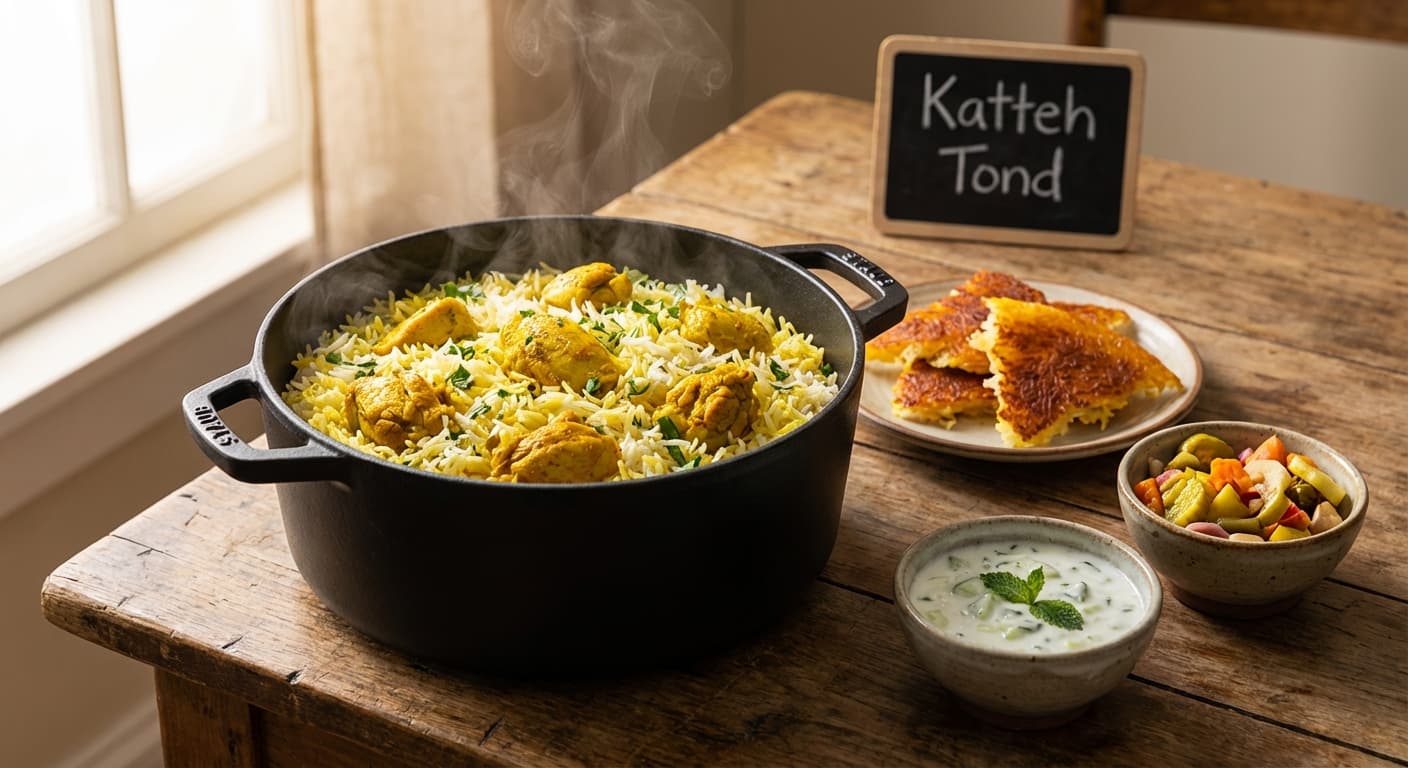
Katteh Tond (کته تند) — Spicy Caspian-Style One-Pot Chicken Rice
Persian · Rice Dishes · 85 min
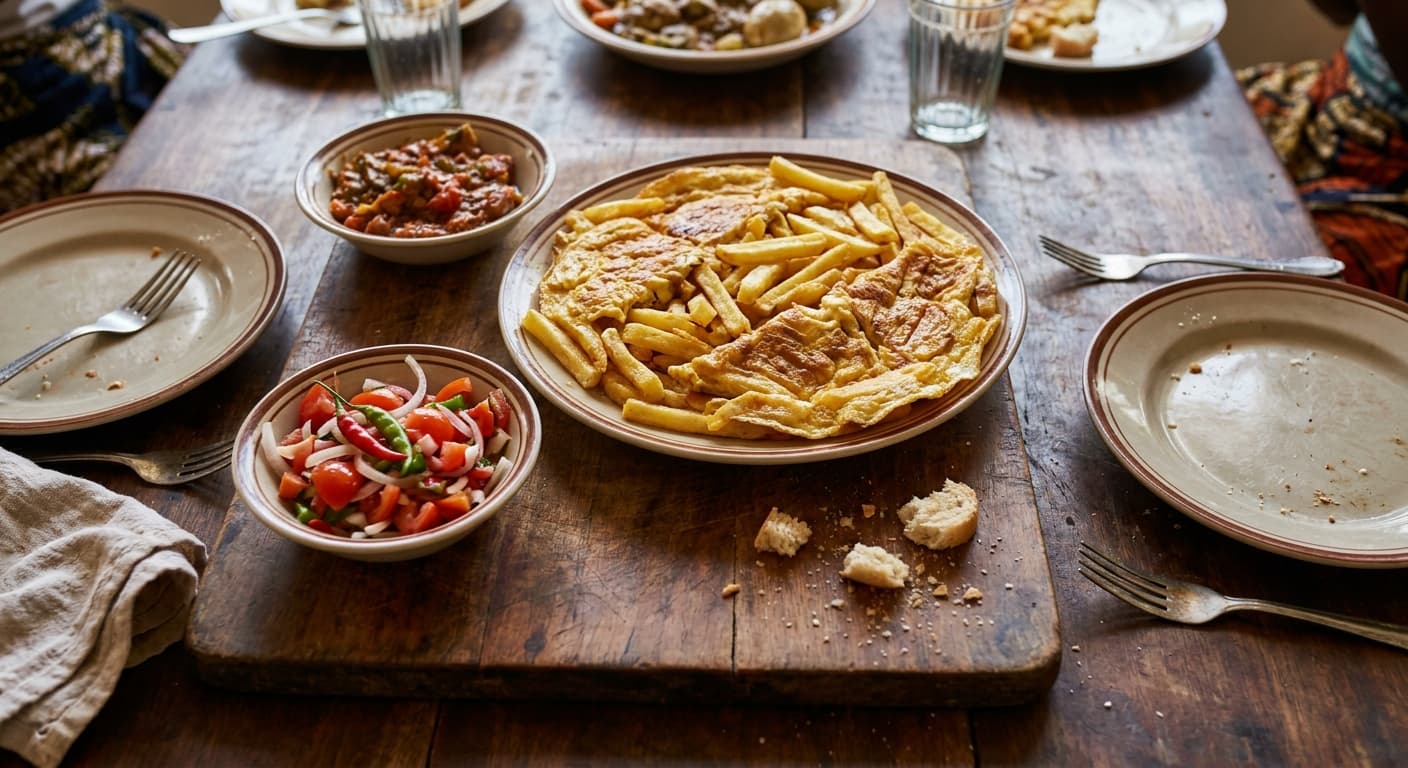
Chips and Egg Omelet (Chipsi Mayai) — Tanzanian Street-Food Classic
Tanzanian · Main Courses · 50 min
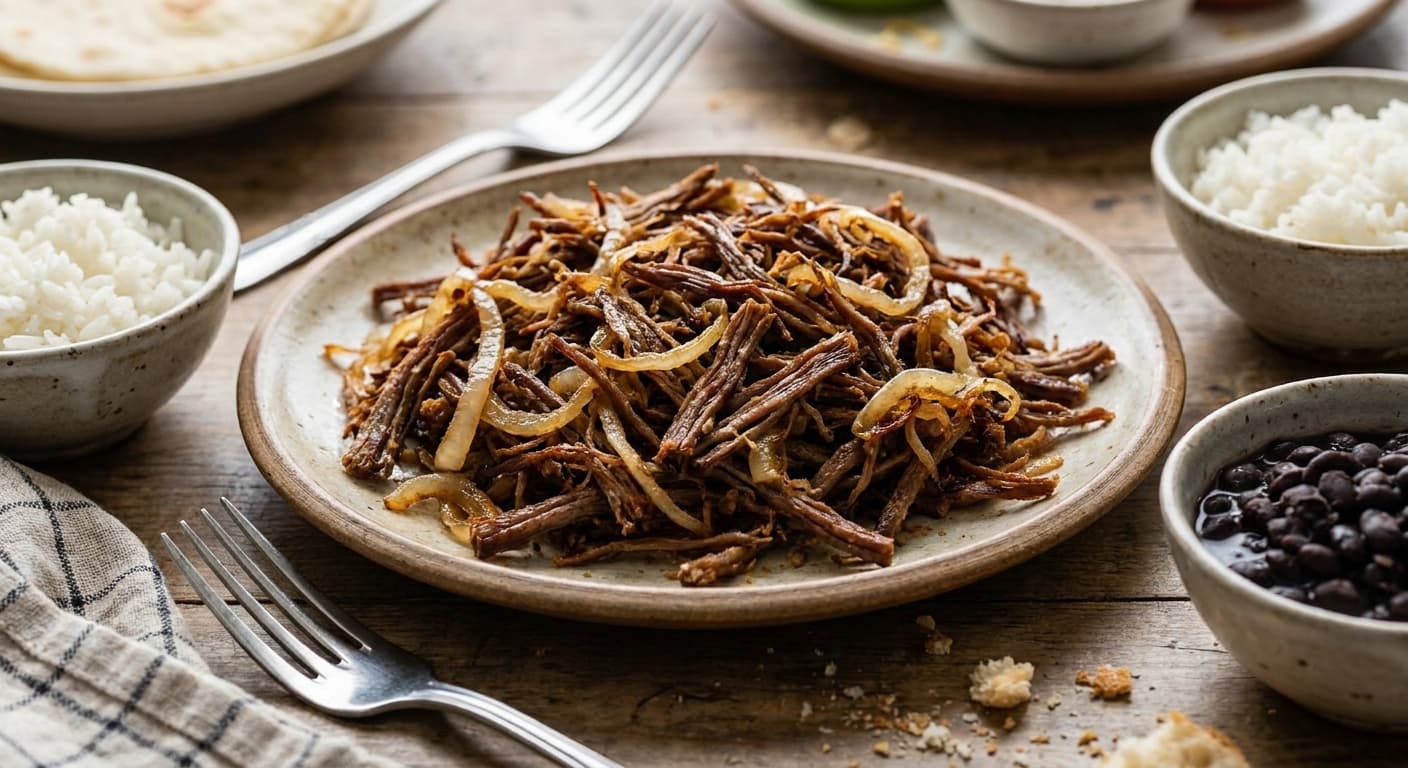
Cuban Crispy Shredded Beef (Vaca Frita) — Garlic and Citrus
Cuban · Main Courses · 140 min
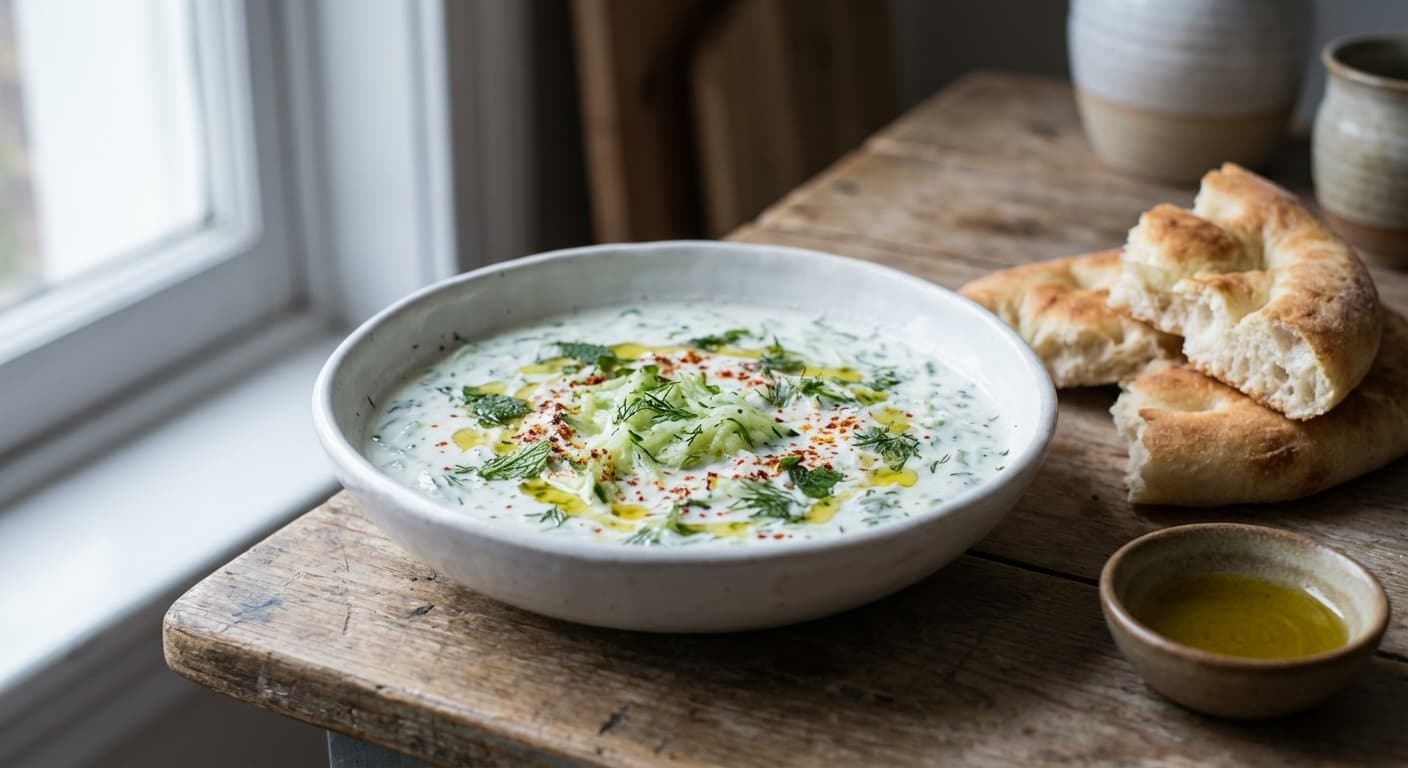
Cacık (Yoğurtlu Salatalık Mezesi) — Chilled Turkish Yogurt, Cucumber & Mint Dip
Turkish · Appetizers · 15 min
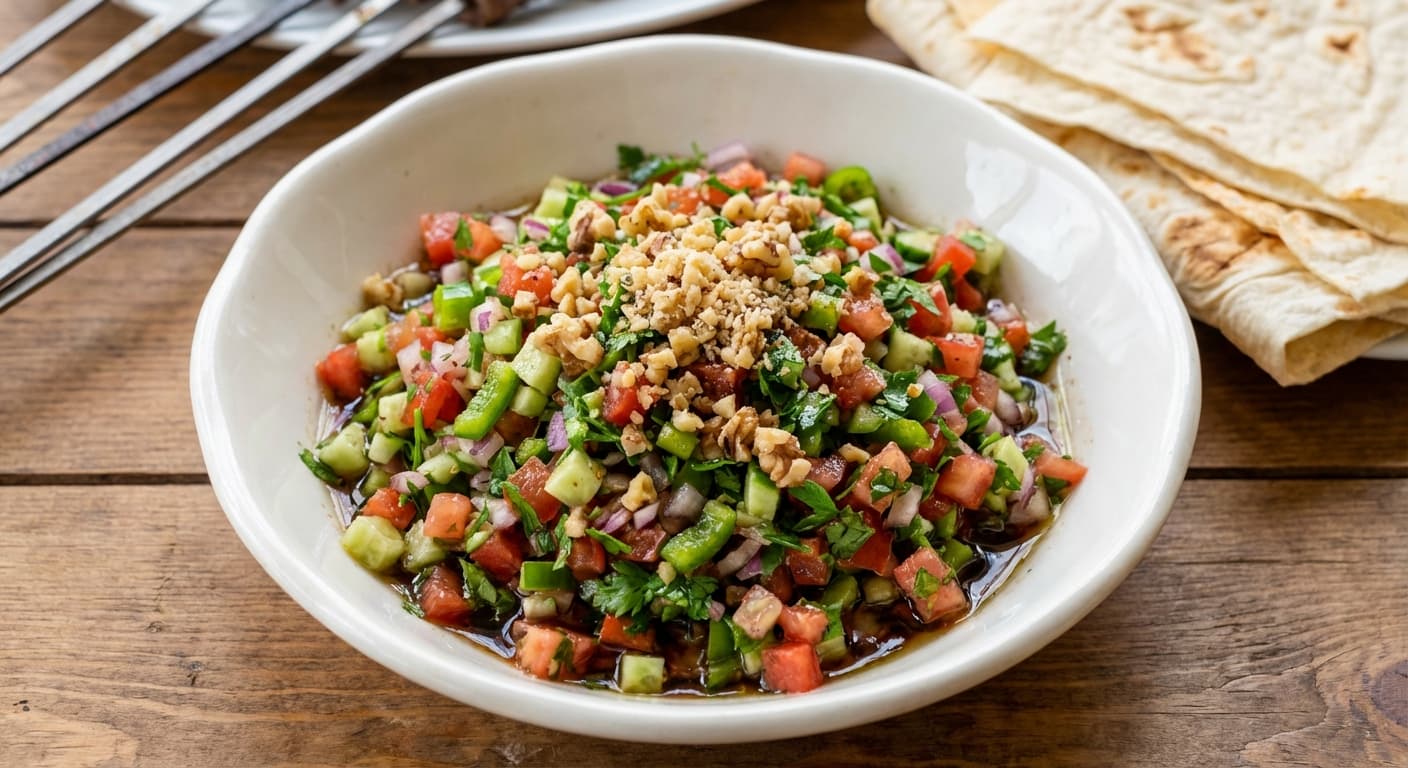
Gavurdağı Salad (Gavurdağı Salatası) — Finely Chopped Walnut & Pomegranate Salad
Turkish · Salads · 20 min
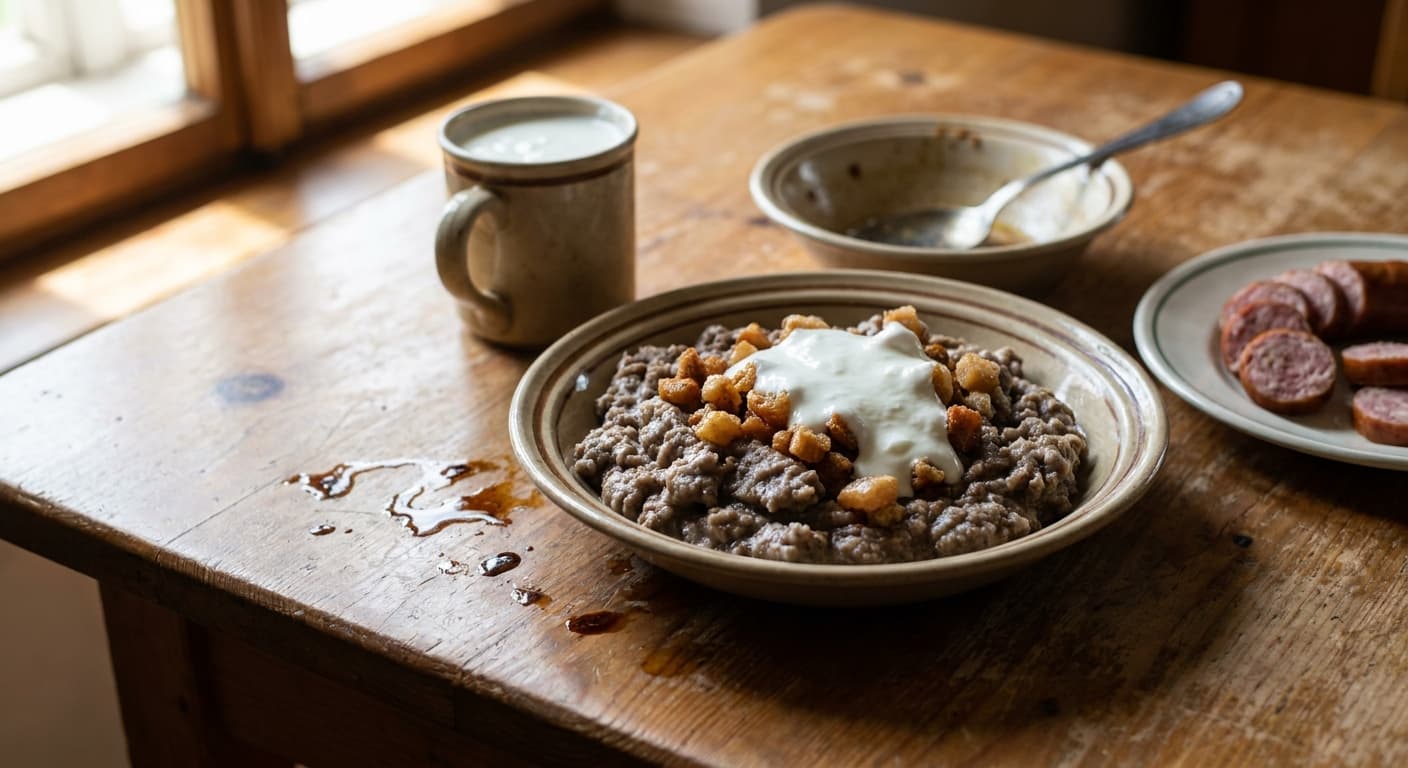
Buckwheat Žganci (Ajdovi žganci) — Slovenian Buckwheat Crumbs with Cracklings
Slovenian · Side Dishes · 45 min
Reviews
Cooked this recipe?
Tap the stars to rate it — that's all it takes. A few words are welcome but optional.
No ratings yet. Cooked this one? Be the first to rate it — it takes one tap.