Reshteh Polo Gheysi (رشته پلو قیسی) — Persian Noodle Rice with Apricots
Reshteh Polo Gheysi is a Nowruz favorite, where noodles symbolize life’s tangled paths and the hope of a smoother year ahead. Fragrant saffron rice is layered with toasted reshteh, sweet-tart apricots, and buttery fried onions for a celebratory balance.
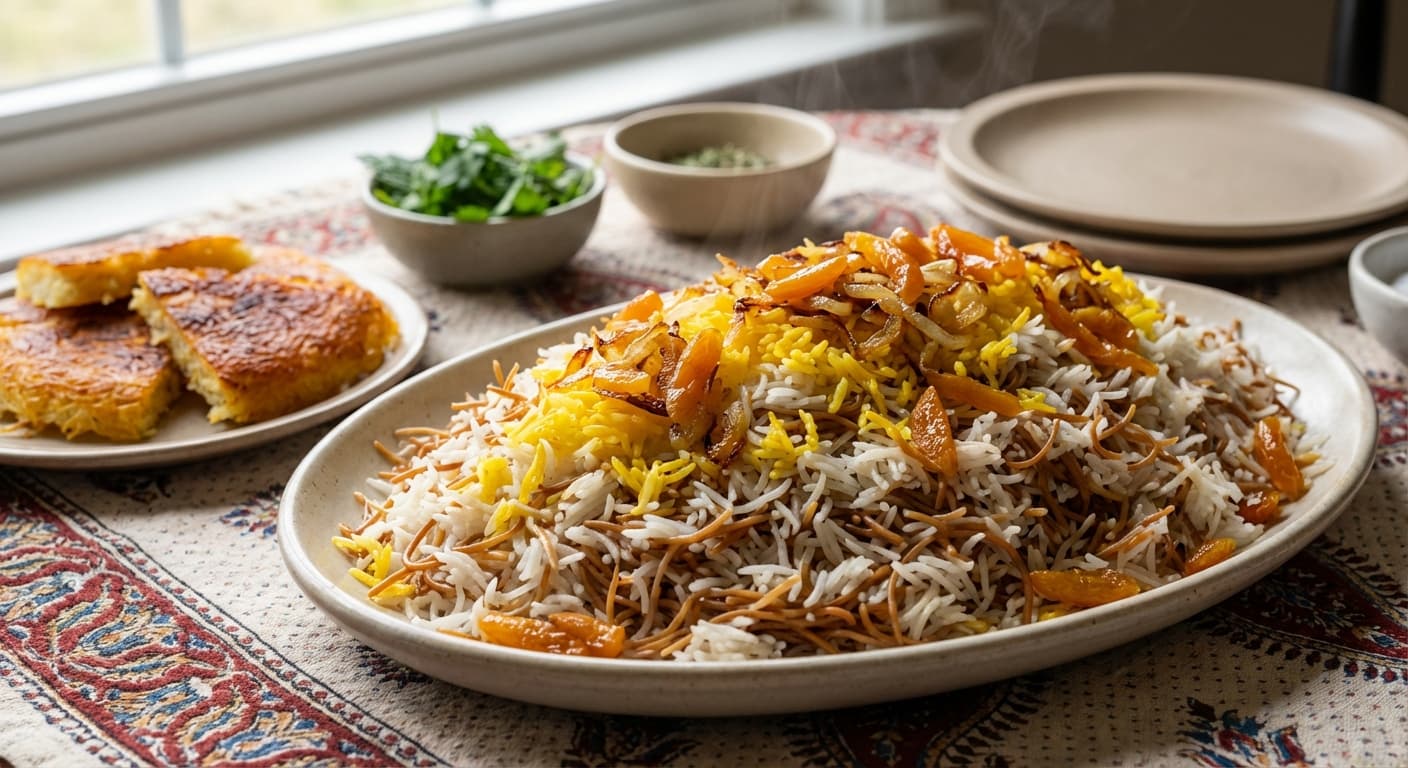
Printable Recipe Card
Servings: 6 · Total: 80 min · Difficulty: medium
Ingredients (quick list)
- 450 g Basmati rice (long-grain) (Rinsed until water runs mostly clear)
- 120 g Reshteh (Persian noodles), broken into 5 cm pieces (If very thick, lightly toast longer)
- 18 g Sea salt (For parboiling water)
- 90 g Unsalted butter (Divided)
- 150 g Fried onions (piaz dagh) (Homemade or store-bought, crisp and golden)
- 1.5 tsp Ground turmeric (For warming color and aroma)
- 0.5 tsp Black pepper, finely ground (Adds gentle bite)
- 140 g Dried apricots, slivered (Cut into thin matchsticks)
- 18 g Granulated sugar (Balances tart apricots)
- 60 ml Water (For plumping the apricots)
- 0.25 tsp Saffron threads (About 0.5 g)
- 45 ml Hot water (For blooming saffron)
+ 1 more in the full ingredients section below.
Steps (summary)
- Rinse the basmati rice in several changes of cold water until the water is mostly clear, then drain well. Soak the rice in cold…
- Bloom the saffron by crushing the threads finely and mixing with 45 ml hot water in a small cup. Let it steep for at least 10 m…
- Melt 20 g of the butter in a skillet over medium heat, then add the broken reshteh pieces. Toast for 3–5 minutes, stirring cons…
- In the same skillet, melt 30 g of the butter and add the slivered dried apricots, 18 g sugar, and 60 ml water. Simmer for 4–6 m…
- Bring a large pot of water (about 3 liters) to a rolling boil and add 18 g sea salt. Add the drained rice and boil for 5 minute…
- Return the pot to medium heat and add 30 ml neutral oil and 40 g butter to the bottom, swirling to coat. Add 60 ml water to cre…
+ 3 more steps in the full instructions section below.
Cultural Background
Often served around Nowruz, Reshteh Polo carries the symbolism of “reshteh” (noodles/threads) as life’s paths—hoping they become easier to manage in the new year. The sweet accents and saffron scent make it a festive, auspicious rice for family gatherings.
Equipment
💡 Tips
- Toast the reshteh only to light golden brown (3–5 minutes) so it stays nutty and doesn’t turn bitter during steaming.
- For a crisper tahdig, keep the first 10 minutes on medium heat and make sure the oil-butter base is hot before adding rice.
- If your dried apricots are very tart, increase sugar to 24 g; if they are very sweet, reduce sugar to 12 g to keep the dish balanced.
⚠️ Common Mistakes
❌ Boiling the rice and noodles until fully cooked before steaming
✅ Fix: Drain when the rice is tender outside but firm inside; it finishes during the 45-minute steam and stays fluffy, not mushy.
❌ Skipping noodle toasting
✅ Fix: Toast reshteh in butter to light golden so it keeps structure and adds the signature nutty aroma.
❌ Soggy tahdig or sticking to the pot
✅ Fix: Heat the oil-butter base first, add 60 ml water for steam, and keep the initial 10 minutes at medium heat before lowering.
🧊 How to Store
Cool leftovers within 2 hours, then refrigerate in an airtight container for up to 3 days. Reheat covered with 15 ml water in a saucepan over low heat for 10–12 minutes, or microwave covered in 60-second bursts until hot; crisp tahdig separately in a skillet.
📅 Make Ahead
Toast the noodles and prepare the apricot-onion mixture up to 24 hours ahead; refrigerate separately. On cooking day, parboil the rice, layer, and steam for the freshest aroma and best tahdig.
🍽️ Pairs Well With
- Mast-o-khiar
- torshi
- sabzi khordan
- roasted chicken
- lamb kebab
- fresh herbs and radishes
Regional Variations
- Tehran-style: heavier on piaz dagh and saffron, with a pronounced golden tahdig.
- Khorasan-inspired: adds a little more dried fruit and a stronger saffron bloom for a sweeter, celebratory profile.
- Mixed-fruit version: combines apricot slivers with 40 g raisins for a more pronounced sweet-savory contrast.
Ingredients
- 450 gBasmati rice (long-grain) (Rinsed until water runs mostly clear)
- 120 gReshteh (Persian noodles), broken into 5 cm pieces (If very thick, lightly toast longer)
- 18 gSea salt (For parboiling water)
- 90 gUnsalted butter (Divided)
- 150 gFried onions (piaz dagh) (Homemade or store-bought, crisp and golden)
- 1.5 tspGround turmeric (For warming color and aroma)
- 0.5 tspBlack pepper, finely ground (Adds gentle bite)
- 140 gDried apricots, slivered (Cut into thin matchsticks)
- 18 gGranulated sugar (Balances tart apricots)
- 60 mlWater (For plumping the apricots)
- 0.25 tspSaffron threads (About 0.5 g)
- 45 mlHot water (For blooming saffron)
- 30 mlNeutral oil (Such as grapeseed or sunflower)
🔄 Substitutions
- Reshteh (Persian noodles)→ Vermicelli, broken into 5 cm pieces
- Fried onions (piaz dagh)→ Thinly sliced onions fried in 30 ml oil until deep golden
- Unsalted butter→ Ghee
Instructions
- 1
Rinse the basmati rice in several changes of cold water until the water is mostly clear, then drain well. Soak the rice in cold water for 20 minutes to help it elongate and cook evenly, then drain again before boiling.
- 2
Bloom the saffron by crushing the threads finely and mixing with 45 ml hot water in a small cup. Let it steep for at least 10 minutes so the color and aroma fully develop while you prepare the other components.
- 3
Melt 20 g of the butter in a skillet over medium heat, then add the broken reshteh pieces. Toast for 3–5 minutes, stirring constantly, until the noodles deepen to a light golden brown and smell nutty; do not let them go dark. Transfer to a plate so they stop browning and keep their pleasant, toasty flavor.
- 4
In the same skillet, melt 30 g of the butter and add the slivered dried apricots, 18 g sugar, and 60 ml water. Simmer for 4–6 minutes until the apricots plump and the liquid turns syrupy but not dry. Turn off the heat and fold in half of the fried onions (75 g) so the onion aroma perfumes the fruit.
- 5
Bring a large pot of water (about 3 liters) to a rolling boil and add 18 g sea salt. Add the drained rice and boil for 5 minutes, then add the toasted reshteh and continue boiling for 2–3 minutes more. Drain immediately when the rice is tender on the outside but still firm in the center, because it will finish cooking during steaming.
- 6
Return the pot to medium heat and add 30 ml neutral oil and 40 g butter to the bottom, swirling to coat. Add 60 ml water to create steam, then let the fat heat for 30–45 seconds so the base is ready to crisp. This sets you up for a golden tahdig and prevents sticking.
- 7
Layer one-third of the rice-and-noodle mixture into the pot, then spoon over half of the apricot-onion mixture. Repeat with another third of the rice, then the remaining apricot-onion mixture, and finish with the last third of rice. Use the handle of a spoon to poke 5–6 holes down to the bottom to help steam circulate and cook the center evenly.
- 8
Wrap the lid in a clean kitchen towel and cover the pot tightly to catch condensation. Steam over medium heat for 10 minutes, then reduce to low and steam for 35 minutes more until the rice is fully tender and aromatic. Avoid lifting the lid during the low-heat phase so the steam environment stays stable.
- 9
Melt the remaining 0 g butter if needed to drizzle, then mix 2–3 tablespoons of the cooked rice with the bloomed saffron liquid in a small bowl to create saffron rice. Gently fluff the pot with a wide spatula, keeping the layers mostly intact, and top with the saffron rice for a bright, festive finish. Sprinkle the remaining fried onions (75 g) over the top for crunch and serve immediately.
🪪 Recipe Passport
Cultural Background
Often served around Nowruz, Reshteh Polo carries the symbolism of “reshteh” (noodles/threads) as life’s paths—hoping they become easier to manage in the new year. The sweet accents and saffron scent make it a festive, auspicious rice for family gatherings.
Regional Variations
Researched from multiple sources and validated by the Zaffaron editorial team. Every recipe is tested for accuracy, measurements, and cultural authenticity.
Nutrition per serving
Pairs well with
If you enjoyed this recipe, here are a few related Zaffaron recipes to try next.
- Saffron Chicken Toastie (توستی مرغ زعفرانی) — Persian-Inspired Mozzarella Melt
- Reshteh Polo (رشته پلو) — Persian Noodle Rice with Savory Meat
- Rolet Goosht Ba Panir (رولت گوشت با پنیر) — Persian Cheese-Stuffed Beef Rolls
- Sabzi Khordan Labneh Bites (سبزی خوردن) — Persian-Style Stuffed Herb & Yogurt Hors d’Oeuvres
Does your family make this differently?
Every family has their own version. Maybe your grandmother adds a secret ingredient, or your aunt has a completely different technique. Preserve your family's version — with their name on it, forever.
You Might Also Like

Golden Turmeric Potato and Spinach Casserole (غراتان سیبزمینی و اسفناج) — Mediterranean-Inspired Layered Gratin
Persian · Main Courses · 70 min
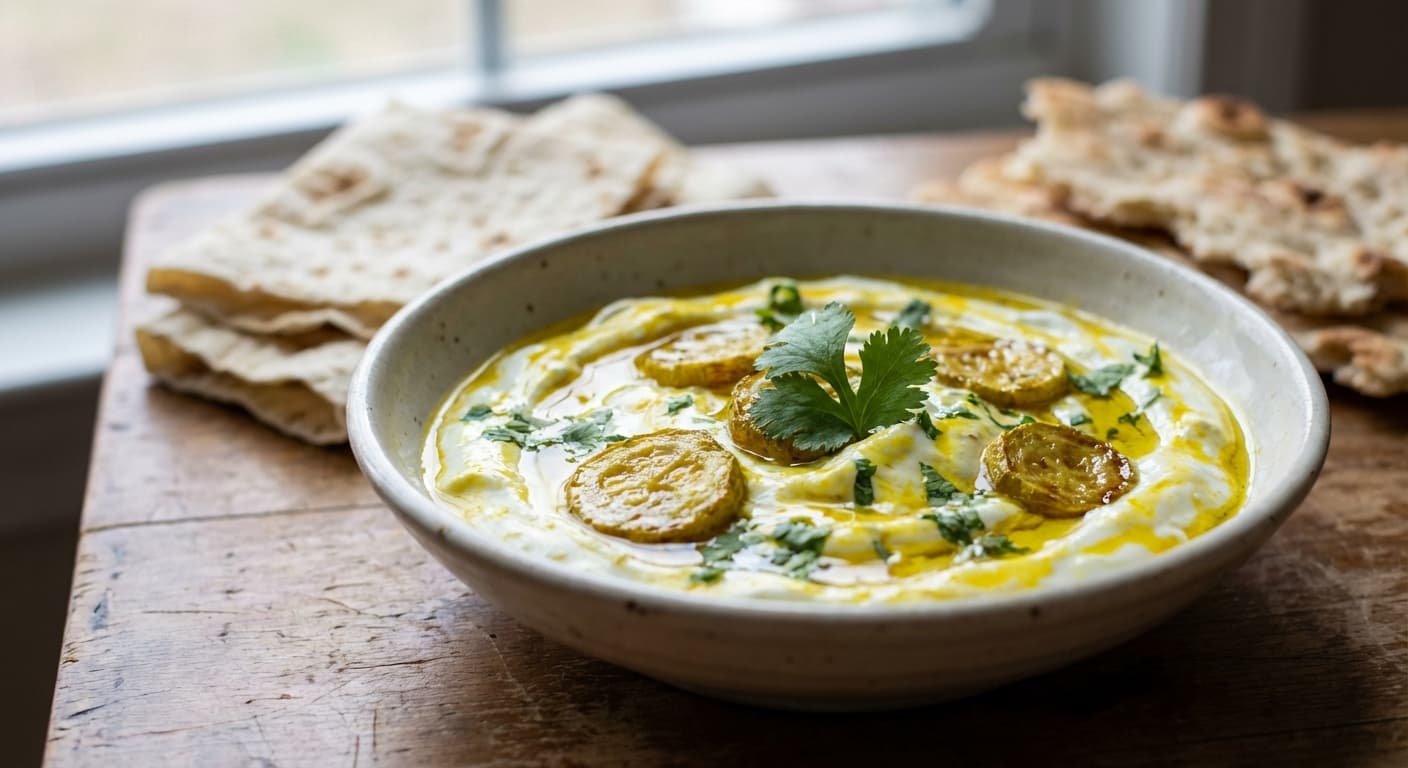
Borani Kadu (بورانی کدو) — Saffron-Infused Zucchini and Yogurt Dip
Persian · Appetizers · 40 min
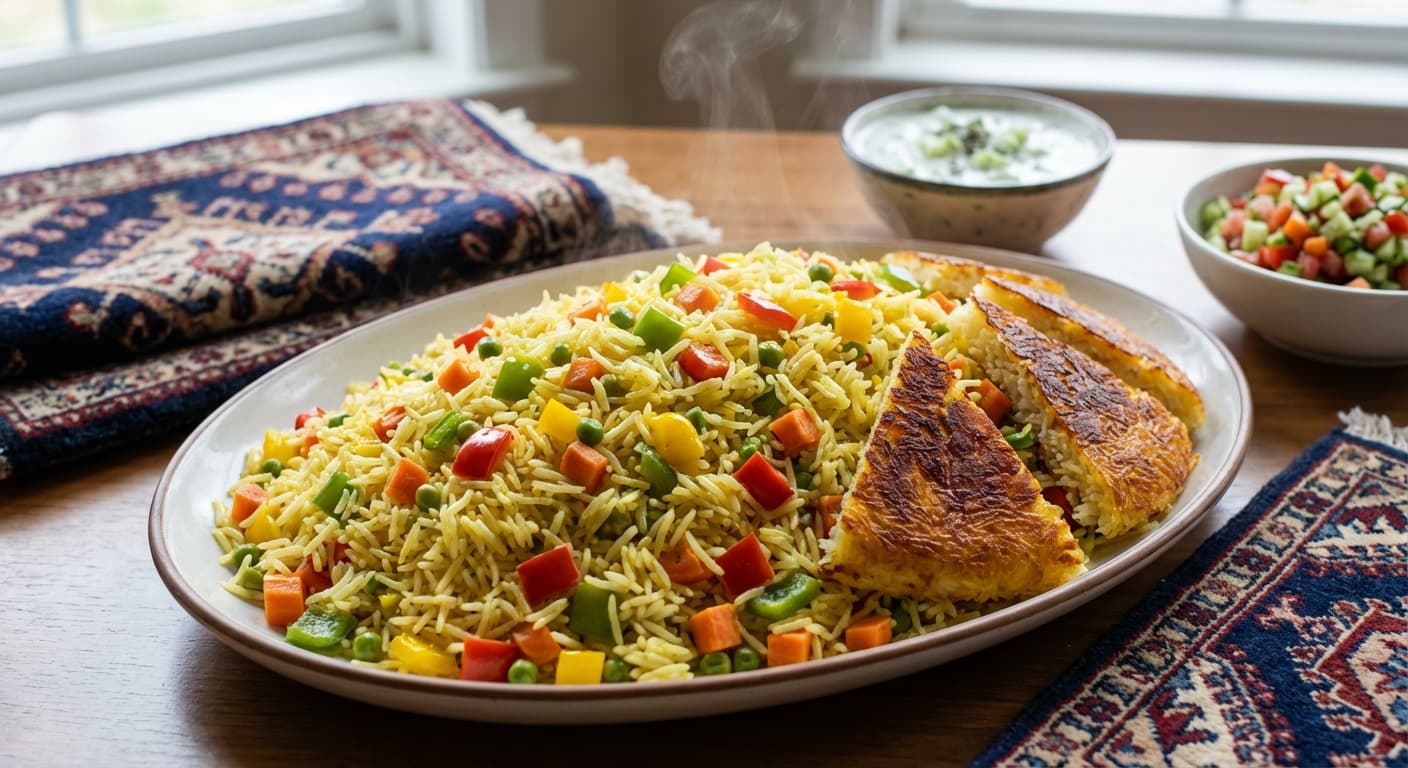
Mixed Vegetable Rice (برنج با مخلوط سبزیجات) — Persian-Style Aromatic Pilaf
Persian · Rice Dishes · 75 min
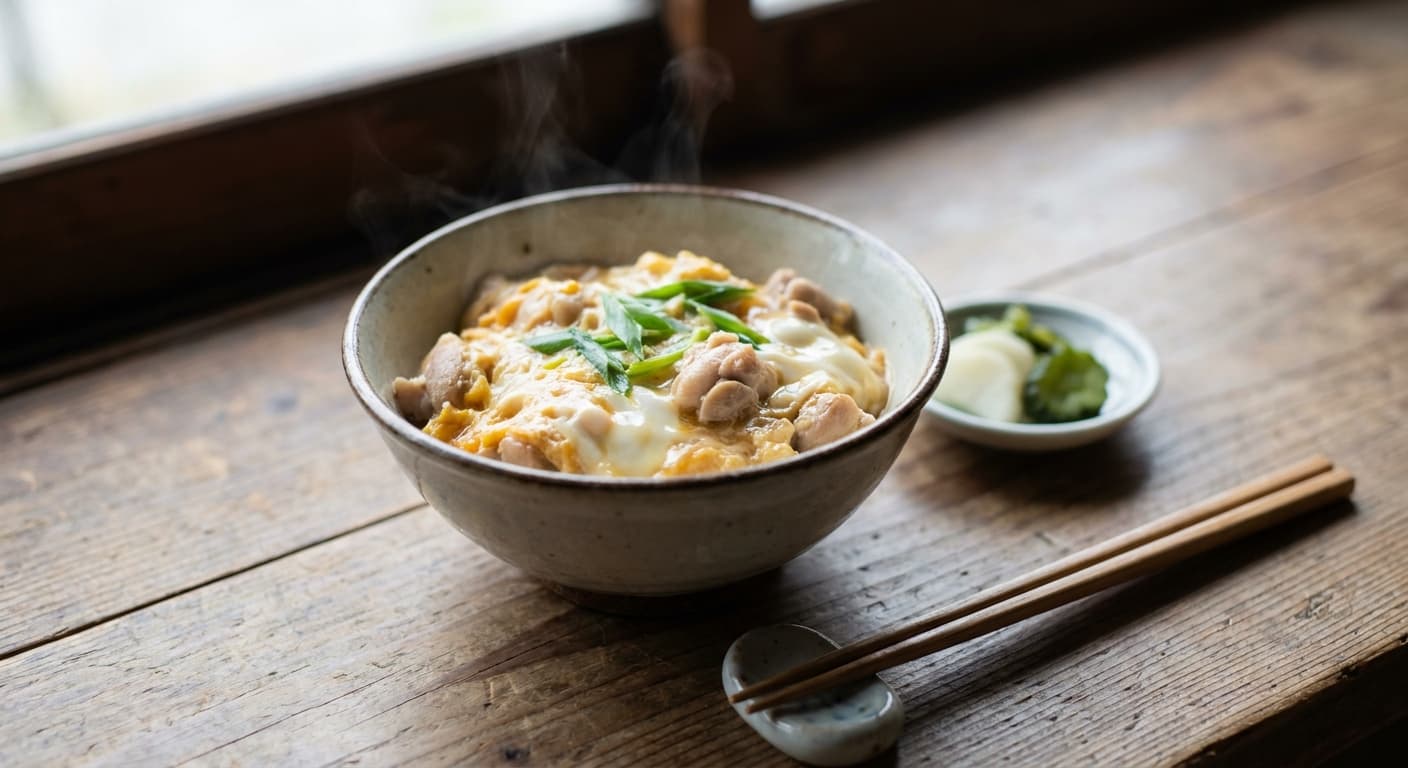
Japanese Oyakodon (親子丼) — Chicken and Egg Rice Bowl
Japanese · Rice Dishes · 29 min
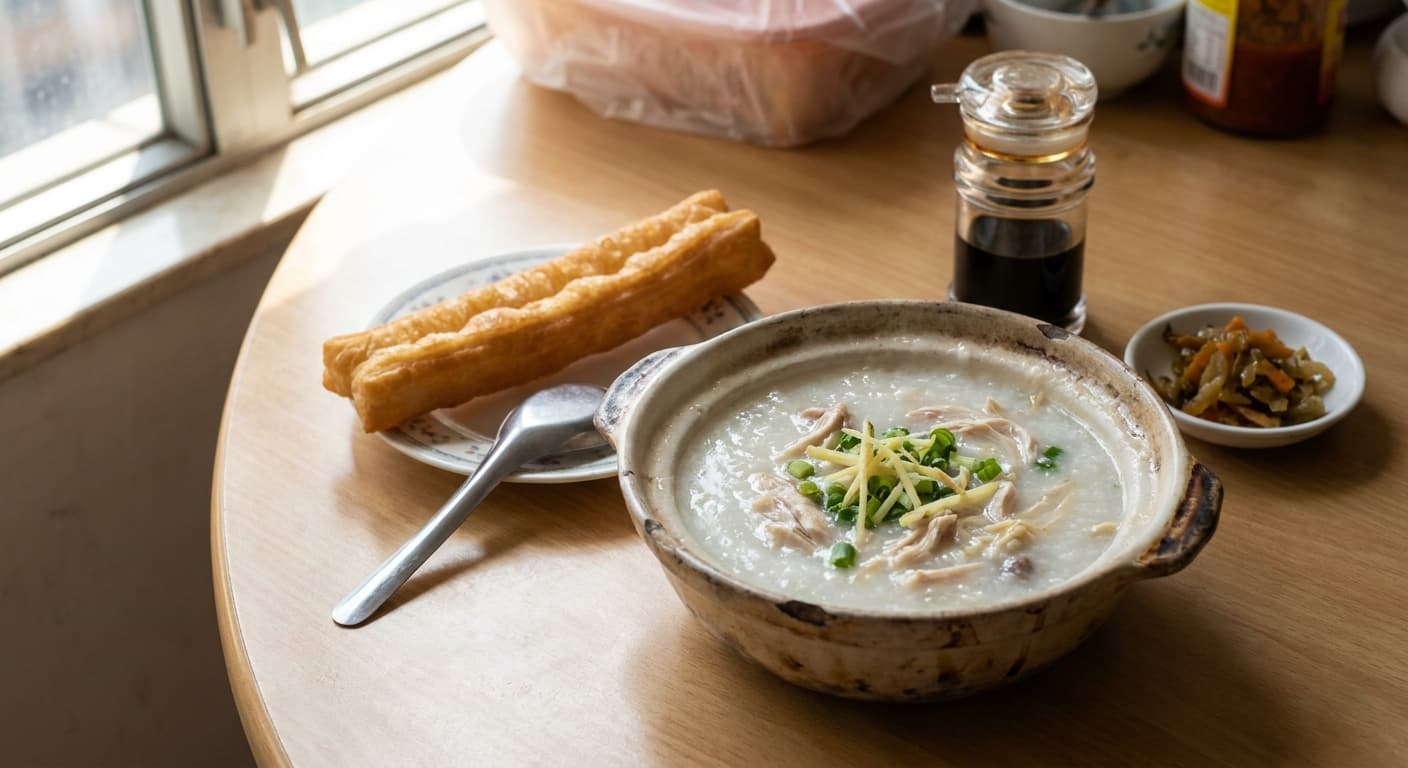
Cantonese Chicken Congee (粵式雞粥) — Silky Rice Porridge with Ginger
Chinese · Rice Dishes · 95 min
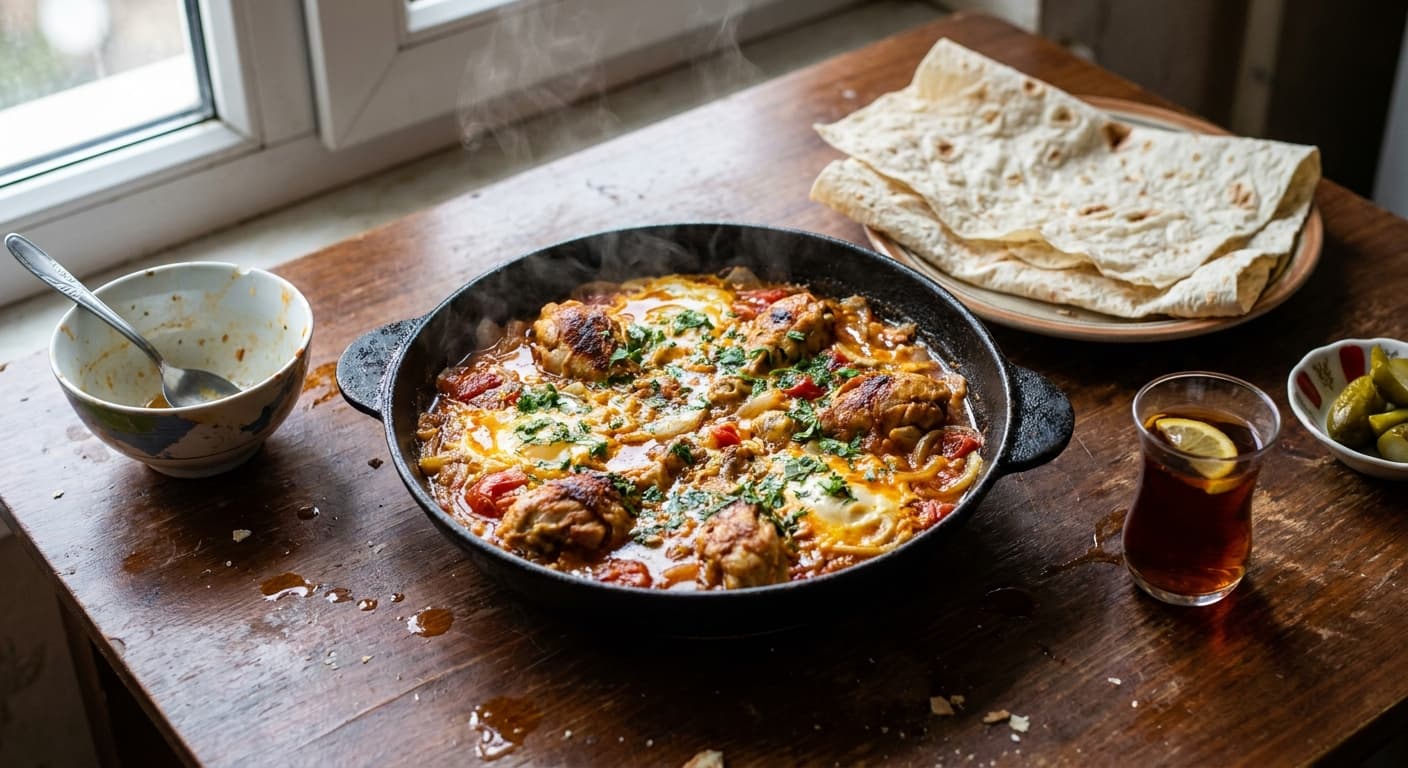
Chicken Chygyrtma (Toyuq Çığırtması) — Azerbaijani Chicken with Eggs and Tomatoes
Azerbaijani · Main Courses · 65 min
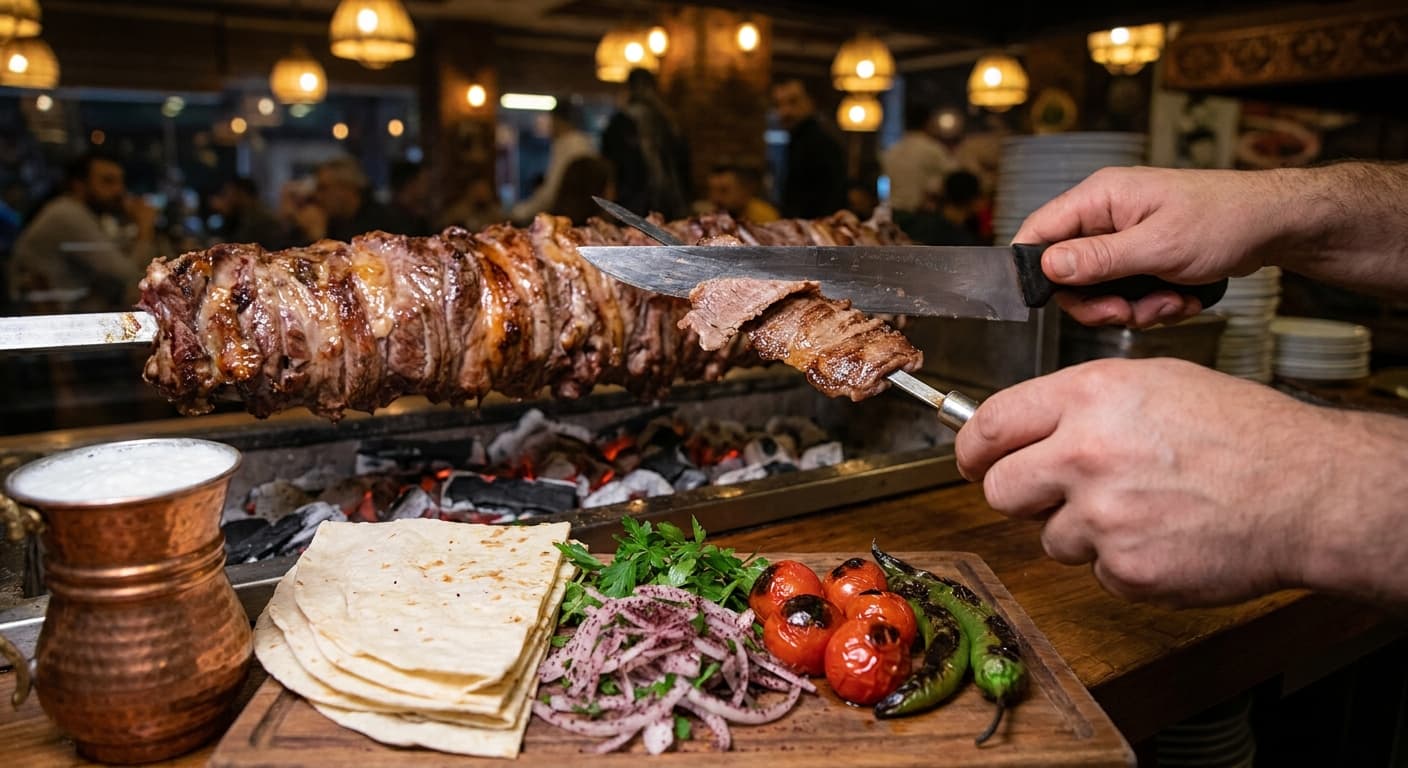
Turkish Cağ Kebab (Cağ Kebabı) — Erzurum Slow-Roasted Charcoal Lamb Skewer
Turkish · Kebabs · 160 min
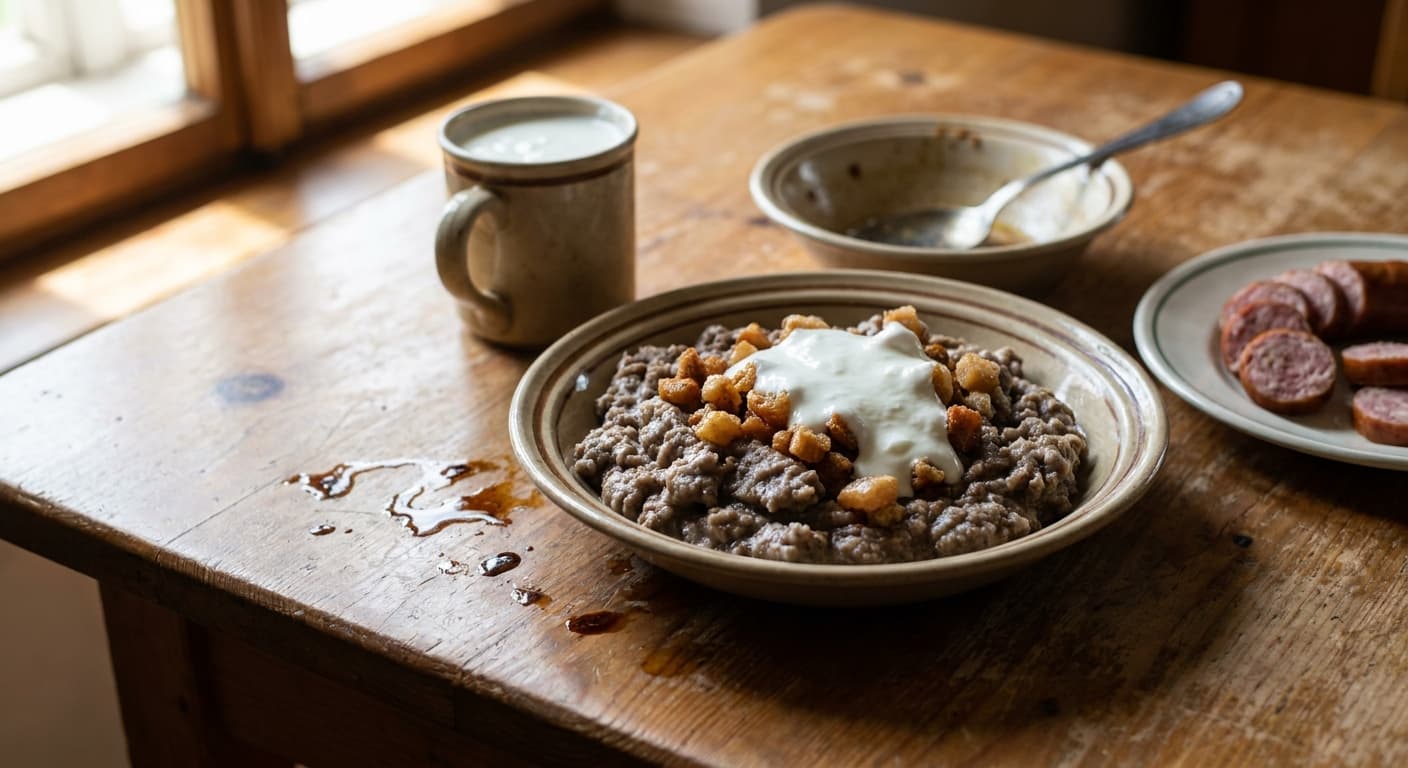
Buckwheat Žganci (Ajdovi žganci) — Slovenian Buckwheat Crumbs with Cracklings
Slovenian · Side Dishes · 45 min
Reviews
Cooked this recipe?
Tap the stars to rate it — that's all it takes. A few words are welcome but optional.
No ratings yet. Cooked this one? Be the first to rate it — it takes one tap.