Khoresh Tareh (خورش تره) — Persian Leek and Lamb Stew
Khoresh Tareh is a comforting Persian stew of sautéed leeks, tender lamb, creamy white beans, and potatoes, brightened with dried lime powder and warm advieh. A layered method builds deep flavor without heaviness.
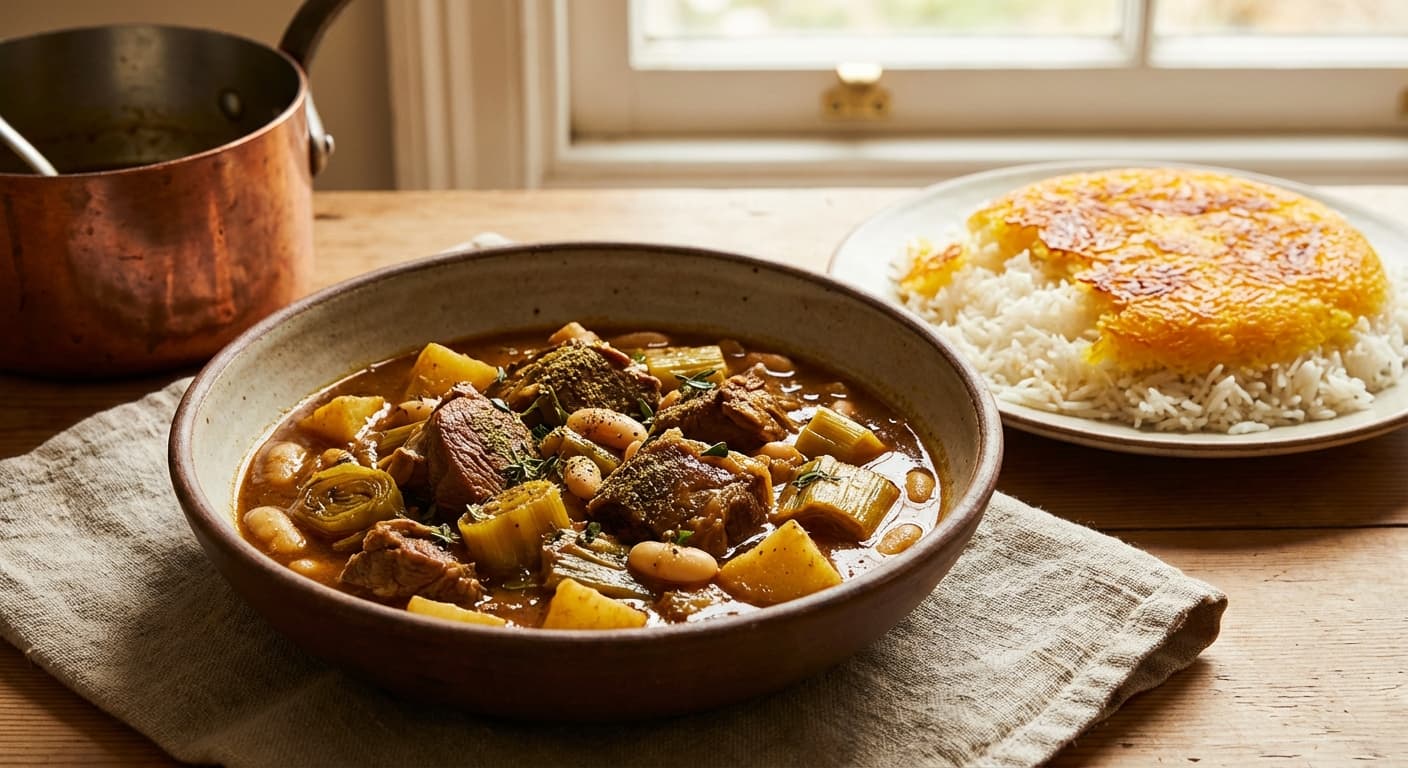
Printable Recipe Card
Servings: 6 · Total: 240 min · Difficulty: medium
Ingredients (quick list)
- 250 g Dried white beans (soaked 8–12 hours, then drained)
- 700 g Lamb shoulder (boneless, cut into 3 cm cubes)
- 60 ml Vegetable oil (divided)
- 300 g Yellow onions (thinly sliced for fried onions)
- 700 g Fresh leeks (trimmed; white and light-green parts only, finely sliced and thoroughly washed)
- 30 g Tomato paste (about 2 tbsp)
- 300 g Fresh tomatoes (grated or finely chopped)
- 6 g Advieh (Persian mixed spices) (about 2 tsp)
- 4 g Dried lime powder (about 2 tsp; add gradually to taste)
- 10 g Sea salt (about 1 3/4 tsp, divided; adjust to taste)
- 2 g Black pepper (about 1 tsp)
- 1200 ml Water (plus more as needed to maintain a gentle simmer)
+ 1 more in the full ingredients section below.
Steps (summary)
- Soak the white beans in plenty of cold water for 8–12 hours, changing the water once if possible. Drain, then parboil in fresh…
- Make the fried onions (piaz dagh): heat 45 ml of the vegetable oil in a wide pot over medium heat. Add sliced onions and cook 2…
- Increase heat to medium-high and add lamb cubes to the pot with the remaining onions. Sear 6–8 minutes, turning to brown severa…
- Add grated tomatoes and cook 6–8 minutes over medium heat until the mixture thickens and the oil begins to separate at the edge…
- While the lamb simmers, prepare the leeks: slice finely and wash thoroughly in several changes of water to remove grit, then dr…
- Add the parboiled beans to the pot and simmer 30 minutes, partially covered, maintaining a gentle bubble. Stir in the sautéed l…
+ 2 more steps in the full instructions section below.
Cultural Background
Khoresh Tareh is a home-style Persian stew associated with western regions of Iran, including Kurdish communities, where leeks and legumes are common pantry ingredients. It is often cooked slowly for family meals, and its flavor is built through layering onions, aromatics, and sour notes like dried lime.
Equipment
💡 Tips
- Wash leeks meticulously: soak sliced leeks in a bowl of water, lift them out (do not pour), then repeat until no grit remains.
- For a deeper leek flavor, sauté until lightly golden; pale, undercooked leeks can taste raw and watery in the stew.
- Add dried lime powder near the end so its citrus aroma stays bright and does not turn bitter.
- Keep the simmer gentle; a hard boil can toughen lamb and break beans and potatoes into the broth.
- If the stew tastes flat, add 1–2 g more dried lime powder or a small pinch more advieh, then simmer 5 minutes and re-taste.
⚠️ Common Mistakes
❌ Not washing leeks thoroughly
💡 Why: Leeks often trap sand between layers, which can make the stew gritty.
✅ Fix: Slice first, then soak in water and lift leeks out; repeat until the water is clear and drain very well before sautéing.
❌ Adding dried lime powder too early
💡 Why: Long simmering can turn citrus notes dull and slightly bitter.
✅ Fix: Add near the end and simmer only 5 minutes, then rest off heat to bloom the aroma.
❌ Boiling aggressively
💡 Why: Hard boiling can toughen lamb and break beans and potatoes, making the stew cloudy and pasty.
✅ Fix: Maintain a gentle simmer with small bubbles; partially cover and stir carefully, adding hot water if the level drops too much.
❌ Under-browning the onions
💡 Why: Pale onions lack sweetness and depth, so the stew tastes thin.
✅ Fix: Cook onions slowly to deep golden, stirring often, and stop before they turn dark brown and bitter.
🧊 How to Store
Cool completely, then refrigerate in an airtight container for up to 4 days. Reheat gently over low heat with 60–120 ml water as needed. Freeze up to 2 months; thaw overnight in the fridge and reheat slowly to keep beans intact.
📅 Make Ahead
Soak and parboil the beans up to 2 days ahead and refrigerate. Fried onions and sautéed leeks can be prepared 1 day ahead and chilled. The full stew tastes best the next day; reheat gently and adjust water and salt before serving.
🍽️ Pairs Well With
- Steamed Persian rice
- Fresh herbs and radishes
- Plain yogurt (optional)
Regional Variations
- Western Iran (Kurdish-influenced home cooking)Often emphasizes a higher proportion of leeks and a brighter sour finish, with fried onions used both in the base and as a generous garnish for contrast.
- Tehran and other urban kitchensCommonly includes more tomato paste for a deeper color and a slightly thicker, more sauce-like consistency, sometimes with potatoes added earlier to soften into the broth.
Ingredients
- 250 gDried white beans (soaked 8–12 hours, then drained)
- 700 gLamb shoulder (boneless, cut into 3 cm cubes)
- 60 mlVegetable oil (divided)
- 300 gYellow onions (thinly sliced for fried onions)
- 700 gFresh leeks (trimmed; white and light-green parts only, finely sliced and thoroughly washed)
- 30 gTomato paste (about 2 tbsp)
- 300 gFresh tomatoes (grated or finely chopped)
- 6 gAdvieh (Persian mixed spices) (about 2 tsp)
- 4 gDried lime powder (about 2 tsp; add gradually to taste)
- 10 gSea salt (about 1 3/4 tsp, divided; adjust to taste)
- 2 gBlack pepper (about 1 tsp)
- 1200 mlWater (plus more as needed to maintain a gentle simmer)
- 450 gYukon Gold potatoes (peeled and cut into 3 cm chunks)
🔄 Substitutions
- Lamb shoulder→ Beef chuck
- Dried white beans→ Canned cannellini beans
- Dried lime powder→ Fresh lime juice
Instructions
- 1
Soak the white beans in plenty of cold water for 8–12 hours, changing the water once if possible. Drain, then parboil in fresh water for 10 minutes over medium-high heat. Drain again; this helps the beans cook evenly and keeps the stew broth clean and bright.
- 2
Make the fried onions (piaz dagh): heat 45 ml of the vegetable oil in a wide pot over medium heat. Add sliced onions and cook 20–25 minutes, stirring often, until deeply golden and sweet (not burnt). Scoop out half to reserve for garnish; leave the rest in the pot for the stew base.
- 3
Increase heat to medium-high and add lamb cubes to the pot with the remaining onions. Sear 6–8 minutes, turning to brown several sides. Add black pepper and 1/2 of the sea salt, then stir in tomato paste and cook 2 minutes until it darkens slightly and smells toasted.
- 4
Add grated tomatoes and cook 6–8 minutes over medium heat until the mixture thickens and the oil begins to separate at the edges. Pour in 1200 ml water, scraping the bottom to release browned bits. Bring to a boil, then reduce to a gentle simmer, partially covered, for 45 minutes.
- 5
While the lamb simmers, prepare the leeks: slice finely and wash thoroughly in several changes of water to remove grit, then drain very well. In a skillet, heat the remaining 15 ml oil over medium heat and sauté leeks 12–15 minutes until softened and lightly golden, stirring to prevent steaming.
- 6
Add the parboiled beans to the pot and simmer 30 minutes, partially covered, maintaining a gentle bubble. Stir in the sautéed leeks and advieh, then simmer 20 minutes more. The stew should smell herbal and warm, with beans becoming creamy but still holding their shape.
- 7
Add potato chunks and simmer 20–25 minutes, until potatoes are tender and the broth is slightly thickened. Stir gently so the potatoes do not break apart. If needed, add 120–240 ml hot water to keep the stew spoonable rather than dry.
- 8
Season and finish: stir in dried lime powder gradually, simmering 5 minutes to mellow its sharpness. Add the remaining sea salt to taste. Rest the stew off heat for 10 minutes before serving to let the layers settle and the flavors round out. Garnish with reserved fried onions.
🪪 Recipe Passport
Cultural Background
Khoresh Tareh is a home-style Persian stew associated with western regions of Iran, including Kurdish communities, where leeks and legumes are common pantry ingredients. It is often cooked slowly for family meals, and its flavor is built through layering onions, aromatics, and sour notes like dried lime.
Regional Variations
Researched from multiple sources and validated by the Zaffaron editorial team. Every recipe is tested for accuracy, measurements, and cultural authenticity.
Nutrition per serving
Pairs well with
If you enjoyed this recipe, here are a few related Zaffaron recipes to try next.
Does your family make this differently?
Every family has their own version. Maybe your grandmother adds a secret ingredient, or your aunt has a completely different technique. Preserve your family's version — with their name on it, forever.
You Might Also Like
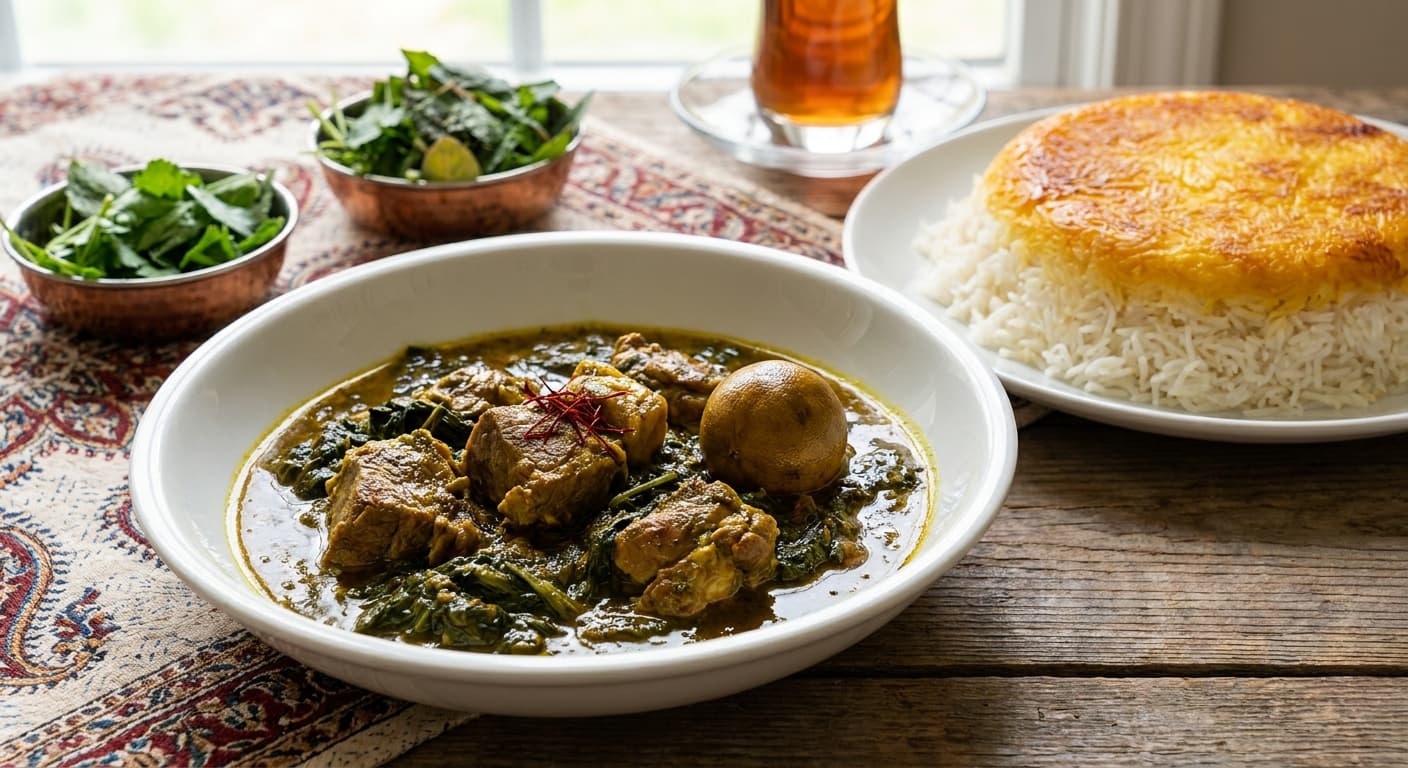
Persian Khoresht Saak (خورش ساک) — Saffron-Cardamom Lamb Stew with Saak Greens
Persian · Stews · 145 min
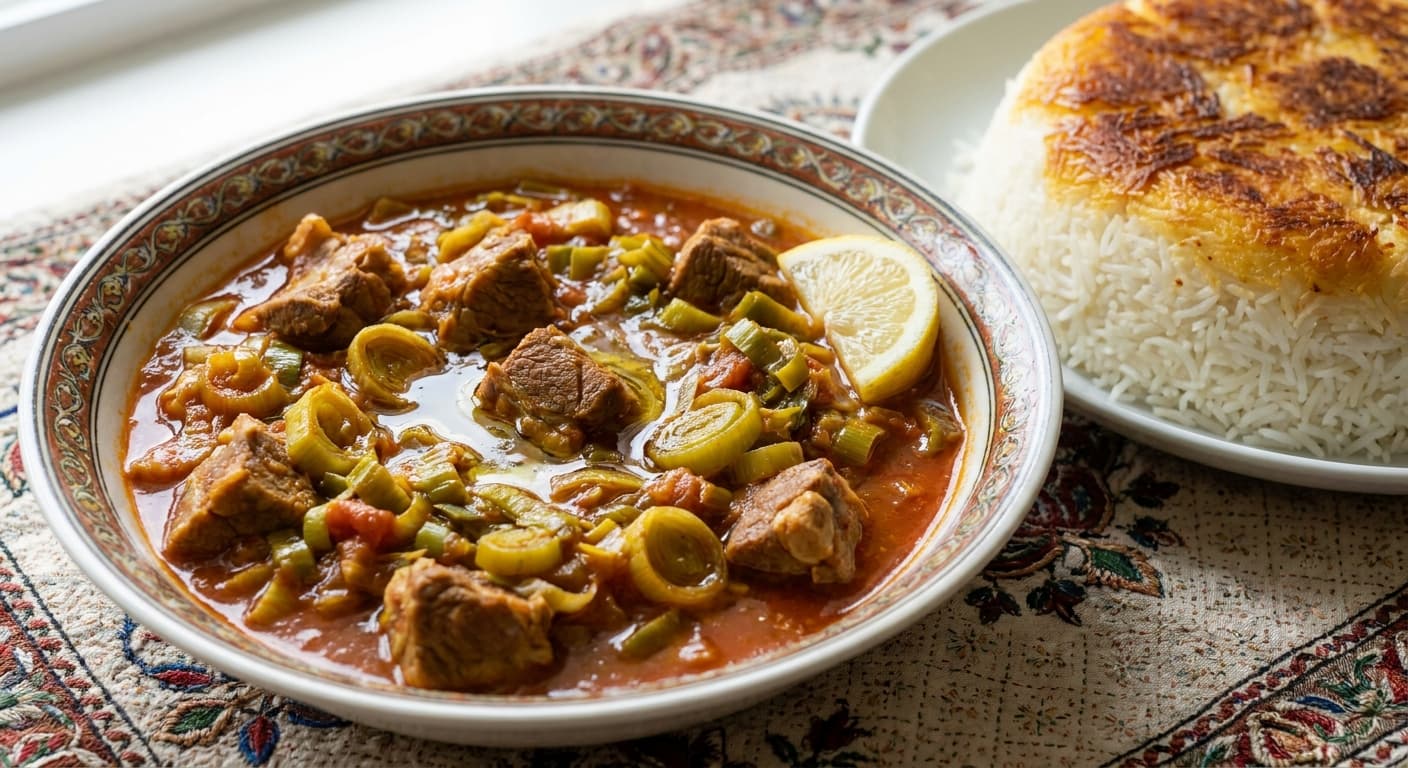
Khoresh Tareh Farangi (خورش تره فرنگی) — Persian Leek and Lamb Stew
Persian · Stews · 130 min
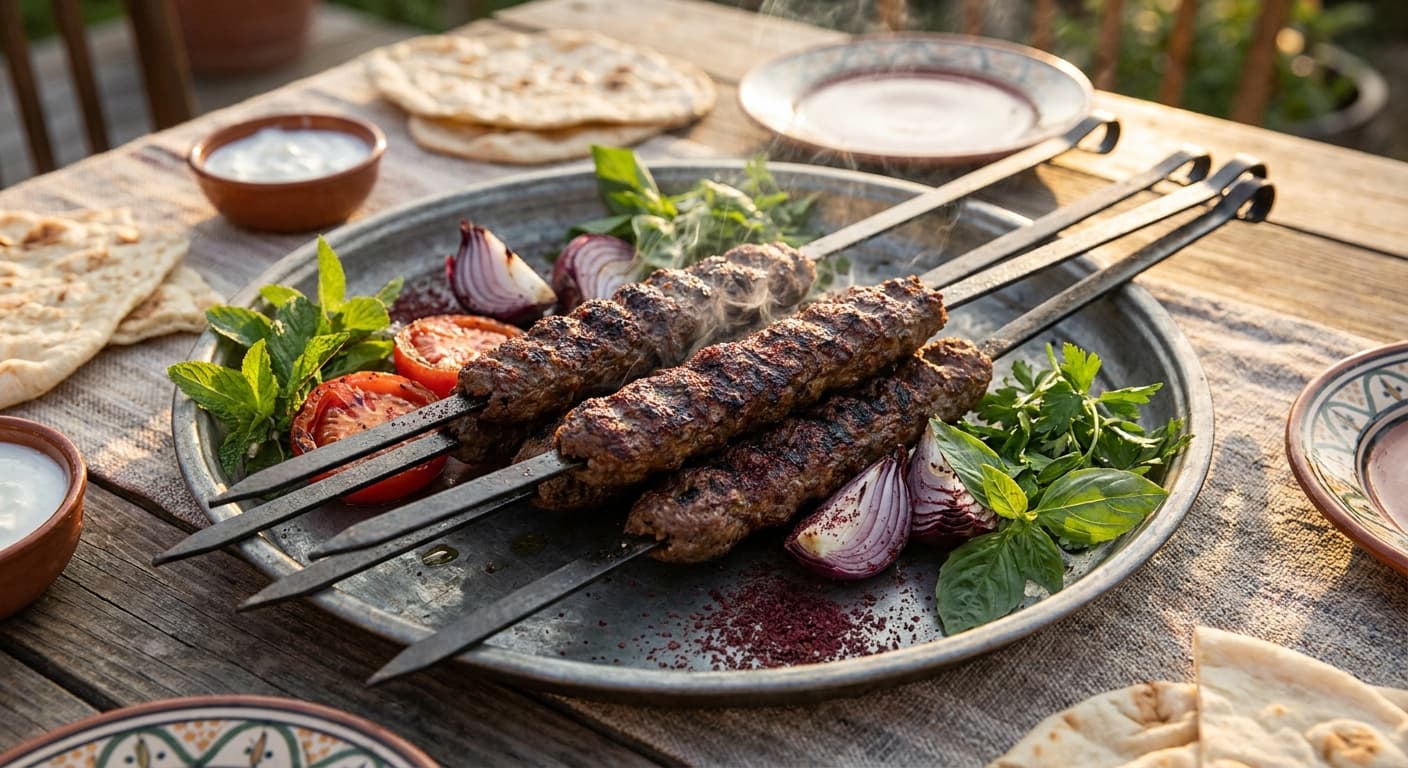
Authentic Kabab Koobideh (کباب کوبیده) — Persian Minced Lamb Skewers
Persian · Kebabs · 40 min
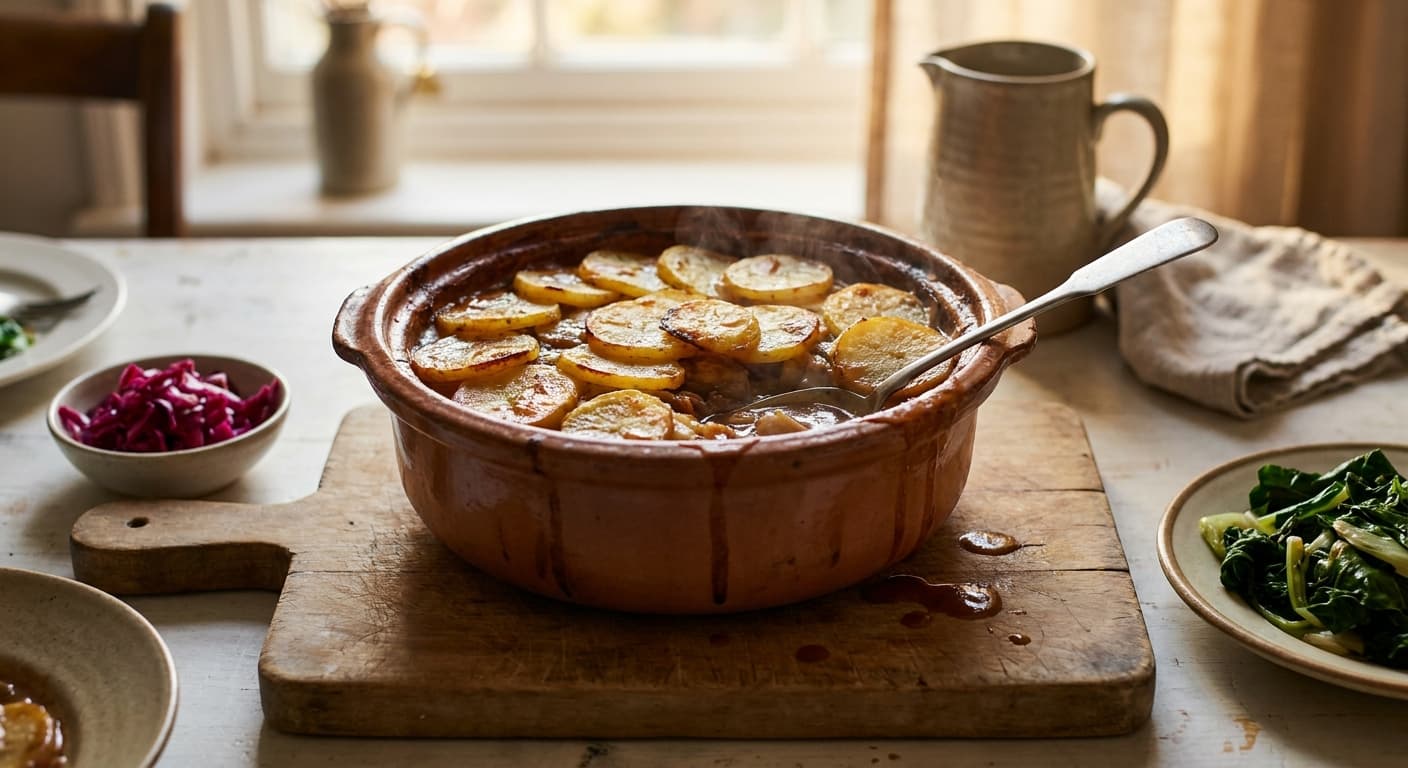
Lancashire Hotpot (Lancashire Hotpot) — Lamb and Potato Oven Stew
British · Stews · 180 min
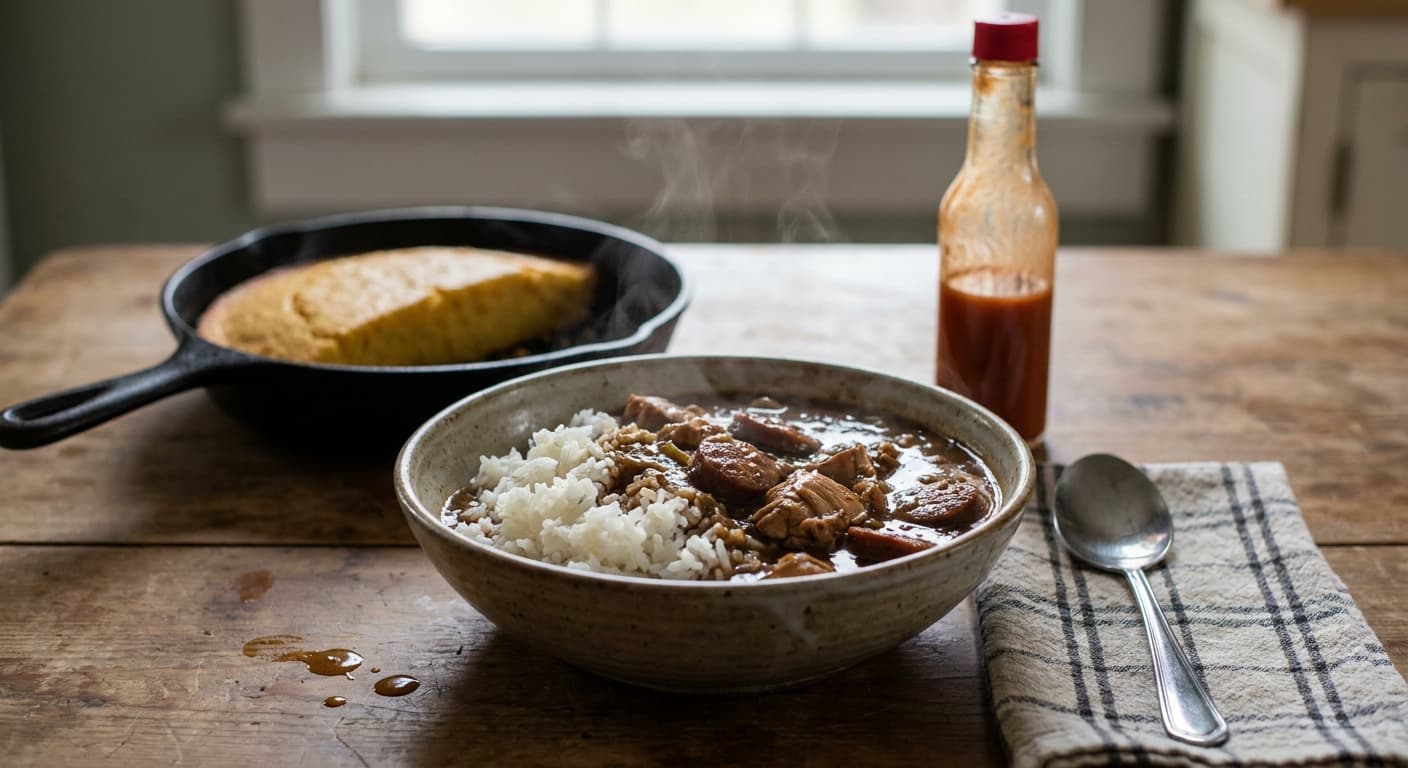
Chicken and Andouille Gumbo (English) — Louisiana Roux Stew
American · Stews · 120 min
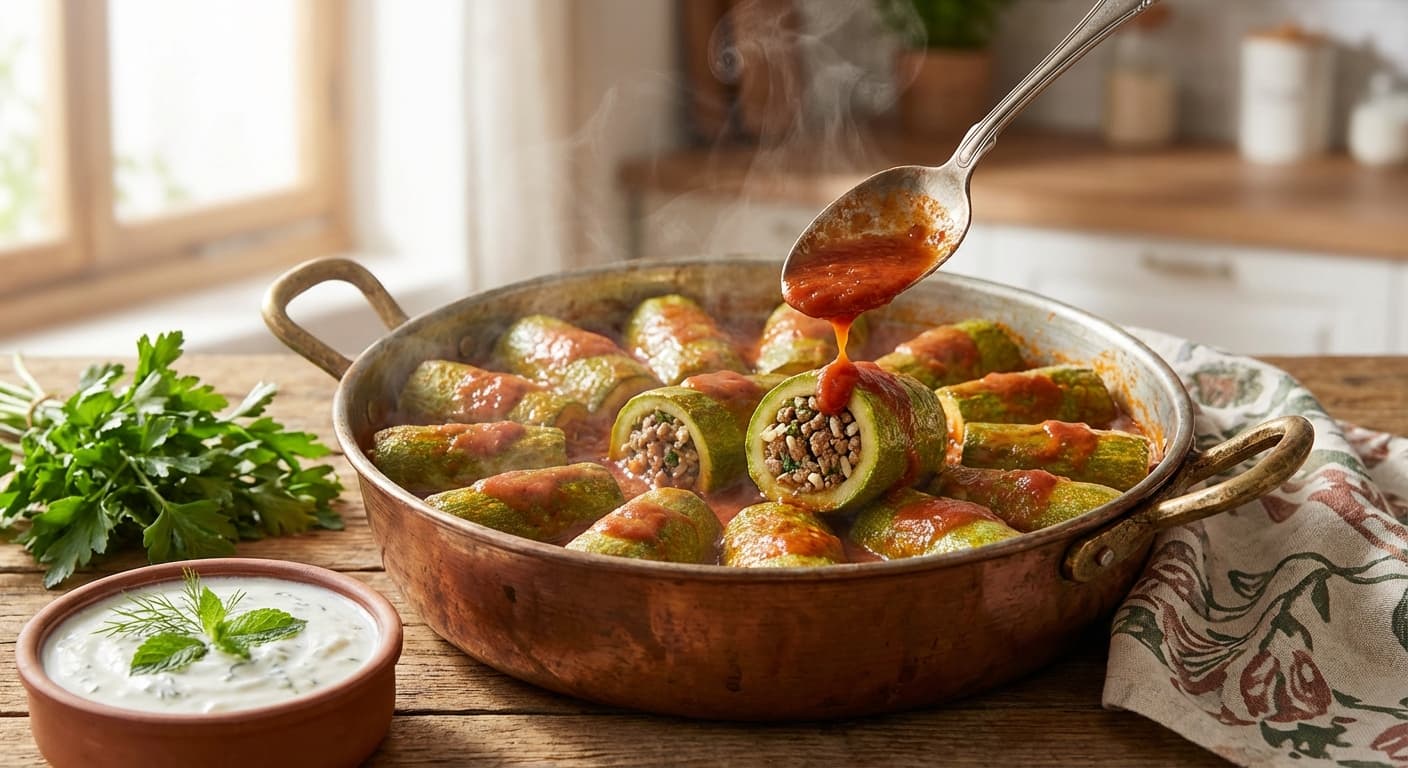
Stuffed Zucchini (Kabak Dolması) — Hollowed zucchini filled with spiced minced meat and rice
Turkish · Main Courses · 90 min
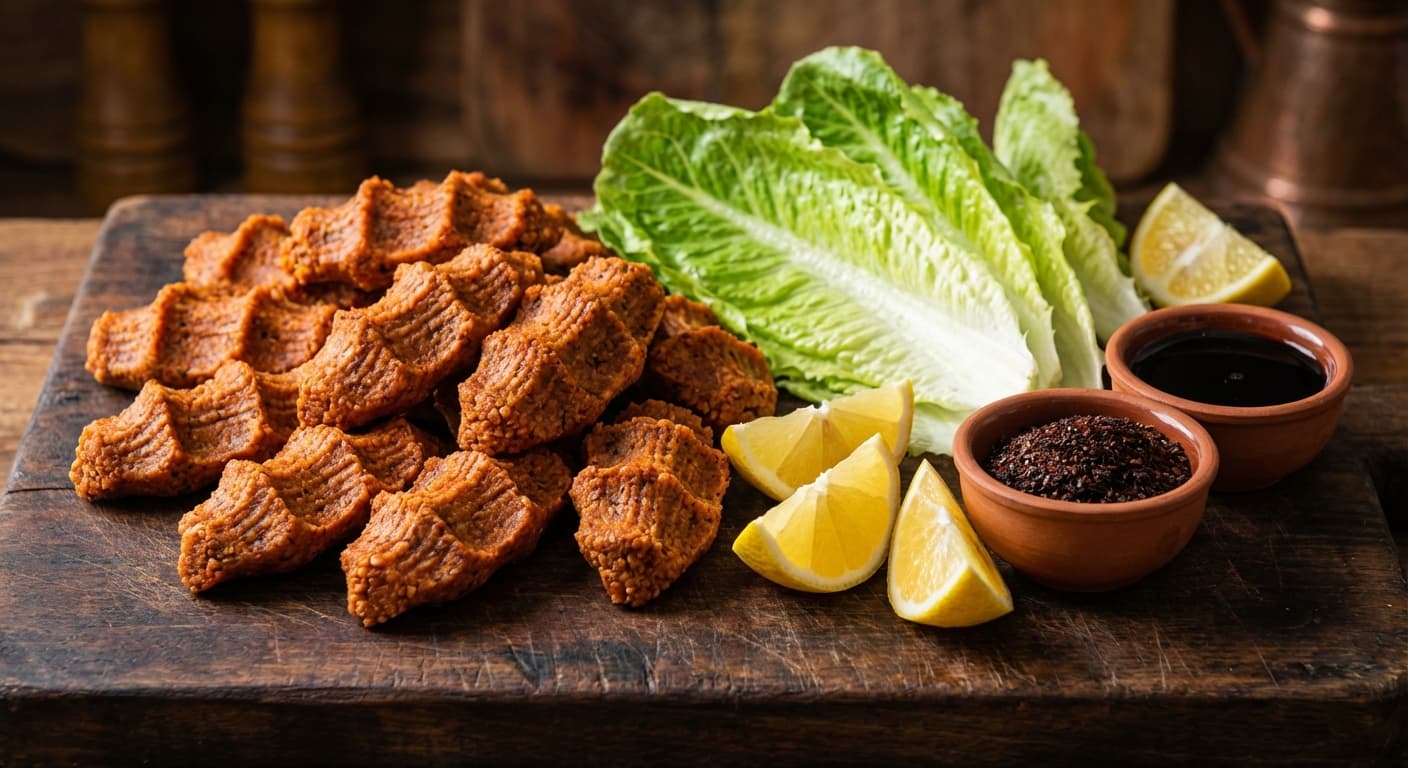
Cig Kofte (Çiğ Köfte) — Isot-kissed bulgur kneaded and served in lettuce
Turkish · Appetizers · 25 min
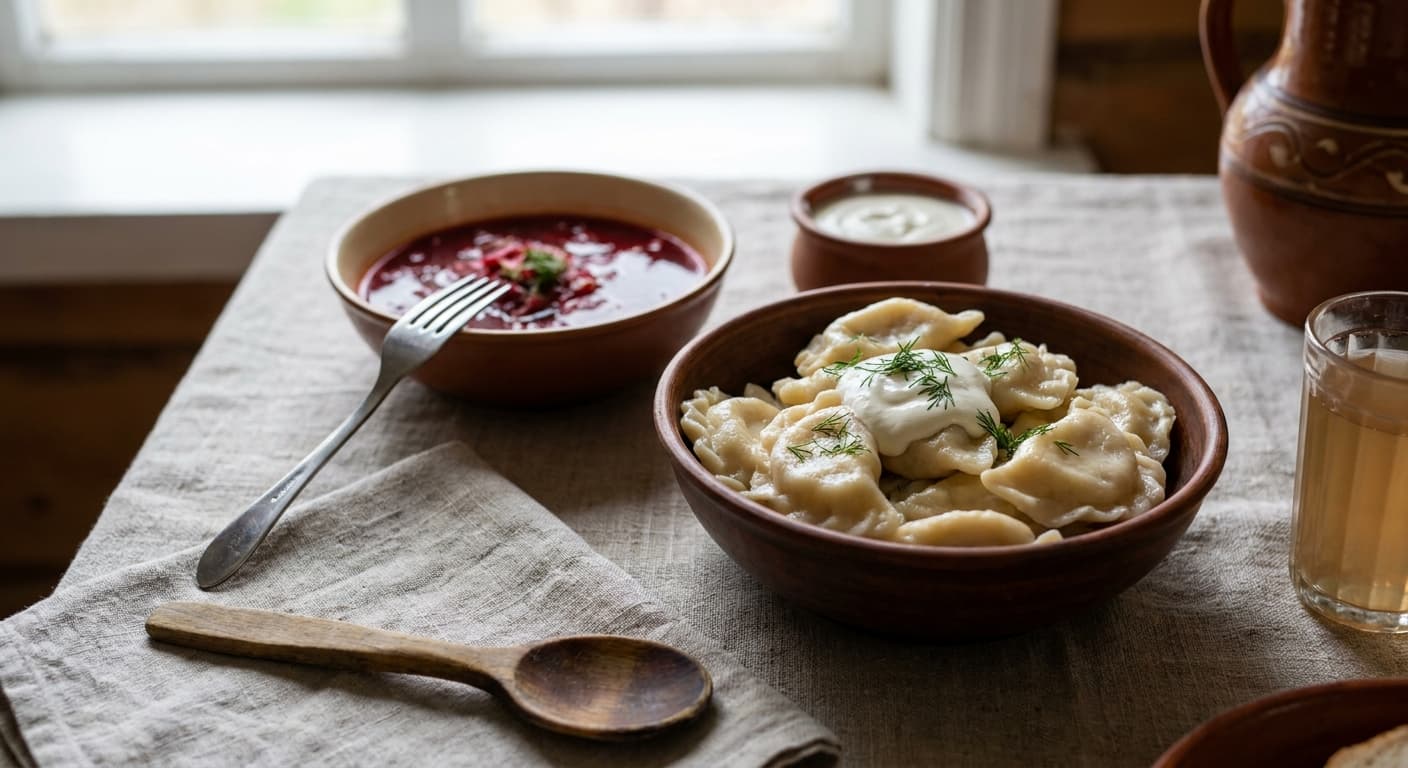
Varenyky (Вареники) — Ukrainian Potato-Cheese Dumplings
Ukrainian · Main Courses · 95 min
Reviews
Cooked this recipe?
Tap the stars to rate it — that's all it takes. A few words are welcome but optional.
No ratings yet. Cooked this one? Be the first to rate it — it takes one tap.