Khoresht-e Bademjan ba Zeytoon (خورشت بادمجان با زیتون) — Persian Eggplant & Olive Stew
A Northern Iranian-inspired vegetarian stew where fried eggplant and sweet peppers simmer with tomato paste, celery, and briny green olives. Finished with lemon for a balanced, savory-sour depth and silky texture.
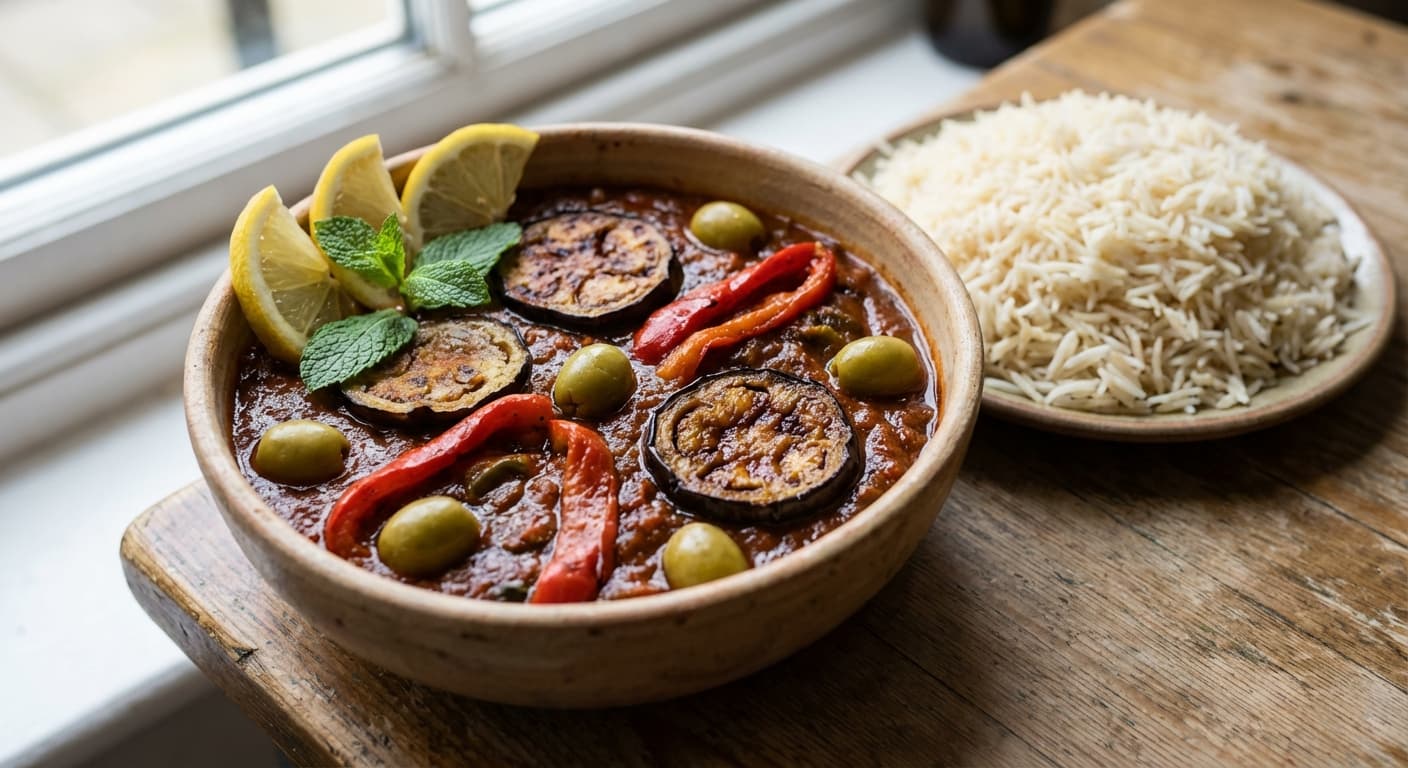
Printable Recipe Card
Servings: 4 · Total: 100 min · Difficulty: medium
Ingredients (quick list)
- 900 g Eggplant (globe or Italian), peeled in stripes and cut into 2.5 cm thick rounds (Choose firm, glossy eggplants with minimal seeds)
- 300 g Red bell pepper, cut into 2.5 cm strips (About 2 medium peppers)
- 220 g Yellow onion, finely diced (About 1 large onion)
- 180 g Celery, finely sliced (Include tender leaves if available)
- 140 g Green olives, pitted (Rinsed and drained to control saltiness)
- 45 g Tomato paste (3 tablespoons; cook to deepen color and reduce raw taste)
- 45 ml Lemon juice, freshly squeezed (3 tablespoons; add at the end for brightness)
- 600 ml Water (Add gradually; you want a thick stew, not a soup)
- 90 ml Cooking oil (neutral, such as sunflower or canola) (Divided for frying and sautéing)
- 7 g Fine salt (About 1 1/4 teaspoons; adjust after olives are added)
- 2 g Black pepper, freshly ground (About 1 teaspoon)
Steps (summary)
- Prepare the eggplant for frying: pat the slices very dry with paper towels so they brown instead of steaming. Heat 60 ml oil in…
- In the same skillet, add the remaining 30 ml oil if the pan looks dry. Reduce heat to medium. Sauté onion with 3 g of the salt…
- Push the vegetables to the sides and add tomato paste to the center. Cook it for 2–3 minutes, stirring constantly, until it tur…
- Add red bell pepper strips and cook 4 minutes to lightly soften. Pour in 450 ml water, scraping the pan to dissolve any browned…
- Nestle the fried eggplant into the simmering sauce in a single layer as much as possible. Add olives and the remaining 150 ml w…
- Uncover and simmer 5–8 minutes to reduce if needed. Turn off heat and stir in lemon juice. Taste and adjust with up to 1 g more…
Cultural Background
Vegetable stews are a staple in Persian home cooking, often built around slow-simmered sauces balanced with sour elements such as citrus. Northern Iranian cooking is known for bright, tangy flavors and abundant produce, and olive-based stews reflect regional access to orchards and preserved ingredients.
Equipment
💡 Tips
- Rinsing olives prevents the stew from becoming overly salty while keeping their briny character.
- Fry eggplant until truly golden; pale eggplant tastes flat and can turn spongy in the stew.
- Keep the simmer gentle—strong boiling breaks eggplant and makes the sauce thin and oily.
- If you prefer less oil, brush eggplant with oil and bake at 220°C for 20–25 minutes, flipping once, then proceed with the stew.
⚠️ Common Mistakes
❌ Crowding the pan when frying eggplant
💡 Why: Overcrowding drops the oil temperature, causing eggplant to steam and absorb excess oil.
✅ Fix: Fry in batches with space between slices; let oil reheat 1–2 minutes between batches.
❌ Skipping the tomato paste toasting step
💡 Why: Untoasted paste can taste metallic or raw and won’t develop the stew’s deep color.
✅ Fix: Cook paste 2–3 minutes in the pan until darker and fragrant before adding water.
❌ Adding lemon juice early in the simmer
💡 Why: Prolonged boiling dulls citrus aroma and can make the stew taste harsh rather than bright.
✅ Fix: Stir lemon juice in off heat, then rest the stew 10 minutes before serving.
❌ Over-simmering at a rapid boil
💡 Why: Eggplant breaks apart and the sauce can separate into oil and watery liquid.
✅ Fix: Maintain a gentle simmer on low heat and stir carefully from the edges.
🧊 How to Store
Cool completely, then refrigerate in an airtight container for up to 4 days. Reheat gently over low heat with 30–60 ml water to loosen the sauce. Freeze up to 2 months; thaw overnight in the refrigerator and reheat slowly to preserve eggplant texture.
📅 Make Ahead
Fry the eggplant up to 24 hours ahead and refrigerate in a sealed container. The full stew improves after resting; cook it 1 day ahead, cool, refrigerate, and reheat gently on low heat with a small splash of water before serving.
🍽️ Pairs Well With
- Steamed basmati rice
- Persian-style saffron rice (optional)
- Plain yogurt or a dairy-free yogurt alternative
- Fresh herbs and sliced radishes
Regional Variations
- Gilan and Mazandaran (Caspian coast)Often finished with a more pronounced sourness and a thicker, glossy sauce, reflecting a regional preference for tangy stews and preserved ingredients.
- Tehran and central IranCommonly made with a slightly smoother sauce and milder sourness, sometimes serving the stew alongside crisp herbs and rice for a balanced table.
Ingredients
- 900 gEggplant (globe or Italian), peeled in stripes and cut into 2.5 cm thick rounds (Choose firm, glossy eggplants with minimal seeds)
- 300 gRed bell pepper, cut into 2.5 cm strips (About 2 medium peppers)
- 220 gYellow onion, finely diced (About 1 large onion)
- 180 gCelery, finely sliced (Include tender leaves if available)
- 140 gGreen olives, pitted (Rinsed and drained to control saltiness)
- 45 gTomato paste (3 tablespoons; cook to deepen color and reduce raw taste)
- 45 mlLemon juice, freshly squeezed (3 tablespoons; add at the end for brightness)
- 600 mlWater (Add gradually; you want a thick stew, not a soup)
- 90 mlCooking oil (neutral, such as sunflower or canola) (Divided for frying and sautéing)
- 7 gFine salt (About 1 1/4 teaspoons; adjust after olives are added)
- 2 gBlack pepper, freshly ground (About 1 teaspoon)
🔄 Substitutions
- Green olives→ Kalamata olives, pitted and rinsed
- Lemon juice→ White wine vinegar
- Red bell pepper→ Roasted red peppers (jarred), drained and sliced
Instructions
- 1
Prepare the eggplant for frying: pat the slices very dry with paper towels so they brown instead of steaming. Heat 60 ml oil in a wide skillet over medium-high heat (about 190°C surface temperature). Fry eggplant in batches 3–4 minutes per side until deeply golden; transfer to a rack or paper towels.
- 2
In the same skillet, add the remaining 30 ml oil if the pan looks dry. Reduce heat to medium. Sauté onion with 3 g of the salt for 8–10 minutes, stirring often, until translucent and lightly golden. Add celery and cook 5 minutes more, until softened and aromatic but not browned.
- 3
Push the vegetables to the sides and add tomato paste to the center. Cook it for 2–3 minutes, stirring constantly, until it turns a shade darker and smells sweet rather than raw. Stir the paste through the onion-celery mixture, then add black pepper and the remaining salt.
- 4
Add red bell pepper strips and cook 4 minutes to lightly soften. Pour in 450 ml water, scraping the pan to dissolve any browned bits. Bring to a gentle simmer over medium heat, then cover and cook 15 minutes, adjusting heat to maintain a steady, quiet bubbling.
- 5
Nestle the fried eggplant into the simmering sauce in a single layer as much as possible. Add olives and the remaining 150 ml water. Cover and simmer on low for 25–30 minutes, until eggplant is silky and the sauce is thick enough to coat a spoon; avoid vigorous boiling to keep slices intact.
- 6
Uncover and simmer 5–8 minutes to reduce if needed. Turn off heat and stir in lemon juice. Taste and adjust with up to 1 g more salt if required (olives vary). Rest the stew, covered, for 10 minutes before serving so flavors round out and the sauce clings to the vegetables.
🪪 Recipe Passport
Cultural Background
Vegetable stews are a staple in Persian home cooking, often built around slow-simmered sauces balanced with sour elements such as citrus. Northern Iranian cooking is known for bright, tangy flavors and abundant produce, and olive-based stews reflect regional access to orchards and preserved ingredients.
Regional Variations
Researched from multiple sources and validated by the Zaffaron editorial team. Every recipe is tested for accuracy, measurements, and cultural authenticity.
Nutrition per serving
Pairs well with
If you enjoyed this recipe, here are a few related Zaffaron recipes to try next.
Does your family make this differently?
Every family has their own version. Maybe your grandmother adds a secret ingredient, or your aunt has a completely different technique. Preserve your family's version — with their name on it, forever.
You Might Also Like
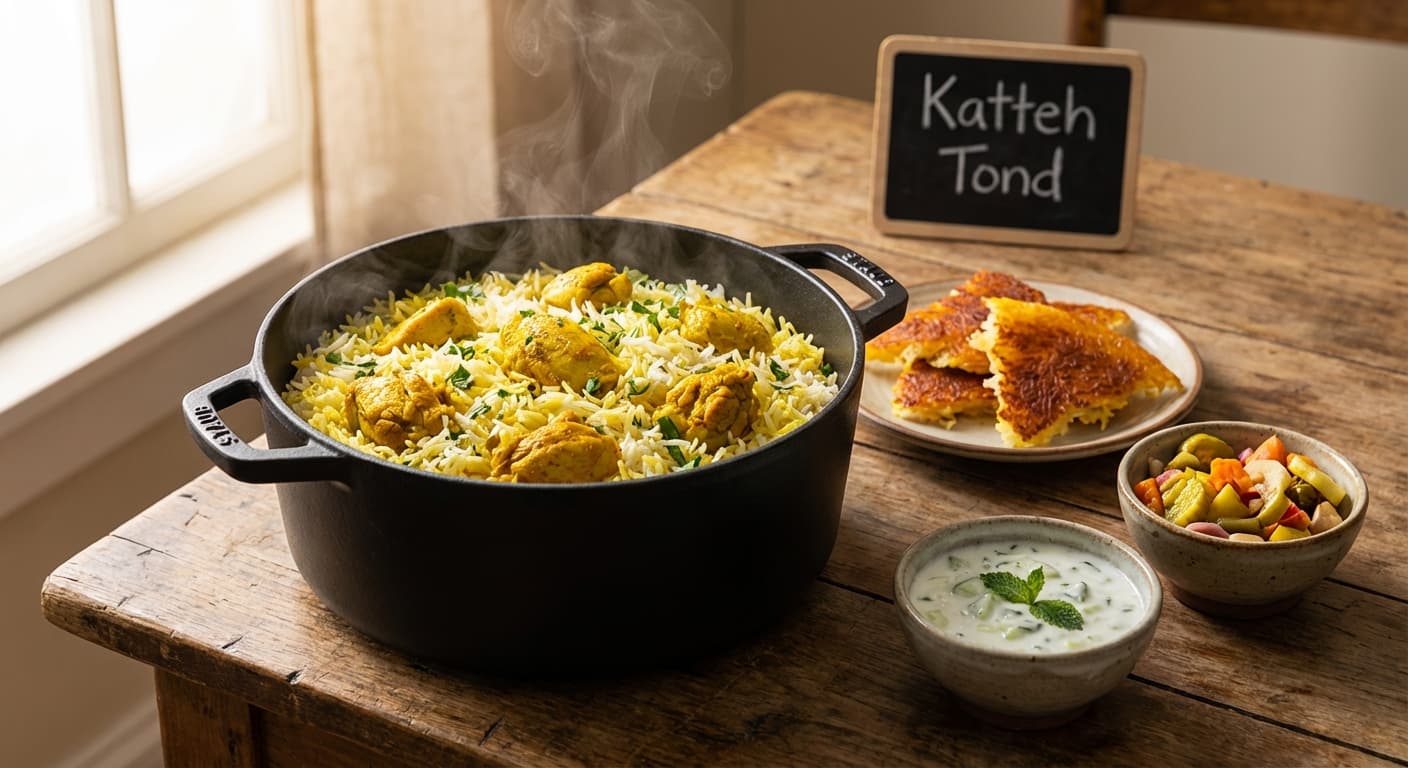
Katteh Tond (کته تند) — Spicy Caspian-Style One-Pot Chicken Rice
Persian · Rice Dishes · 85 min
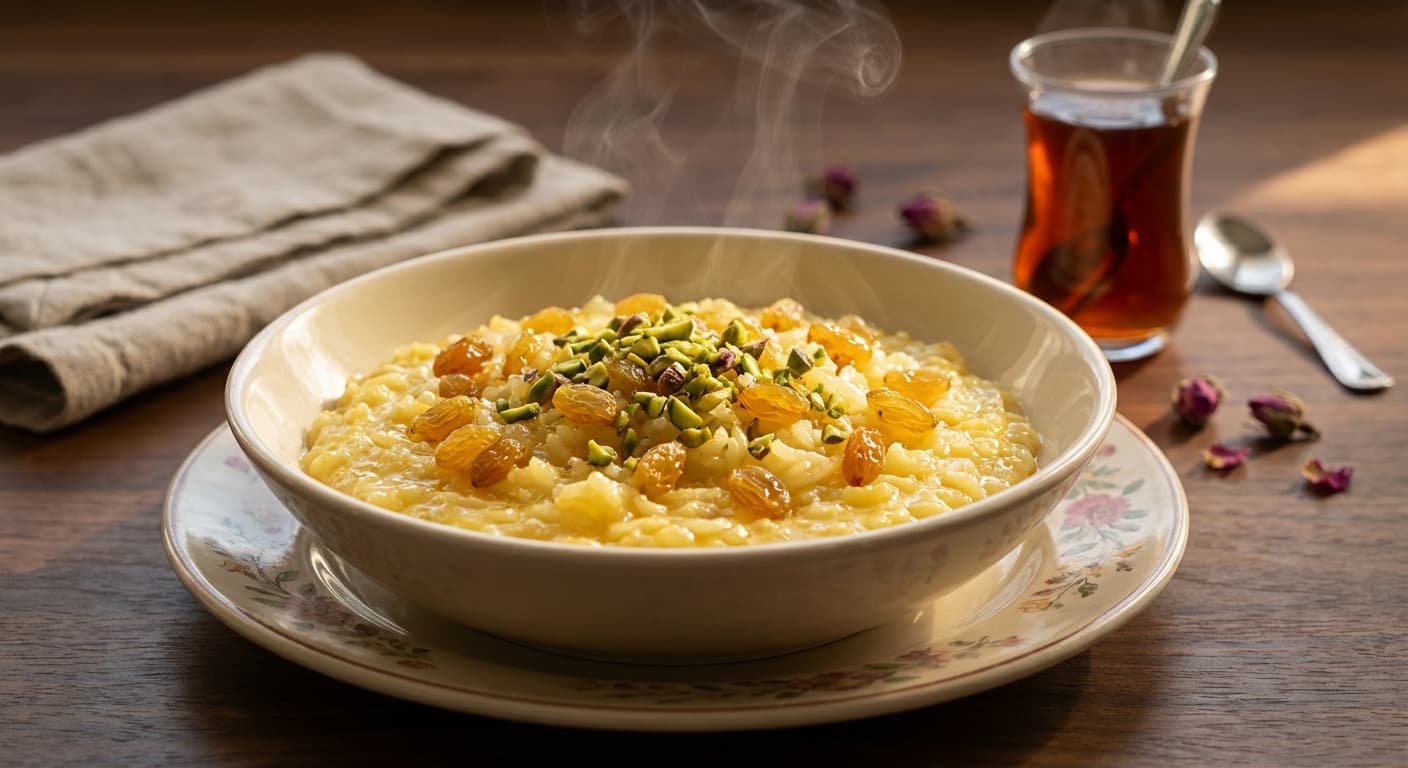
Saffron Sweet Rice (پلو شیرینی زعفرانی) — Festive Persian milk-saffron rice with nuts
Persian · Rice Dishes · 75 min
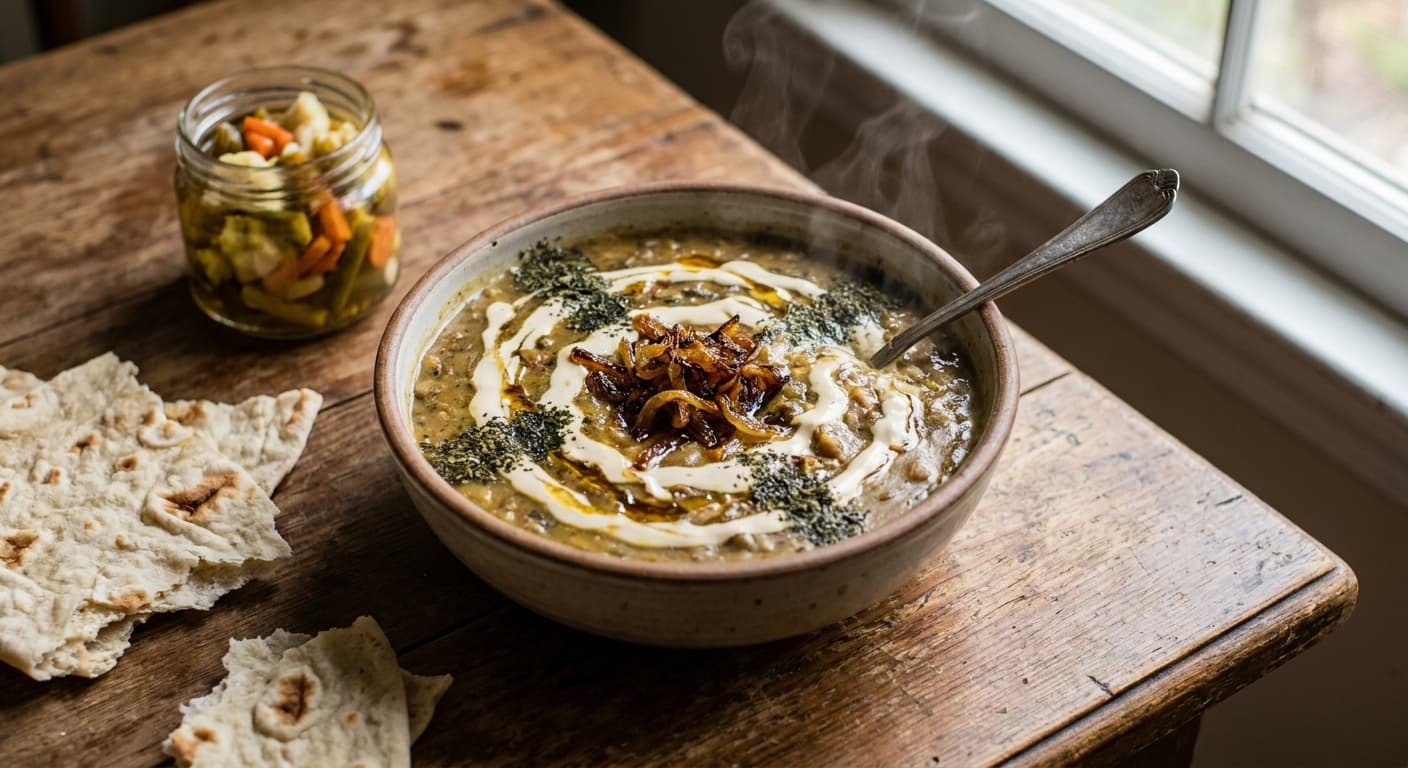
Ash-e Sak (آش ساک) — Gorgani Spinach and Lamb Ash
Persian · Soups · 175 min
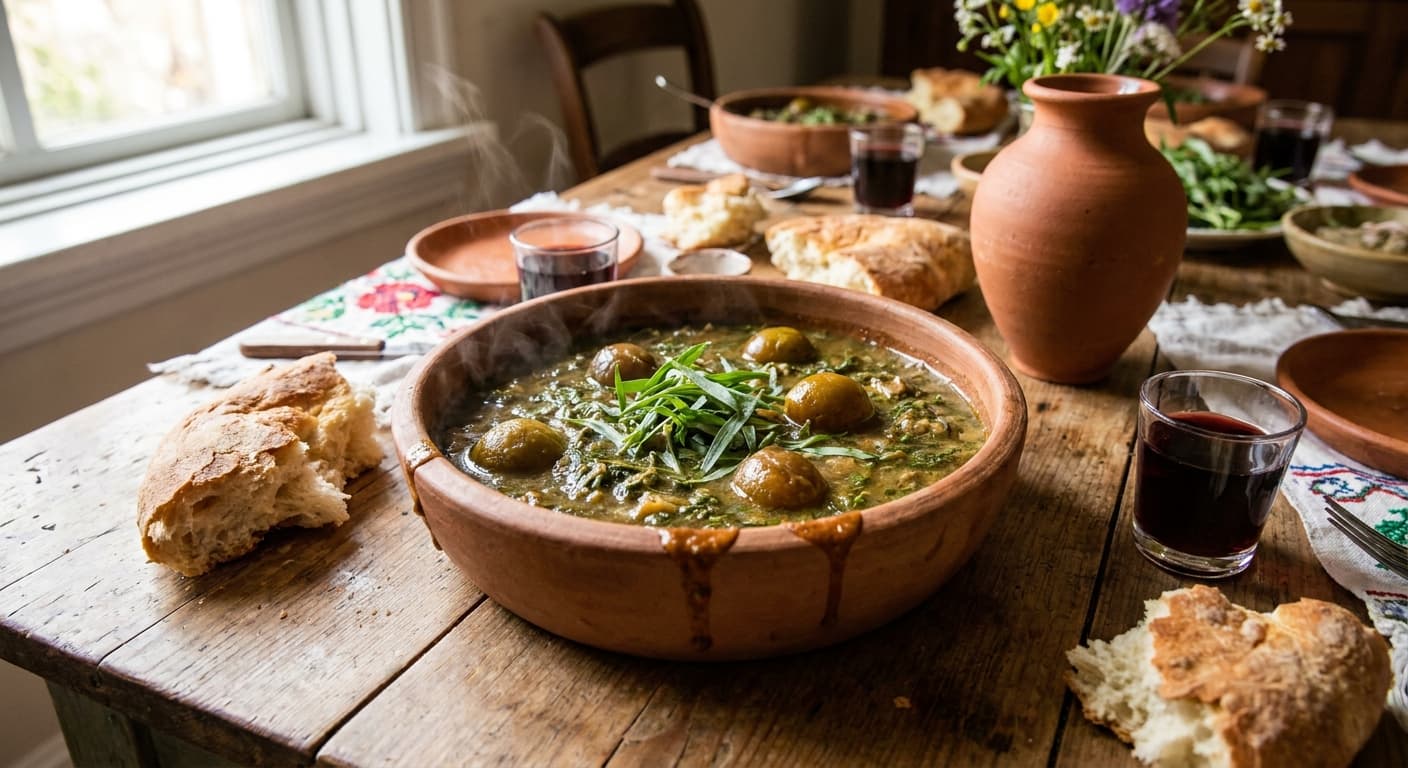
Chakapuli (ჩაქაფული) — Georgian Spring Lamb, Tarragon, and Sour Plum Stew
Georgian · Stews · 135 min
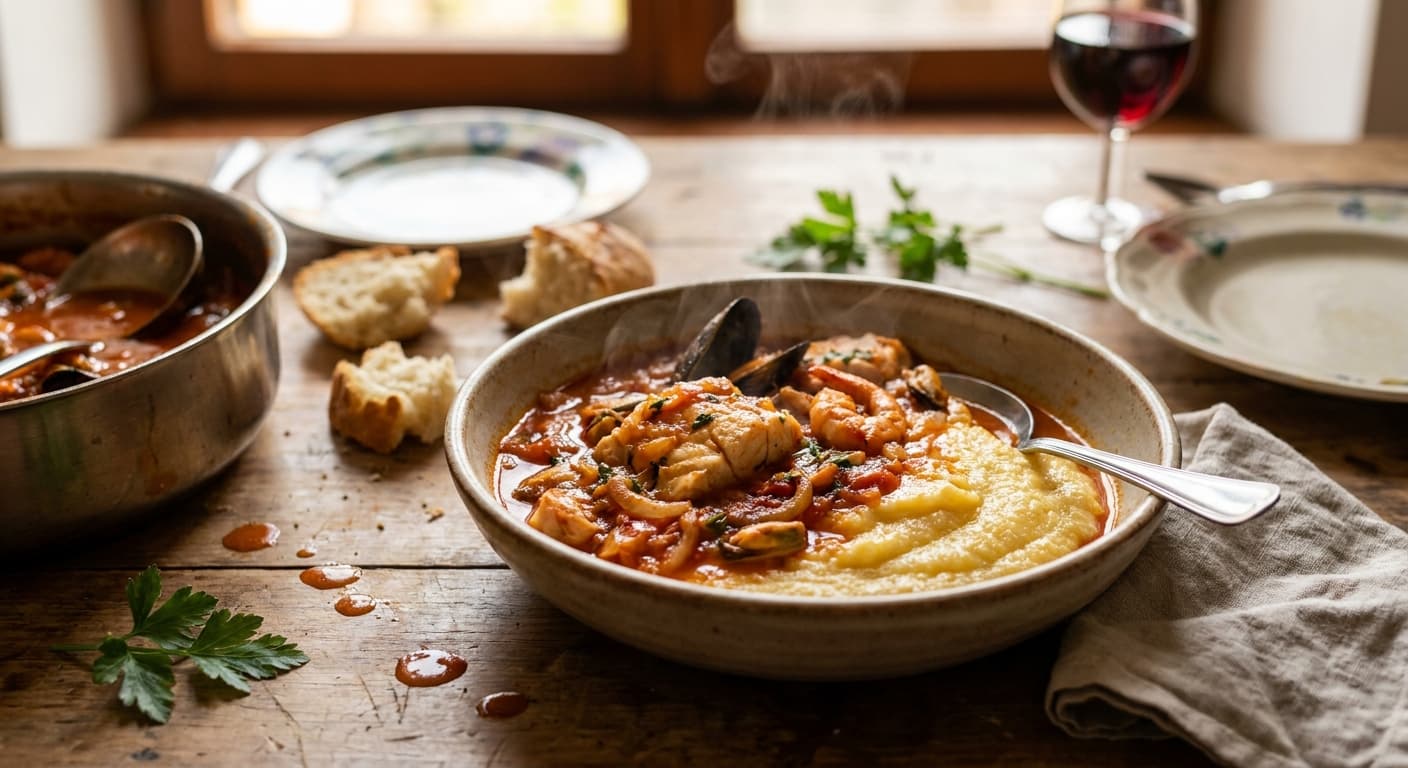
Brodet (Brodet) — Croatian Adriatic Fish Stew with Tomato and White Wine
Croatian · Stews · 70 min
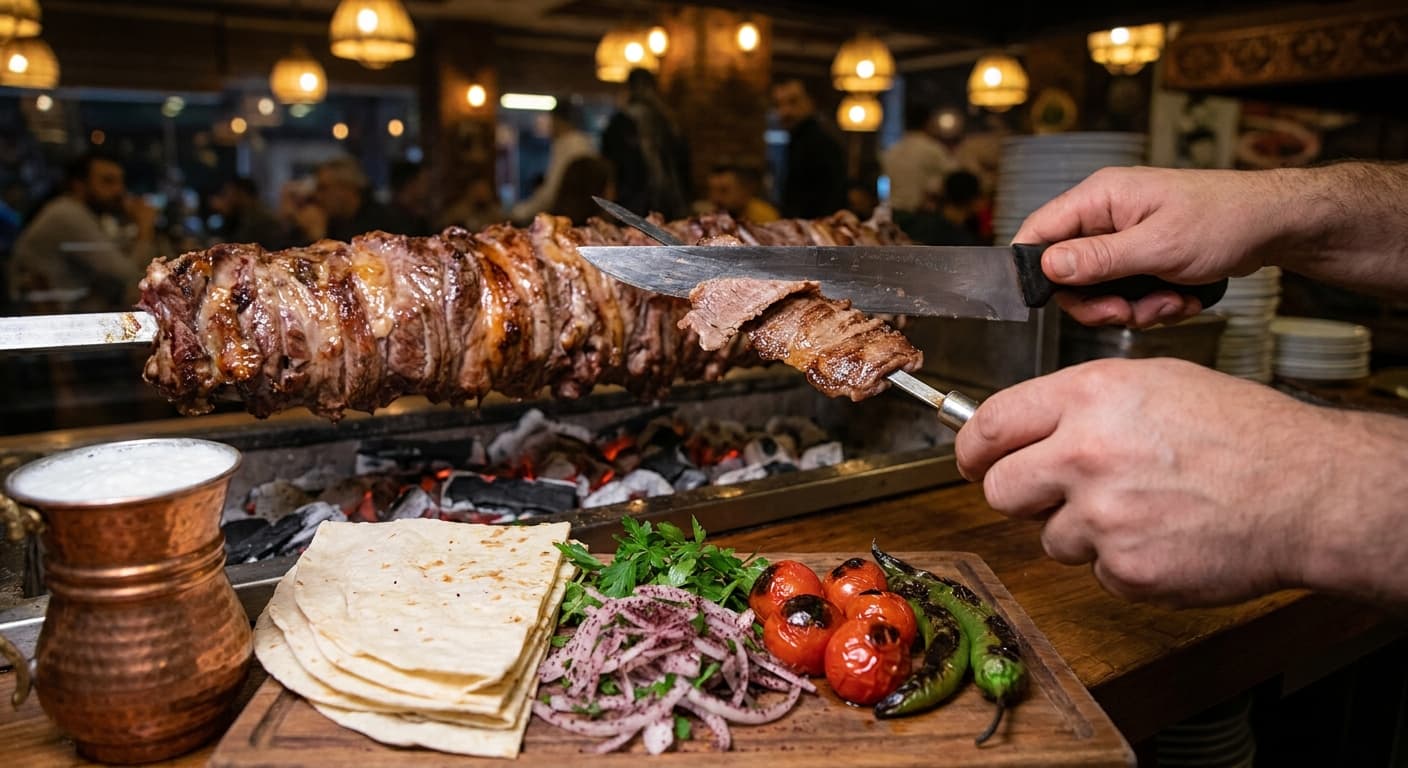
Turkish Cağ Kebab (Cağ Kebabı) — Erzurum Slow-Roasted Charcoal Lamb Skewer
Turkish · Kebabs · 160 min
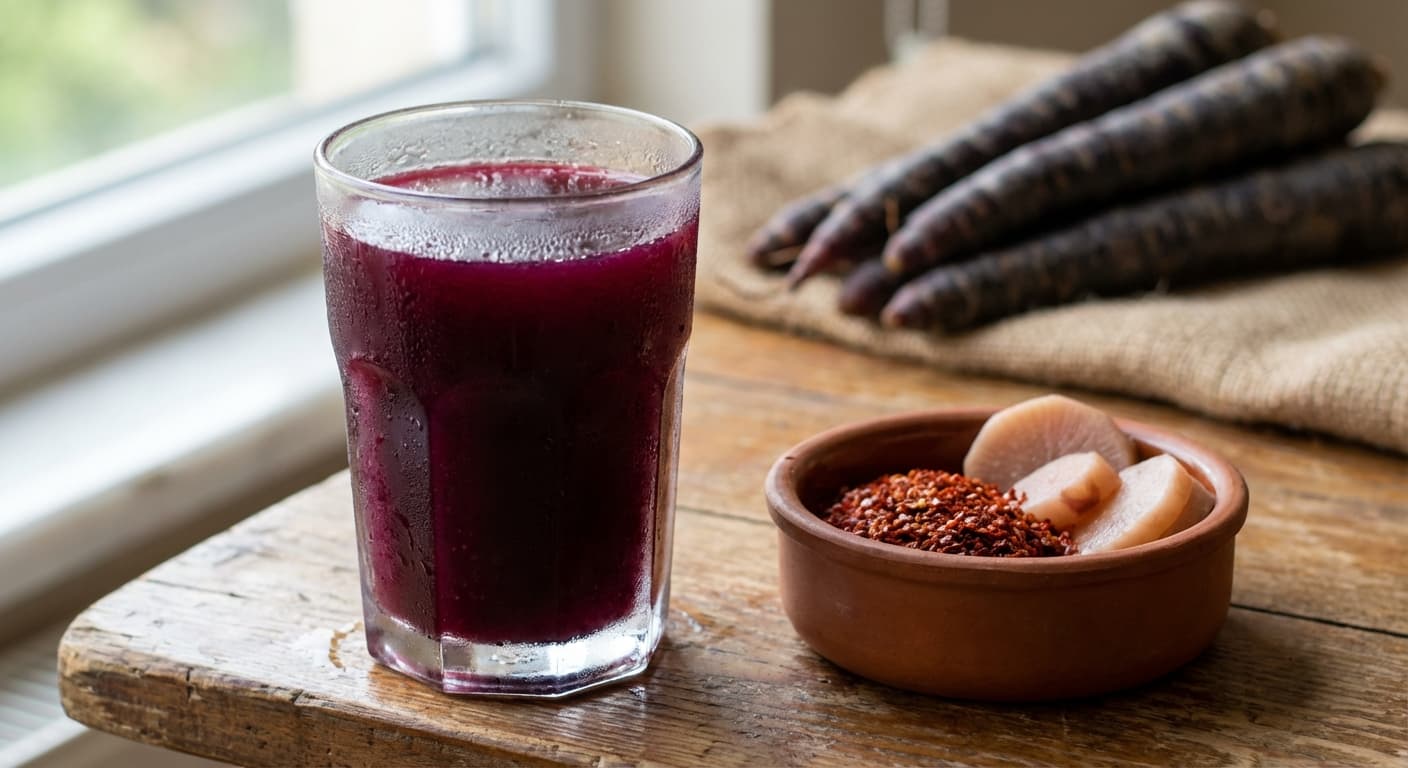
Salgam Juice (Şalgam) — Spicy, tangy fermented black-carrot drink
Turkish · Drinks · 25 min
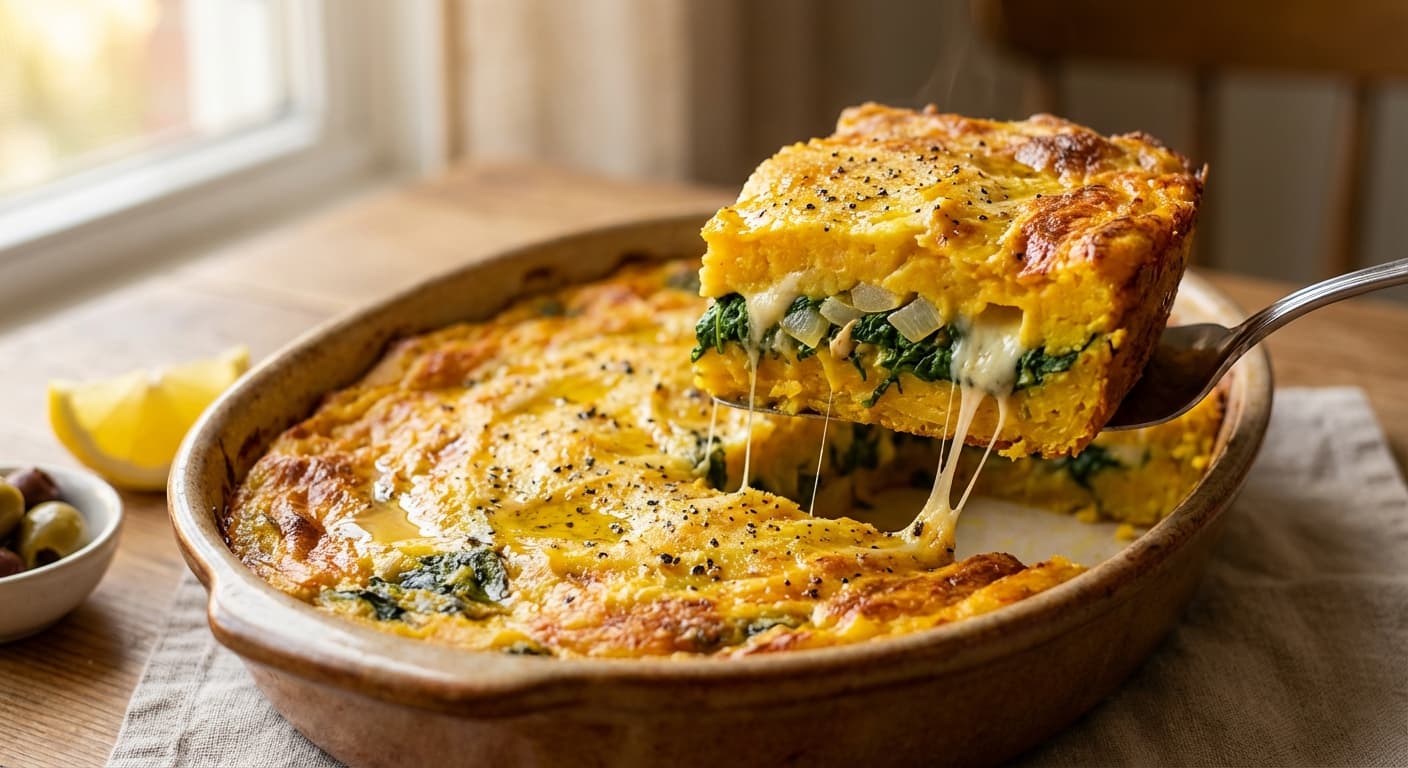
Golden Turmeric Potato and Spinach Casserole (غراتان سیبزمینی و اسفناج) — Mediterranean-Inspired Layered Gratin
Persian · Main Courses · 70 min
Reviews
Cooked this recipe?
Tap the stars to rate it — that's all it takes. A few words are welcome but optional.
No ratings yet. Cooked this one? Be the first to rate it — it takes one tap.