Khoresht Kadu Bademjan (خورش کدو بادمجان) — Persian Zucchini and Eggplant Stew
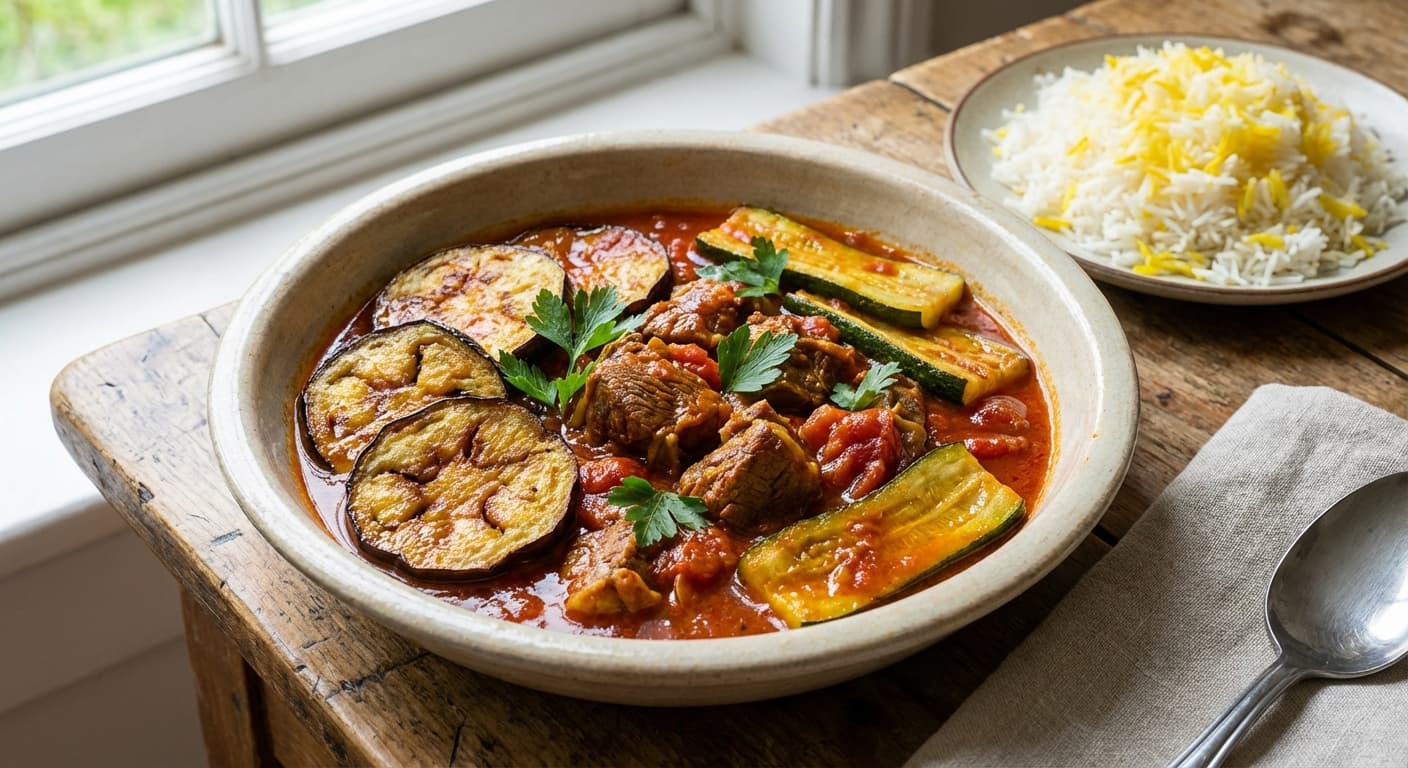
A classic Persian summer stew of tender lamb or beef simmered in a tomato-saffron sauce with silky fried eggplant and zucchini. Comforting, vibrant, and traditionally served over fluffy basmati rice.
Printable Recipe Card
Servings: 6 · Total: 180 min · Difficulty: medium
Ingredients (quick list)
- 700 g Eggplant (globe or Italian), peeled in stripes and cut lengthwise into 4–6 planks (Choose firm, glossy eggplants; keep pieces thick so they hold shape)
- 12 g Kosher salt (For salting eggplant and seasoning the stew; adjust to taste)
- 600 g Zucchini, trimmed (About 5–6 medium; cut lengthwise in half if thick)
- 250 g Yellow onion, finely chopped (About 1 large)
- 90 ml Vegetable oil (Divided for frying and sautéing)
- 700 g Lamb shoulder or beef chuck, cut into 3 cm cubes (Trim excess surface fat; lamb gives a richer stew)
- 2 tsp Ground turmeric (Bloom in oil for best flavor)
- 1 tsp Black pepper, freshly ground (Plus more to taste)
- 45 g Tomato paste (About 3 tbsp; sauté until brick-red)
- 600 g Fresh tomatoes, grated or finely chopped (About 4 medium; include juices)
- 0.25 tsp Saffron threads (Grind and bloom in hot water)
- 60 ml Hot water (For blooming saffron)
+ 2 more in the full ingredients section below.
Steps (summary)
- Salt the eggplant to reduce bitterness and help it fry neatly. Lay eggplant planks on a tray and sprinkle with 8 g of the koshe…
- Fry the eggplant and zucchini in batches. Heat 60 ml vegetable oil in a wide skillet over medium-high heat (about 190°C surface…
- Build the stew base and brown the meat. In a heavy pot, heat the remaining 30 ml vegetable oil over medium heat. Add onion and…
- Develop the tomato-saffron sauce. Add tomato paste to the pot and sauté 2–3 minutes until it darkens slightly and smells sweet.…
- Simmer until the meat is tender. Add 750 ml of the water, bring to a gentle boil, then reduce to low, cover, and simmer 75–90 m…
- Finish with the fried vegetables without breaking them. Gently nestle fried eggplant and zucchini into the simmering sauce. Cov…
+ 1 more steps in the full instructions section below.
Cultural Background
This stew is commonly cooked in Iranian homes during warm months when zucchini and eggplant are abundant. It is part of the broader Persian khoresh tradition, where slow-simmered sauces are served with rice and shared family-style. Recipes often vary by household based on produce, meat choice, and preferred tartness.
Equipment
💡 Tips
- Choose medium eggplants with fewer seeds; very large eggplants can taste more bitter and absorb more oil.
- Pat eggplant extremely dry after salting; moisture causes splattering and prevents browning.
- Fry zucchini briefly so it finishes cooking in the stew without turning mushy.
- Sauté tomato paste until it darkens; this removes raw flavor and deepens color.
- Keep the simmer gentle; a hard boil can toughen meat and break the vegetables.
- If the stew looks oily, skim the surface after resting rather than adding extra water.
⚠️ Common Mistakes
❌ Skipping the eggplant salting and drying step
💡 Why: Wet eggplant steams instead of browning and absorbs more oil, leading to a greasy stew.
✅ Fix: Salt for 30 minutes, rinse quickly, and pat completely dry before frying.
❌ Boiling the stew vigorously
💡 Why: A hard boil can toughen meat, split the sauce, and break the fried vegetables.
✅ Fix: Maintain a gentle simmer on low heat; small bubbles at the edges are ideal.
❌ Over-frying zucchini until fully soft
💡 Why: Zucchini continues cooking in the stew and can collapse into the sauce.
✅ Fix: Fry just until lightly golden, then finish cooking during the final 20–25 minutes of simmering.
❌ Adding too much water at once
💡 Why: This dilutes the tomato base and prevents the stew from thickening properly.
✅ Fix: Start with 750 ml, then add small amounts only if needed; reduce uncovered for 5–10 minutes if thin.
🧊 How to Store
Cool to room temperature within 2 hours, then refrigerate in an airtight container for up to 4 days. Reheat gently on the stovetop over low heat, adding 30–60 ml water if needed. Freeze up to 2 months; thaw overnight in the refrigerator and reheat slowly to keep vegetables intact.
📅 Make Ahead
Fry eggplant and zucchini up to 24 hours ahead; cool, cover, and refrigerate. You can also cook the meat and tomato base 1 day ahead, then reheat gently and add fried vegetables for the final 20–25 minutes before serving.
🍽️ Pairs Well With
- Saffron basmati rice (chelow)
- Persian salad (cucumber
- tomato
- onion with lemon)
- Plain yogurt or yogurt-cucumber dip
- Pickled vegetables
Regional Variations
- Tehran and central IranOften made with lamb or beef and a relatively thick tomato base, with saffron used for aroma and color. Some households add a small amount of lemon juice at the end for brightness.
- Northern Iran (Caspian-influenced home styles)Some cooks prefer a slightly more tart profile by increasing lemon juice or using more acidic tomatoes. Vegetable ratios may lean heavier, with meat used more sparingly depending on season and preference.
Ingredients
- 700 gEggplant (globe or Italian), peeled in stripes and cut lengthwise into 4–6 planks (Choose firm, glossy eggplants; keep pieces thick so they hold shape)
- 12 gKosher salt (For salting eggplant and seasoning the stew; adjust to taste)
- 600 gZucchini, trimmed (About 5–6 medium; cut lengthwise in half if thick)
- 250 gYellow onion, finely chopped (About 1 large)
- 90 mlVegetable oil (Divided for frying and sautéing)
- 700 gLamb shoulder or beef chuck, cut into 3 cm cubes (Trim excess surface fat; lamb gives a richer stew)
- 2 tspGround turmeric (Bloom in oil for best flavor)
- 1 tspBlack pepper, freshly ground (Plus more to taste)
- 45 gTomato paste (About 3 tbsp; sauté until brick-red)
- 600 gFresh tomatoes, grated or finely chopped (About 4 medium; include juices)
- 0.25 tspSaffron threads (Grind and bloom in hot water)
- 60 mlHot water (For blooming saffron)
- 900 mlWater (Add gradually; you want a thick, stew-like sauce)
- 15 mlFresh lemon juice (Optional but traditional for brightness)
🔄 Substitutions
- Lamb shoulder or beef chuck→ Boneless chicken thighs (700 g)
- Fresh tomatoes→ Canned crushed tomatoes (600 g)
- Vegetable oil→ Light olive oil or sunflower oil
Instructions
- 1
Salt the eggplant to reduce bitterness and help it fry neatly. Lay eggplant planks on a tray and sprinkle with 8 g of the kosher salt. Rest 30 minutes at room temperature, then rinse quickly and pat very dry with towels. Dry surfaces thoroughly to prevent splattering and to keep the eggplant from absorbing excess oil.
- 2
Fry the eggplant and zucchini in batches. Heat 60 ml vegetable oil in a wide skillet over medium-high heat (about 190°C surface temperature). Fry eggplant 3–4 minutes per side until golden and tender; transfer to a rack or paper towels. Add zucchini and fry 2–3 minutes per side until lightly golden; set aside. Do not fully soften zucchini yet.
- 3
Build the stew base and brown the meat. In a heavy pot, heat the remaining 30 ml vegetable oil over medium heat. Add onion and cook 10–12 minutes, stirring, until deeply golden. Add turmeric and black pepper and stir 30 seconds. Add lamb or beef and brown 8–10 minutes, turning, until most sides are lightly caramelized.
- 4
Develop the tomato-saffron sauce. Add tomato paste to the pot and sauté 2–3 minutes until it darkens slightly and smells sweet. Stir in grated tomatoes and cook 6–8 minutes until reduced and glossy. Meanwhile, bloom saffron by grinding threads and mixing with 60 ml hot water; steep 10 minutes, then add the saffron liquid to the pot.
- 5
Simmer until the meat is tender. Add 750 ml of the water, bring to a gentle boil, then reduce to low, cover, and simmer 75–90 minutes (beef may need 90–110 minutes). Stir every 20 minutes and add up to 150 ml more water only if the pot looks dry. The sauce should stay thick, not soupy.
- 6
Finish with the fried vegetables without breaking them. Gently nestle fried eggplant and zucchini into the simmering sauce. Cover and cook on low 20–25 minutes until zucchini is tender but intact and eggplant is silky. Taste and adjust with the remaining 4 g kosher salt as needed. Stir carefully from the bottom to avoid tearing the vegetables.
- 7
Balance and rest for better flavor. Turn off heat and stir in lemon juice (optional) for a clean finish. Rest the stew, covered, 10 minutes so the sauce thickens and flavors settle. Skim any excess oil from the surface if desired. Serve hot over basmati rice, spooning sauce over the rice and topping with vegetables and meat.
🪪 Recipe Passport
Cultural Background
This stew is commonly cooked in Iranian homes during warm months when zucchini and eggplant are abundant. It is part of the broader Persian khoresh tradition, where slow-simmered sauces are served with rice and shared family-style. Recipes often vary by household based on produce, meat choice, and preferred tartness.
Regional Variations
Researched from multiple sources and validated by the Zaffaron editorial team. Every recipe is tested for accuracy, measurements, and cultural authenticity.
Nutrition per serving
Pairs well with
If you enjoyed this recipe, here are a few related Zaffaron recipes to try next.
- Kookoo Baamieh (کوکو بامیه) — Persian Okra Frittata
- Khoresht Khalal Kermanshah (خورش خلال کرمانشاهی) – Slivered Almond Stew
- Khoresht Sib o Albaloo (خورش سیب و آلبالو) — Persian Sweet-and-Sour Apple & Sour Cherry Stew
- Kofteh Rizeh Morgh (کوفته ریزه مرغ) — Persian Spiced Chicken Meatballs in Light Saffron-Tomato Broth
Does your family make this differently?
Every family has their own version. Maybe your grandmother adds a secret ingredient, or your aunt has a completely different technique. Preserve your family's version — with their name on it, forever.
You Might Also Like
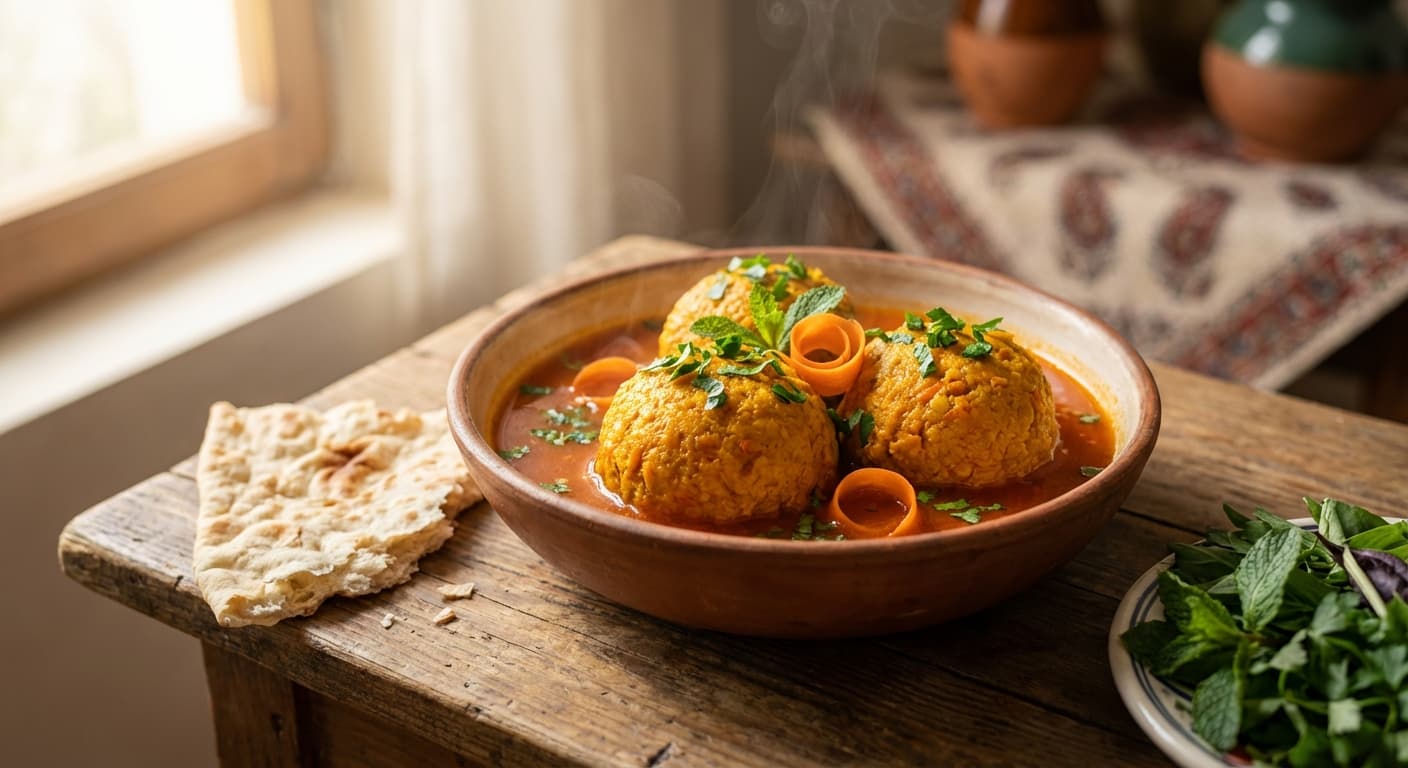
Koofteh Havij (کوفته هویج) — Persian Carrot Meatballs in Saffron-Tomato Broth
Persian · Main Courses · 120 min
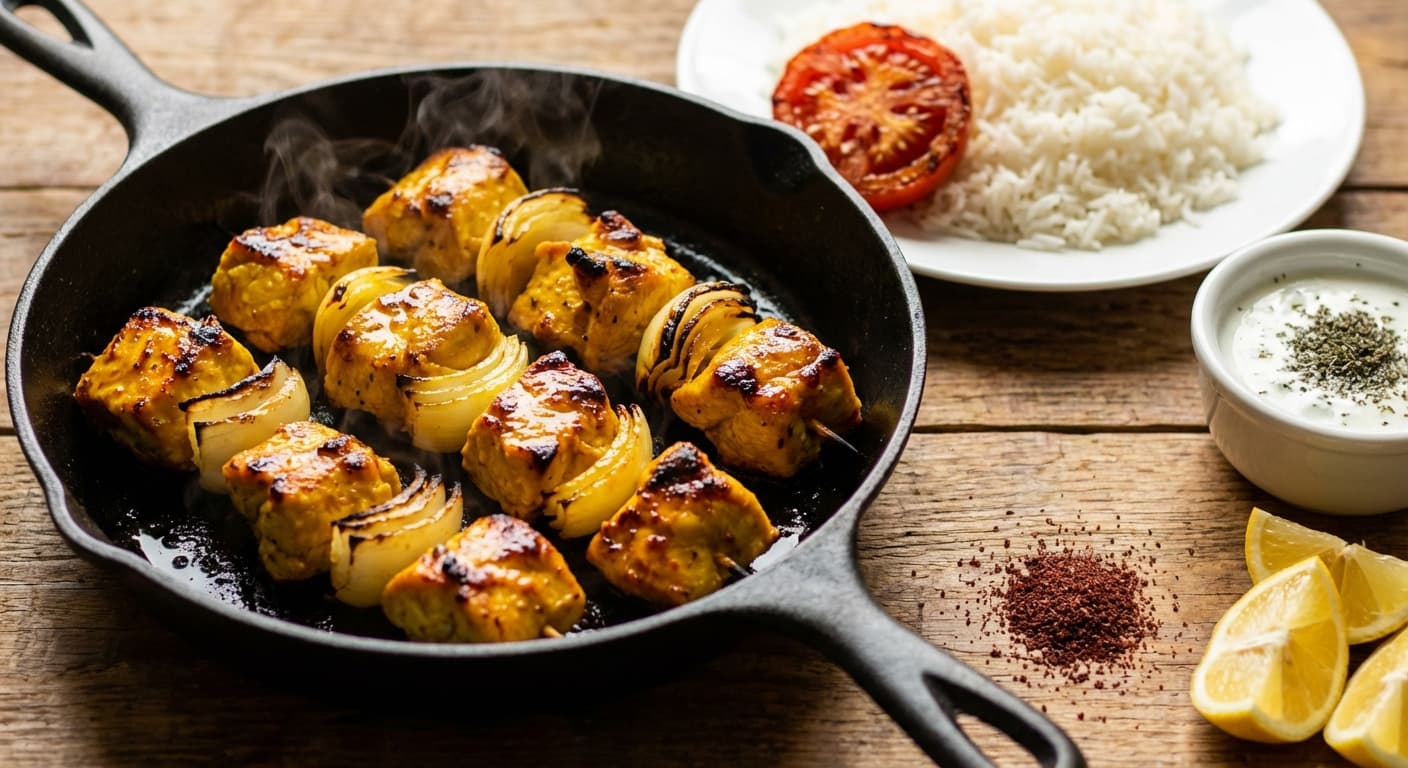
Pan-Seared Joojeh Kebab (جوجه کباب تابهای) — Persian Saffron Skillet Chicken
Persian · Kebabs · 34 min
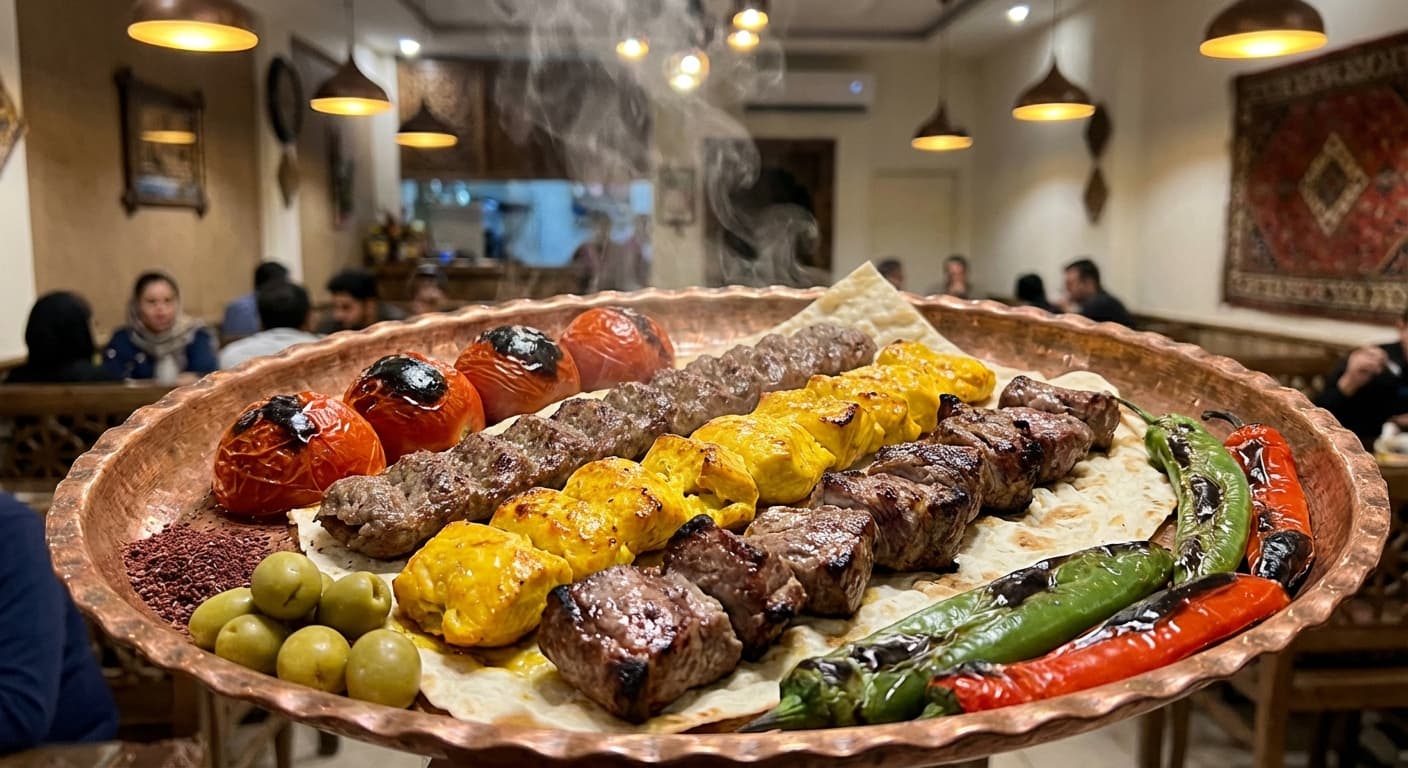
Kabab Vijeh (کباب ویژه) — Royal Persian Mixed Grill Platter
Persian · Kebabs · 70 min
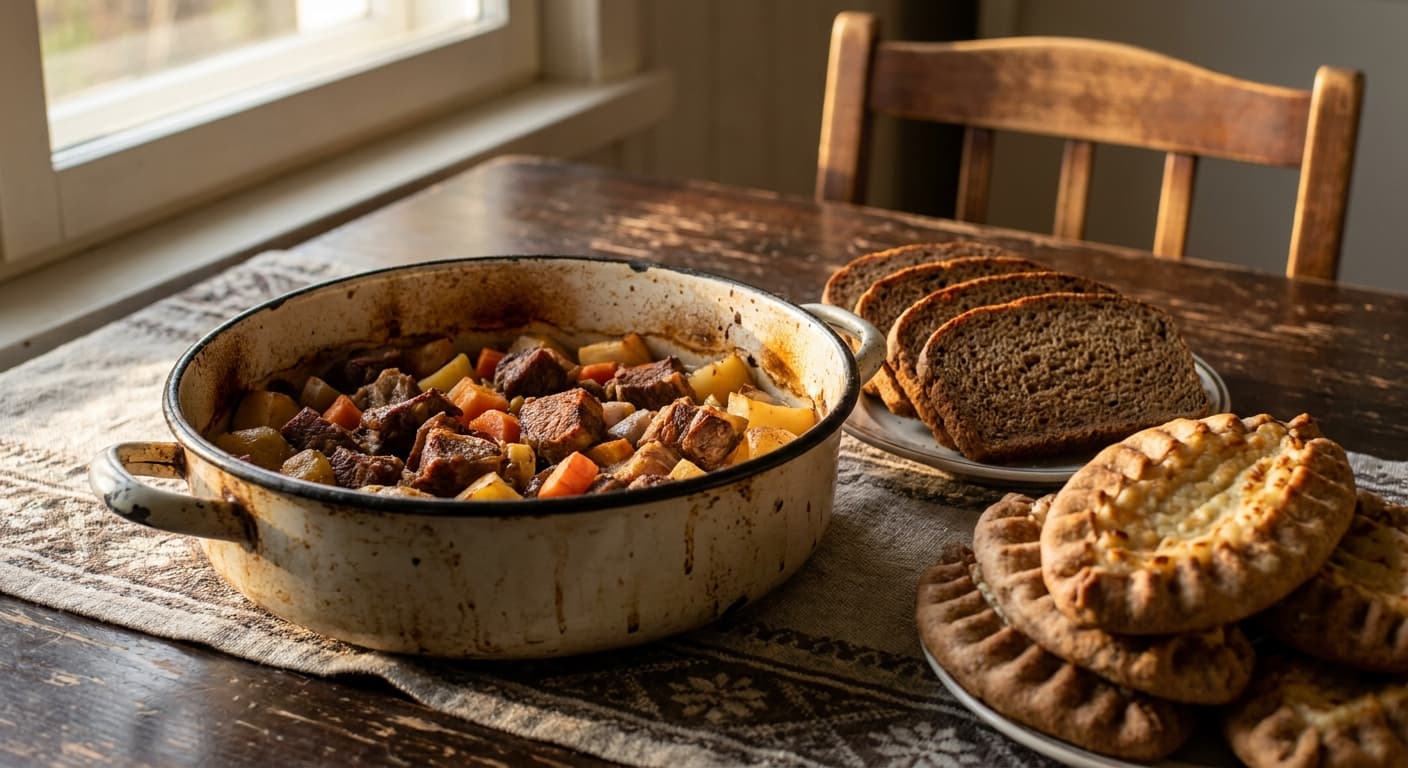
Karelian Hot Pot (Karjalanpaisti) — Finnish Oven-Braised Meat Stew
Finnish · Stews · 230 min
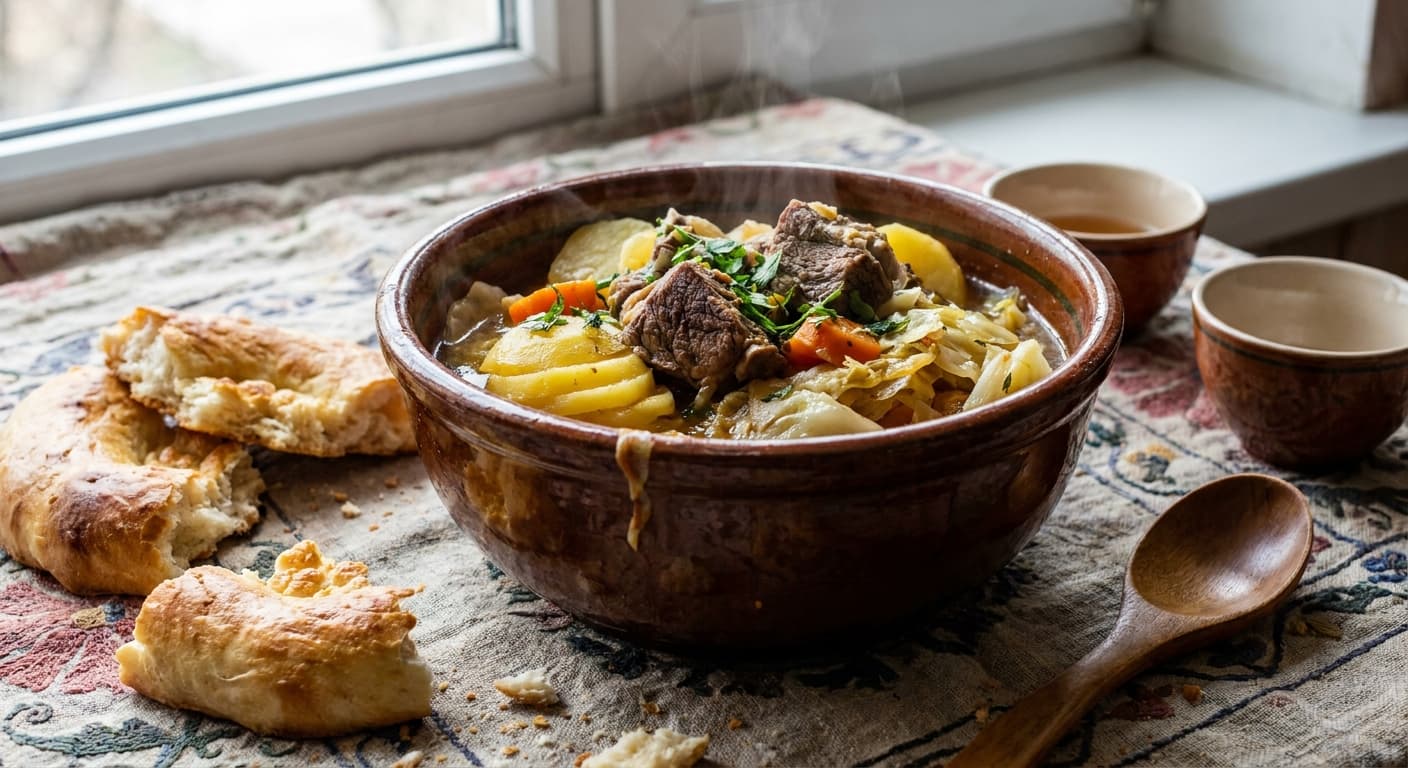
Uzbek Dimlama (Dimlama) — Layered Lamb and Vegetable Stew
Uzbek · Stews · 125 min
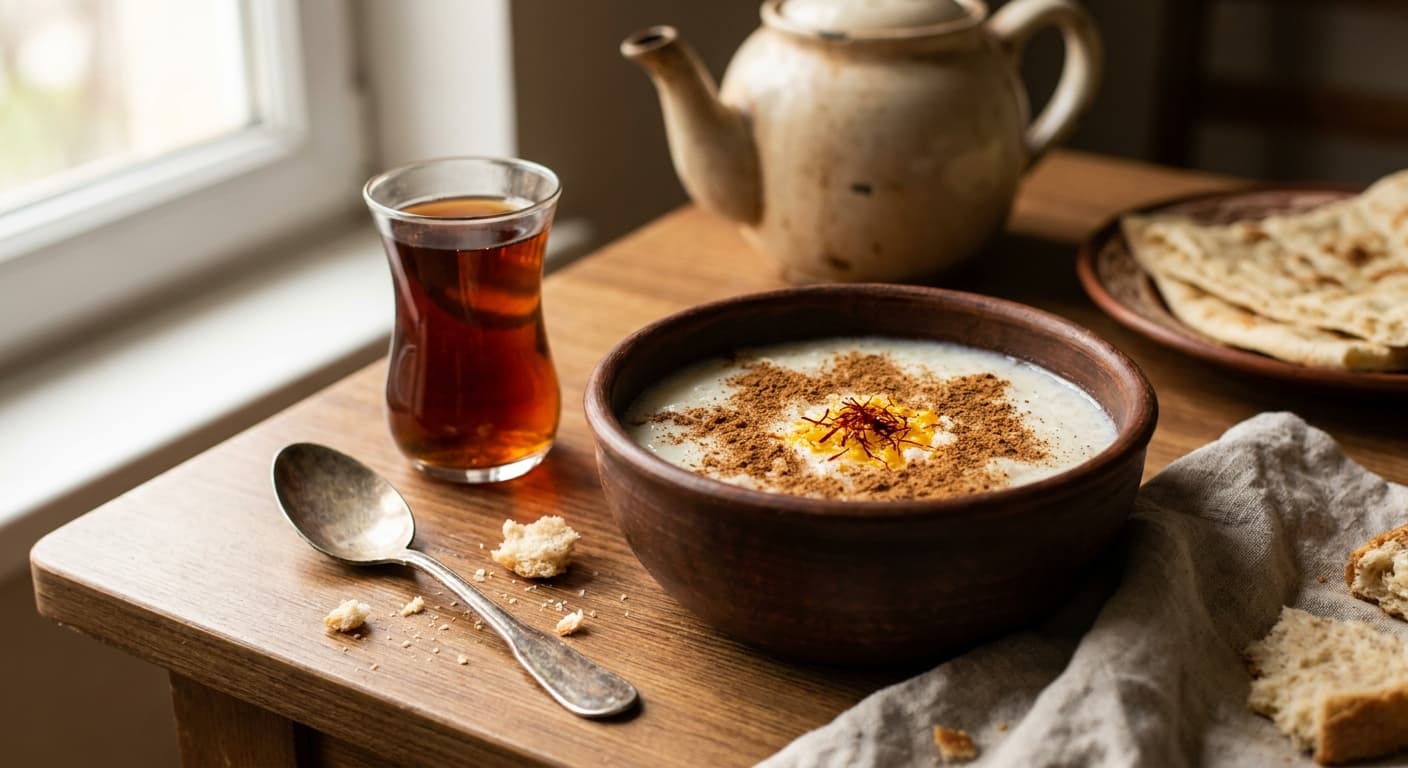
Azerbaijani Milk Rice Porridge (Südlü Sıyıq) — Creamy Breakfast Bowl
Azerbaijani · Rice Dishes · 40 min
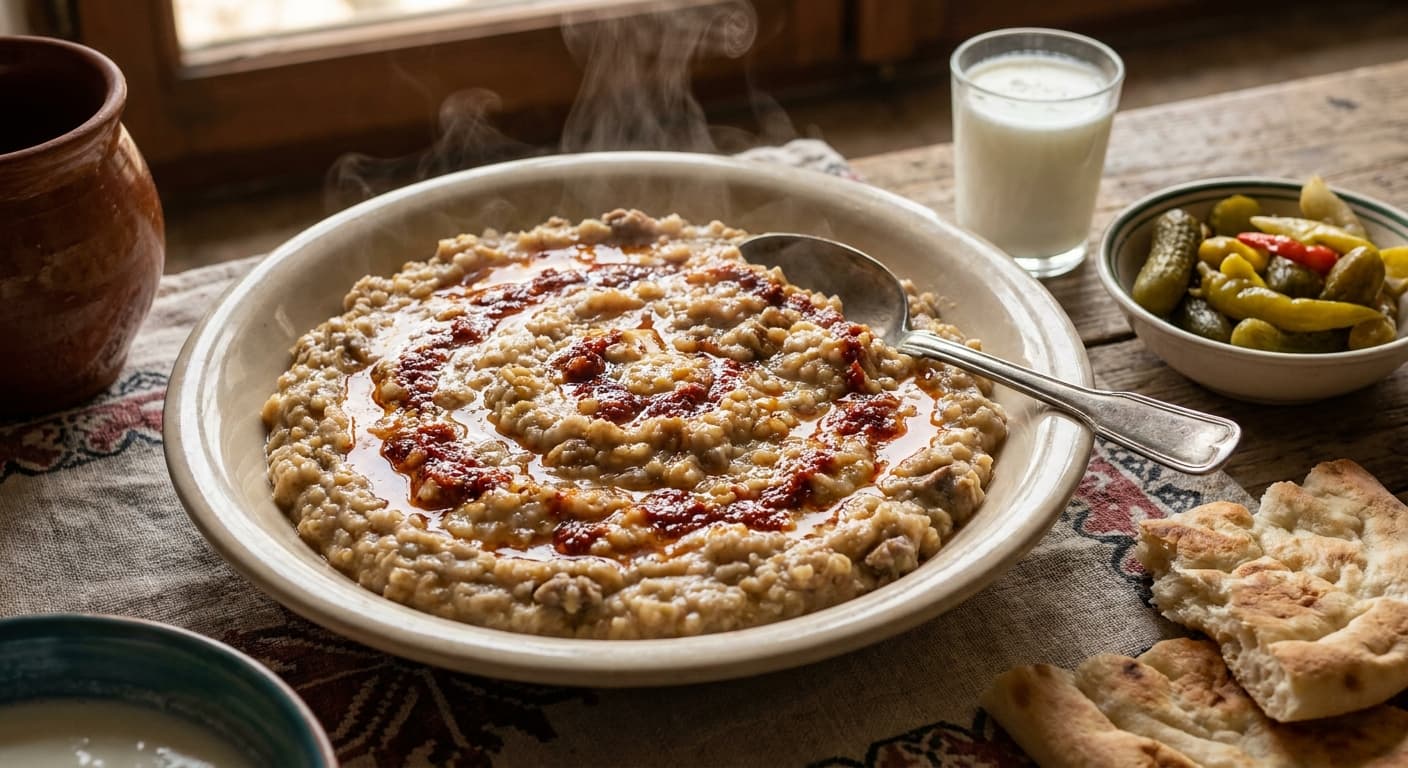
Keshkek (Keşkek) — Creamy Ceremonial Wheat and Lamb Stew
Turkish · Stews · 240 min
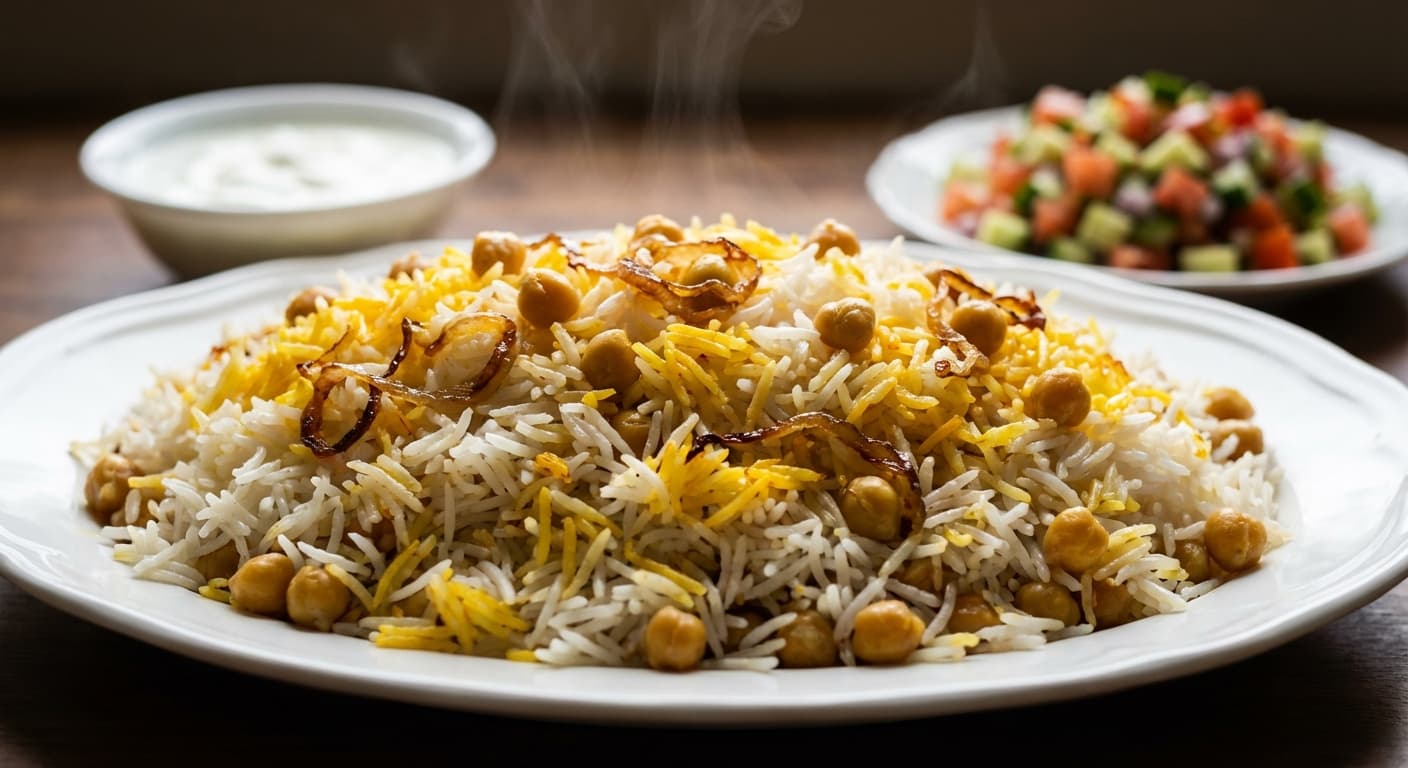
Nokhod Polo (نخود پلو) — Saffron Chickpea Rice with Warm Spices
Persian · Rice Dishes · 80 min
Reviews
Cooked this recipe?
Tap the stars to rate it — that's all it takes. A few words are welcome but optional.
No ratings yet. Cooked this one? Be the first to rate it — it takes one tap.