Khoresht Kalam (خورشت کلم) — Creamy Persian Cabbage & Spinach Stew
A comforting vegetarian Persian stew balancing blanched cabbage sweetness with earthy spinach. This creamy version uses a yogurt sauce thickened with flour and enriched with cheese, ginger, and mustard for a tangy finish.
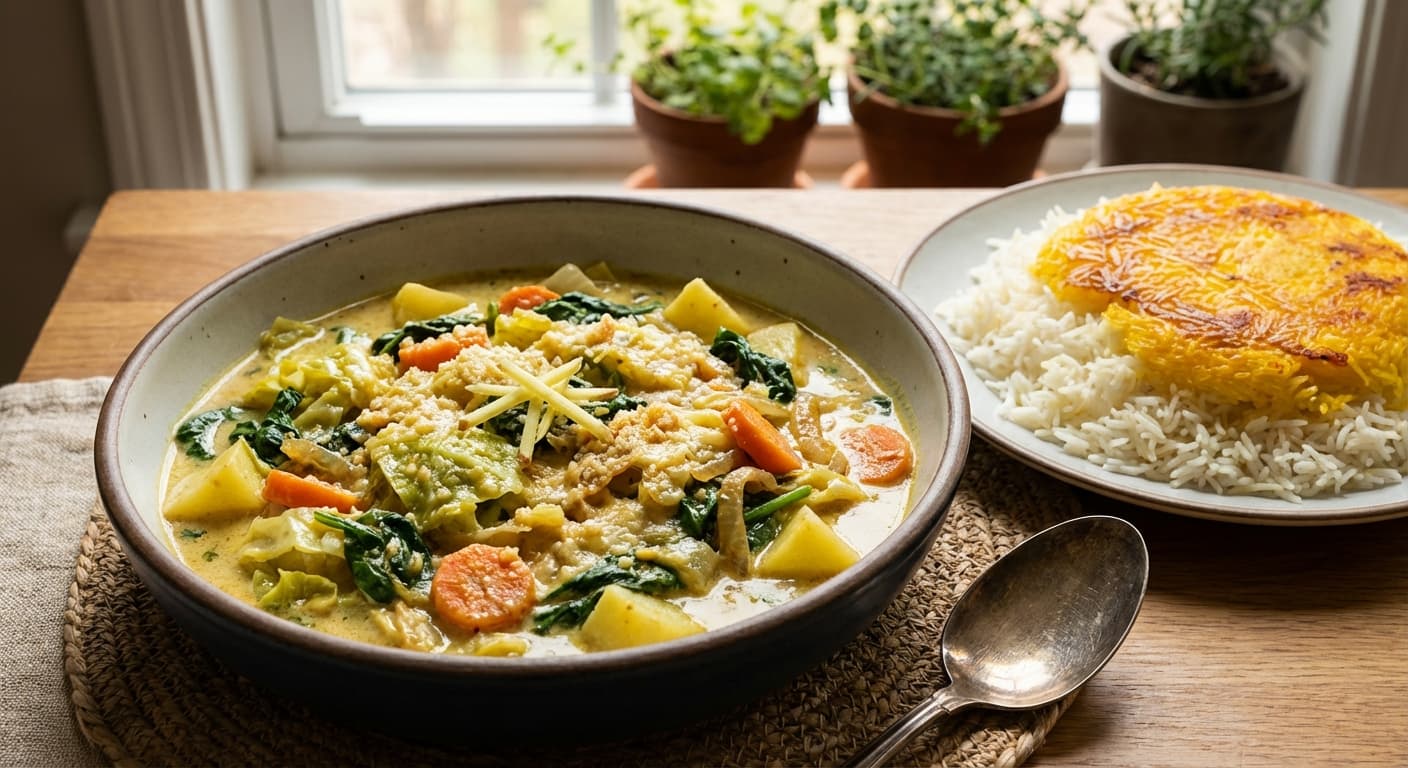
Printable Recipe Card
Servings: 4 · Total: 85 min · Difficulty: medium
Ingredients (quick list)
- 450 g Green cabbage (cored, cut into 3 cm squares)
- 250 g Fresh spinach (thick stems removed, roughly chopped)
- 300 g Potato (peeled, cut into 2 cm cubes)
- 150 g Carrot (peeled, sliced 5 mm thick)
- 180 g Yellow onion (finely diced)
- 12 g Garlic (minced (about 4 cloves))
- 1 tsp Ginger powder (fine powder)
- 1 tsp Ground turmeric (for color and warmth)
- 0.5 tsp Black pepper (freshly ground)
- 1.5 tsp Fine sea salt (plus more to taste)
- 2 tbsp Neutral oil (such as sunflower or canola)
- 15 g Unsalted butter (for a rounder, home-style flavor)
+ 6 more in the full ingredients section below.
Steps (summary)
- Bring a large pot of water to a rolling boil, then add 2 tsp salt from your measured salt. Add the cabbage and blanch for 3 min…
- In a heavy pot or Dutch oven, heat the oil and butter over medium heat for 2 minutes. Add the onion and cook 8–10 minutes, stir…
- Add the carrot and potato. Stir to coat in the aromatics, then cook for 4 minutes. Pour in the vegetable stock, bring to a gent…
- Stir in the blanched cabbage, cover again, and simmer 10 minutes. Add the spinach in two additions, stirring each time until wi…
- Make the creamy base: in a bowl, whisk the flour with 120 ml of hot broth ladled from the pot until completely smooth. Whisk in…
- Lower the pot to low heat so the stew is steaming but not bubbling. Slowly pour in the yogurt mixture while stirring constantly…
+ 1 more steps in the full instructions section below.
Cultural Background
Vegetable-based stews are a common part of Persian home cooking, often served with rice and shared family-style. Cabbage and leafy greens are widely used in everyday meals, especially in cooler months when hearty, warming dishes are preferred.
Equipment
💡 Tips
- Use room-temperature yogurt and keep the stew below a simmer when adding it; boiling is the main cause of curdling.
- Blanching the cabbage is key for a sweeter, cleaner flavor and a more delicate texture in the final stew.
- If the stew thickens too much after resting, loosen with 30–60 ml hot stock or water and warm gently over low heat.
- For deeper flavor, lightly brown the blanched cabbage in a dry skillet for 5 minutes before adding it to the pot.
- Grate the cheese finely so it melts quickly without clumping in the warm (not boiling) sauce.
⚠️ Common Mistakes
❌ Adding yogurt while the stew is boiling
💡 Why: High heat can cause the proteins to coagulate, making the sauce grainy or split.
✅ Fix: Lower heat to low (steaming, not bubbling), temper yogurt with hot broth, then add slowly while stirring constantly.
❌ Skipping the cabbage blanch
💡 Why: Raw cabbage can taste harsh and release extra liquid, thinning the stew.
✅ Fix: Blanch for 3 minutes, drain thoroughly, and air-dry briefly before adding to the pot.
❌ Whisking flour directly into yogurt without dissolving it
💡 Why: Flour can clump, leaving lumps that are hard to smooth out once heated.
✅ Fix: First whisk flour with hot broth until perfectly smooth, then whisk in yogurt and mustard.
❌ Overcooking spinach at a hard simmer
💡 Why: Prolonged high heat dulls color and can make greens taste flat.
✅ Fix: Add spinach near the end and keep the stew at a gentle simmer; wilt just until tender.
🧊 How to Store
Cool to room temperature within 2 hours, then refrigerate in an airtight container for up to 3 days. Reheat gently over low heat (do not boil), adding a splash of water or stock if needed. Freezing is not recommended because the yogurt-cheese sauce can separate.
📅 Make Ahead
Blanch the cabbage and chop all vegetables up to 24 hours ahead; refrigerate separately in airtight containers. You can also whisk the flour-broth slurry ahead, but add yogurt and mustard only right before cooking. The finished stew tastes best the day it’s made; reheat gently.
🍽️ Pairs Well With
- Steamed basmati rice
- Flatbread (lavash-style) or crusty bread
- Cucumber and herb salad
- Pickled vegetables
Regional Variations
- Northern Iran (Caspian-influenced home cooking)Often includes more leafy greens and herbs, with a brighter sour note from additional lemon juice or a souring agent, and is served with plenty of rice.
- Tehran-style modern home kitchensCreamier versions may use yogurt or a dairy-based thickener for a velvety texture, with mild spices and a smoother finish suited to weeknight cooking.
Ingredients
- 450 gGreen cabbage (cored, cut into 3 cm squares)
- 250 gFresh spinach (thick stems removed, roughly chopped)
- 300 gPotato (peeled, cut into 2 cm cubes)
- 150 gCarrot (peeled, sliced 5 mm thick)
- 180 gYellow onion (finely diced)
- 12 gGarlic (minced (about 4 cloves))
- 1 tspGinger powder (fine powder)
- 1 tspGround turmeric (for color and warmth)
- 0.5 tspBlack pepper (freshly ground)
- 1.5 tspFine sea salt (plus more to taste)
- 2 tbspNeutral oil (such as sunflower or canola)
- 15 gUnsalted butter (for a rounder, home-style flavor)
- 20 gAll-purpose flour (about 2 1/2 tbsp, for thickening)
- 300 gLow-fat plain yogurt (2% fat preferred; room temperature)
- 1.5 tbspMustard sauce (smooth mustard sauce or mild Dijon-style)
- 80 gCheese (mild melting cheese, grated (mozzarella or young gouda))
- 500 mlVegetable stock (low-sodium)
- 1 tbspLemon juice (fresh, to brighten at the end)
🔄 Substitutions
- Low-fat plain yogurt→ Full-fat plain yogurt
- Mustard sauce→ Mild Dijon mustard + 1 tsp honey
- Cheese (mozzarella or young gouda)→ Cream cheese
Instructions
- 1
Bring a large pot of water to a rolling boil, then add 2 tsp salt from your measured salt. Add the cabbage and blanch for 3 minutes to soften and tame sharpness. Drain well and spread on a tray for 5 minutes so excess water evaporates; this prevents a watery stew.
- 2
In a heavy pot or Dutch oven, heat the oil and butter over medium heat for 2 minutes. Add the onion and cook 8–10 minutes, stirring, until translucent and lightly golden. Add garlic, turmeric, ginger powder, and black pepper; cook 45 seconds until fragrant, keeping heat moderate to avoid burning.
- 3
Add the carrot and potato. Stir to coat in the aromatics, then cook for 4 minutes. Pour in the vegetable stock, bring to a gentle boil, then reduce to a steady simmer. Cover and cook 15 minutes, stirring once halfway, until the potatoes are about 70% tender (a knife meets slight resistance).
- 4
Stir in the blanched cabbage, cover again, and simmer 10 minutes. Add the spinach in two additions, stirring each time until wilted, about 2 minutes total. Keep the heat at a gentle simmer; vigorous boiling can dull the greens and make the yogurt sauce more likely to split later.
- 5
Make the creamy base: in a bowl, whisk the flour with 120 ml of hot broth ladled from the pot until completely smooth. Whisk in the room-temperature yogurt and mustard sauce until glossy. This tempering step stabilizes the yogurt and prevents curdling when it hits the hot stew.
- 6
Lower the pot to low heat so the stew is steaming but not bubbling. Slowly pour in the yogurt mixture while stirring constantly for 1 minute. Add the grated cheese and stir 2–3 minutes until melted and velvety. Simmer very gently, uncovered, for 8 minutes, stirring often, to thicken.
- 7
Taste and adjust salt with the remaining measured salt if needed. Stir in lemon juice and cook 1 minute more. Turn off the heat, cover, and rest 10 minutes so the flavors settle and the sauce finishes thickening. Serve hot with rice or bread, spooning extra sauce over each portion.
🪪 Recipe Passport
Cultural Background
Vegetable-based stews are a common part of Persian home cooking, often served with rice and shared family-style. Cabbage and leafy greens are widely used in everyday meals, especially in cooler months when hearty, warming dishes are preferred.
Regional Variations
Researched from multiple sources and validated by the Zaffaron editorial team. Every recipe is tested for accuracy, measurements, and cultural authenticity.
Nutrition per serving
Pairs well with
If you enjoyed this recipe, here are a few related Zaffaron recipes to try next.
Does your family make this differently?
Every family has their own version. Maybe your grandmother adds a secret ingredient, or your aunt has a completely different technique. Preserve your family's version — with their name on it, forever.
You Might Also Like

Persian-Style Pizza-Chips (خوراک چیپس و پنیر) — Street-Food Chip Bake with Chicken and Mozzarella
Persian · Main Courses · 45 min
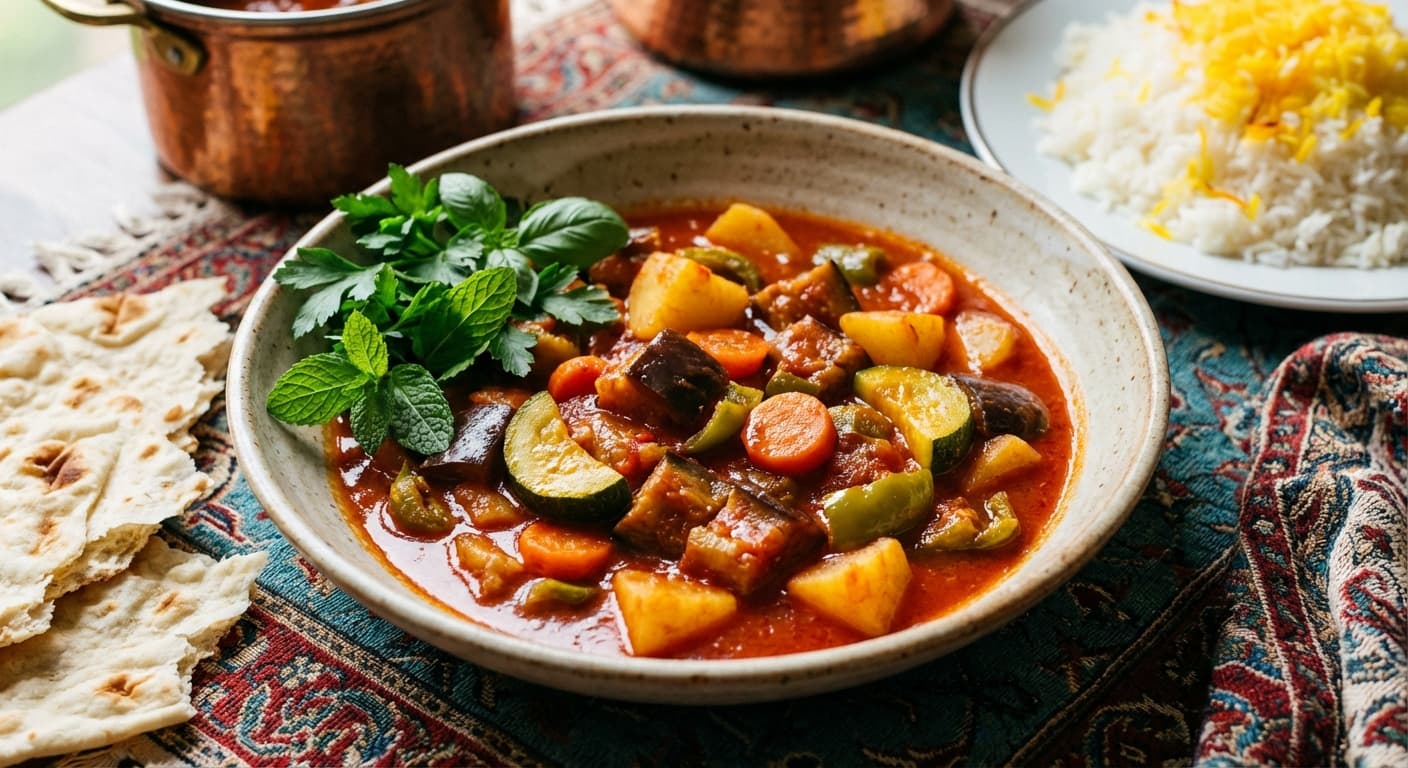
Yatimcheh (یتیمچه) — Persian Slow-Cooked Summer Vegetable Stew
Persian · Stews · 100 min
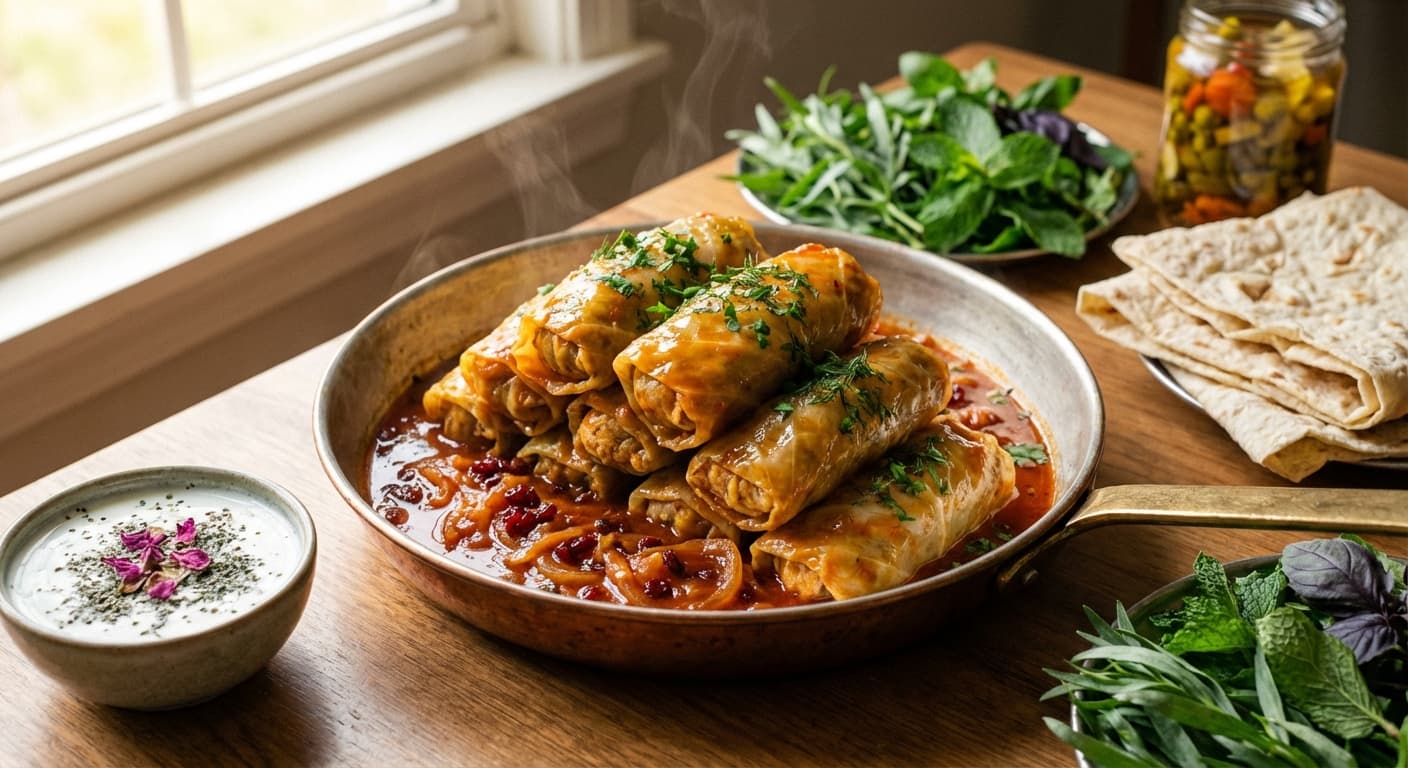
Chicken Stuffed Cabbage Rolls (دلمه کلم با مرغ) — Herb-Scented Persian Dolmeh in Tomato Saffron Sauce
Persian · Main Courses · 90 min
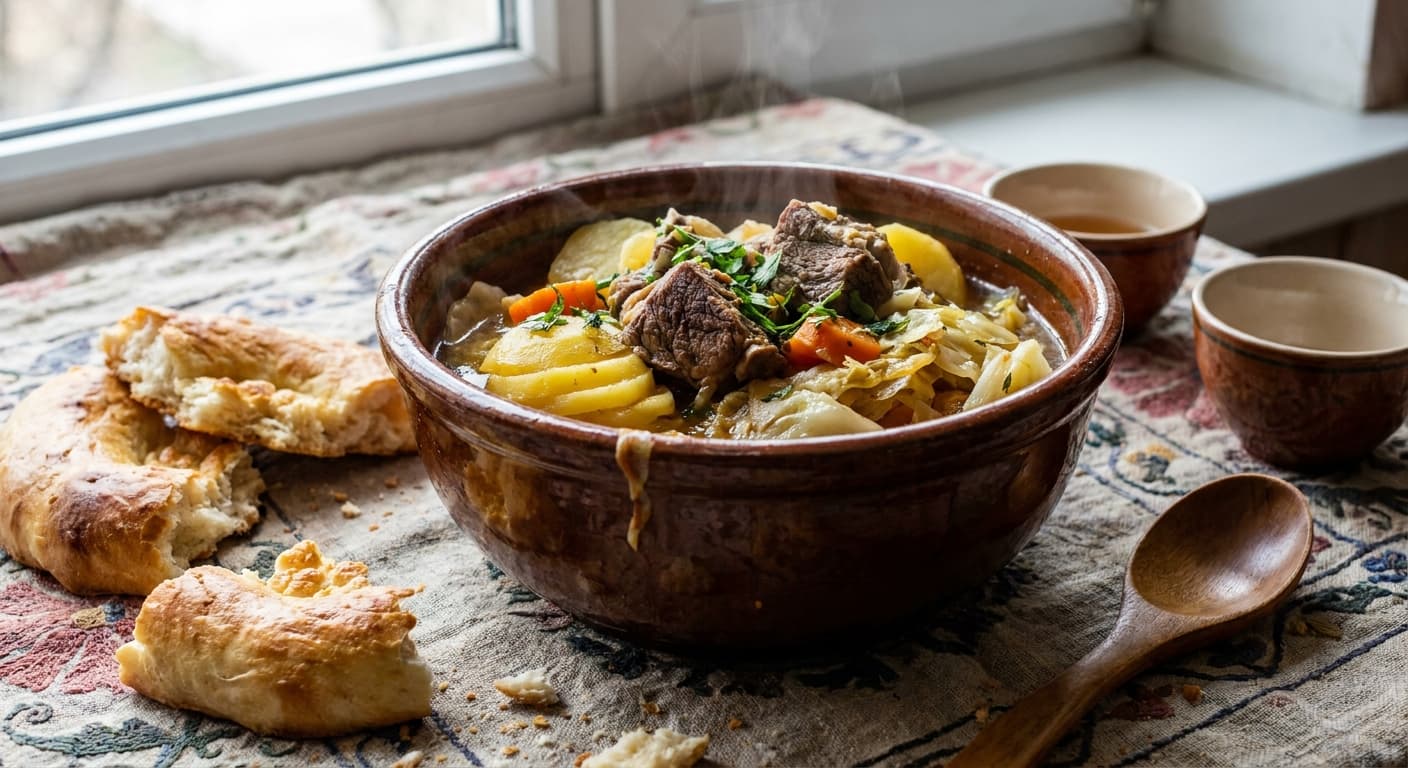
Uzbek Dimlama (Dimlama) — Layered Lamb and Vegetable Stew
Uzbek · Stews · 125 min
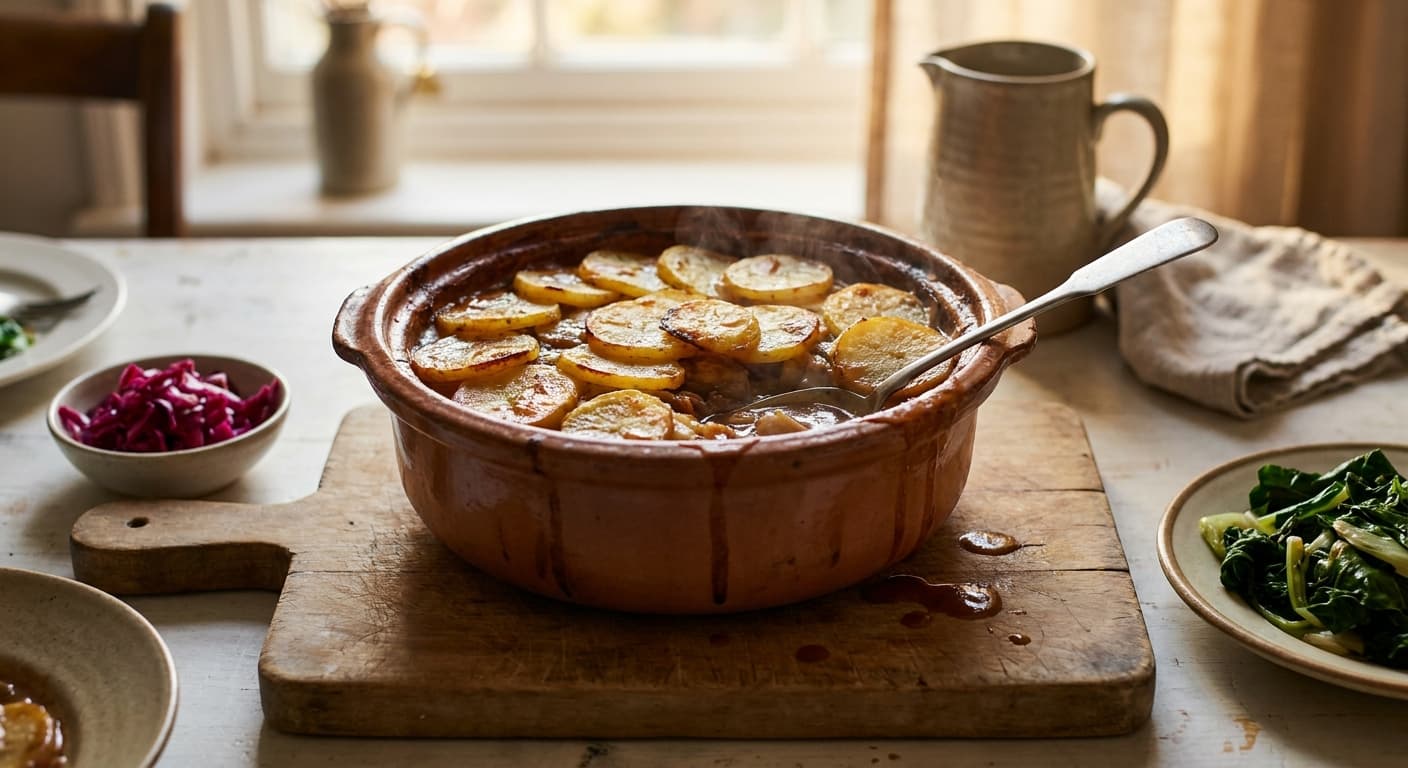
Lancashire Hotpot (Lancashire Hotpot) — Lamb and Potato Oven Stew
British · Stews · 180 min
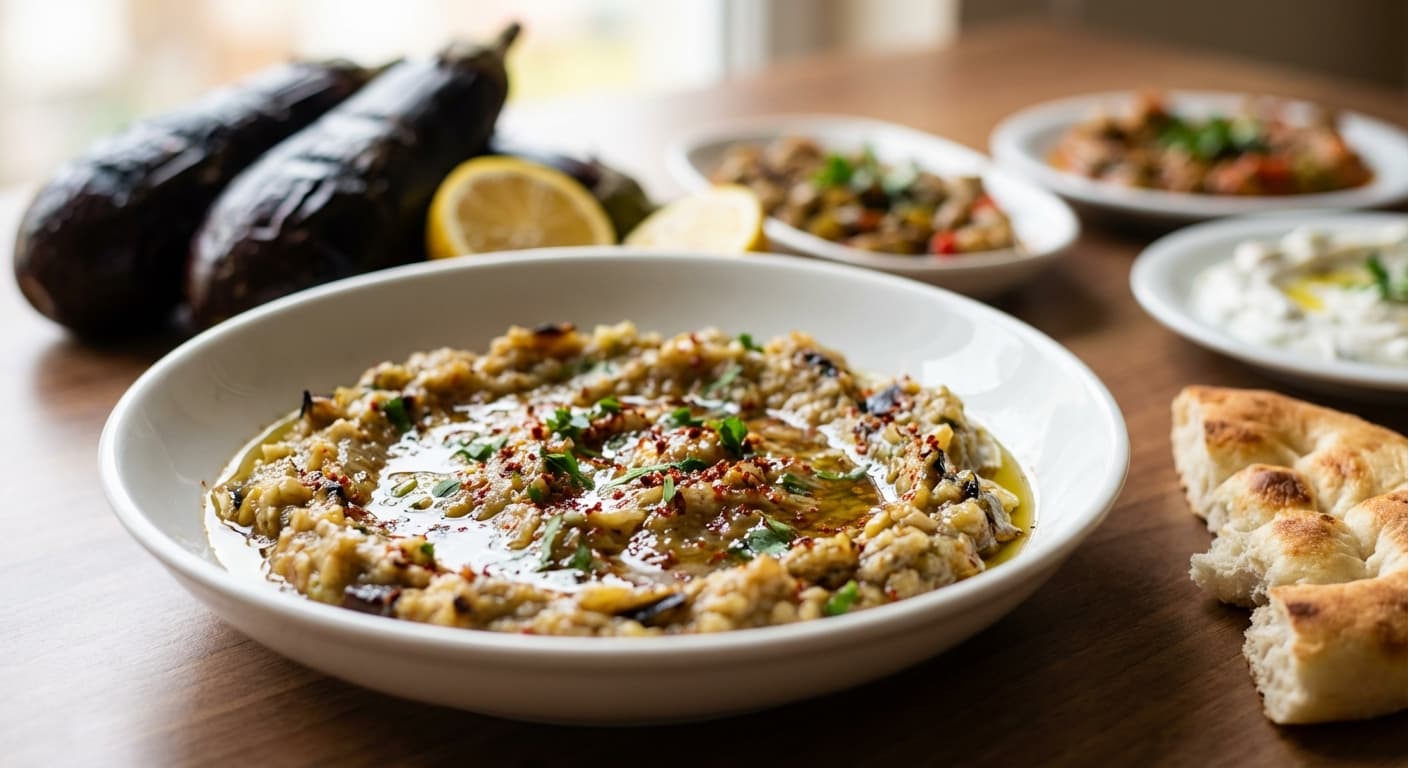
Smoky Eggplant Salad (Patlıcan Salatası) — Turkish charred eggplant with garlic and olive oil
Turkish · Salads · 40 min
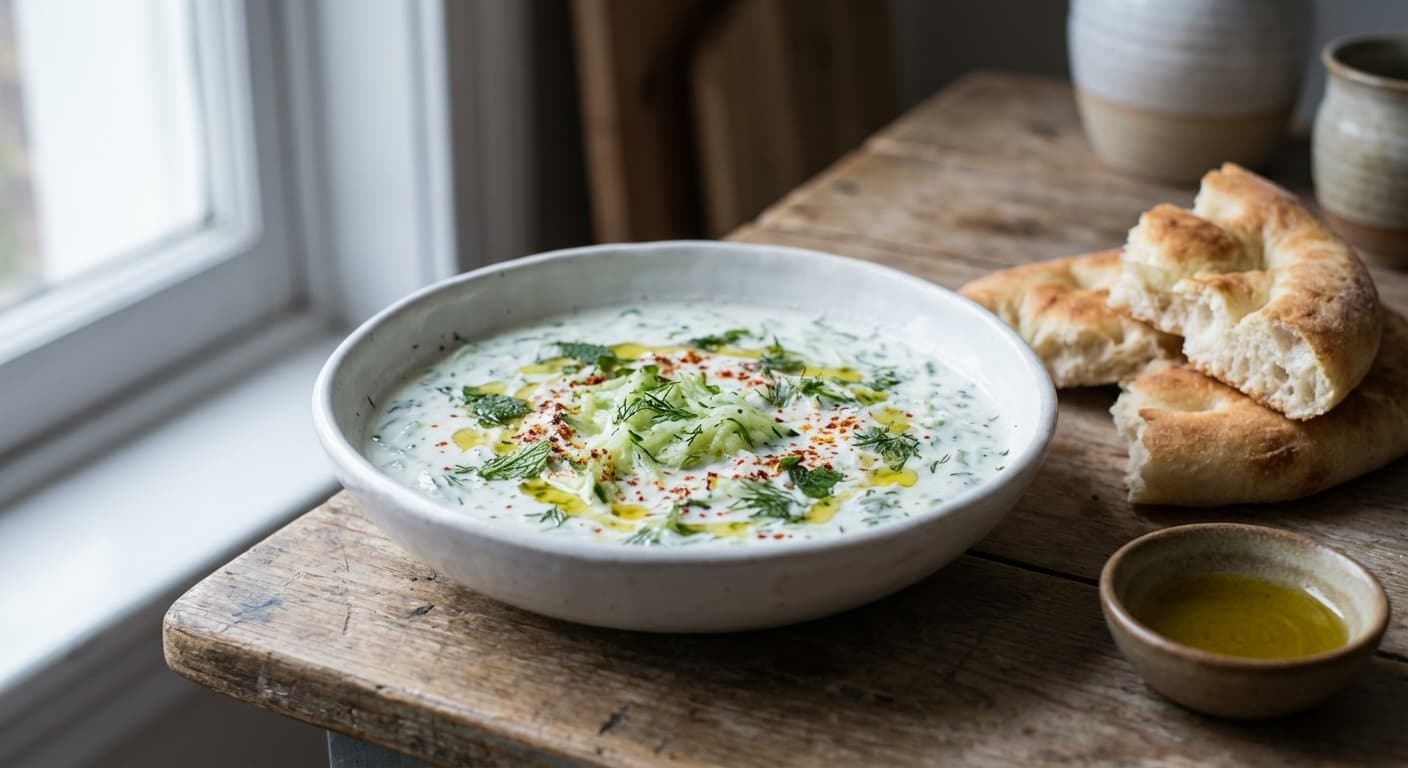
Cacık (Yoğurtlu Salatalık Mezesi) — Chilled Turkish Yogurt, Cucumber & Mint Dip
Turkish · Appetizers · 15 min
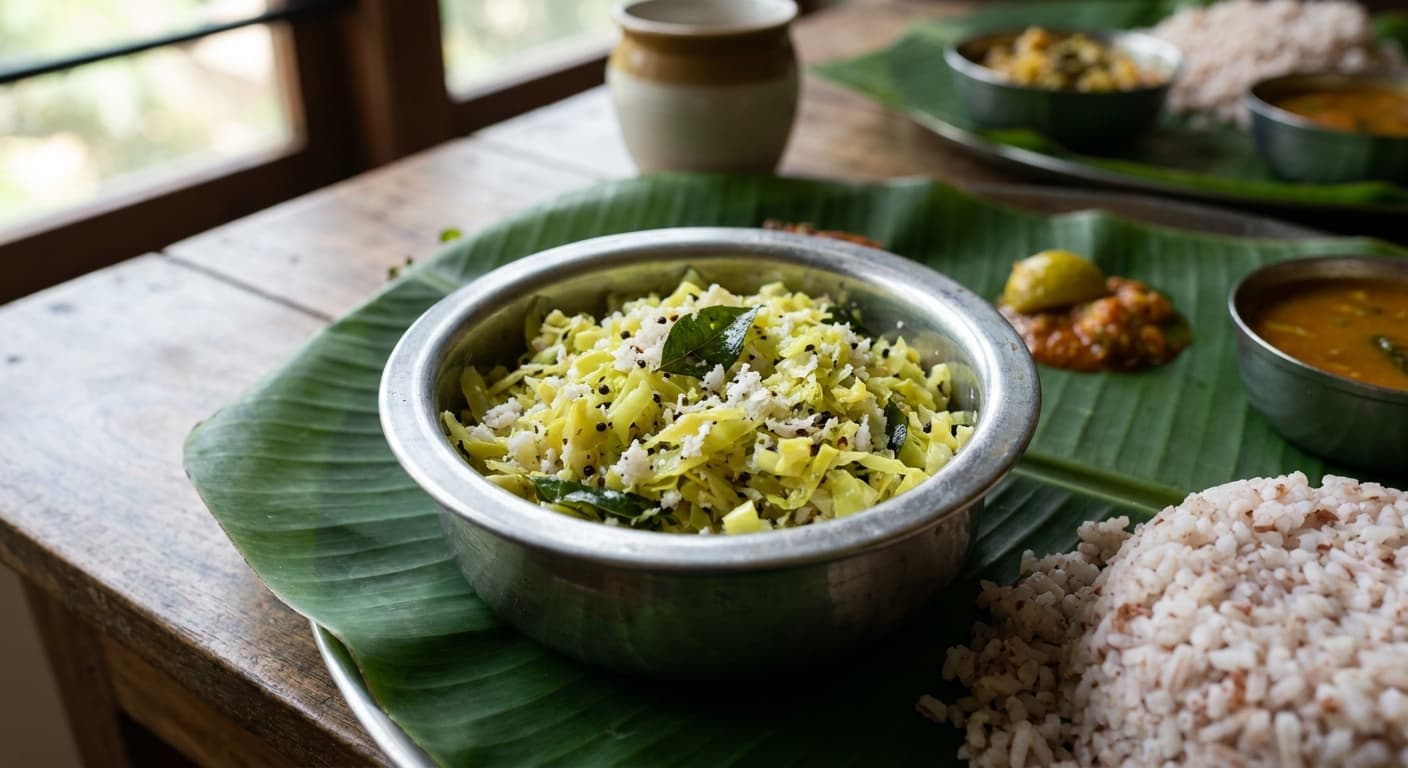
Thoran (തോരൻ) — Kerala Coconut Vegetable Stir-Fry
Indian · Side Dishes · 35 min
Reviews
Cooked this recipe?
Tap the stars to rate it — that's all it takes. A few words are welcome but optional.
No ratings yet. Cooked this one? Be the first to rate it — it takes one tap.