Kotlet Panir (کتلت پنیر) — Persian-Style Cheese-Topped Beef Cutlets
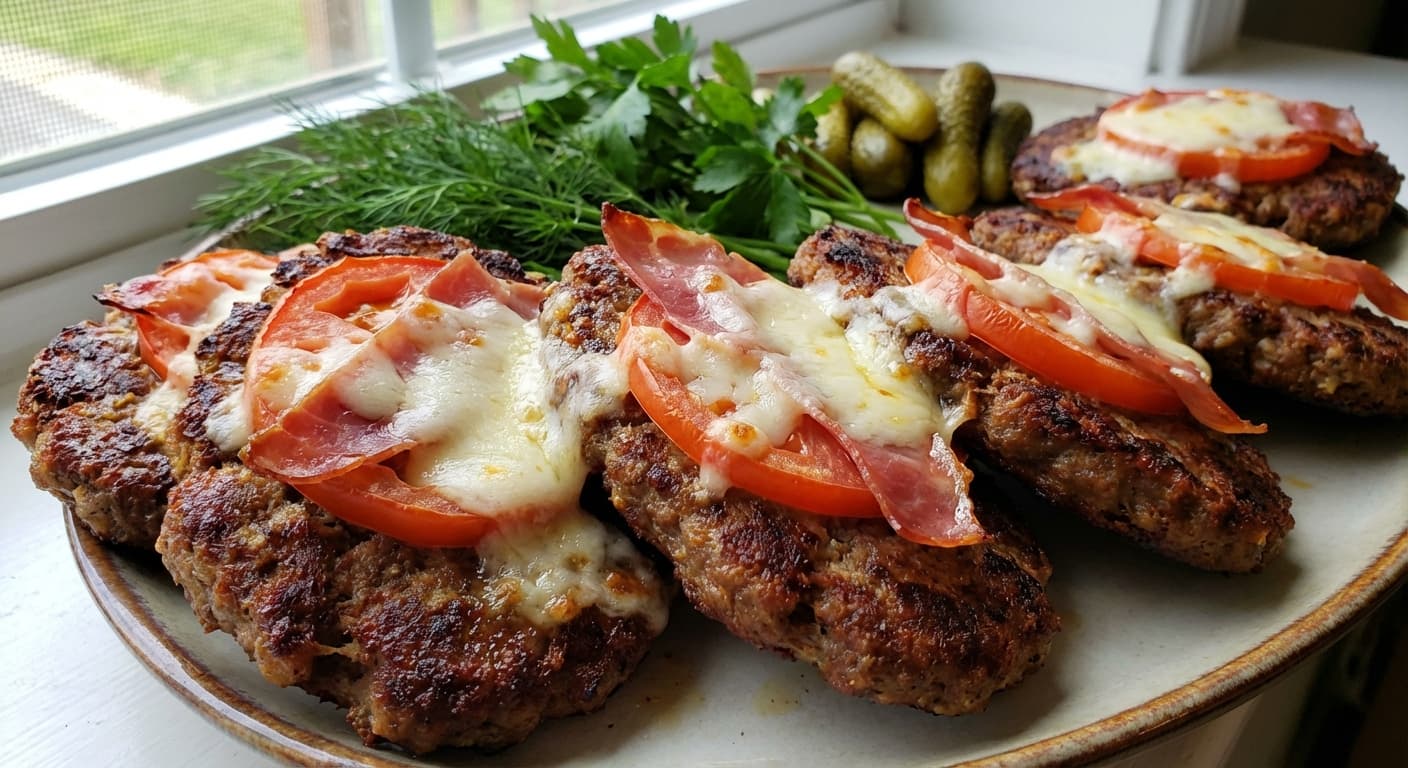
Kotlet Panir is a modern Persian-style beef cutlet topped with melted pizza-style cheese and fresh tomato. Softened bread and milk keep the patties juicy, while thyme and gentle aromatics add familiar kotlet warmth.
Printable Recipe Card
Servings: 4 · Total: 60 min · Difficulty: medium
Ingredients (quick list)
- 80 g White toast bread (crusts removed) (about 4 slices, torn into small pieces)
- 120 ml Whole milk (to soften the bread)
- 500 g Ground beef (80–85% lean) (chilled)
- 1 large Egg (about 50 g without shell)
- 45 g Breadcrumbs (fine, plus extra if needed for shaping)
- 2 tsp Dried thyme powder (finely ground dried thyme)
- 1.25 tsp Salt (fine salt)
- 0.5 tsp Black pepper (freshly ground)
- 150 g Onion (grated on the small holes, then squeezed very dry)
- 2 cloves Garlic (finely grated)
- 90 ml Vegetable oil (for shallow-frying; add more only if the pan dries out)
- 300 g Firm tomatoes (2 medium; sliced into 6–8 mm rounds)
+ 2 more in the full ingredients section below.
Steps (summary)
- Make the bread soak: place the torn white toast bread in a bowl and pour over the whole milk. Press down so all pieces absorb l…
- Mix the kotlet base: in a large bowl combine ground beef, squeezed soaked bread, egg, breadcrumbs, grated onion (well-squeezed)…
- Rest and portion: cover the mixture and refrigerate for 15 minutes to firm up. Divide into 8 equal portions (about 95–100 g eac…
- Fry the cutlets: heat 60 ml of the vegetable oil in a wide skillet over medium heat (about 175°C surface temperature; oil shoul…
- Add tomato, ham, and cheese: reduce heat to low. Return all cutlets to the skillet in a single layer (or use two pans). Top eac…
- Finish and serve: turn off the heat and rest covered for 2 minutes so the topping sets slightly. Serve immediately while the ch…
Cultural Background
Kotlet is a familiar home-style cutlet in Iranian cooking, often served as an everyday meal or picnic food because it travels well. Kotlet Panir reflects a contemporary, restaurant-style presentation by adding melted cheese and tomato while keeping the recognizable kotlet seasoning and frying technique.
Equipment
💡 Tips
- Squeezing the grated onion very dry is key; excess onion juice makes kotlet fragile and can cause splattering.
- Knead until the mixture becomes sticky and pulls from the bowl—this improves cohesion without needing extra egg.
- Keep patties around 1.5 cm thick so the exterior browns before the interior dries out.
- For cleaner frying, let shaped cutlets rest 5 minutes on a tray before they hit the oil.
- If your cheese releases oil, use lower heat during melting and keep the lid on to melt gently rather than fry the cheese.
⚠️ Common Mistakes
❌ Not squeezing moisture from the grated onion
💡 Why: Extra liquid weakens the bind and can make patties crack or fall apart in the oil
✅ Fix: Grate onion, then squeeze hard in a clean towel or by hand; measure after squeezing if possible.
❌ Overcrowding the pan during frying
💡 Why: Crowding drops oil temperature, leading to greasy, pale cutlets instead of crisp browning
✅ Fix: Fry in 2–3 batches, keeping space between cutlets; allow oil to reheat for 1 minute between batches.
❌ Melting cheese on high heat
💡 Why: High heat can over-brown the bottom while the cheese separates and turns oily
✅ Fix: Lower to low heat, cover tightly, and melt with gentle steam for 3–5 minutes; broil briefly only at the end if desired.
❌ Shaping cutlets too thick
💡 Why: Thick patties can brown outside before cooking through, or require longer frying that dries the interior
✅ Fix: Aim for 1.5 cm thickness and verify doneness with a thermometer (71°C in the center).
🧊 How to Store
Refrigerate cooked cutlets (without tomato/cheese topping if possible) in an airtight container for up to 3 days. Reheat in a 180°C oven for 10–12 minutes, then add tomato, ham, and cheese and heat 3–5 minutes more to melt. Freeze fried cutlets (untopped) up to 2 months; thaw overnight in the fridge before reheating.
📅 Make Ahead
Mix and knead the cutlet mixture up to 24 hours ahead and keep covered in the refrigerator. Shape up to 6 hours ahead, layer between parchment, and chill. Fry shortly before serving; add tomato, ham, and cheese at the end so the topping stays fresh and the cutlets remain crisp.
🍽️ Pairs Well With
- Persian-style rice or saffron rice
- Fresh herb platter (mint
- basil
- scallions) and radishes
- Pickles and a simple cucumber-tomato salad
- Flatbread or lavash with yogurt sauce
Regional Variations
- Tehran-style home cookingOften shaped thinner and fried crisper, served with pickles, fresh herbs, and bread for a quick meal; the cheese-topped version is a modern adaptation more common in cafes.
- Northern Iran (Caspian influence)Cooks may increase herbs and serve alongside more fresh vegetables and tangy sides; the topping can include extra tomato and a slightly sharper cheese to match the region’s preference for bright flavors.
Ingredients
- 80 gWhite toast bread (crusts removed) (about 4 slices, torn into small pieces)
- 120 mlWhole milk (to soften the bread)
- 500 gGround beef (80–85% lean) (chilled)
- 1 largeEgg (about 50 g without shell)
- 45 gBreadcrumbs (fine, plus extra if needed for shaping)
- 2 tspDried thyme powder (finely ground dried thyme)
- 1.25 tspSalt (fine salt)
- 0.5 tspBlack pepper (freshly ground)
- 150 gOnion (grated on the small holes, then squeezed very dry)
- 2 clovesGarlic (finely grated)
- 90 mlVegetable oil (for shallow-frying; add more only if the pan dries out)
- 300 gFirm tomatoes (2 medium; sliced into 6–8 mm rounds)
- 160 gPizza-style cheese (shredded; low-moisture mozzarella-style works well)
- 120 gHam (thin slices, cut into small strips; use halal-certified if needed)
🔄 Substitutions
- Ground beef (80–85% lean)→ Ground lamb or ground turkey (thigh preferred)
- Pizza-style cheese (low-moisture mozzarella-style)→ Mild cheddar or provolone
- Ham→ Beef deli slices or cooked smoked turkey
Instructions
- 1
Make the bread soak: place the torn white toast bread in a bowl and pour over the whole milk. Press down so all pieces absorb liquid. Rest 10 minutes, then squeeze firmly in your hands to remove excess milk; you want moist crumbs, not wet paste, to prevent the cutlets from breaking.
- 2
Mix the kotlet base: in a large bowl combine ground beef, squeezed soaked bread, egg, breadcrumbs, grated onion (well-squeezed), garlic, dried thyme powder, salt, and black pepper. Knead vigorously by hand for 3–4 minutes until tacky and cohesive; this develops binding so the patties hold during frying.
- 3
Rest and portion: cover the mixture and refrigerate for 15 minutes to firm up. Divide into 8 equal portions (about 95–100 g each). With damp hands, shape each into an oval cutlet about 10 cm long and 1.5 cm thick. If the mixture feels too soft, dust lightly with extra breadcrumbs while shaping.
- 4
Fry the cutlets: heat 60 ml of the vegetable oil in a wide skillet over medium heat (about 175°C surface temperature; oil should shimmer). Fry in batches without crowding, 3–4 minutes per side, until deep golden brown and the center reaches 71°C. Transfer to a rack or paper towel; add remaining oil as needed between batches.
- 5
Add tomato, ham, and cheese: reduce heat to low. Return all cutlets to the skillet in a single layer (or use two pans). Top each cutlet with a tomato slice or two, a small nest of ham strips, and about 20 g shredded pizza-style cheese. Cover with a tight lid and steam-melt for 3–5 minutes until the cheese is fully melted.
- 6
Finish and serve: turn off the heat and rest covered for 2 minutes so the topping sets slightly. Serve immediately while the cheese is stretchy. If you prefer a lightly browned top, place the topped cutlets on a tray and broil 1–2 minutes, watching closely, then serve hot with fresh herbs and crisp sides.
🪪 Recipe Passport
Cultural Background
Kotlet is a familiar home-style cutlet in Iranian cooking, often served as an everyday meal or picnic food because it travels well. Kotlet Panir reflects a contemporary, restaurant-style presentation by adding melted cheese and tomato while keeping the recognizable kotlet seasoning and frying technique.
Regional Variations
Researched from multiple sources and validated by the Zaffaron editorial team. Every recipe is tested for accuracy, measurements, and cultural authenticity.
Nutrition per serving
Pairs well with
If you enjoyed this recipe, here are a few related Zaffaron recipes to try next.
Does your family make this differently?
Every family has their own version. Maybe your grandmother adds a secret ingredient, or your aunt has a completely different technique. Preserve your family's version — with their name on it, forever.
You Might Also Like
Ash-e Sak (آش ساک) — Gorgani Spinach and Lamb Ash
Persian · Soups · 175 min
Ash-e Torsh (آش ترش) — Sour Herb and Legume Soup
Persian · Soups · 145 min
Ash-e Sak (آش ساک) — Golestani Spinach, Legume, and Meatball Soup
Persian · Soups · 175 min
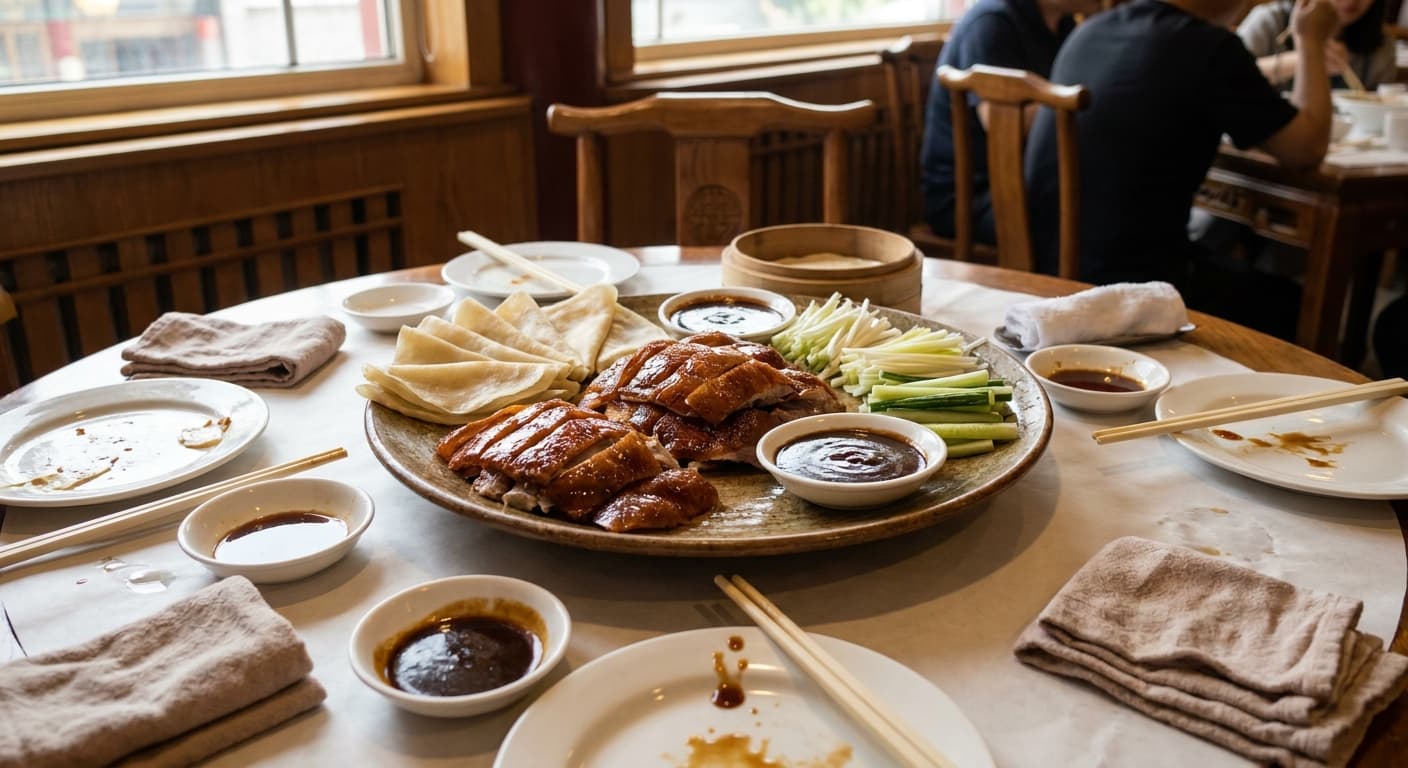
Peking Duck (北京烤鸭) — Crisp-Skinned Beijing Roast Duck
Chinese · Main Courses · 180 min
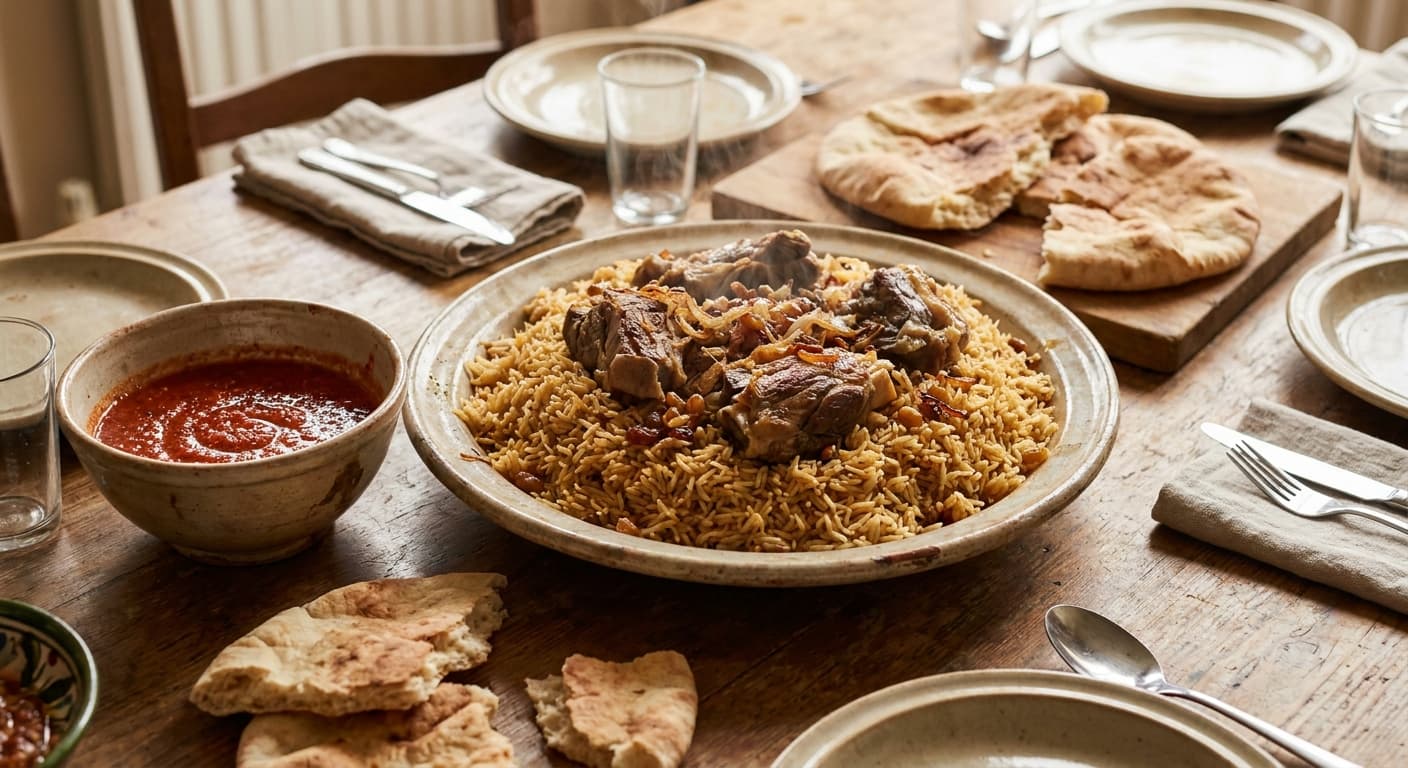
Yemeni Mandi (مندي) — Smoke-Scented Spiced Rice and Lamb
Yemeni · Main Courses · 170 min
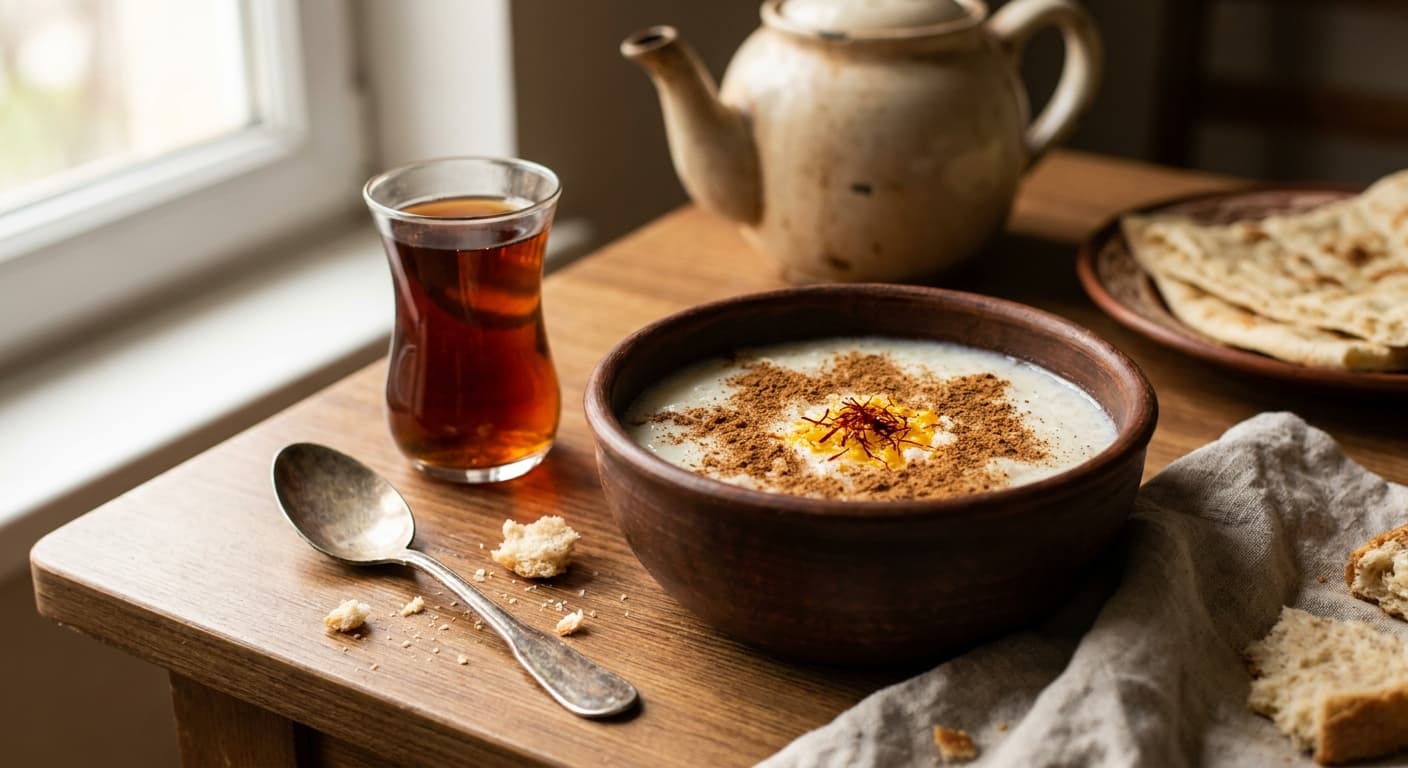
Azerbaijani Milk Rice Porridge (Südlü Sıyıq) — Creamy Breakfast Bowl
Azerbaijani · Rice Dishes · 40 min
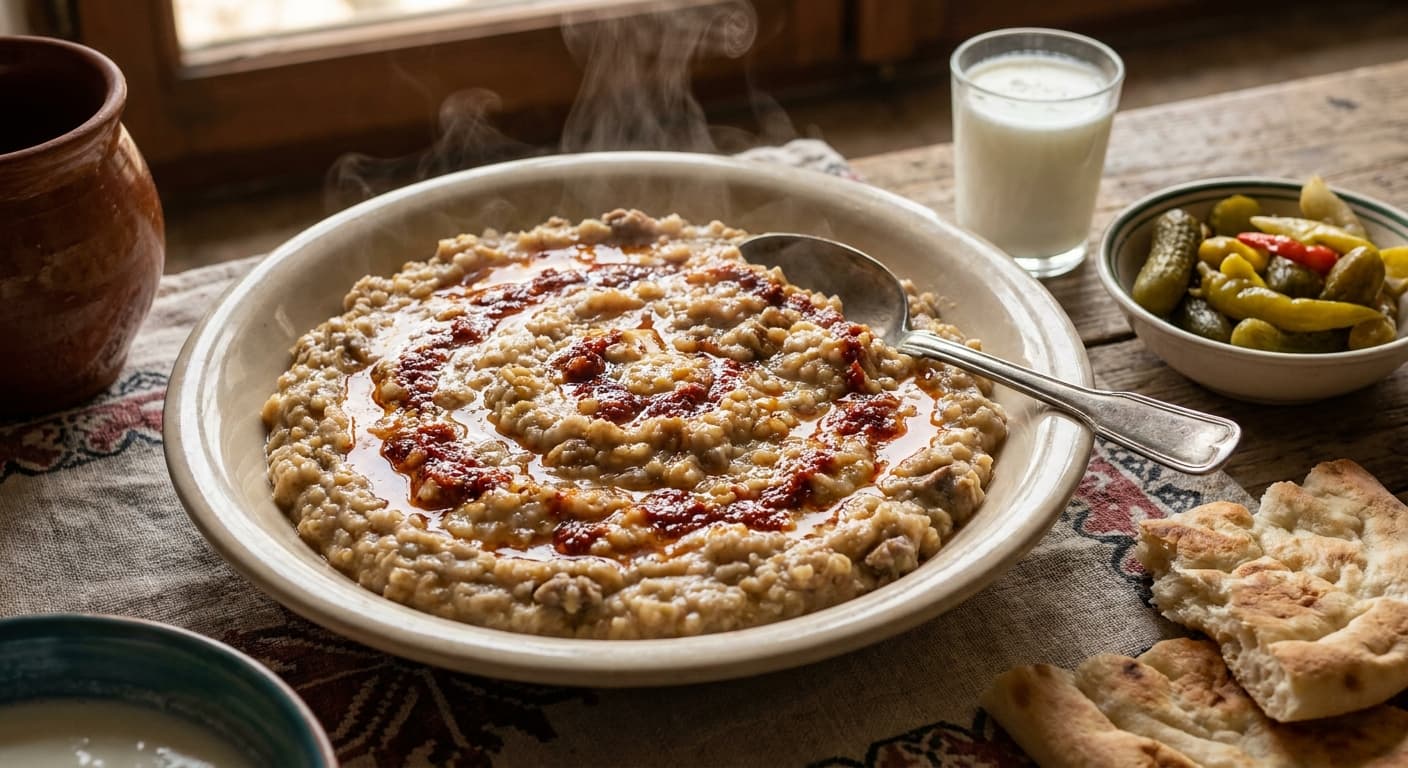
Keshkek (Keşkek) — Creamy Ceremonial Wheat and Lamb Stew
Turkish · Stews · 240 min
Egyptian Fatta (فتة) — Layered Meat, Rice, and Crisp Bread
Egyptian · Main Courses · 145 min
Reviews
Cooked this recipe?
Tap the stars to rate it — that's all it takes. A few words are welcome but optional.
No ratings yet. Cooked this one? Be the first to rate it — it takes one tap.