Kama with Sour Milk (Kama hapupiimaga) — Estonian Toasted Grain Drink
Kama is an Estonian mixture of roasted, milled grains and peas, traditionally stirred into cultured sour milk. Lightly sweetened and served cold, this pleasantly tangy preparation makes a quick breakfast, summer snack, or simple dessert.
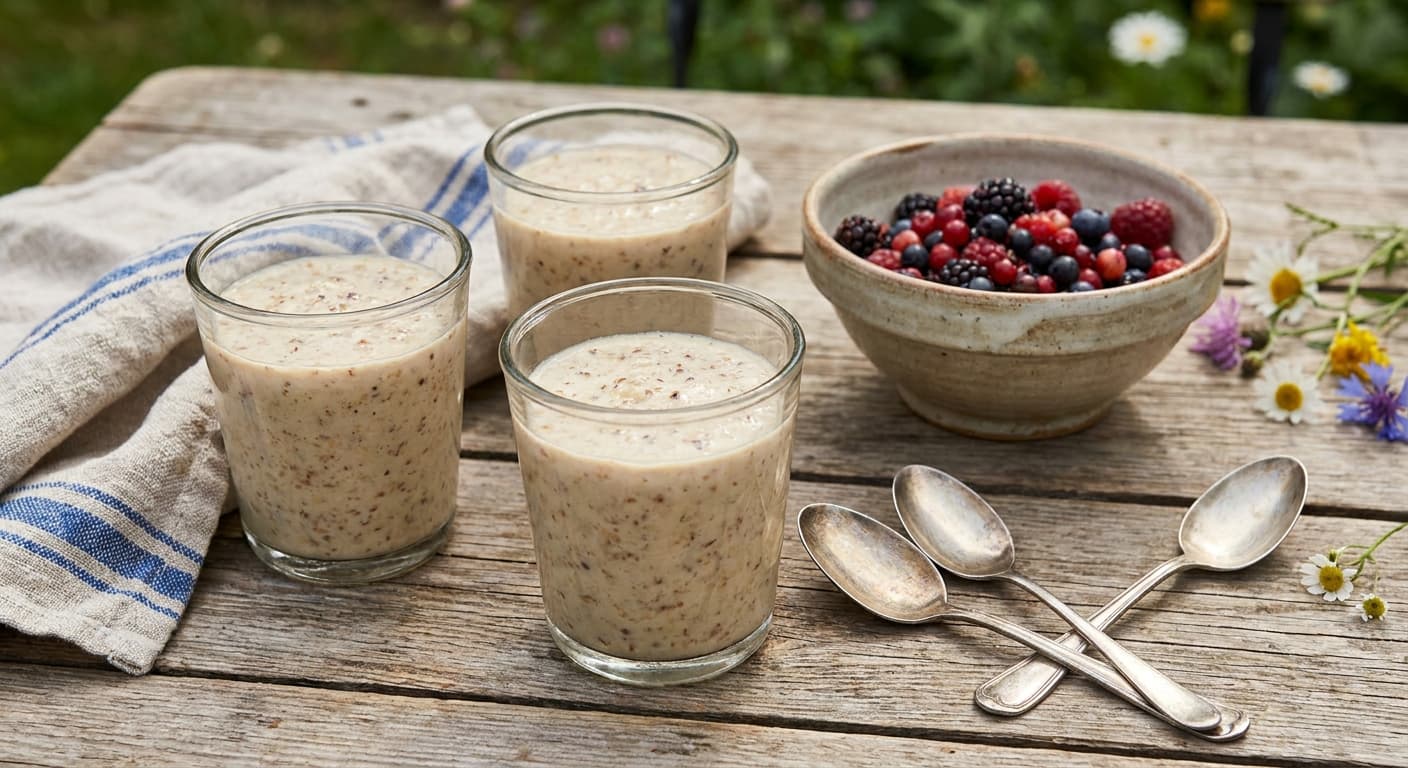
Printable Recipe Card
Servings: 4 · Total: 5 min · Difficulty: easy
Ingredients (quick list)
- 800 ml Cultured sour milk (Plain, unsweetened, approximately 2.5% fat; use commercially cultured milk, not fresh milk that has spoiled.)
- 100 g Estonian kama flour (Ready-to-eat roasted and milled barley, rye, oat, and pea mixture; proportions vary by producer.)
- 20 g Granulated sugar (Provides gentle sweetness without masking the cultured milk.)
Steps (summary)
- Pour the chilled cultured sour milk into a measuring jug or mixing bowl. Whisk briefly until its consistency is uniform, incorp…
- Add the sugar and whisk for 30 seconds to begin dissolving it. Sprinkle in the kama flour in three additions, whisking after ea…
- Let the mixture stand for 2 minutes so the roasted meal can hydrate while retaining its characteristic fine graininess. Stir ag…
Cultural Background
Kama reflects Estonia's tradition of turning roasted grains and peas into a convenient, nourishing meal. Alan Davidson's Oxford Companion to Food documents kama; mixing it with cultured dairy remains a familiar everyday preparation, especially in summer.
Equipment
💡 Tips
- Choose packaged Estonian kama flour intended for mixing directly into dairy; ordinary raw grain flour is not a suitable ready-to-eat replacement.
- Serve the cultured milk at 4–8°C for the refreshing character associated with this summer preparation.
- For a thicker, spoonable version, increase the kama flour from 100 g to 140 g while keeping the milk at 800 ml; this changes the nutrition.
⚠️ Common Mistakes
❌ Using ordinary raw flour instead of prepared kama.
✅ Fix: Buy ready-to-eat roasted kama flour; raw flour is neither an equivalent flavoring nor appropriate for this uncooked recipe.
❌ Treating spoiled fresh milk as cultured sour milk.
✅ Fix: Use commercially cultured sour milk, plain kefir, or cultured buttermilk that has been stored safely.
❌ Expecting the mixture to become completely smooth.
✅ Fix: Whisk out dry lumps, but retain the fine graininess of the roasted meal; that texture is characteristic of kama.
🧊 How to Store
Refrigerate the mixed kama in a covered container at 4°C or below for up to 24 hours, within the dairy product's use-by date. It will thicken as it stands, so stir thoroughly before serving. Serve cold rather than reheating.
📅 Make Ahead
Weigh the kama and sugar into a dry, covered container up to 3 days ahead. Keep the cultured milk refrigerated separately and combine shortly before serving for the freshest texture.
🍽️ Pairs Well With
- Fresh strawberries
- blueberries
- blackcurrants
Regional Variations
- Estonian kama blends differ by producer and household, with varying proportions of barley, rye, oats, and peas.
- Across Estonia, cultured sour milk, buttermilk, and kefir are used as dairy bases, producing different degrees of tanginess and thickness.
Ingredients
- 800 mlCultured sour milk (Plain, unsweetened, approximately 2.5% fat; use commercially cultured milk, not fresh milk that has spoiled.)
- 100 gEstonian kama flour (Ready-to-eat roasted and milled barley, rye, oat, and pea mixture; proportions vary by producer.)
- 20 gGranulated sugar (Provides gentle sweetness without masking the cultured milk.)
🔄 Substitutions
- Cultured sour milk→ 800 ml plain kefir
- Cultured sour milk→ 800 ml cultured buttermilk
- Granulated sugar→ 20 g honey
Instructions
- 1
Pour the chilled cultured sour milk into a measuring jug or mixing bowl. Whisk briefly until its consistency is uniform, incorporating any naturally separated whey.
- 2
Add the sugar and whisk for 30 seconds to begin dissolving it. Sprinkle in the kama flour in three additions, whisking after each addition to prevent dry pockets.
- 3
Let the mixture stand for 2 minutes so the roasted meal can hydrate while retaining its characteristic fine graininess. Stir again, divide equally among four glasses or small bowls, and serve immediately with teaspoons.
🪪 Recipe Passport
Cultural Background
Kama reflects Estonia's tradition of turning roasted grains and peas into a convenient, nourishing meal. Alan Davidson's Oxford Companion to Food documents kama; mixing it with cultured dairy remains a familiar everyday preparation, especially in summer.
Regional Variations
Researched from multiple sources and validated by the Zaffaron editorial team. Every recipe is tested for accuracy, measurements, and cultural authenticity.
📚 Sources & Cultural References
- Alan Davidson — The Oxford Companion to Food — (2014)
Sources cited by the Zaffaron editorial team during recipe research. Cultural and culinary references supporting authenticity claims.
Nutrition per serving
Pairs well with
If you enjoyed this recipe, here are a few related Zaffaron recipes to try next.
Does your family make this differently?
Every family has their own version. Maybe your grandmother adds a secret ingredient, or your aunt has a completely different technique. Preserve your family's version — with their name on it, forever.
You Might Also Like
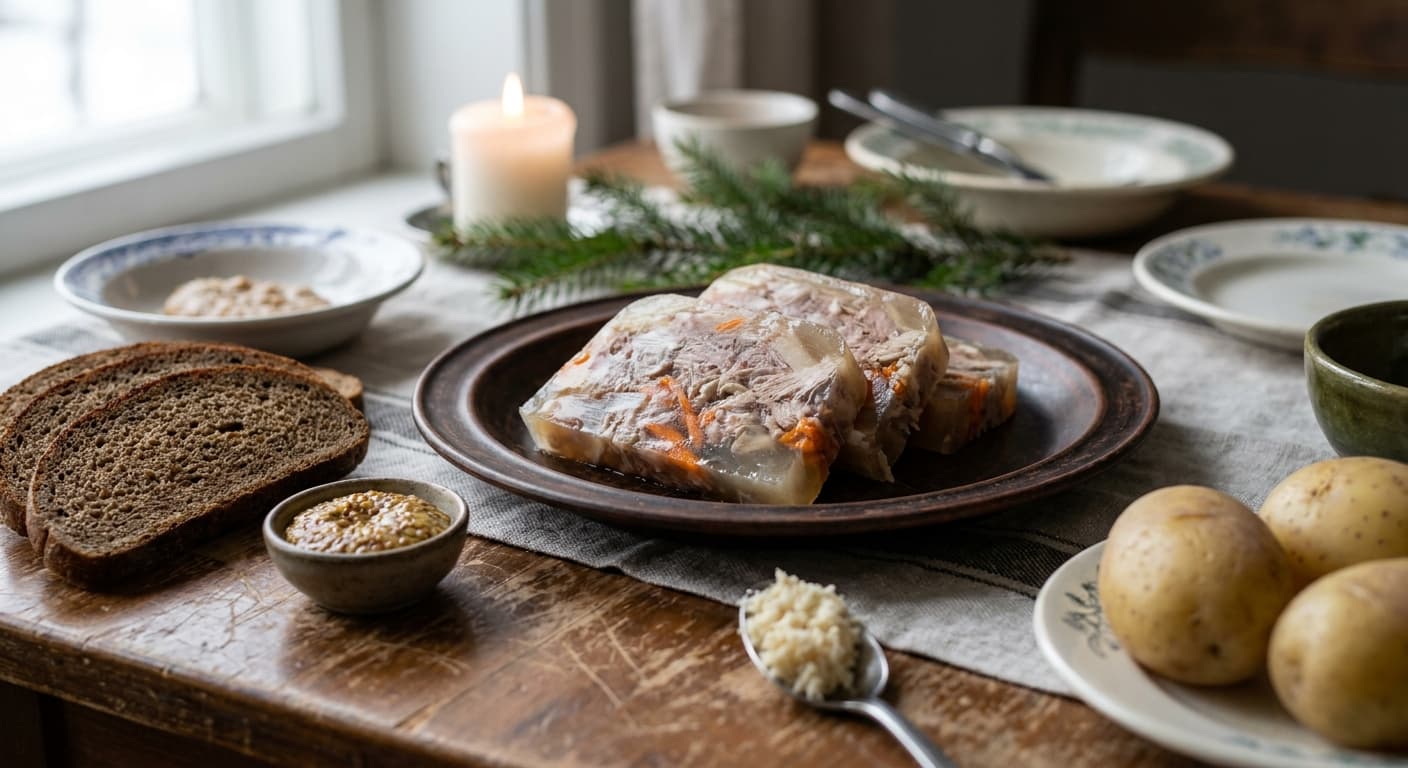
Estonian Jellied Pork (Sült) — Clear Pork Aspic with Garlic and Bay
Estonian · Appetizers · 245 min
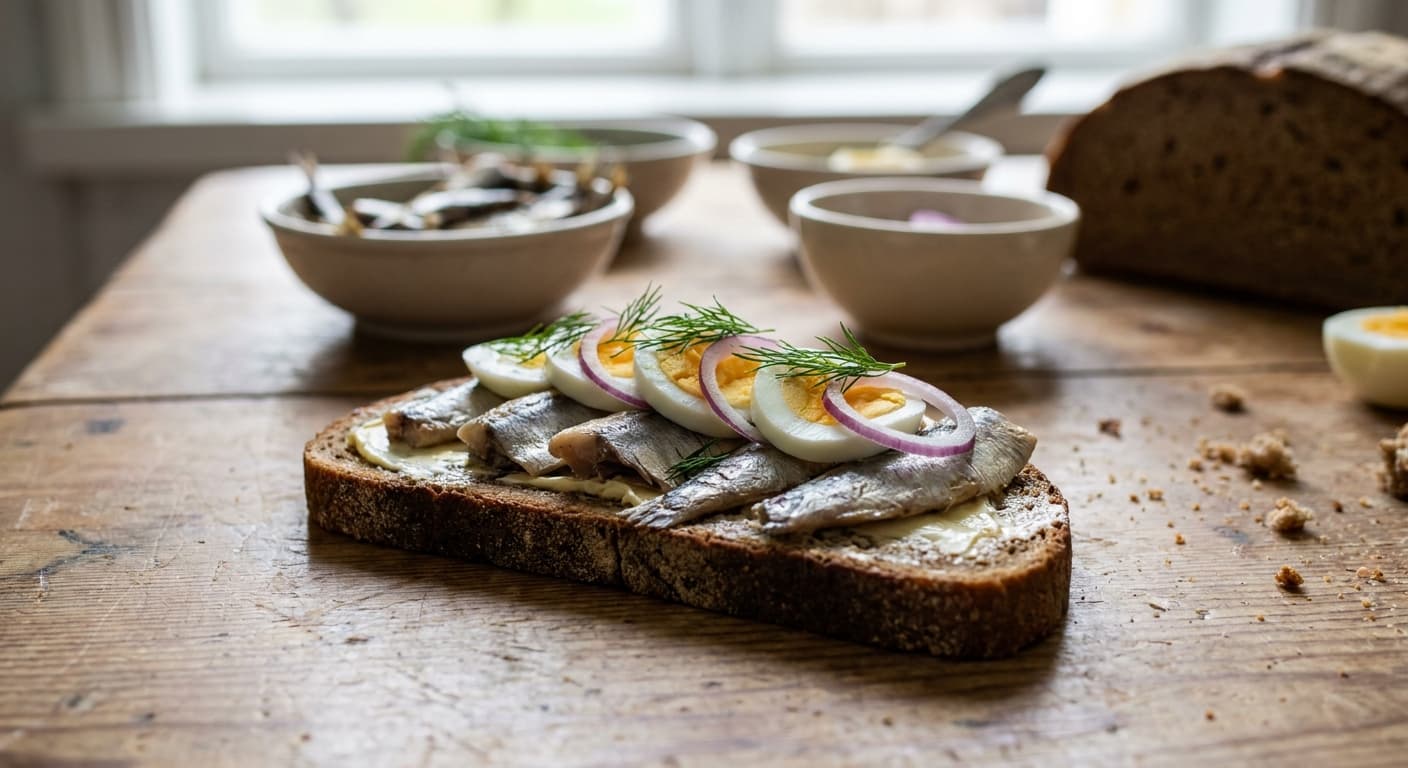
Sprat Sandwich (Kiluvõileib) — Estonian Rye and Baltic Sprat Open-Face
Estonian · Appetizers · 25 min
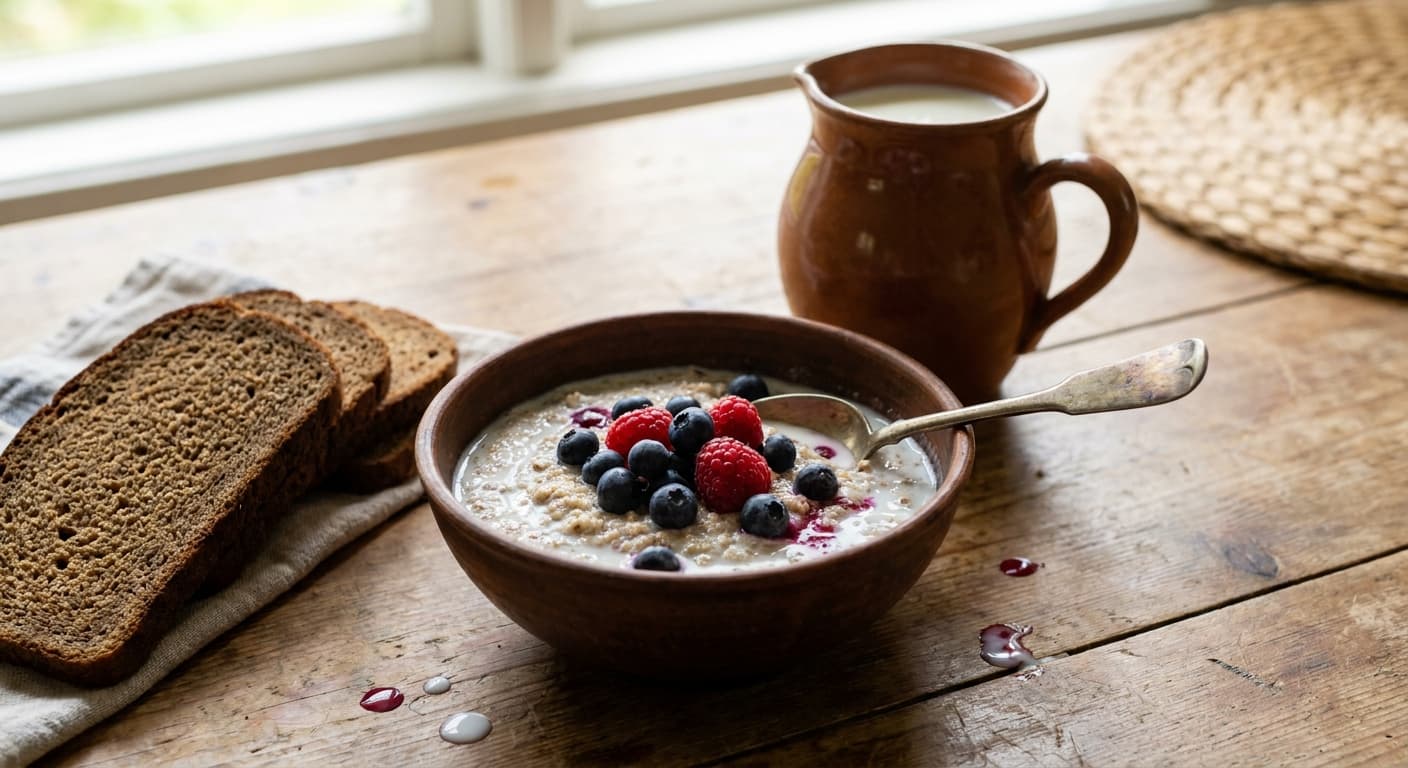
Kama (Kama) — Estonian Toasted Grain Kefir Drink
Estonian · Drinks · 10 min
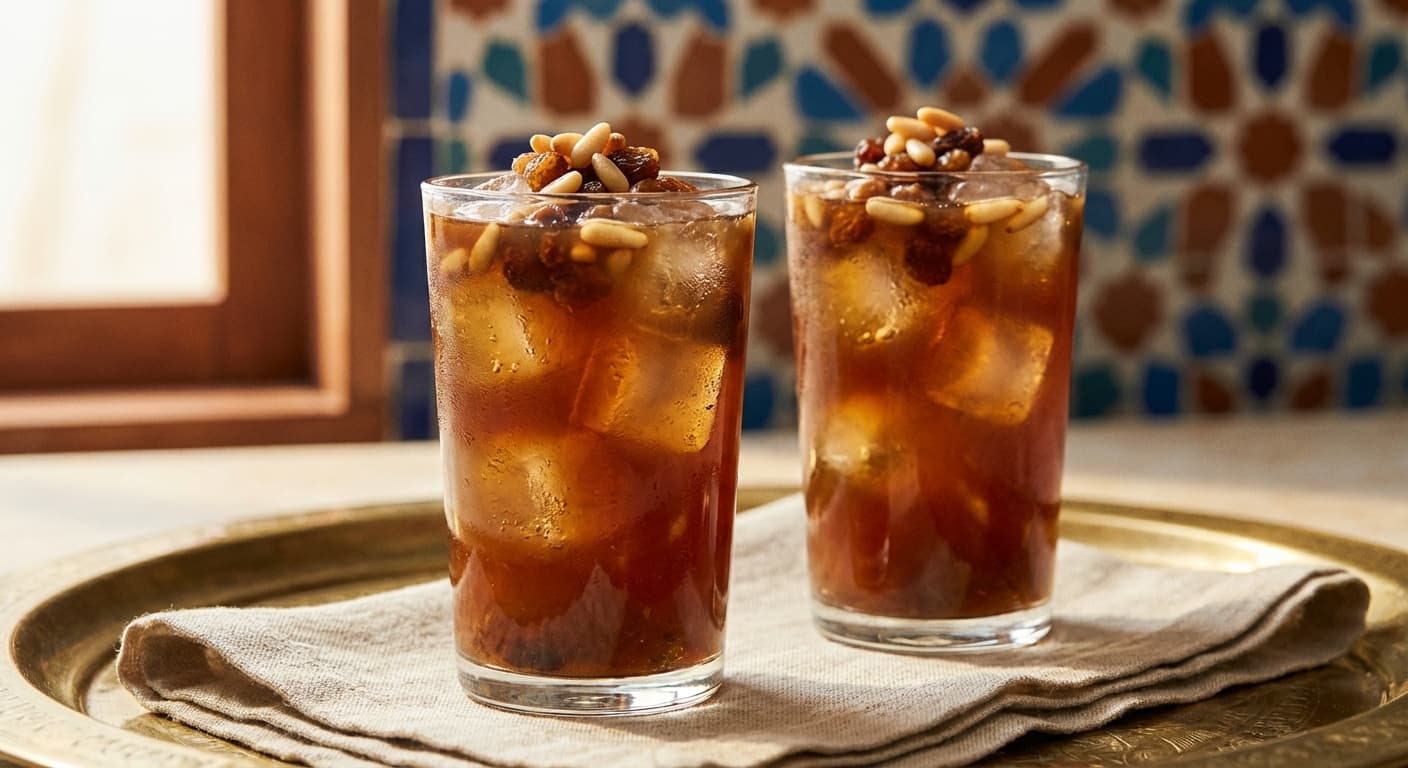
Jellab (جلاب) — Moroccan Date-Raisin Drink Topped with Pine Nuts
Moroccan · Drinks · 35 min

Xoshab (Xoşab) — Azerbaijani Dried Fruit Compote Scented with Cinnamon
Azerbaijani · Drinks · 45 min
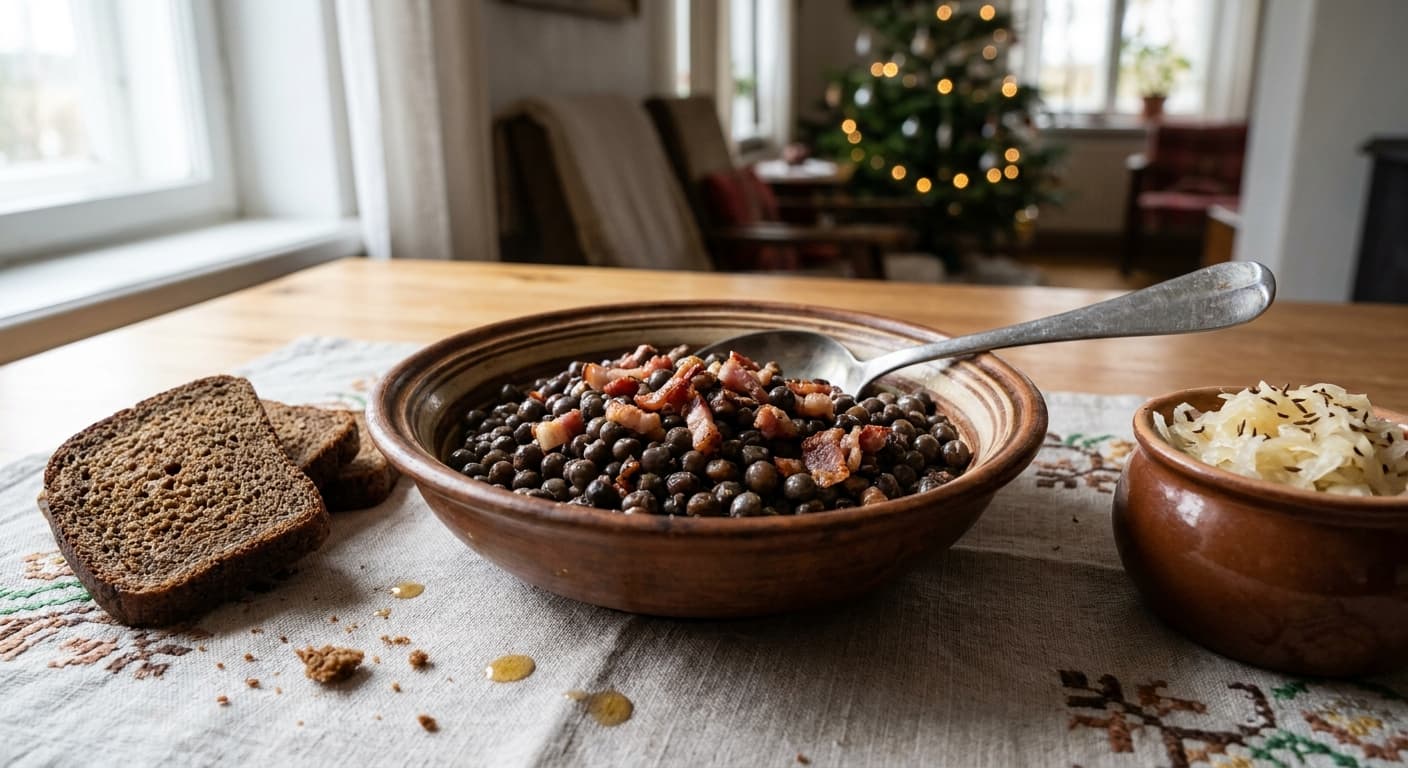
Grey Peas with Speck (Pelēkie zirņi ar speķi) — Latvian Christmas Peas
Latvian · Main Courses · 110 min
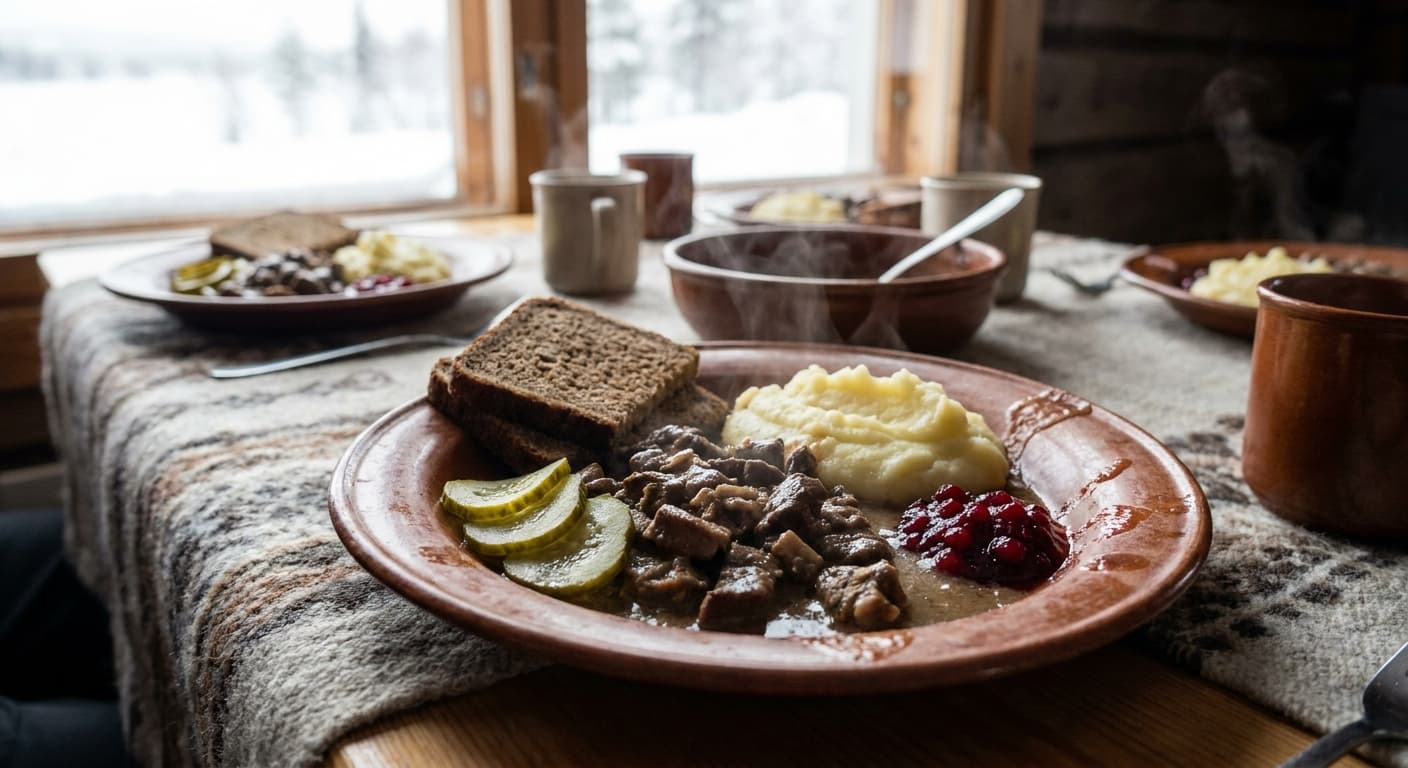
Sautéed Reindeer (Poronkäristys) — Finnish Lapland Comfort Plate
Finnish · Main Courses · 70 min
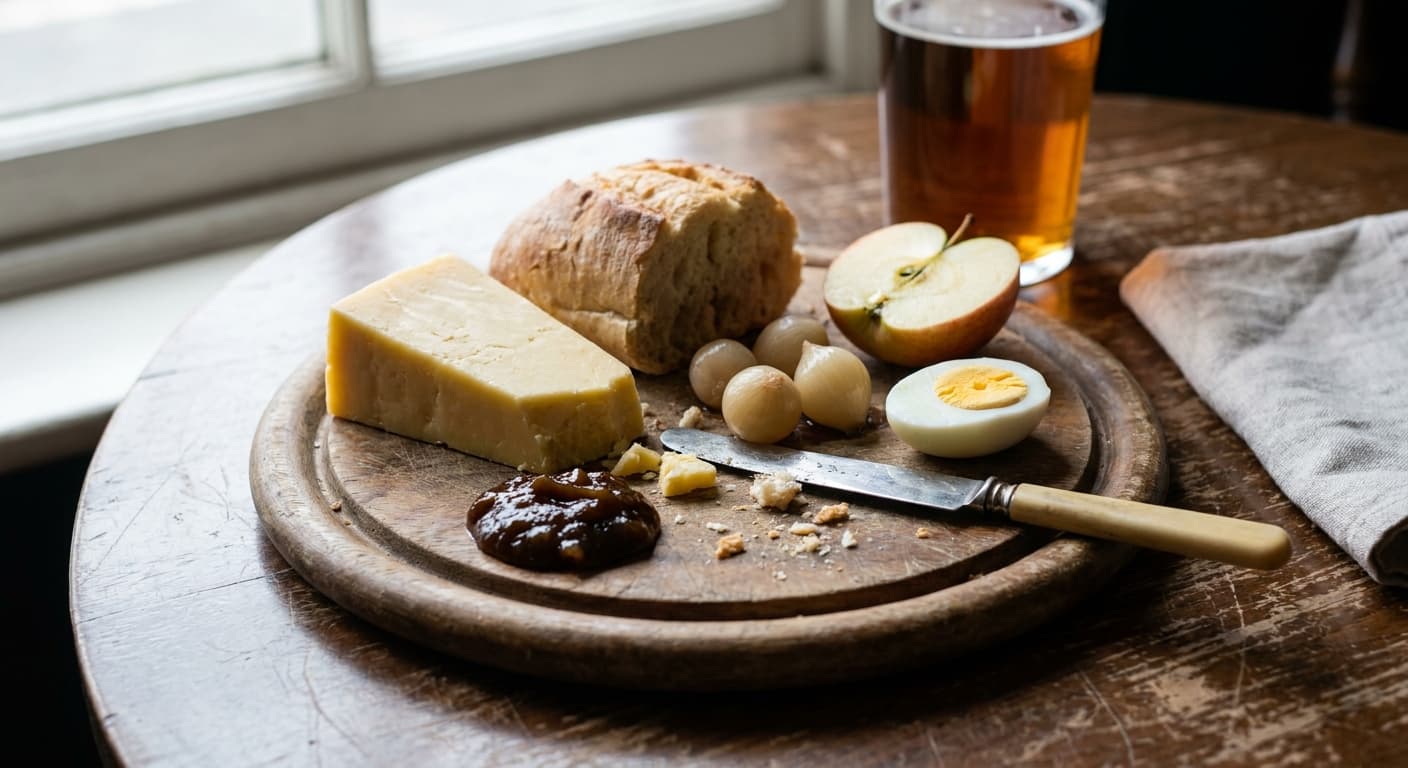
Ploughman's Lunch (Ploughman's Lunch) — British Pub Cheese Platter
British · Main Courses · 30 min
Reviews
Cooked this recipe?
Tap the stars to rate it — that's all it takes. A few words are welcome but optional.
No ratings yet. Cooked this one? Be the first to rate it — it takes one tap.