Kuku Sabzi (کوکو سبزی) — Emerald Persian Herb Frittata
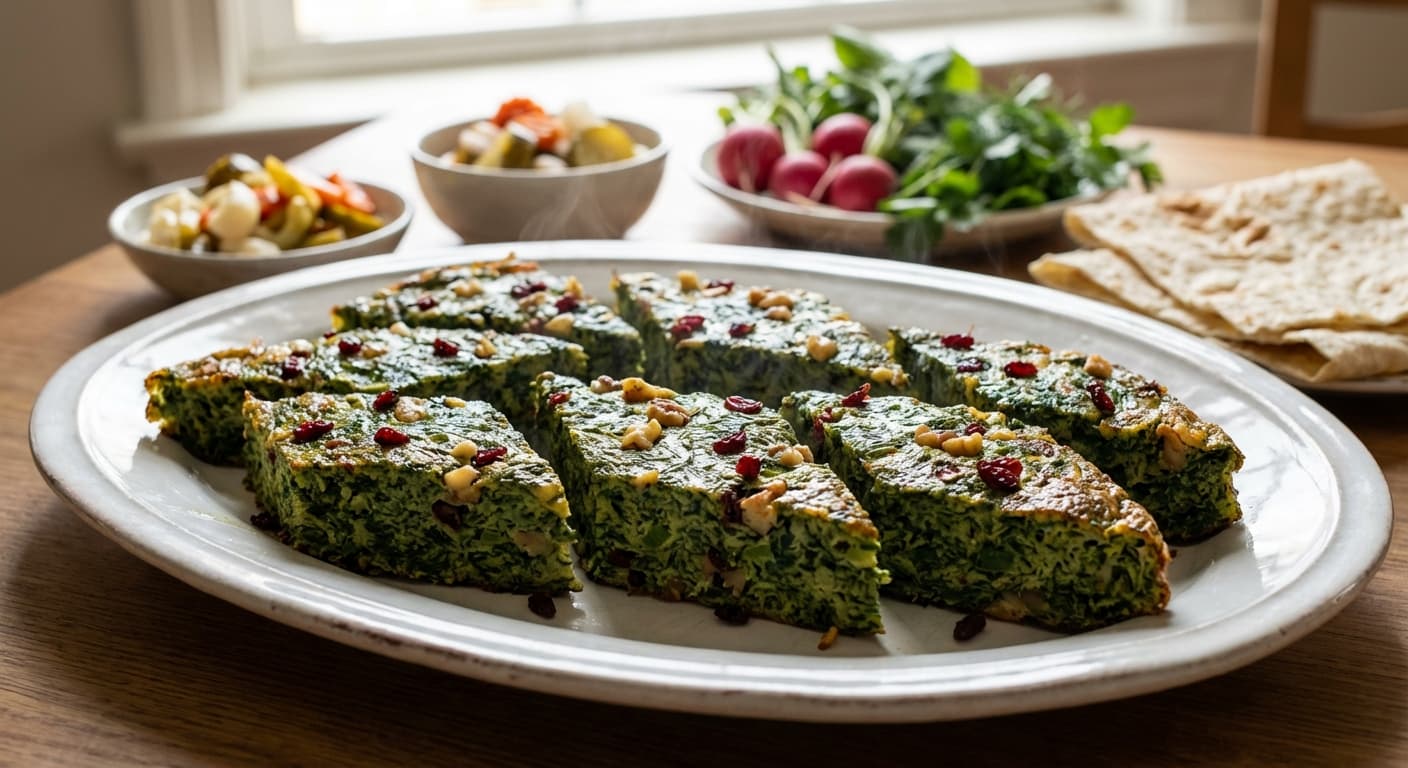
A Nowruz centerpiece, Kuku Sabzi is a deeply green Persian herb frittata symbolizing rebirth and abundance. Packed with fresh herbs, walnuts, and tangy barberries, it’s fragrant, rich, and celebratory.
Printable Recipe Card
Servings: 6 · Total: 38 min · Difficulty: medium
Ingredients (quick list)
- 150 g flat-leaf parsley, finely chopped
- 90 g cilantro, finely chopped
- 60 g fresh dill, finely chopped
- 80 g scallions, finely sliced (white and green parts) (Or use chives at the same weight for a milder onion note.)
- 8 organic eggs
- 60 g walnut pieces, lightly toasted and chopped
- 30 g dried barberries (zereshk), rinsed and drained (Rinse to remove excess tartness and any grit.)
- 1 tsp baking powder
- 0.5 tsp turmeric powder
- 1.25 tsp sea salt
- 0.5 tsp ground black pepper
- 45 ml extra-virgin olive oil (Use 30 ml for the pan and reserve 15 ml to drizzle if needed.)
Steps (summary)
- Wash and thoroughly dry the parsley, cilantro, dill, and scallions, then chop them very finely so the mixture binds well. Rinse…
- Crack the eggs into a large bowl and whisk for 45–60 seconds until the whites and yolks are fully blended and slightly frothy.…
- Add the chopped herbs to the eggs and fold until the mixture looks uniformly green and thick. Fold in the toasted walnuts and b…
- Place a 24–26 cm nonstick or well-seasoned cast-iron skillet over medium heat and add 30 ml olive oil, swirling to coat the bas…
- Cover the skillet with a lid and cook for 10–12 minutes until the edges set and the center is mostly firm with only a slight wo…
- To flip, slide the kuku onto a large plate, then invert it back into the skillet to cook the second side. Cook uncovered for 4–…
+ 1 more steps in the full instructions section below.
Cultural Background
Served at Nowruz, Kuku Sabzi’s lush green color symbolizes renewal and spring’s return. The herb abundance reflects prosperity, while walnuts and tart barberries add richness and brightness for a festive, balanced bite.
Equipment
💡 Tips
- Dry the herbs well before chopping; excess water can make the kuku steam and turn spongy instead of tender.
- Chop herbs very finely for a cohesive slice; larger pieces can cause cracking when flipping.
- Toast the walnuts for 4–6 minutes in a dry pan over medium heat, then cool before adding for a deeper, sweeter nut flavor.
⚠️ Common Mistakes
❌ Using wet herbs, causing the kuku to steam and turn watery or spongy.
✅ Fix: Spin or towel-dry herbs thoroughly, then chop; if herbs seem damp, let them air-dry 10 minutes before mixing.
❌ Cooking on high heat so the bottom burns before the center sets.
✅ Fix: Cook covered on medium to medium-low and extend time slightly; the center should be mostly firm before flipping.
❌ Flipping too early, leading to cracking and a messy skillet.
✅ Fix: Wait until edges are set and the center only slightly wobbles; slide onto a plate first, then invert back confidently.
🧊 How to Store
Cool completely, then refrigerate in an airtight container for up to 4 days. Reheat slices in a lightly oiled skillet over medium-low for 2–3 minutes per side, or warm in a 160°C oven for 8–10 minutes to preserve the crust without drying.
📅 Make Ahead
Chop herbs up to 24 hours ahead and refrigerate wrapped in paper towel inside a sealed container. You can also mix the eggs and seasonings 12 hours ahead, then combine with herbs right before cooking for the brightest color.
🍽️ Pairs Well With
- Sabzi khordan
- torshi
- yogurt with cucumber
- lavash
- feta
- radishes
Regional Variations
- Shiraz-style: add 2 tbsp (30 ml) brewed saffron water for a more perfumed, golden-green interior.
- Northern Iran: include 1 tsp (3 g) dried fenugreek for a deeper, slightly bitter herbal backbone.
- Oven-baked: bake in a greased 23 cm pan at 180°C for 18–22 minutes for a hands-off version with less crust.
Ingredients
- 150 gflat-leaf parsley, finely chopped
- 90 gcilantro, finely chopped
- 60 gfresh dill, finely chopped
- 80 gscallions, finely sliced (white and green parts) (Or use chives at the same weight for a milder onion note.)
- 8organic eggs
- 60 gwalnut pieces, lightly toasted and chopped
- 30 gdried barberries (zereshk), rinsed and drained (Rinse to remove excess tartness and any grit.)
- 1 tspbaking powder
- 0.5 tspturmeric powder
- 1.25 tspsea salt
- 0.5 tspground black pepper
- 45 mlextra-virgin olive oil (Use 30 ml for the pan and reserve 15 ml to drizzle if needed.)
🔄 Substitutions
- dried barberries (zereshk)→ dried cranberries, chopped
- extra-virgin olive oil→ grapeseed oil
- scallions→ chives
Instructions
- 1
Wash and thoroughly dry the parsley, cilantro, dill, and scallions, then chop them very finely so the mixture binds well. Rinse the barberries in cool water, drain, and pat dry so they don’t water down the eggs.
- 2
Crack the eggs into a large bowl and whisk for 45–60 seconds until the whites and yolks are fully blended and slightly frothy. Whisk in the baking powder, turmeric, sea salt, and black pepper so the seasoning is evenly distributed.
- 3
Add the chopped herbs to the eggs and fold until the mixture looks uniformly green and thick. Fold in the toasted walnuts and barberries, ensuring the barberries are separated rather than clumped.
- 4
Place a 24–26 cm nonstick or well-seasoned cast-iron skillet over medium heat and add 30 ml olive oil, swirling to coat the base and sides. When the oil shimmers, pour in the herb-egg mixture and smooth the top with a spatula so it cooks evenly.
- 5
Cover the skillet with a lid and cook for 10–12 minutes until the edges set and the center is mostly firm with only a slight wobble. Reduce heat to medium-low if the bottom browns too quickly, because Kuku Sabzi should be deeply green with a gently browned crust.
- 6
To flip, slide the kuku onto a large plate, then invert it back into the skillet to cook the second side. Cook uncovered for 4–6 minutes until fully set and lightly browned, adding up to 15 ml extra olive oil around the edges if the pan looks dry.
- 7
Transfer to a cutting board and rest for 5 minutes so slices hold cleanly. Cut into 6 wedges or small diamonds for a classic Nowruz presentation, and serve warm or at room temperature.
🪪 Recipe Passport
Cultural Background
Served at Nowruz, Kuku Sabzi’s lush green color symbolizes renewal and spring’s return. The herb abundance reflects prosperity, while walnuts and tart barberries add richness and brightness for a festive, balanced bite.
Regional Variations
Researched from multiple sources and validated by the Zaffaron editorial team. Every recipe is tested for accuracy, measurements, and cultural authenticity.
Nutrition per serving
Pairs well with
If you enjoyed this recipe, here are a few related Zaffaron recipes to try next.
Does your family make this differently?
Every family has their own version. Maybe your grandmother adds a secret ingredient, or your aunt has a completely different technique. Preserve your family's version — with their name on it, forever.
You Might Also Like
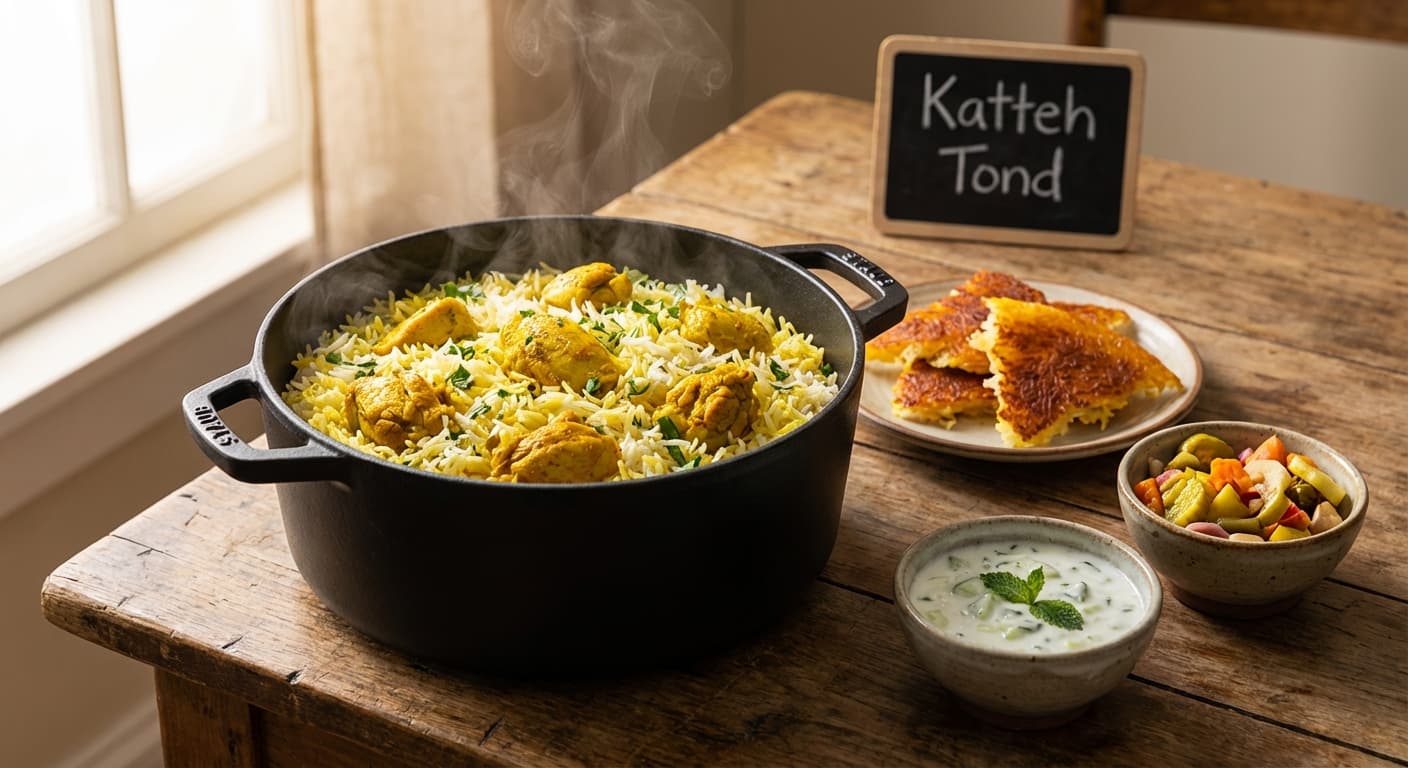
Katteh Tond (کته تند) — Spicy Caspian-Style One-Pot Chicken Rice
Persian · Rice Dishes · 85 min
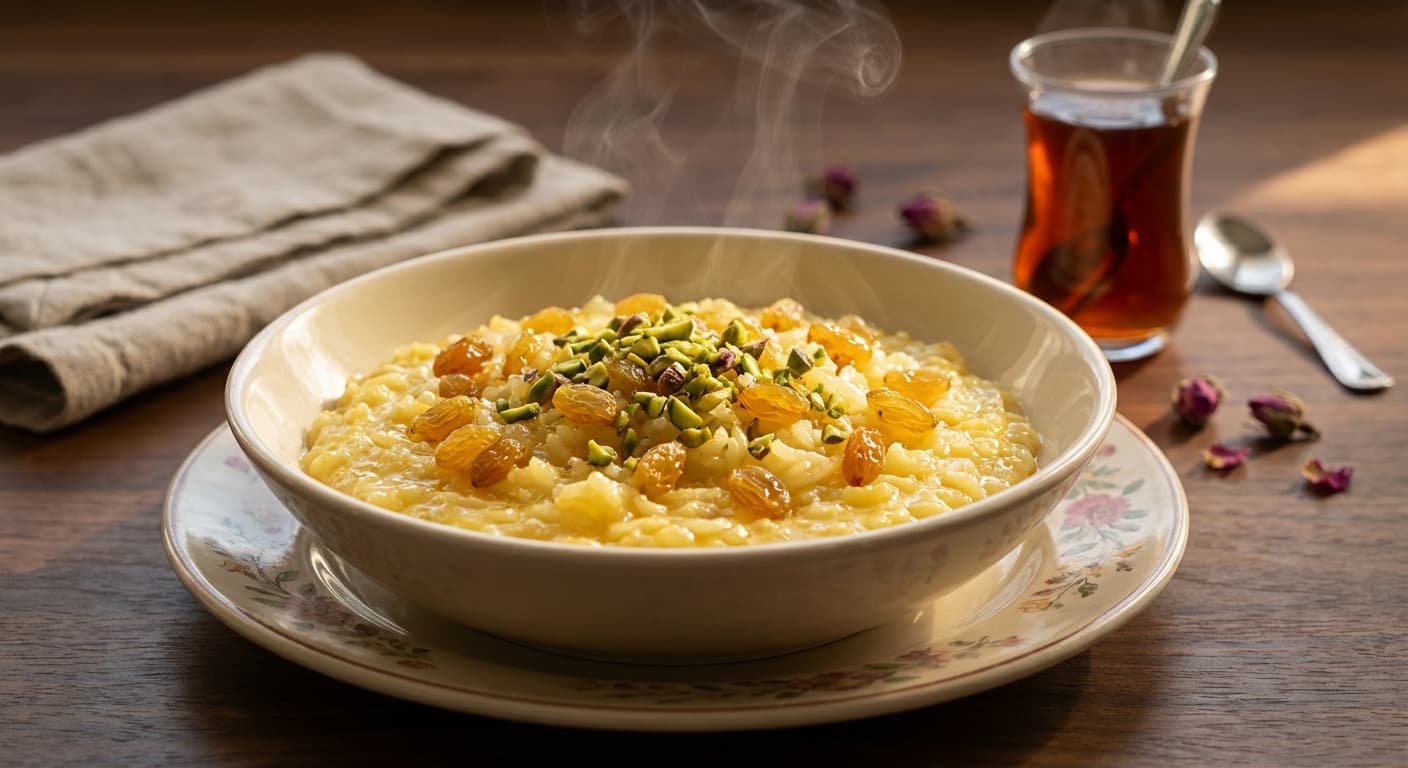
Saffron Sweet Rice (پلو شیرینی زعفرانی) — Festive Persian milk-saffron rice with nuts
Persian · Rice Dishes · 75 min
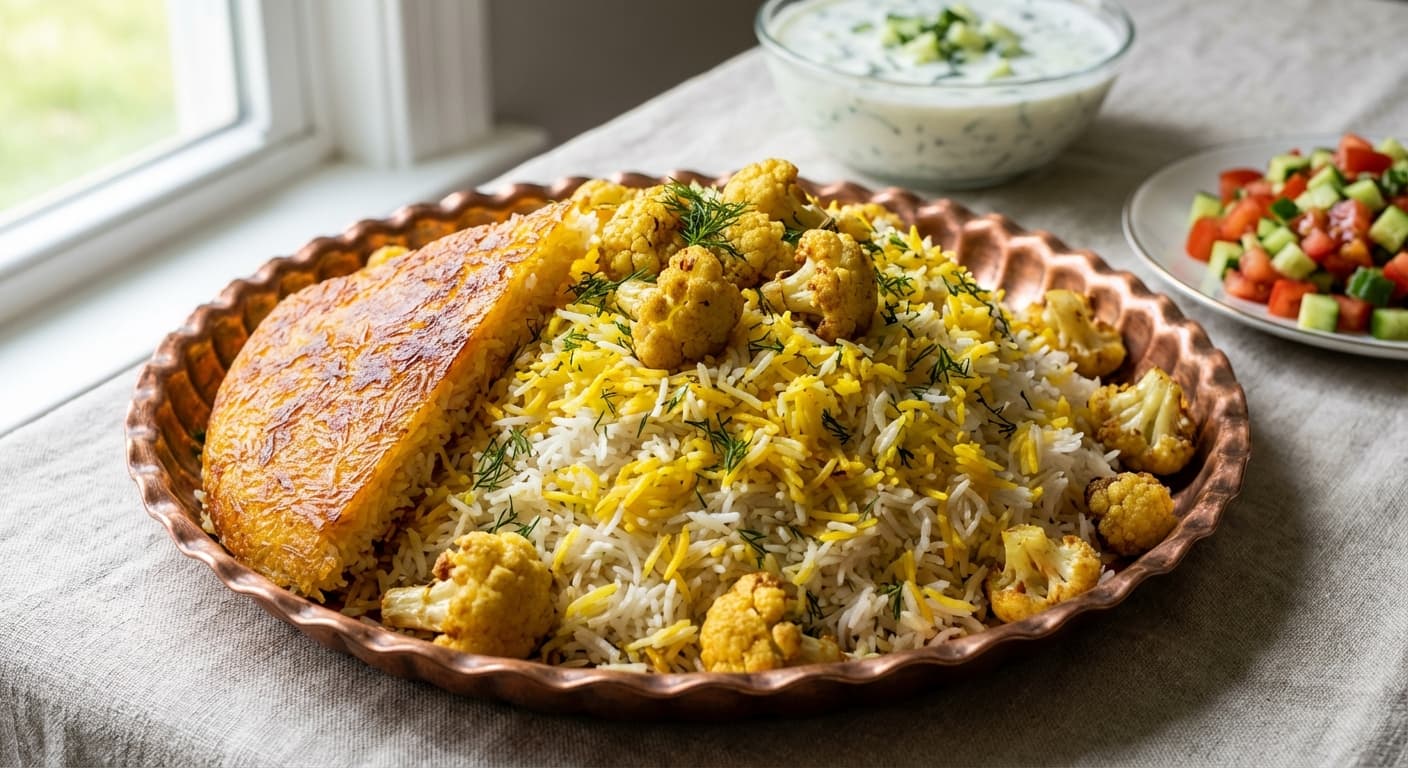
Gol Kalam Polow (پلو گل کلم) — Persian Cauliflower Pilaf with Saffron and Dill
Persian · Rice Dishes · 80 min
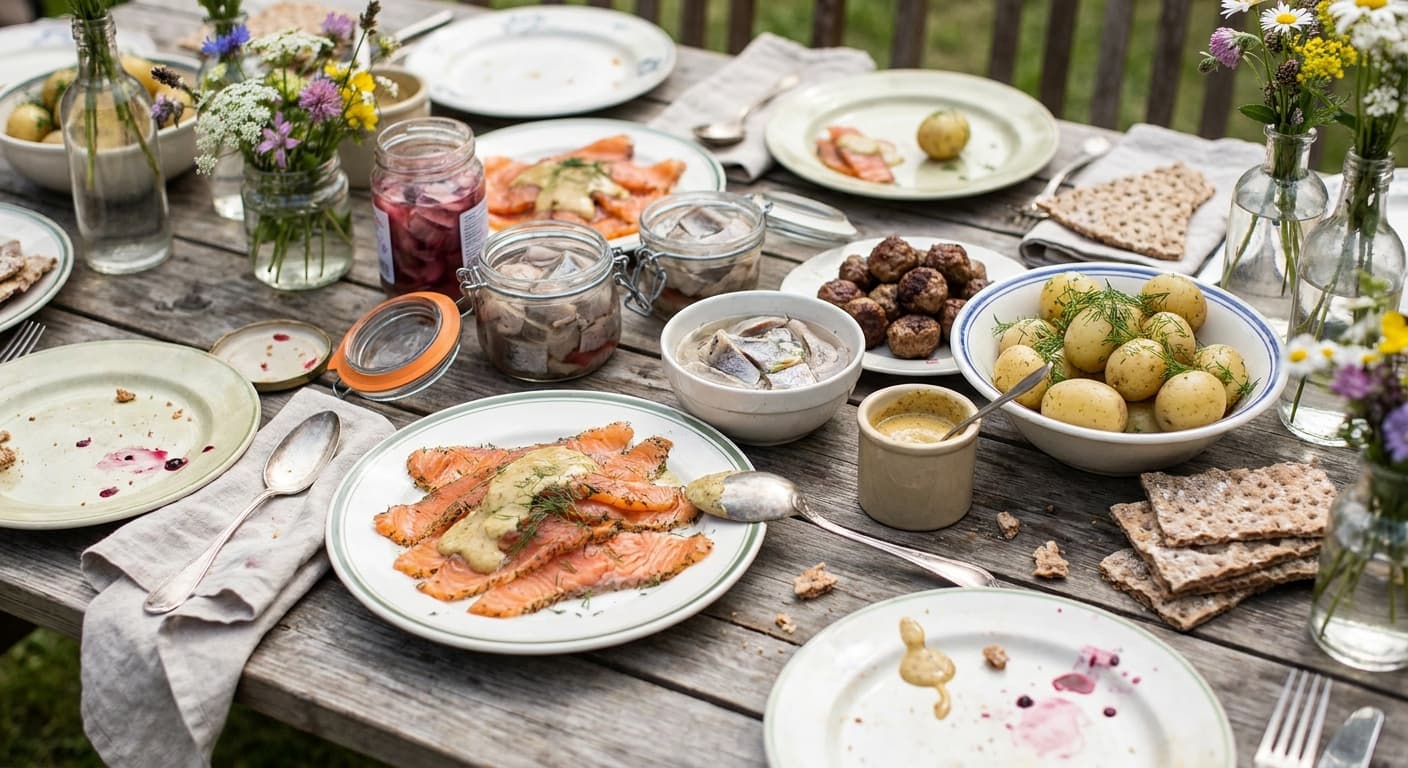
Swedish Smörgåsbord (Smörgåsbord) — Classic Buffet with Gravlax, Sill, and Köttbullar
Swedish · Main Courses · 115 min
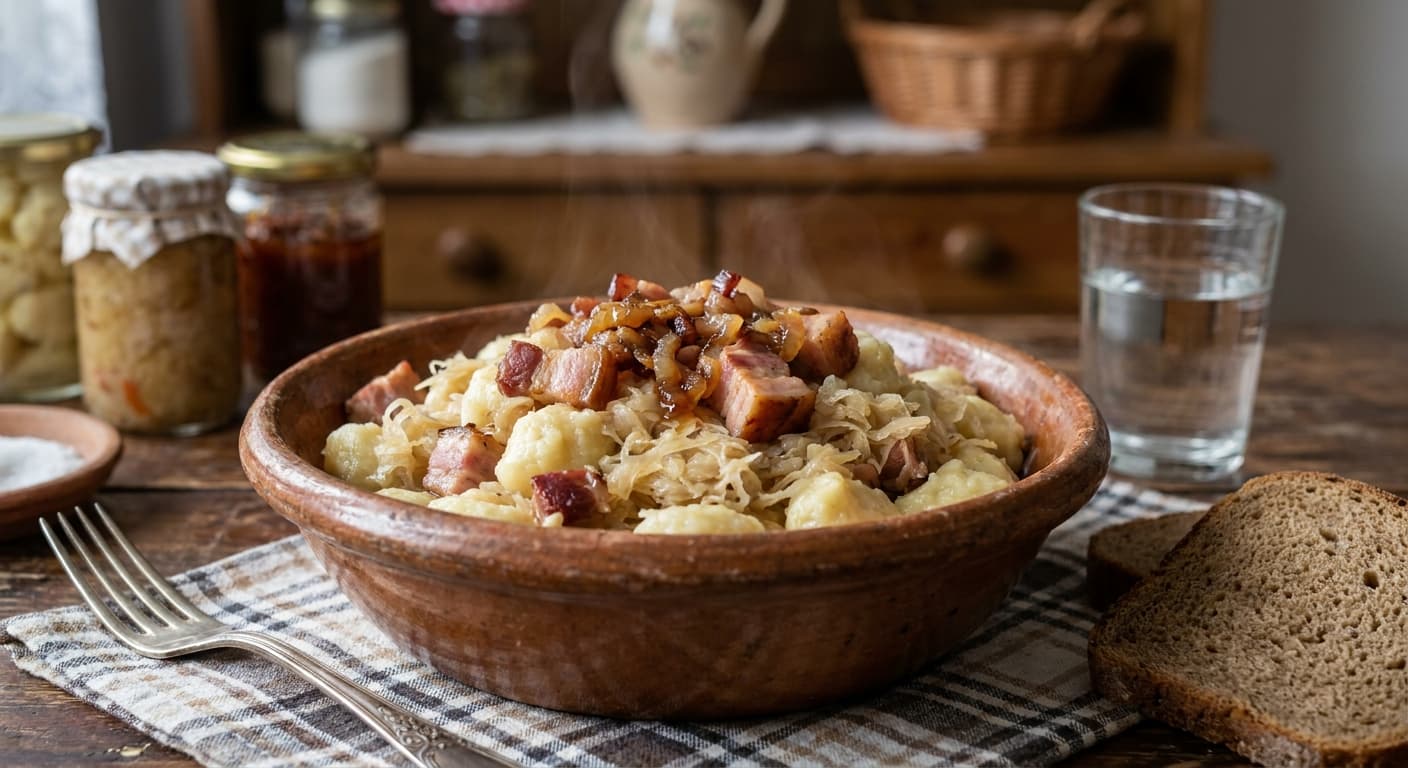
Potato Dumplings with Smoked Meat (Strapačky s údeným mäsom) — Rustic Slovak Halušky with Sauerkraut
Slovak · Main Courses · 70 min
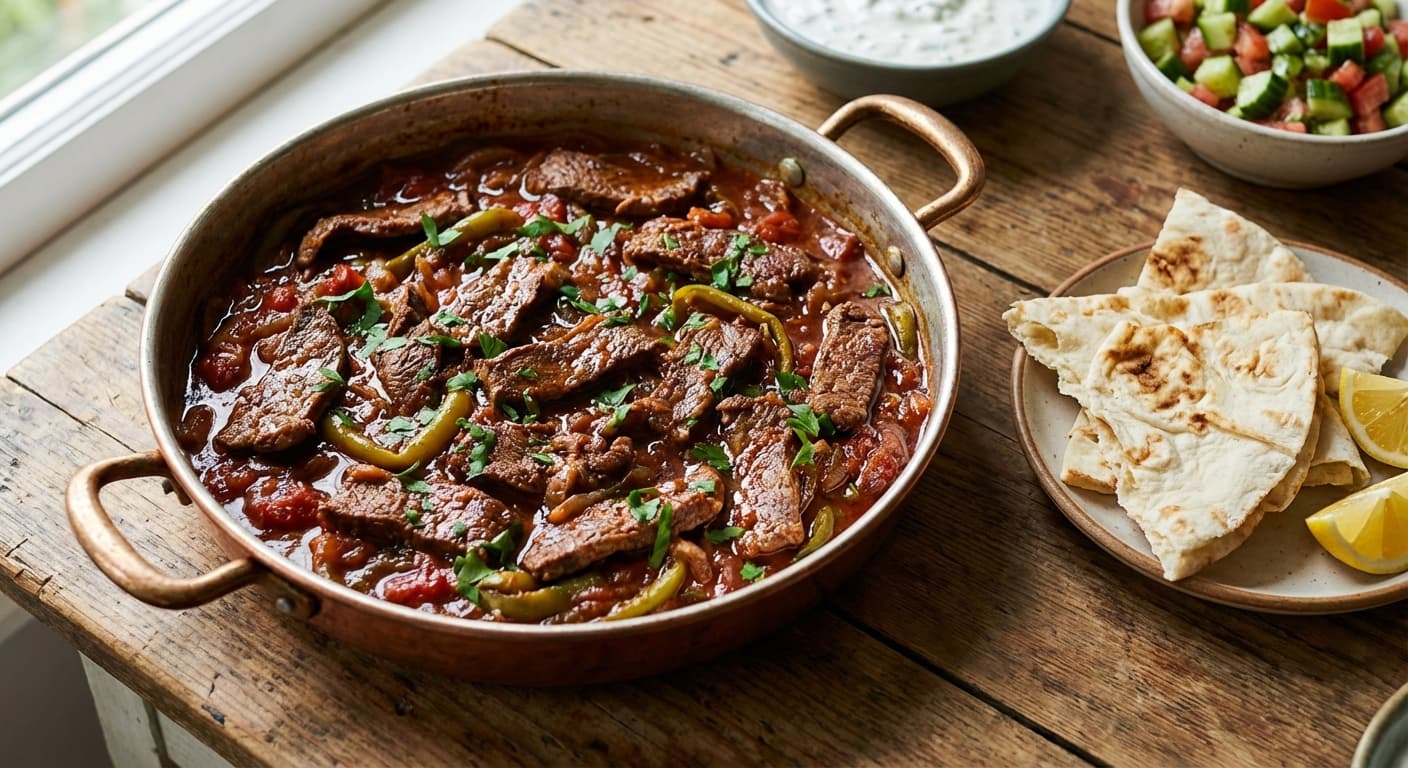
Sac Kavurma (Saç Kavurma) — Thin-Sliced Turkish Meat Sautéed with Onions
Turkish · Main Courses · 38 min
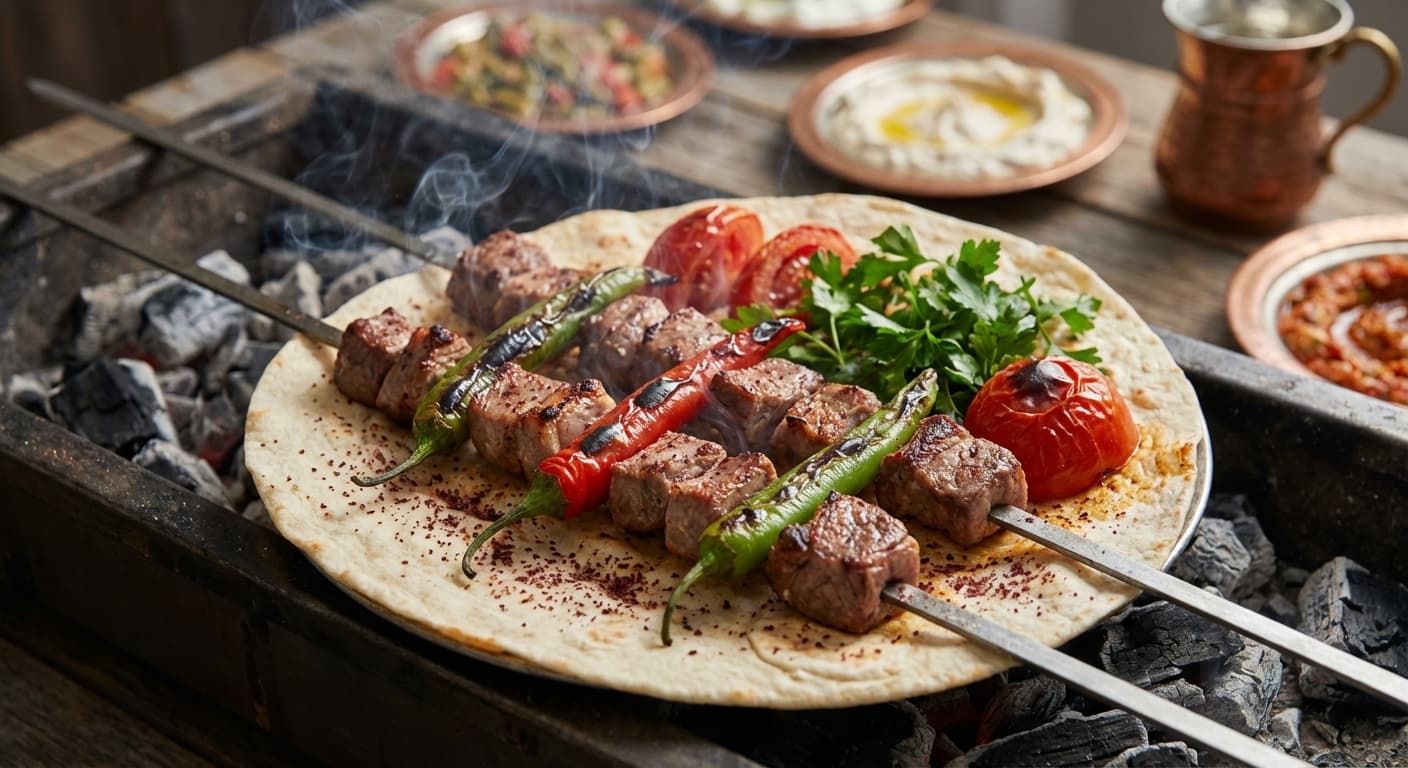
Turkish Shish Kebab (Şiş Kebap) — Charcoal-Grilled Marinated Lamb Skewers
Turkish · Kebabs · 37 min

Portuguese Salt Cod with Potatoes and Eggs (Bacalhau à Brás) — Lisbon-Style Comfort Classic
Portuguese · Main Courses · 70 min
Reviews
Cooked this recipe?
Tap the stars to rate it — that's all it takes. A few words are welcome but optional.
No ratings yet. Cooked this one? Be the first to rate it — it takes one tap.