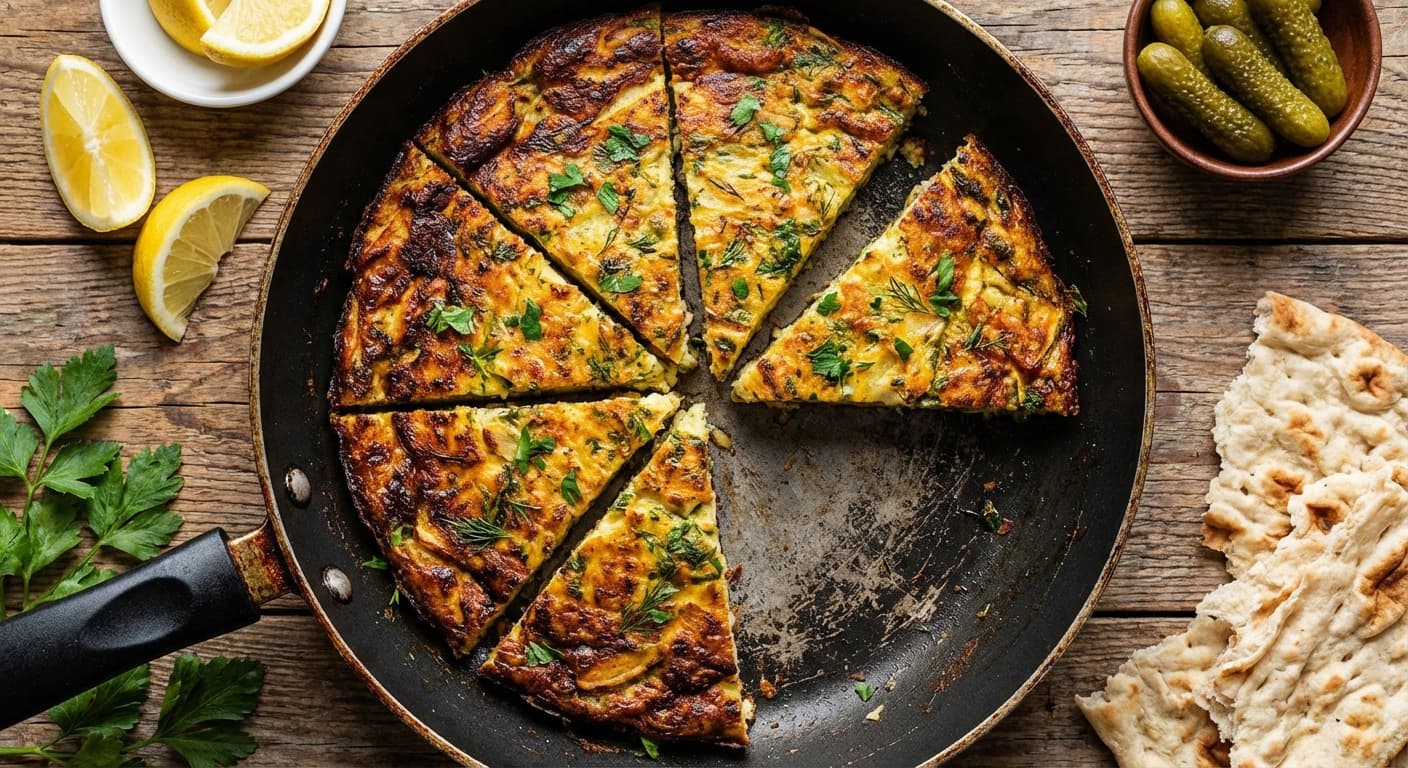
Kuku-ye Sibzamini ba Ton Mahi (کوکو سیب زمینی با تن ماهی) — Persian Potato and Tuna Frittata
A coastal-style Persian potato frittata enriched with tuna, onion, parsley, and turmeric. Crisp and golden outside with a tender, savory center, it’s ideal for lunchboxes, picnics, or a quick weeknight meal.
Printable Recipe Card
Servings: 4 · Total: 63 min · Difficulty: easy
Ingredients (quick list)
- 600 g Yukon Gold potatoes (peeled and cut into 3 cm chunks)
- 10 g Salt (for boiling water)
- 200 g Canned tuna in water (drained well)
- 150 g Yellow onion (grated on large holes or finely chopped)
- 30 g Fresh parsley (finely chopped)
- 5 large Eggs (about 250 g without shells)
- 1 tsp Black pepper (freshly ground (about 2 g))
- 1.5 tsp Turmeric (about 4 g)
- 45 ml Olive oil (divided, plus more only if pan is dry)
Steps (summary)
- Boil the potatoes: add potatoes to a pot and cover with cold water by 3–4 cm. Add 10 g salt, bring to a boil, then simmer 12–15…
- Mash and cool: mash the hot potatoes with a fork or potato masher until mostly smooth with a few small chunks for texture. Spre…
- Prepare tuna and aromatics: drain the tuna very well, then flake it with a fork. If using grated onion, squeeze it firmly in yo…
- Make the egg base: in a large bowl, whisk eggs for 30–45 seconds until uniform. Whisk in 6 g salt, black pepper, and turmeric.…
- Pan-fry for a golden crust: heat a 24 cm nonstick skillet over medium heat for 2 minutes. Add 30 ml olive oil and swirl to coat…
- Flip safely and finish: loosen the edges with a spatula. Slide the kuku onto a plate, place the skillet upside down over it, an…
+ 1 more steps in the full instructions section below.
Cultural Background
Kuku is a well-known Iranian egg-based dish often prepared for quick meals, travel, and picnics because it tastes good warm or at room temperature. Adding tuna reflects coastal and modern pantry influences, using shelf-stable fish to make the dish more filling while keeping the familiar turmeric-and-herb profile.
Equipment
💡 Tips
- Steam-drying the drained potatoes for 10 minutes is key to a crisp crust and a non-soggy center.
- Squeezing grated onion removes water that can make the kuku fragile and pale instead of golden.
- For a thicker kuku, use a smaller skillet (20–22 cm) and add 2–3 minutes per side on medium-low heat.
- If your tuna is packed in oil, drain it well and reduce the frying oil by 10–15 ml.
- A thermometer helps: aim for 72°C in the center for fully set eggs without drying out.
⚠️ Common Mistakes
❌ Mixing eggs into very hot potatoes
💡 Why: The eggs can partially scramble, creating a grainy texture and weak structure.
✅ Fix: Cool mashed potatoes for about 10 minutes before folding into the egg mixture.
❌ Using watery onion (especially grated) without squeezing
💡 Why: Extra liquid prevents browning and can make the kuku fall apart when flipping.
✅ Fix: Squeeze grated onion dry, or use finely chopped onion and sauté it briefly if very juicy.
❌ Cooking on high heat to brown faster
💡 Why: The outside can burn before the center sets, leaving a raw middle.
✅ Fix: Use steady medium heat with a lid; extend cooking by 1–3 minutes per side if needed.
❌ Not draining tuna thoroughly
💡 Why: Excess water or oil changes the batter consistency and can cause sogginess.
✅ Fix: Drain, then press tuna gently in a strainer; flake after it is well drained.
🧊 How to Store
Cool completely, then refrigerate in an airtight container for up to 3 days. Reheat in a skillet over medium heat with 5 ml oil, 2–3 minutes per side, or in a 180°C oven for 8–10 minutes. Freeze wedges (wrapped) up to 2 months; thaw overnight in the refrigerator.
📅 Make Ahead
Boil and mash the potatoes up to 24 hours ahead; refrigerate covered. Mix the full batter up to 8 hours ahead and refrigerate; stir well before frying. Cooked kuku keeps well and is often preferred after resting 30–60 minutes for cleaner slices.
🍽️ Pairs Well With
- Flatbread or lavash-style bread
- Pickled vegetables
- Tomato and cucumber salad
- Plain yogurt or yogurt-cucumber dip
- Lemon wedges
Regional Variations
- Caspian Sea coastal areasOften includes more fresh herbs and may be served with bright, acidic sides like pickles and citrus to balance the richness of eggs and fish.
- Southern Persian Gulf coastal areasMay lean toward stronger seasoning and a deeper golden color, sometimes using a bit more turmeric and a firmer crust for travel-friendly slices.
Ingredients
- 600 gYukon Gold potatoes (peeled and cut into 3 cm chunks)
- 10 gSalt (for boiling water)
- 200 gCanned tuna in water (drained well)
- 150 gYellow onion (grated on large holes or finely chopped)
- 30 gFresh parsley (finely chopped)
- 5 largeEggs (about 250 g without shells)
- 1 tspBlack pepper (freshly ground (about 2 g))
- 1.5 tspTurmeric (about 4 g)
- 45 mlOlive oil (divided, plus more only if pan is dry)
🔄 Substitutions
- Canned tuna in water→ Canned salmon (drained) or cooked flaked white fish
- Olive oil→ Neutral oil (sunflower, canola, or grapeseed)
- Fresh parsley→ Fresh cilantro or dill
Instructions
- 1
Boil the potatoes: add potatoes to a pot and cover with cold water by 3–4 cm. Add 10 g salt, bring to a boil, then simmer 12–15 minutes until a knife slides in with slight resistance (not falling apart). Drain thoroughly and let steam-dry 10 minutes to prevent a watery kuku.
- 2
Mash and cool: mash the hot potatoes with a fork or potato masher until mostly smooth with a few small chunks for texture. Spread on a plate or tray and cool 10 minutes. Cooling keeps the eggs from scrambling on contact and helps the mixture hold together during frying.
- 3
Prepare tuna and aromatics: drain the tuna very well, then flake it with a fork. If using grated onion, squeeze it firmly in your hands or through a fine strainer to remove excess juice. Combine tuna, onion, and chopped parsley in a bowl so the herbs distribute evenly.
- 4
Make the egg base: in a large bowl, whisk eggs for 30–45 seconds until uniform. Whisk in 6 g salt, black pepper, and turmeric. Add the mashed potatoes and the tuna-onion-parsley mixture, then fold until evenly combined. The batter should be thick and spoonable, not runny.
- 5
Pan-fry for a golden crust: heat a 24 cm nonstick skillet over medium heat for 2 minutes. Add 30 ml olive oil and swirl to coat. Spoon in the mixture and press into an even 2–2.5 cm layer. Cover and cook 7–8 minutes, until edges set and the bottom is deep golden.
- 6
Flip safely and finish: loosen the edges with a spatula. Slide the kuku onto a plate, place the skillet upside down over it, and invert to return it to the pan. Add remaining 15 ml olive oil around the edges. Cover and cook 5–6 minutes until golden and the center reaches 72°C.
- 7
Rest and slice: transfer to a cutting board and rest 5 minutes so the interior sets. Slice into 8 wedges. Serve warm, room temperature, or chilled; the flavor develops as it sits. For extra crispness, briefly reheat slices in a dry skillet over medium heat for 1–2 minutes per side.
🪪 Recipe Passport
Cultural Background
Kuku is a well-known Iranian egg-based dish often prepared for quick meals, travel, and picnics because it tastes good warm or at room temperature. Adding tuna reflects coastal and modern pantry influences, using shelf-stable fish to make the dish more filling while keeping the familiar turmeric-and-herb profile.
Regional Variations
Researched from multiple sources and validated by the Zaffaron editorial team. Every recipe is tested for accuracy, measurements, and cultural authenticity.
Nutrition per serving
Pairs well with
If you enjoyed this recipe, here are a few related Zaffaron recipes to try next.
Does your family make this differently?
Every family has their own version. Maybe your grandmother adds a secret ingredient, or your aunt has a completely different technique. Preserve your family's version — with their name on it, forever.
You Might Also Like
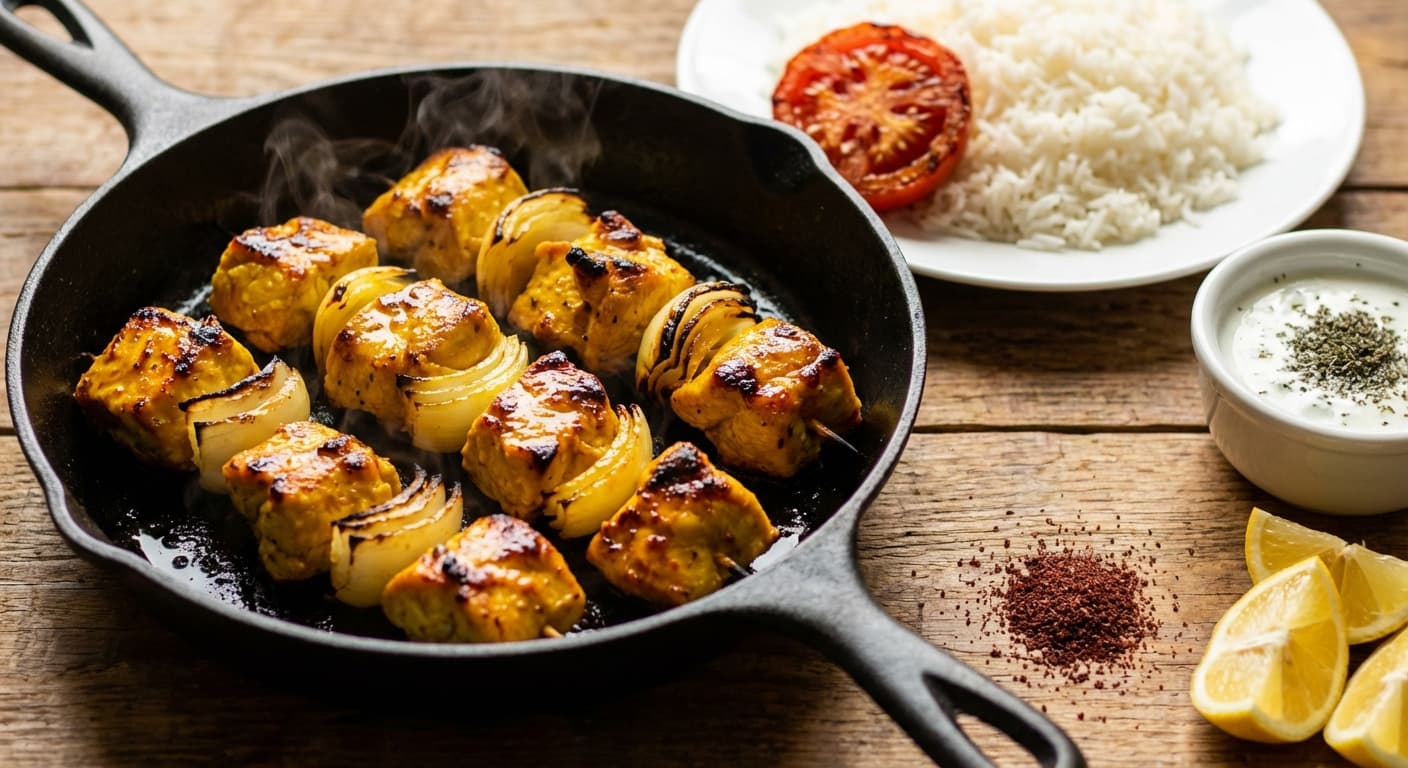
Pan-Seared Joojeh Kebab (جوجه کباب تابهای) — Persian Saffron Skillet Chicken
Persian · Kebabs · 34 min
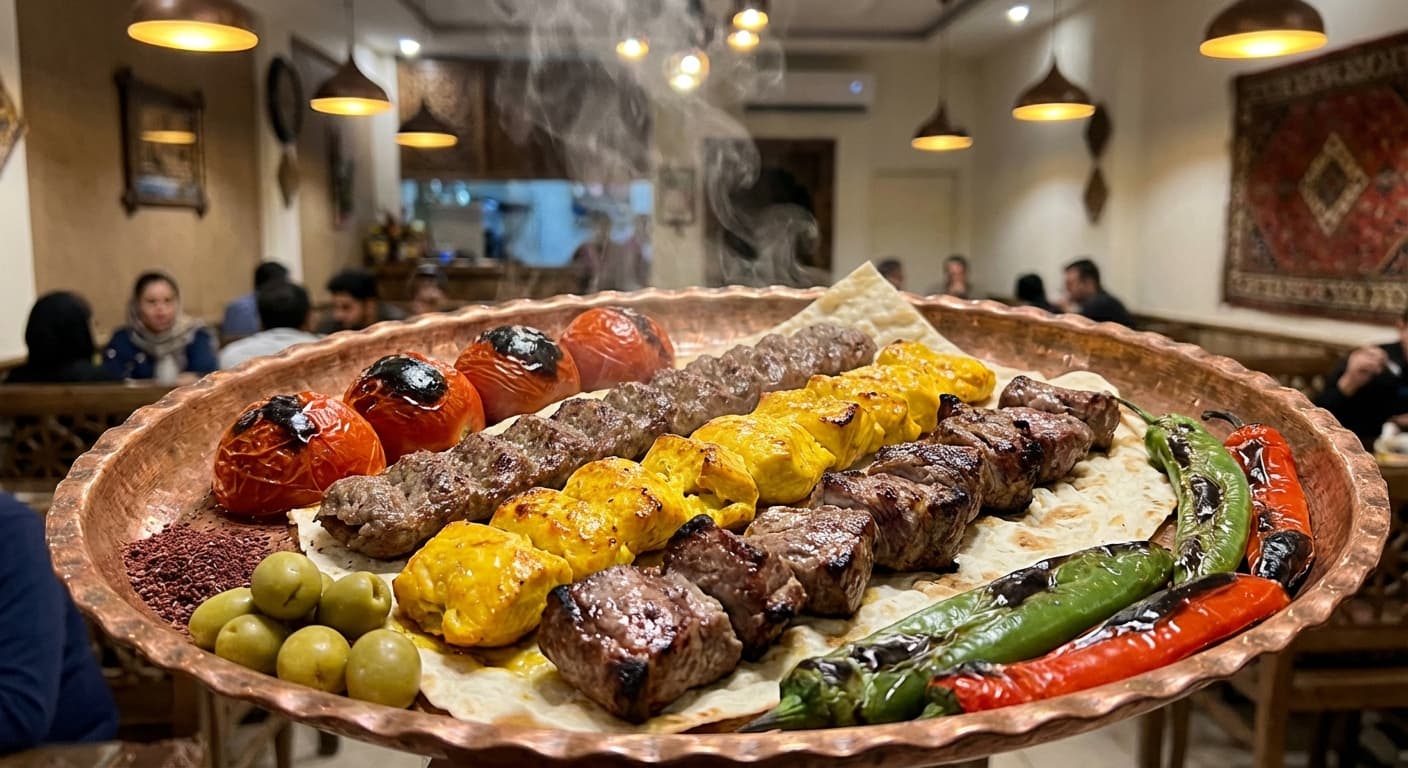
Kabab Vijeh (کباب ویژه) — Royal Persian Mixed Grill Platter
Persian · Kebabs · 70 min
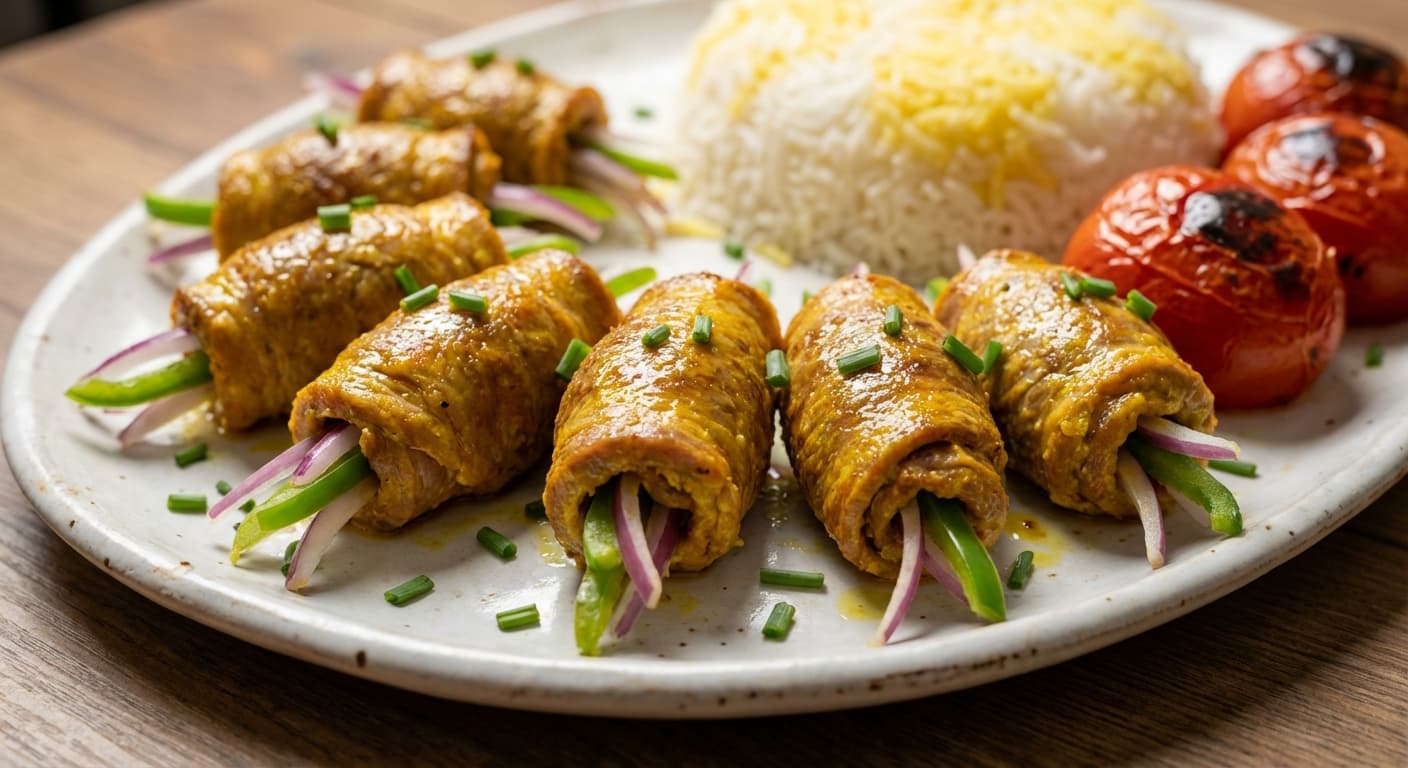
Bulgar Kabab (کباب بلغار) — Persian Rolled Saffron Fillets
Persian · Kebabs · 37 min
Cornish Pasty (Cornish Pasty) — Traditional Beef and Swede Hand Pie
British · Main Courses · 100 min
Orromo (Оромо) — Kyrgyz Steamed Rolled Dumpling with Lamb and Pumpkin
Kyrgyz · Main Courses · 105 min
Gavurdağı Salad (Gavurdağı Salatası) — Finely Chopped Walnut & Pomegranate Salad
Turkish · Salads · 20 min
Izmir Kofte (İzmir Köfte) — Oven-Baked Meatballs with Tomato Sauce and Potatoes
Turkish · Main Courses · 70 min
Tan Mahi Angoshti (تن ماهی انگشتی) — Crispy Persian Finger-Sized Tuna Fritters
Persian · Appetizers · 35 min
Reviews
Cooked this recipe?
Tap the stars to rate it — that's all it takes. A few words are welcome but optional.
No ratings yet. Cooked this one? Be the first to rate it — it takes one tap.