Lithuanian Cepelinai (Cepelinai) — Potato Dumplings with Pork and Sour Cream Sauce
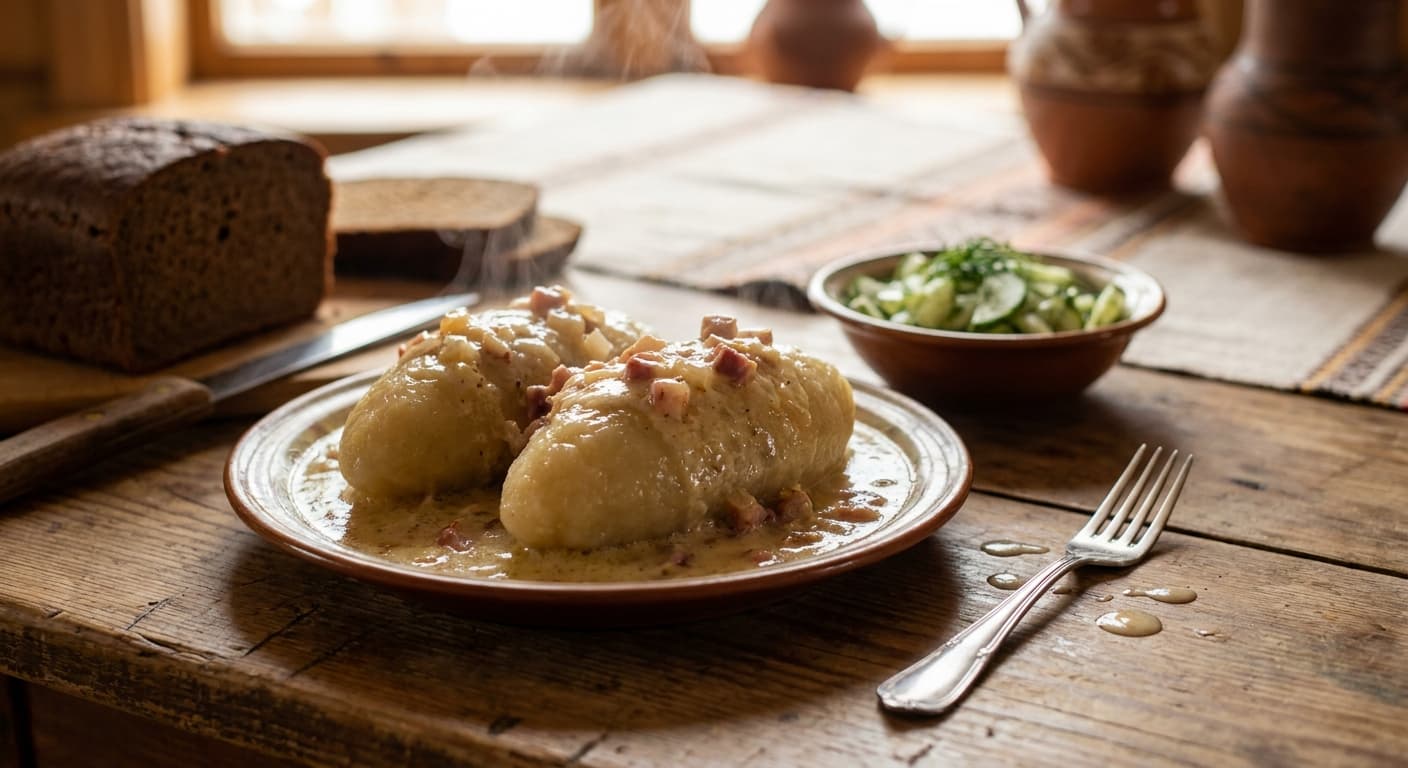
Cepelinai are Lithuania’s famous zeppelin-shaped potato dumplings, traditionally filled with seasoned pork and served with bacon, onion, and sour cream sauce. They are hearty, rural, and deeply tied to Lithuanian potato cookery.
Printable Recipe Card
Servings: 6 · Total: 115 min · Difficulty: hard
Ingredients (quick list)
- 2000 g starchy potatoes, peeled, for grating
- 500 g starchy potatoes, peeled, for boiling
- 35 g reserved settled potato starch from grated potatoes (if the grated potatoes yield less than this, make up the difference with purchased potato starch)
- 12 g fine salt
- 450 g ground pork shoulder
- 100 g yellow onion, finely grated
- 2 clove garlic
- 2 g ground black pepper
- 1 tsp dried marjoram
- 30 ml cold water
- 5 l water
- 20 g potato starch
+ 5 more in the full ingredients section below.
Steps (summary)
- Boil the 500 g portion of peeled potatoes in unsalted water until completely tender, about 20 minutes after the water reaches a…
- Grate the 2000 g raw potatoes on the finest holes of a box grater or with a potato-grating attachment so they become a wet pulp…
- Twist the towel firmly and squeeze out as much potato liquid as possible into the bowl, keeping the dry potato pulp in the towe…
- Combine the squeezed raw potato pulp, cooled boiled potato, 35 g reserved settled starch, and 12 g salt in a large bowl. Knead…
- Mix the ground pork shoulder with the grated onion, garlic, 6 g salt, black pepper, marjoram, and 30 ml cold water. Knead the f…
- Divide the potato dough into 12 equal portions of about 210 g each and divide the pork filling into 12 portions of about 50 g e…
+ 6 more steps in the full instructions section below.
Cultural Background
Cepelinai, also called didzkukuliai, became a Lithuanian emblem after potatoes were widely adopted in the region. Their zeppelin shape and filling make them a centerpiece for home cooking, rural hospitality, and large family meals.
Equipment
💡 Tips
- Use high-starch potatoes such as russet or an equivalent floury variety; waxy potatoes make cepelinai heavy and prone to splitting.
- Squeeze the raw potato pulp very firmly, then add back only the settled starch, because excess liquid weakens the dumpling shell.
- Keep the cooking water at a gentle simmer rather than a rolling boil so the cepelinai cook through without bursting.
⚠️ Common Mistakes
❌ The dumplings fall apart in the pot.
✅ Fix: Squeeze the grated potatoes drier, add the reserved starch back into the dough, and keep the water at a gentle simmer instead of a hard boil.
❌ The potato casing tastes gummy.
✅ Fix: Do not add too much extra potato starch, and use the correct balance of raw grated potato and cooked mashed potato.
❌ The pork filling is dense and dry.
✅ Fix: Use ground pork shoulder with some fat, add the measured cold water, and avoid overcooking beyond the 25 minute simmer.
🧊 How to Store
Refrigerate leftover cepelinai and sauce separately in airtight containers for up to 3 days. Reheat dumplings gently in simmering salted water for 8 minutes or steam them for 10 minutes; warm the sauce over low heat.
📅 Make Ahead
The pork filling can be mixed 1 day ahead and refrigerated. The boiled potatoes can also be cooked and riced several hours ahead, but the raw potato dough should be made and shaped shortly before cooking.
🍽️ Pairs Well With
- Cucumber-dill salad
- beet salad
- sauerkraut
- rye bread
- cold kefir.
Regional Variations
- In some Lithuanian homes, the filling is made with curd cheese instead of meat and served with sour cream and butter.
- Mushroom-filled cepelinai are prepared in some regions, especially when wild mushrooms are available.
- Some cooks serve the bacon sauce separately from plain sour cream so diners can adjust richness at the table.
Ingredients
- 2000 gstarchy potatoes, peeled, for grating
- 500 gstarchy potatoes, peeled, for boiling
- 35 greserved settled potato starch from grated potatoes (if the grated potatoes yield less than this, make up the difference with purchased potato starch)
- 12 gfine salt
- 450 gground pork shoulder
- 100 gyellow onion, finely grated
- 2 clovegarlic
- 2 gground black pepper
- 1 tspdried marjoram
- 30 mlcold water
- 5 lwater
- 20 gpotato starch
- 200 gsmoked bacon, diced
- 200 gyellow onion, finely diced
- 30 gunsalted butter
- 240 gsour cream
- 4 sprigfresh dill
🔄 Substitutions
- ground pork shoulder→ ground beef chuck
- smoked bacon→ smoked turkey
- sour cream→ creme fraiche
Instructions
- 1
Boil the 500 g portion of peeled potatoes in unsalted water until completely tender, about 20 minutes after the water reaches a boil. Drain very well, pass through a potato ricer or mash until smooth, and spread on a plate to cool until just warm.
- 2
Grate the 2000 g raw potatoes on the finest holes of a box grater or with a potato-grating attachment so they become a wet pulp rather than shreds. Work quickly because the potatoes darken naturally, and transfer the pulp immediately into a clean linen towel or several layers of cheesecloth set over a large bowl.
- 3
Twist the towel firmly and squeeze out as much potato liquid as possible into the bowl, keeping the dry potato pulp in the towel. Let the liquid stand undisturbed for 10 minutes, then carefully pour off the brownish liquid and keep the white starch settled at the bottom.
- 4
Combine the squeezed raw potato pulp, cooled boiled potato, 35 g reserved settled starch, and 12 g salt in a large bowl. Knead by hand for 3 to 4 minutes until the mixture is cohesive, slightly tacky, and able to hold a clean oval shape without cracking apart.
- 5
Mix the ground pork shoulder with the grated onion, garlic, 6 g salt, black pepper, marjoram, and 30 ml cold water. Knead the filling for 1 minute until it becomes slightly sticky, which helps it stay juicy and compact inside the dumplings.
- 6
Divide the potato dough into 12 equal portions of about 210 g each and divide the pork filling into 12 portions of about 50 g each. Flatten one potato portion in wet hands into an oval patty, place one portion of pork in the center, and close the potato around it to form a smooth zeppelin shape about 12 cm long.
- 7
Repeat shaping all the dumplings, keeping your hands damp so the potato mixture does not stick or tear. Check each cepelinas carefully for seams, because exposed filling or thin spots can cause the dumpling to split during simmering.
- 8
Bring 5 l water and 30 g salt to a gentle boil in a wide heavy pot. Stir the 20 g potato starch with 60 ml cold water, pour the slurry into the pot, and stir well to make a lightly thickened cooking liquid that helps protect the dumplings.
- 9
Lower the cepelinai into the barely boiling water in two batches if necessary, leaving enough room for them to move. Once they float, reduce the heat to a steady gentle simmer and cook for 25 minutes, avoiding a rolling boil that can break the potato casing.
- 10
While the dumplings cook, make the sauce by frying the diced bacon in a skillet over medium heat for 6 to 8 minutes until the fat renders and the edges brown. Add the diced onion and butter, then cook for 8 to 10 minutes more until the onion is soft, golden, and sweet.
- 11
Reduce the skillet heat to low and stir in the sour cream and 1 g black pepper until the sauce is warm but not boiling. Keep it gently warm, because boiling sour cream can make the sauce separate and look grainy.
- 12
Lift the cooked cepelinai from the pot with a slotted spoon and let them drain for 30 seconds before plating. Serve 2 dumplings per person with generous spoonfuls of bacon-onion sour cream sauce and chopped dill from the fresh sprigs.
🪪 Recipe Passport
Cultural Background
Cepelinai, also called didzkukuliai, became a Lithuanian emblem after potatoes were widely adopted in the region. Their zeppelin shape and filling make them a centerpiece for home cooking, rural hospitality, and large family meals.
Regional Variations
Researched from multiple sources and validated by the Zaffaron editorial team. Every recipe is tested for accuracy, measurements, and cultural authenticity.
📚 Sources & Cultural References
- Lithuania Travel — Traditional Lithuanian Cuisine
- Alan Davidson — The Oxford Companion to Food — (2014)
Sources cited by the Zaffaron editorial team during recipe research. Cultural and culinary references supporting authenticity claims.
Nutrition per serving
Pairs well with
If you enjoyed this recipe, here are a few related Zaffaron recipes to try next.
Does your family make this differently?
Every family has their own version. Maybe your grandmother adds a secret ingredient, or your aunt has a completely different technique. Preserve your family's version — with their name on it, forever.
You Might Also Like
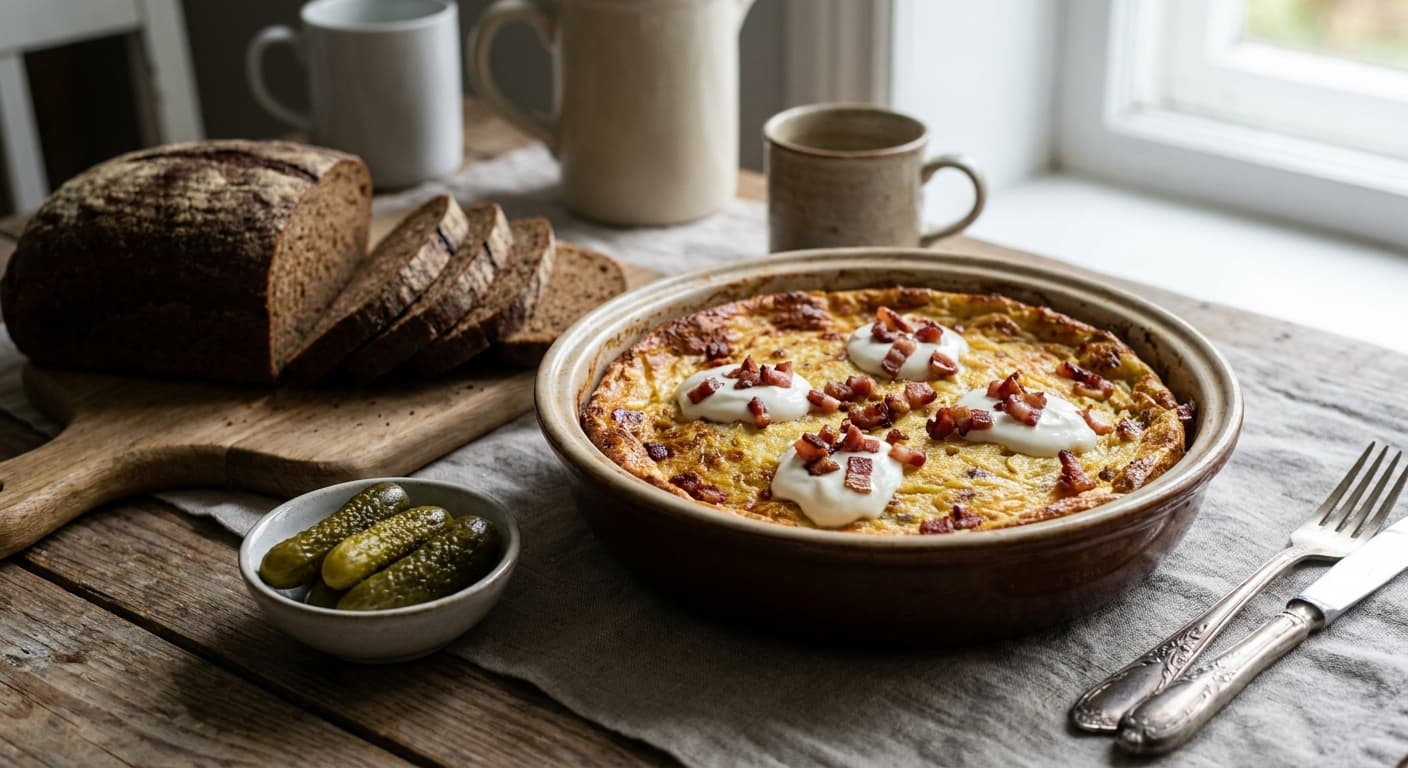
Lithuanian Kugelis (Kugelis) — Savory Baked Potato Pudding
Lithuanian · Main Courses · 115 min
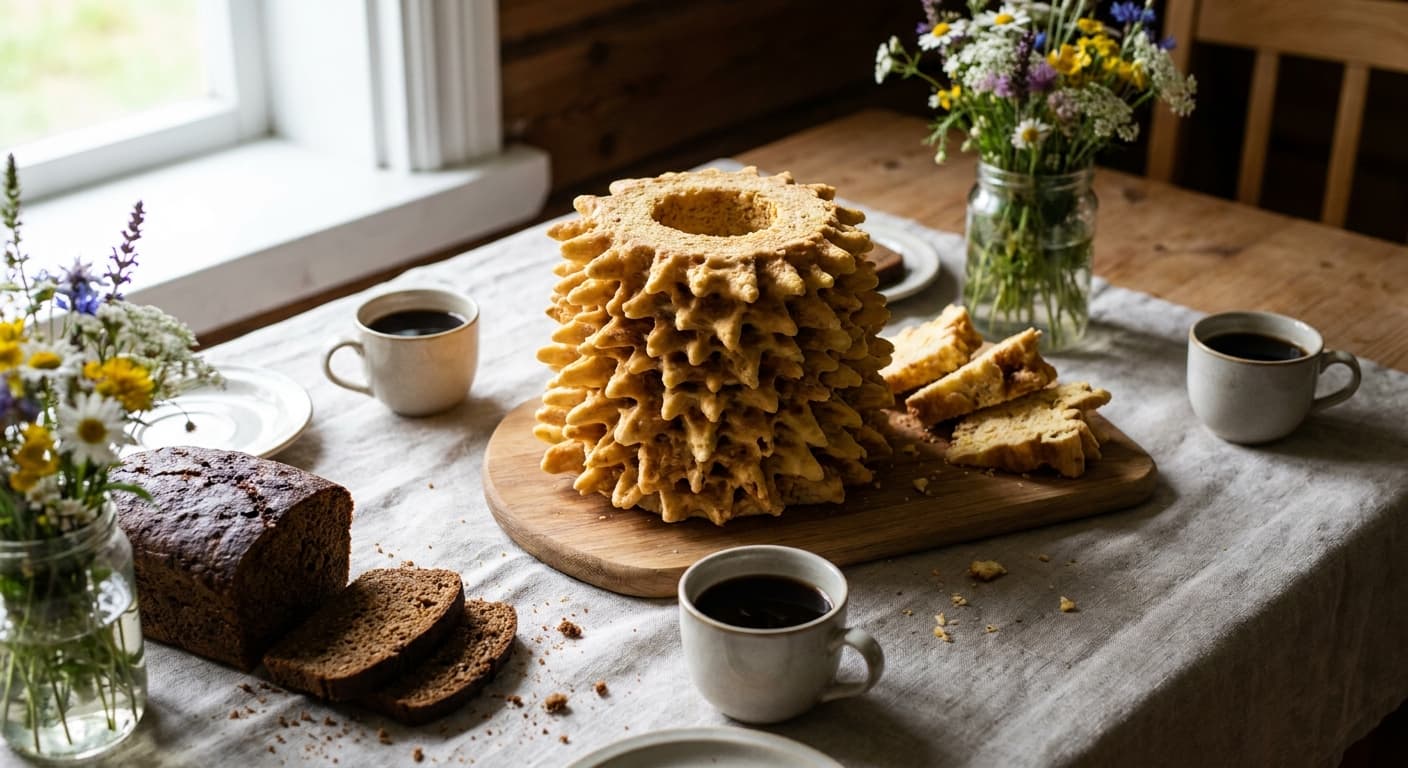
Lithuanian Tree Cake (Šakotis) — Spit-Baked Celebration Cake
Lithuanian · Desserts · 230 min
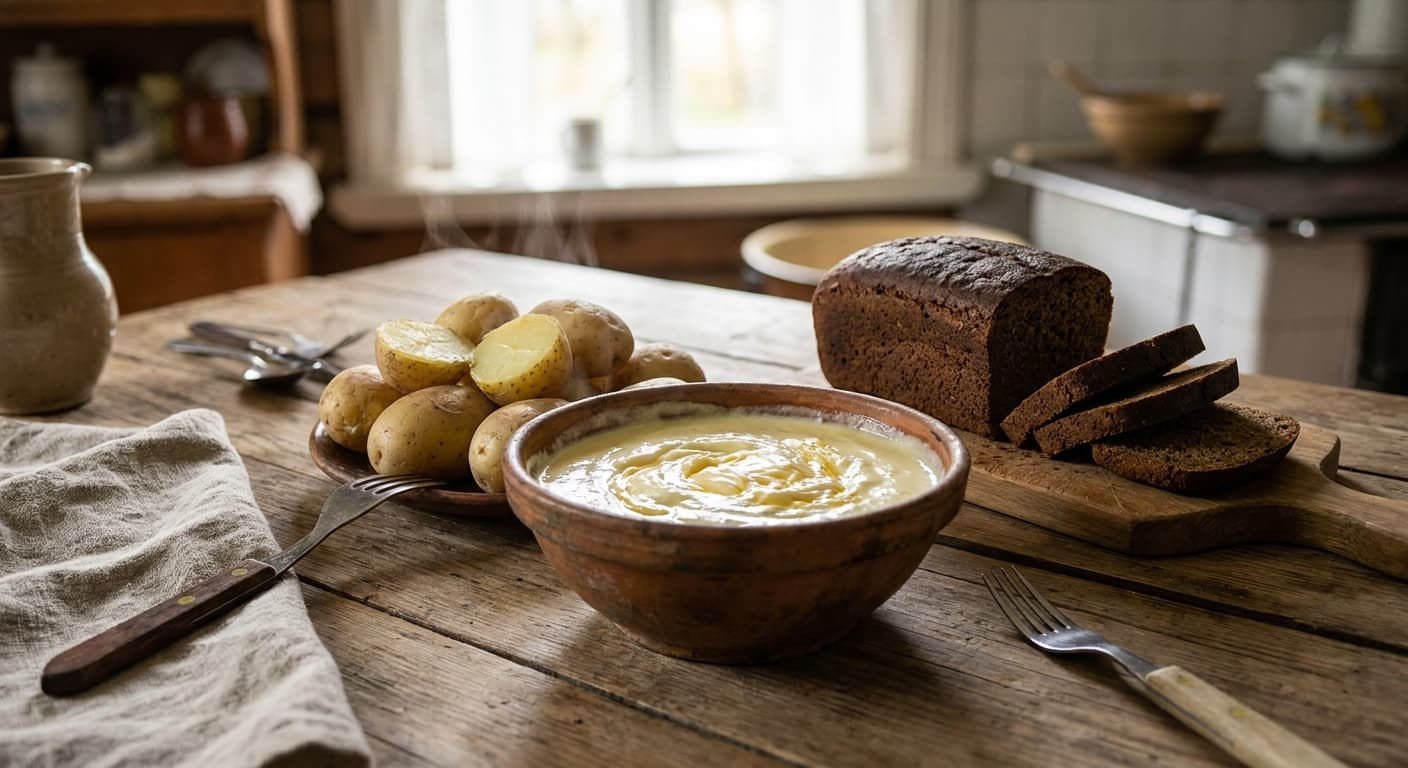
Samogitian Kastinys (Žemaičių kastinys) — Warm Cultured Cream Spread
Lithuanian · Side Dishes · 45 min
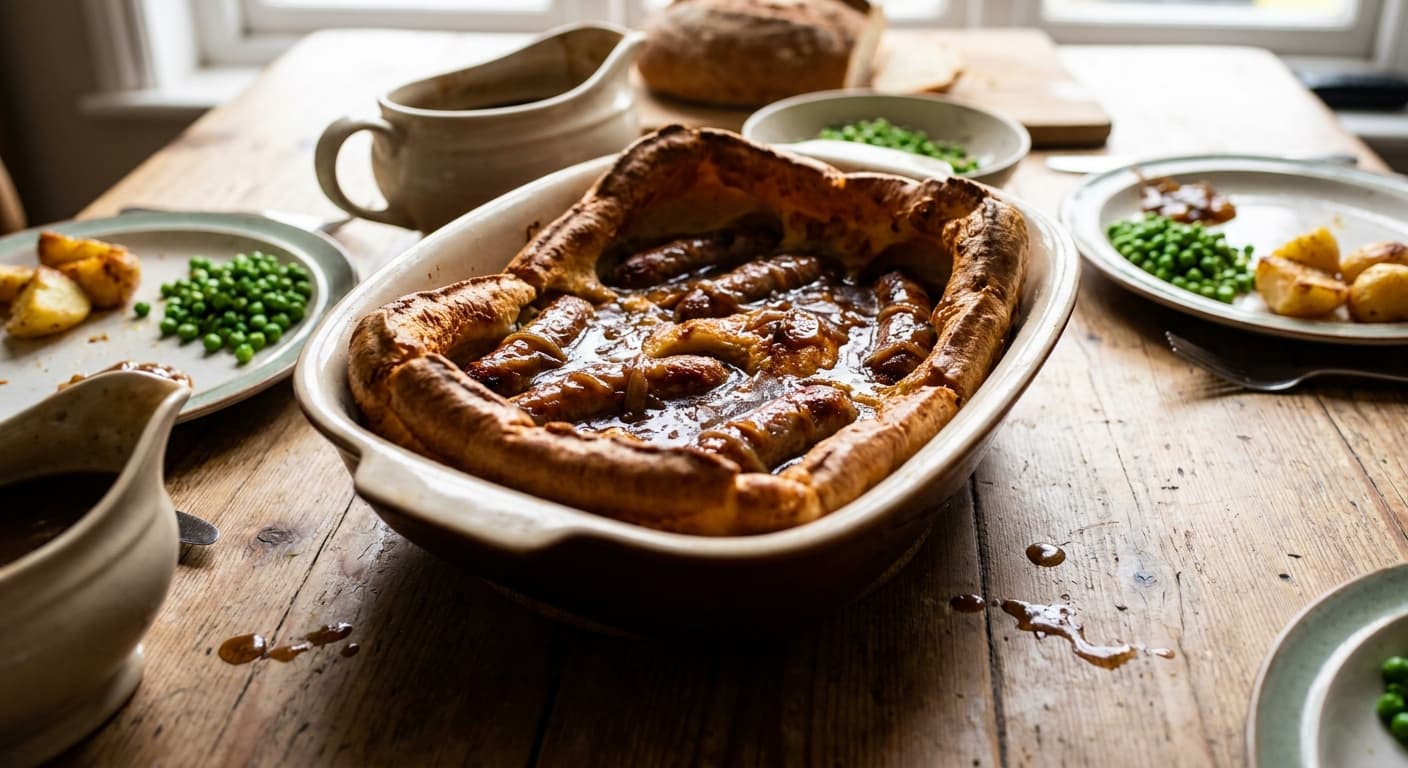
Toad in the Hole (Toad in the Hole) — Sausages Baked in Yorkshire Pudding Batter
British · Main Courses · 65 min
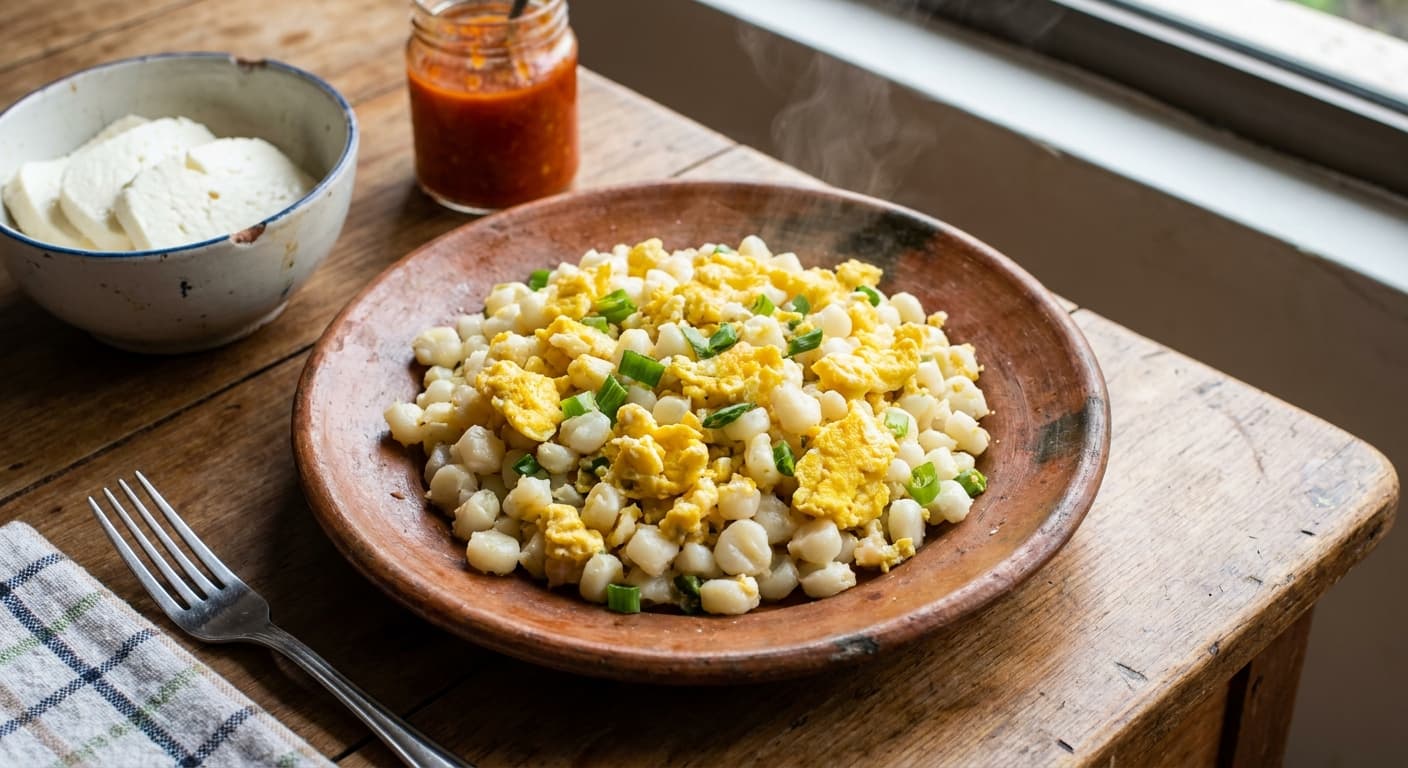
Scrambled Hominy and Eggs (Mote pillo) — Ecuadorian Highland Breakfast
Ecuadorian · Main Courses · 25 min
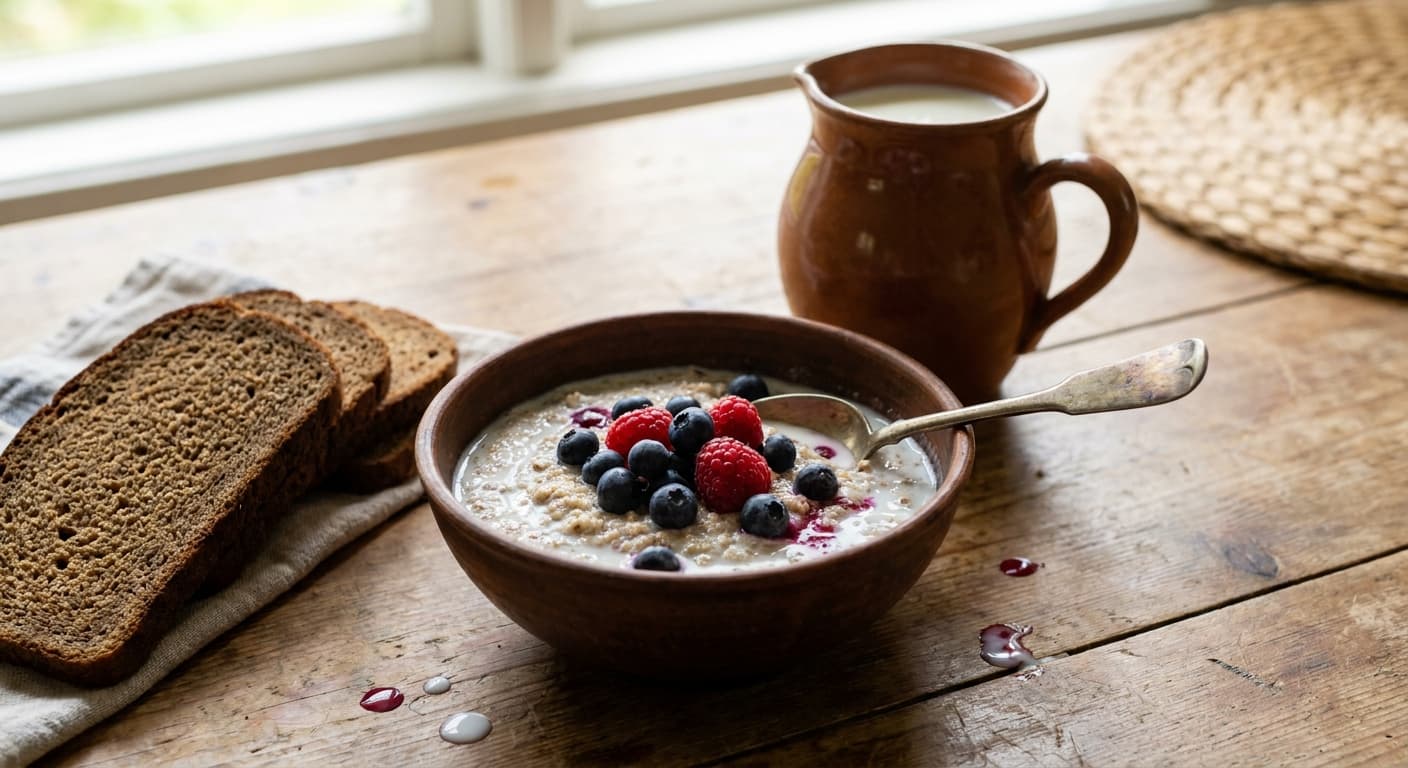
Kama (Kama) — Estonian Toasted Grain Kefir Drink
Estonian · Drinks · 10 min
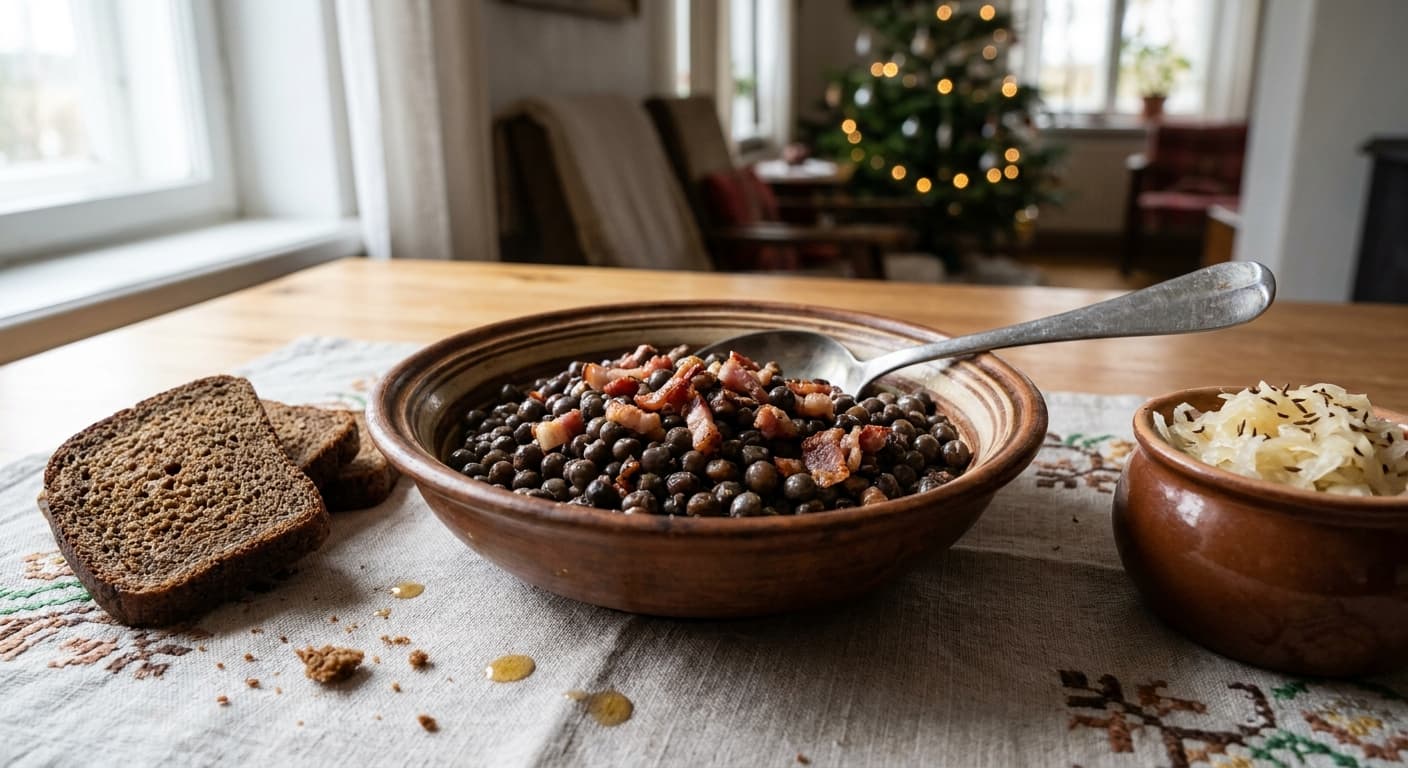
Grey Peas with Speck (Pelēkie zirņi ar speķi) — Latvian Christmas Peas
Latvian · Main Courses · 110 min
Pastay-e Gojeh-Faranghi va Kadoo (پاستای گوجهفرنگی و کدو) — Persian Tomato and Zucchini Pasta
Persian · Main Courses · 45 min
Reviews
Cooked this recipe?
Tap the stars to rate it — that's all it takes. A few words are welcome but optional.
No ratings yet. Cooked this one? Be the first to rate it — it takes one tap.