Lubia Polo (لوبیا پلو) — Afghan Rice with Green Beans and Lamb
Lubia Polo is a beloved Afghan rice dish where fragrant basmati is layered with tender lamb, green beans, and a tomato-rich masala. It’s often served family-style, showcasing Afghanistan’s love of aromatic rice and slow-simmered stews.
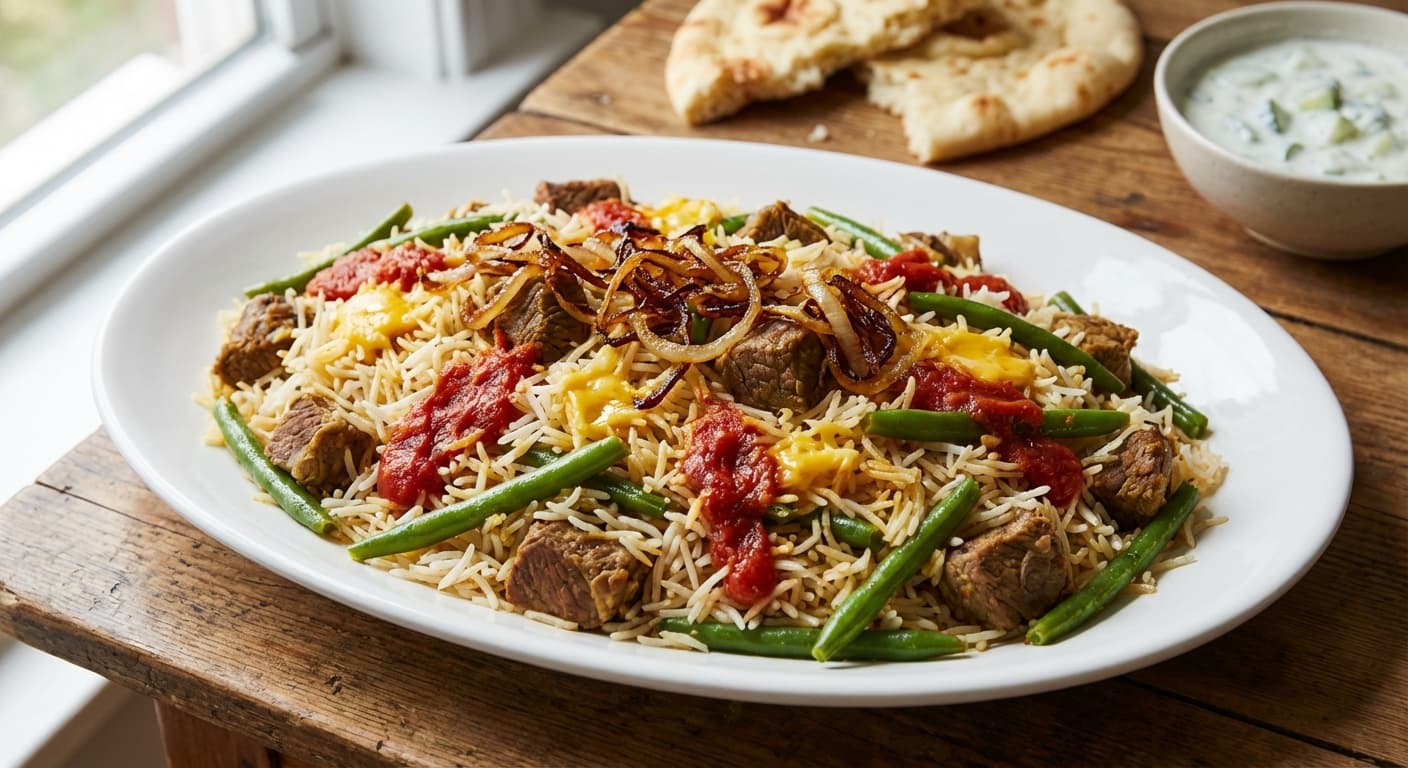
Printable Recipe Card
Servings: 6 · Total: 125 min · Difficulty: medium
Ingredients (quick list)
- 500 g Basmati rice (rinsed until water runs mostly clear)
- 2000 ml Water (for parboiling; plus more for soaking if desired)
- 12 g Fine salt (about 2 tsp, for parboil water)
- 45 ml Neutral oil (about 3 tbsp)
- 700 g Lamb shoulder (cut into 3 cm cubes)
- 250 g Yellow onion (thinly sliced)
- 12 g Garlic cloves (about 4 cloves, minced)
- 10 g Fresh ginger (finely grated)
- 45 g Tomato paste (about 3 tbsp)
- 400 g Crushed tomatoes (canned or fresh crushed)
- 450 g Green beans (trimmed and cut into 3 cm pieces)
- 4 g Ground cumin (about 2 tsp)
+ 8 more in the full ingredients section below.
Steps (summary)
- Rinse the basmati rice in several changes of cool water until the water runs mostly clear. Cover the rice with fresh water and…
- Heat 30 ml of the neutral oil in a heavy pot over medium-high heat. Add the sliced onion and cook for 10–12 minutes, stirring o…
- Add the lamb cubes to the pot and sear for 6–8 minutes until browned on multiple sides. Stir in the garlic and ginger and cook…
- Stir in the tomato paste and cook it for 2 minutes to remove any raw metallic taste. Add the crushed tomatoes, cumin, coriander…
- Pour in 250 ml of the water, bring to a gentle simmer, and cover the pot. Cook for 45 minutes over low heat, stirring once or t…
- Add the green beans and the remaining 100 ml water, then return to a simmer. Cover and cook for 20–25 minutes until the beans a…
+ 6 more steps in the full instructions section below.
Cultural Background
Lubia Polo is a home-style Afghan pilaf that reflects the region’s rice culture and love of layered, aromatic dishes. It’s commonly cooked for gatherings because it stretches meat with beans while still feeling celebratory and generous.
Equipment
💡 Tips
- For cleaner, long grains, soak the rice for 20 minutes and parboil only until the center is still slightly firm (about 6–8 minutes).
- Keep the masala thick before layering; if it is watery, simmer uncovered for 5–8 minutes so the rice steams instead of turning mushy.
- If you want a light tahdig-style crust, increase the bottom oil to 25 ml total and steam 5–7 minutes longer on very low heat.
⚠️ Common Mistakes
❌ Boiling the rice until fully cooked before steaming
✅ Fix: Parboil only until the grain is long but still firm in the center, then finish by steaming so it stays fluffy.
❌ Layering a watery masala into the rice
✅ Fix: Simmer the sauce uncovered until thick and glossy; excess liquid will make the rice gummy.
❌ Steaming on heat that is too high
✅ Fix: Use low heat and a towel-wrapped lid to trap steam; high heat can burn the bottom before the rice finishes.
🧊 How to Store
Cool leftovers within 60 minutes, then refrigerate in an airtight container for up to 3 days. Reheat covered with 30 ml water in a pot over low heat for 10–12 minutes, or microwave covered for 2–3 minutes, stirring once to heat evenly.
📅 Make Ahead
Cook the lamb-and-bean masala up to 2 days ahead and refrigerate it airtight. On the day of serving, parboil the rice, warm the masala until bubbling, then layer and steam for the freshest texture.
🍽️ Pairs Well With
- Afghan salad (cucumber-tomato)
- plain yogurt
- torshi
- naan
- fresh herbs
Regional Variations
- Kabul-style versions may add julienned carrots lightly sautéed with a small amount of sugar for a gentle sweetness.
- Some Afghan households include a pinch of dried mint in the masala for a fresher herbal note.
- In some regions, the lamb is replaced with chicken thighs and the braise time is reduced to about 25–30 minutes.
Ingredients
- 500 gBasmati rice (rinsed until water runs mostly clear)
- 2000 mlWater (for parboiling; plus more for soaking if desired)
- 12 gFine salt (about 2 tsp, for parboil water)
- 45 mlNeutral oil (about 3 tbsp)
- 700 gLamb shoulder (cut into 3 cm cubes)
- 250 gYellow onion (thinly sliced)
- 12 gGarlic cloves (about 4 cloves, minced)
- 10 gFresh ginger (finely grated)
- 45 gTomato paste (about 3 tbsp)
- 400 gCrushed tomatoes (canned or fresh crushed)
- 450 gGreen beans (trimmed and cut into 3 cm pieces)
- 4 gGround cumin (about 2 tsp)
- 3 gGround coriander (about 1 1/2 tsp)
- 2 gGround black pepper (about 1 tsp)
- 2 gGround turmeric (about 1 tsp)
- 1 gGround cinnamon (about 1/2 tsp)
- 0.5 gGround cardamom (about 1/4 tsp)
- 0.15 gSaffron threads (about a large pinch)
- 30 mlHot water (for blooming saffron)
- 30 gUnsalted butter (melted)
🔄 Substitutions
- Lamb shoulder→ Beef chuck
- Green beans→ Frozen cut green beans
- Saffron threads→ Ground saffron
Instructions
- 1
Rinse the basmati rice in several changes of cool water until the water runs mostly clear. Cover the rice with fresh water and let it soak for 20 minutes, then drain well so the grains parboil evenly.
- 2
Heat 30 ml of the neutral oil in a heavy pot over medium-high heat. Add the sliced onion and cook for 10–12 minutes, stirring often, until deeply golden; this builds the sweet base that defines the dish.
- 3
Add the lamb cubes to the pot and sear for 6–8 minutes until browned on multiple sides. Stir in the garlic and ginger and cook for 60 seconds, just until fragrant so they do not scorch.
- 4
Stir in the tomato paste and cook it for 2 minutes to remove any raw metallic taste. Add the crushed tomatoes, cumin, coriander, black pepper, turmeric, cinnamon, cardamom, and 10 g salt, then stir thoroughly to coat the lamb in the masala.
- 5
Pour in 250 ml of the water, bring to a gentle simmer, and cover the pot. Cook for 45 minutes over low heat, stirring once or twice, until the lamb is starting to turn tender and the sauce looks glossy.
- 6
Add the green beans and the remaining 100 ml water, then return to a simmer. Cover and cook for 20–25 minutes until the beans are tender but still hold their shape and the lamb is fork-tender; the sauce should be thick, not soupy.
- 7
Bring 2000 ml water to a rolling boil in a large pot and dissolve 12 g salt in it. Add the drained rice and boil for 6–8 minutes, stirring gently once, until the grains are elongated but still firm in the center.
- 8
Drain the rice in a colander and rinse quickly with 250 ml cool water to stop cooking and wash away excess surface starch. Let it drain for 2 minutes so the final steaming stage stays fluffy rather than wet.
- 9
Return the heavy pot to the stove and add the remaining 15 ml neutral oil to coat the bottom. Spoon in about one-third of the rice to form an even layer, then add all of the lamb-and-bean masala, and finish with the remaining rice; keep the top layer mostly rice for a clean presentation.
- 10
Use the handle of a wooden spoon to poke 5–6 holes down through the rice to help steam circulate. Cover the lid with a clean towel, place it tightly on the pot, and steam over low heat for 35 minutes so the flavors marry and the rice finishes cooking.
- 11
Bloom the saffron by crushing the threads and stirring them into 30 ml hot water for 5 minutes. Mix the saffron water with the melted butter, then drizzle it over the top of the rice and steam for 5 more minutes to perfume the dish.
- 12
Turn off the heat and rest the pot, covered, for 10 minutes so the grains set and stay separate. Gently fluff and fold the rice to distribute beans and lamb without breaking the grains, then serve hot from a platter.
🪪 Recipe Passport
Cultural Background
Lubia Polo is a home-style Afghan pilaf that reflects the region’s rice culture and love of layered, aromatic dishes. It’s commonly cooked for gatherings because it stretches meat with beans while still feeling celebratory and generous.
Regional Variations
Researched from multiple sources and validated by the Zaffaron editorial team. Every recipe is tested for accuracy, measurements, and cultural authenticity.
Nutrition per serving
Pairs well with
If you enjoyed this recipe, here are a few related Zaffaron recipes to try next.
Does your family make this differently?
Every family has their own version. Maybe your grandmother adds a secret ingredient, or your aunt has a completely different technique. Preserve your family's version — with their name on it, forever.
You Might Also Like
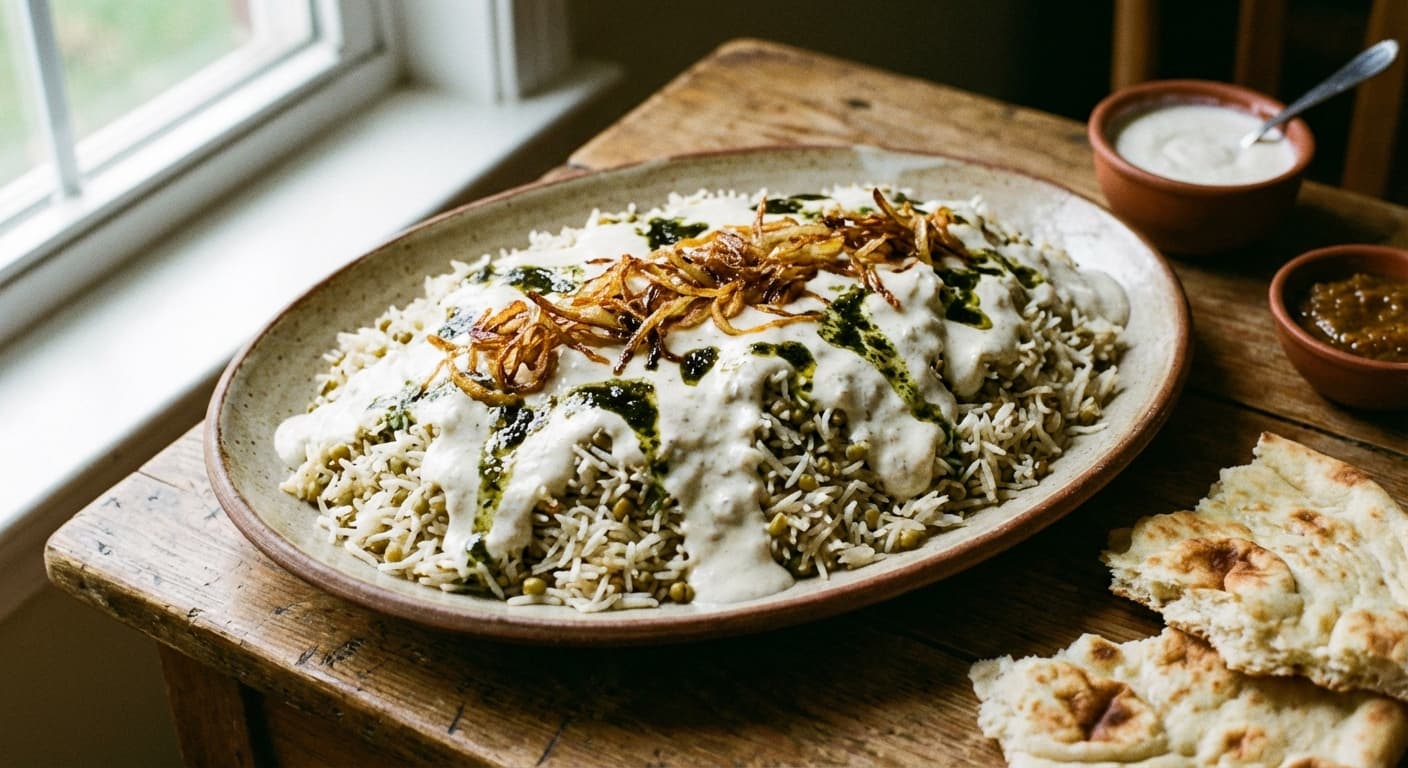
Khichiri Qorooti (خچری قروتی) — Afghan Rice and Mung Beans with Dried Yogurt Sauce
Afghan · Main Courses · 90 min
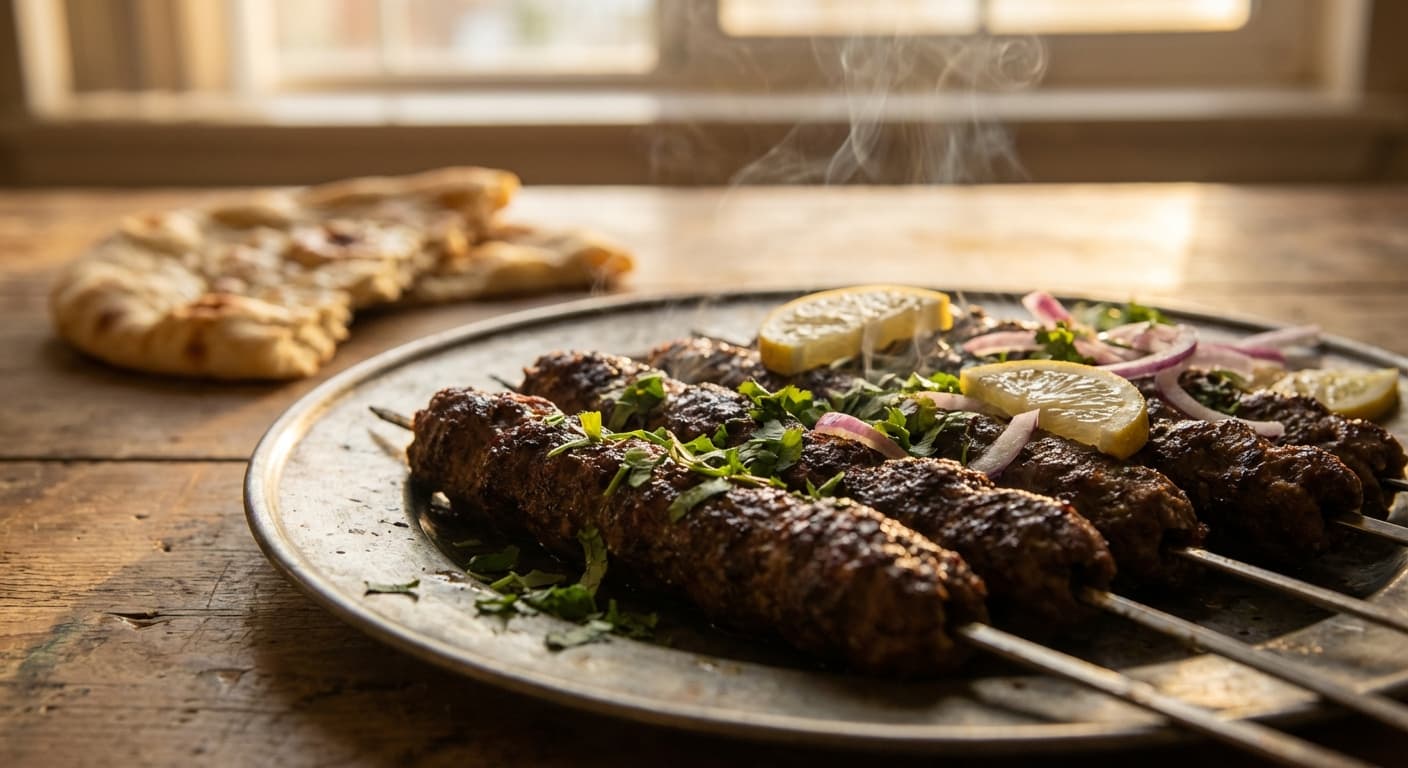
Seekh Kebab (کباب سیخی) — Afghan Grilled Minced Meat Skewers with Cumin
Afghan · Kebabs · 37 min
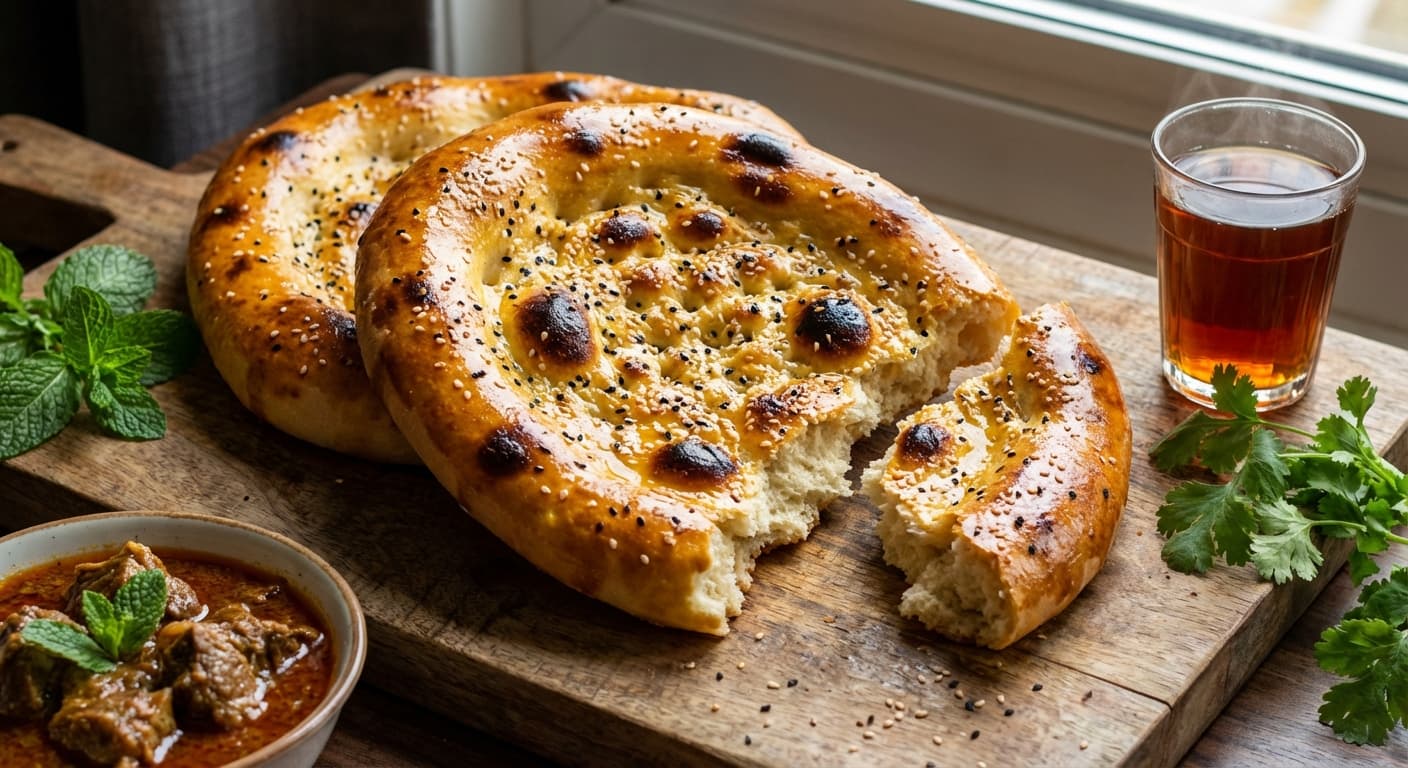
Kulcha-e Kandahari (کلچهٔ کندهاری) — Afghan Thick naan, Kandahar-style bakery bread
Afghan · Breads · 43 min
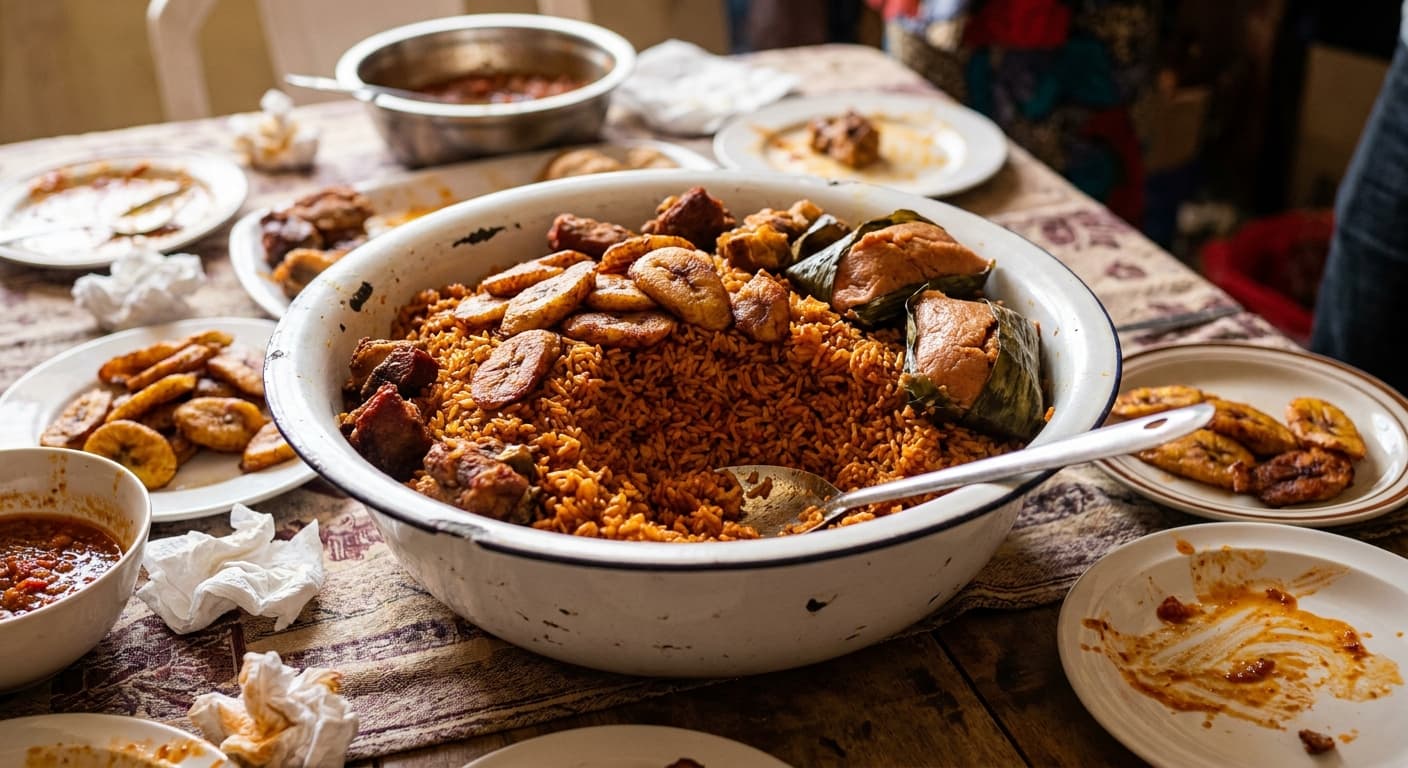
Nigerian Jollof Rice (Jollof Rice) — Smoky Party-Style Tomato Rice
West african · Rice Dishes · 80 min
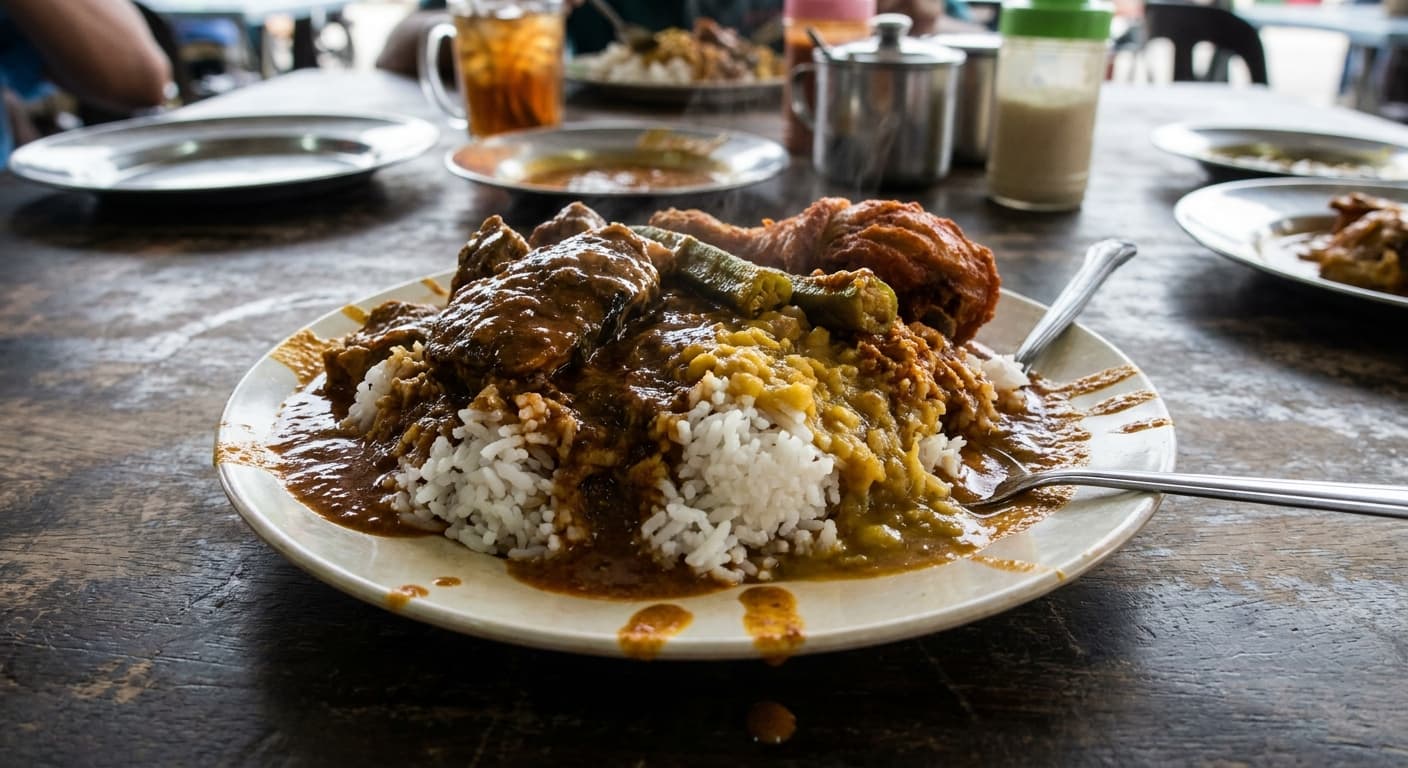
Nasi Kandar (Nasi Kandar) — Penang Mamak Curry Rice Plate
Malaysian · Rice Dishes · 110 min
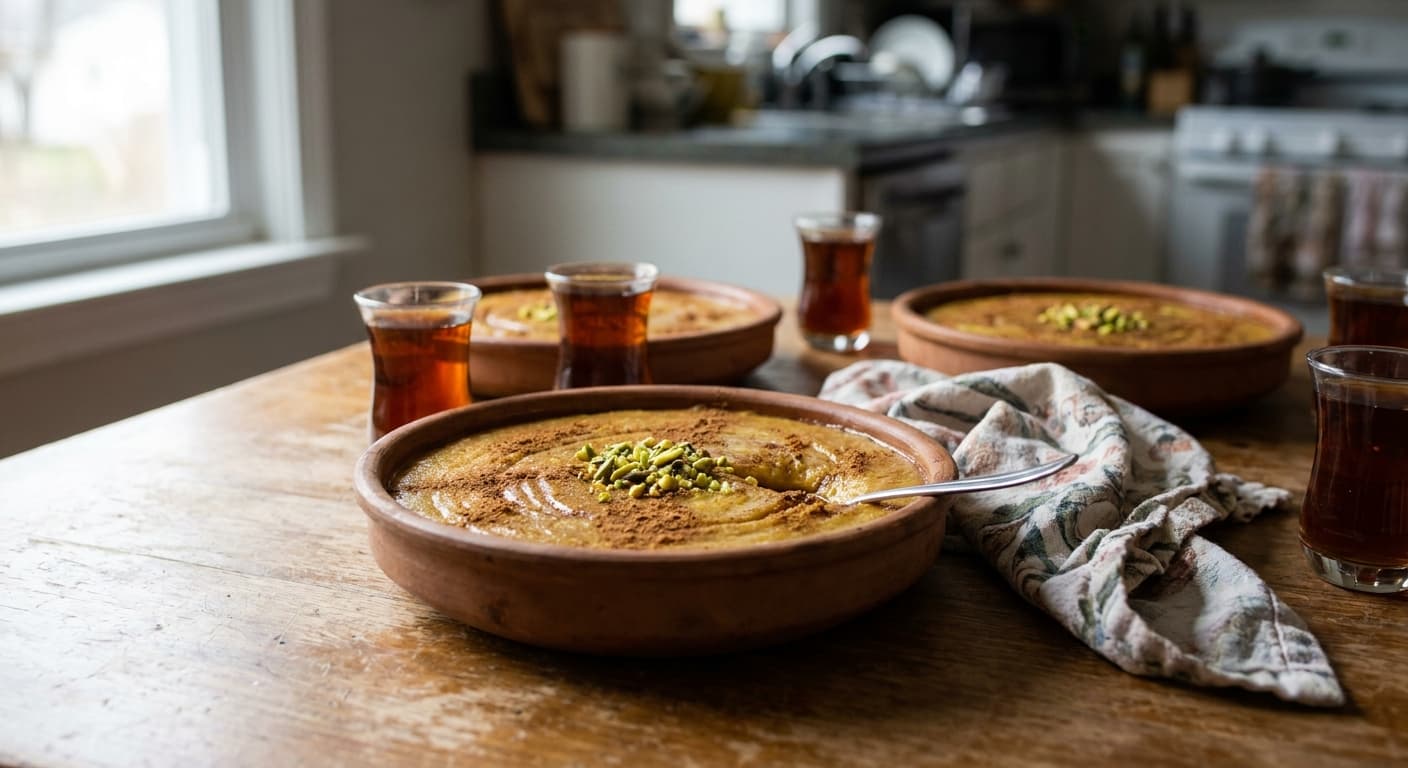
Persian Kachi (کاچی) — Saffron Rosewater Pudding
Persian · Desserts · 45 min
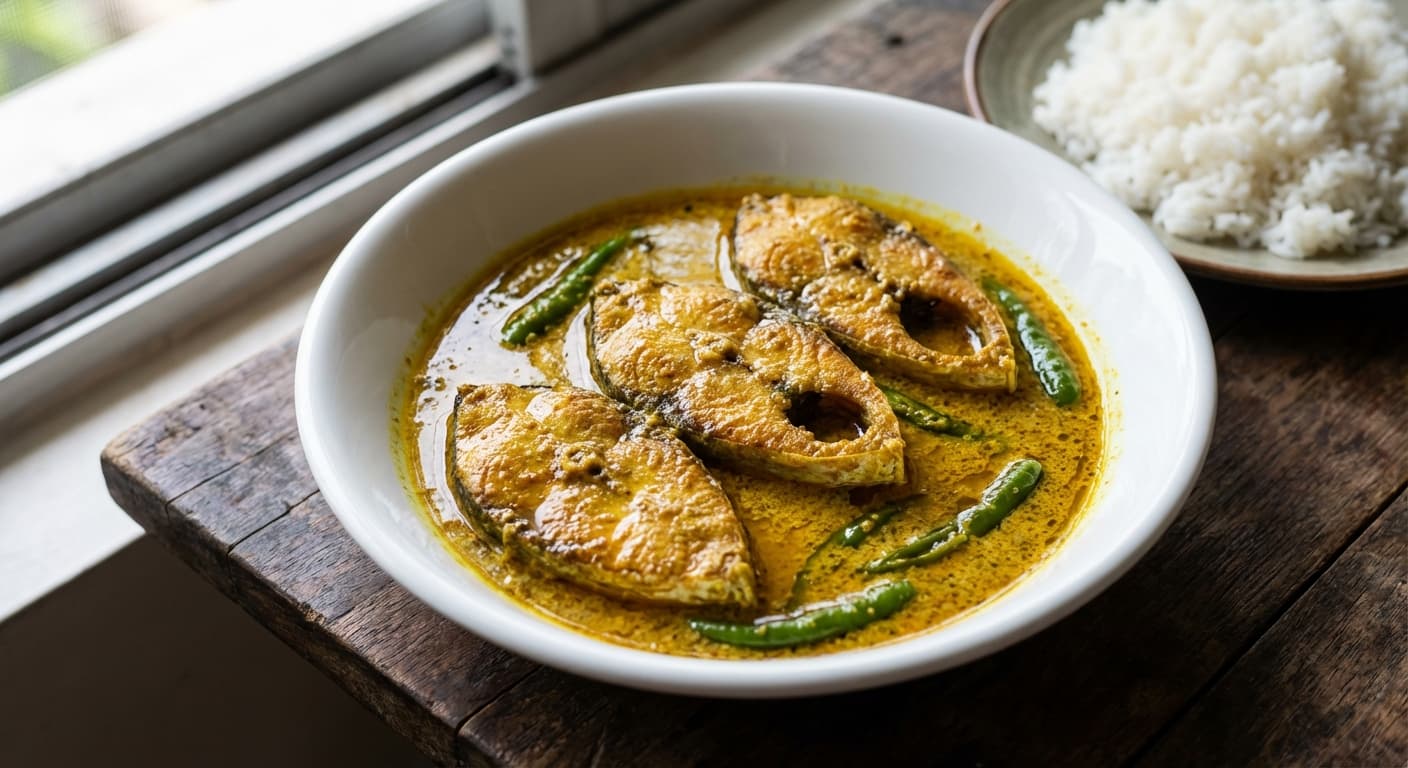
Shorshe Ilish (শরষে ইলিশ) — Hilsa in Mustard-Grreen Chili Gravy
Indian · Main Courses · 38 min
Feseekh (فسيخ) — Egyptian Salt-Cured Mullet for Sham el-Nessim
Egyptian · Main Courses · 30 min
Reviews
Cooked this recipe?
Tap the stars to rate it — that's all it takes. A few words are welcome but optional.
No ratings yet. Cooked this one? Be the first to rate it — it takes one tap.