Seafood Rice (Arroz de Marisco) — Saucy Portuguese Shellfish Rice
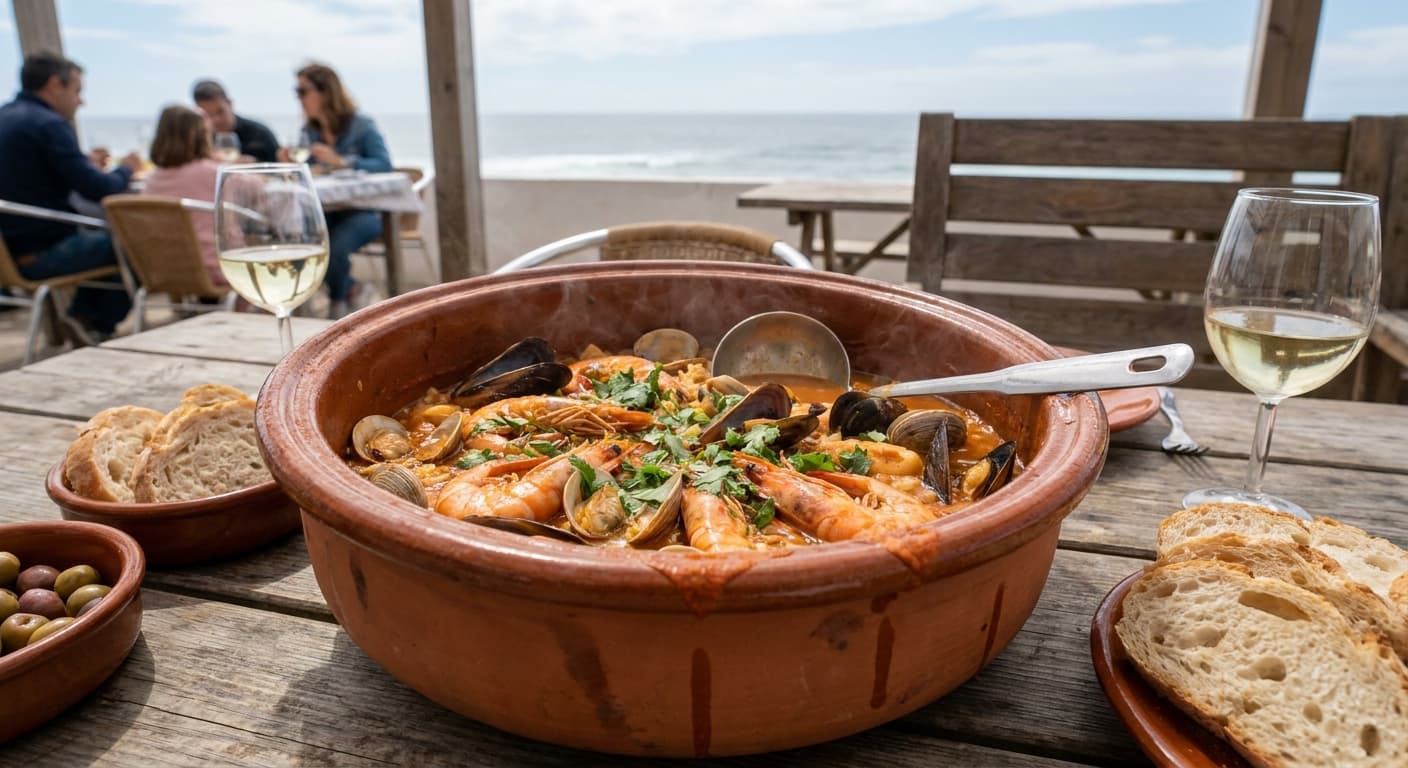
Arroz de Marisco is a beloved Portuguese coastal rice dish, especially associated with seafood restaurants and family lunches. Unlike paella, it is intentionally brothy, glossy, and spoonable, with rice absorbing shellfish juices, tomato, wine, and cilantro.
Printable Recipe Card
Servings: 6 · Total: 65 min · Difficulty: medium
Ingredients (quick list)
- 500 g live clams (scrubbed and purged)
- 500 g live mussels (scrubbed and debearded)
- 500 g shell-on raw shrimp (heads removed if preferred, shells reserved for flavor)
- 400 g monkfish fillet (cut into 3 cm chunks)
- 300 g cleaned squid (bodies sliced into rings and tentacles halved)
- 60 ml extra-virgin olive oil
- 1 large yellow onion (finely chopped)
- 4 clove garlic (minced)
- 2 leaf bay leaves
- 400 g ripe tomatoes (peeled and chopped, or use good canned chopped tomatoes)
- 30 g tomato paste
- 200 ml dry white wine
+ 8 more in the full ingredients section below.
Steps (summary)
- Inspect the clams and mussels before cooking, discarding any cracked shells and any open shells that do not close when tapped.…
- Peel the shrimp, leaving a few whole for garnish if desired, and reserve the shells. Put the shells in a small saucepan with 30…
- Warm the olive oil in a wide heavy pot or cataplana-style pan over medium heat. Add the onion, bay leaves, and 3 g of the salt,…
- Stir in the garlic, tomato paste, paprika, black pepper, and piri-piri sauce, cooking for 1 minute until fragrant. Add the chop…
- Pour in the white wine and scrape the bottom of the pot to release any concentrated tomato and onion. Simmer for 3 minutes so t…
- Stir in the carolino rice until every grain is coated with the tomato base. Add 900 ml of the hot enriched stock and the remain…
+ 4 more steps in the full instructions section below.
Cultural Background
This dish reflects Portugal's Atlantic seafood culture and the rice traditions of coastal towns. It is often served in generous pots at seafood restaurants and family tables, where the broth is as important as the rice and shellfish.
Equipment
💡 Tips
- Use carolino rice if possible because its plump grains release starch while still keeping a pleasant bite in a brothy dish.
- Keep the stock hot before adding it to the rice so the simmer stays steady and the seafood cooks evenly.
- Serve as soon as the shellfish open; waiting too long makes the rice dry and the shrimp rubbery.
⚠️ Common Mistakes
❌ Cooking the rice until dry like paella
✅ Fix: Keep extra hot stock nearby and finish with a loose, spoonable texture.
❌ Adding all seafood at the beginning
✅ Fix: Stage the squid, fish, shrimp, and shellfish so each cooks just until tender.
❌ Using bland stock
✅ Fix: Simmer the shrimp shells in part of the stock to create a deeper seafood base.
🧊 How to Store
Refrigerate leftovers in a sealed container for up to 1 day, but remove shellfish from their shells first. Reheat gently in a saucepan with 100 to 150 ml water or stock per portion until steaming hot; do not reheat more than once.
📅 Make Ahead
The refogado and enriched seafood stock can be made up to 1 day ahead and refrigerated separately. Cook the rice and seafood only just before serving so the grains stay loose and the shellfish remain tender.
🍽️ Pairs Well With
- Crusty Portuguese bread
- green salad
- lemon wedges
- piri-piri oil.
Regional Variations
- In the Lisbon and Setubal areas, the dish is often rich with clams and prawns and finished with plenty of cilantro.
- In the Algarve, cooks may add crab, lobster, or local razor clams when available.
- Some home versions use more tomato and a stronger piri-piri heat, while restaurant versions may be especially brothy.
Ingredients
- 500 glive clams (scrubbed and purged)
- 500 glive mussels (scrubbed and debearded)
- 500 gshell-on raw shrimp (heads removed if preferred, shells reserved for flavor)
- 400 gmonkfish fillet (cut into 3 cm chunks)
- 300 gcleaned squid (bodies sliced into rings and tentacles halved)
- 60 mlextra-virgin olive oil
- 1large yellow onion (finely chopped)
- 4 clovegarlic (minced)
- 2 leafbay leaves
- 400 gripe tomatoes (peeled and chopped, or use good canned chopped tomatoes)
- 30 gtomato paste
- 200 mldry white wine
- 1.2 llow-sodium fish stock (hot)
- 350 gPortuguese carolino rice
- 9 gfine sea salt
- 1 tspsweet paprika
- 0.5 tspground black pepper
- 1 tsppiri-piri sauce
- 12 sprigfresh cilantro (leaves and tender stems chopped)
- 1lemon (cut into wedges)
🔄 Substitutions
- Portuguese carolino rice→ Spanish bomba rice or Italian arborio rice
- monkfish fillet→ firm hake, cod, or sea bass fillet
- dry white wine→ 200 ml additional fish stock plus 1 tbsp lemon juice
Instructions
- 1
Inspect the clams and mussels before cooking, discarding any cracked shells and any open shells that do not close when tapped. Keep the prepared shellfish chilled while you build the base, because fresh shellfish should go into the pot cold and still alive.
- 2
Peel the shrimp, leaving a few whole for garnish if desired, and reserve the shells. Put the shells in a small saucepan with 300 ml of the measured fish stock, simmer for 10 minutes, then strain and return this enriched liquid to the remaining hot stock.
- 3
Warm the olive oil in a wide heavy pot or cataplana-style pan over medium heat. Add the onion, bay leaves, and 3 g of the salt, then cook for 8 minutes until the onion is soft, sweet, and lightly golden without browning hard.
- 4
Stir in the garlic, tomato paste, paprika, black pepper, and piri-piri sauce, cooking for 1 minute until fragrant. Add the chopped tomatoes and cook for 7 minutes, stirring often, until the mixture thickens into a rusty-red refogado.
- 5
Pour in the white wine and scrape the bottom of the pot to release any concentrated tomato and onion. Simmer for 3 minutes so the alcohol cooks off and the sauce tastes rounded rather than sharp.
- 6
Stir in the carolino rice until every grain is coated with the tomato base. Add 900 ml of the hot enriched stock and the remaining 6 g of salt, bring to a lively simmer, and cook uncovered for 10 minutes, stirring occasionally so the rice does not stick.
- 7
Add the squid and monkfish, folding them gently into the rice without breaking the fish. Continue simmering for 5 minutes, adding up to 300 ml more hot stock as needed to keep the dish loose and soupy.
- 8
Add the clams, mussels, and peeled shrimp, then cover the pot and cook for 5 to 7 minutes. The shrimp should turn pink, the mussels and clams should open, and any shellfish that remain closed after cooking must be discarded.
- 9
Remove the bay leaves and check the consistency before serving. Arroz de Marisco should be wetter than risotto, so stir in a final 100 ml of hot stock or water if the rice has tightened too much.
- 10
Fold in most of the chopped cilantro and let the pot stand off the heat for 3 minutes. Serve immediately in warm bowls with the remaining cilantro and lemon wedges, because the rice will continue absorbing broth as it sits.
🪪 Recipe Passport
Cultural Background
This dish reflects Portugal's Atlantic seafood culture and the rice traditions of coastal towns. It is often served in generous pots at seafood restaurants and family tables, where the broth is as important as the rice and shellfish.
Regional Variations
Researched from multiple sources and validated by the Zaffaron editorial team. Every recipe is tested for accuracy, measurements, and cultural authenticity.
📚 Sources & Cultural References
- Maria de Lourdes Modesto — Cozinha Tradicional Portuguesa — (1982)
- Jean Anderson — The Food of Portugal — (1986)
Sources cited by the Zaffaron editorial team during recipe research. Cultural and culinary references supporting authenticity claims.
Nutrition per serving
Pairs well with
If you enjoyed this recipe, here are a few related Zaffaron recipes to try next.
Does your family make this differently?
Every family has their own version. Maybe your grandmother adds a secret ingredient, or your aunt has a completely different technique. Preserve your family's version — with their name on it, forever.
You Might Also Like

Caldo Verde (Caldo Verde) — Portuguese Kale and Potato Soup
Portuguese · Soups · 55 min

Portuguese Salt Cod with Potatoes and Eggs (Bacalhau à Brás) — Lisbon-Style Comfort Classic
Portuguese · Main Courses · 70 min

Portuguese Custard Tarts (Pastéis de Nata) — Flaky Lisbon-Style Custard Pastries
Portuguese · Desserts · 87 min
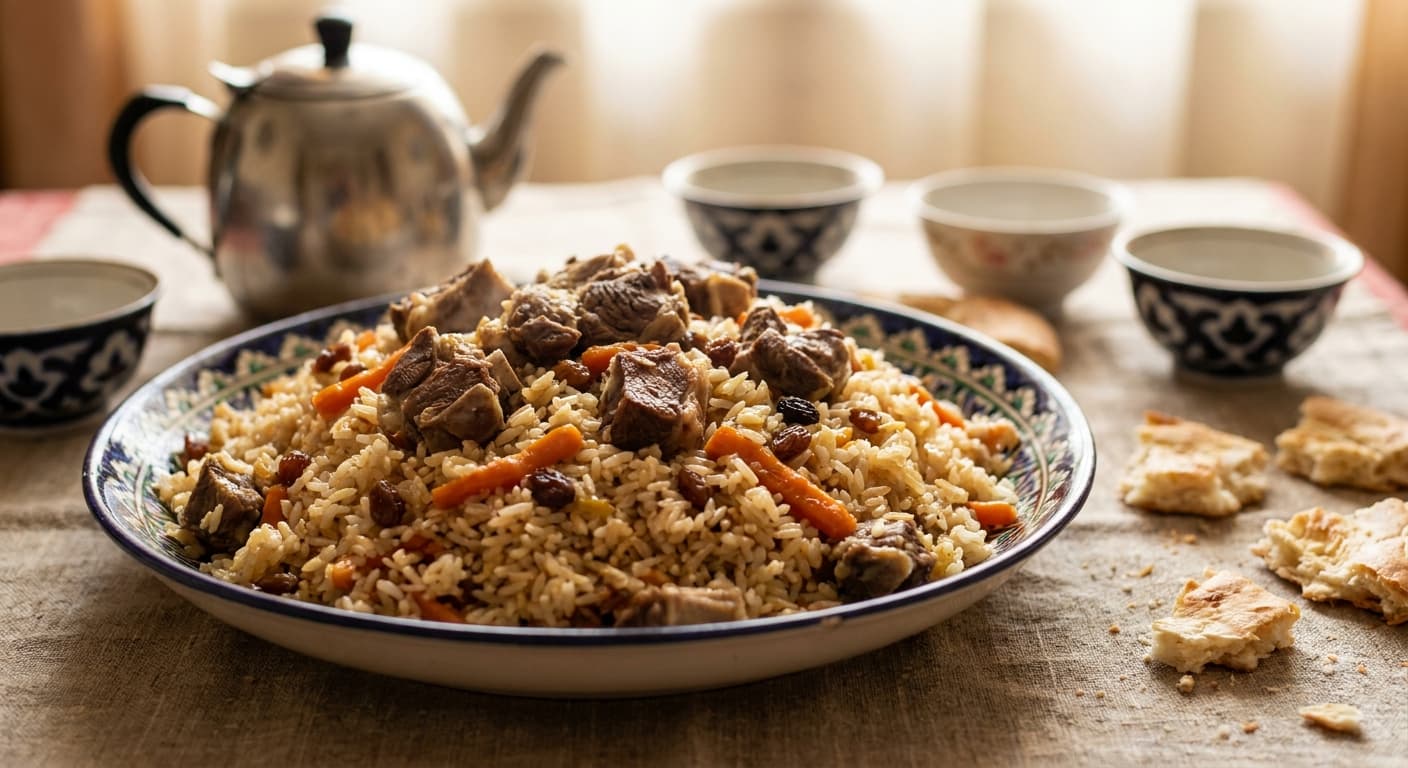
Uzbek Plov (Oʻzbek palovi) — Lamb, Rice, Carrots, and Cumin Pilaf
Uzbek · Rice Dishes · 130 min
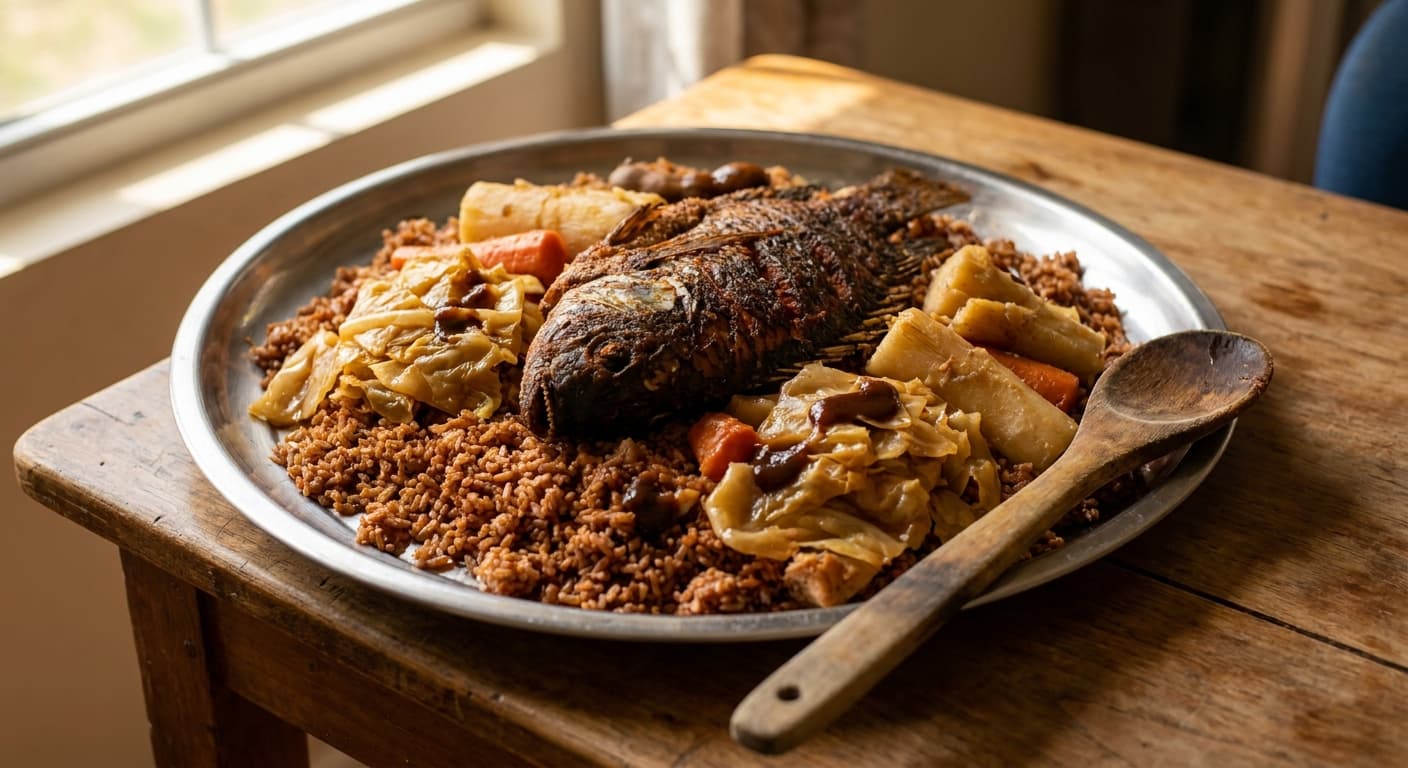
Senegalese Fish and Rice (Ceebu Jën) — Tomato-Braised National Dish
West african · Rice Dishes · 120 min

Brazilian Cheese Breads (Pão de Queijo) — Chewy Tapioca Cheese Rolls
Brazilian · Breads · 45 min
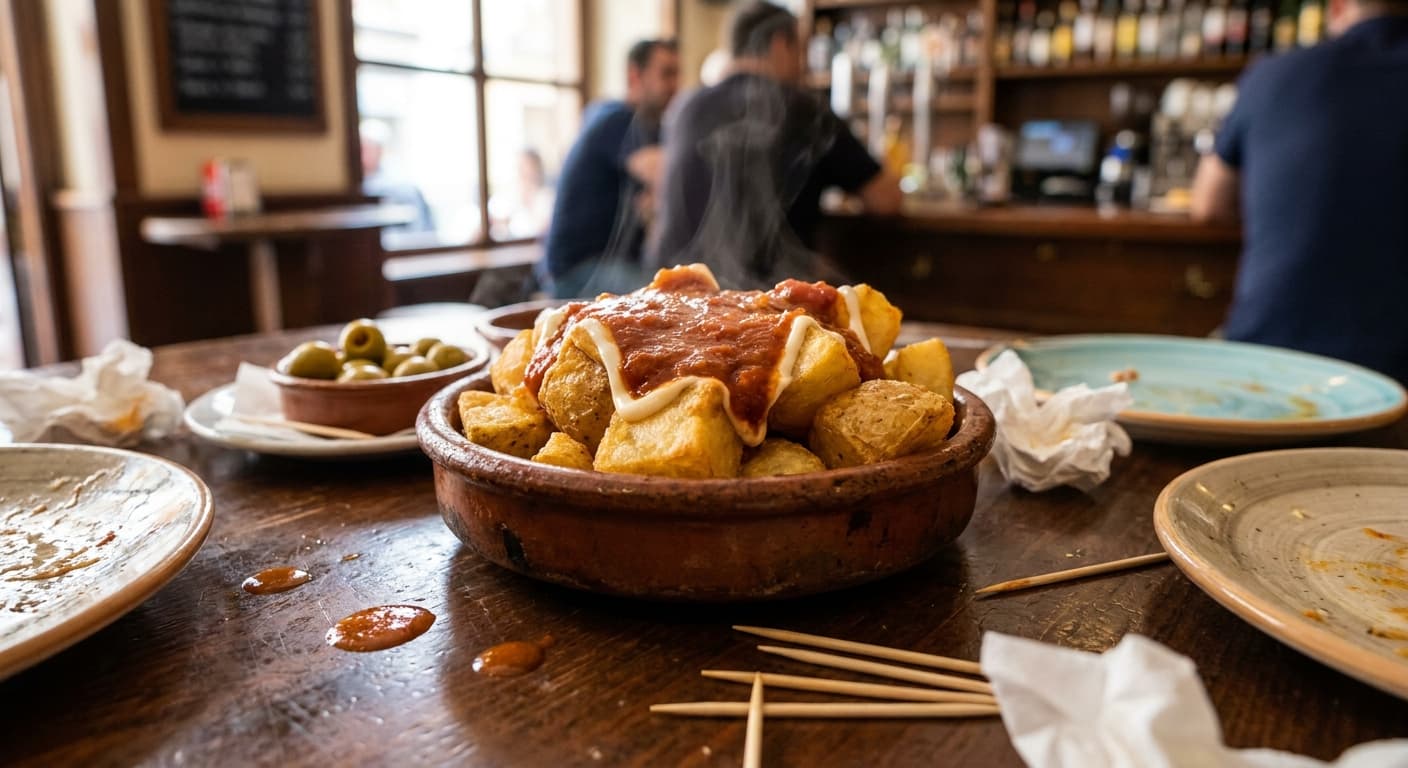
Patatas Bravas (Patatas bravas) — Crisp Spanish Tapas Potatoes with Spicy Brava Sauce
Spanish · Appetizers · 55 min
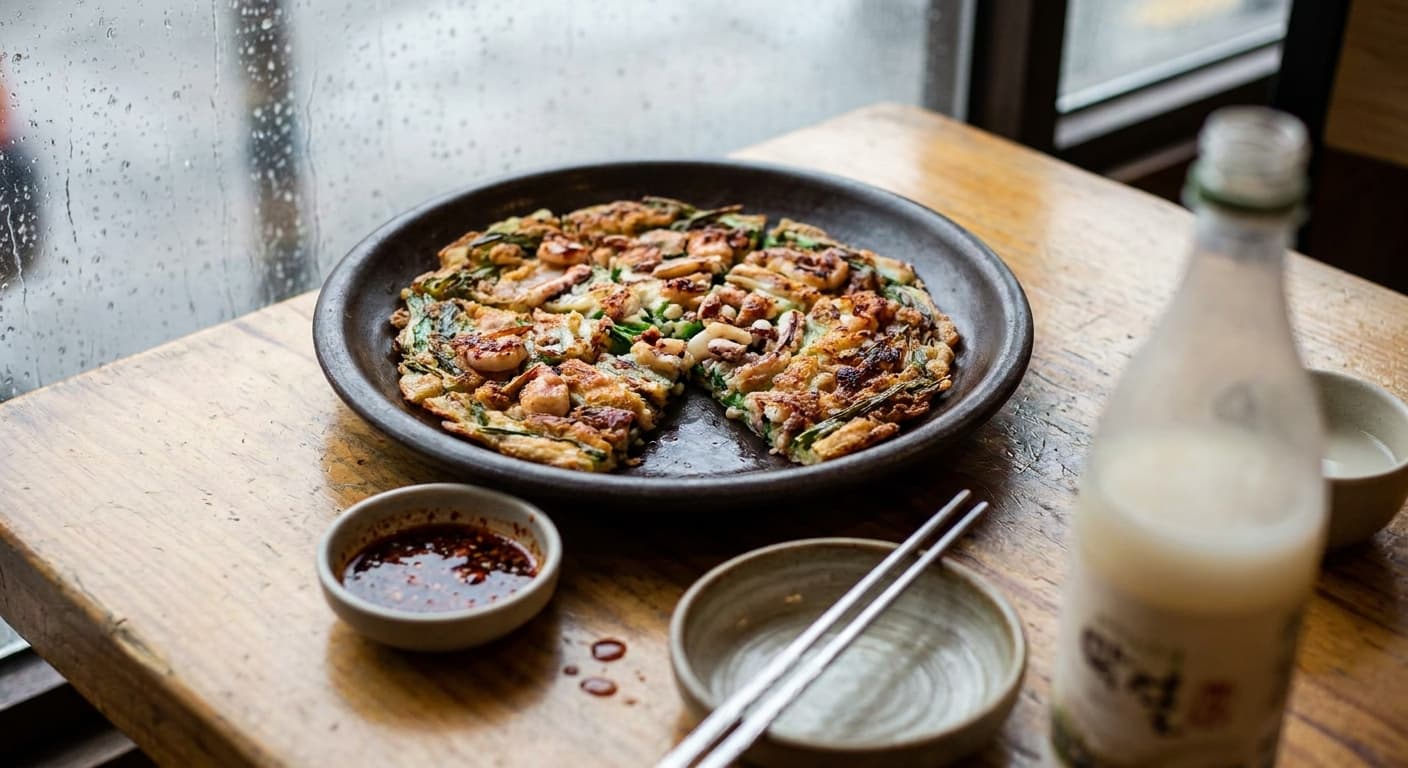
Haemul Pajeon (해물파전) — Korean Seafood Scallion Pancake
Korean · Appetizers · 41 min
Reviews
Cooked this recipe?
Tap the stars to rate it — that's all it takes. A few words are welcome but optional.
No ratings yet. Cooked this one? Be the first to rate it — it takes one tap.