Makaroni Ghalebi (ماکارونی قالبی) — Persian Saffron-Infused Spaghetti Cake
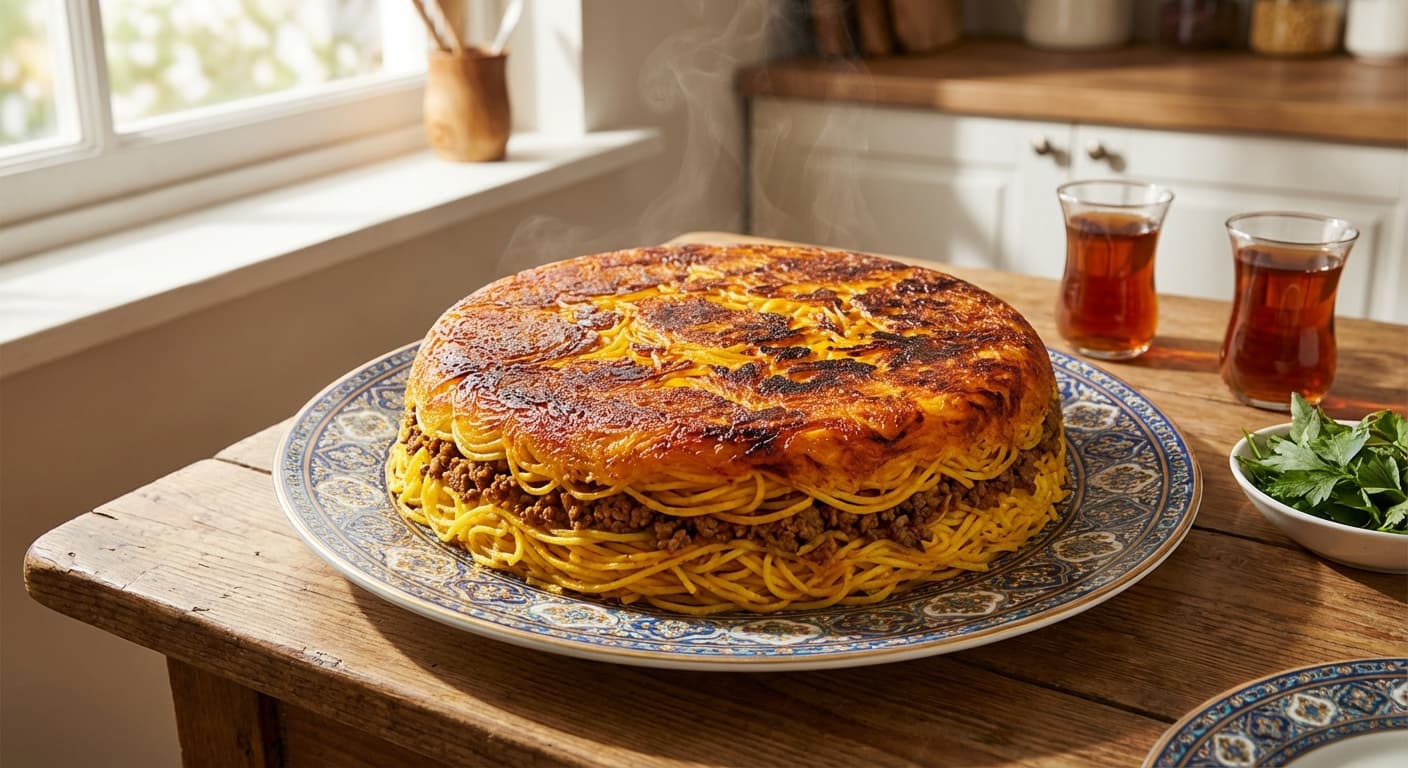
Makaroni Ghalebi is a Persian-style spaghetti cake scented with saffron and built around tahdig: a crisp, golden crust formed in the pot. Seasoned meat sauce is layered with pasta, then steamed to set and unmolded as a centerpiece.
Printable Recipe Card
Servings: 6 · Total: 120 min · Difficulty: medium
Ingredients (quick list)
- 0.25 tsp Saffron threads (ground to a powder)
- 60 ml Hot water (just off the boil)
- 400 g Spaghetti (regular thickness)
- 3000 ml Water (for boiling pasta)
- 18 g Salt (for pasta water)
- 45 ml Vegetable oil (for sautéing and coating pasta)
- 250 g Onion (finely diced)
- 350 g Ground beef (or ground chicken)
- 2 tsp Turmeric
- 1 tsp Black pepper (freshly ground)
- 60 g Tomato paste (about 4 tbsp)
- 30 ml Saffron infusion (from the prepared infusion)
Steps (summary)
- Make the saffron infusion: grind saffron to a fine powder, then stir with 60 ml hot water in a small cup. Cover and steep 15 mi…
- Cook the meat sauce: heat 45 ml vegetable oil in a skillet over medium heat. Add diced onion and sauté 8–10 minutes until deepl…
- Build flavor in the sauce: add tomato paste and fry it 2 minutes, stirring constantly, until it darkens slightly and smells swe…
- Boil the spaghetti: bring 3000 ml water to a rolling boil in a large pot, then add 18 g salt. Add spaghetti and cook 1–2 minute…
- Season the pasta with saffron: return drained spaghetti to a large bowl. Drizzle in the remaining saffron infusion (about 30 ml…
- Prepare the tahdig base: choose a 22–24 cm nonstick pot with a tight lid. Heat 30 ml vegetable oil over medium heat for 1 minut…
+ 3 more steps in the full instructions section below.
Cultural Background
Makaroni is a popular home-style dish in Iran, often prepared for family meals because it is filling and adaptable. The molded version highlights tahdig, a technique that intentionally creates a crisp bottom crust and is commonly celebrated at the table when the pot is unmolded.
Equipment
💡 Tips
- For a cleaner slice, cool the unmolded cake 10 minutes before cutting; the starch sets and the layers hold.
- If you prefer extra-crispy tahdig, extend the low-heat steaming by 10 minutes and keep the lid tightly sealed.
- Use a nonstick pot for the easiest release; if using stainless steel, preheat the oil well and rest longer before unmolding.
- Frying the tomato paste briefly is key for a deeper, less raw tomato flavor in the sauce.
⚠️ Common Mistakes
❌ Overcooking the spaghetti before steaming
💡 Why: The pasta cooks again during steaming, so fully cooked noodles turn mushy and won’t unmold neatly.
✅ Fix: Boil 1–2 minutes less than package directions and drain thoroughly; aim for firm al dente.
❌ Watery meat sauce
💡 Why: Excess liquid steams the pasta unevenly and prevents a crisp tahdig from forming.
✅ Fix: Simmer the sauce until thick and glossy; it should mound on a spoon without pooling liquid.
❌ Tahdig sticks and breaks during unmolding
💡 Why: Insufficient oil, too high heat, or unmolding while the pot is extremely hot can cause sticking.
✅ Fix: Use the measured oil, keep heat low after the initial 8 minutes, and rest covered 10 minutes before inverting.
❌ Pale, weak saffron aroma
💡 Why: Saffron needs blooming time and gentle heat; adding dry threads directly to the pot wastes aroma.
✅ Fix: Grind and steep saffron in hot water for 15 minutes, then use the infusion for both pasta and tahdig.
🧊 How to Store
Cool leftovers within 2 hours. Refrigerate airtight up to 3 days. Reheat slices in a covered skillet over low heat 6–8 minutes to re-crisp the bottom, or microwave 1–2 minutes (crust will soften). Freeze tightly wrapped slices up to 2 months; thaw overnight in the refrigerator.
📅 Make Ahead
Prepare the meat sauce up to 2 days ahead and refrigerate. On cooking day, boil pasta, assemble, and steam. For entertaining, the whole cake can be cooked 2–3 hours ahead, kept covered at room temperature, then reheated over very low heat 10–12 minutes to refresh the crust.
🍽️ Pairs Well With
- Shirazi salad (cucumber
- tomato
- onion with lemon)
- Plain yogurt or yogurt-cucumber dip
- Pickled vegetables
- Fresh herbs and radishes
Regional Variations
- Tehran-style home cookingOften includes a simple meat sauce with tomato paste and turmeric, layered with spaghetti and steamed for a firm sliceable cake, emphasizing a well-browned tahdig.
- Northern IranSome households add extra onion and a slightly tangier sauce, then steam longer on very low heat for a thicker, crunchier crust before unmolding.
- Diaspora kitchensThe dish is sometimes baked in a bundt or loaf pan after layering, producing a more uniform cake shape while still aiming for a crisp outer crust.
Ingredients
- 0.25 tspSaffron threads (ground to a powder)
- 60 mlHot water (just off the boil)
- 400 gSpaghetti (regular thickness)
- 3000 mlWater (for boiling pasta)
- 18 gSalt (for pasta water)
- 45 mlVegetable oil (for sautéing and coating pasta)
- 250 gOnion (finely diced)
- 350 gGround beef (or ground chicken)
- 2 tspTurmeric
- 1 tspBlack pepper (freshly ground)
- 60 gTomato paste (about 4 tbsp)
- 30 mlSaffron infusion (from the prepared infusion)
🔄 Substitutions
- Ground beef→ Ground chicken or ground turkey
- Saffron threads→ 1/2 tsp ground saffron
- Vegetable oil→ Ghee or clarified butter
Instructions
- 1
Make the saffron infusion: grind saffron to a fine powder, then stir with 60 ml hot water in a small cup. Cover and steep 15 minutes so the color blooms fully. Set aside; you will use some for the tahdig and the rest to perfume the pasta during assembly.
- 2
Cook the meat sauce: heat 45 ml vegetable oil in a skillet over medium heat. Add diced onion and sauté 8–10 minutes until deeply golden. Add ground beef (or chicken) and cook 6–8 minutes, breaking it up, until no pink remains. Stir in turmeric and black pepper for 30 seconds until fragrant.
- 3
Build flavor in the sauce: add tomato paste and fry it 2 minutes, stirring constantly, until it darkens slightly and smells sweet. Add 240 ml water and 4 g salt, bring to a simmer, then reduce to medium-low and cook 12–15 minutes until thick, glossy, and spoonable (not watery).
- 4
Boil the spaghetti: bring 3000 ml water to a rolling boil in a large pot, then add 18 g salt. Add spaghetti and cook 1–2 minutes less than package directions (typically 7–8 minutes total), aiming for firm al dente because it will steam again. Drain well and shake off excess water.
- 5
Season the pasta with saffron: return drained spaghetti to a large bowl. Drizzle in the remaining saffron infusion (about 30 ml) and toss until lightly golden and evenly scented. If the strands clump, toss for 30–60 seconds more; the goal is separate strands so the cake unmolds cleanly.
- 6
Prepare the tahdig base: choose a 22–24 cm nonstick pot with a tight lid. Heat 30 ml vegetable oil over medium heat for 1 minute, then swirl to coat the bottom. Add 30 ml saffron infusion and tilt to distribute; the oil-saffron mix should shimmer but not smoke.
- 7
Layer and compress: add one-third of the spaghetti to the pot and press firmly with a spatula to form an even layer. Spoon half the meat sauce over it. Repeat with another third of spaghetti and the remaining sauce, then finish with the last third of spaghetti. Press down firmly to compact the layers.
- 8
Steam to set the cake: wrap the lid in a clean kitchen towel (to catch condensation) and cover the pot. Cook 8 minutes over medium heat to start the crust, then reduce to low and steam 45 minutes. You should hear gentle sizzling; if it is silent, raise heat slightly for 1–2 minutes.
- 9
Unmold and serve: turn off heat and rest, covered, 10 minutes so the crust releases. Run a thin spatula around the edge. Place a large plate over the pot and invert in one confident motion. Let the pot sit upside down 30 seconds, then lift to reveal a crisp saffron-golden tahdig.
🪪 Recipe Passport
Cultural Background
Makaroni is a popular home-style dish in Iran, often prepared for family meals because it is filling and adaptable. The molded version highlights tahdig, a technique that intentionally creates a crisp bottom crust and is commonly celebrated at the table when the pot is unmolded.
Regional Variations
Researched from multiple sources and validated by the Zaffaron editorial team. Every recipe is tested for accuracy, measurements, and cultural authenticity.
Nutrition per serving
Pairs well with
If you enjoyed this recipe, here are a few related Zaffaron recipes to try next.
Does your family make this differently?
Every family has their own version. Maybe your grandmother adds a secret ingredient, or your aunt has a completely different technique. Preserve your family's version — with their name on it, forever.
You Might Also Like
Persian Kachi (کاچی) — Saffron Rosewater Pudding
Persian · Desserts · 45 min
Persian Khoresht Saak (خورش ساک) — Saffron-Cardamom Lamb Stew with Saak Greens
Persian · Stews · 145 min
Khoresh Tareh Farangi (خورش تره فرنگی) — Persian Leek and Lamb Stew
Persian · Stews · 130 min
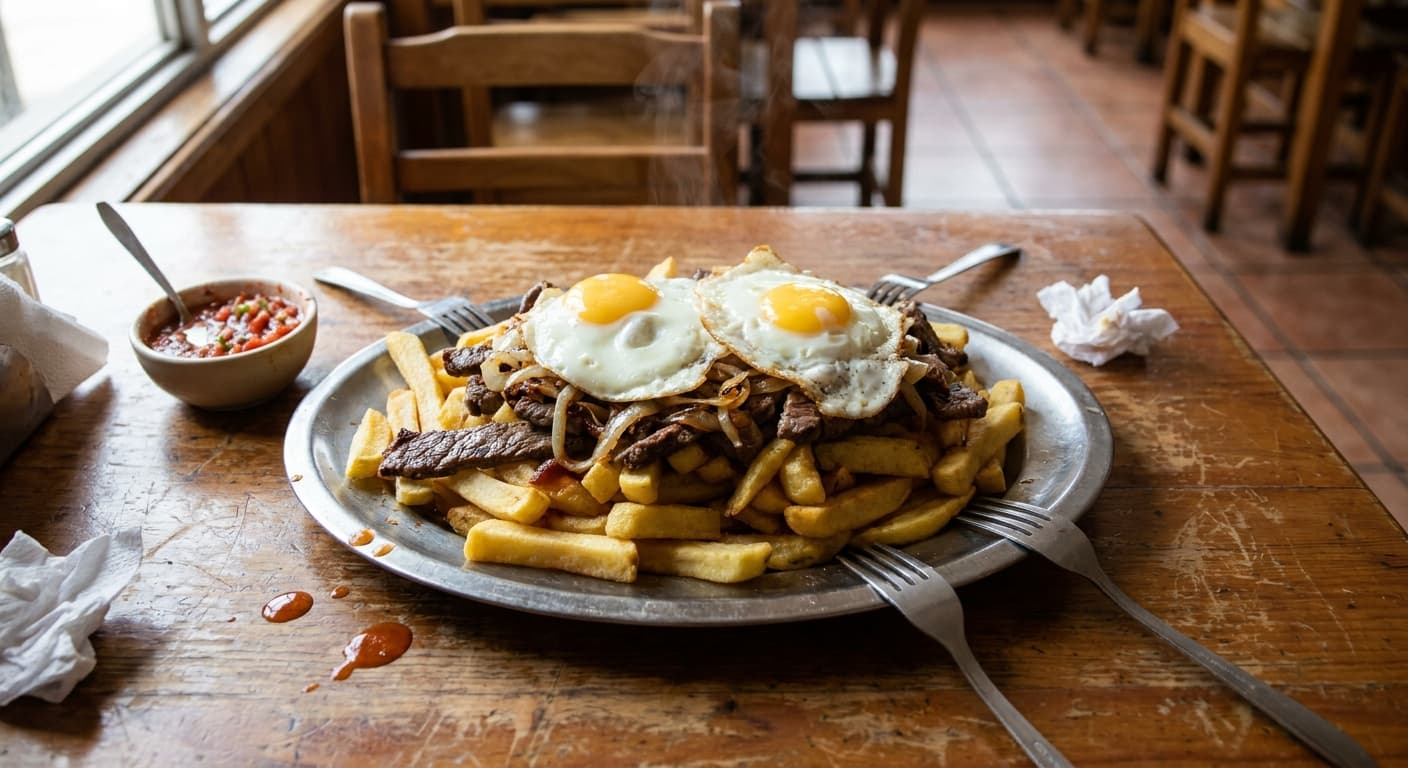
Chorrillana (Chorrillana) — Chilean Loaded Fries with Beef and Eggs
Chilean · Main Courses · 60 min
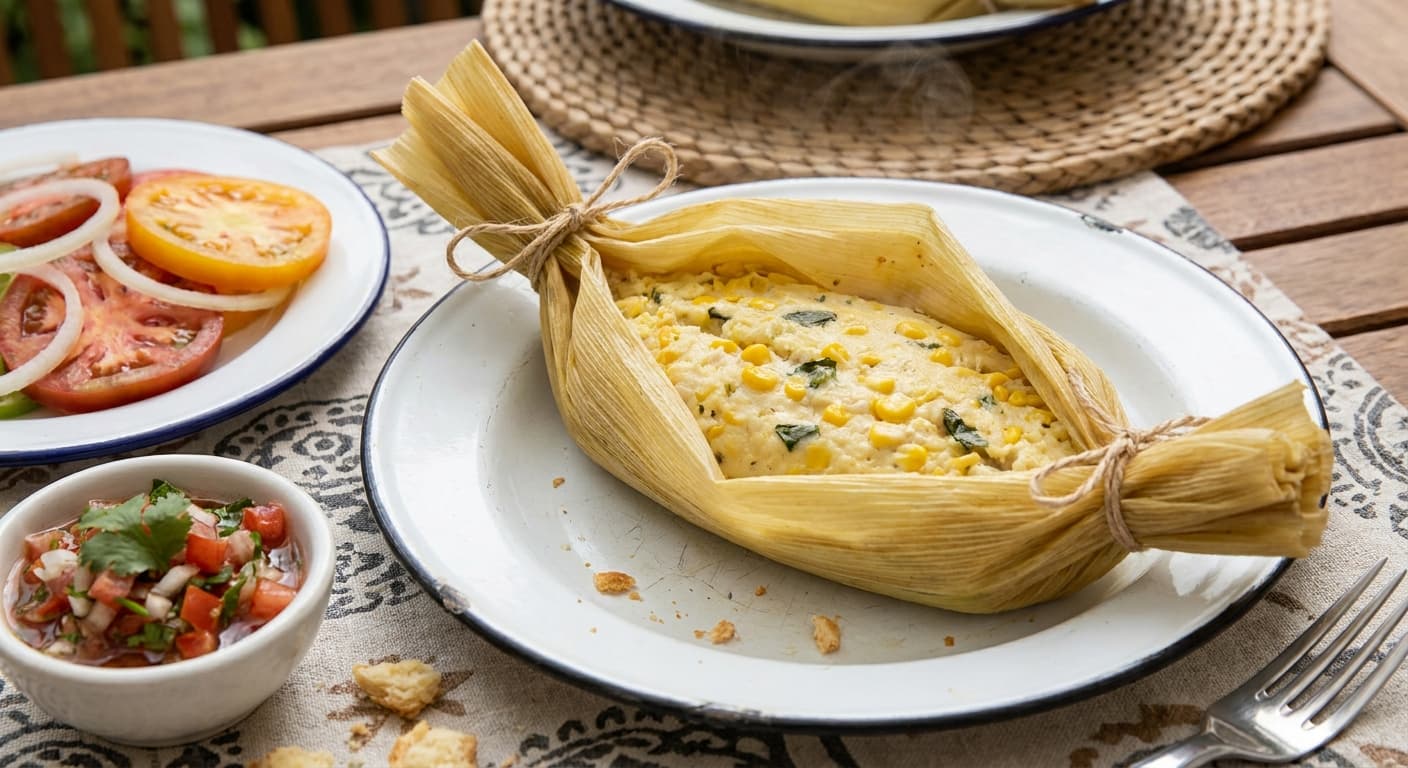
Chilean Humitas (Humitas) — Fresh Corn Parcels with Basil
Chilean · Main Courses · 90 min
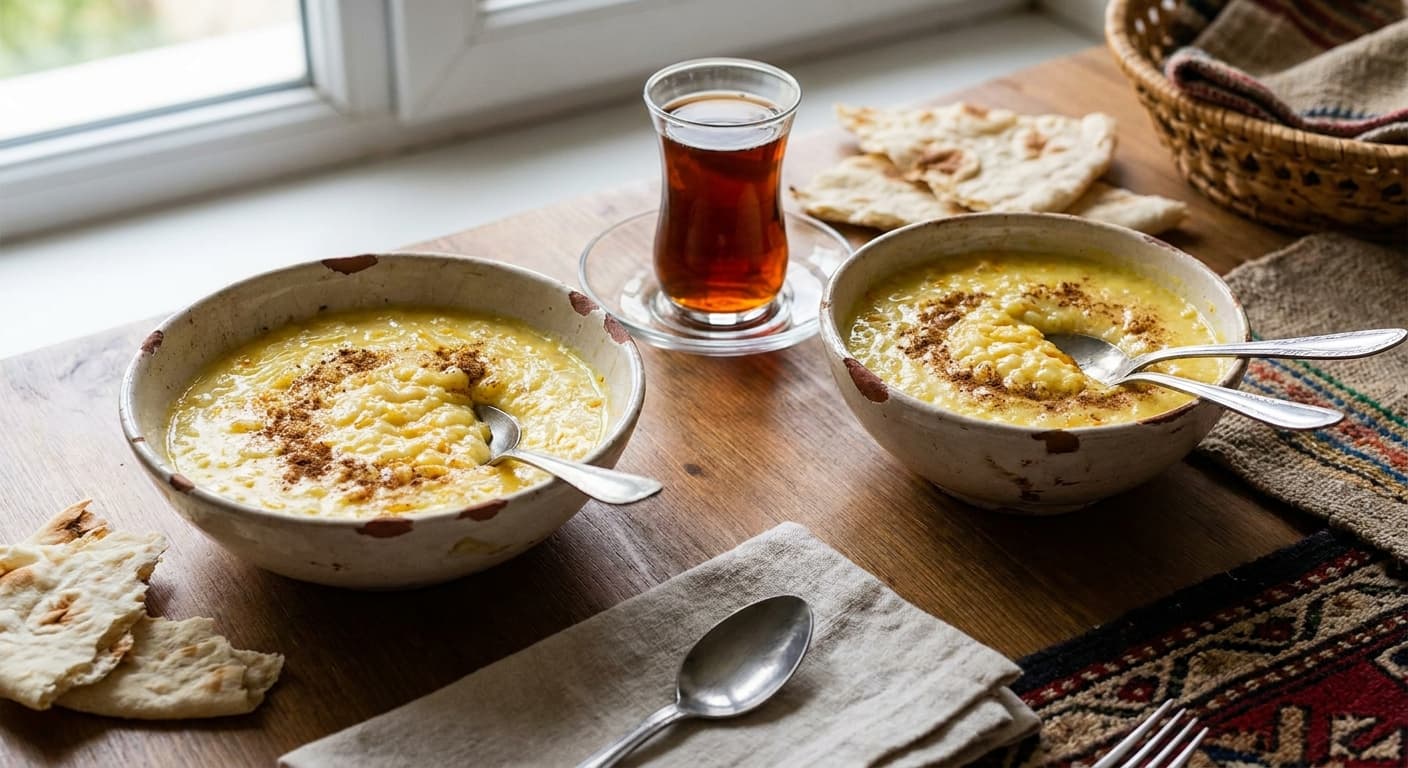
Azerbaijani Milk-Rice Porridge (Südlü Sıyıq) — Creamy Breakfast Rice with Saffron
Azerbaijani · Rice Dishes · 50 min
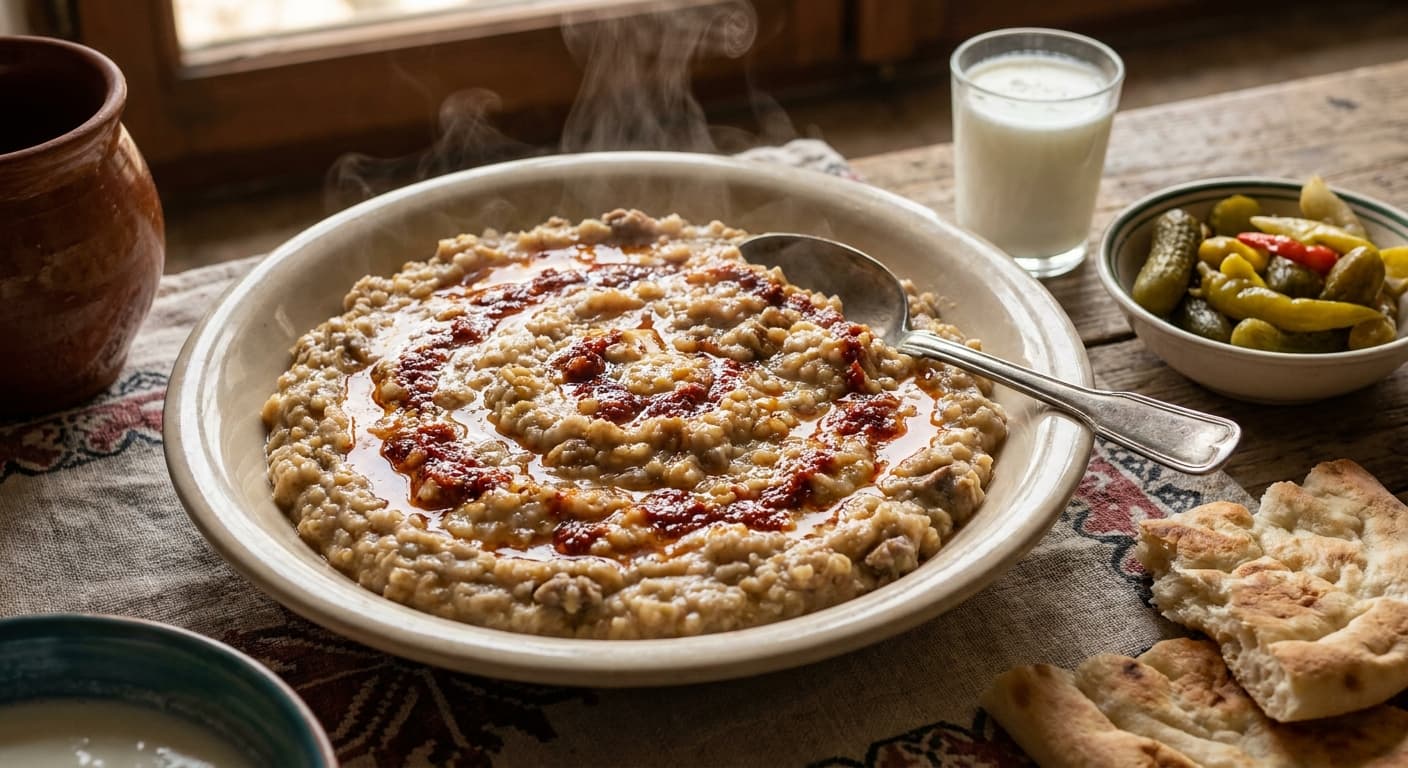
Keshkek (Keşkek) — Creamy Ceremonial Wheat and Lamb Stew
Turkish · Stews · 240 min
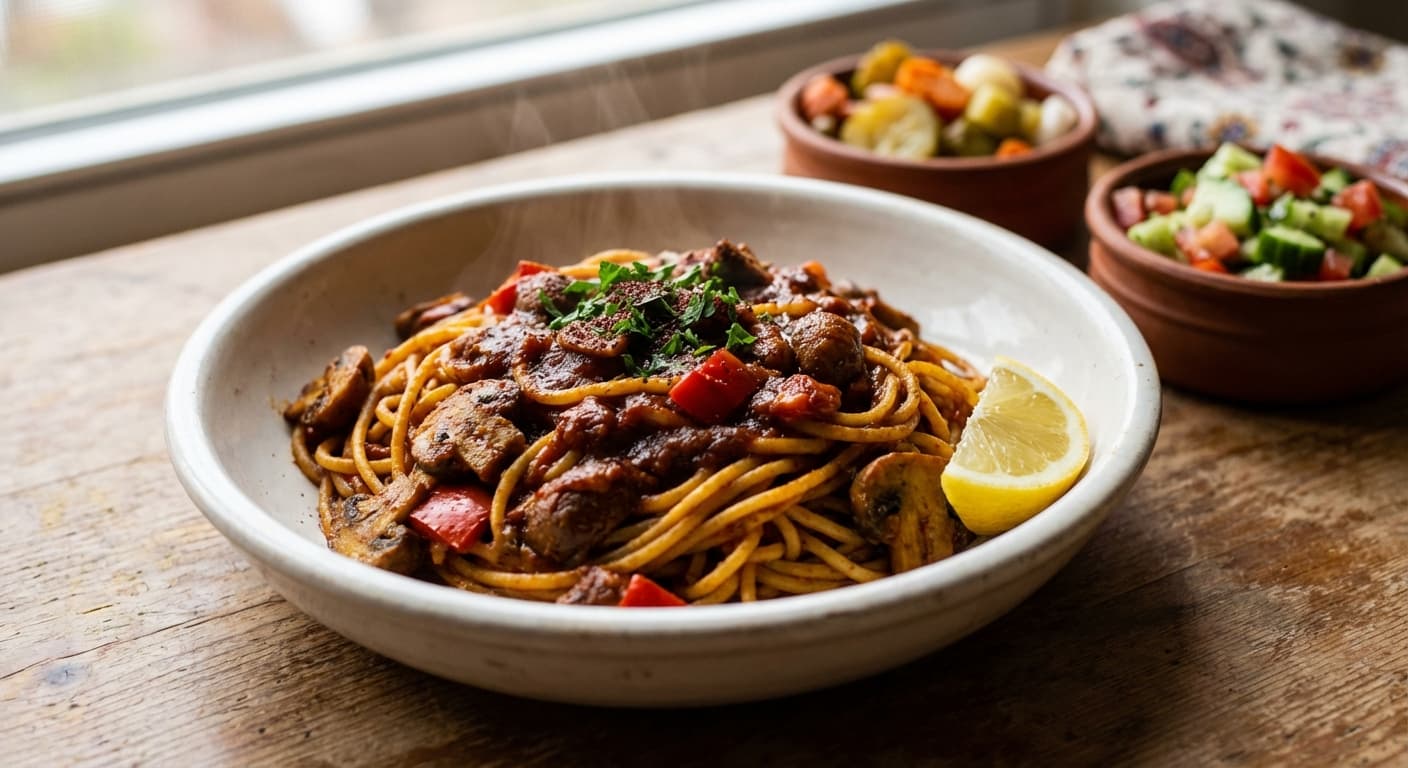
Persian-Style Mushroom Spaghetti (اسپاگتی با قارچ) — Turmeric-Scented Tomato Mushroom Pasta
Persian · Main Courses · 50 min
Reviews
Cooked this recipe?
Tap the stars to rate it — that's all it takes. A few words are welcome but optional.
No ratings yet. Cooked this one? Be the first to rate it — it takes one tap.