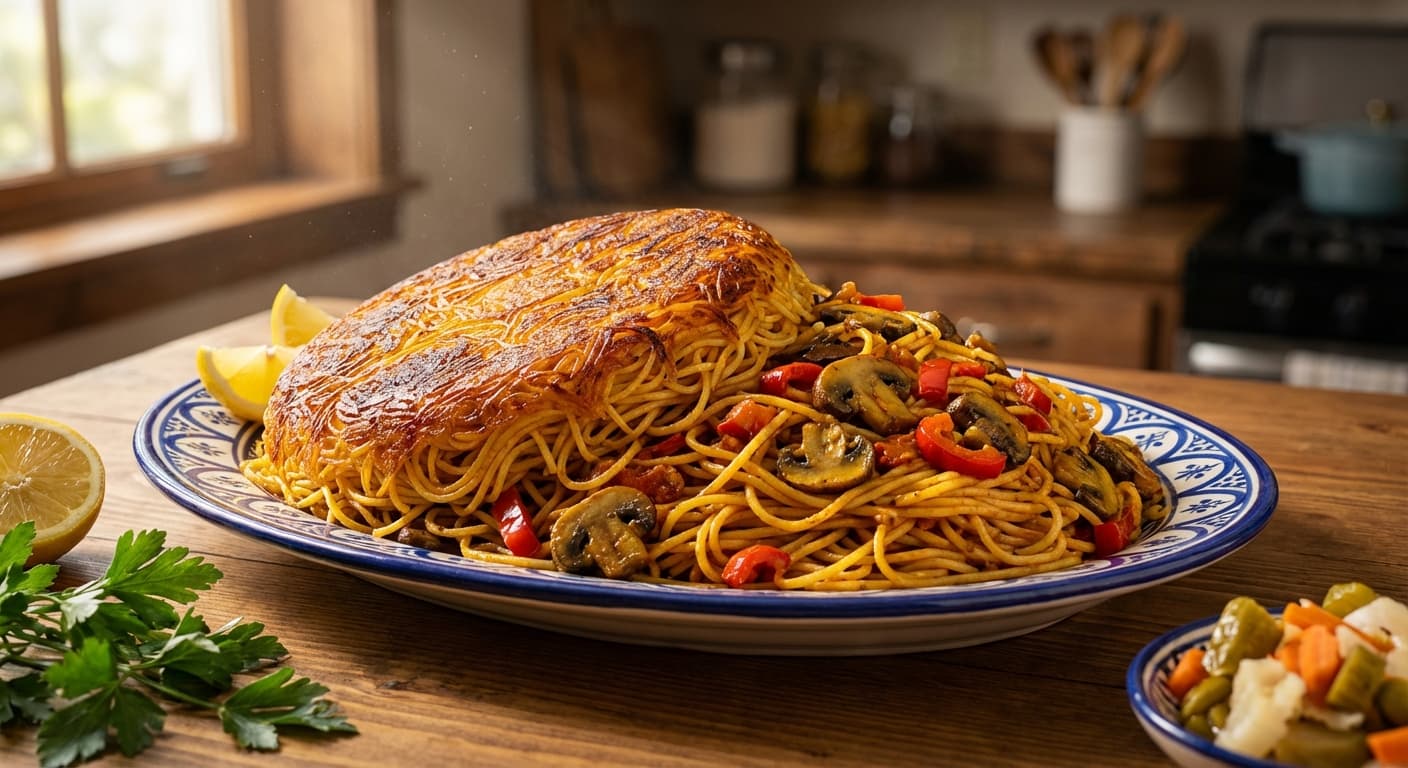
Esphageti Ba Gharch (اسپاگتی با قارچ) — Persian-Style Mushroom Spaghetti
Persian-style mushroom spaghetti scented with turmeric and a hint of cinnamon, finished with lemon and tomato paste. The pasta is steamed to create a golden, crispy tahdig crust—an Iranian home-cooking favorite.
Printable Recipe Card
Servings: 4 · Total: 65 min · Difficulty: medium
Ingredients (quick list)
- 400 g Spaghetti (regular wheat spaghetti)
- 3.8 L Water (for boiling pasta)
- 18 g Salt (for pasta water (about 1 tablespoon))
- 200 g Onion (thinly sliced)
- 450 g Cremini mushrooms (sliced 5 mm thick)
- 200 g Bell peppers (thinly sliced; use a mix of red and green if possible)
- 60 ml Neutral oil (such as sunflower or canola, divided)
- 45 g Tomato paste (3 tablespoons)
- 2 tsp Turmeric (ground)
- 0.5 tsp Ground cinnamon (use true cinnamon if available)
- 1 tsp Black pepper (freshly ground)
- 30 ml Lemon juice (freshly squeezed (2 tablespoons))
Steps (summary)
- Prep the vegetables so cooking stays fast: slice the onion thinly, slice mushrooms about 5 mm thick, and cut bell peppers into…
- Cook the spaghetti until just under al dente: add 400 g spaghetti to the boiling salted water and stir for 30 seconds to preven…
- Build the Persian-style mushroom base: heat 30 ml of the oil in a wide skillet over medium heat. Add the sliced onion and sauté…
- Season and deepen the color: add bell peppers and sauté 3–4 minutes until slightly softened but still bright. Push vegetables t…
- Moisten the sauce for steaming: add 120 ml water and scrape the pan to dissolve any browned bits. Simmer 3–5 minutes until the…
- Set up the tahdig (crispy crust): in a nonstick pot (24–26 cm), heat the remaining 15 ml oil over medium heat for 60–90 seconds…
+ 2 more steps in the full instructions section below.
Cultural Background
Persian-style spaghetti is a common Iranian home dish that adapts imported pasta to local flavor preferences, often using turmeric and tomato paste. Steaming the pasta to create tahdig reflects a broader Iranian cooking technique used in rice and pasta dishes for a prized crispy crust.
Equipment
💡 Tips
- For best tahdig, use a nonstick pot and keep the steaming heat very low after the first 5 minutes.
- If mushrooms look dry, add 1–2 tablespoons water while sautéing; if they look wet, keep cooking until the pan is nearly dry before adding tomato paste.
- Frying tomato paste in oil for a full 2 minutes removes raw flavor and gives the signature deep color.
- Covering the lid with a towel absorbs condensation so the pasta steams rather than gets soggy.
- If you prefer a stronger citrus note, add an extra 1 tablespoon lemon juice at the table instead of in the pot.
⚠️ Common Mistakes
❌ Boiling the pasta fully before steaming
💡 Why: Steaming continues cooking; fully cooked pasta turns soft and clumps, and tahdig can become greasy.
✅ Fix: Drain 1–2 minutes early (just under al dente) and finish by steaming for the full time.
❌ Skipping the tomato paste frying step
💡 Why: Uncooked tomato paste tastes raw and can make the sauce sharp rather than rounded.
✅ Fix: Fry tomato paste in oil for 2 minutes until darkened, then add water to loosen.
❌ Steaming on heat that is too high
💡 Why: High heat can burn the bottom before the pasta steams through, producing bitter tahdig.
✅ Fix: After the pot is loaded, keep heat low and use a towel-wrapped lid to control moisture.
❌ Using a watery mushroom mixture
💡 Why: Excess liquid makes the pasta soggy and prevents a crisp crust from forming.
✅ Fix: Cook mushrooms until their liquid evaporates; the final mixture should be saucy, not soupy.
🧊 How to Store
Refrigerate leftovers in an airtight container for up to 3 days. Reheat covered in a skillet with 2–3 tablespoons water over low heat for 6–8 minutes. Tahdig will soften in the fridge; re-crisp in a lightly oiled nonstick pan over medium-low heat for 3–5 minutes.
📅 Make Ahead
Slice vegetables up to 24 hours ahead and refrigerate in separate containers. Cook the sauce up to 2 days ahead; rewarm with 2–3 tablespoons water before mixing with pasta. For best tahdig, boil and steam the pasta just before serving.
🍽️ Pairs Well With
- Shirazi salad (cucumber-tomato-onion salad)
- Plain yogurt or yogurt with dried mint
- Pickled vegetables
- Fresh herbs and radishes
Regional Variations
- Tehran-style home cookingOften includes more bell pepper and a slightly sweeter profile from longer-sautéed onions; tahdig is commonly encouraged by using a thin layer of sauce at the bottom of the pot.
- Northern Iran-inspiredSome households add extra lemon juice for a brighter finish and keep vegetables more abundant, creating a lighter, more tangy sauce while still steaming the pasta for a crust.
Ingredients
- 400 gSpaghetti (regular wheat spaghetti)
- 3.8 lWater (for boiling pasta)
- 18 gSalt (for pasta water (about 1 tablespoon))
- 200 gOnion (thinly sliced)
- 450 gCremini mushrooms (sliced 5 mm thick)
- 200 gBell peppers (thinly sliced; use a mix of red and green if possible)
- 60 mlNeutral oil (such as sunflower or canola, divided)
- 45 gTomato paste (3 tablespoons)
- 2 tspTurmeric (ground)
- 0.5 tspGround cinnamon (use true cinnamon if available)
- 1 tspBlack pepper (freshly ground)
- 30 mlLemon juice (freshly squeezed (2 tablespoons))
🔄 Substitutions
- Cremini mushrooms→ White button mushrooms or a mix of oyster and button mushrooms
- Spaghetti (wheat)→ Gluten-free spaghetti (corn-rice blend)
- Neutral oil→ Olive oil
Instructions
- 1
Prep the vegetables so cooking stays fast: slice the onion thinly, slice mushrooms about 5 mm thick, and cut bell peppers into thin strips. Measure spices and tomato paste. Bring 3.8 L water to a rolling boil in a large pot, then add 18 g salt and keep the heat high.
- 2
Cook the spaghetti until just under al dente: add 400 g spaghetti to the boiling salted water and stir for 30 seconds to prevent sticking. Boil 1–2 minutes less than the package directions (typically 7–9 minutes total). Drain well in a colander; do not rinse.
- 3
Build the Persian-style mushroom base: heat 30 ml of the oil in a wide skillet over medium heat. Add the sliced onion and sauté 8–10 minutes, stirring often, until soft and lightly golden. Add mushrooms and cook 8–10 minutes until their liquid releases and mostly evaporates.
- 4
Season and deepen the color: add bell peppers and sauté 3–4 minutes until slightly softened but still bright. Push vegetables to the sides, add tomato paste to the center with 15 ml oil, and fry 2 minutes until brick-red. Stir in turmeric, cinnamon, black pepper, and 6 g salt for 30 seconds.
- 5
Moisten the sauce for steaming: add 120 ml water and scrape the pan to dissolve any browned bits. Simmer 3–5 minutes until the mixture is saucy but not watery. Turn off heat and stir in 30 ml lemon juice. Taste and adjust salt and pepper; the flavor should be savory with a gentle citrus lift.
- 6
Set up the tahdig (crispy crust): in a nonstick pot (24–26 cm), heat the remaining 15 ml oil over medium heat for 60–90 seconds. Add 1–2 tablespoons of the saucy vegetables to the bottom to form a thin layer; this helps the crust color and prevents sticking.
- 7
Layer and steam the pasta: mix the drained spaghetti with the remaining mushroom mixture in a large bowl. Pile it into the pot in a mound, then poke 4–5 holes down to the bottom with a spoon handle to vent steam. Cover the lid with a clean towel and steam on low heat for 35 minutes.
- 8
Release and serve: turn off heat and rest, covered, for 5 minutes to set the tahdig. Run a thin spatula around the edges. Invert onto a platter if desired, or scoop pasta and lift out pieces of tahdig. Serve hot, ensuring each plate gets pasta and some crispy crust.
🪪 Recipe Passport
Cultural Background
Persian-style spaghetti is a common Iranian home dish that adapts imported pasta to local flavor preferences, often using turmeric and tomato paste. Steaming the pasta to create tahdig reflects a broader Iranian cooking technique used in rice and pasta dishes for a prized crispy crust.
Regional Variations
Researched from multiple sources and validated by the Zaffaron editorial team. Every recipe is tested for accuracy, measurements, and cultural authenticity.
Nutrition per serving
Pairs well with
If you enjoyed this recipe, here are a few related Zaffaron recipes to try next.
- Zafferano e Rosmarino (زعفران و رزماری) — Persian-Style Saffron and Rosemary Roasted Chicken
- Kufteh-ye Soya (کوفته سویا) — Persian Soy & Vegetable Koofteh in Tomato Broth
- Espageti Italyaei (اسپاگتی ایتالیایی) — Persian-Style Baked Spaghetti
- Makaroni ba Kalbas va Goje Farangi Taze (ماکارونی با کالباس و گوجه فرنگی تازه) — Persian-Style Pasta with Sausage and Fresh Tomatoes
Does your family make this differently?
Every family has their own version. Maybe your grandmother adds a secret ingredient, or your aunt has a completely different technique. Preserve your family's version — with their name on it, forever.
You Might Also Like
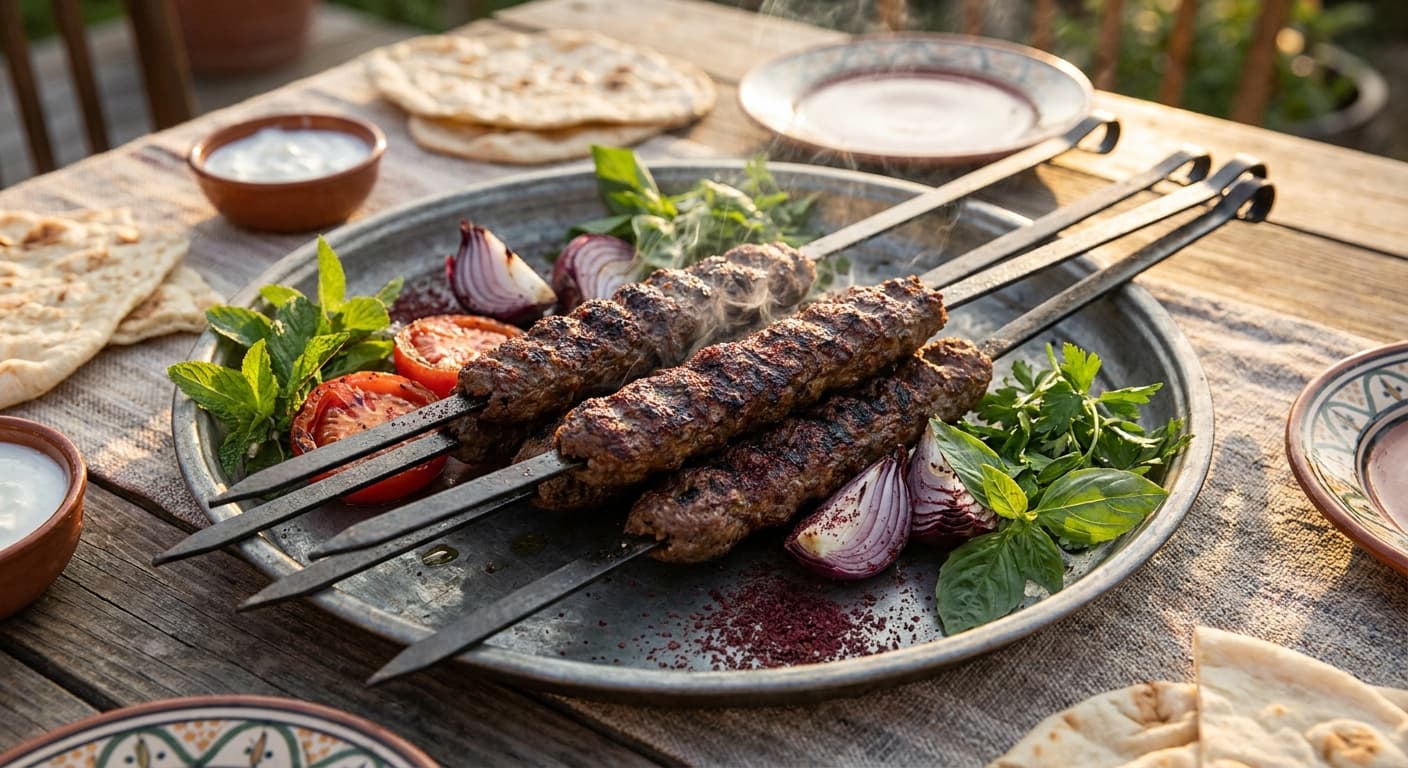
Authentic Kabab Koobideh (کباب کوبیده) — Persian Minced Lamb Skewers
Persian · Kebabs · 40 min
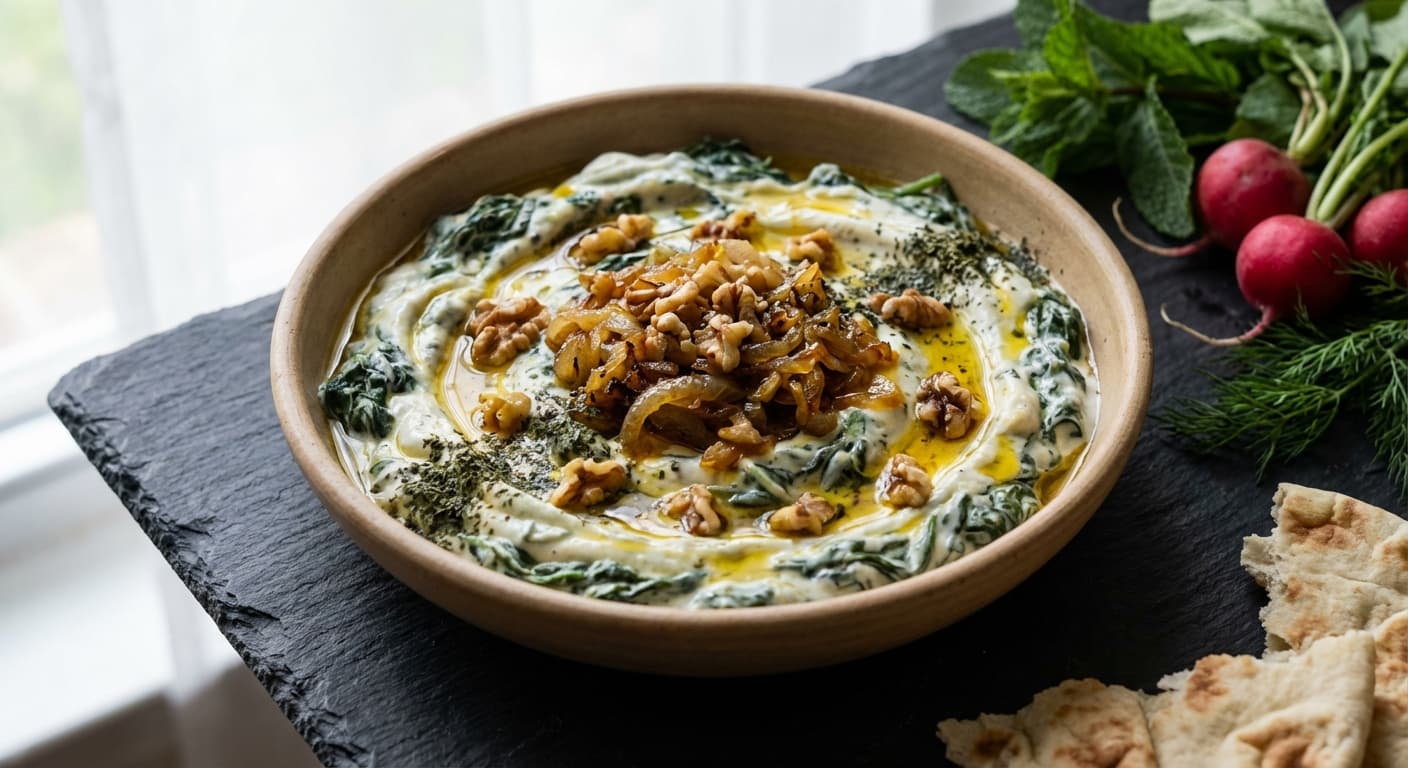
Borani Esfenaj (بورانی اسفناج) — Persian Spinach and Yogurt Dip with Saffron and Walnuts
Persian · Appetizers · 40 min
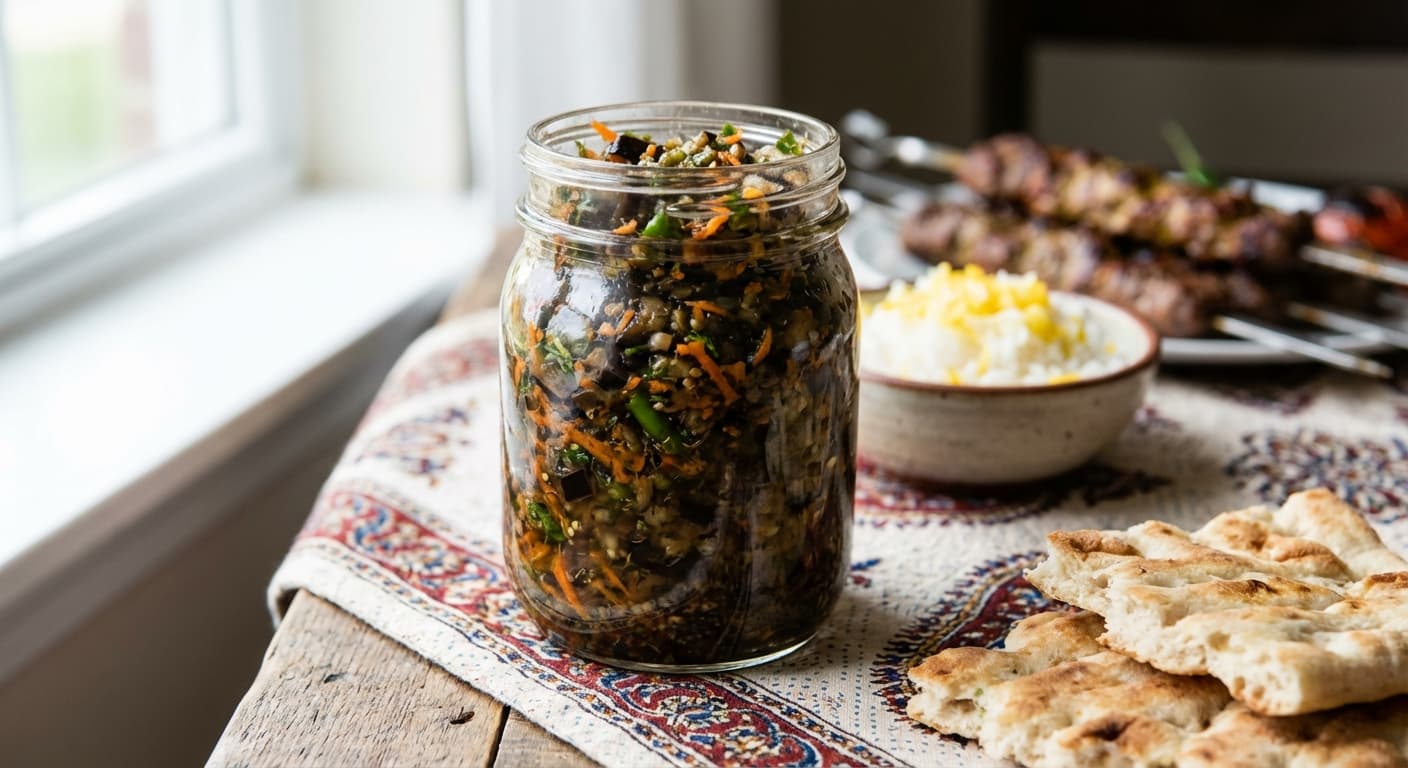
Persian Smoked Torshi Liteh (ترشی لیته) — Caspian-style smoky mixed vegetable pickle
Persian · Side Dishes · 60 min
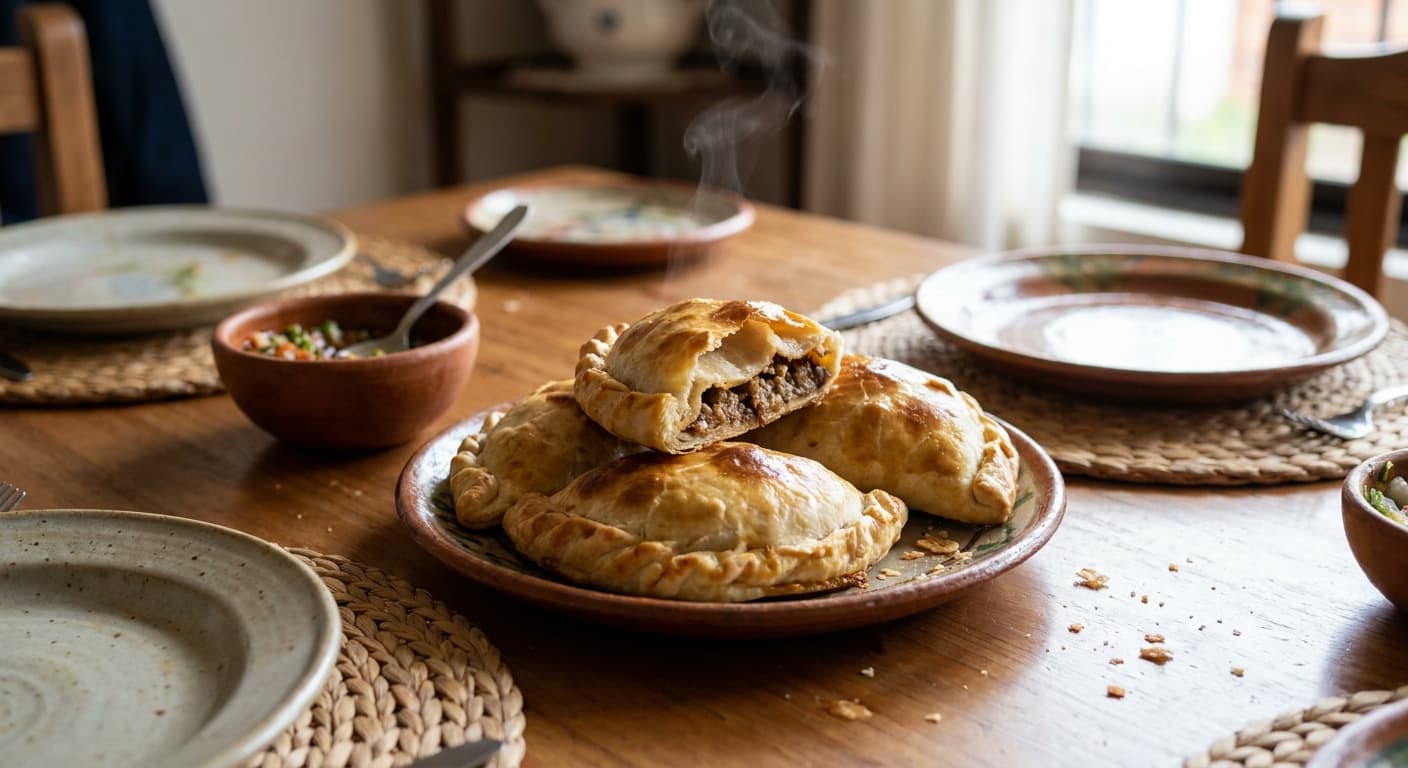
Chilean Beef Empanada (Empanada de pino) — Baked pastry filled with beef, onion, egg, olive, and raisins
Chilean · Main Courses · 125 min
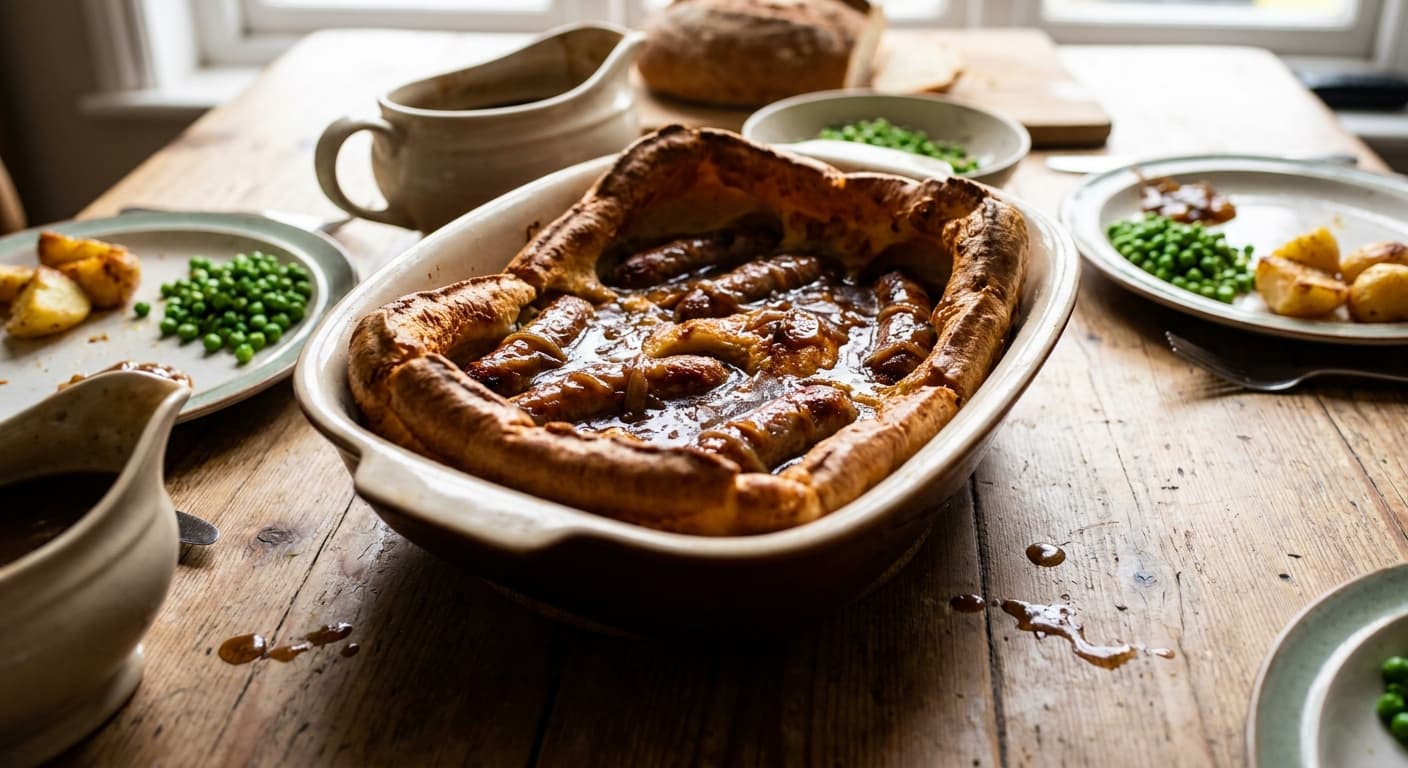
Toad in the Hole (Toad in the Hole) — Sausages Baked in Yorkshire Pudding Batter
British · Main Courses · 65 min
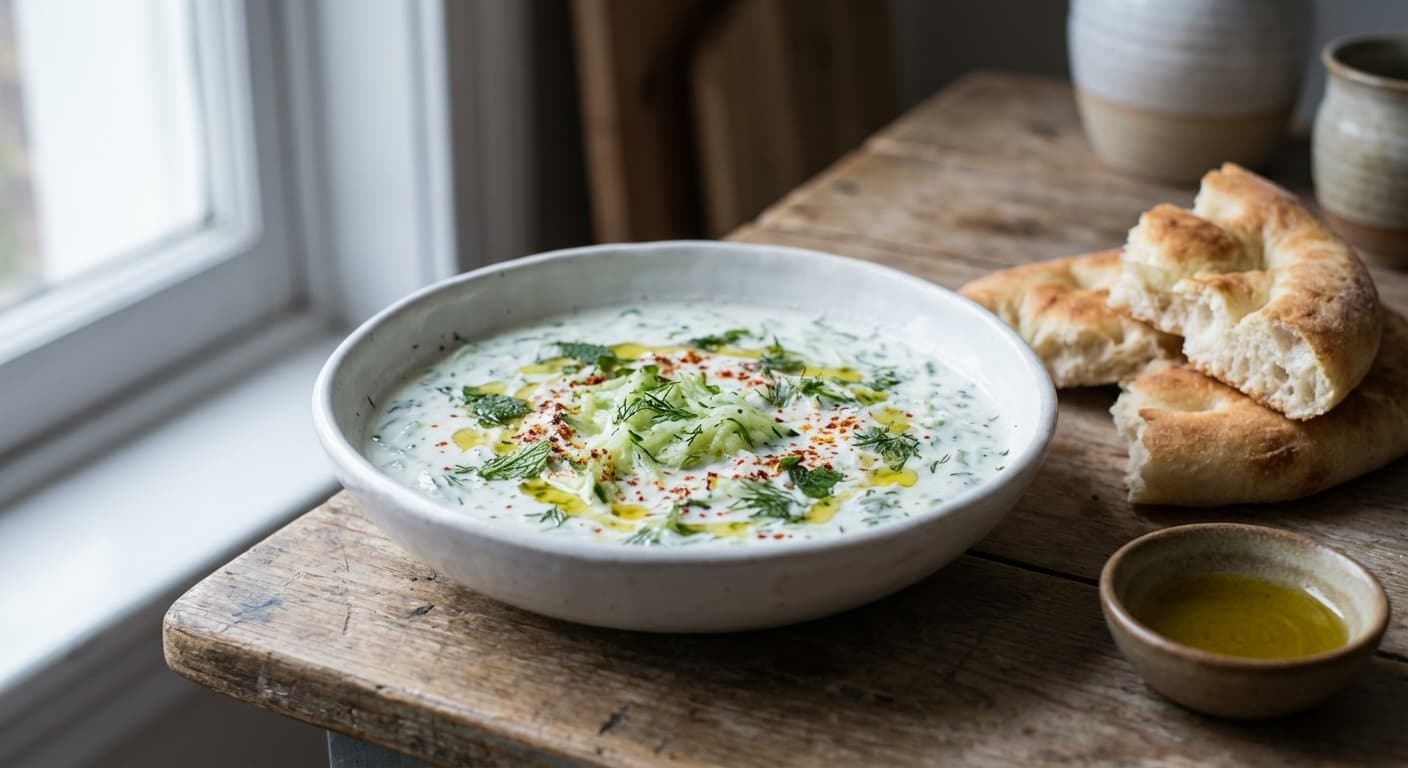
Cacık (Yoğurtlu Salatalık Mezesi) — Chilled Turkish Yogurt, Cucumber & Mint Dip
Turkish · Appetizers · 15 min
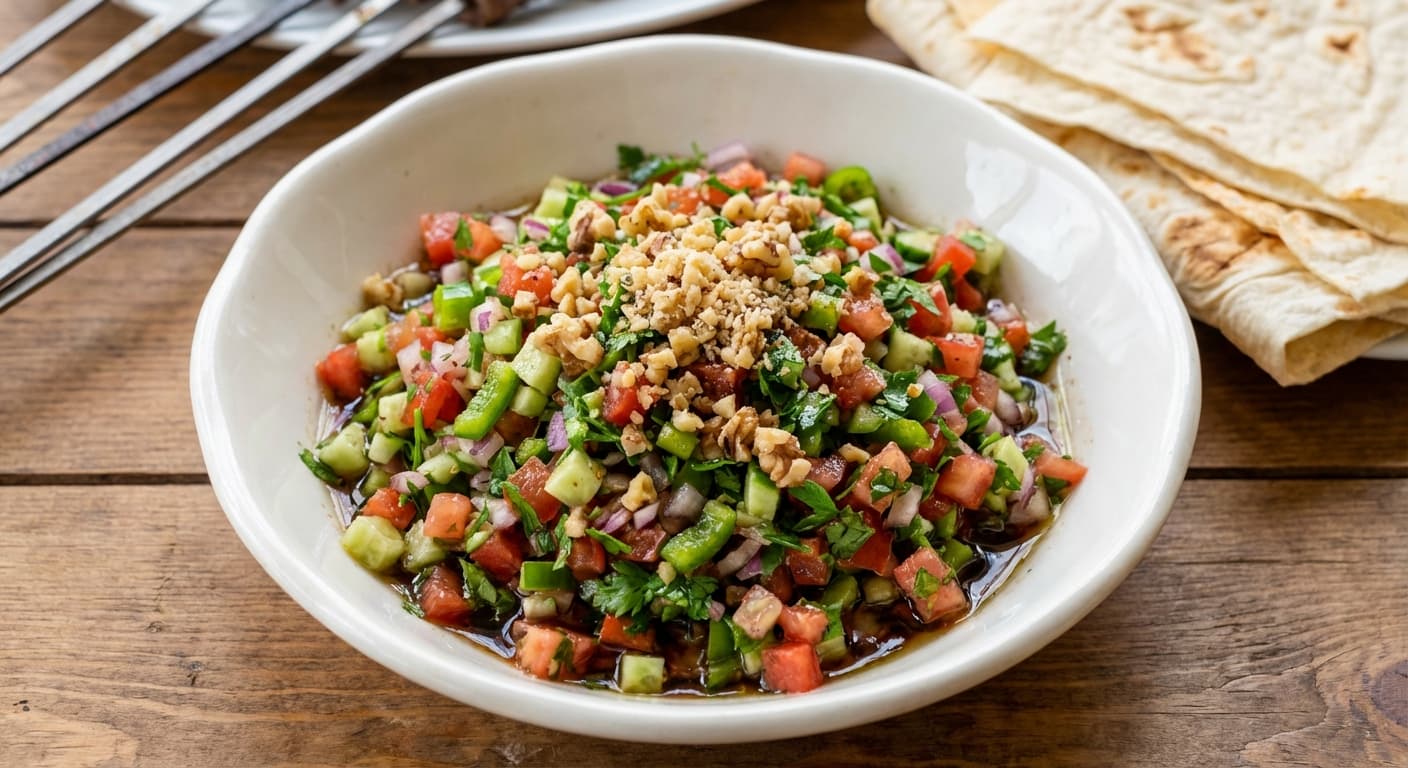
Gavurdağı Salad (Gavurdağı Salatası) — Finely Chopped Walnut & Pomegranate Salad
Turkish · Salads · 20 min
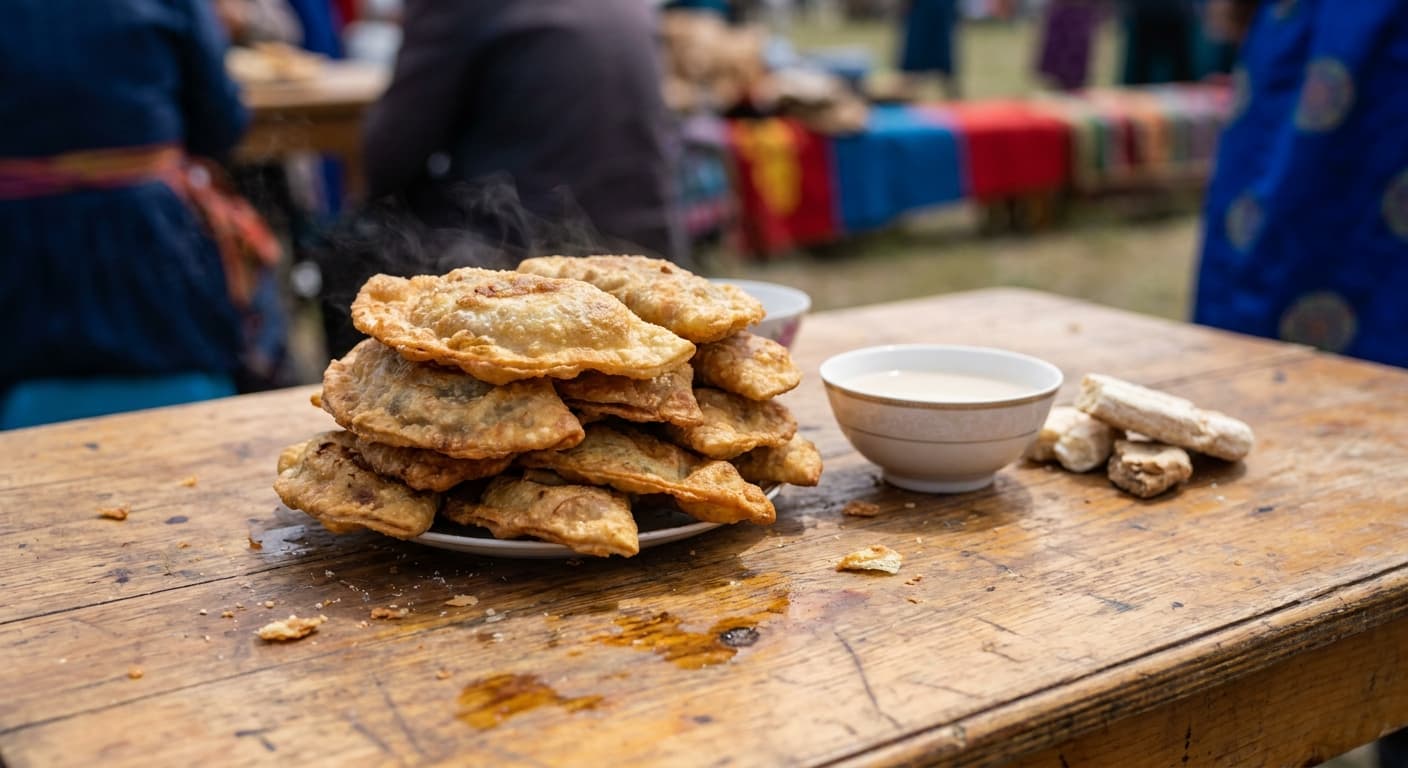
Khuushuur (Хуушуур) — Crisp Mongolian Fried Meat Pockets
Mongolian · Main Courses · 70 min
Reviews
Cooked this recipe?
Tap the stars to rate it — that's all it takes. A few words are welcome but optional.
No ratings yet. Cooked this one? Be the first to rate it — it takes one tap.