Meygoo Polo (میگو پلو) — Persian Shrimp Pilaf
Meygoo Polo is a Southern Iranian shrimp pilaf layered with fluffy steamed rice and a garlicky tomato-onion base. Finished with tender shrimp and optional egg ribbons, it balances savor, warmth, and fragrance.
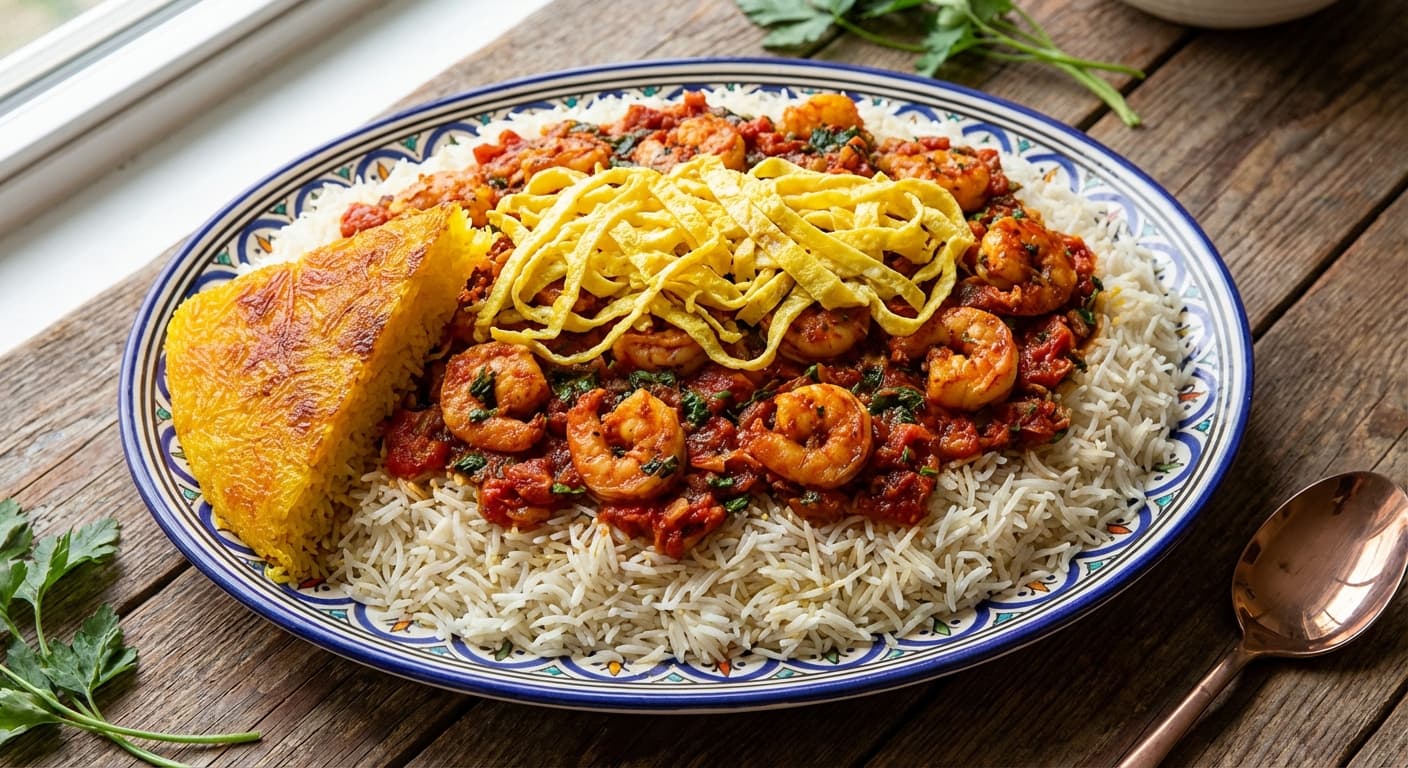
Printable Recipe Card
Servings: 4 · Total: 115 min · Difficulty: medium
Ingredients (quick list)
- 400 g Basmati rice (rinsed until water runs mostly clear)
- 2400 ml Water (for boiling rice; plus extra for soaking if needed)
- 24 g Fine sea salt (18 g for rice water + 6 g for shrimp mixture)
- 75 ml Vegetable oil (divided)
- 120 g Plain yogurt (for a tender, crisp rice crust (tahdig))
- 1 large Egg yolk (for tahdig mixture)
- 0.25 tsp Saffron threads (ground and bloomed in hot water)
- 30 ml Hot water (for blooming saffron)
- 250 g Onion (finely diced)
- 20 g Garlic (minced (about 5–6 cloves))
- 400 g Tomatoes (grated or finely crushed (fresh), or canned crushed tomatoes)
- 30 g Tomato paste (about 2 tbsp)
+ 6 more in the full ingredients section below.
Steps (summary)
- Rinse the basmati rice in several changes of cool water until it runs mostly clear. Soak the rice in a bowl with enough water t…
- Bloom the saffron (if using tahdig): grind the threads, then stir into 30 ml hot water and let stand 10 minutes. In a small bow…
- Make the tomato-onion base: heat 45 ml vegetable oil in a wide skillet over medium heat. Add diced onion and cook 10–12 minutes…
- Stir in turmeric, cumin, coriander, and black pepper for 30 seconds to toast. Add tomato paste and cook 2 minutes, stirring con…
- Add the shrimp to the skillet and fold to coat in the tomato mixture. Cook over medium heat 2–3 minutes, just until the shrimp…
- Parboil the rice: bring 2400 ml water to a rolling boil in a large pot. Add the remaining 8 g salt and the drained rice. Boil 6…
+ 4 more steps in the full instructions section below.
Cultural Background
Meygoo Polo is commonly associated with Iran’s southern coastal cooking, where seafood is incorporated into everyday rice dishes. It is often prepared for family meals and gatherings, showcasing the Persian pilaf technique of parboiling and steaming rice for separate, fluffy grains.
Equipment
💡 Tips
- Pat shrimp very dry before adding to the tomato base to prevent watery sauce and rubbery texture.
- Cook the tomato paste until it darkens slightly; this removes raw taste and deepens color.
- For long, fluffy grains, parboil until the center is still slightly firm, then finish by steaming.
- If your pot runs hot, place a heat diffuser under it during the low-heat steaming phase to prevent scorching.
⚠️ Common Mistakes
❌ Overcooking the shrimp in the tomato base
💡 Why: Shrimp cook very quickly and will cook again during steaming, becoming rubbery.
✅ Fix: Cook shrimp only until just opaque (2–3 minutes), then remove from heat and rely on steaming to finish gently.
❌ Boiling the rice until fully tender
💡 Why: Fully cooked rice breaks and turns sticky when steamed and layered.
✅ Fix: Parboil until the outside is tender but the center is still slightly firm, then drain and steam to finish.
❌ Watery tomato mixture
💡 Why: Excess liquid makes the rice clump and prevents clean layers.
✅ Fix: Simmer tomatoes until thick and glossy and the oil separates; pat shrimp dry and avoid adding extra water.
❌ Burnt bottom or weak steam
💡 Why: Heat too high during steaming scorches; heat too low early prevents proper steam build-up.
✅ Fix: Use medium heat for the first 10 minutes to generate steam, then low heat for 35–40 minutes; use a diffuser if needed.
🧊 How to Store
Cool leftovers within 2 hours. Refrigerate in an airtight container up to 2 days. Reheat gently with 1–2 tbsp water, covered, on low heat or microwave at 50–60% power to avoid overcooking shrimp. Not ideal for freezing due to shrimp texture changes.
📅 Make Ahead
You can prepare the tomato-onion base up to 24 hours ahead and refrigerate it. Add shrimp only when ready to cook (or cook shrimp briefly and rewarm gently). Rice is best steamed fresh, but parboiled rice can be drained, cooled, and refrigerated up to 8 hours before final steaming.
🍽️ Pairs Well With
- Shirazi salad (cucumber-tomato-onion salad)
- Plain yogurt or cucumber yogurt
- Pickled vegetables
- Fresh herbs and radishes
Regional Variations
- Southern coastal IranOften more garlicky with a deeper tomato base; some cooks add extra warm spices and keep the sauce thick so the rice stays fluffy.
- Urban home-style versionsMay include egg ribbons or a saffron tahdig for presentation, and the shrimp is sometimes cooked separately and layered in to better control doneness.
Ingredients
- 400 gBasmati rice (rinsed until water runs mostly clear)
- 2400 mlWater (for boiling rice; plus extra for soaking if needed)
- 24 gFine sea salt (18 g for rice water + 6 g for shrimp mixture)
- 75 mlVegetable oil (divided)
- 120 gPlain yogurt (for a tender, crisp rice crust (tahdig))
- 1 largeEgg yolk (for tahdig mixture)
- 0.25 tspSaffron threads (ground and bloomed in hot water)
- 30 mlHot water (for blooming saffron)
- 250 gOnion (finely diced)
- 20 gGarlic (minced (about 5–6 cloves))
- 400 gTomatoes (grated or finely crushed (fresh), or canned crushed tomatoes)
- 30 gTomato paste (about 2 tbsp)
- 2 gGround black pepper (about 1 tsp)
- 2 gTurmeric (about 1 tsp)
- 2 gGround cumin (about 1 tsp)
- 2 gGround coriander (about 1 tsp)
- 450 gShrimp (peeled and deveined, tails optional; patted dry)
- 2 largeEggs (beaten for thin ribbons (optional but traditional in some households))
🔄 Substitutions
- Basmati rice→ Jasmine rice
- Fresh grated tomatoes→ Canned crushed tomatoes
- Shrimp→ Firm white fish (cod or haddock) cut into 3 cm pieces
Instructions
- 1
Rinse the basmati rice in several changes of cool water until it runs mostly clear. Soak the rice in a bowl with enough water to cover and 10 g of the salt for 30 minutes; this helps the grains elongate. Drain well and set aside while you prepare the shrimp base.
- 2
Bloom the saffron (if using tahdig): grind the threads, then stir into 30 ml hot water and let stand 10 minutes. In a small bowl, whisk yogurt, egg yolk, and the bloomed saffron until smooth. Set aside; this mixture will create a crisp, golden rice crust.
- 3
Make the tomato-onion base: heat 45 ml vegetable oil in a wide skillet over medium heat. Add diced onion and cook 10–12 minutes, stirring, until soft and lightly golden. Add minced garlic and cook 60 seconds until fragrant, keeping the heat moderate to avoid bitterness.
- 4
Stir in turmeric, cumin, coriander, and black pepper for 30 seconds to toast. Add tomato paste and cook 2 minutes, stirring constantly, until it darkens slightly. Add grated tomatoes and 6 g salt, then simmer 10–12 minutes until thick and glossy and the oil begins to separate at the edges.
- 5
Add the shrimp to the skillet and fold to coat in the tomato mixture. Cook over medium heat 2–3 minutes, just until the shrimp turn pink and opaque; avoid overcooking because they will steam again with the rice. Remove from heat and spread the mixture out to cool slightly.
- 6
Parboil the rice: bring 2400 ml water to a rolling boil in a large pot. Add the remaining 8 g salt and the drained rice. Boil 6–8 minutes, stirring gently once or twice, until the grains are tender on the outside but still firm in the center. Drain in a fine colander and rinse quickly with 250 ml cool water to stop cooking.
- 7
Assemble for steaming: return the pot to medium heat. Add 20 ml vegetable oil. If making tahdig, spread the yogurt-saffron mixture evenly on the bottom; otherwise, add a thin layer of rice. Layer one-third of the rice, then half the shrimp-tomato mixture. Repeat, finishing with rice on top. Poke 5–6 holes to the bottom with a spoon handle for steam vents.
- 8
Steam the pilaf: wrap the lid with a clean towel and cover tightly. Cook 10 minutes over medium heat until you see strong steam, then reduce to low and steam 35–40 minutes. Drizzle the remaining 10 ml vegetable oil over the top during the last 10 minutes for extra sheen and separation.
- 9
Optional egg ribbons: while the rice steams, heat 10 ml oil in a nonstick pan over medium-low. Pour in beaten eggs, swirl into a thin layer, and cook 60–90 seconds until set. Roll, slice into thin strips, and keep covered. This adds a tender, savory accent without overpowering the shrimp.
- 10
Rest and serve: turn off heat and let the pot rest, covered, 10 minutes to finish setting the grains. Fluff the rice gently with a spatula, lifting from the sides. Invert the pot onto a platter to release the tahdig if using, or serve the crust separately. Top with egg ribbons if desired.
🪪 Recipe Passport
Cultural Background
Meygoo Polo is commonly associated with Iran’s southern coastal cooking, where seafood is incorporated into everyday rice dishes. It is often prepared for family meals and gatherings, showcasing the Persian pilaf technique of parboiling and steaming rice for separate, fluffy grains.
Regional Variations
Researched from multiple sources and validated by the Zaffaron editorial team. Every recipe is tested for accuracy, measurements, and cultural authenticity.
Nutrition per serving
Pairs well with
If you enjoyed this recipe, here are a few related Zaffaron recipes to try next.
Does your family make this differently?
Every family has their own version. Maybe your grandmother adds a secret ingredient, or your aunt has a completely different technique. Preserve your family's version — with their name on it, forever.
You Might Also Like
Yatimcheh (یتیمچه) — Persian Slow-Cooked Summer Vegetable Stew
Persian · Stews · 100 min
Chicken Stuffed Cabbage Rolls (دلمه کلم با مرغ) — Herb-Scented Persian Dolmeh in Tomato Saffron Sauce
Persian · Main Courses · 90 min
Baghali Polo (باقالی پلو) — Persian Dill and Fava Bean Rice with Saffron
Persian · Rice Dishes · 95 min
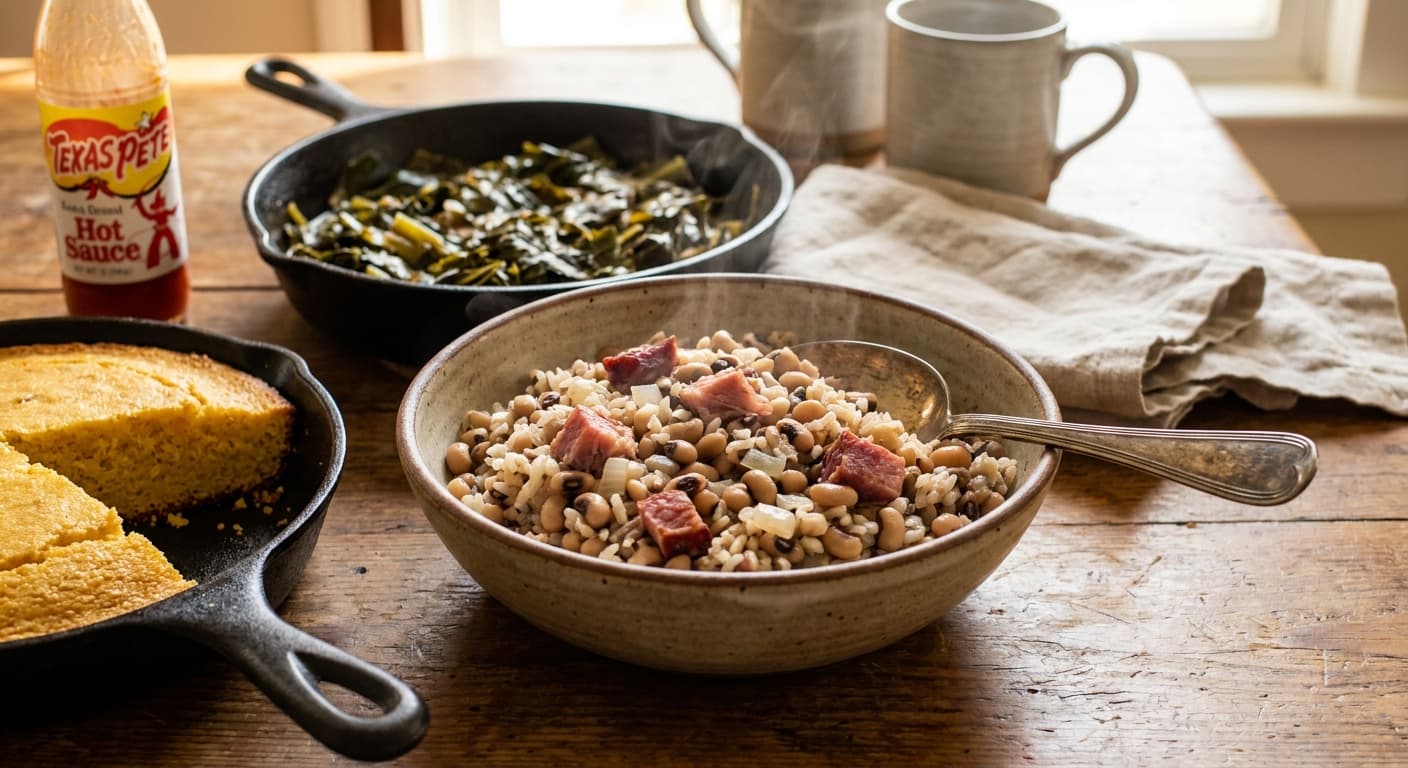
Hoppin' John (Hoppin' John) — Southern Black-Eyed Peas and Rice
American · Rice Dishes · 115 min
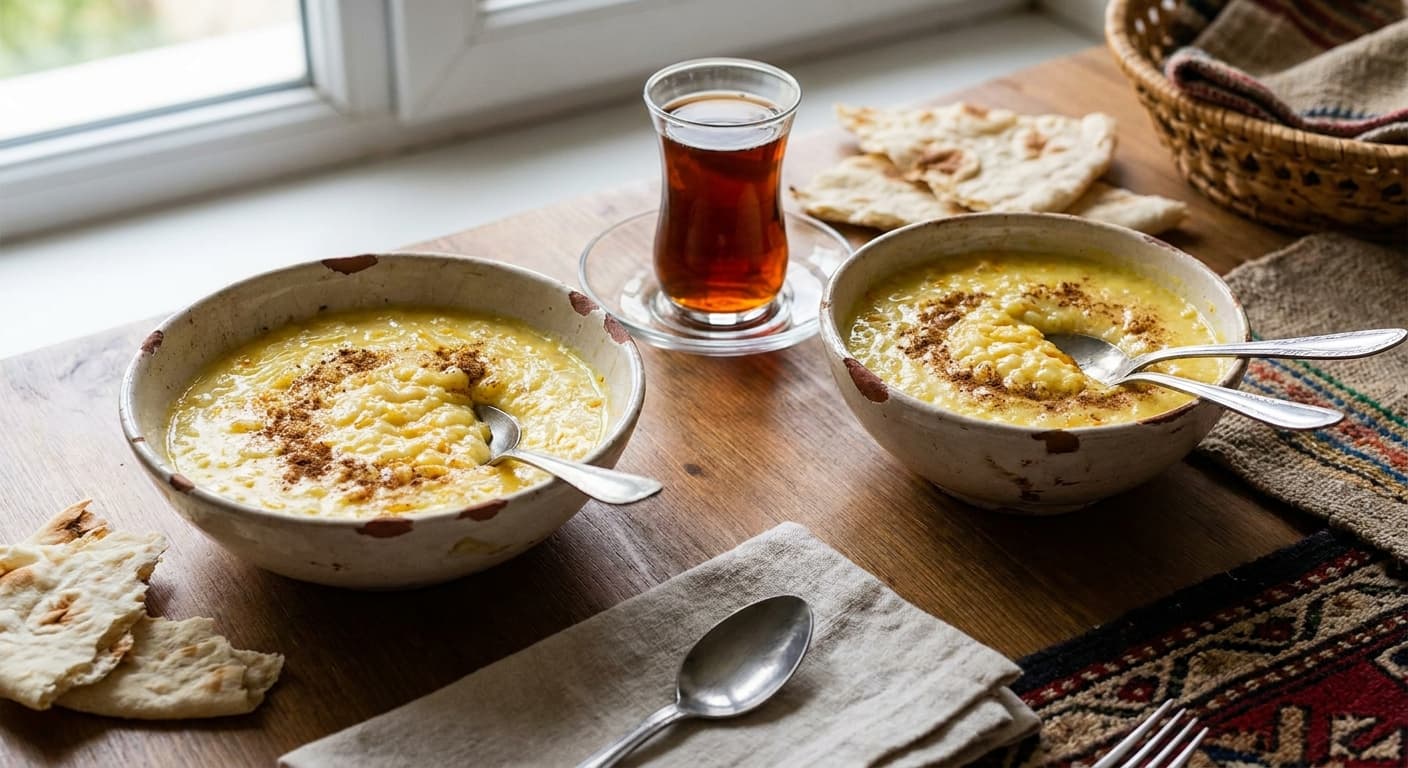
Azerbaijani Milk-Rice Porridge (Südlü Sıyıq) — Creamy Breakfast Rice with Saffron
Azerbaijani · Rice Dishes · 50 min
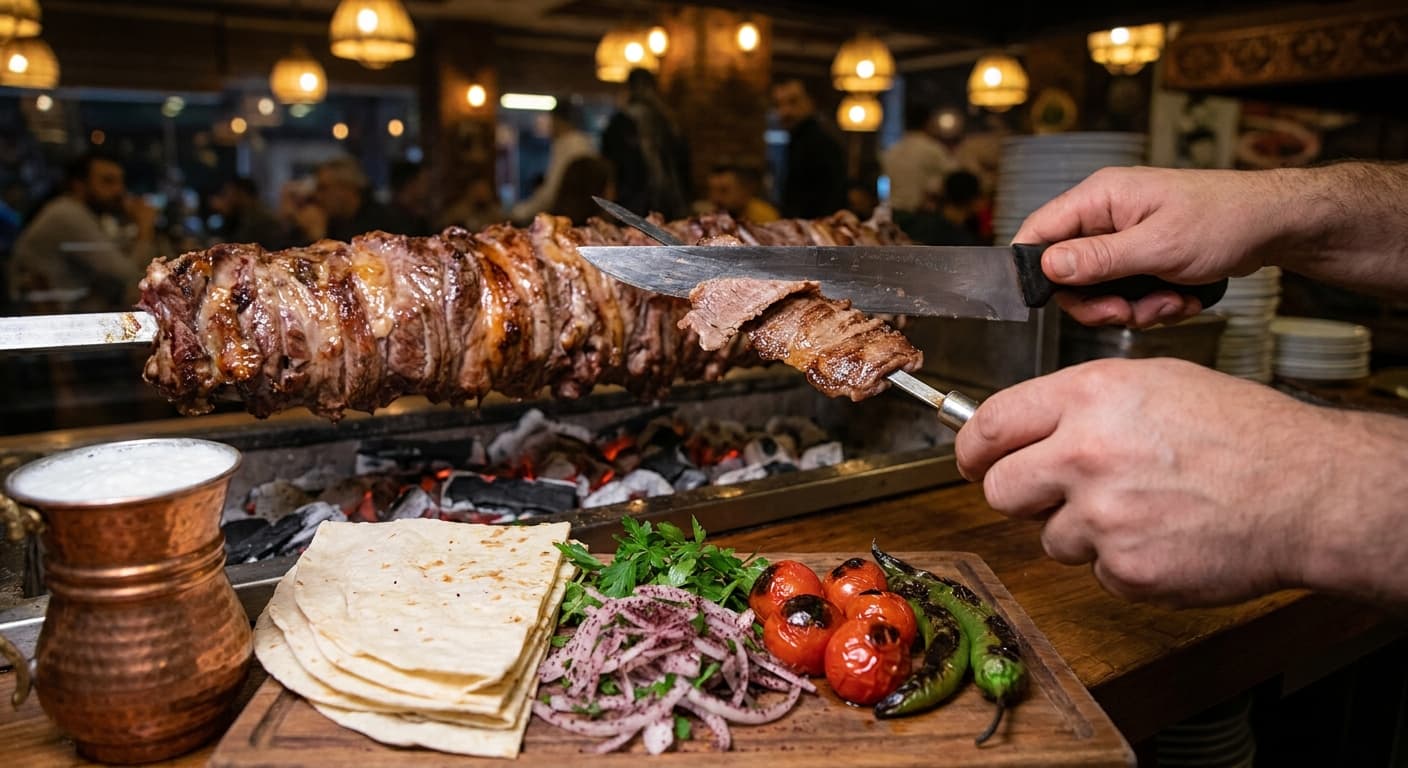
Turkish Cağ Kebab (Cağ Kebabı) — Erzurum Slow-Roasted Charcoal Lamb Skewer
Turkish · Kebabs · 160 min
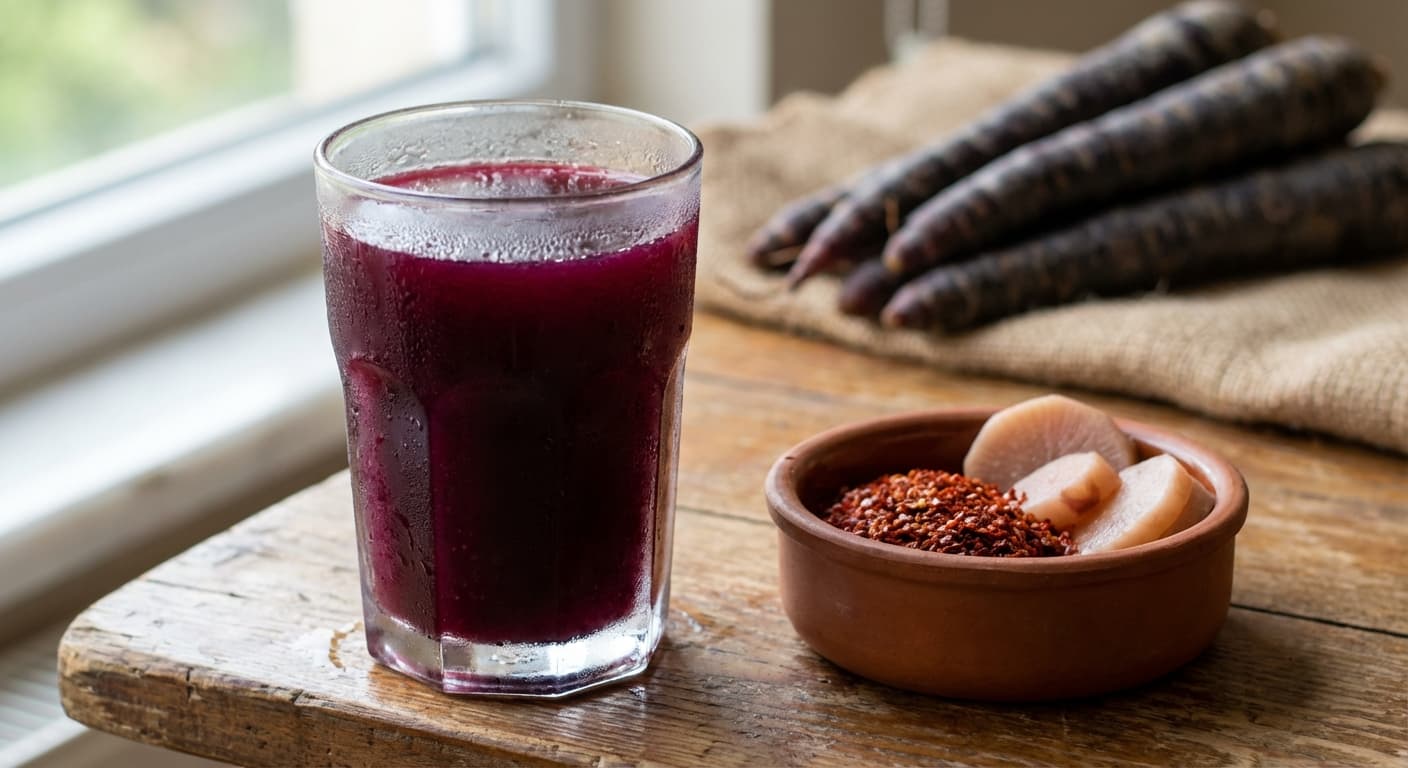
Salgam Juice (Şalgam) — Spicy, tangy fermented black-carrot drink
Turkish · Drinks · 25 min
Buckwheat Žganci (Ajdovi žganci) — Slovenian Buckwheat Crumbs with Cracklings
Slovenian · Side Dishes · 45 min
Reviews
Cooked this recipe?
Tap the stars to rate it — that's all it takes. A few words are welcome but optional.
No ratings yet. Cooked this one? Be the first to rate it — it takes one tap.