Rice Flour Cookies (نان برنجی)
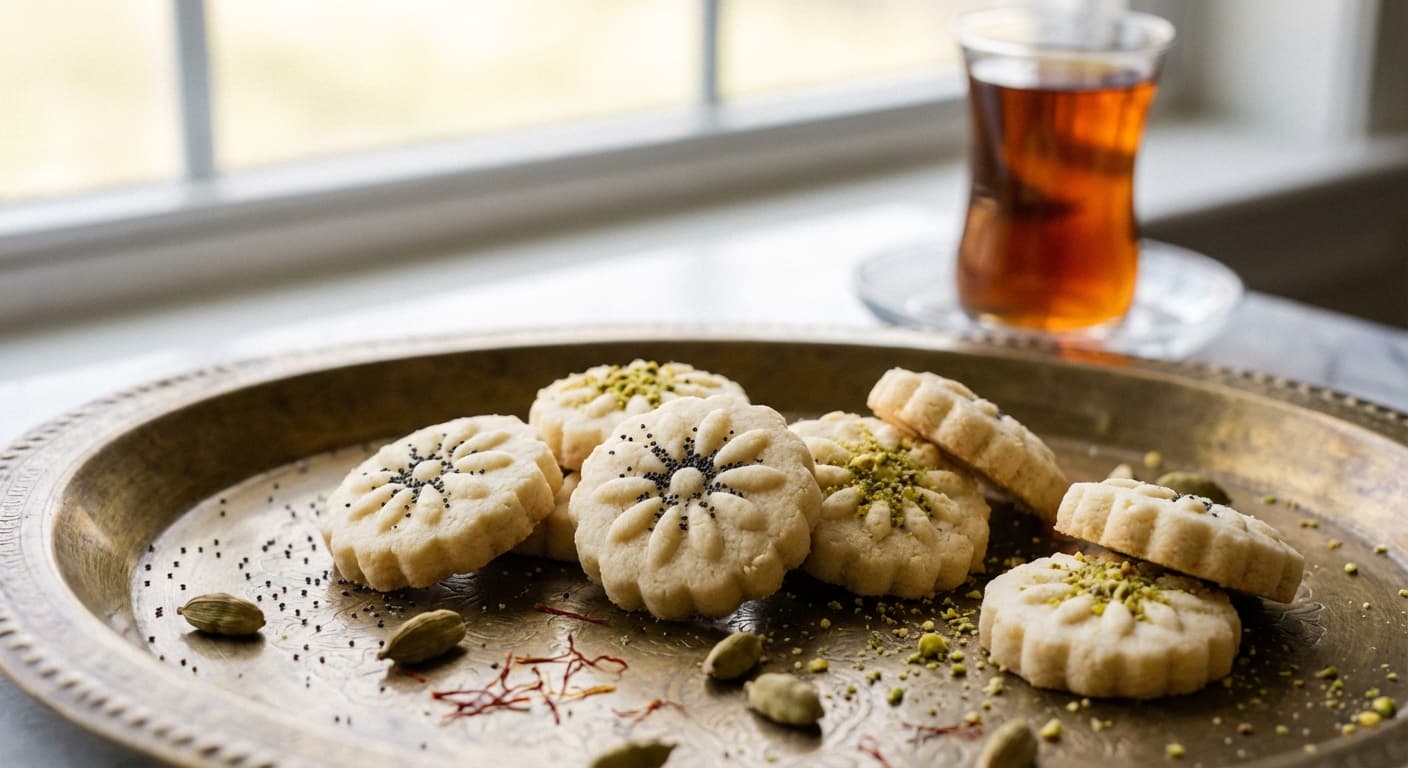
Kermanshahi-style Nan-e Berenji are tender Persian rice flour cookies scented with rose water and cardamom. They bake pale and delicate with a melt-in-the-mouth crumb—perfect with tea for Nowruz or Eid.
Printable Recipe Card
Servings: 24 · Total: 109 min · Difficulty: medium
Ingredients (quick list)
- 300 g Rice flour (finely milled, sifted)
- 20 g All-purpose flour (sifted; helps structure)
- 2 tsp Cardamom (freshly ground)
- 2 g Fine sea salt (about 1/4 tsp)
- 120 g Unsalted butter (softened to 20–22°C)
- 60 g Neutral oil (grapeseed or light sunflower)
- 120 g Powdered sugar (sifted)
- 1 large Egg yolk (about 18 g)
- 30 ml Rose water (2 tbsp, good-quality)
- 15 ml Brewed saffron (1 tbsp; made from 0.1 g saffron bloomed in hot water)
- 2 tsp Poppy seeds (for topping (optional))
- 15 g Ground pistachios (for topping (optional))
Steps (summary)
- Brew the saffron: grind 0.1 g saffron to a powder, add 2 tbsp (30 ml) boiling water, cover, and let steep 10 minutes until deep…
- In a bowl, beat softened butter and powdered sugar with a mixer on medium speed for 2 minutes until lighter and smooth (not flu…
- Add rose water and 1 tbsp (15 ml) brewed saffron to the butter mixture. Mix on low for 20–30 seconds until uniform. Scrape the…
- Add the sifted dry ingredients in 3 additions, mixing on low just until the flour disappears each time (about 15–20 seconds per…
- Cover the dough tightly and rest at room temperature (20–22°C) for 60 minutes to fully hydrate the rice flour and set the textu…
- Preheat the oven to 160°C (320°F) conventional (or 150°C/300°F fan). Portion the dough into 12 g balls (about 1 tbsp each) for…
+ 2 more steps in the full instructions section below.
Cultural Background
Nan-e Berenji is a beloved Iranian rice-flour cookie strongly associated with Kermanshah and often prepared for festive visits and tea service. Its rose water and cardamom perfume reflects the classic Persian dessert palette, commonly appearing on Nowruz and Eid sweet trays.
Equipment
💡 Tips
- For the classic Kermanshah texture, keep the oven moderate (160°C) and remove the cookies while still pale; overbaking dries them out.
- If the dough cracks when stamping, it’s usually under-rested; cover and rest 15 more minutes, then try again.
- Sift rice flour well; coarse flour makes gritty cookies and causes surface fissures.
⚠️ Common Mistakes
❌ Overbaking until the tops turn golden
💡 Why: Nan-e Berenji should stay pale; browning drives off moisture and makes the cookies dry and hard.
✅ Fix: Bake at 160°C and pull at 12–14 minutes when bottoms are lightly colored; cool on the tray to finish setting.
❌ Skipping the dough rest
💡 Why: Rice flour needs time to hydrate; without resting, stamping causes cracks and the cookies spread unevenly.
✅ Fix: Rest covered for 60 minutes at room temperature; if still cracking, rest 15 more minutes before shaping.
❌ Using cold butter or over-whipping the fat and sugar
💡 Why: Cold butter won’t emulsify properly, and over-whipping adds air that can cause spreading and fragile cookies.
✅ Fix: Use butter softened to 20–22°C and mix just until smooth and lighter, not fluffy like cake batter.
🧊 How to Store
Store completely cooled cookies in an airtight tin at cool room temperature for up to 10 days. For longer storage, freeze in a sealed container with parchment between layers for up to 2 months; thaw covered at room temperature for 1 hour to prevent condensation softening.
📅 Make Ahead
Prepare the dough up to 24 hours ahead and refrigerate tightly covered. Before shaping, let it sit at room temperature for 30–45 minutes until pliable, then portion, stamp, and bake as directed. Baked cookies can be made 3–4 days ahead; their aroma mellows and improves after 24 hours in a tin.
🍽️ Pairs Well With
- Serve with Persian tea (chai)
- doogh-e-gaz (sparkling yogurt drink) for contrast
- or alongside other Nowruz sweets like baklava and sohan.
Regional Variations
- KermanshahOften made with a portion of ghee for a deeper aroma and a slightly crisper edge; patterns are traditionally stamped and cookies are kept pale with minimal browning.
- Tehran (modern home style)Some households add a small amount of baking powder (about 2 g) for a lighter bite and may use only butter (no oil), producing a richer cookie that can spread more if not rested well.
Ingredients
- 300 gRice flour (finely milled, sifted)
- 20 gAll-purpose flour (sifted; helps structure)
- 2 tspCardamom (freshly ground)
- 2 gFine sea salt (about 1/4 tsp)
- 120 gUnsalted butter (softened to 20–22°C)
- 60 gNeutral oil (grapeseed or light sunflower)
- 120 gPowdered sugar (sifted)
- 1 largeEgg yolk (about 18 g)
- 30 mlRose water (2 tbsp, good-quality)
- 15 mlBrewed saffron (1 tbsp; made from 0.1 g saffron bloomed in hot water)
- 2 tspPoppy seeds (for topping (optional))
- 15 gGround pistachios (for topping (optional))
🔄 Substitutions
- Neutral oil→ Clarified butter (ghee), 60 g
- All-purpose flour→ Cornstarch, 20 g
- Egg yolk→ Full-fat plain yogurt, 20 g
Instructions
- 1
Brew the saffron: grind 0.1 g saffron to a powder, add 2 tbsp (30 ml) boiling water, cover, and let steep 10 minutes until deep red. Line 2 baking sheets with parchment. Sift rice flour and all-purpose flour together twice, then whisk in cardamom and salt to evenly distribute aroma and prevent clumps.
- 2
In a bowl, beat softened butter and powdered sugar with a mixer on medium speed for 2 minutes until lighter and smooth (not fluffy like cake). Stream in the neutral oil over 30 seconds, then mix 1 minute more. Add egg yolk and mix 30–45 seconds until fully emulsified and glossy.
- 3
Add rose water and 1 tbsp (15 ml) brewed saffron to the butter mixture. Mix on low for 20–30 seconds until uniform. Scrape the bowl well. The mixture may look slightly loose; that’s correct—rice flour will hydrate and tighten the dough during resting, giving Nan-e Berenji its tender, sandy crumb.
- 4
Add the sifted dry ingredients in 3 additions, mixing on low just until the flour disappears each time (about 15–20 seconds per addition). Finish by folding with a spatula for 30 seconds. The dough should be soft, smooth, and barely tacky; if it is wet, rest first before adding any extra flour.
- 5
Cover the dough tightly and rest at room temperature (20–22°C) for 60 minutes to fully hydrate the rice flour and set the texture. Halfway through resting, gently knead the dough for 10–15 seconds to smooth it. This resting is essential for cookies that hold their stamp without cracking.
- 6
Preheat the oven to 160°C (320°F) conventional (or 150°C/300°F fan). Portion the dough into 12 g balls (about 1 tbsp each) for ~24 cookies. Roll each ball briefly to smooth, then place on the tray 3 cm apart. Press lightly to flatten to about 1.5 cm thick.
- 7
Stamp the tops with a Nan-e Berenji wooden mold or press a light crosshatch with a fork, keeping the cookie edges intact. If using toppings, sprinkle 1/8 tsp poppy seeds or a small pinch (about 0.5 g) ground pistachios onto each cookie and press very gently so they adhere without deforming the pattern.
- 8
Bake one tray at a time on the middle rack for 12–14 minutes. The cookies should remain pale with just a faint golden ring underneath; do not brown the tops. Cool on the tray for 10 minutes (they are fragile when hot), then transfer carefully to a rack to cool completely for 30 minutes before storing.
🪪 Recipe Passport
Cultural Background
Nan-e Berenji is a beloved Iranian rice-flour cookie strongly associated with Kermanshah and often prepared for festive visits and tea service. Its rose water and cardamom perfume reflects the classic Persian dessert palette, commonly appearing on Nowruz and Eid sweet trays.
Regional Variations
Researched from multiple sources and validated by the Zaffaron editorial team. Every recipe is tested for accuracy, measurements, and cultural authenticity.
📚 Sources & Cultural References
- https://persianmama.com/nan-berenji-persian-rice-cookies/
- https://thecaspianchef.com/2019/12/11/nan-e-berenji-persian-rice-cookies/
Sources cited by the Zaffaron editorial team during recipe research. Cultural and culinary references supporting authenticity claims.
Nutrition per serving
Pairs well with
If you enjoyed this recipe, here are a few related Zaffaron recipes to try next.
Does your family make this differently?
Every family has their own version. Maybe your grandmother adds a secret ingredient, or your aunt has a completely different technique. Preserve your family's version — with their name on it, forever.
You Might Also Like
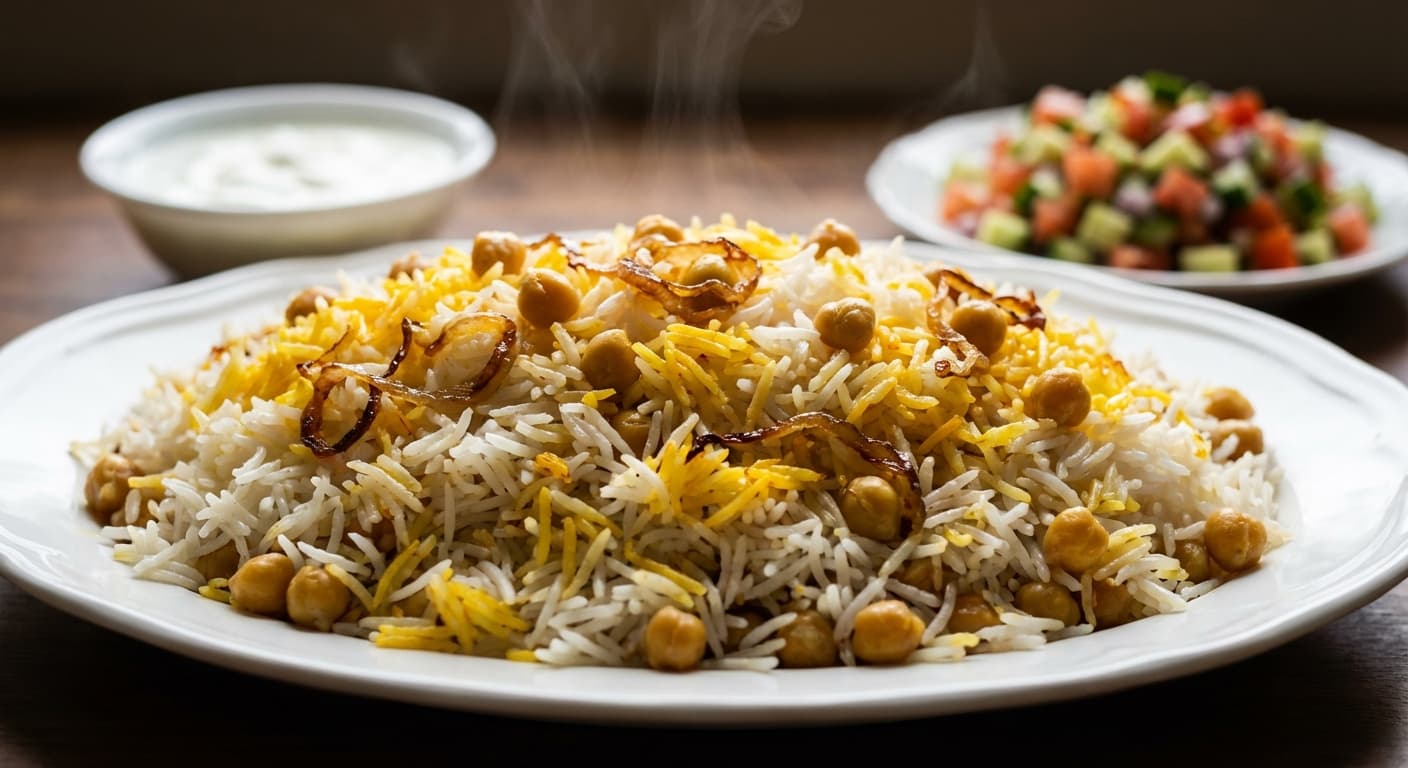
Nokhod Polo (نخود پلو) — Saffron Chickpea Rice with Warm Spices
Persian · Rice Dishes · 80 min
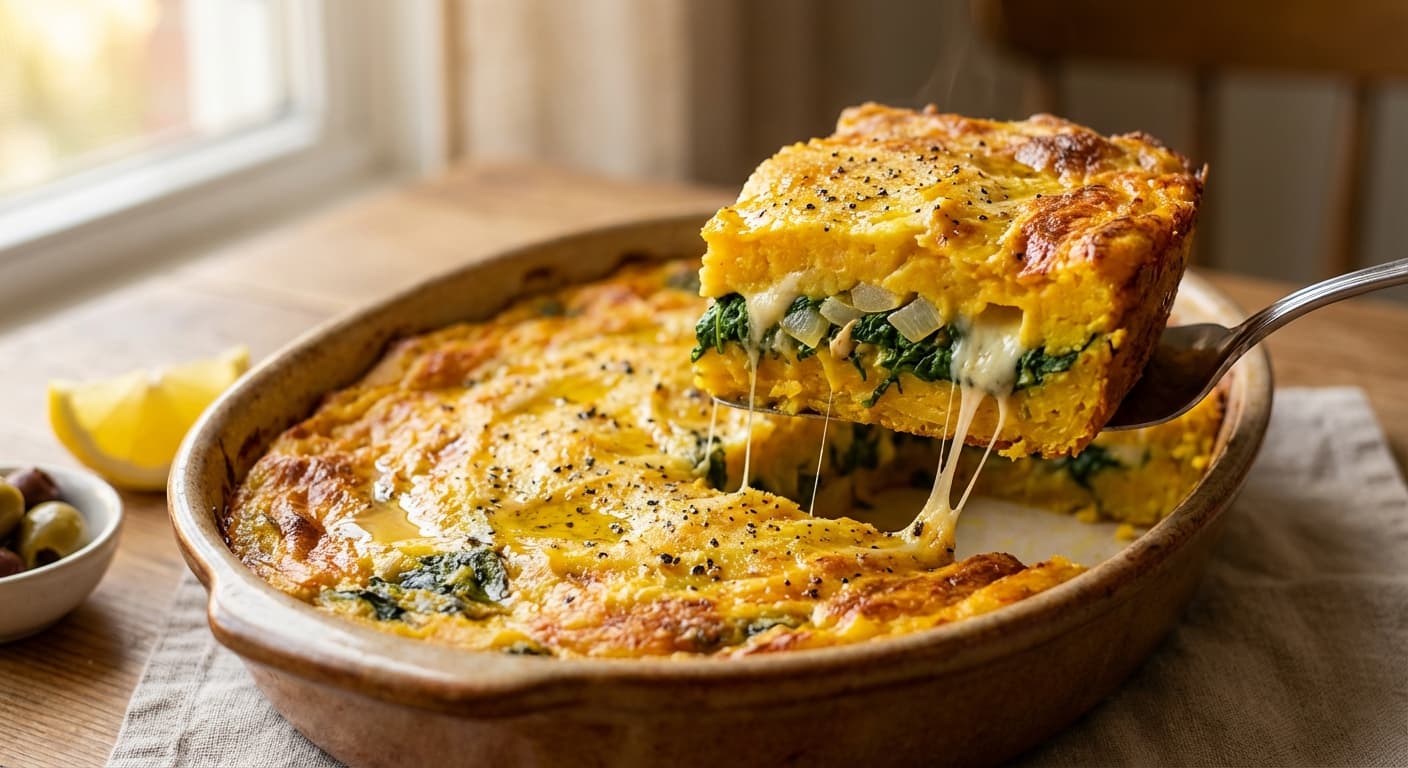
Golden Turmeric Potato and Spinach Casserole (غراتان سیبزمینی و اسفناج) — Mediterranean-Inspired Layered Gratin
Persian · Main Courses · 70 min
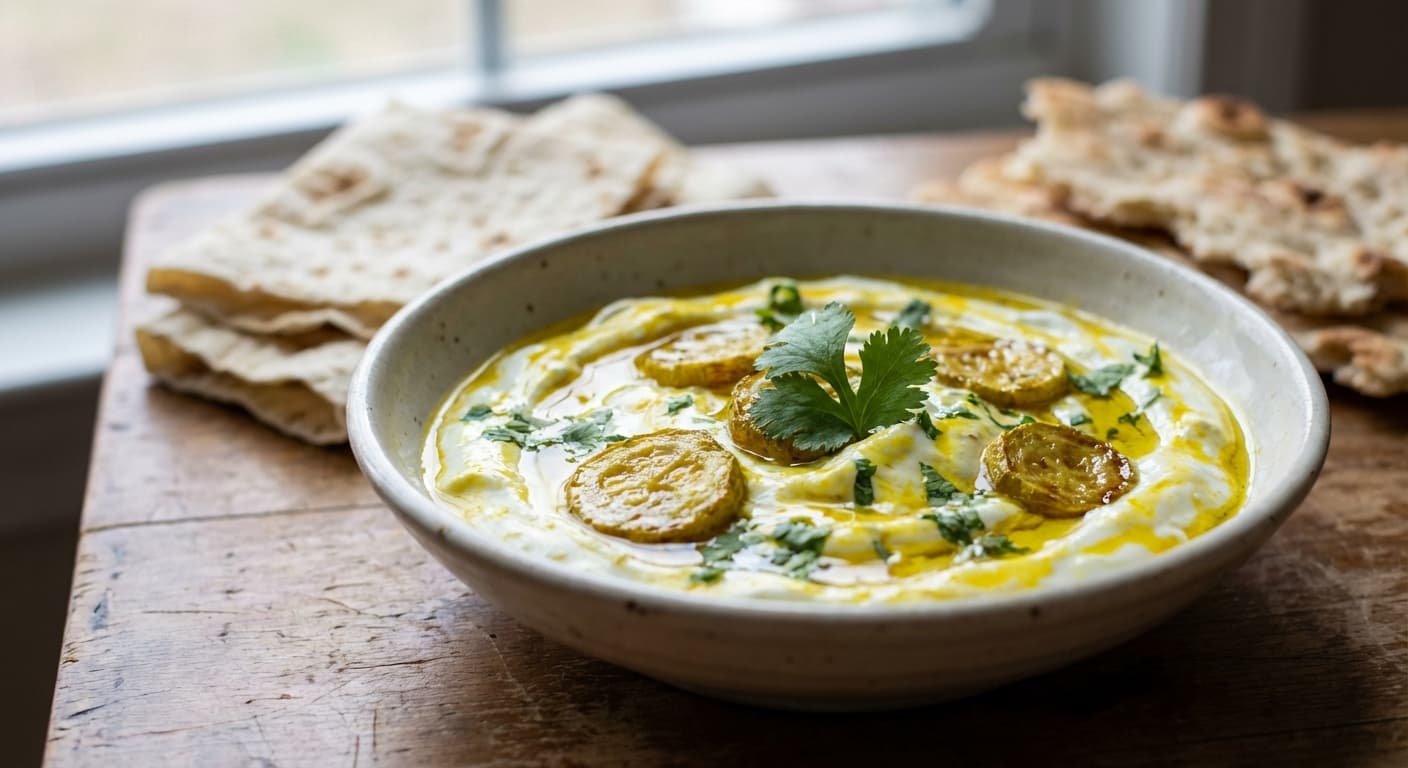
Borani Kadu (بورانی کدو) — Saffron-Infused Zucchini and Yogurt Dip
Persian · Appetizers · 40 min
Crème Brûlée (Crème brûlée) — Classic Vanilla Custard with Caramelized Sugar
French · Desserts · 60 min
Tiramisu (Tiramisù) — Classic Coffee-Mascarpone Layered Dessert
Italian · Desserts · 35 min
Azerbaijani Milk-Rice Porridge (Südlü Sıyıq) — Creamy Breakfast Rice with Saffron
Azerbaijani · Rice Dishes · 50 min
Mıhlama (Mıhlama) — Black Sea Cornmeal and Cheese Skillet
Turkish · Main Courses · 25 min
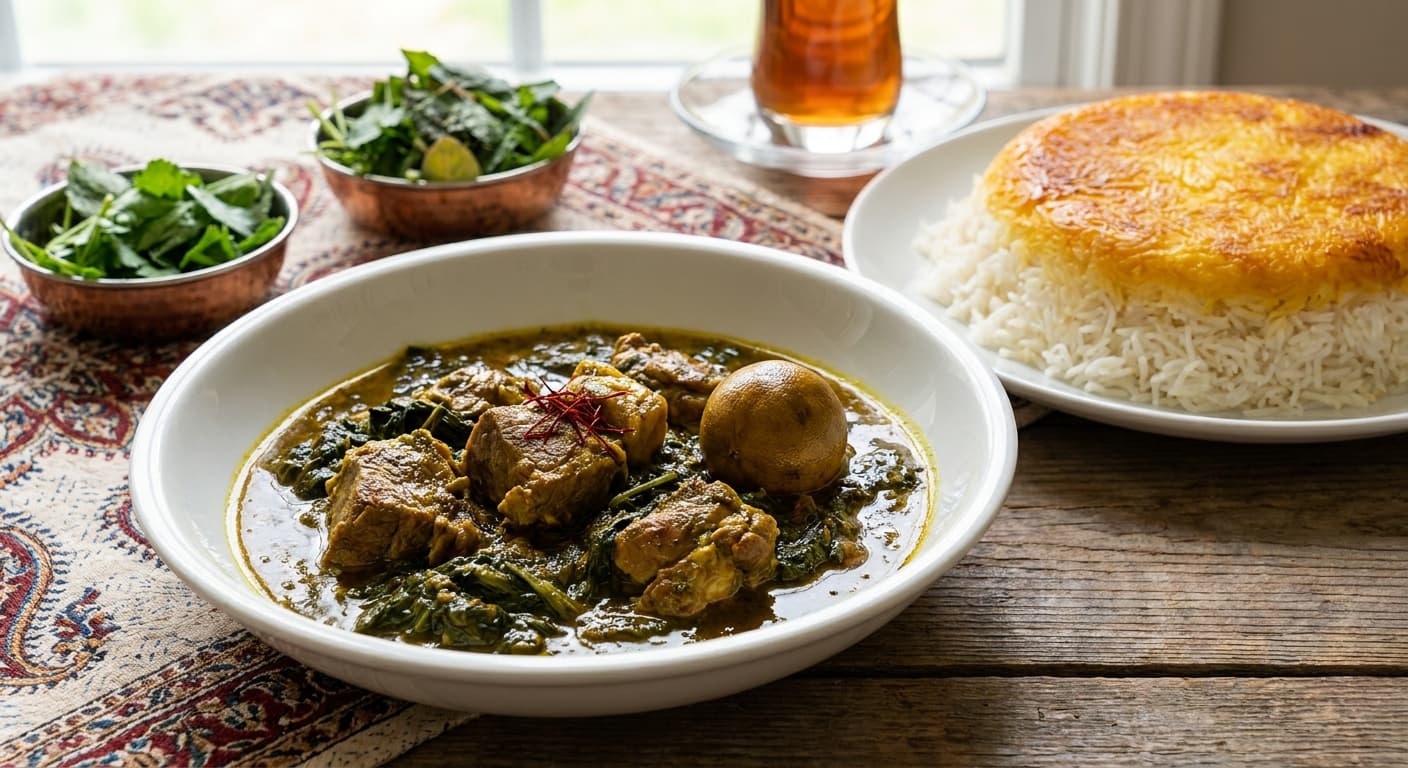
Persian Khoresht Saak (خورش ساک) — Saffron-Cardamom Lamb Stew with Saak Greens
Persian · Stews · 145 min
Reviews
Cooked this recipe?
Tap the stars to rate it — that's all it takes. A few words are welcome but optional.
No ratings yet. Cooked this one? Be the first to rate it — it takes one tap.