Nokhod Polo (نخود پلو) — Persian Aromatic Chickpea Rice with Saffron
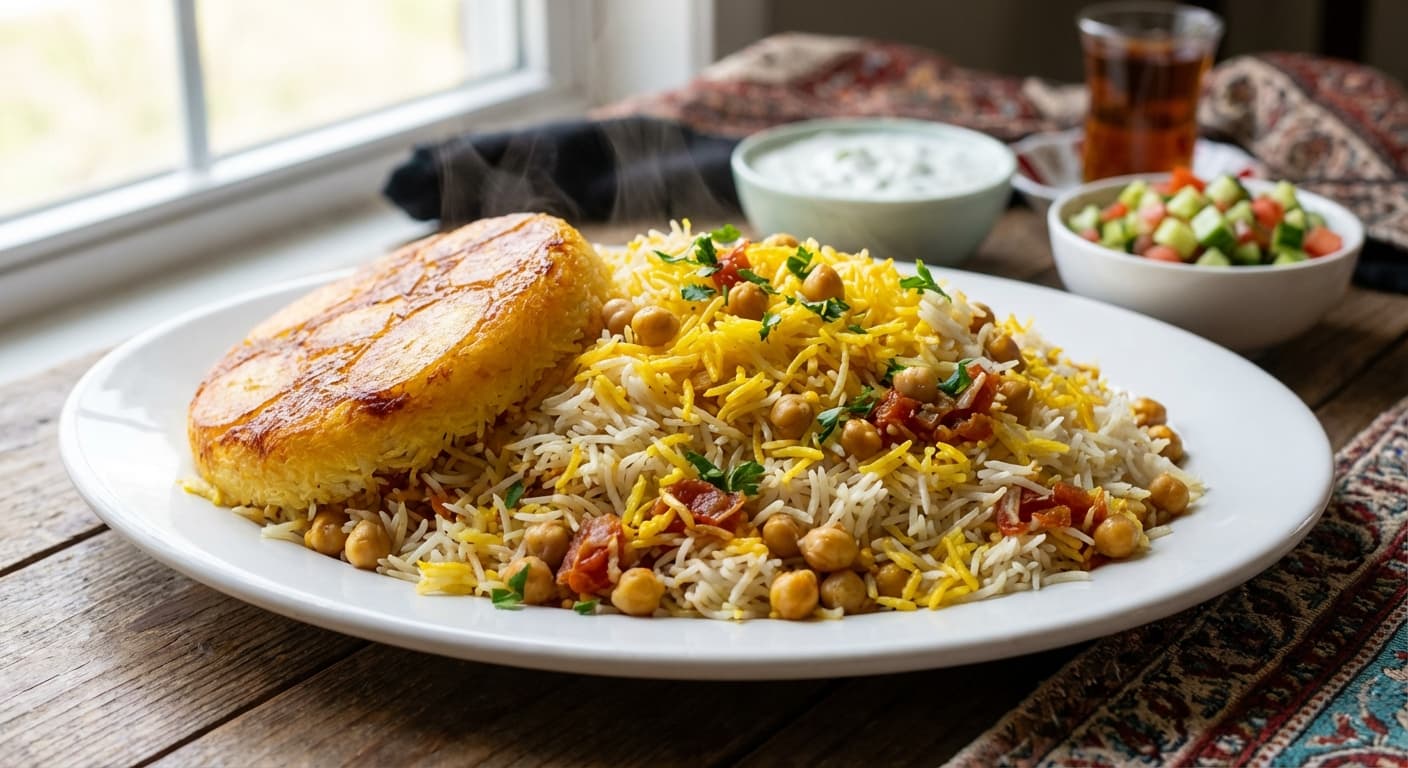
Nokhod Polo is a comforting Persian home-style rice dish where chickpeas, tomatoes, and turmeric perfume fluffy basmati rice. Finished with saffron and often served with a crisp potato tahdig, it’s a nourishing staple for family tables.
Printable Recipe Card
Servings: 6 · Total: 90 min · Difficulty: medium
Ingredients (quick list)
- 450 g Basmati rice (rinsed until water runs mostly clear)
- 18 g Sea salt (for parboiling water (about 1 tbsp))
- 420 g Cooked chickpeas (drained and rinsed if canned)
- 220 g Yellow onion (thinly sliced)
- 300 g Roma tomatoes (grated or finely diced)
- 60 ml Vegetable oil (divided)
- 2 tsp Ground turmeric (about 6 g)
- 0.25 tsp Saffron threads (about 0.5 g)
- 30 ml Hot water (for blooming saffron)
- 250 g Potato (peeled and sliced into 4 mm rounds)
- 20 g Fresh parsley (finely chopped)
- 2000 ml Water (for parboiling (approximate, enough to boil rice freely))
Steps (summary)
- Rinse the basmati rice in several changes of cold water until the water runs mostly clear, then drain well. Cover the rice with…
- Bloom the saffron by crushing the threads lightly and stirring them into 30 ml hot water. Let it stand for 10 minutes so the co…
- Heat 45 ml of the vegetable oil in a wide skillet over medium heat and add the sliced onion. Cook for 10–12 minutes, stirring o…
- Add the turmeric to the onions and stir for 30 seconds to toast it gently without burning. Add the grated tomatoes and 6 g sea…
- Stir the cooked chickpeas into the tomato-onion mixture and cook for 3–4 minutes to coat them thoroughly. Turn off the heat and…
- Bring about 2000 ml water to a rolling boil in a large pot and dissolve 18 g sea salt in it. Add the drained soaked rice and bo…
+ 6 more steps in the full instructions section below.
Cultural Background
Nokhod Polo is a familiar Persian weeknight rice, valued for stretching pantry staples into a fragrant, satisfying meal. The saffron finish and tahdig ritual reflect Iran’s love of aromatic rice and the shared joy of cracking into the crisp bottom layer.
Equipment
💡 Tips
- For the best tahdig, keep the heat low after the first 10 minutes; high heat browns the potatoes before the rice finishes steaming.
- Grating the tomatoes creates a smoother sauce that coats chickpeas evenly and perfumes the rice more consistently than large chunks.
- If using canned chickpeas, rinse and drain very well to avoid adding excess liquid that can make the rice heavy.
⚠️ Common Mistakes
❌ Boiling the rice until fully soft before steaming
✅ Fix: Parboil only until the grain is tender outside but still firm in the center (6–8 minutes), then drain promptly.
❌ Watery tomato mixture that makes the rice clump
✅ Fix: Simmer tomatoes until thick and glossy before adding chickpeas, and drain chickpeas well.
❌ Burnt tahdig with undercooked rice
✅ Fix: Use medium heat only for the first 10 minutes to generate steam, then reduce to low for the remainder of steaming.
🧊 How to Store
Cool leftovers within 1 hour, then refrigerate in an airtight container for up to 4 days. Reheat covered with 15 ml water in a pot on low for 10–12 minutes, or microwave covered for 2–3 minutes; crisp tahdig separately in a dry skillet for 2–3 minutes.
📅 Make Ahead
Cook the chickpea-tomato mixture up to 2 days ahead and refrigerate it airtight. On cooking day, parboil the rice and assemble the layers; the final steaming and tahdig crisping should be done just before serving.
🍽️ Pairs Well With
- Mast-o-khiar
- Shirazi salad
- torshi
- fresh herbs (sabzi khordan)
- pickled garlic (seer torshi).
Regional Variations
- Tehran-style: more saffron on the top layer and a paler, fluffier rice with a thinner tomato base.
- Shiraz-style: extra herbs such as dill or tarragon folded in near the end for a greener, more aromatic finish.
- Meat-added version: small cubes of sautéed lamb or chicken mixed into the chickpea-tomato base for a heartier polo.
Ingredients
- 450 gBasmati rice (rinsed until water runs mostly clear)
- 18 gSea salt (for parboiling water (about 1 tbsp))
- 420 gCooked chickpeas (drained and rinsed if canned)
- 220 gYellow onion (thinly sliced)
- 300 gRoma tomatoes (grated or finely diced)
- 60 mlVegetable oil (divided)
- 2 tspGround turmeric (about 6 g)
- 0.25 tspSaffron threads (about 0.5 g)
- 30 mlHot water (for blooming saffron)
- 250 gPotato (peeled and sliced into 4 mm rounds)
- 20 gFresh parsley (finely chopped)
- 2000 mlWater (for parboiling (approximate, enough to boil rice freely))
🔄 Substitutions
- Cooked chickpeas→ Cooked black-eyed peas
- Potato→ Lavash bread
- Fresh parsley→ Fresh dill
Instructions
- 1
Rinse the basmati rice in several changes of cold water until the water runs mostly clear, then drain well. Cover the rice with fresh water and let it soak for 20 minutes; this helps the grains elongate and cook evenly.
- 2
Bloom the saffron by crushing the threads lightly and stirring them into 30 ml hot water. Let it stand for 10 minutes so the color and aroma fully develop, then set it aside for the final steaming stage.
- 3
Heat 45 ml of the vegetable oil in a wide skillet over medium heat and add the sliced onion. Cook for 10–12 minutes, stirring often, until the onion is deeply golden and sweet-smelling, not pale or steamed.
- 4
Add the turmeric to the onions and stir for 30 seconds to toast it gently without burning. Add the grated tomatoes and 6 g sea salt, then simmer 8–10 minutes until the tomatoes reduce into a thick, glossy sauce.
- 5
Stir the cooked chickpeas into the tomato-onion mixture and cook for 3–4 minutes to coat them thoroughly. Turn off the heat and taste the mixture; it should be well-seasoned because it will flavor the rice during steaming.
- 6
Bring about 2000 ml water to a rolling boil in a large pot and dissolve 18 g sea salt in it. Add the drained soaked rice and boil briskly for 6–8 minutes, stirring once or twice, until the grains are tender on the outside but still firm in the center.
- 7
Drain the rice in a colander and rinse quickly with 250 ml cold water to stop the cooking and remove excess surface starch. Let the rice drain for 2 minutes so it does not waterlog the pot during steaming.
- 8
In the same pot, add 15 ml vegetable oil and arrange the potato slices in a single layer to form the tahdig base. Sprinkle 1–2 tbsp of the drained rice over the potatoes to help them set and crisp evenly.
- 9
Layer one-third of the rice over the potatoes, then add half of the chickpea mixture in an even layer. Repeat with another third of the rice and the remaining chickpea mixture, then finish with the last third of rice, shaping the top into a gentle mound to encourage steam circulation.
- 10
Use the handle of a wooden spoon to poke 5–6 holes down through the rice to the bottom of the pot so steam can rise. Drizzle the remaining 15 ml vegetable oil over the rice, cover the lid with a clean towel, and steam on medium heat for 10 minutes to build strong initial steam.
- 11
Reduce the heat to low and drizzle the bloomed saffron water over the top of the rice. Continue steaming for 35–40 minutes until the rice is fragrant and fully cooked and the potato tahdig is crisp; you should hear a gentle crackle near the end.
- 12
Turn off the heat and let the pot rest, covered, for 5 minutes so the grains relax and separate cleanly. Fluff the top layers gently with a fork, fold in the chopped parsley, then invert the pot onto a platter to release the potato tahdig or remove it separately and serve alongside.
🪪 Recipe Passport
Cultural Background
Nokhod Polo is a familiar Persian weeknight rice, valued for stretching pantry staples into a fragrant, satisfying meal. The saffron finish and tahdig ritual reflect Iran’s love of aromatic rice and the shared joy of cracking into the crisp bottom layer.
Regional Variations
Researched from multiple sources and validated by the Zaffaron editorial team. Every recipe is tested for accuracy, measurements, and cultural authenticity.
Nutrition per serving
Pairs well with
If you enjoyed this recipe, here are a few related Zaffaron recipes to try next.
Does your family make this differently?
Every family has their own version. Maybe your grandmother adds a secret ingredient, or your aunt has a completely different technique. Preserve your family's version — with their name on it, forever.
You Might Also Like
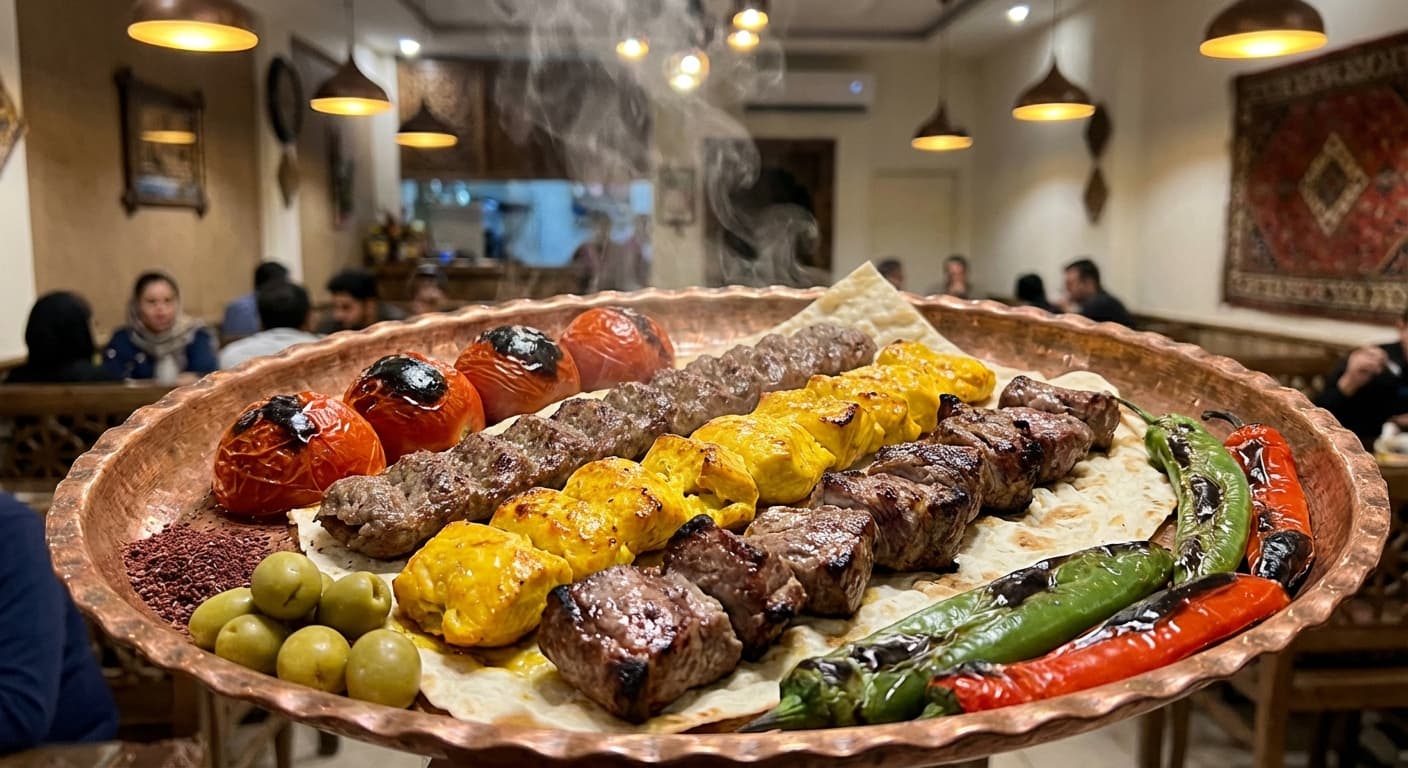
Kabab Vijeh (کباب ویژه) — Royal Persian Mixed Grill Platter
Persian · Kebabs · 70 min
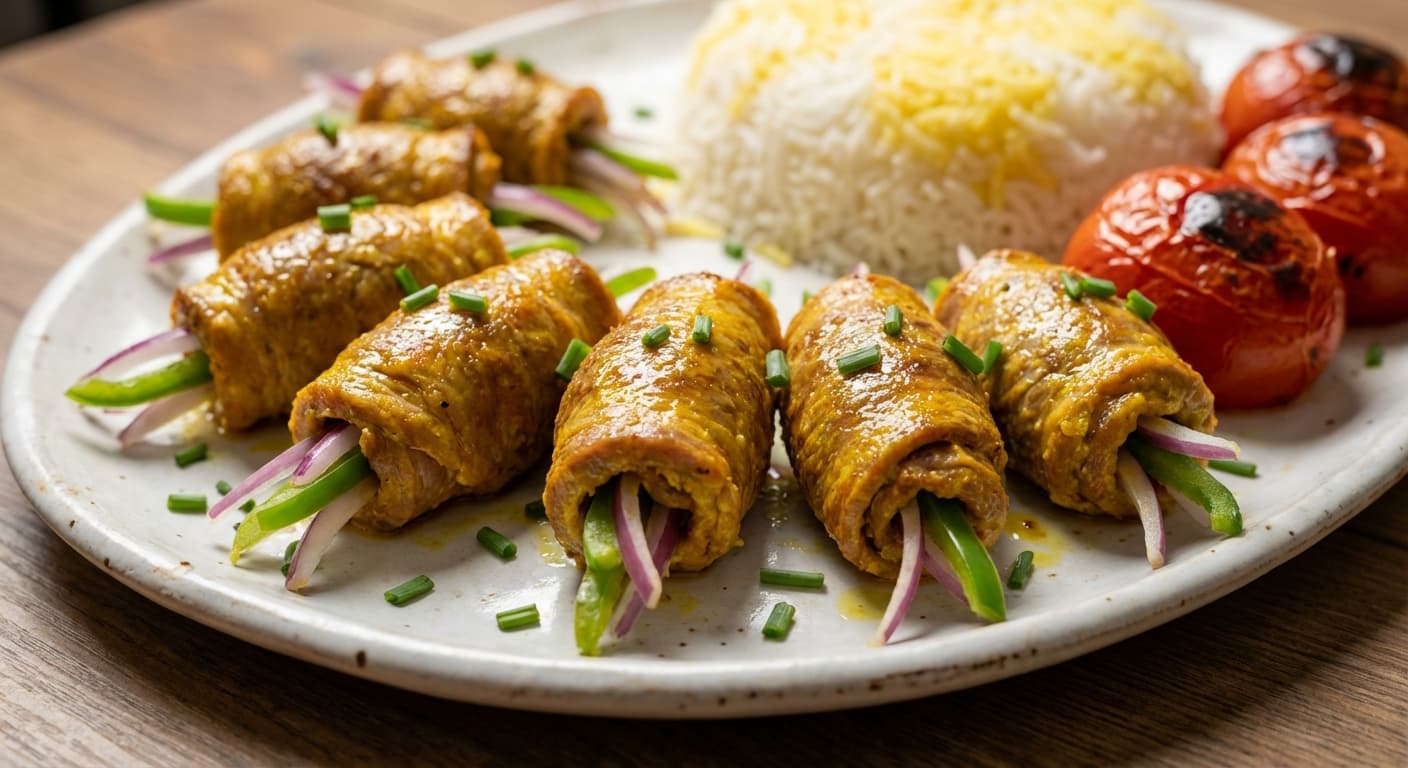
Bulgar Kabab (کباب بلغار) — Persian Rolled Saffron Fillets
Persian · Kebabs · 37 min
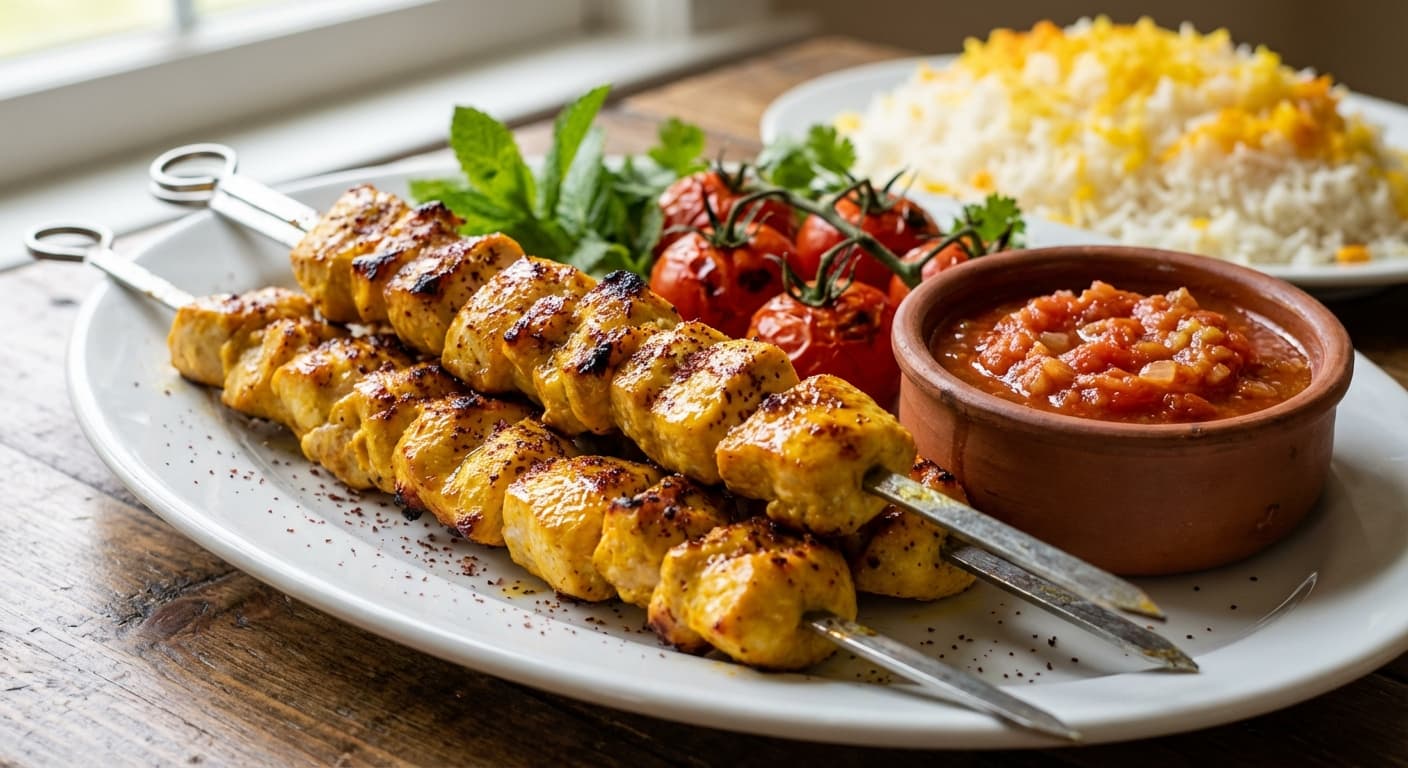
Jujeh Kabab (جوجه کباب) — Saffron-Turmeric Chicken with Rustic Tomato Sauce
Persian · Kebabs · 45 min
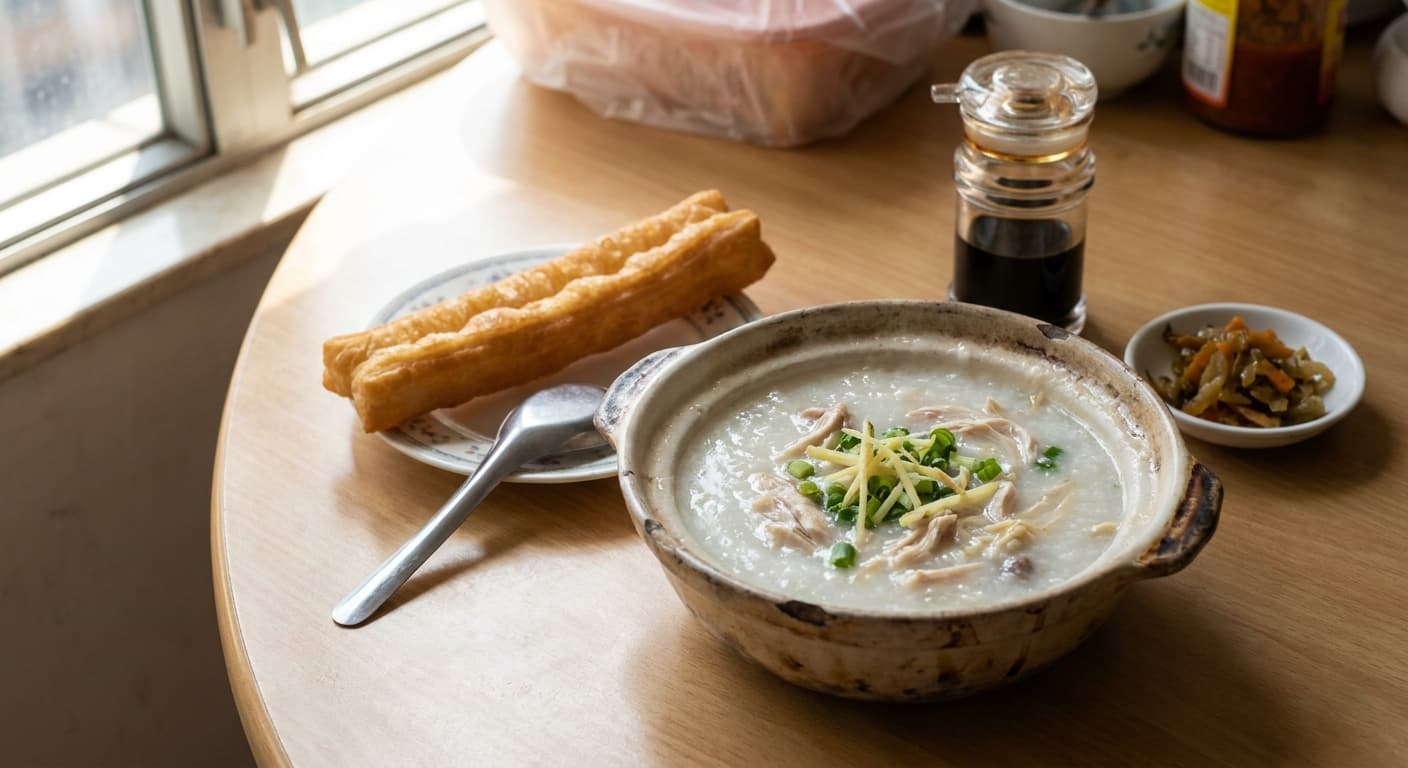
Cantonese Chicken Congee (粵式雞粥) — Silky Rice Porridge with Ginger
Chinese · Rice Dishes · 95 min
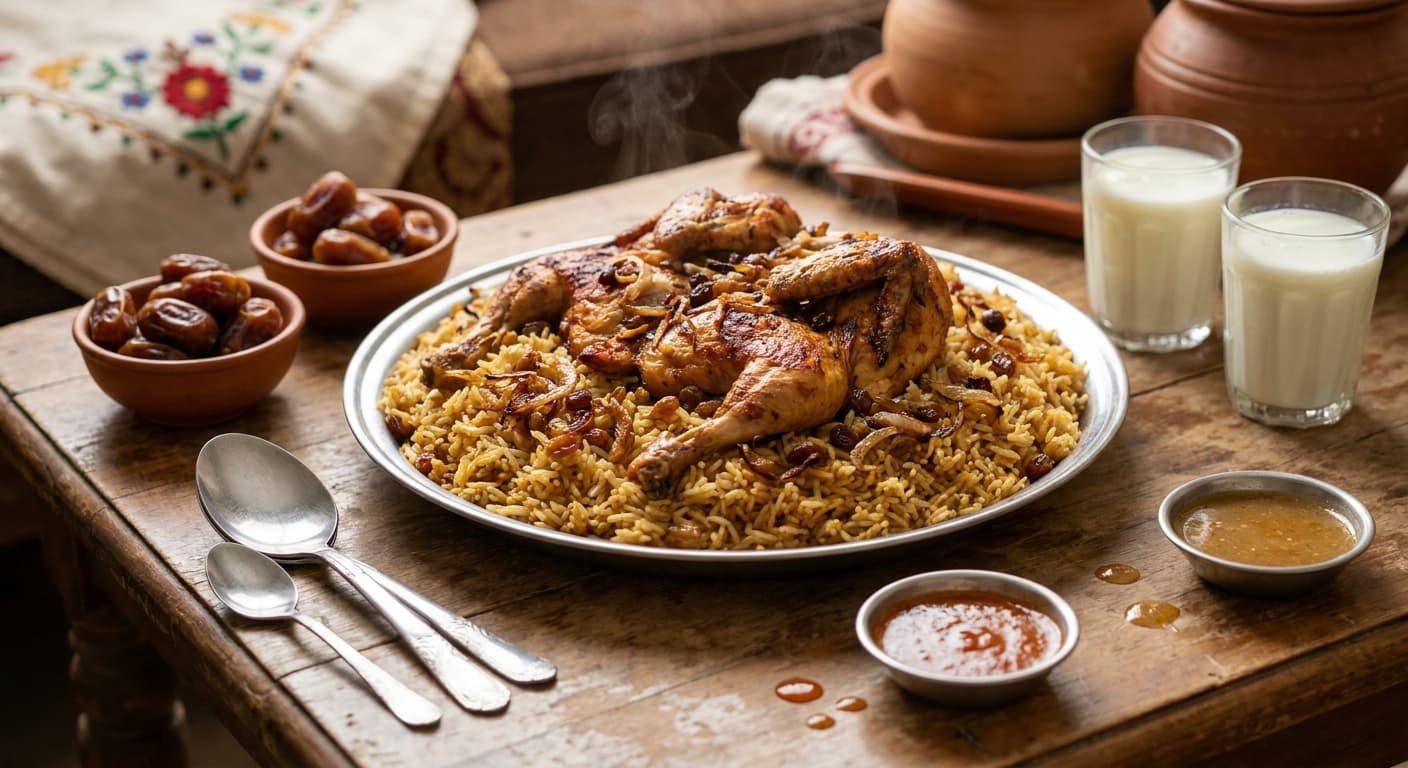
Emirati Machboos (مكبوس إماراتي) — Spiced Chicken Rice with Dried Lime
Gulf arabian · Rice Dishes · 110 min
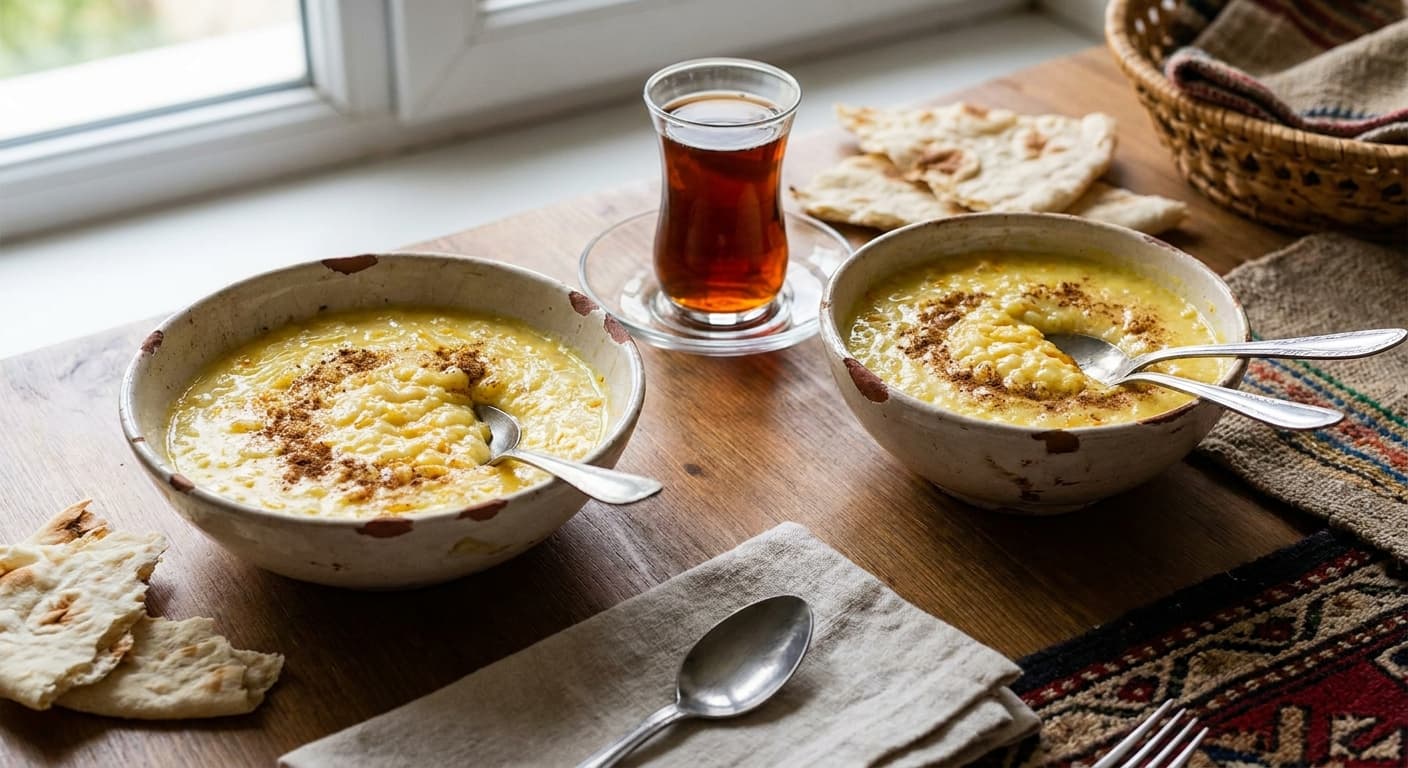
Azerbaijani Milk-Rice Porridge (Südlü Sıyıq) — Creamy Breakfast Rice with Saffron
Azerbaijani · Rice Dishes · 50 min
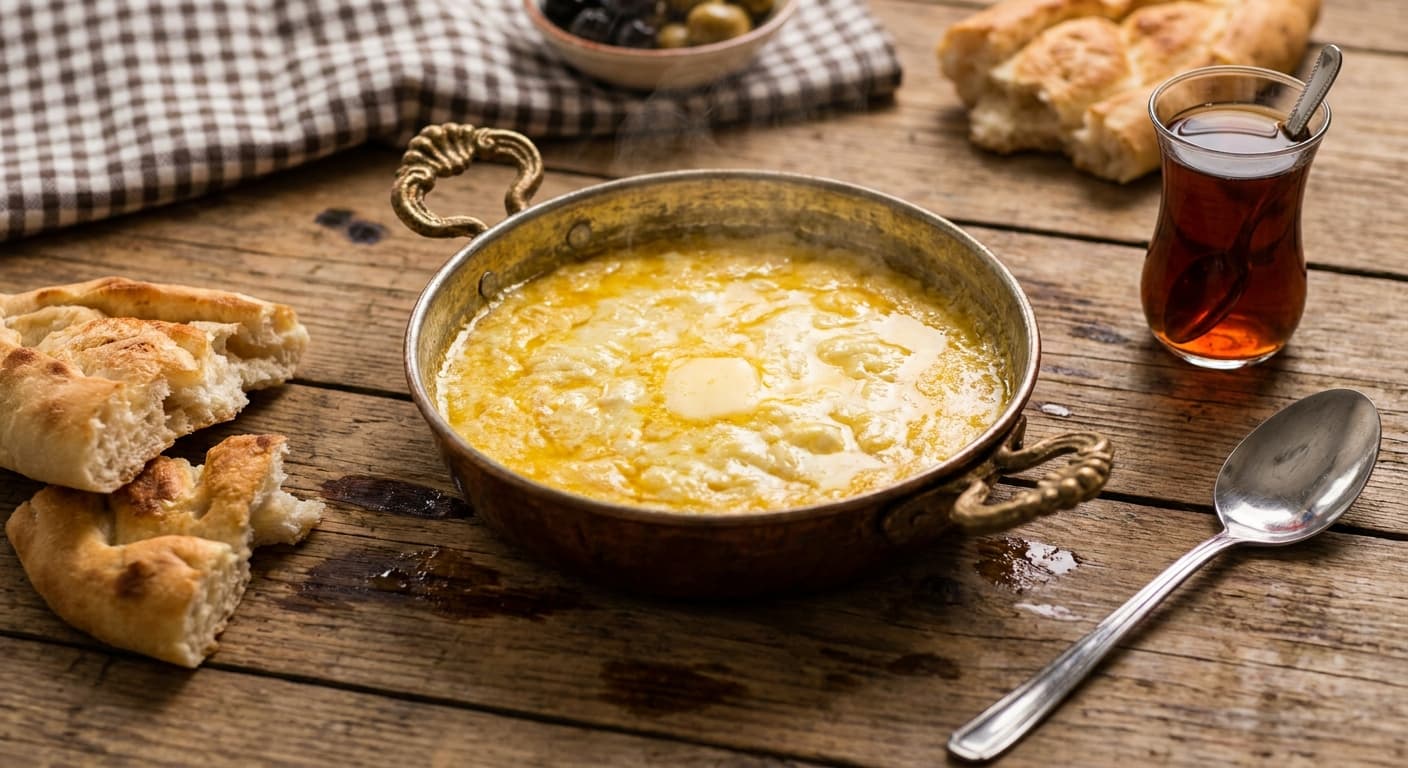
Mıhlama (Mıhlama) — Black Sea Cornmeal and Cheese Skillet
Turkish · Main Courses · 25 min
Sabzi Challow (سبزی چلو) — Afghan Spinach Stew with Rice
Afghan · Stews · 90 min
Reviews
Cooked this recipe?
Tap the stars to rate it — that's all it takes. A few words are welcome but optional.
No ratings yet. Cooked this one? Be the first to rate it — it takes one tap.