Omelet-e Gojeh Farangi ba Gharch (املت گوجهفرنگی و قارچ)
Tomato and mushroom omelet is a popular Iranian breakfast made by simmering juicy tomatoes with mushrooms and bell pepper into a thick, fragrant sauce, then setting the eggs on top. It’s perfect with fresh bread and sabzi khordan (fresh herbs).
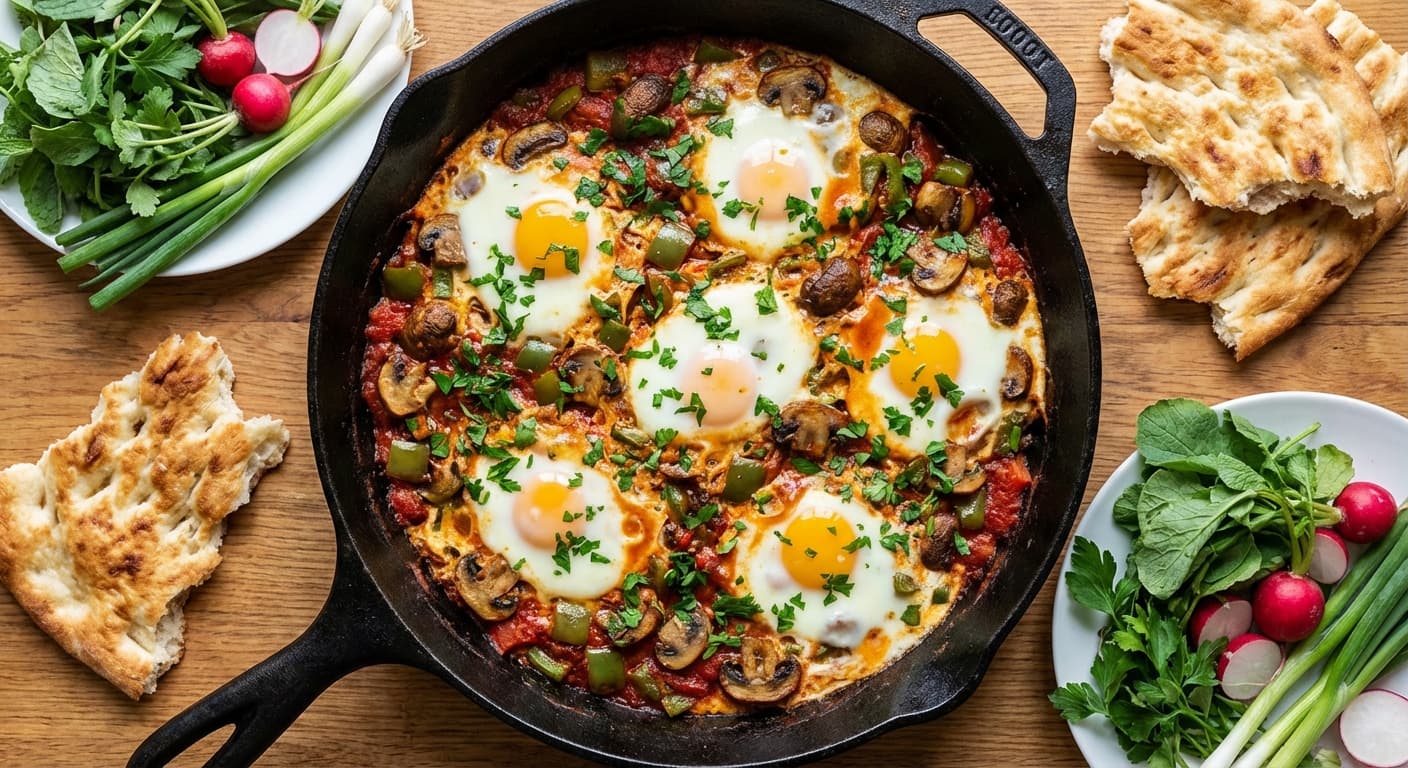
Printable Recipe Card
Servings: 4 · Total: 45 min · Difficulty: easy
Ingredients (quick list)
- 600 g Tomatoes, ripe (grated or finely chopped) (about 4 medium; grate on the coarse side for a saucier omelet)
- 250 g Mushrooms, cremini or white (sliced 5 mm) (wipe clean; do not soak in water)
- 120 g Bell pepper, green or red (thinly sliced) (about 1 small; remove seeds and membranes)
- 60 g Fried onion (piaz dagh), crispy (store-bought or homemade; measure after frying)
- 12 g Garlic, minced (about 3 large cloves)
- 30 g Vegetable oil (2 tbsp; plus a little to grease pan if needed)
- 6 g Salt (1 tsp, divided; adjust to tomato sweetness)
- 1 g Black pepper, freshly ground (1/2 tsp)
- 6 each Eggs, large (room temperature for even setting)
- 20 g Fresh parsley, finely chopped (about 1/2 cup loosely packed)
Steps (summary)
- Heat a 28–30 cm nonstick skillet over medium-high for 2 minutes. Add 30 g vegetable oil and let it shimmer for 30 seconds. Add…
- Reduce heat to medium. Add 120 g sliced bell pepper and cook 3 minutes until slightly softened but still bright. Stir in 60 g f…
- Add 600 g grated tomatoes, 4 g of the salt (about 2/3 tsp), and all 1 g black pepper. Stir well, then bring to a steady simmer.…
- Taste the tomato-mushroom base and add the remaining 2 g salt if needed. With a spoon, make 6 shallow wells across the surface.…
- For firmer yolks, keep covered 2–3 minutes longer; for runnier yolks, remove at 6 minutes. Turn off heat and rest, covered, 2 m…
Cultural Background
Tomato omelet is one of the most familiar home-style breakfasts in Iran, creating a deep, saucy flavor from simple ingredients. It’s commonly served with fresh bread and sabzi khordan at the breakfast table or as a light dinner, and it’s a symbol of quick, comforting Iranian cooking.
Equipment
💡 Tips
- Grating tomatoes creates a classic Persian omelet texture: thick, saucy, and cohesive without large chunks.
- If mushrooms release too much water, keep heat medium-high until the pan is nearly dry before adding peppers and tomatoes.
- Covering during the egg stage is essential; it sets the whites without overcooking the yolks.
- Use a wide skillet so the tomato base reduces quickly and eggs cook evenly.
⚠️ Common Mistakes
❌ Adding eggs before the tomato sauce reduces
💡 Why: Watery sauce prevents whites from setting and dilutes flavor, making the omelet runny.
✅ Fix: Simmer tomatoes uncovered 10–12 minutes until thick and glossy; no liquid should pool at the edges before adding eggs.
❌ Crowding mushrooms and stirring constantly
💡 Why: Mushrooms steam instead of browning, leading to pale color and weaker umami.
✅ Fix: Use a wide skillet, spread mushrooms in one layer, and stir only occasionally until moisture evaporates and edges brown.
❌ Cooking eggs on high heat without a lid
💡 Why: Bottom overcooks while tops stay raw, and yolks turn chalky.
✅ Fix: Lower heat to low, cover, and cook 6–8 minutes; rest 2 minutes off-heat for gentle carryover cooking.
❌ Burning garlic after adding it to hot oil
💡 Why: Burnt garlic tastes bitter and dominates the dish.
✅ Fix: Add garlic after peppers and fried onion, and cook only 45–60 seconds on medium before adding tomatoes.
🧊 How to Store
Best eaten fresh. Refrigerate leftovers in an airtight container up to 2 days. Reheat gently in a covered skillet on low with 1–2 tbsp water for 3–5 minutes; eggs will firm up. Not recommended for freezing due to egg texture.
📅 Make Ahead
Prepare the tomato-mushroom-pepper base up to 2 days ahead and refrigerate. Reheat in a skillet over medium until bubbling and thick again (3–5 minutes), then add eggs and cook covered on low 6–8 minutes as directed.
🍽️ Pairs Well With
- Sangak or barbari flatbread
- Sabzi khordan (fresh herbs: basil
- mint
- tarragon
- scallions)
- Torshi (Persian pickles)
- Hot tea (chai) for a classic breakfast table
Regional Variations
- Tehran (city-style café omelet)Often cooked down very thick and served sizzling in the pan with runnier yolks, meant to be scooped with hot sangak; fried onion is commonly generous for a deeper, sweeter base.
- Northern Iran (Gilan/Mazandaran home kitchens)Frequently finished with more fresh herbs and sometimes a slightly looser, more saucy texture to pair with local bread; mushrooms are a modern addition but fit well with the region’s herb-forward breakfasts.
Ingredients
- 600 gTomatoes, ripe (grated or finely chopped) (about 4 medium; grate on the coarse side for a saucier omelet)
- 250 gMushrooms, cremini or white (sliced 5 mm) (wipe clean; do not soak in water)
- 120 gBell pepper, green or red (thinly sliced) (about 1 small; remove seeds and membranes)
- 60 gFried onion (piaz dagh), crispy (store-bought or homemade; measure after frying)
- 12 gGarlic, minced (about 3 large cloves)
- 30 gVegetable oil (2 tbsp; plus a little to grease pan if needed)
- 6 gSalt (1 tsp, divided; adjust to tomato sweetness)
- 1 gBlack pepper, freshly ground (1/2 tsp)
- 6 eachEggs, large (room temperature for even setting)
- 20 gFresh parsley, finely chopped (about 1/2 cup loosely packed)
🔄 Substitutions
- Vegetable oil→ Olive oil
- Fresh parsley→ Fresh cilantro or a mix of cilantro and parsley
- Bell pepper→ Roasted red pepper strips (drained)
Instructions
- 1
Heat a 28–30 cm nonstick skillet over medium-high for 2 minutes. Add 30 g vegetable oil and let it shimmer for 30 seconds. Add 250 g sliced mushrooms in a single layer and sauté 6–8 minutes, stirring occasionally, until their liquid evaporates and edges turn golden.
- 2
Reduce heat to medium. Add 120 g sliced bell pepper and cook 3 minutes until slightly softened but still bright. Stir in 60 g fried onion and 12 g minced garlic; cook 45–60 seconds just until fragrant, keeping the garlic from browning to avoid bitterness.
- 3
Add 600 g grated tomatoes, 4 g of the salt (about 2/3 tsp), and all 1 g black pepper. Stir well, then bring to a steady simmer. Cook uncovered 10–12 minutes, stirring every 2 minutes, until the sauce is thick, glossy, and no watery liquid pools at the edges.
- 4
Taste the tomato-mushroom base and add the remaining 2 g salt if needed. With a spoon, make 6 shallow wells across the surface. Crack 6 eggs into the wells, spacing them evenly. Cover with a lid and cook on low 6–8 minutes until whites set and yolks are jammy.
- 5
For firmer yolks, keep covered 2–3 minutes longer; for runnier yolks, remove at 6 minutes. Turn off heat and rest, covered, 2 minutes so the eggs finish gently from residual heat. Sprinkle 20 g chopped parsley over the top and serve immediately, scooping sauce and egg together.
🪪 Recipe Passport
Cultural Background
Tomato omelet is one of the most familiar home-style breakfasts in Iran, creating a deep, saucy flavor from simple ingredients. It’s commonly served with fresh bread and sabzi khordan at the breakfast table or as a light dinner, and it’s a symbol of quick, comforting Iranian cooking.
Regional Variations
Researched from multiple sources and validated by the Zaffaron editorial team. Every recipe is tested for accuracy, measurements, and cultural authenticity.
Nutrition per serving
Pairs well with
If you enjoyed this recipe, here are a few related Zaffaron recipes to try next.
Does your family make this differently?
Every family has their own version. Maybe your grandmother adds a secret ingredient, or your aunt has a completely different technique. Preserve your family's version — with their name on it, forever.
You Might Also Like
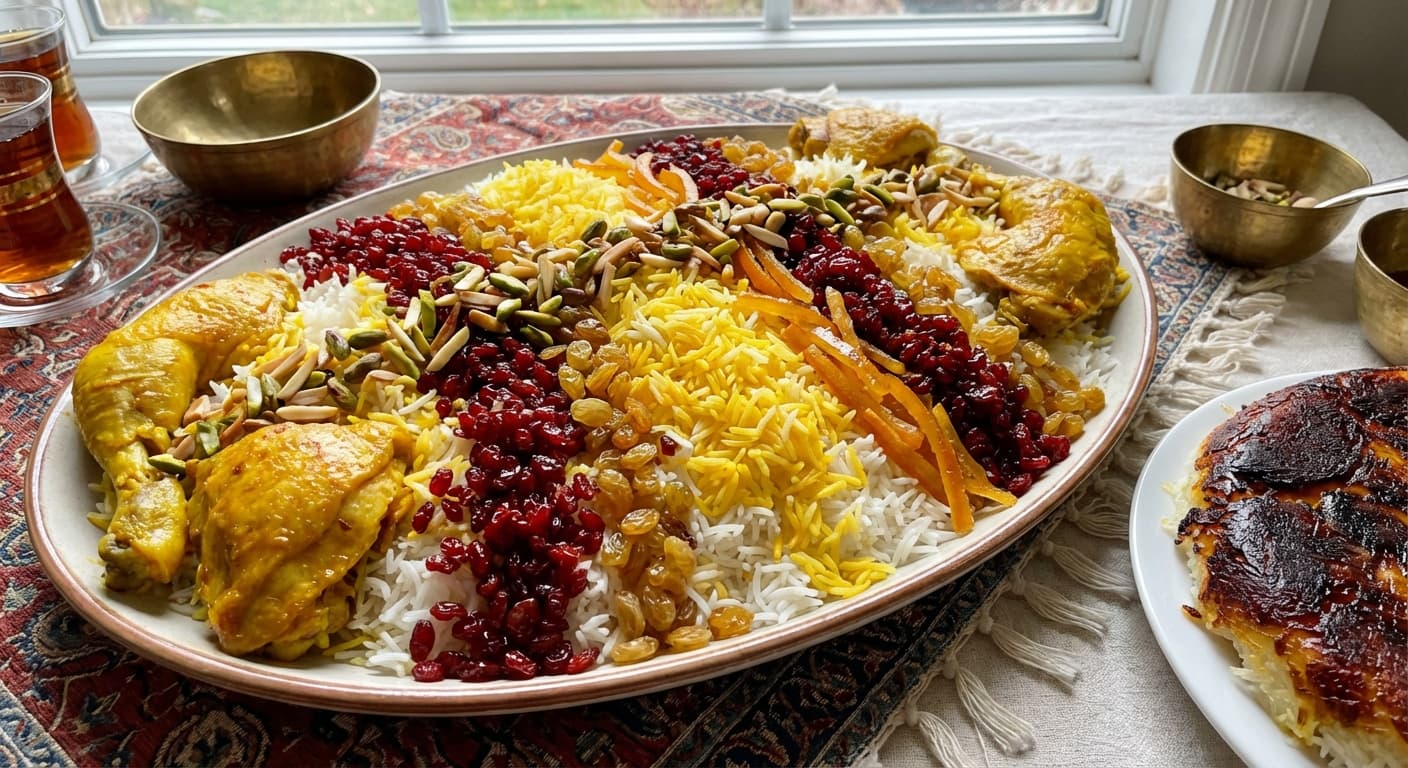
Jeweled Rice (مرصع پلو) — Festive Persian rice with saffron chicken and jeweled fruits
Persian · Rice Dishes · 135 min
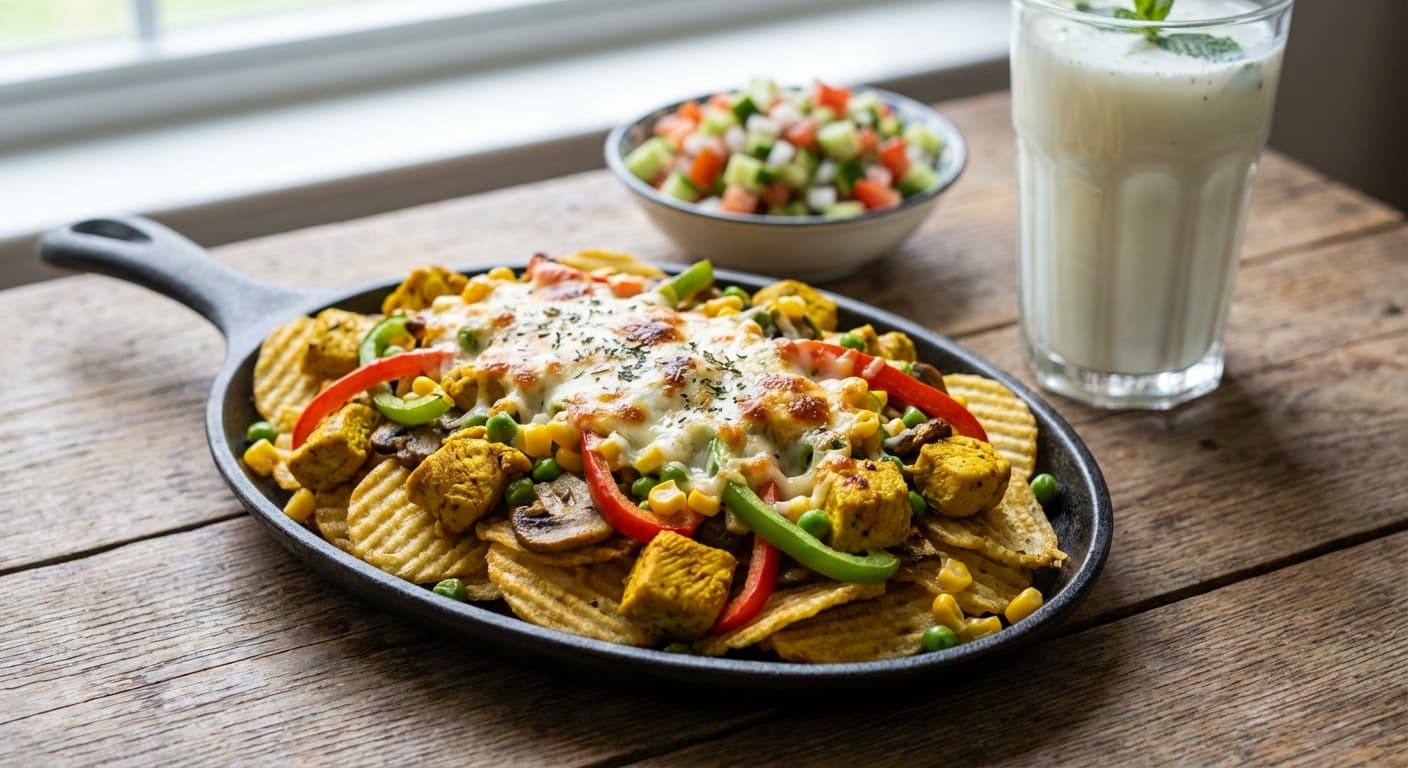
Persian-Style Pizza-Chips (خوراک چیپس و پنیر) — Street-Food Chip Bake with Chicken and Mozzarella
Persian · Main Courses · 45 min
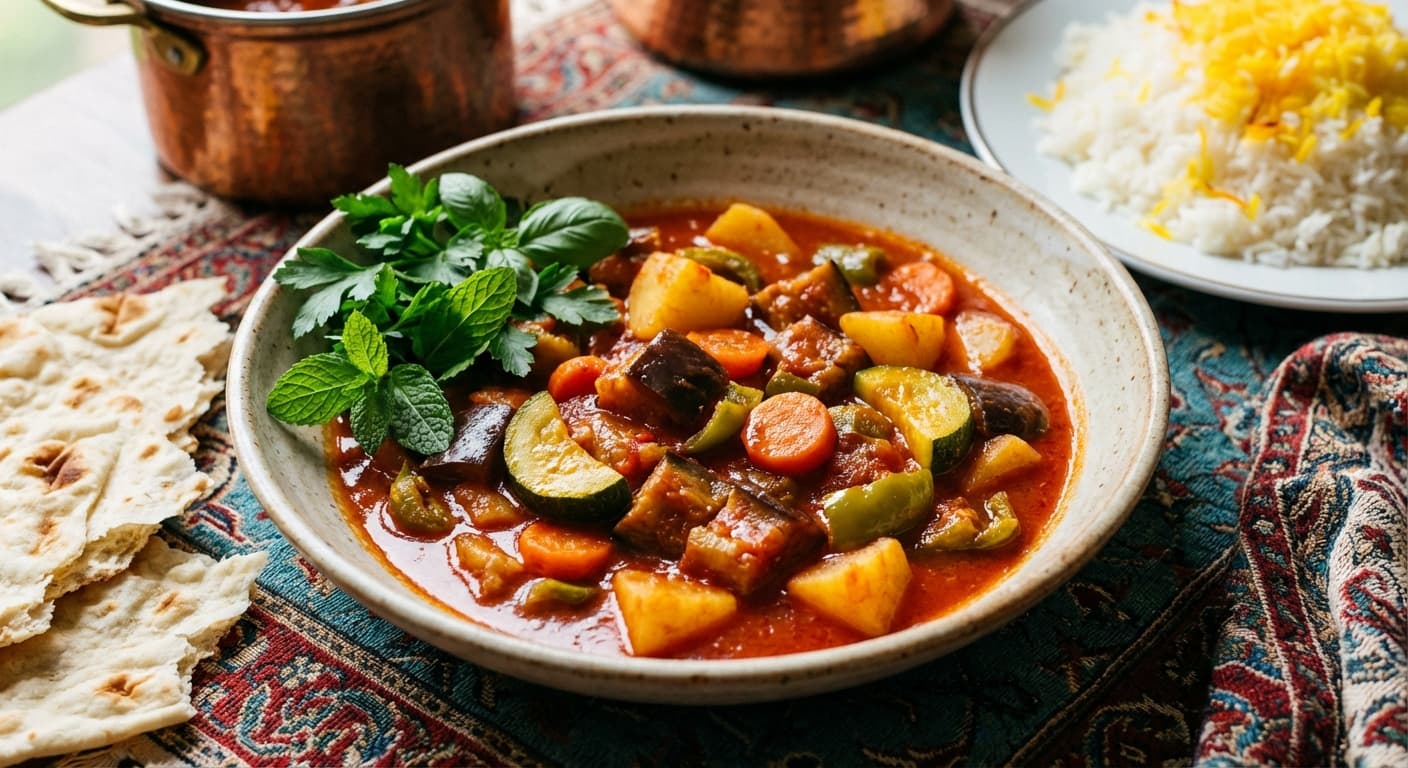
Yatimcheh (یتیمچه) — Persian Slow-Cooked Summer Vegetable Stew
Persian · Stews · 100 min
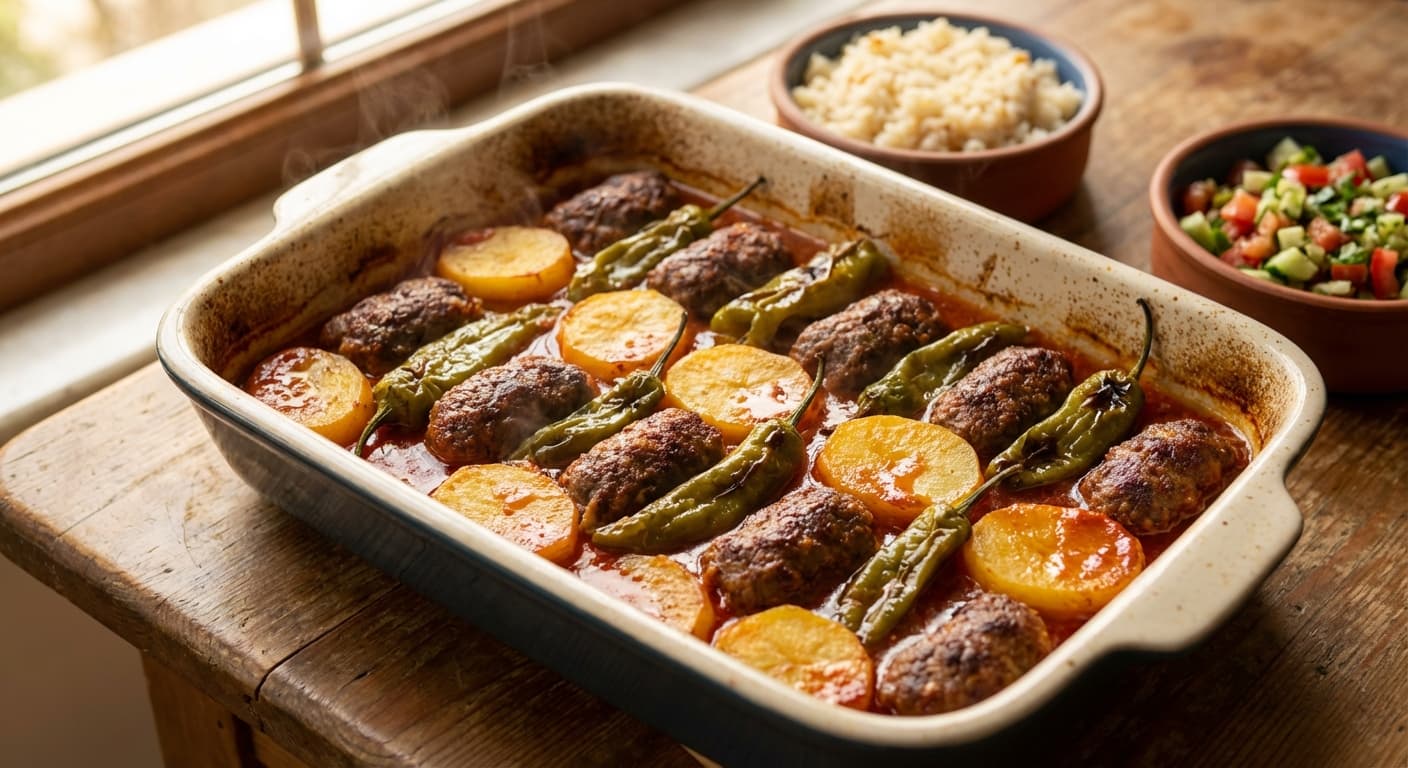
Izmir Kofte (İzmir Köfte) — Oven-Baked Meatballs with Tomato Sauce and Potatoes
Turkish · Main Courses · 70 min
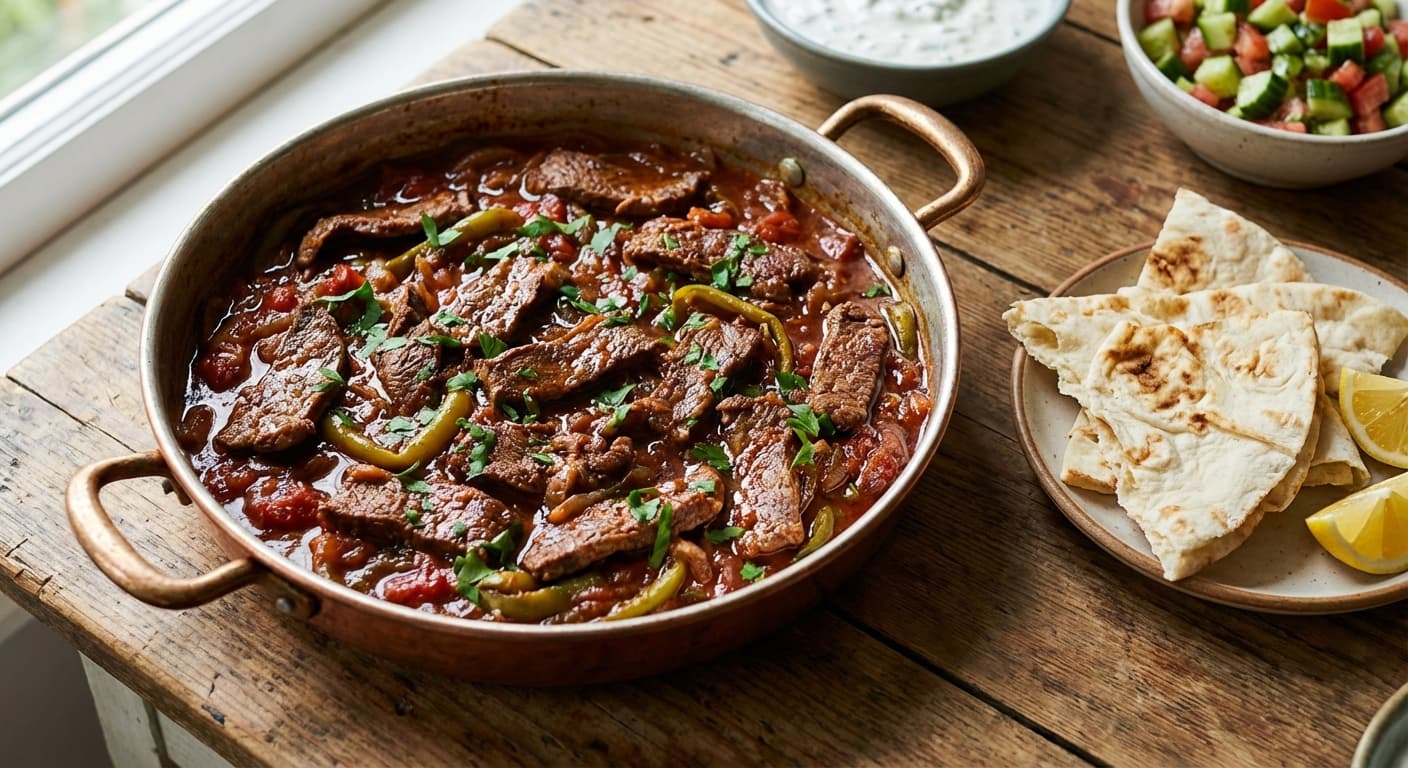
Sac Kavurma (Saç Kavurma) — Thin-Sliced Turkish Meat Sautéed with Onions
Turkish · Main Courses · 38 min
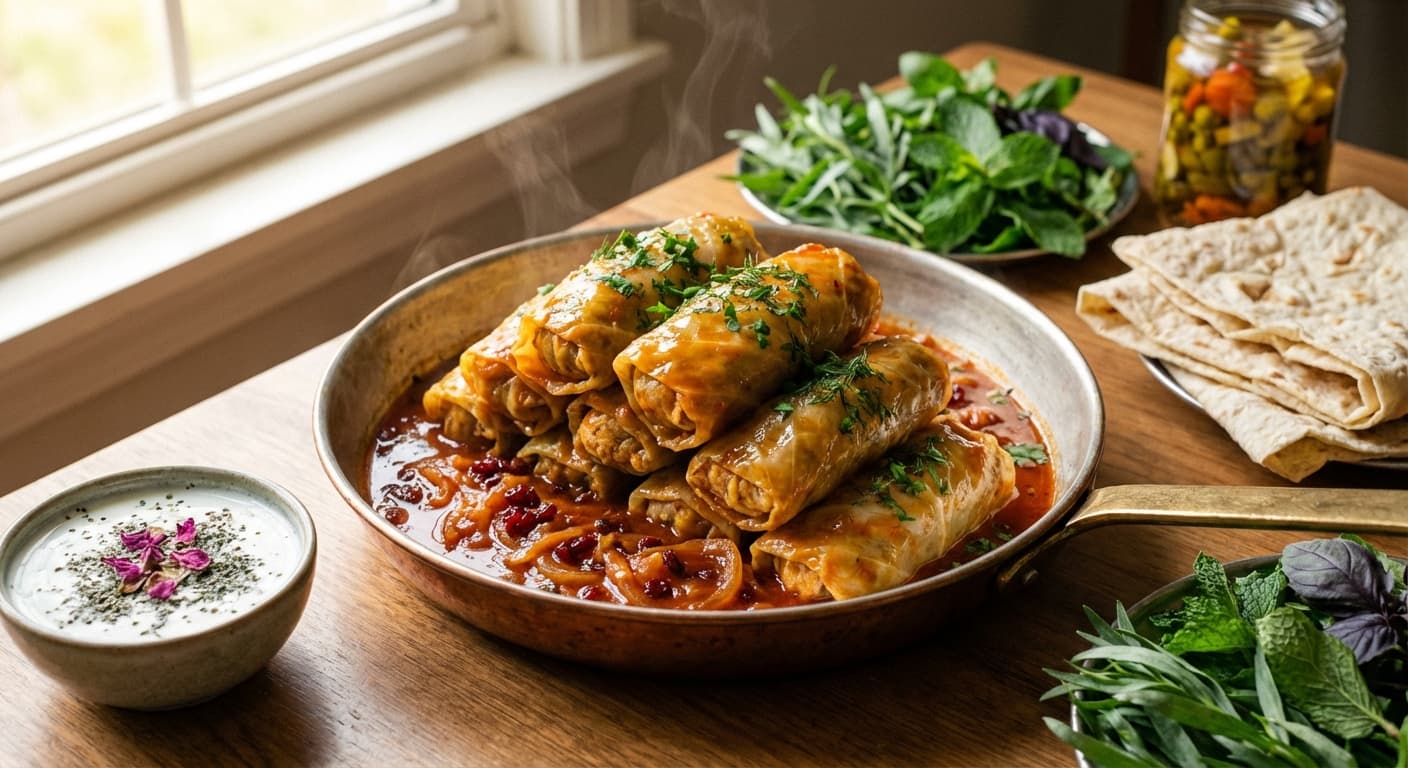
Chicken Stuffed Cabbage Rolls (دلمه کلم با مرغ) — Herb-Scented Persian Dolmeh in Tomato Saffron Sauce
Persian · Main Courses · 90 min
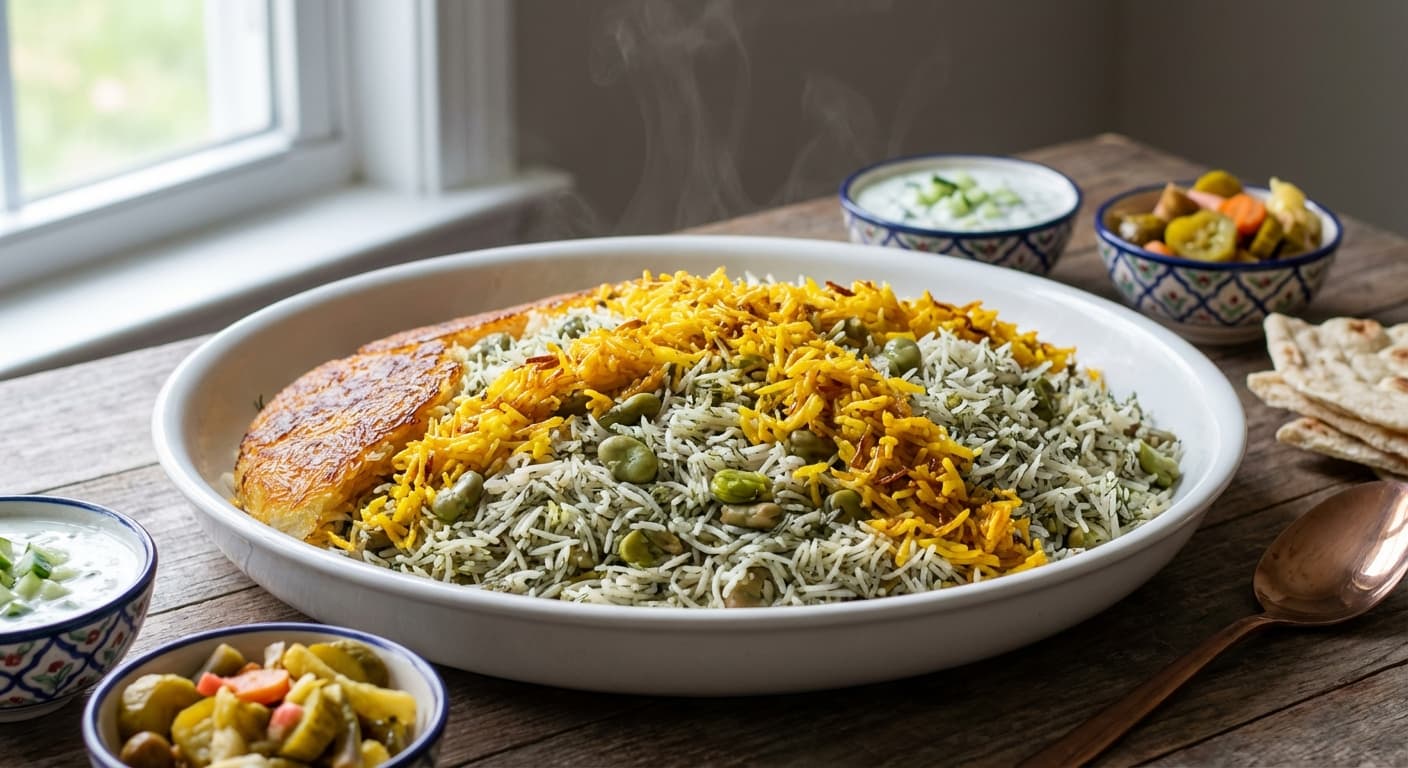
Baghali Polo (باقالی پلو) — Persian Dill and Fava Bean Rice with Saffron
Persian · Rice Dishes · 95 min
Pasta with Walnut Sauce (پاستا با سس گردو) — Creamy Persian Walnut-Yogurt Pasta
Persian · Main Courses · 35 min
Reviews
Cooked this recipe?
Tap the stars to rate it — that's all it takes. A few words are welcome but optional.
No ratings yet. Cooked this one? Be the first to rate it — it takes one tap.