Nokhod Polo (نخود پلو) — Persian Green Pea Rice
Nokhod Polo is a Persian dam-pokht style rice layered with sweet green peas, a rich tomato-onion base, turmeric, and brewed saffron. Finished with crisp potato tahdig, it is comforting, colorful, and fragrant.
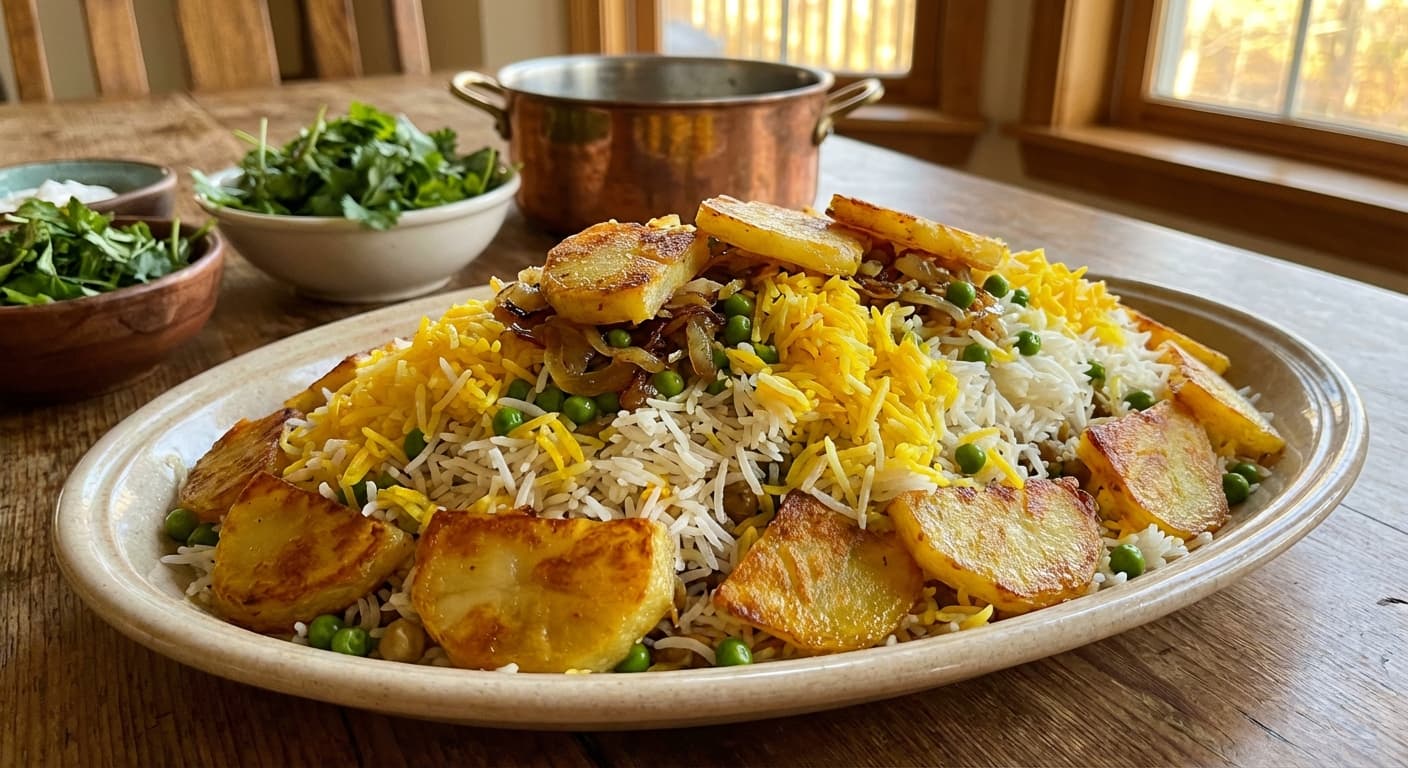
Printable Recipe Card
Servings: 6 · Total: 145 min · Difficulty: medium
Ingredients (quick list)
- 500 g Basmati rice (rinsed until water runs mostly clear)
- 1500 ml Water (for soaking and parboiling (plus more as needed))
- 20 g Fine sea salt (divided; includes salting the parboil water)
- 0.25 tsp Saffron threads (finely crushed)
- 45 ml Hot water (to brew saffron)
- 250 g Onion (finely diced)
- 75 ml Vegetable oil (divided)
- 2 tsp Ground turmeric
- 450 g Tomatoes (grated or finely chopped (about 3 medium))
- 30 g Tomato paste (about 2 tbsp)
- 300 g Green peas (frozen, thawed; or fresh shelled)
- 0.5 tsp Ground black pepper
+ 1 more in the full ingredients section below.
Steps (summary)
- Brew the saffron: crush saffron threads to a fine powder, then add 45 ml hot water (not boiling, about 80–90°C). Cover and stee…
- Make the tomato-pea base: heat 45 ml of the vegetable oil in a wide skillet over medium heat. Add diced onion and cook 10–12 mi…
- Add peas and finish the base: stir green peas into the tomato mixture with 5 g of the remaining salt. Cook 4–6 minutes until pe…
- Parboil the rice: bring a large pot of water to a rolling boil (about 3 liters). Add the remaining 5 g salt. Drain soaked rice…
- Set up potato tahdig: in a heavy 24–26 cm nonstick or well-seasoned pot, heat the remaining 30 ml vegetable oil over medium hea…
- Layer and steam (dam): reduce heat to low. Add one-third of the parboiled rice over the potatoes, then spoon on half the tomato…
+ 1 more steps in the full instructions section below.
Cultural Background
Nokhod Polo is a home-style Persian rice dish often cooked as a comforting family meal, especially when peas are in season or kept on hand frozen. The dam (steamed) method and tahdig reflect a broader Persian rice tradition where aroma, grain separation, and a crisp crust are valued at the table.
Equipment
💡 Tips
- Keep the tomato-pea base thick; excess liquid can make the rice clump and soften the tahdig.
- For longer grains, do not overboil during parboil—drain when the center still feels slightly firm.
- Use a heavy pot and very low heat for the final steam; high heat can burn the bottom before the rice finishes.
- If your lid does not seal well, place a sheet of foil under the lid to trap steam.
- For extra color contrast, reserve 2 tbsp of brewed saffron and drizzle after fluffing.
⚠️ Common Mistakes
❌ Boiling the rice until fully cooked during parboil
💡 Why: Fully cooked grains break and turn sticky during the final steam, losing the fluffy texture.
✅ Fix: Drain when the outside is tender but the center is still slightly firm; typical timing is 6–8 minutes after adding rice to boiling water.
❌ Using a watery tomato sauce
💡 Why: Extra moisture makes the rice clump and prevents the bottom from crisping into tahdig.
✅ Fix: Simmer tomatoes until thick and glossy; you should be able to drag a spoon through and briefly see the pan surface.
❌ Cooking on high heat during steaming
💡 Why: The bottom burns before steam evenly finishes the rice and sets the layers.
✅ Fix: After the first 2–3 minutes of strong sizzle, keep heat on low for 45–55 minutes; use a heat diffuser if your stove runs hot.
❌ Unmolding immediately after turning off the heat
💡 Why: The crust is fragile and can tear or stick before it firms up.
✅ Fix: Rest covered for 10 minutes, then loosen edges with a spatula before inverting.
🧊 How to Store
Cool leftovers within 2 hours. Refrigerate in an airtight container up to 4 days. Reheat covered with 1–2 tbsp water in a saucepan over low heat 10–12 minutes, or microwave covered 2–3 minutes, stirring once. Tahdig is best fresh; re-crisp in a skillet with 1 tsp oil over medium heat 3–5 minutes.
📅 Make Ahead
You can brew saffron up to 24 hours ahead and refrigerate it covered. The tomato-pea base can be cooked up to 2 days ahead; cool and refrigerate, then rewarm before layering. Parboil and drain rice up to 6 hours ahead; spread on a tray to cool, cover, and refrigerate, then bring to room temperature 20 minutes before steaming.
🍽️ Pairs Well With
- Plain yogurt or cucumber yogurt
- Shirazi-style salad (tomato
- cucumber
- onion
- lemon)
- Pickled vegetables
- Fresh herbs and radishes
Regional Variations
- Tehran-style home cookingOften made as a simple dam-pokht with a thicker tomato base and a generous potato tahdig, emphasizing a strong saffron finish on top.
- Northern Iran (Caspian influence)Some households add more onions and keep the tomato lighter, focusing on the sweetness of peas and a softer, more aromatic steam with extra saffron.
- Diaspora kitchensConvenience adaptations may use frozen peas and canned tomatoes, with careful simmering to maintain a thick base and preserve the classic fluffy rice texture.
Ingredients
- 500 gBasmati rice (rinsed until water runs mostly clear)
- 1500 mlWater (for soaking and parboiling (plus more as needed))
- 20 gFine sea salt (divided; includes salting the parboil water)
- 0.25 tspSaffron threads (finely crushed)
- 45 mlHot water (to brew saffron)
- 250 gOnion (finely diced)
- 75 mlVegetable oil (divided)
- 2 tspGround turmeric
- 450 gTomatoes (grated or finely chopped (about 3 medium))
- 30 gTomato paste (about 2 tbsp)
- 300 gGreen peas (frozen, thawed; or fresh shelled)
- 0.5 tspGround black pepper
- 350 gPotato (peeled and sliced into 5 mm rounds)
🔄 Substitutions
- Green peas (300 g)→ Diced carrots (200 g) plus peas (150 g)
- Fresh tomatoes (450 g) + tomato paste (30 g)→ Crushed canned tomatoes (400 g) + tomato paste (15 g)
- Potato tahdig→ Flatbread tahdig (1 large sheet lavash or similar)
Instructions
- 1
Brew the saffron: crush saffron threads to a fine powder, then add 45 ml hot water (not boiling, about 80–90°C). Cover and steep 15 minutes until deeply colored. Meanwhile, rinse the basmati rice 5–7 times, then soak it in plenty of water with 10 g of the salt for 45 minutes to help the grains elongate.
- 2
Make the tomato-pea base: heat 45 ml of the vegetable oil in a wide skillet over medium heat. Add diced onion and cook 10–12 minutes, stirring, until golden. Add turmeric and black pepper and cook 30 seconds. Stir in tomato paste and fry 2 minutes, then add grated tomatoes and simmer 12–15 minutes until thick and glossy.
- 3
Add peas and finish the base: stir green peas into the tomato mixture with 5 g of the remaining salt. Cook 4–6 minutes until peas are hot and coated but still bright. The mixture should be thick, not watery; if it looks loose, simmer 2–3 minutes more. Turn off heat and keep covered so it stays warm.
- 4
Parboil the rice: bring a large pot of water to a rolling boil (about 3 liters). Add the remaining 5 g salt. Drain soaked rice and add to the boiling water; stir once to prevent sticking. Boil 6–8 minutes until the grains are tender on the outside but still firm in the center. Drain immediately in a colander and rinse briefly with cool water to stop cooking.
- 5
Set up potato tahdig: in a heavy 24–26 cm nonstick or well-seasoned pot, heat the remaining 30 ml vegetable oil over medium heat for 1 minute. Arrange potato slices in a single, slightly overlapping layer. Cook 2–3 minutes until the oil shimmers and the potatoes begin to sizzle; this jump-starts browning and helps the crust release later.
- 6
Layer and steam (dam): reduce heat to low. Add one-third of the parboiled rice over the potatoes, then spoon on half the tomato-pea base. Repeat with another third of rice and the remaining base, finishing with the last third of rice. Drizzle brewed saffron over the top and sprinkle 60 ml water around the edges. Cover the lid with a clean towel and steam 45–55 minutes on low until fragrant.
- 7
Rest, unmold, and serve: turn off heat and let the pot rest, covered, for 10 minutes to set the crust. Gently fluff the rice, lifting from the sides to avoid breaking grains. For a dramatic presentation, place a platter over the pot and invert to reveal the potato tahdig. Serve immediately, distributing saffron-tinted rice and peas evenly.
🪪 Recipe Passport
Cultural Background
Nokhod Polo is a home-style Persian rice dish often cooked as a comforting family meal, especially when peas are in season or kept on hand frozen. The dam (steamed) method and tahdig reflect a broader Persian rice tradition where aroma, grain separation, and a crisp crust are valued at the table.
Regional Variations
Researched from multiple sources and validated by the Zaffaron editorial team. Every recipe is tested for accuracy, measurements, and cultural authenticity.
Nutrition per serving
Pairs well with
If you enjoyed this recipe, here are a few related Zaffaron recipes to try next.
Does your family make this differently?
Every family has their own version. Maybe your grandmother adds a secret ingredient, or your aunt has a completely different technique. Preserve your family's version — with their name on it, forever.
You Might Also Like
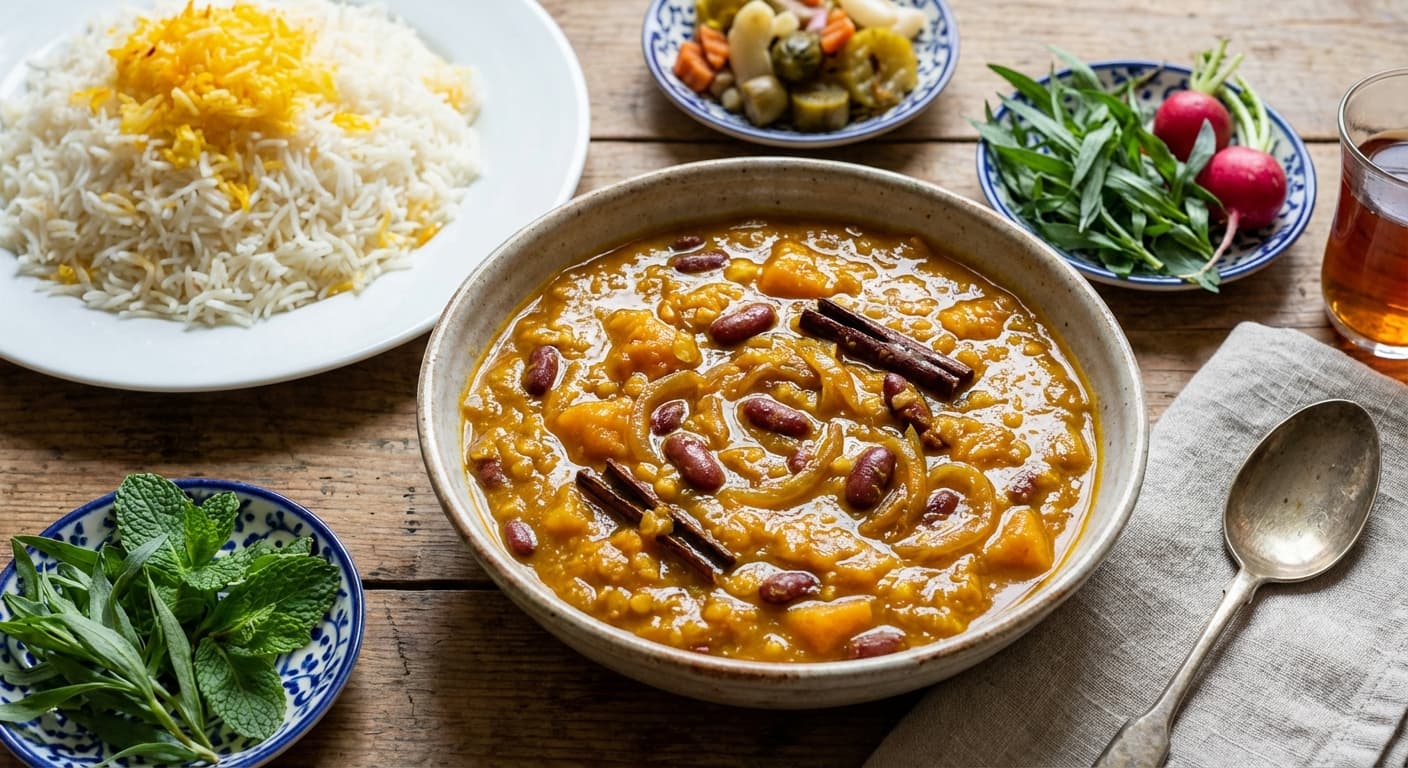
Gheimeh Kadoo Halvai (قیمه کدو حلوایی) — Sweet Pumpkin & Legume Stew
Persian · Stews · 110 min
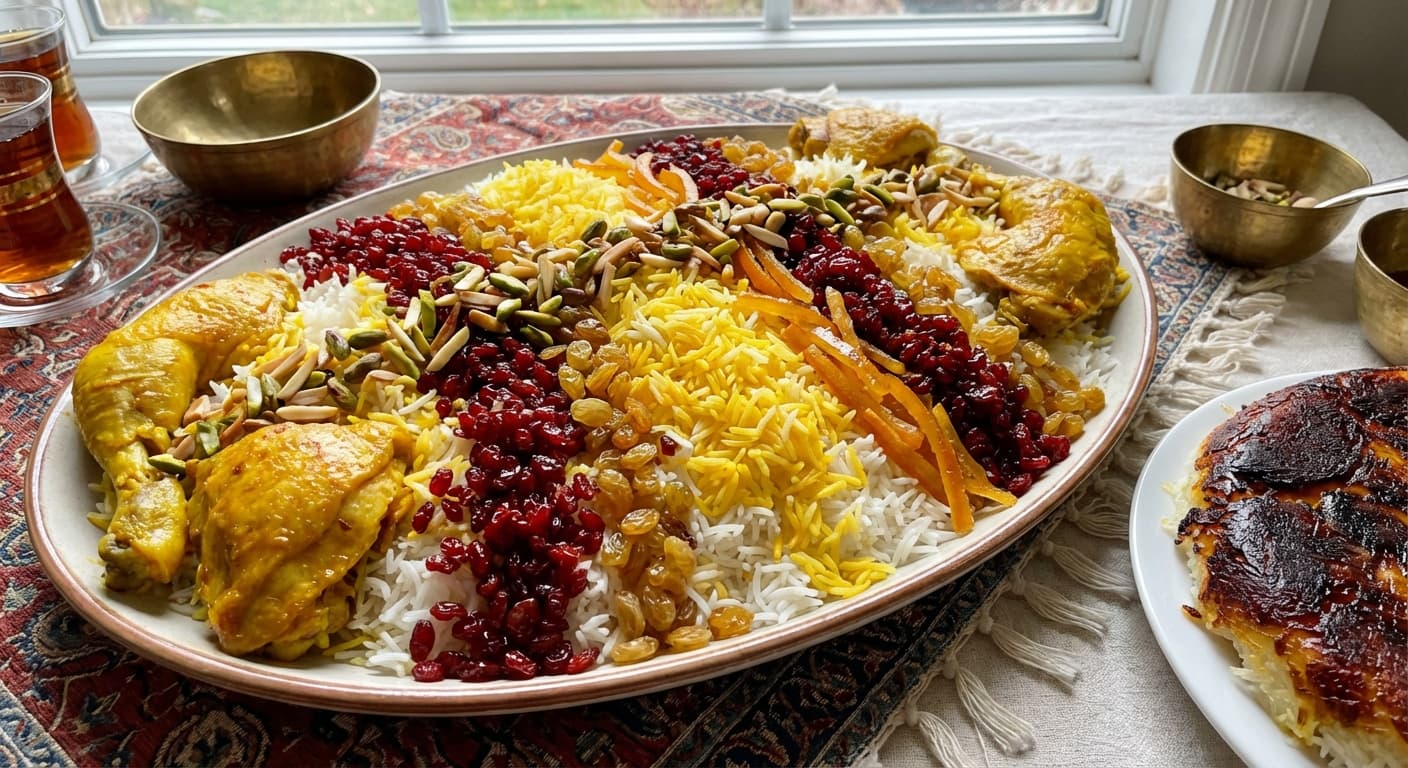
Jeweled Rice (مرصع پلو) — Festive Persian rice with saffron chicken and jeweled fruits
Persian · Rice Dishes · 135 min

Persian-Style Pizza-Chips (خوراک چیپس و پنیر) — Street-Food Chip Bake with Chicken and Mozzarella
Persian · Main Courses · 45 min
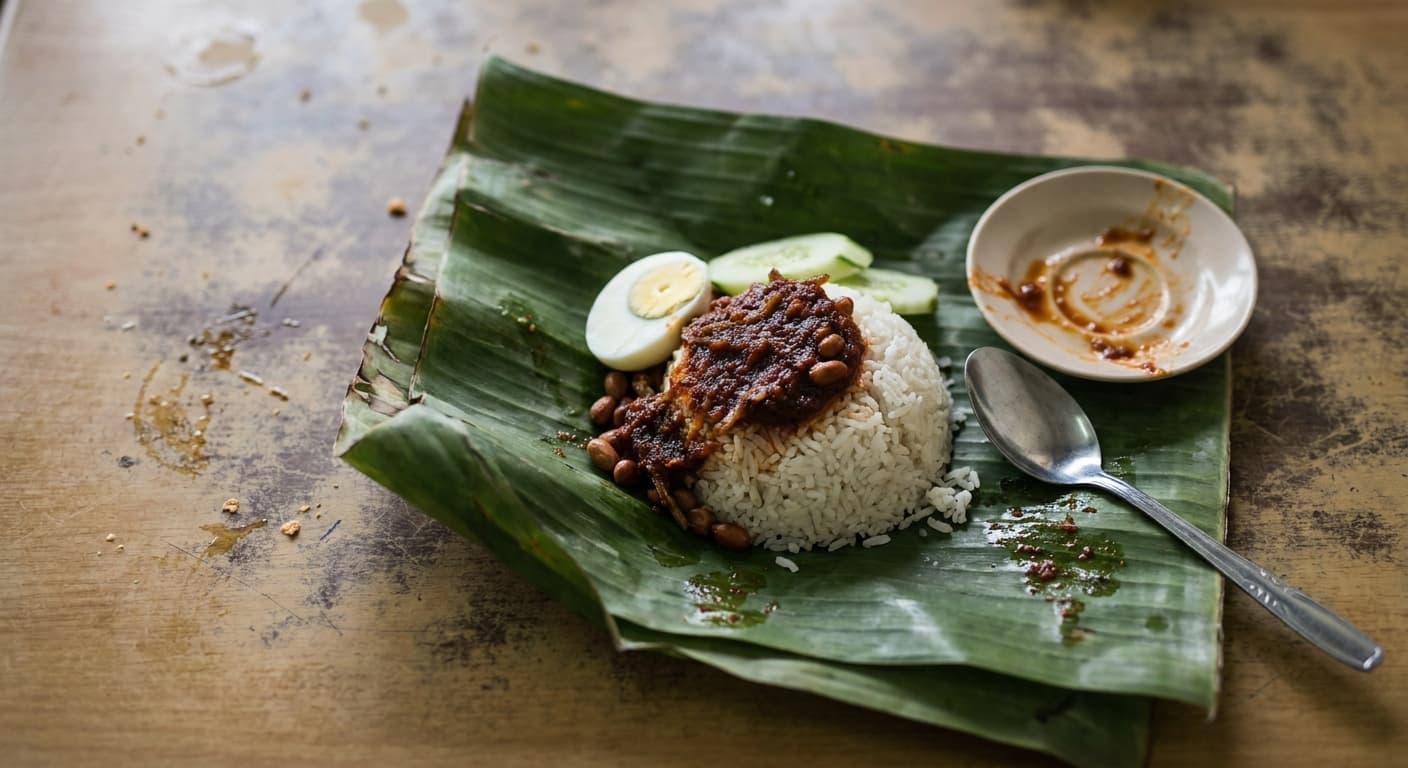
Malaysian Coconut Rice (Nasi Lemak) — Banana-Leaf Breakfast with Sambal Ikan Bilis
Malaysian · Rice Dishes · 95 min
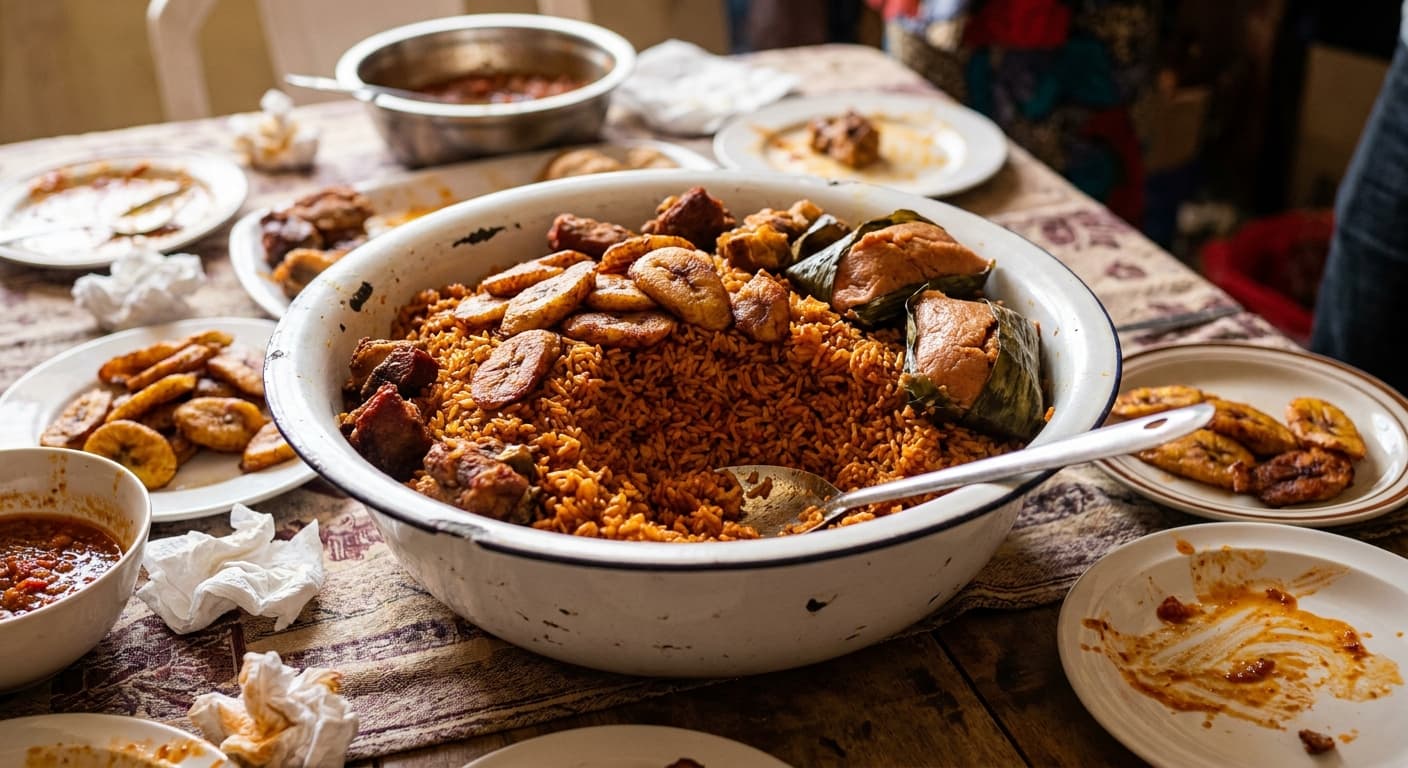
Nigerian Jollof Rice (Jollof Rice) — Smoky Party-Style Tomato Rice
West african · Rice Dishes · 80 min
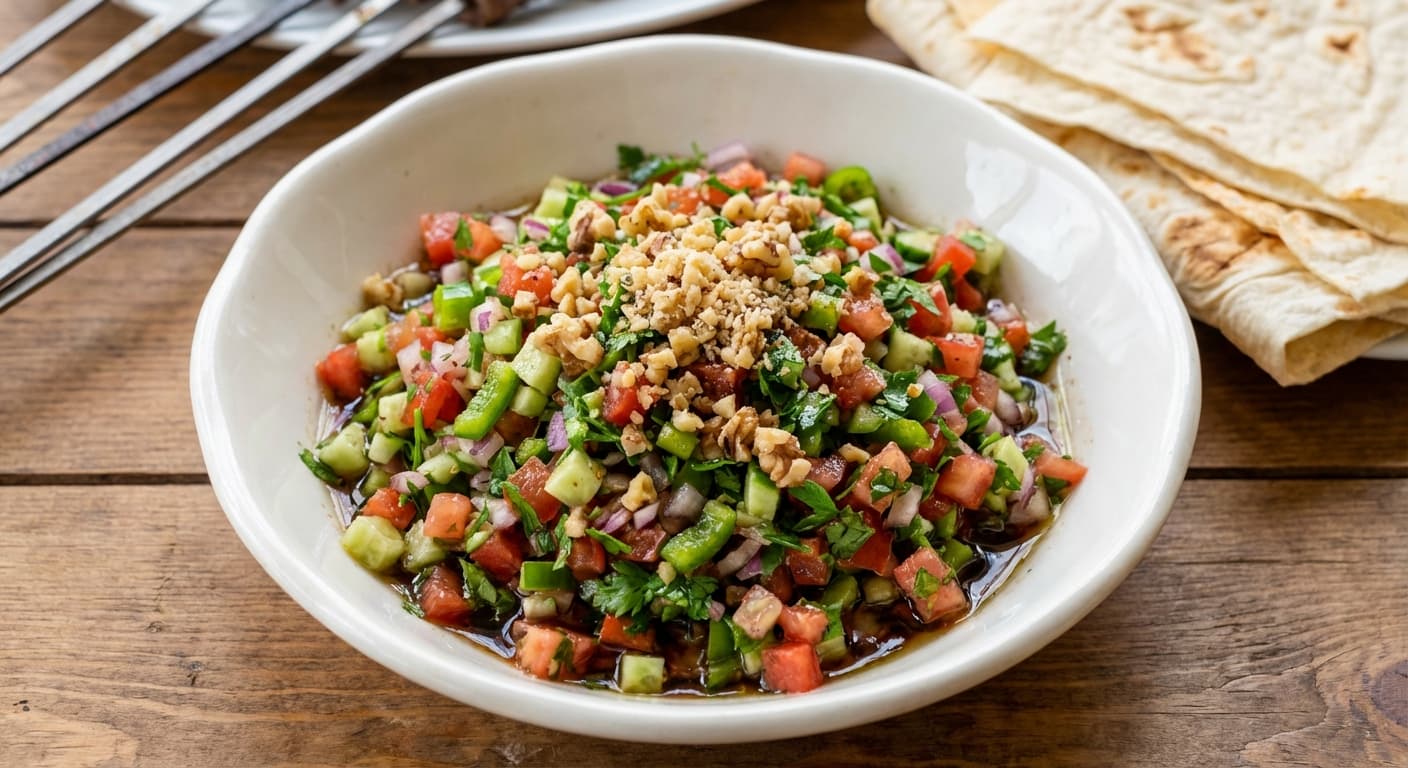
Gavurdağı Salad (Gavurdağı Salatası) — Finely Chopped Walnut & Pomegranate Salad
Turkish · Salads · 20 min
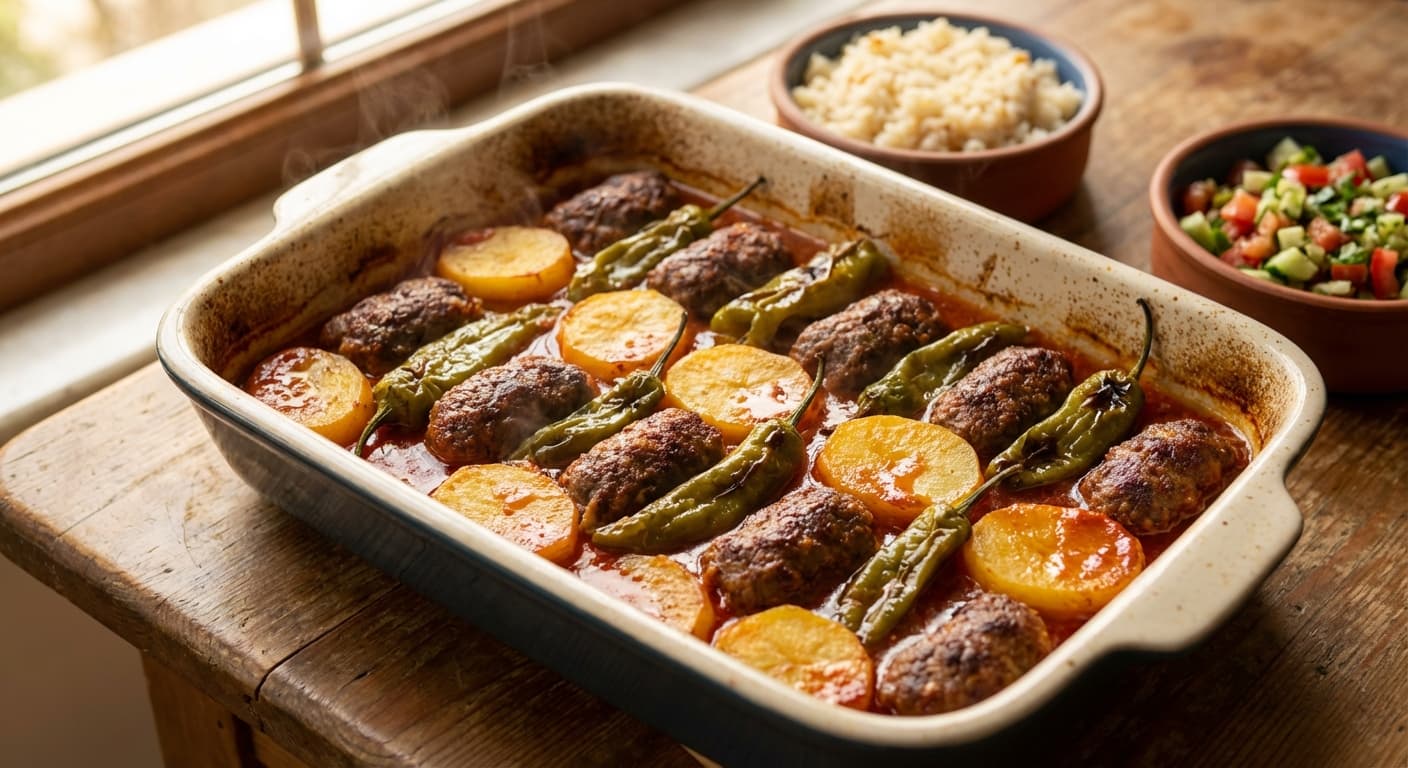
Izmir Kofte (İzmir Köfte) — Oven-Baked Meatballs with Tomato Sauce and Potatoes
Turkish · Main Courses · 70 min
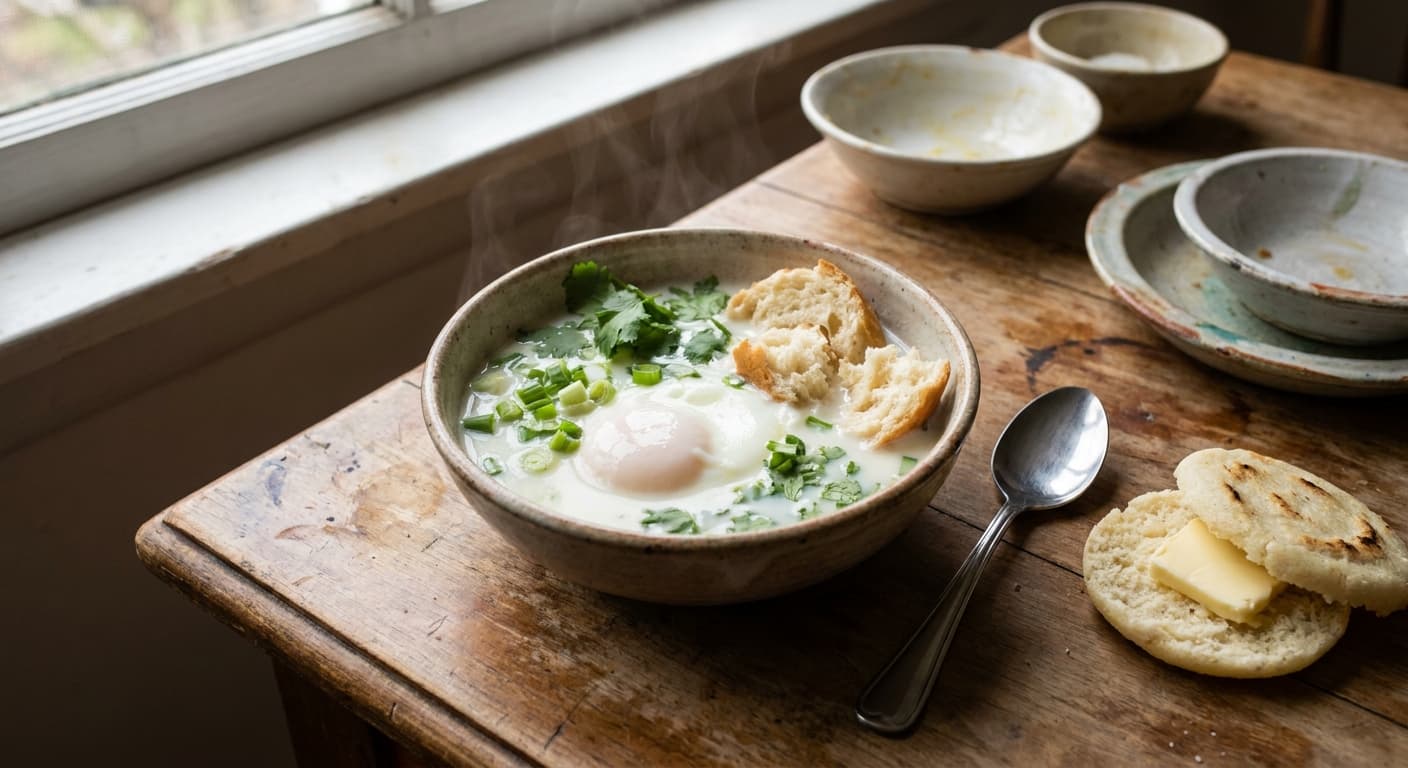
Changua (Changua) — Colombian Milk-and-Egg Breakfast Soup
Colombian · Soups · 25 min
Reviews
Cooked this recipe?
Tap the stars to rate it — that's all it takes. A few words are welcome but optional.
No ratings yet. Cooked this one? Be the first to rate it — it takes one tap.