Malaysian Coconut Rice (Nasi Lemak) — Banana-Leaf Breakfast with Sambal Ikan Bilis
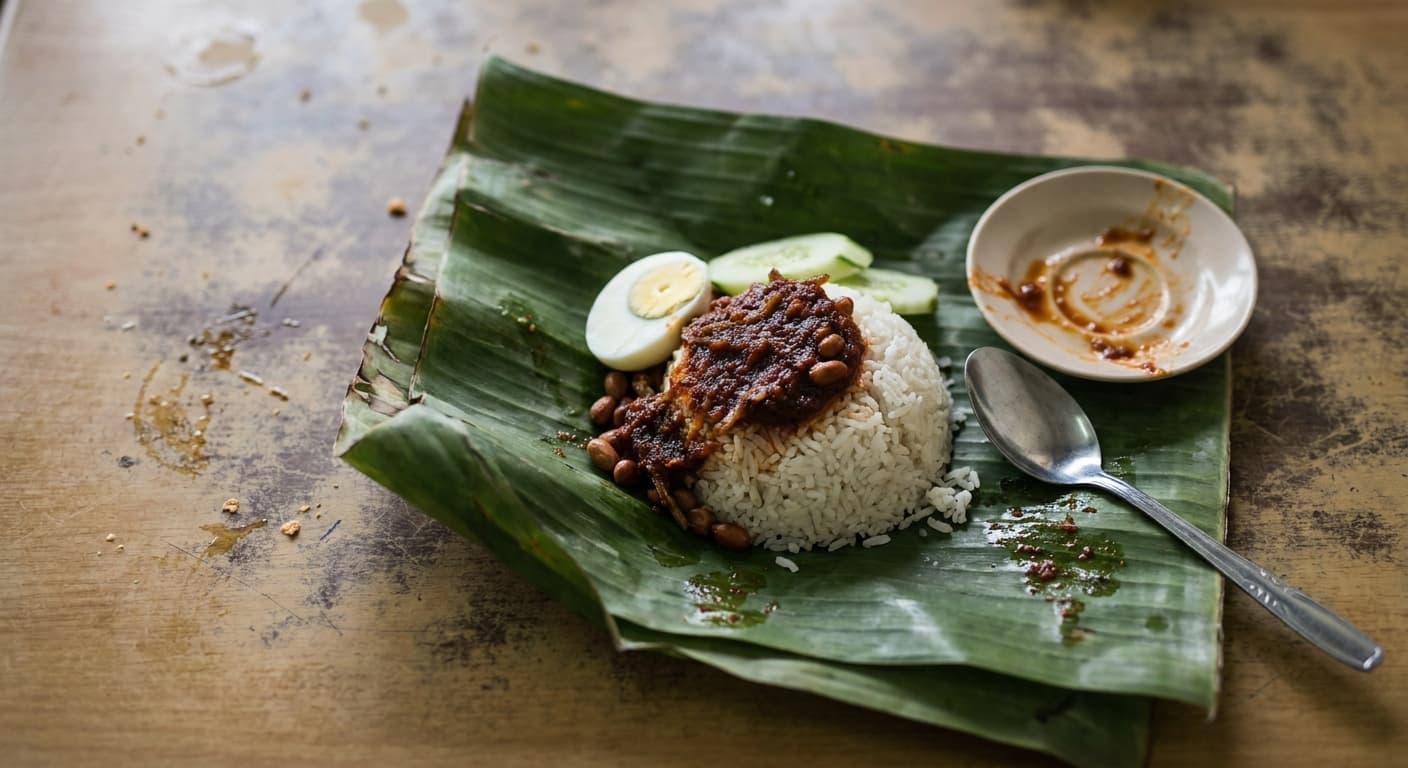
Nasi lemak is Malaysia’s beloved coconut-rice meal, served for breakfast, lunch, or late-night supper. This version pairs pandan-scented rice with sambal ikan bilis, peanuts, egg, cucumber, and banana leaf.
Printable Recipe Card
Servings: 6 · Total: 95 min · Difficulty: medium
Ingredients (quick list)
- 450 g jasmine rice (rinsed until the water runs nearly clear)
- 400 ml full-fat coconut milk
- 350 ml water
- 3 leaf pandan leaves (knotted)
- 1 inch fresh ginger (lightly bruised)
- 1.25 tsp fine sea salt
- 120 g dried anchovies (ikan bilis, heads and guts removed if needed)
- 150 g raw skin-on peanuts
- 120 ml neutral cooking oil (for frying anchovies and peanuts)
- 6 eggs
- 1 cucumber (sliced into 18 rounds)
- 6 banana leaves (wiped clean and softened briefly over heat)
+ 9 more in the full ingredients section below.
Steps (summary)
- Rinse the jasmine rice in several changes of water until the water is only faintly cloudy, then drain it for 10 minutes. Put th…
- Cook the rice using the normal white-rice setting, or bring it to a boil in a covered saucepan and then reduce the heat to very…
- Place the eggs in a saucepan, cover them with 3 cm of cold water, and bring the water to a boil. Reduce the heat to a gentle si…
- Pour 500 ml boiling water over the dried red chiles and soak them for 15 minutes, then drain them well. Toast the belacan in a…
- Blend the soaked dried chiles, fresh red chiles, shallots, garlic, toasted belacan, and 60 ml of the measured 180 ml water into…
- Heat 120 ml neutral oil in a wok or deep skillet over medium heat and fry the peanuts for 4 to 5 minutes, stirring constantly,…
+ 3 more steps in the full instructions section below.
Cultural Background
Often called Malaysia’s national dish, nasi lemak grew from a practical Malay rice meal into a multiethnic staple sold at roadside stalls, kopitiams, school canteens, and home kitchens across the country.
Equipment
💡 Tips
- Cook the sambal patiently until the oil separates; undercooked sambal tastes sharp and raw instead of rounded and caramelized.
- Use full-fat coconut milk for the rice, because light coconut milk gives weaker aroma and a drier mouthfeel.
- Keep some ikan bilis out of the sambal so the plate has both saucy anchovies and crisp anchovies.
⚠️ Common Mistakes
❌ Cooking the sambal too quickly over high heat
✅ Fix: Use medium-low heat and fry until the oil separates, which develops sweetness and removes the raw chile edge.
❌ Adding too much water to the coconut rice
✅ Fix: Measure the coconut milk and water precisely, because coconut milk contributes liquid as well as fat.
❌ Mixing all the anchovies into the sambal
✅ Fix: Reserve more than half for topping so the finished plate has the expected crisp contrast.
🧊 How to Store
Store rice, sambal, eggs, peanuts, and anchovies separately in airtight containers. Refrigerate rice and sambal for up to 3 days, reheat rice with 15 ml water per serving, and re-crisp anchovies and peanuts in a 160°C oven for 5 minutes.
📅 Make Ahead
Make the sambal up to 3 days ahead and refrigerate it, as its flavor improves after resting. Wash and drain the rice 2 hours ahead, but cook it close to serving for the best coconut aroma.
🍽️ Pairs Well With
- Teh tarik
- kopi O
- extra cucumber slices
- acar awak
- fried chicken
- beef rendang.
Regional Variations
- Nasi lemak bungkus is wrapped in banana leaf and paper as a compact triangular packet, usually with a smaller portion of sambal and toppings.
- Nasi lemak ayam goreng adds spiced fried chicken and is common at stalls and casual restaurants.
- Nasi lemak rendang serves the coconut rice with beef rendang for a richer celebration-style plate.
- Some northern Malaysian versions include a sweeter sambal, while many city hawker versions make the sambal hotter and darker.
Ingredients
- 450 gjasmine rice (rinsed until the water runs nearly clear)
- 400 mlfull-fat coconut milk
- 350 mlwater
- 3 leafpandan leaves (knotted)
- 1 inchfresh ginger (lightly bruised)
- 1.25 tspfine sea salt
- 120 gdried anchovies (ikan bilis, heads and guts removed if needed)
- 150 graw skin-on peanuts
- 120 mlneutral cooking oil (for frying anchovies and peanuts)
- 6eggs
- 1cucumber (sliced into 18 rounds)
- 6banana leaves (wiped clean and softened briefly over heat)
- 35 gdried red chiles (stems removed and seeds shaken out for medium heat)
- 500 mlboiling water (for soaking chiles)
- 3fresh red chiles (roughly chopped)
- 8shallots (peeled and roughly chopped)
- 3 clovegarlic (peeled)
- 10 gbelacan (Malaysian fermented shrimp paste)
- 1yellow onion (thinly sliced)
- 2 tbsptamarind paste
- 35 gpalm sugar (finely chopped)
🔄 Substitutions
- pandan leaves→ 1 tsp pandan extract
- belacan→ 15 ml fish sauce
- dried anchovies→ fried small dried whitebait
Instructions
- 1
Rinse the jasmine rice in several changes of water until the water is only faintly cloudy, then drain it for 10 minutes. Put the rice, coconut milk, 350 ml water, knotted pandan leaves, bruised ginger, and 1.25 tsp salt into a rice cooker or a heavy saucepan.
- 2
Cook the rice using the normal white-rice setting, or bring it to a boil in a covered saucepan and then reduce the heat to very low for 15 minutes. Let the rice stand off the heat, still covered, for 10 minutes before removing the pandan and ginger and fluffing the grains gently.
- 3
Place the eggs in a saucepan, cover them with 3 cm of cold water, and bring the water to a boil. Reduce the heat to a gentle simmer for 9 minutes, then transfer the eggs to cold water for 5 minutes before peeling and halving them.
- 4
Pour 500 ml boiling water over the dried red chiles and soak them for 15 minutes, then drain them well. Toast the belacan in a dry small pan over medium heat for 1 minute on each side until aromatic, taking care not to let it scorch.
- 5
Blend the soaked dried chiles, fresh red chiles, shallots, garlic, toasted belacan, and 60 ml of the measured 180 ml water into a coarse paste. The texture should be slightly rough rather than perfectly smooth, because traditional sambal nasi lemak has body and visible chile pulp.
- 6
Heat 120 ml neutral oil in a wok or deep skillet over medium heat and fry the peanuts for 4 to 5 minutes, stirring constantly, until deep golden. Lift them out with a slotted spoon, season with no additional salt, and drain them on a rack or paper towel.
- 7
In the same oil, fry the dried anchovies for 3 to 5 minutes until crisp and lightly browned, then remove and drain them well. Reserve 50 g of the crisp anchovies for the sambal and keep the remaining 70 g for serving as a crunchy topping.
- 8
Heat 70 ml fresh oil in a clean wok over medium-low heat, add the blended sambal paste, and fry it for 12 to 15 minutes until the oil separates and the raw chile smell disappears. Add the sliced onion, tamarind paste, the remaining 120 ml water, palm sugar, 0.75 tsp salt, and the reserved 50 g anchovies, then simmer for 10 minutes until glossy and thick.
- 9
Line each plate with a softened banana leaf and mound one-sixth of the coconut rice in the center. Serve with sambal ikan bilis, crisp anchovies, fried peanuts, half a boiled egg, and 3 cucumber slices, keeping the sambal slightly to one side so diners can mix it through the rice themselves.
🪪 Recipe Passport
Cultural Background
Often called Malaysia’s national dish, nasi lemak grew from a practical Malay rice meal into a multiethnic staple sold at roadside stalls, kopitiams, school canteens, and home kitchens across the country.
Regional Variations
Researched from multiple sources and validated by the Zaffaron editorial team. Every recipe is tested for accuracy, measurements, and cultural authenticity.
📚 Sources & Cultural References
- Norman Musa — Amazing Malaysian: Recipes for Vibrant Malaysian Home-Cooking — (2016)
- Ping Coombes — Malaysia: Recipes from a Family Kitchen — (2017)
Sources cited by the Zaffaron editorial team during recipe research. Cultural and culinary references supporting authenticity claims.
Nutrition per serving
Pairs well with
If you enjoyed this recipe, here are a few related Zaffaron recipes to try next.
Does your family make this differently?
Every family has their own version. Maybe your grandmother adds a secret ingredient, or your aunt has a completely different technique. Preserve your family's version — with their name on it, forever.
You Might Also Like
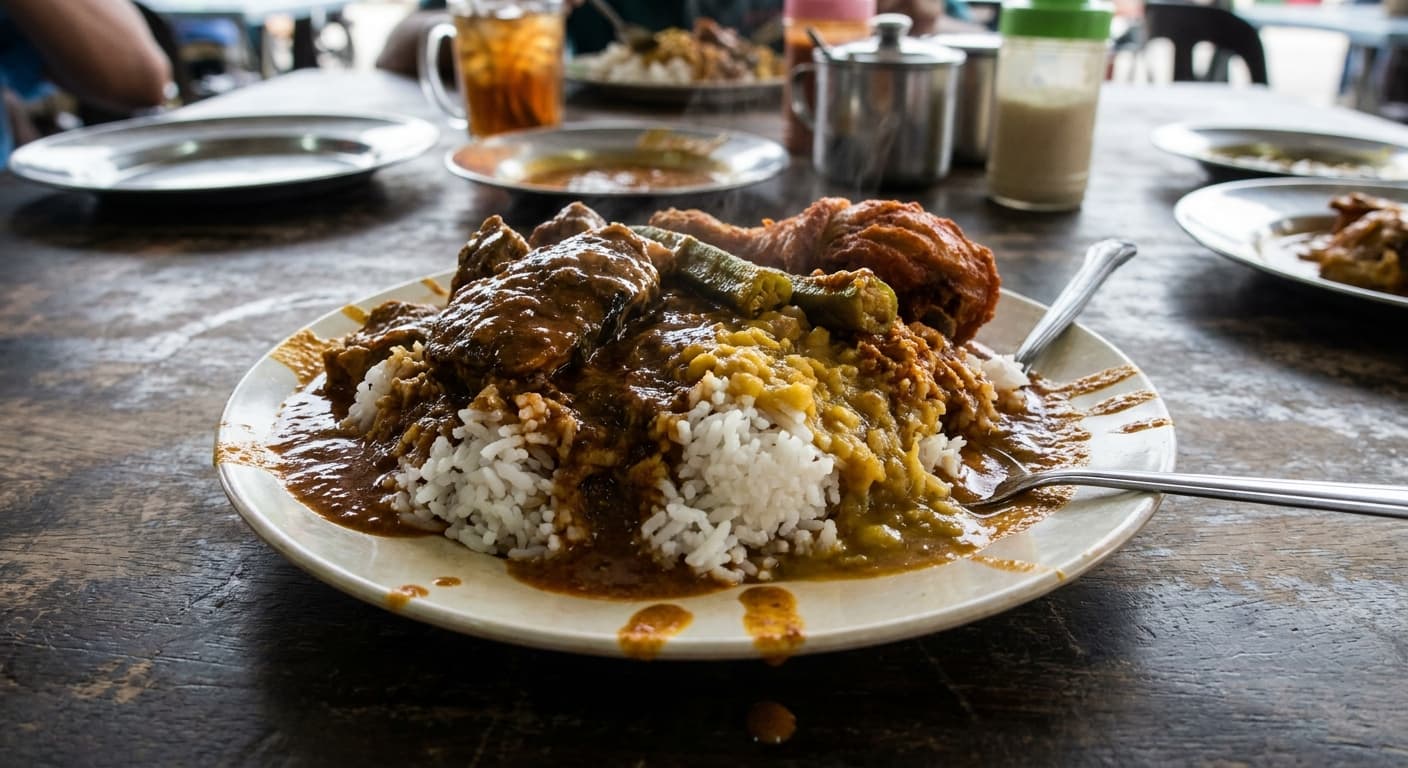
Nasi Kandar (Nasi Kandar) — Penang Mamak Curry Rice Plate
Malaysian · Rice Dishes · 110 min
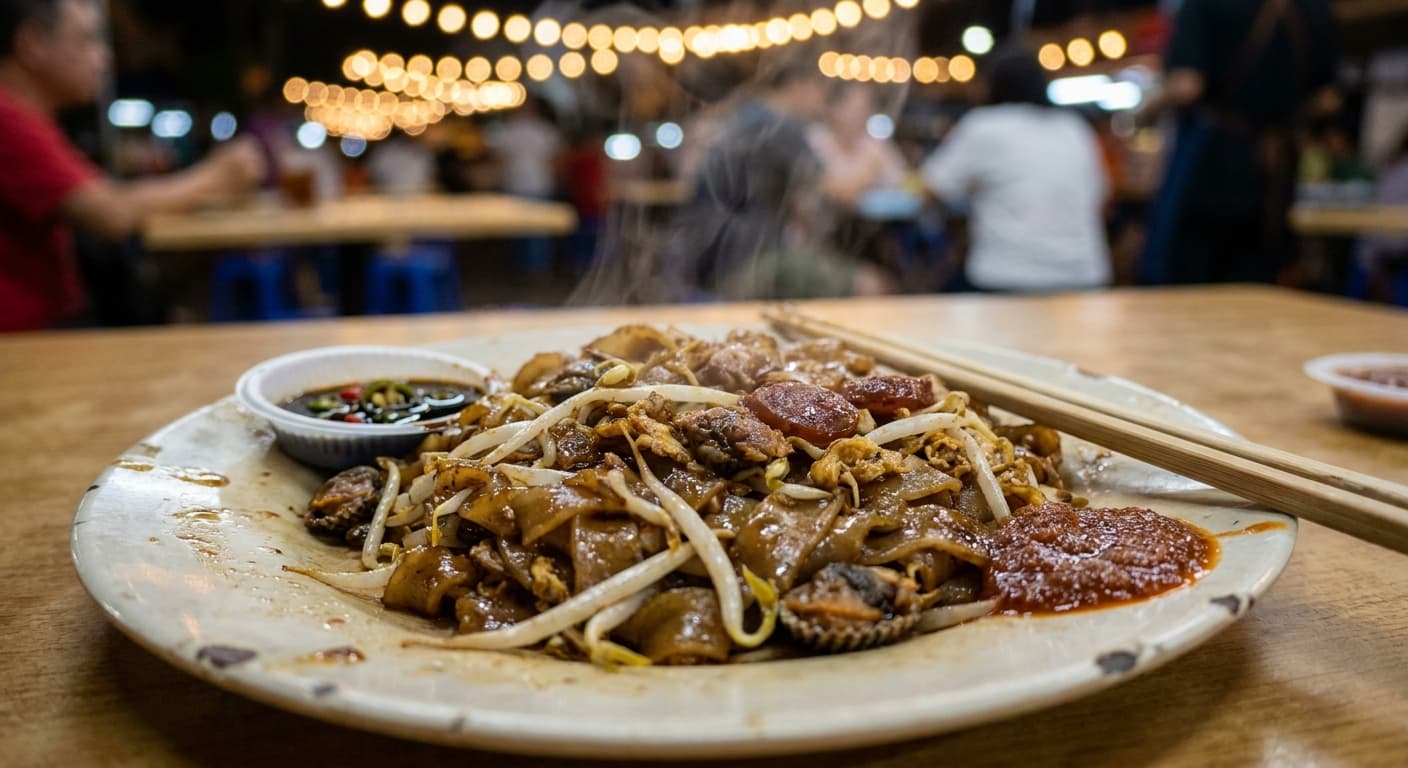
Char Kway Teow (炒粿条) — Smoky Malaysian Stir-Fried Rice Noodles
Malaysian · Main Courses · 37 min
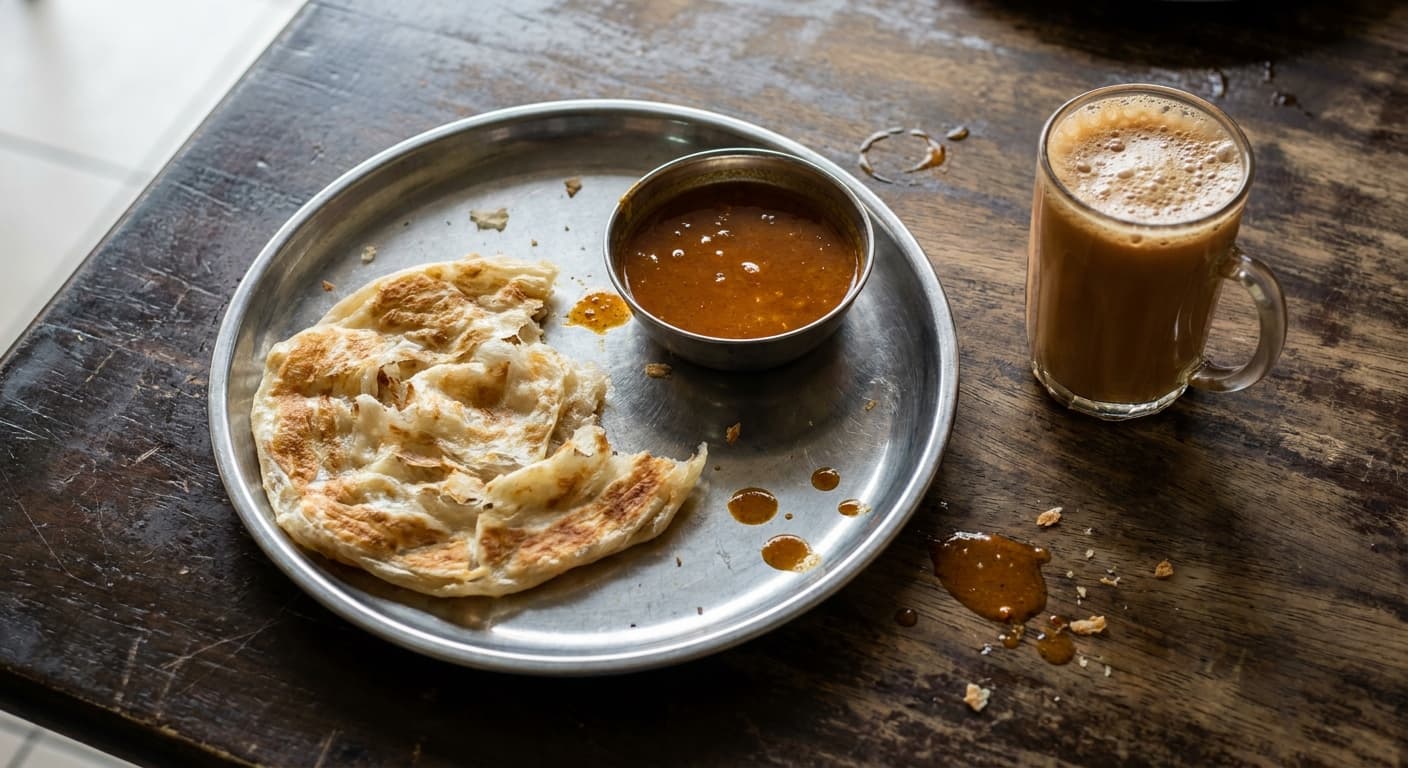
Roti Canai (Roti Canai) — Flaky Malaysian Griddle Flatbread
Malaysian · Breads · 330 min
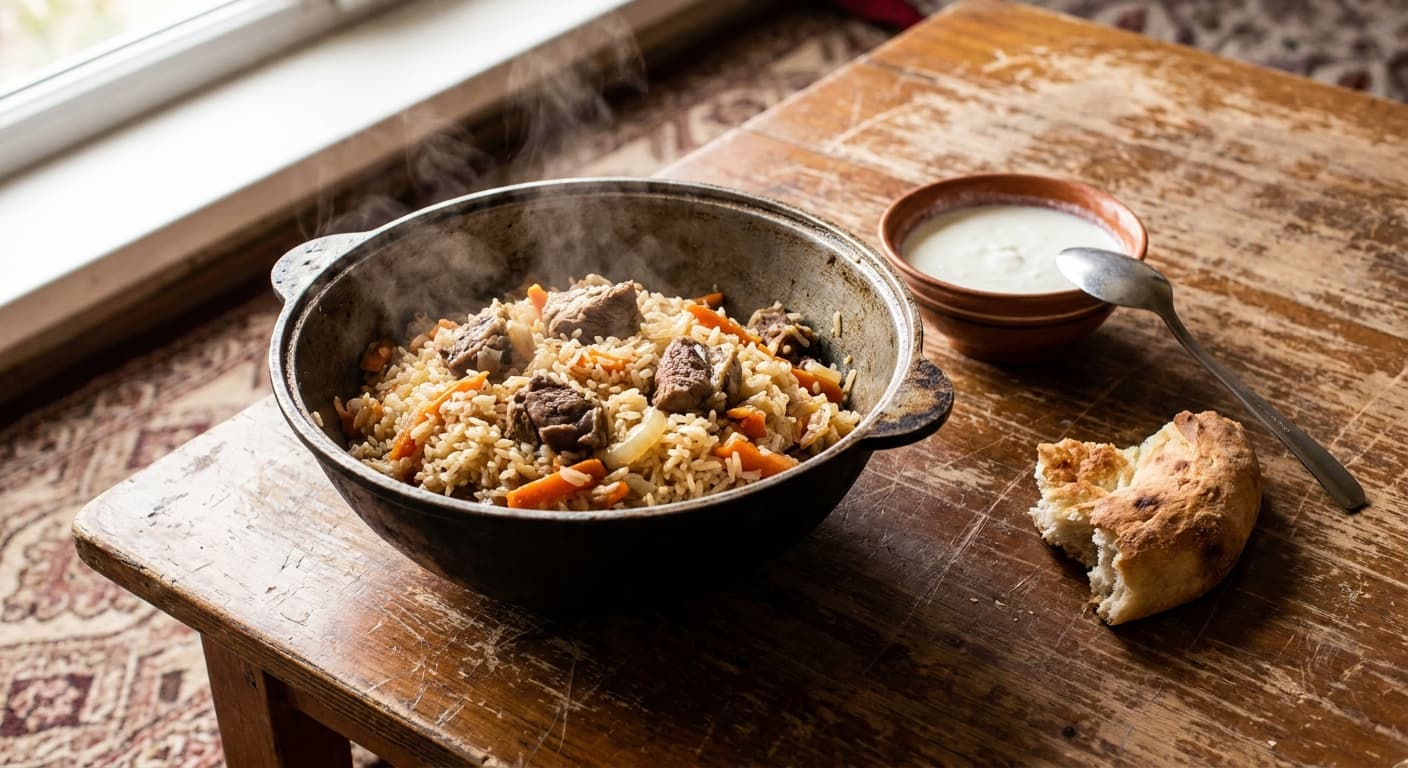
Chekdirme (Çekdirme) — Turkmen Lamb and Tomato Rice
Turkmen · Rice Dishes · 100 min
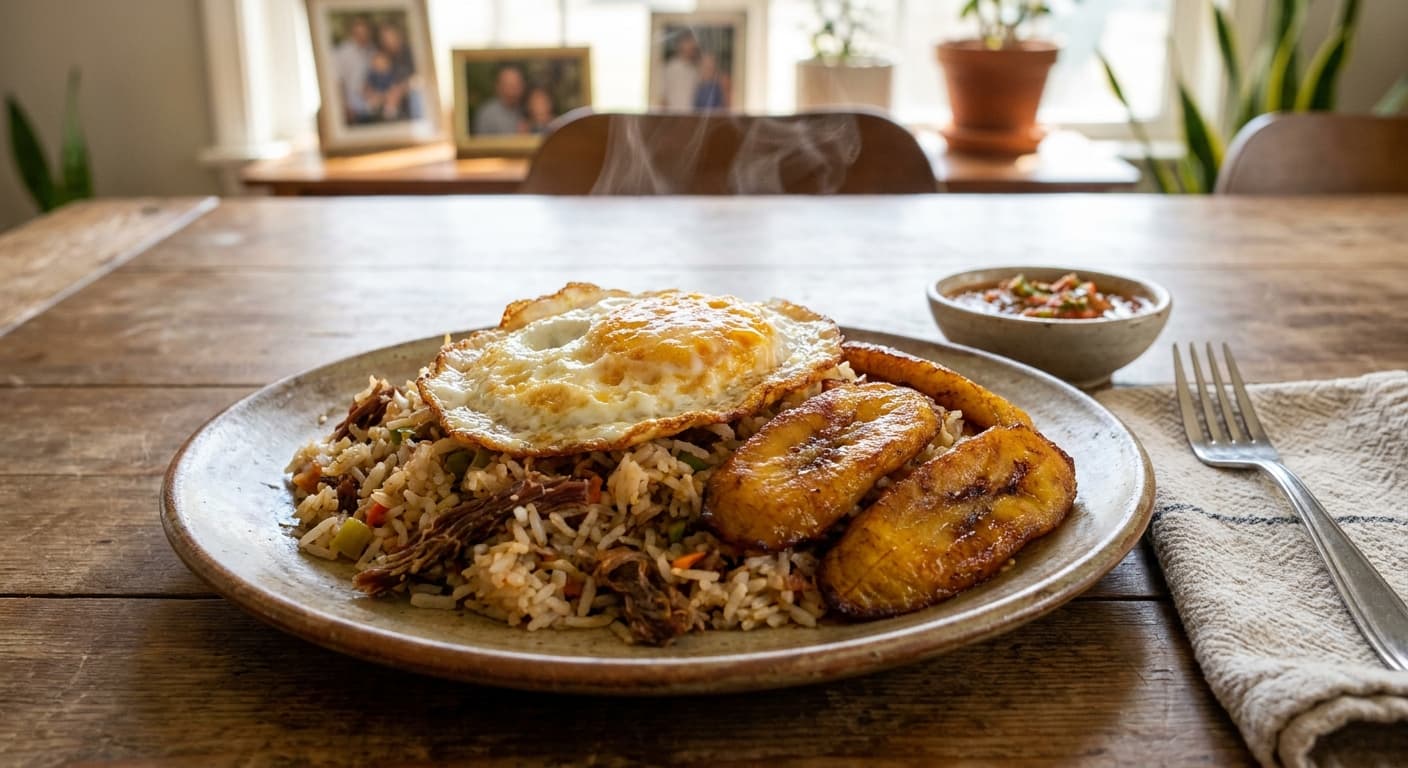
Majadito (Majadito) — Bolivian Rice with Charque and Fried Egg
Bolivian · Rice Dishes · 90 min
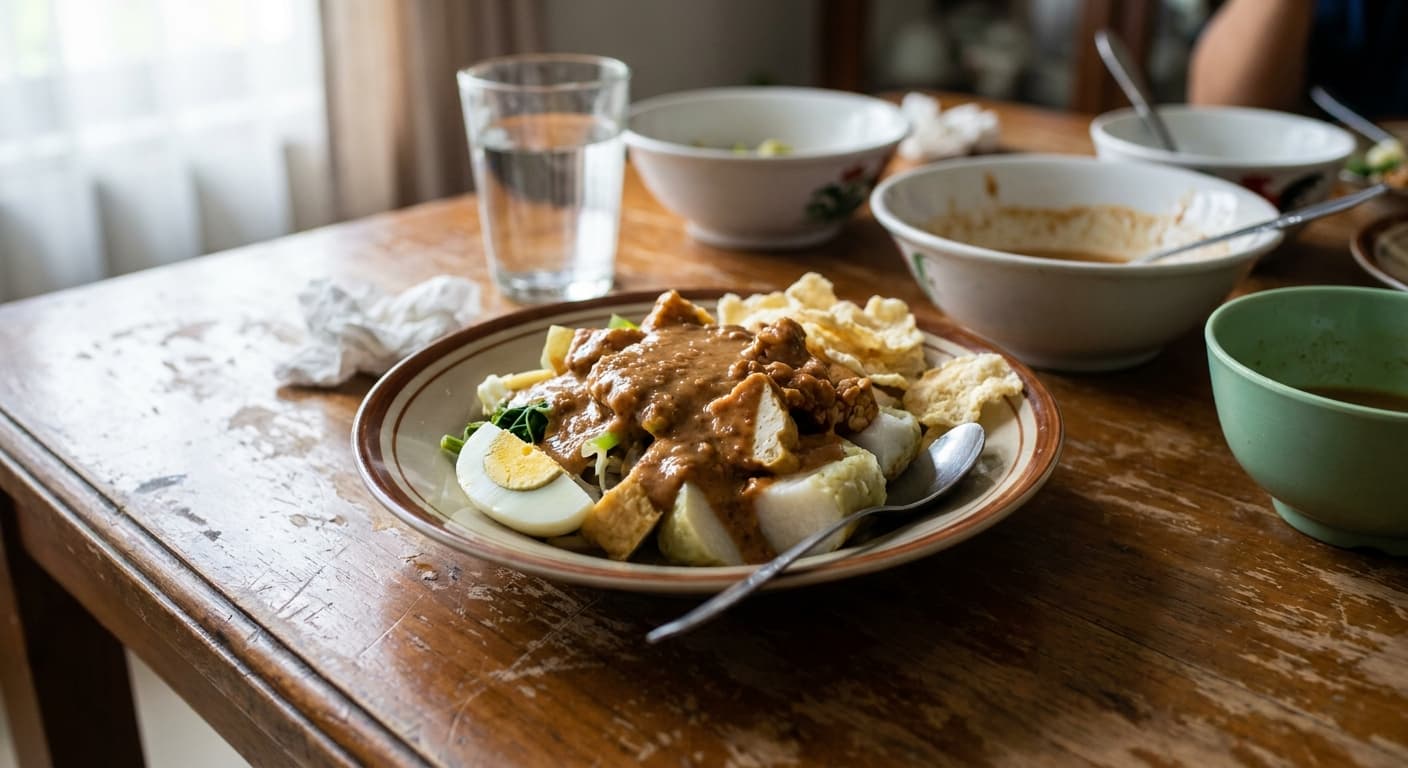
Gado-Gado (Gado-Gado) — Indonesian Salad with Peanut Sauce
Indonesian · Salads · 60 min
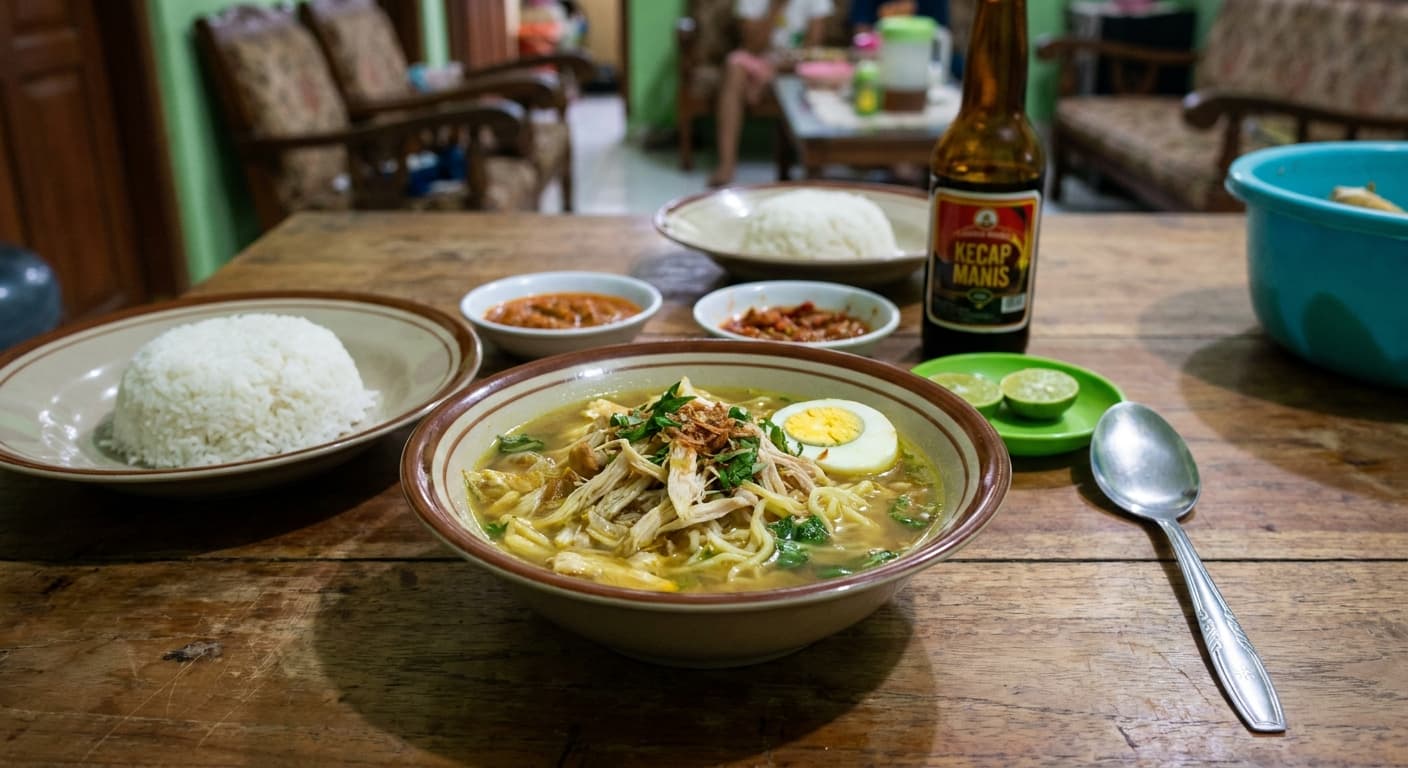
Indonesian Turmeric Chicken Soup (Soto Ayam) — Fragrant Shredded Chicken Broth
Indonesian · Soups · 100 min
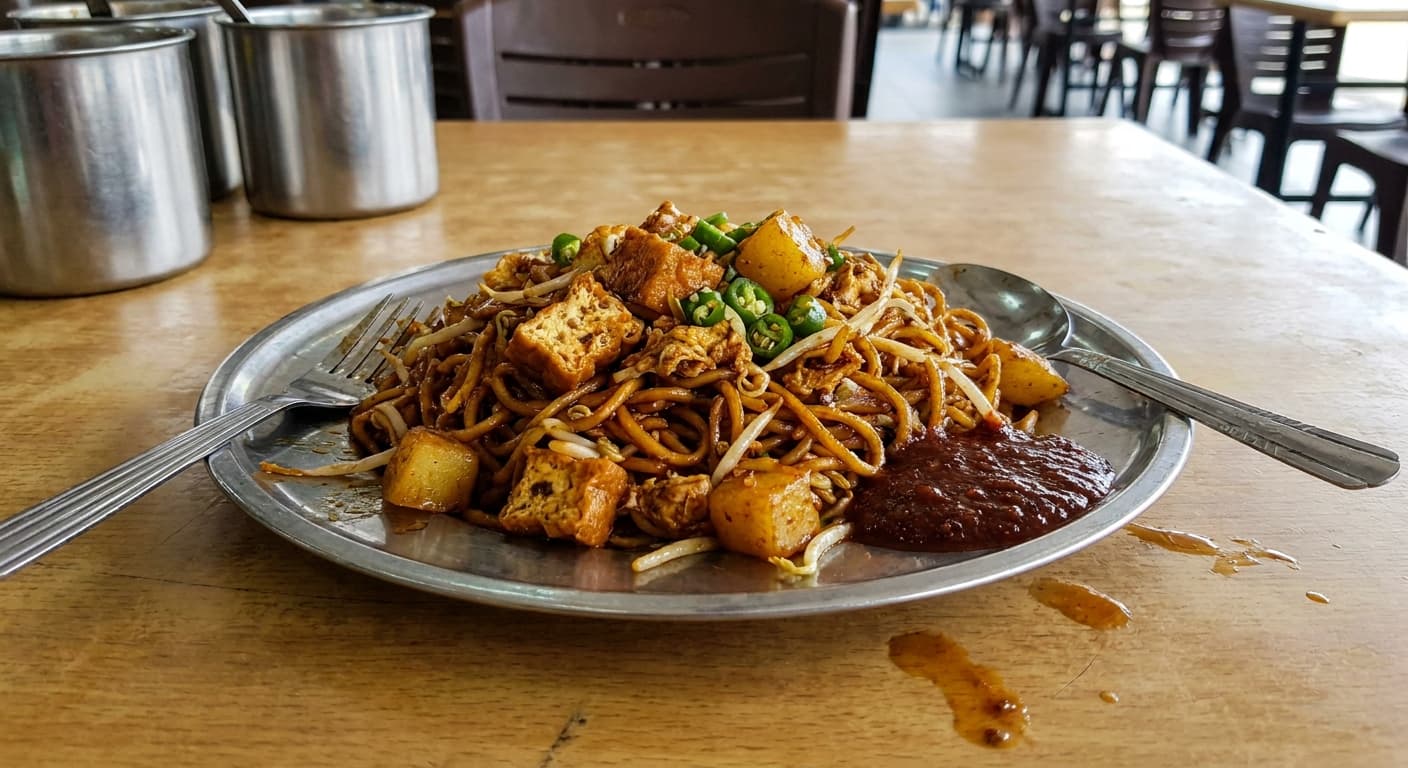
Mamak Fried Noodles (Mee Goreng Mamak) — Malaysian Indian Street-Stall Noodles
Malaysian · Main Courses · 40 min
Reviews
Cooked this recipe?
Tap the stars to rate it — that's all it takes. A few words are welcome but optional.
No ratings yet. Cooked this one? Be the first to rate it — it takes one tap.