Jeweled Rice (مرصع پلو) — Festive Persian rice with saffron chicken and jeweled fruits
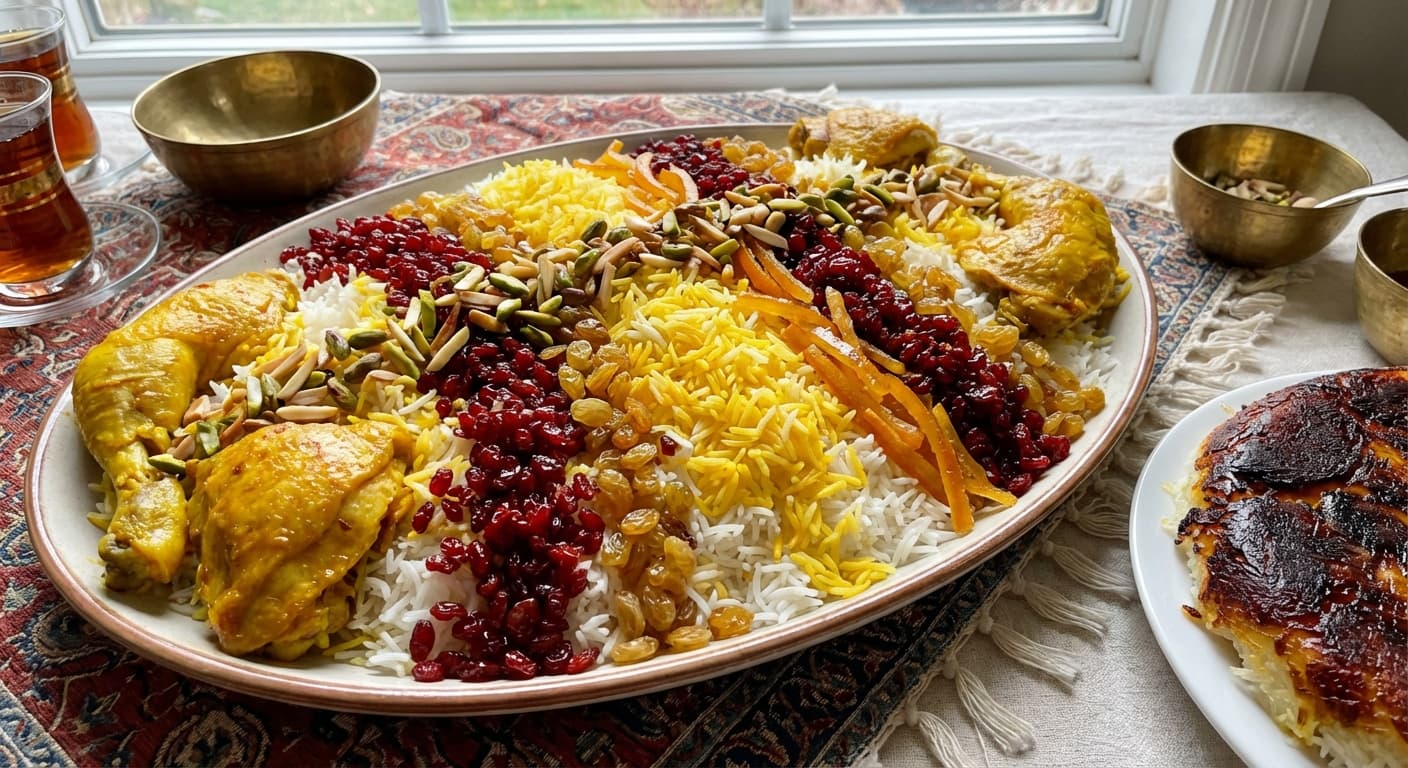
Morasa Polow is a showpiece Persian rice served at weddings and grand celebrations, symbolizing abundance and joy. Fluffy basmati is layered with saffron chicken and a sparkling mix of barberries, raisins, nuts, and candied citrus.
Printable Recipe Card
Servings: 6 · Total: 135 min · Difficulty: hard
Ingredients (quick list)
- 500 g Basmati rice (rinsed until water runs mostly clear)
- 2500 ml Water (for parboiling; plus more for soaking if needed)
- 18 g Salt (about 3 tsp, divided)
- 90 ml Vegetable oil (about 6 tbsp, divided)
- 120 g Plain yogurt (for a crisp yogurt tahdig)
- 1 tsp Saffron threads (finely ground if possible)
- 60 ml Hot water (for blooming saffron)
- 1400 g Whole chicken (cut into 8 pieces)
- 250 g Onion (thinly sliced)
- 2 tsp Turmeric (ground)
- 1 tsp Black pepper (freshly ground)
- 0.5 tsp Cinnamon (ground)
+ 8 more in the full ingredients section below.
Steps (summary)
- Rinse the basmati rice in several changes of cold water until the water runs mostly clear. Cover it with plenty of cold water a…
- Bloom the saffron by mixing the saffron threads with 60 ml hot water in a small cup. Let it stand for 10 minutes so the color a…
- Cook the chicken by heating 30 ml vegetable oil in a wide pot over medium-high heat and sautéing the sliced onion for 8–10 minu…
- Add 700 ml water and 6 g salt to the chicken pot and bring it to a gentle boil, then reduce to a steady simmer. Cover and cook…
- Remove the chicken pieces to a plate and keep them covered so they stay moist. Strain and reserve 250 ml of the cooking liquid;…
- Prepare the jeweled topping by melting 30 g butter in a skillet over medium-low heat. Add the drained golden raisins and candie…
+ 7 more steps in the full instructions section below.
Cultural Background
Morasa Polow is a celebratory Persian dish often served at weddings and large gatherings, where its jewel-like toppings represent prosperity and joy. The careful layering and saffron perfume reflect the hospitality and artistry central to festive Iranian tables.
Equipment
💡 Tips
- Rinse barberries quickly and drain well; soaking longer than 2 minutes can wash away their bright tang and color.
- Keep the jeweled topping on low heat and cook barberries for no more than 90 seconds to prevent bitterness and bursting.
- For extra fragrance, spoon 15–30 ml of bloomed saffron over a small portion of rice and use it as a final garnish.
⚠️ Common Mistakes
❌ Boiling the rice until fully cooked during parboil
✅ Fix: Boil only until the grain is soft outside but firm in the center, then steam to finish so the rice stays separate and fluffy.
❌ Overcooking barberries in butter
✅ Fix: Add barberries at the end and sauté briefly on low heat; long cooking turns them bitter and dulls their color.
❌ Steaming without a towel-wrapped lid
✅ Fix: Wrap the lid with a clean towel to catch condensation; this prevents water droplets from falling back and making the rice soggy.
🧊 How to Store
Cool rice and chicken within 60 minutes, then refrigerate in airtight containers for up to 3 days. Reheat rice covered with 15–30 ml water in a pot on low heat for 10–12 minutes; reheat chicken in a little reserved broth to keep it moist.
📅 Make Ahead
Braise the chicken up to 1 day ahead and refrigerate it in its broth so it stays moist. Prepare the jeweled topping up to 2 days ahead and rewarm gently; parboil and steam the rice on the day of serving for best texture.
🍽️ Pairs Well With
- Mast-o-khiar
- Shirazi salad
- torshi
- saffron tea
Regional Variations
- Some Tehran-style versions add thin carrot ribbons sautéed with a small amount of sugar for extra color and sweetness.
- In some households, the chicken is replaced with lamb shank, and the rice is topped with more orange peel and pistachios for a richer banquet feel.
- A Shiraz-inspired approach may increase rose water slightly and add a pinch of ground cardamom to the jeweled topping.
Ingredients
- 500 gBasmati rice (rinsed until water runs mostly clear)
- 2500 mlWater (for parboiling; plus more for soaking if needed)
- 18 gSalt (about 3 tsp, divided)
- 90 mlVegetable oil (about 6 tbsp, divided)
- 120 gPlain yogurt (for a crisp yogurt tahdig)
- 1 tspSaffron threads (finely ground if possible)
- 60 mlHot water (for blooming saffron)
- 1400 gWhole chicken (cut into 8 pieces)
- 250 gOnion (thinly sliced)
- 2 tspTurmeric (ground)
- 1 tspBlack pepper (freshly ground)
- 0.5 tspCinnamon (ground)
- 80 gBarberries (zereshk) (rinsed quickly and drained)
- 120 gGolden raisins (soaked in warm water 10 minutes, then drained)
- 80 gCandied orange peel (thin slivers)
- 40 gPistachio slivers (lightly toasted)
- 50 gAlmond slivers (lightly toasted)
- 12 gSugar (about 1 tbsp, to balance barberries)
- 30 gButter (for sautéing fruits and nuts)
- 10 mlRose water (about 2 tsp, optional but traditional)
🔄 Substitutions
- Whole chicken→ Chicken thighs and drumsticks
- Candied orange peel→ Thinly julienned fresh orange zest blanched 2 times
- Rose water→ Orange blossom water
Instructions
- 1
Rinse the basmati rice in several changes of cold water until the water runs mostly clear. Cover it with plenty of cold water and dissolve 6 g salt in the soaking water, then soak for 30 minutes to help the grains elongate.
- 2
Bloom the saffron by mixing the saffron threads with 60 ml hot water in a small cup. Let it stand for 10 minutes so the color and aroma fully release, then set it aside for both the chicken and the rice.
- 3
Cook the chicken by heating 30 ml vegetable oil in a wide pot over medium-high heat and sautéing the sliced onion for 8–10 minutes until golden. Add turmeric, black pepper, and cinnamon and stir for 30 seconds, then add the chicken pieces and sear 3–4 minutes per side to lightly brown.
- 4
Add 700 ml water and 6 g salt to the chicken pot and bring it to a gentle boil, then reduce to a steady simmer. Cover and cook for 45–55 minutes until the chicken is tender and the broth is flavorful, then stir in 15 ml of the bloomed saffron and simmer 2 more minutes.
- 5
Remove the chicken pieces to a plate and keep them covered so they stay moist. Strain and reserve 250 ml of the cooking liquid; this saffron-tinged broth can be spooned over the rice and chicken at serving for extra aroma.
- 6
Prepare the jeweled topping by melting 30 g butter in a skillet over medium-low heat. Add the drained golden raisins and candied orange peel and sauté for 2 minutes, then add the barberries and sugar and cook 60–90 seconds until glossy; turn off the heat and stir in rose water, pistachios, and almonds.
- 7
Parboil the rice by bringing 2500 ml water to a rolling boil in a large pot and adding 6 g salt. Drain the soaked rice, add it to the boiling water, and boil 6–8 minutes until the grains are tender on the outside but still firm in the center.
- 8
Drain the parboiled rice in a colander and rinse quickly with 250 ml cold water to stop the cooking and prevent clumping. Let it drain for 5 minutes so excess water does not steam the rice into mush.
- 9
Make a yogurt tahdig by mixing the yogurt with 30 ml vegetable oil, 3 g salt, and 60 g of the parboiled rice in a bowl. Heat 30 ml vegetable oil in a nonstick pot over medium heat, spread the yogurt-rice mixture evenly on the bottom, and press it gently to form a compact layer.
- 10
Layer the remaining rice over the tahdig in a loose mound, making 3–4 holes with the handle of a spoon to vent steam. Drizzle 30 ml vegetable oil over the rice and spoon 30 ml of the bloomed saffron over the top for golden streaks.
- 11
Steam the rice by covering the lid with a clean towel and placing it tightly on the pot to catch condensation. Cook 10 minutes over medium heat to build steam, then reduce to low and steam 40 minutes until the rice is fully fluffy and the tahdig is crisp.
- 12
Warm the chicken gently by returning it to the reserved broth or a splash of water and heating over low heat for 5–7 minutes. This keeps the meat juicy and ensures it serves hot alongside the rice.
- 13
Assemble Morasa Polow by transferring the steamed rice to a large platter, reserving the tahdig to serve separately. Top the rice with the jeweled fruit-and-nut mixture in colorful bands, arrange the saffron chicken around or on top, and finish with a few spoonfuls of reserved saffron broth for sheen and aroma.
🪪 Recipe Passport
Cultural Background
Morasa Polow is a celebratory Persian dish often served at weddings and large gatherings, where its jewel-like toppings represent prosperity and joy. The careful layering and saffron perfume reflect the hospitality and artistry central to festive Iranian tables.
Regional Variations
Researched from multiple sources and validated by the Zaffaron editorial team. Every recipe is tested for accuracy, measurements, and cultural authenticity.
Nutrition per serving
Pairs well with
If you enjoyed this recipe, here are a few related Zaffaron recipes to try next.
Does your family make this differently?
Every family has their own version. Maybe your grandmother adds a secret ingredient, or your aunt has a completely different technique. Preserve your family's version — with their name on it, forever.
You Might Also Like
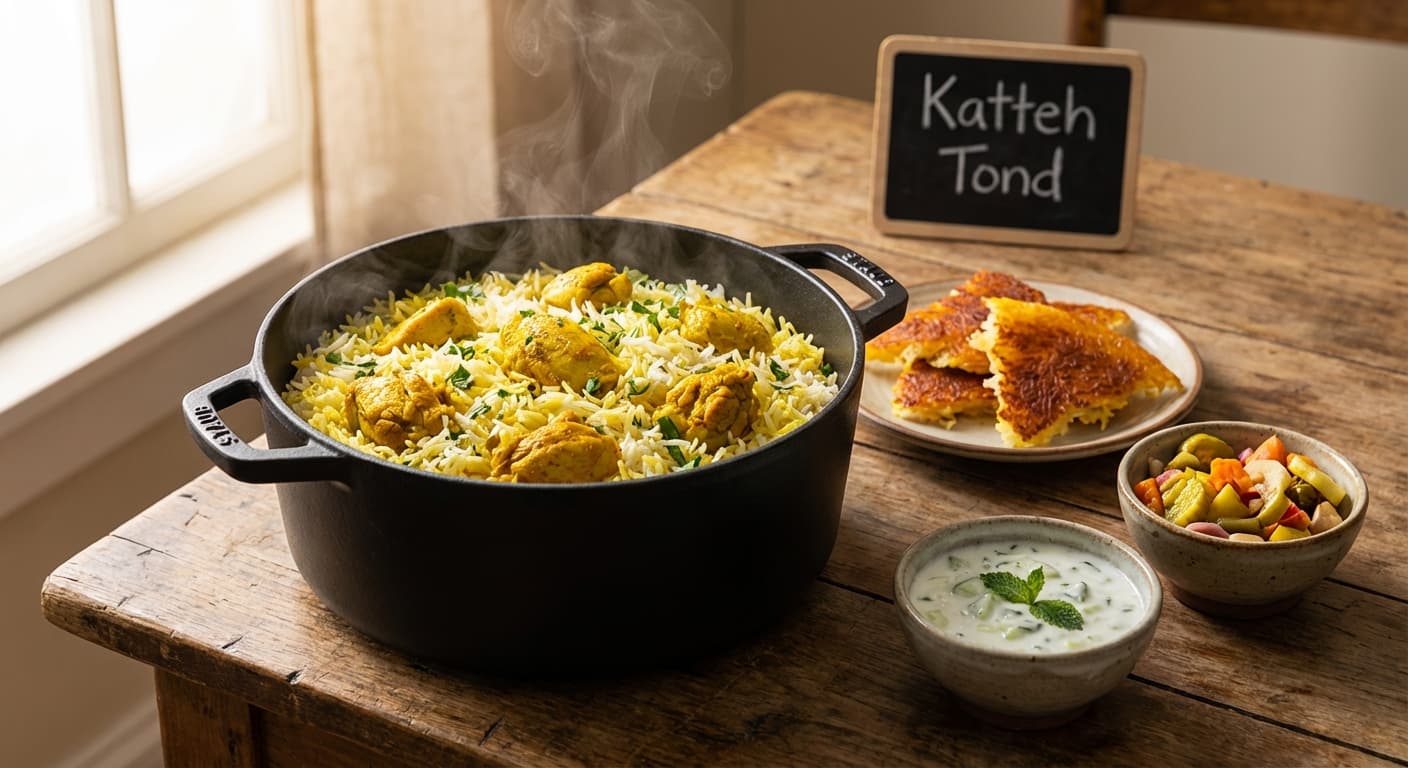
Katteh Tond (کته تند) — Spicy Caspian-Style One-Pot Chicken Rice
Persian · Rice Dishes · 85 min
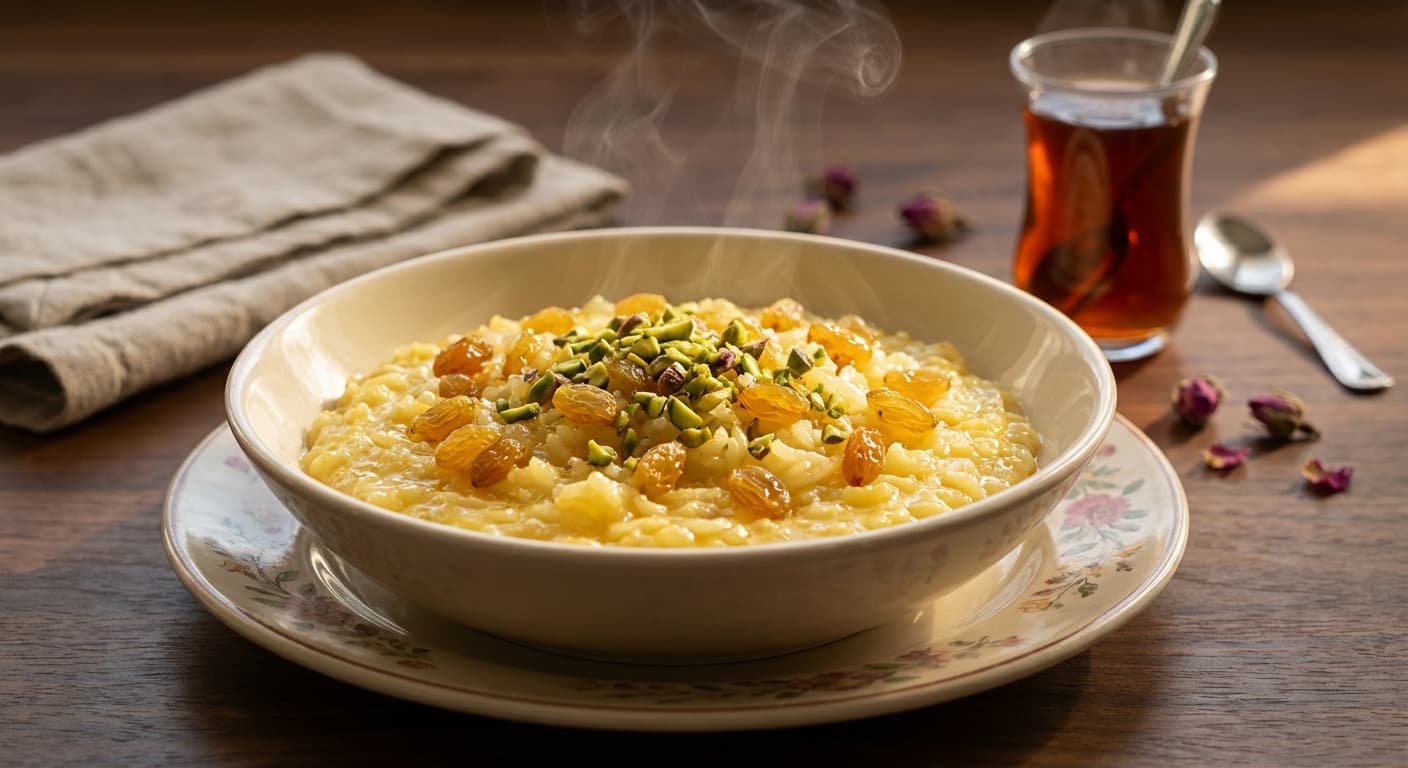
Saffron Sweet Rice (پلو شیرینی زعفرانی) — Festive Persian milk-saffron rice with nuts
Persian · Rice Dishes · 75 min
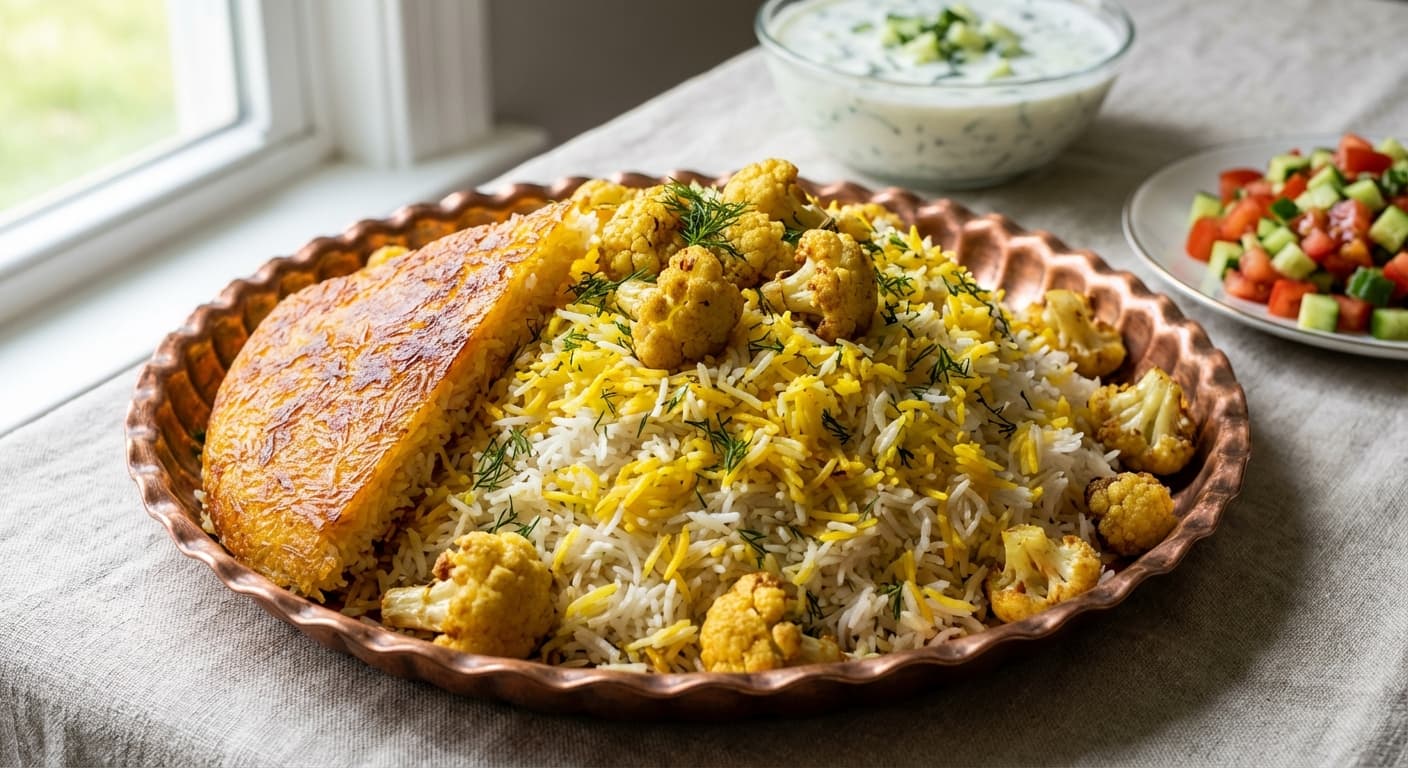
Gol Kalam Polow (پلو گل کلم) — Persian Cauliflower Pilaf with Saffron and Dill
Persian · Rice Dishes · 80 min
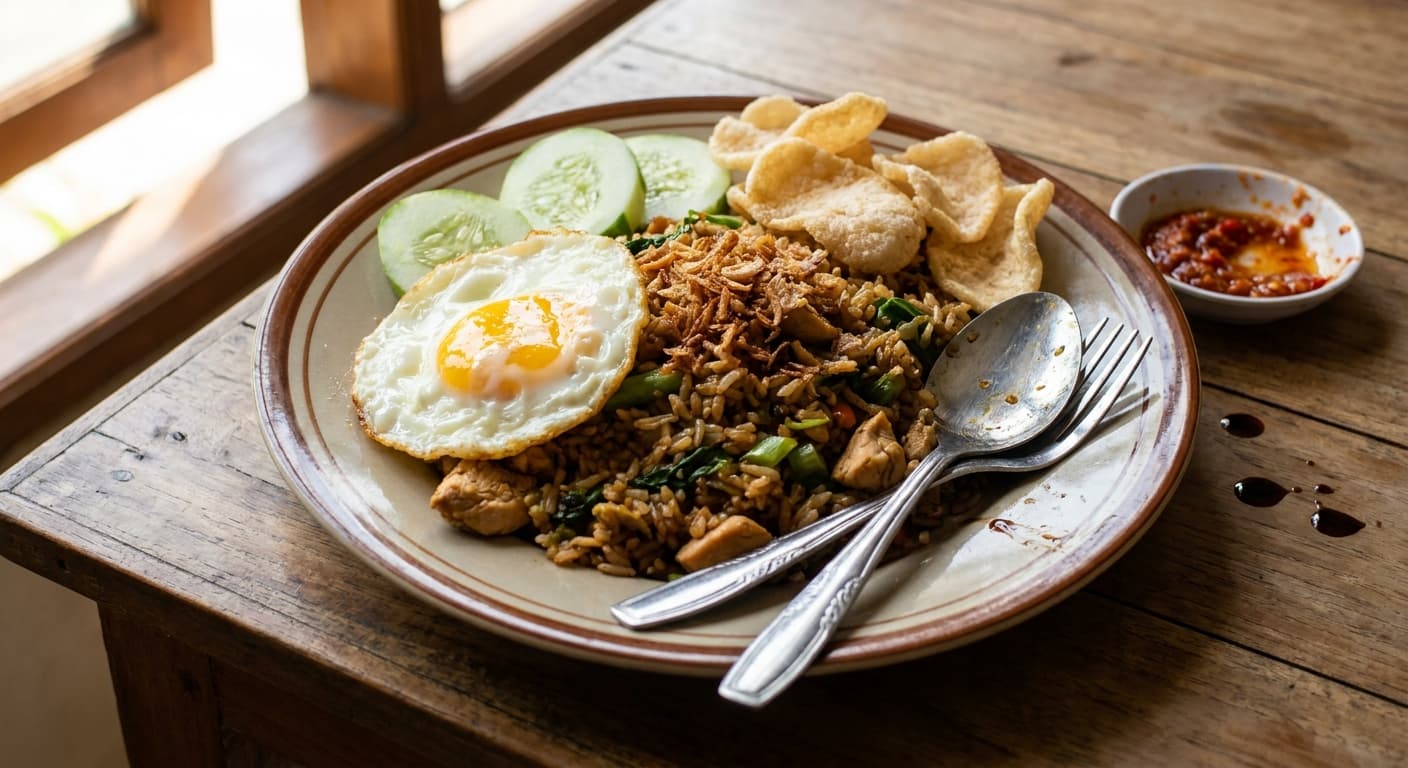
Indonesian Fried Rice (Nasi Goreng) — Sweet Soy Street-Style Rice
Indonesian · Rice Dishes · 35 min
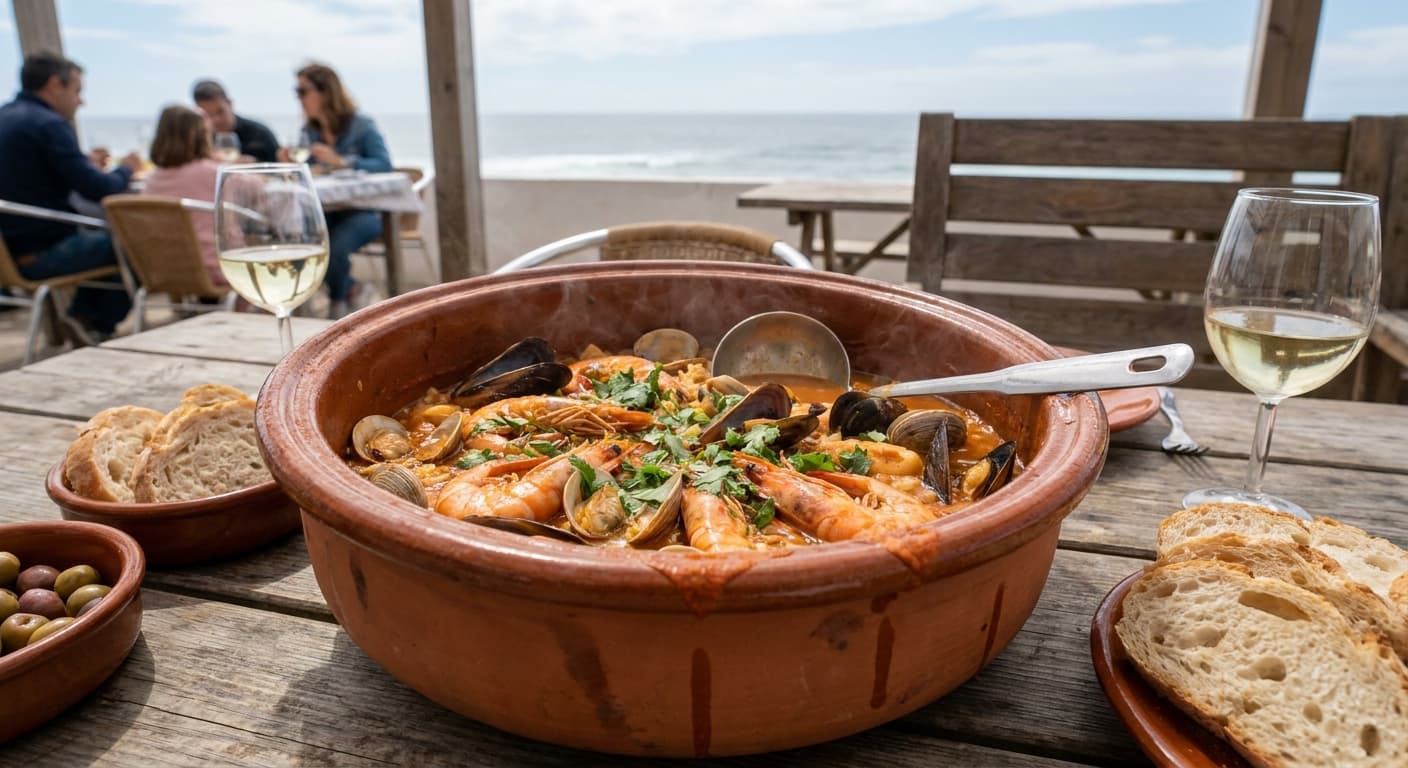
Seafood Rice (Arroz de Marisco) — Saucy Portuguese Shellfish Rice
Portuguese · Rice Dishes · 65 min
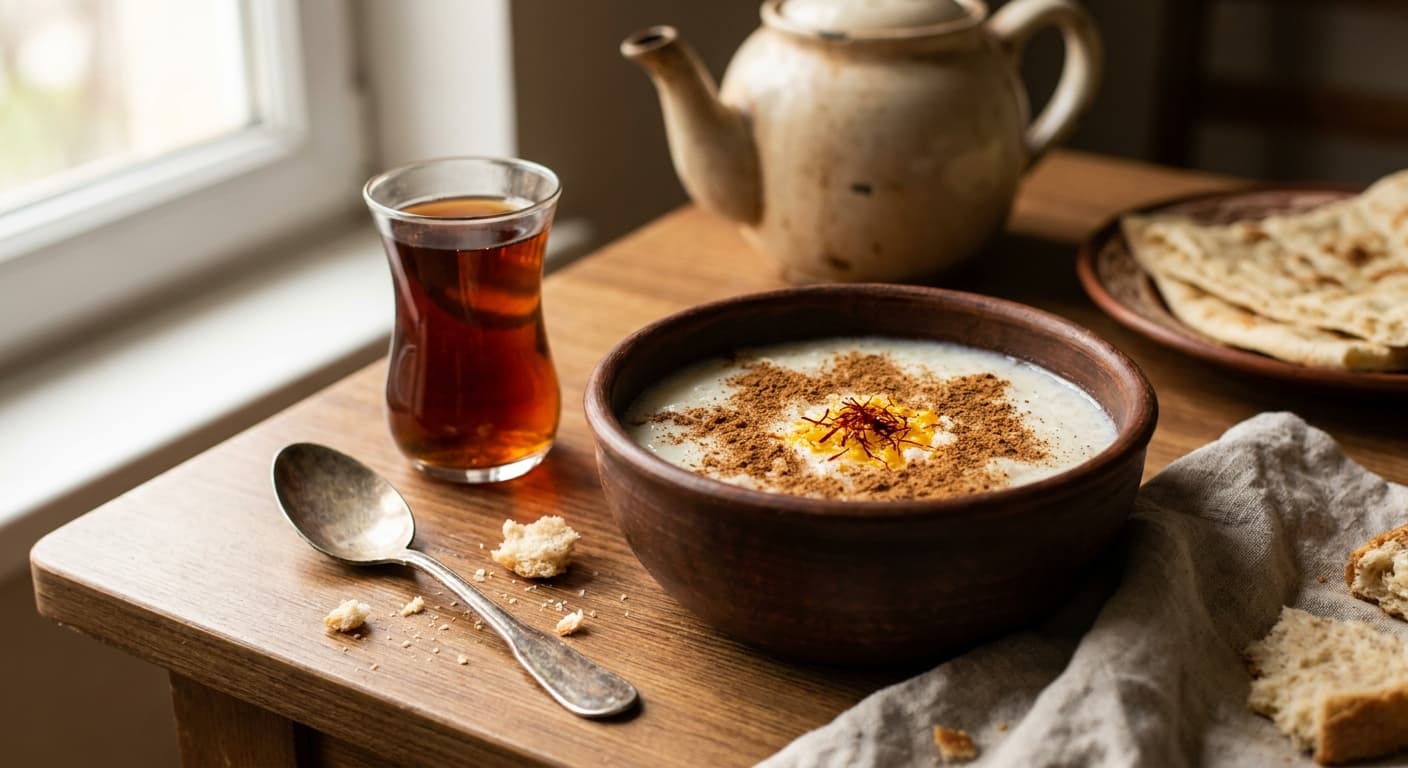
Azerbaijani Milk Rice Porridge (Südlü Sıyıq) — Creamy Breakfast Bowl
Azerbaijani · Rice Dishes · 40 min
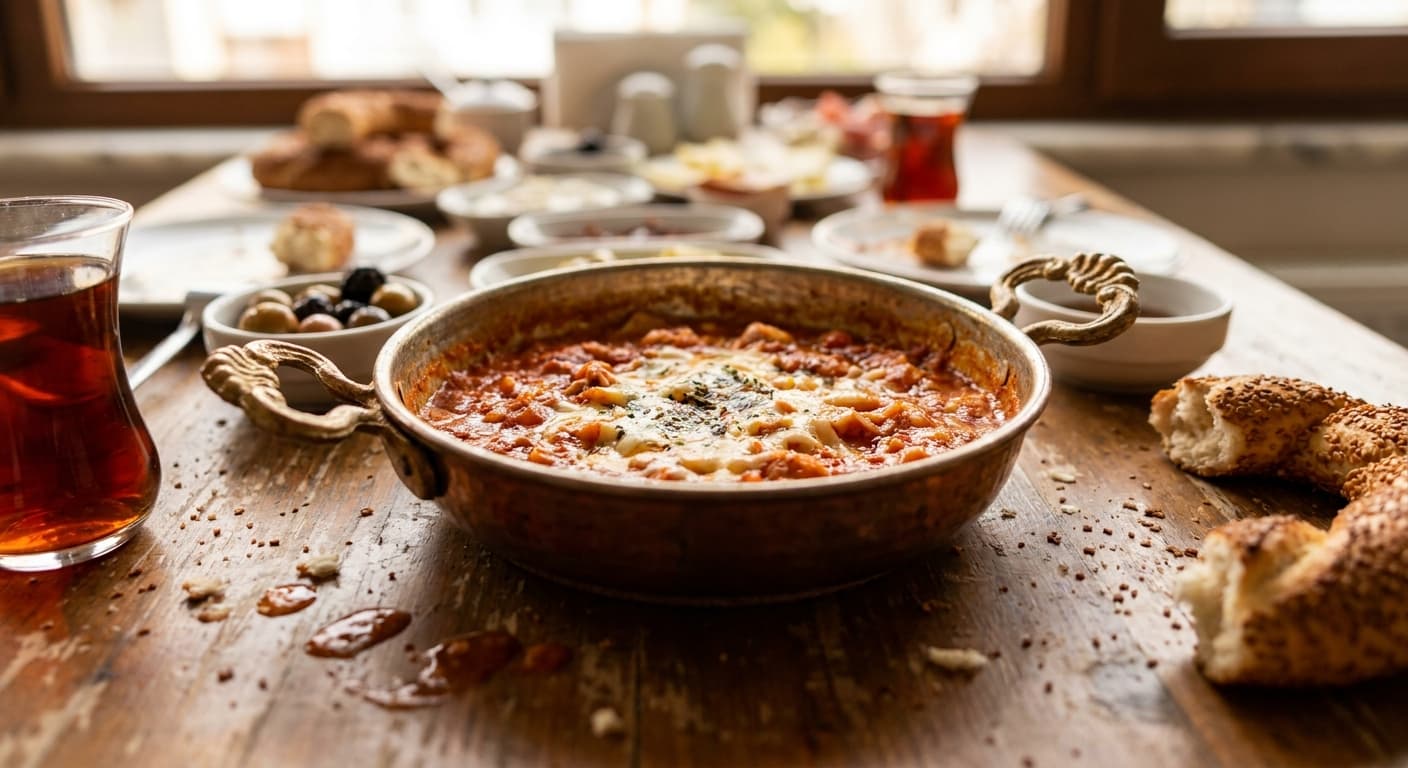
Turkish Menemen (Menemen) — Soft Eggs with Tomatoes and Peppers
Turkish · Main Courses · 37 min
Kabuli Pulao (قابلی پلو) — Afghan Aromatic Lamb Rice with Carrots and Raisins
Afghan · Rice Dishes · 130 min
Reviews
Cooked this recipe?
Tap the stars to rate it — that's all it takes. A few words are welcome but optional.
No ratings yet. Cooked this one? Be the first to rate it — it takes one tap.