Kabab-e Morgh (کباب مرغ) — Persian Pan-Fried Chicken Koobideh
A lighter, pan-seared take on Persian chicken koobideh: juicy minced chicken shaped into strips, scented with brewed saffron and onion, then browned until golden and finished with tangy sumac. Ideal with saffron rice or warm flatbread.
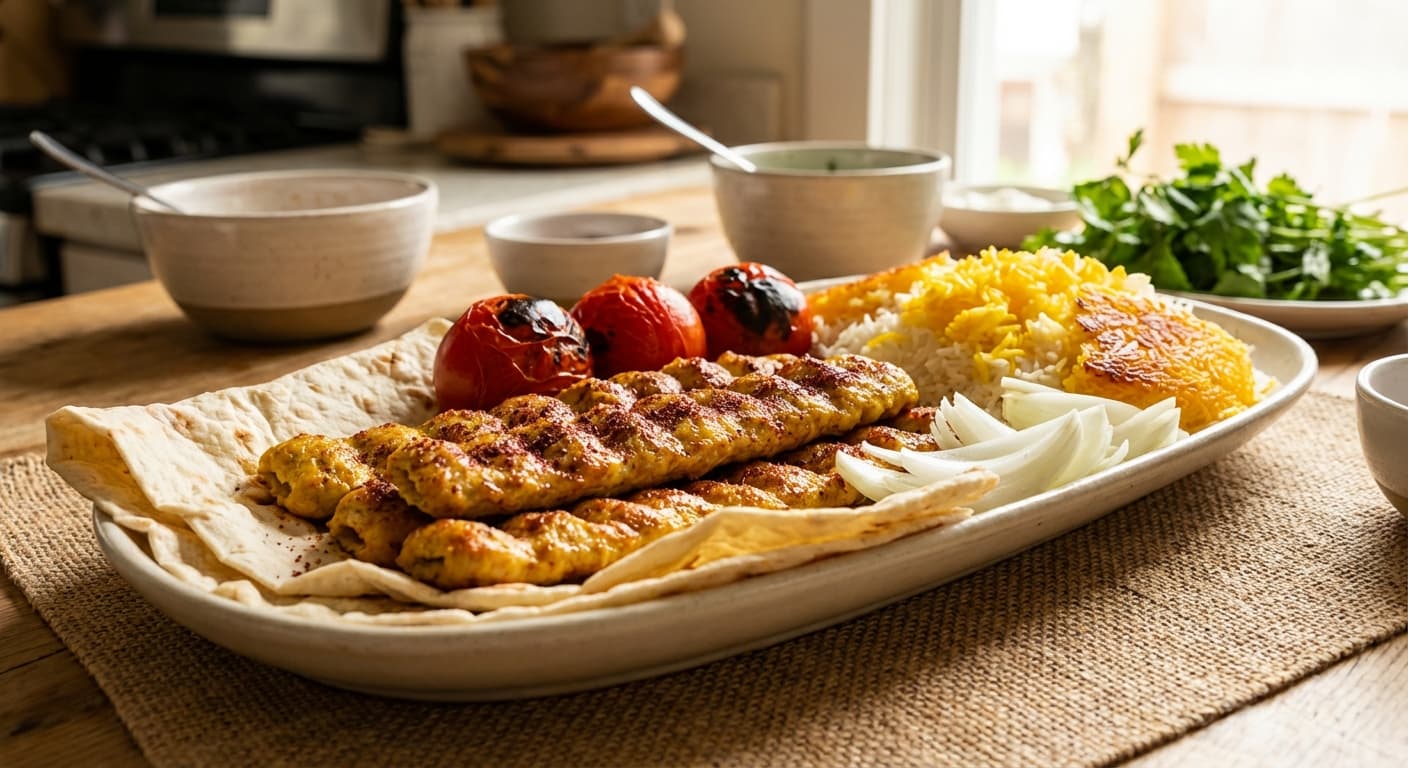
Printable Recipe Card
Servings: 4 · Total: 73 min · Difficulty: medium
Ingredients (quick list)
- 600 g Chicken breast, skinless and boneless (cut into 2 cm cubes, then chilled)
- 200 g Yellow onion (1 large; finely grated then squeezed very dry)
- 1 large Egg (beaten)
- 2 tbsp Brewed saffron (made from 1/4 tsp saffron threads bloomed in 2 tbsp hot water)
- 45 g Breadcrumbs (about 1/2 cup; plain, fine)
- 8 g Sea salt (about 1 1/4 tsp fine salt)
- 1 tsp Black pepper (freshly ground)
- 45 ml Vegetable oil (about 3 tbsp, for pan-frying)
- 2 tsp Ground sumac (plus more to serve)
Steps (summary)
- Prepare brewed saffron: crush 1/4 teaspoon saffron threads to a powder, then stir in 2 tablespoons (30 ml) hot water (not boili…
- Make the chicken paste: place chilled chicken cubes in a food processor and pulse 20–30 seconds, scraping once, until finely mi…
- Rest for better binding: transfer the mixture to a bowl, cover, and refrigerate 30 minutes. This firms the fat and hydrates the…
- Shape the kababs: divide the mixture into 8 equal portions (about 95 g each). With wet hands, press and roll each portion into…
- Pan-fry: heat a large nonstick or well-seasoned cast-iron skillet over medium-high heat for 2 minutes. Add 3 tablespoons (45 ml…
- Finish and serve: transfer kababs to a rack or paper towel for 2 minutes to drain. While hot, sprinkle with 2 teaspoons ground…
Cultural Background
Kabab-style dishes are widely enjoyed in Iranian home cooking and dining culture, often associated with gatherings and shared meals. This pan-fried method adapts the familiar koobideh-style texture to a stovetop technique, making it accessible for everyday kitchens while keeping classic saffron and sumac flavors.
Equipment
💡 Tips
- Squeeze the grated onion extremely dry; excess liquid is the main reason pan-fried kababs fall apart.
- Keep the chicken and mixture cold; chilling improves stickiness and makes shaping cleaner.
- If the mixture feels soft, mix in 1–2 tablespoons (8–16 g) extra breadcrumbs and chill 10 minutes before shaping.
- For even browning, do not move the kababs for the first 2–3 minutes of cooking so a crust can form.
- Use an instant-read thermometer; chicken dries out quickly if cooked far beyond 74°C/165°F.
⚠️ Common Mistakes
❌ Not squeezing the grated onion dry
💡 Why: Extra moisture prevents the chicken paste from binding and can cause kababs to crack or break in the pan.
✅ Fix: Squeeze the onion in a towel until almost no liquid drips; if already mixed, add 1–2 tablespoons (8–16 g) breadcrumbs and chill.
❌ Over-processing the chicken into a smooth puree
💡 Why: A paste that is too fine can turn bouncy and release water, reducing juiciness and making browning harder.
✅ Fix: Pulse in short bursts just until sticky and minced; scrape once and stop as soon as the mixture clumps.
❌ Flipping too early or crowding the pan
💡 Why: Without a crust, the kababs stick and tear; crowding lowers pan temperature and causes steaming instead of searing.
✅ Fix: Preheat the pan, leave space between pieces, and wait 3–4 minutes before flipping when the underside is well-browned.
❌ Cooking on very high heat to brown faster
💡 Why: The outside can burn before the center reaches a safe temperature, or the kababs can dry out from aggressive heat.
✅ Fix: Use medium-high heat and check doneness with a thermometer; adjust to medium if browning too quickly.
🧊 How to Store
Refrigerate cooked kababs in an airtight container up to 3 days. Reheat in a lightly oiled skillet over medium heat 2–3 minutes per side, or in a 180°C/350°F oven for 8–10 minutes. Freeze cooked kababs up to 2 months; thaw overnight in the refrigerator before reheating.
📅 Make Ahead
Mix and shape the kababs up to 24 hours ahead, arrange in a single layer on a parchment-lined tray, cover tightly, and refrigerate. For longer prep, freeze shaped raw kababs on a tray until firm, then bag and freeze up to 1 month; thaw overnight in the refrigerator before pan-frying.
🍽️ Pairs Well With
- Saffron basmati rice
- Warm lavash or other flatbread
- Grilled tomatoes and onions
- Plain yogurt with cucumber and dried mint
- Fresh herbs and lemon wedges
Regional Variations
- Tehran-style home kitchensOften shaped thinner and served with abundant sumac and grilled tomatoes; some cooks add a small amount of turmeric for extra color and warmth.
- Northern Iran (Caspian-influenced)May include a little chopped fresh herbs such as parsley or dill in the mixture, and is frequently served with herb-forward sides and tart condiments.
Ingredients
- 600 gChicken breast, skinless and boneless (cut into 2 cm cubes, then chilled)
- 200 gYellow onion (1 large; finely grated then squeezed very dry)
- 1 largeEgg (beaten)
- 2 tbspBrewed saffron (made from 1/4 tsp saffron threads bloomed in 2 tbsp hot water)
- 45 gBreadcrumbs (about 1/2 cup; plain, fine)
- 8 gSea salt (about 1 1/4 tsp fine salt)
- 1 tspBlack pepper (freshly ground)
- 45 mlVegetable oil (about 3 tbsp, for pan-frying)
- 2 tspGround sumac (plus more to serve)
🔄 Substitutions
- Chicken breast→ Chicken thigh meat (boneless, skinless)
- Breadcrumbs→ Crushed plain crackers or gluten-free breadcrumbs
- Vegetable oil→ Grapeseed oil or sunflower oil
Instructions
- 1
Prepare brewed saffron: crush 1/4 teaspoon saffron threads to a powder, then stir in 2 tablespoons (30 ml) hot water (not boiling, about 80°C/175°F). Cover and steep 10 minutes until deep orange-red. Meanwhile, grate the onion on the fine side of a box grater and squeeze firmly in a clean towel until very dry.
- 2
Make the chicken paste: place chilled chicken cubes in a food processor and pulse 20–30 seconds, scraping once, until finely minced and sticky (do not puree). Add the squeezed onion, beaten egg, brewed saffron, breadcrumbs, salt, and black pepper. Process 15–20 seconds more until the mixture becomes cohesive and tacky.
- 3
Rest for better binding: transfer the mixture to a bowl, cover, and refrigerate 30 minutes. This firms the fat and hydrates the breadcrumbs so the kababs hold together in the pan. If your kitchen is warm, chill a plate for shaping and keep a small bowl of cold water nearby for wetting hands.
- 4
Shape the kababs: divide the mixture into 8 equal portions (about 95 g each). With wet hands, press and roll each portion into a strip about 10–12 cm long, 3 cm wide, and 1.5 cm thick. Smooth any cracks by pressing gently; uniform thickness helps them cook through without drying.
- 5
Pan-fry: heat a large nonstick or well-seasoned cast-iron skillet over medium-high heat for 2 minutes. Add 3 tablespoons (45 ml) vegetable oil and heat 30 seconds until shimmering. Lay kababs in a single layer, leaving space. Sear 3–4 minutes per side until deeply golden and the center reaches 74°C/165°F.
- 6
Finish and serve: transfer kababs to a rack or paper towel for 2 minutes to drain. While hot, sprinkle with 2 teaspoons ground sumac for a tangy, citrusy finish. Serve immediately with saffron rice or warm flatbread, and offer extra sumac at the table so everyone can adjust the brightness.
🪪 Recipe Passport
Cultural Background
Kabab-style dishes are widely enjoyed in Iranian home cooking and dining culture, often associated with gatherings and shared meals. This pan-fried method adapts the familiar koobideh-style texture to a stovetop technique, making it accessible for everyday kitchens while keeping classic saffron and sumac flavors.
Regional Variations
Researched from multiple sources and validated by the Zaffaron editorial team. Every recipe is tested for accuracy, measurements, and cultural authenticity.
Nutrition per serving
Pairs well with
If you enjoyed this recipe, here are a few related Zaffaron recipes to try next.
- Chelo Kebab Koobideh (چلو کباب کوبیده) — Persian Minced Meat Skewers with Saffron Rice
- Persian Steamed Rice Masterclass (چلو و پلو) — Chelo and Polow techniques with perfect tahdig
- Soup-e Reyhan va Gojeh Farangi (سوپ ریحان و گوجه فرنگی) — Persian Basil and Tomato Soup
- Persian Chicken and Beef Roulade (رولت مرغ و گوشت) — Marbled baked roulade with herbs
- Macaroni ba Saws-e Gherona (ماکارونی با سس قِرونا) — Persian Cold Pasta with Green Garlic Herb Sauce
Does your family make this differently?
Every family has their own version. Maybe your grandmother adds a secret ingredient, or your aunt has a completely different technique. Preserve your family's version — with their name on it, forever.
You Might Also Like
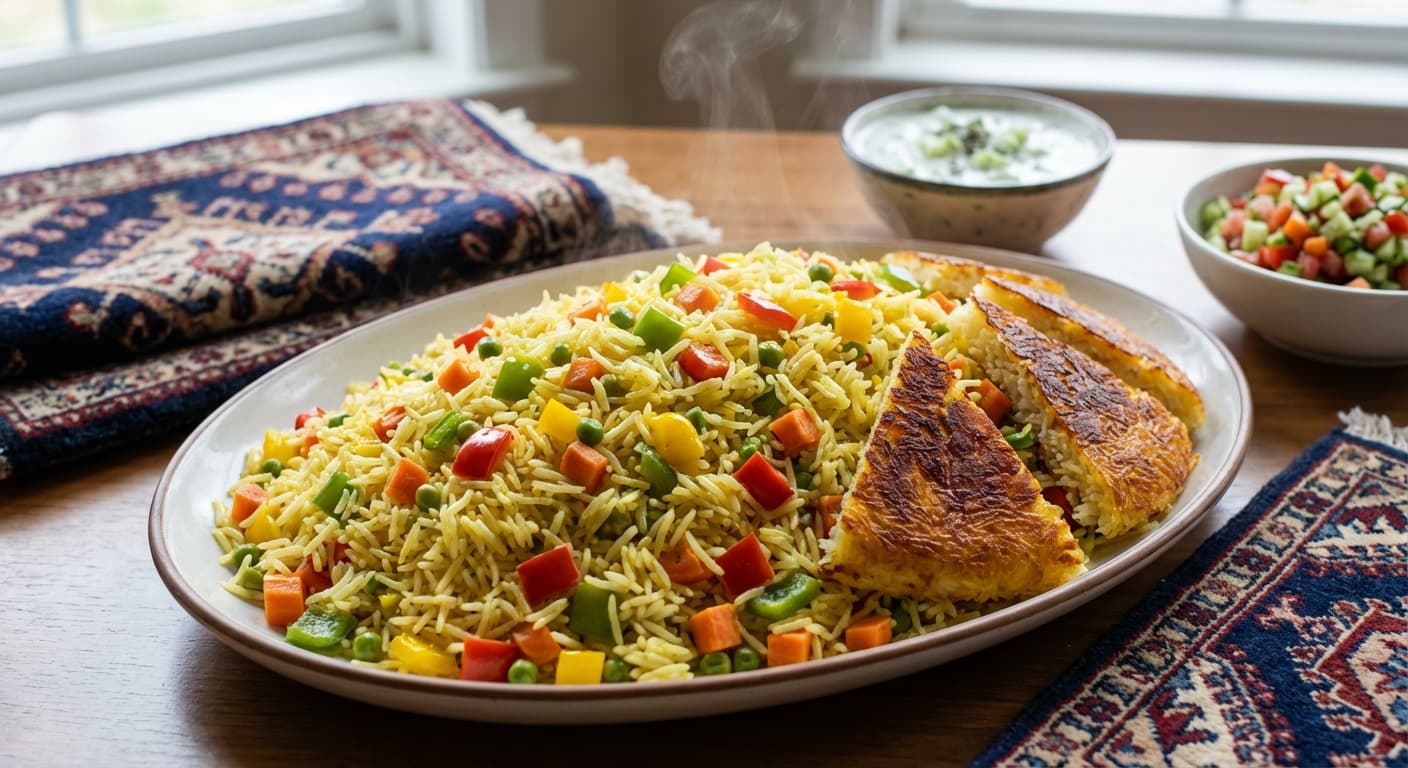
Mixed Vegetable Rice (برنج با مخلوط سبزیجات) — Persian-Style Aromatic Pilaf
Persian · Rice Dishes · 75 min
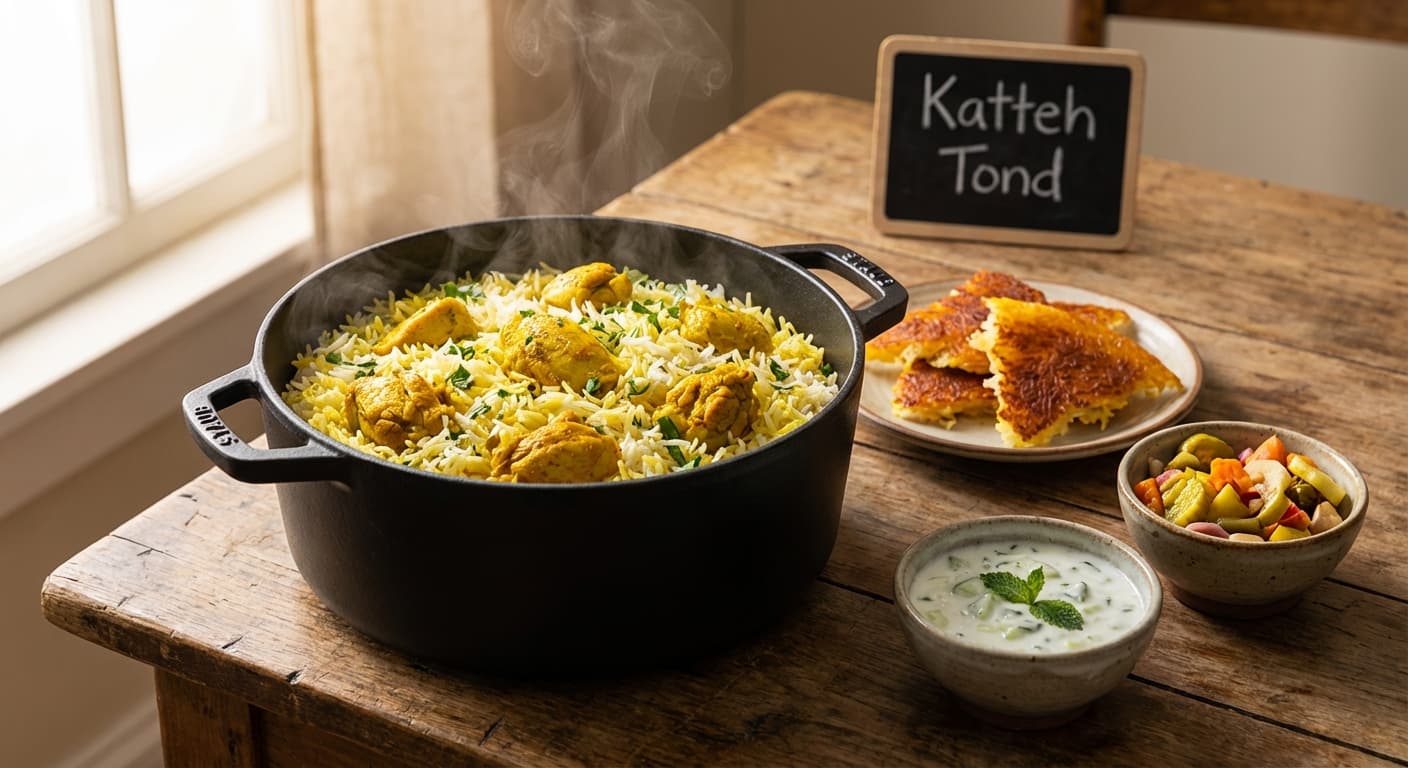
Katteh Tond (کته تند) — Spicy Caspian-Style One-Pot Chicken Rice
Persian · Rice Dishes · 85 min
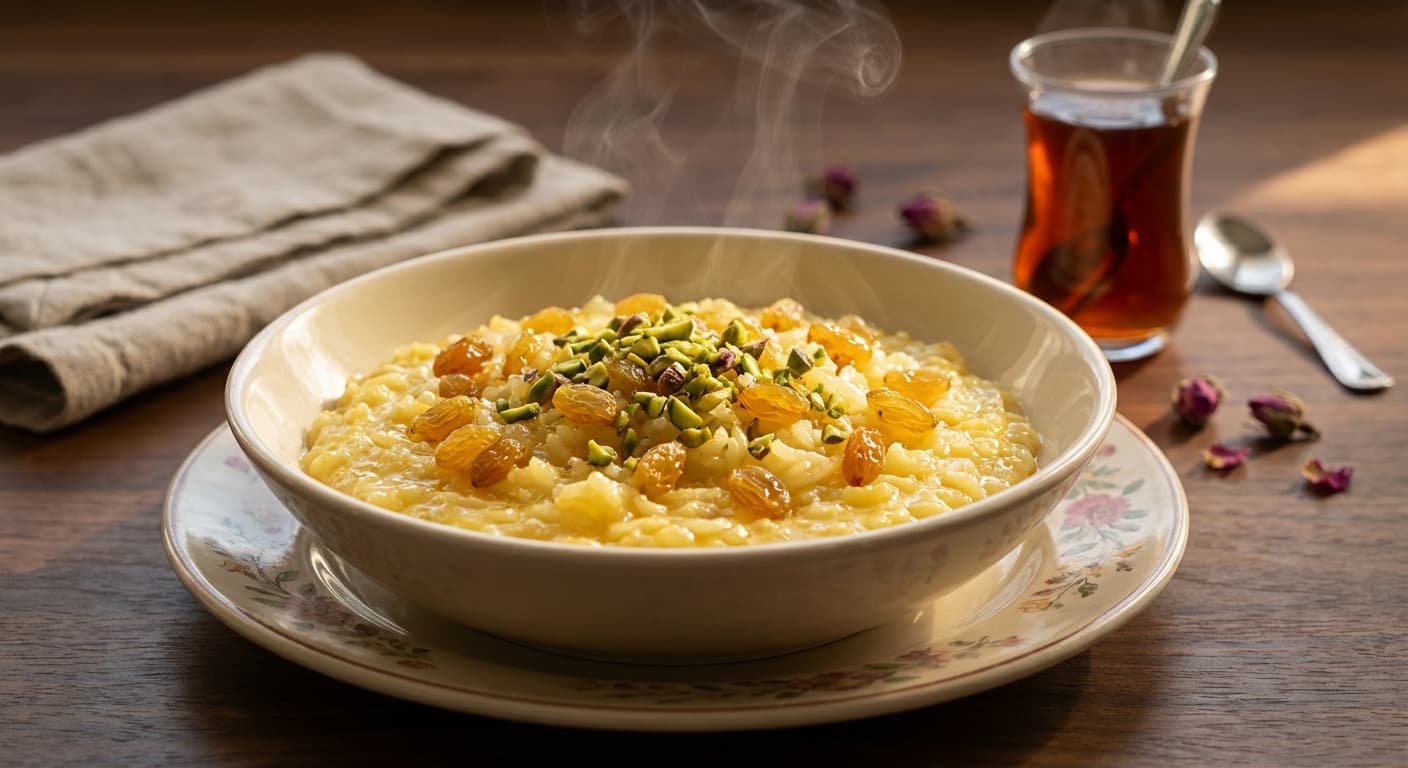
Saffron Sweet Rice (پلو شیرینی زعفرانی) — Festive Persian milk-saffron rice with nuts
Persian · Rice Dishes · 75 min
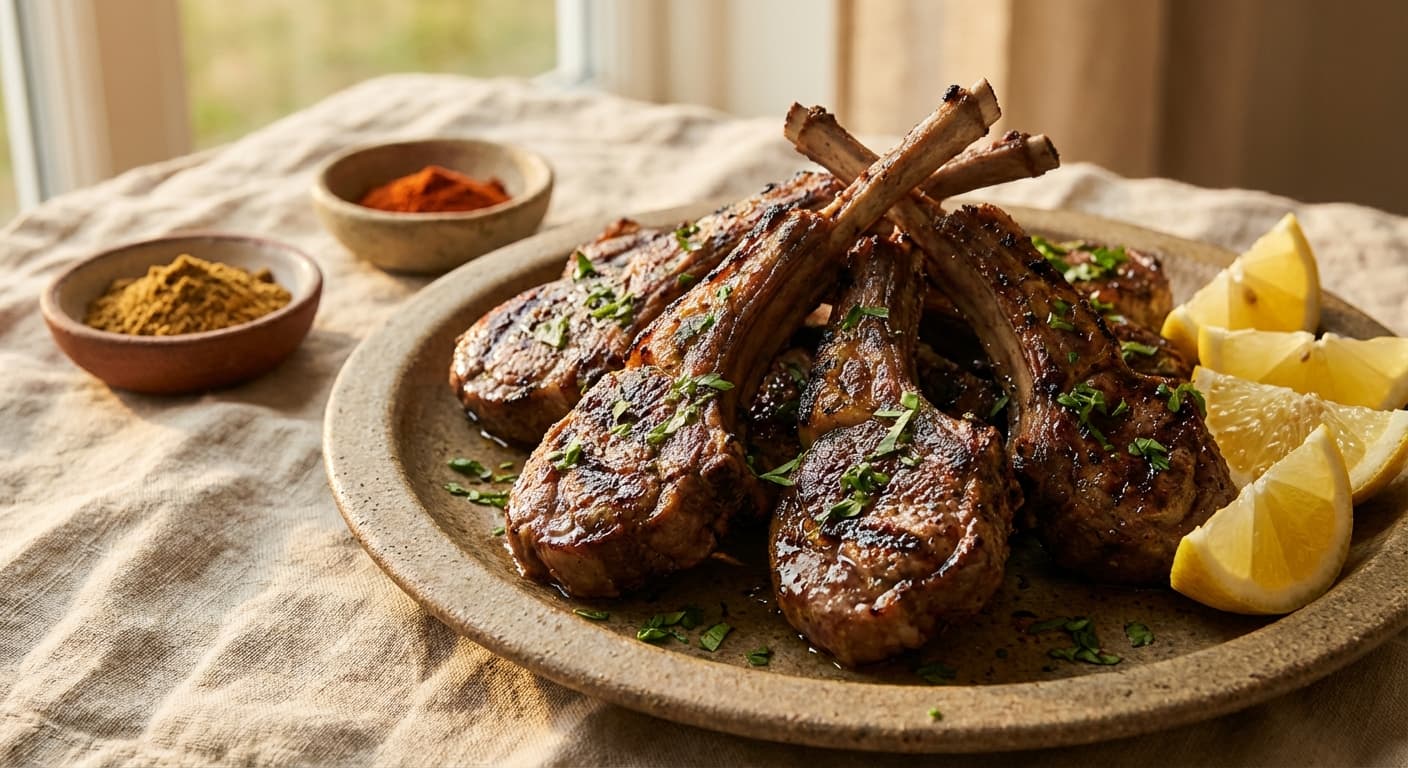
Moroccan Grilled Lamb Chops (شرائح لحم الضأن المشوية المغربية) — Cumin and paprika marinated chops with chermoula-style aromatics
Moroccan · Kebabs · 25 min
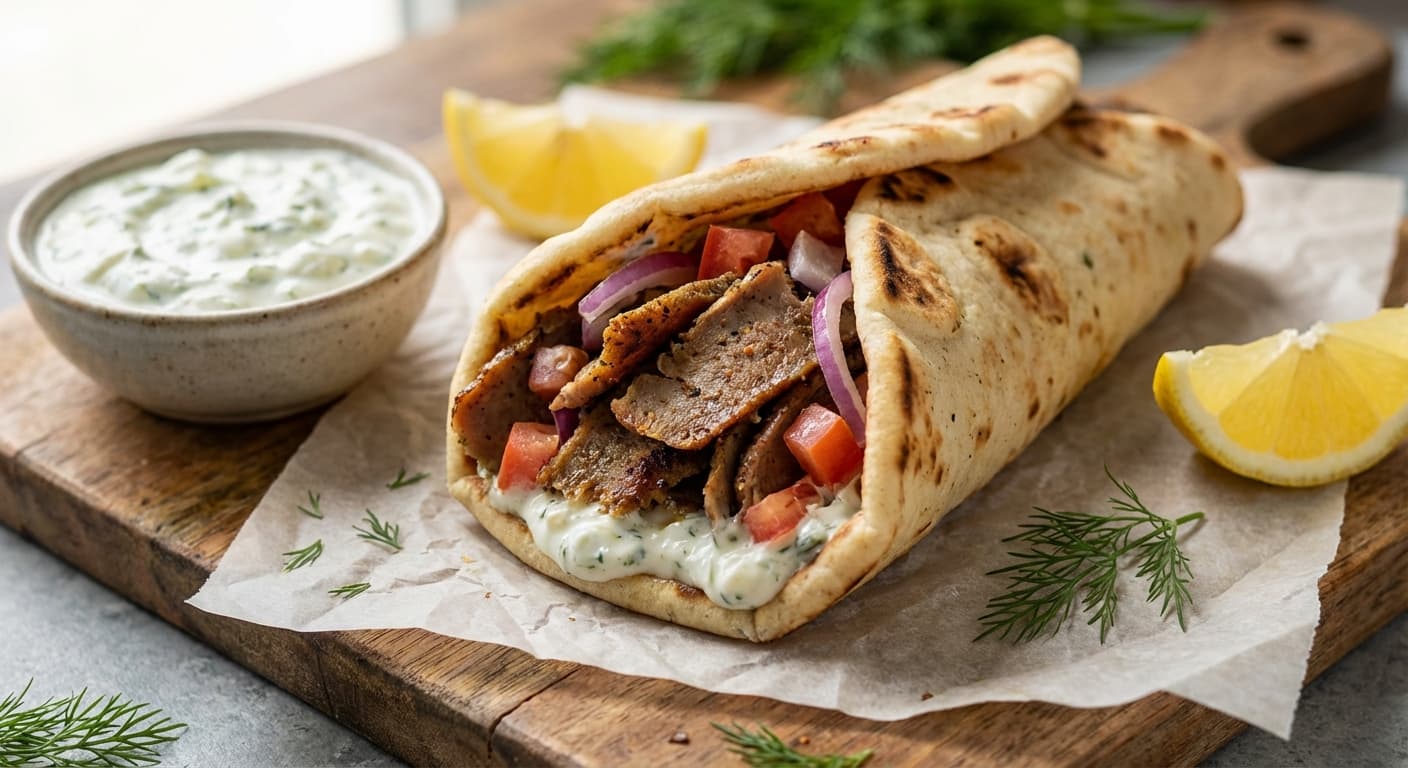
Greek Gyro (Γύρος) — Seasoned Meat Pita Wrap with Tzatziki
Greek · Kebabs · 105 min
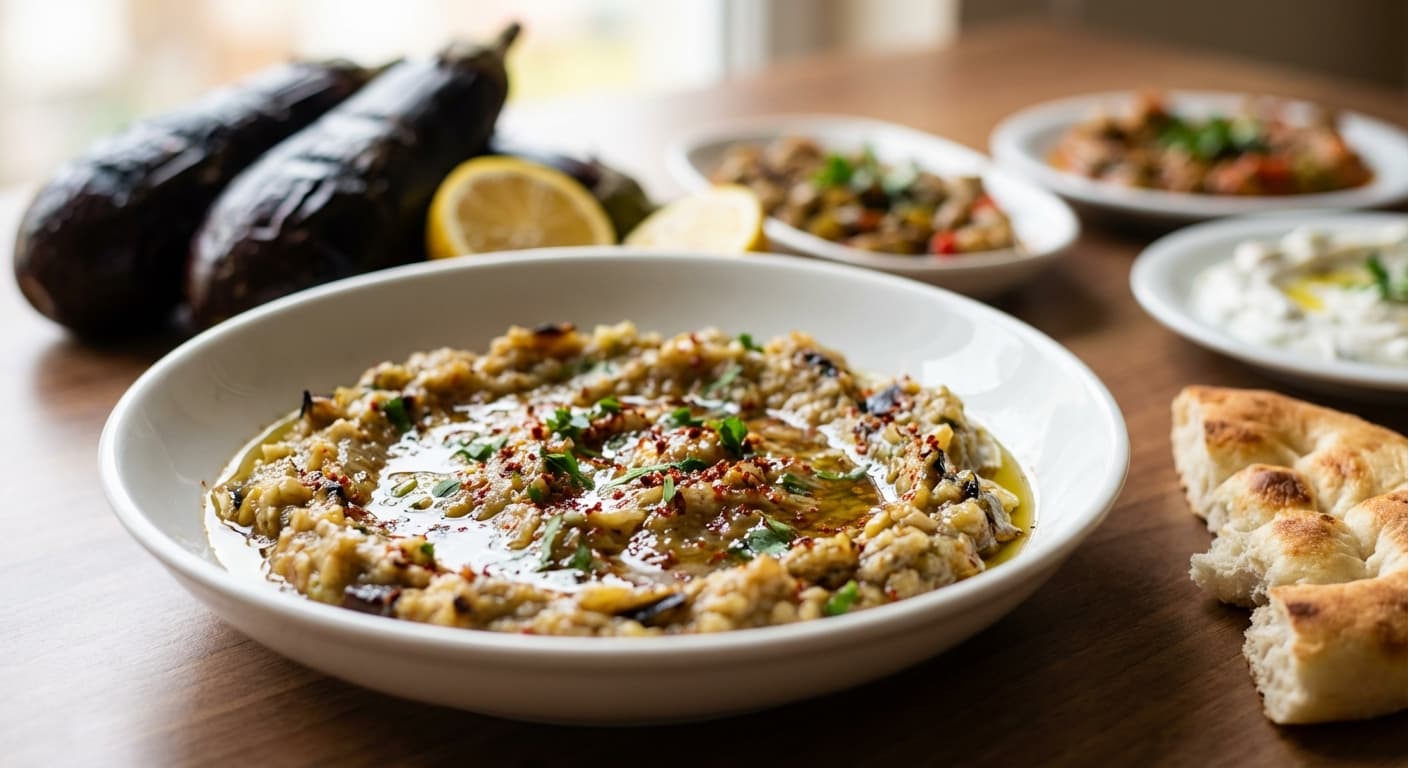
Smoky Eggplant Salad (Patlıcan Salatası) — Turkish charred eggplant with garlic and olive oil
Turkish · Salads · 40 min
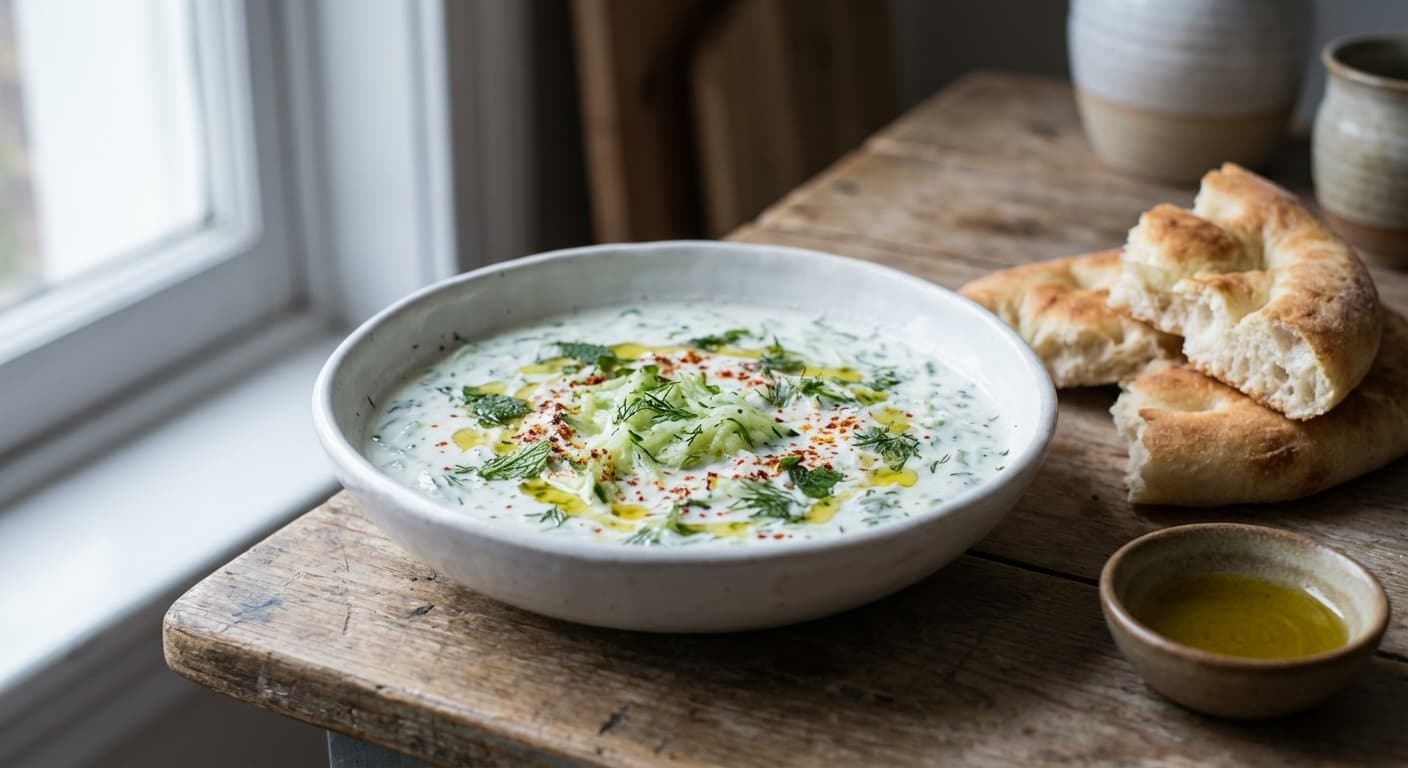
Cacık (Yoğurtlu Salatalık Mezesi) — Chilled Turkish Yogurt, Cucumber & Mint Dip
Turkish · Appetizers · 15 min
Cornish Pasty (Cornish Pasty) — Traditional Beef and Swede Hand Pie
British · Main Courses · 100 min
Reviews
Cooked this recipe?
Tap the stars to rate it — that's all it takes. A few words are welcome but optional.
No ratings yet. Cooked this one? Be the first to rate it — it takes one tap.