Chelo and Polow (چلو و پلو) — Persian Steamed Rice & Mixed Rice Master Guide
A master, step-by-step guide to Persian rice: fluffy, long, separate grains for Chelo and the adaptable method for Polow. Includes reliable salting, parboiling, steaming, and crisp golden tahdig techniques.
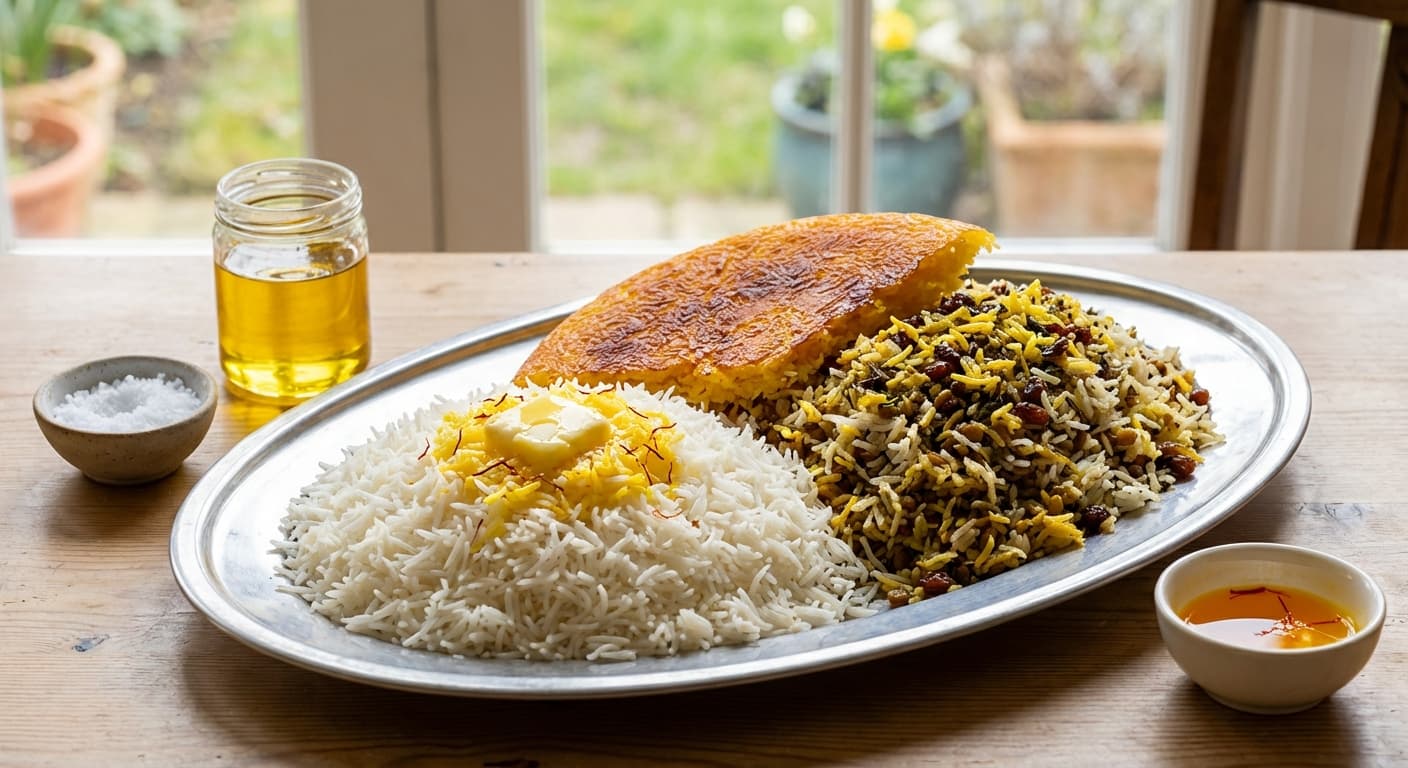
Printable Recipe Card
Servings: 6 · Total: 130 min · Difficulty: medium
Ingredients (quick list)
- 600 g Basmati rice (aged basmati preferred for longer, drier grains)
- 2.5 L Lukewarm water (for soaking and rinsing; about 35–40°C)
- 30 g Fine sea salt (about 1 1/2 tablespoons; for soaking and boiling water)
- 3 L Water (for parboiling; plus more as needed to keep rice submerged)
- 60 ml Neutral oil (such as grapeseed, sunflower, or canola; plus extra for serving if desired)
Steps (summary)
- Rinse the rice to remove excess surface starch: place rice in a large bowl, cover with lukewarm water, swirl gently for 20 seco…
- Soak the rinsed rice in lukewarm water with salt for 45 minutes at room temperature. Use enough water to cover by 5 cm. Soaking…
- Bring 3.0 L water to a rolling boil in a wide, tall pot (at least 5–6 L capacity). Add the remaining salt from your measured am…
- Test for the correct parboil: a grain should be soft on the outside but still firm in the center when bitten. Drain immediately…
- Create the tahdig base: return the pot to medium heat. Add 60 ml oil and 60 ml water, swirling to coat the bottom evenly. For e…
- Add rice for steaming: spoon the drained rice into the pot in a mound, not packed down. With the handle of a wooden spoon, poke…
+ 3 more steps in the full instructions section below.
Cultural Background
Steamed rice is a central skill in Persian home cooking, with Chelo served as a plain base and Polow used for celebratory mixed rice dishes. Tahdig, the crisp crust formed during steaming, is often treated as a prized centerpiece shared at the table.
Equipment
💡 Tips
- Choose aged basmati; fresher rice contains more moisture and can clump more easily.
- Use a wide pot so rice boils freely and drains quickly, preventing overcooking.
- Do not compress the rice mound; trapped air channels help steam circulate and elongate grains.
- A towel-wrapped lid prevents condensation from dripping back and making the top layer wet.
- If your tahdig browns too fast, place a heat diffuser under the pot during the low-heat phase.
⚠️ Common Mistakes
❌ Overboiling the rice during parboil
💡 Why: If the center becomes fully soft, grains break and turn mushy during steaming.
✅ Fix: Start testing at 6 minutes; drain when the outside is tender but the center still resists slightly.
❌ Skipping the towel-wrapped lid
💡 Why: Condensation drips back onto the rice, making the top layer wet and clumpy.
✅ Fix: Wrap the lid in a clean towel and secure it away from the flame; keep the lid closed during steaming.
❌ Heat too high during the low-heat steaming phase
💡 Why: Tahdig can burn before the rice finishes steaming through.
✅ Fix: After the initial 7 minutes, reduce to the lowest steady flame; use a diffuser if your stove runs hot.
❌ Packing the rice tightly into the pot
💡 Why: Steam cannot circulate well, leading to uneven cooking and shorter grains.
✅ Fix: Spoon rice in lightly as a mound and create steam vents with the spoon handle.
🧊 How to Store
Cool rice within 1 hour, then refrigerate in an airtight container up to 3 days. Reheat covered with 1–2 tablespoons water in a pot on low heat for 10–15 minutes or microwave covered until steaming hot. Tahdig is best fresh; re-crisp in a dry skillet 2–3 minutes per side.
📅 Make Ahead
Rinse and soak the rice up to 1 hour ahead. You can parboil, drain, and spread rice on a tray to cool, then refrigerate up to 24 hours; bring to room temperature 20 minutes before steaming for best texture and more even tahdig.
🍽️ Pairs Well With
- Persian-style stews
- Grilled kebabs
- Yogurt-based sides and salads
- Pickles and fresh herbs
Regional Variations
- Tehran-style home cookingOften focuses on very white, airy Chelo with a thin, evenly golden tahdig; rice is typically rinsed thoroughly and steamed gently for a clean finish.
- Caspian-influenced householdsPolow is frequently layered with herbs, beans, or fish pairings; the rice may be steamed slightly longer for a more cohesive, aromatic result while still keeping grains distinct.
Ingredients
- 1⅓ lbBasmati rice (aged basmati preferred for longer, drier grains)
- 2½ lLukewarm water (for soaking and rinsing; about 35–40°C)
- 1.1 ozFine sea salt (about 1 1/2 tablespoons; for soaking and boiling water)
- 3 lWater (for parboiling; plus more as needed to keep rice submerged)
- ¼ cupNeutral oil (such as grapeseed, sunflower, or canola; plus extra for serving if desired)
🔄 Substitutions
- Basmati rice→ Extra-long grain jasmine rice
- Neutral oil→ Clarified butter (ghee)
Instructions
- 1
Rinse the rice to remove excess surface starch: place rice in a large bowl, cover with lukewarm water, swirl gently for 20 seconds, then drain. Repeat 4–6 times until the water looks mostly clear. This step is key for long, separate grains rather than sticky rice.
- 2
Soak the rinsed rice in lukewarm water with salt for 45 minutes at room temperature. Use enough water to cover by 5 cm. Soaking hydrates the grain evenly, reducing breakage during boiling and helping the rice elongate during steaming.
- 3
Bring 3.0 L water to a rolling boil in a wide, tall pot (at least 5–6 L capacity). Add the remaining salt from your measured amount. Drain the soaked rice well, then add it to the boiling water and stir once gently to prevent clumping. Boil 6–8 minutes.
- 4
Test for the correct parboil: a grain should be soft on the outside but still firm in the center when bitten. Drain immediately in a fine colander and rinse quickly with 250 ml cool water to stop cooking and wash off loosened starch, keeping grains separate.
- 5
Create the tahdig base: return the pot to medium heat. Add 60 ml oil and 60 ml water, swirling to coat the bottom evenly. For extra insurance against sticking, add the optional 30 ml oil now. Heat 60–90 seconds until the mixture shimmers but does not smoke.
- 6
Add rice for steaming: spoon the drained rice into the pot in a mound, not packed down. With the handle of a wooden spoon, poke 5–7 holes down to the bottom to vent steam. Cover the lid with a clean kitchen towel and place it tightly on the pot.
- 7
Steam to set the crust: cook on medium-high for 7 minutes to build strong initial steam and begin browning the base. Reduce to low heat and continue steaming 35–45 minutes. Avoid opening the lid; the trapped steam finishes cooking while the bottom turns golden.
- 8
Rest and unmold: turn off heat and let the pot rest, covered, for 10 minutes so the crust releases. To serve, fluff the rice gently with a fork, then invert the pot onto a platter for a single tahdig disk, or lift tahdig out in pieces with a spatula.
- 9
Polow adaptation (mixed rice): prepare rice exactly through parboiling and draining. When layering into the pot, alternate 1–2 cm layers of rice with your fully cooked mix-ins (such as herbs, vegetables, legumes, or shredded meat). Steam with the same timing as Chelo.
🪪 Recipe Passport
Cultural Background
Steamed rice is a central skill in Persian home cooking, with Chelo served as a plain base and Polow used for celebratory mixed rice dishes. Tahdig, the crisp crust formed during steaming, is often treated as a prized centerpiece shared at the table.
Regional Variations
Researched from multiple sources and validated by the Zaffaron editorial team. Every recipe is tested for accuracy, measurements, and cultural authenticity.
Nutrition per serving
Pairs well with
If you enjoyed this recipe, here are a few related Zaffaron recipes to try next.
Does your family make this differently?
Every family has their own version. Maybe your grandmother adds a secret ingredient, or your aunt has a completely different technique. Preserve your family's version — with their name on it, forever.
You Might Also Like
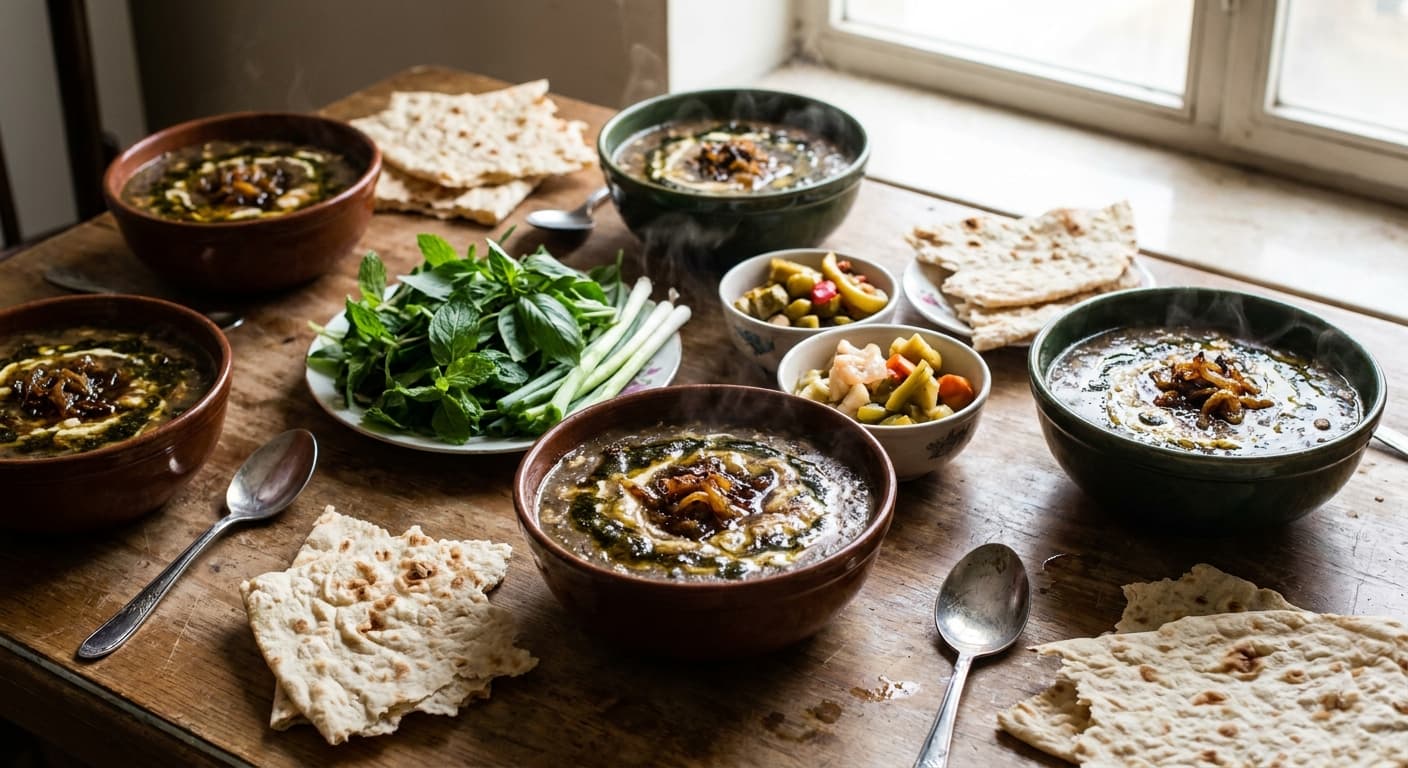
Ash-e Torsh (آش ترش) — Sour Herb and Legume Soup
Persian · Soups · 145 min
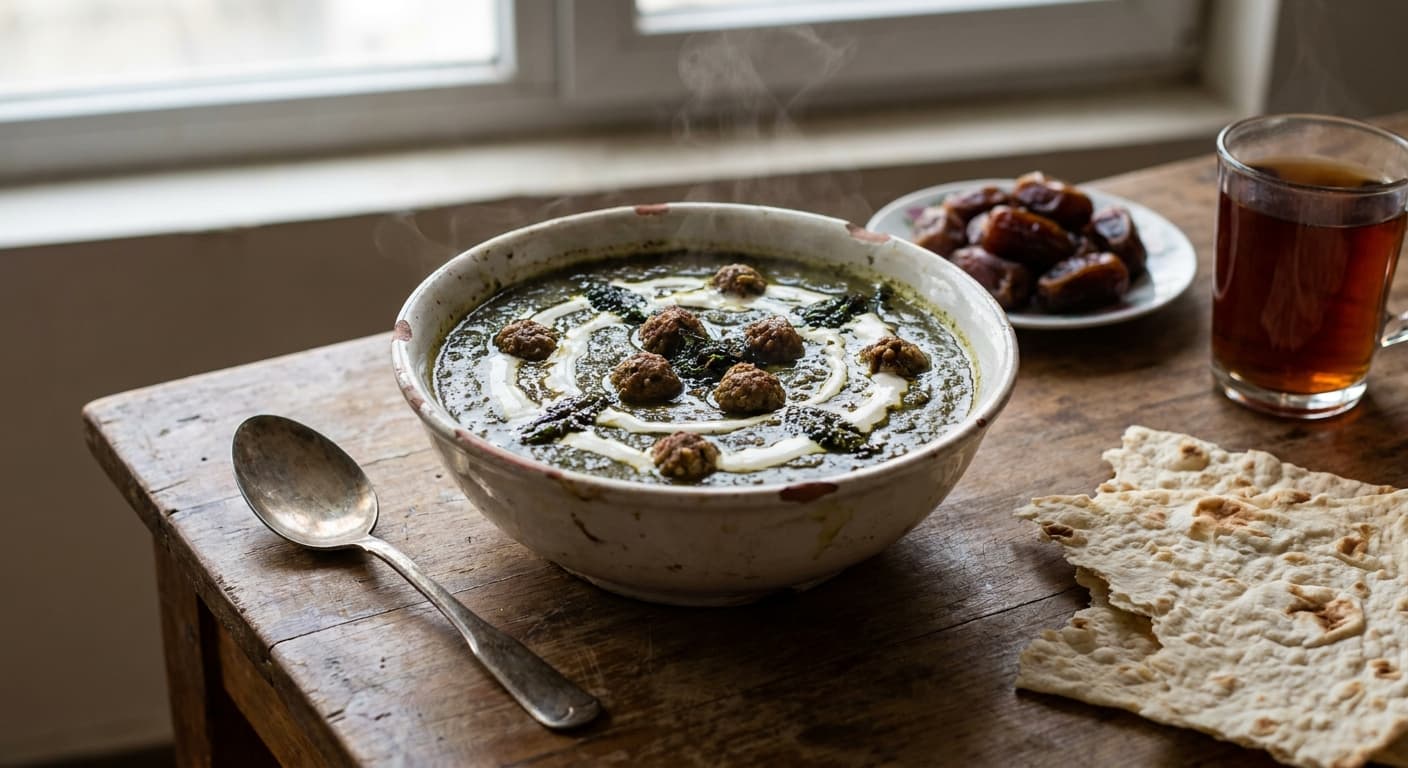
Ash-e Sak (آش ساک) — Golestani Spinach, Legume, and Meatball Soup
Persian · Soups · 175 min
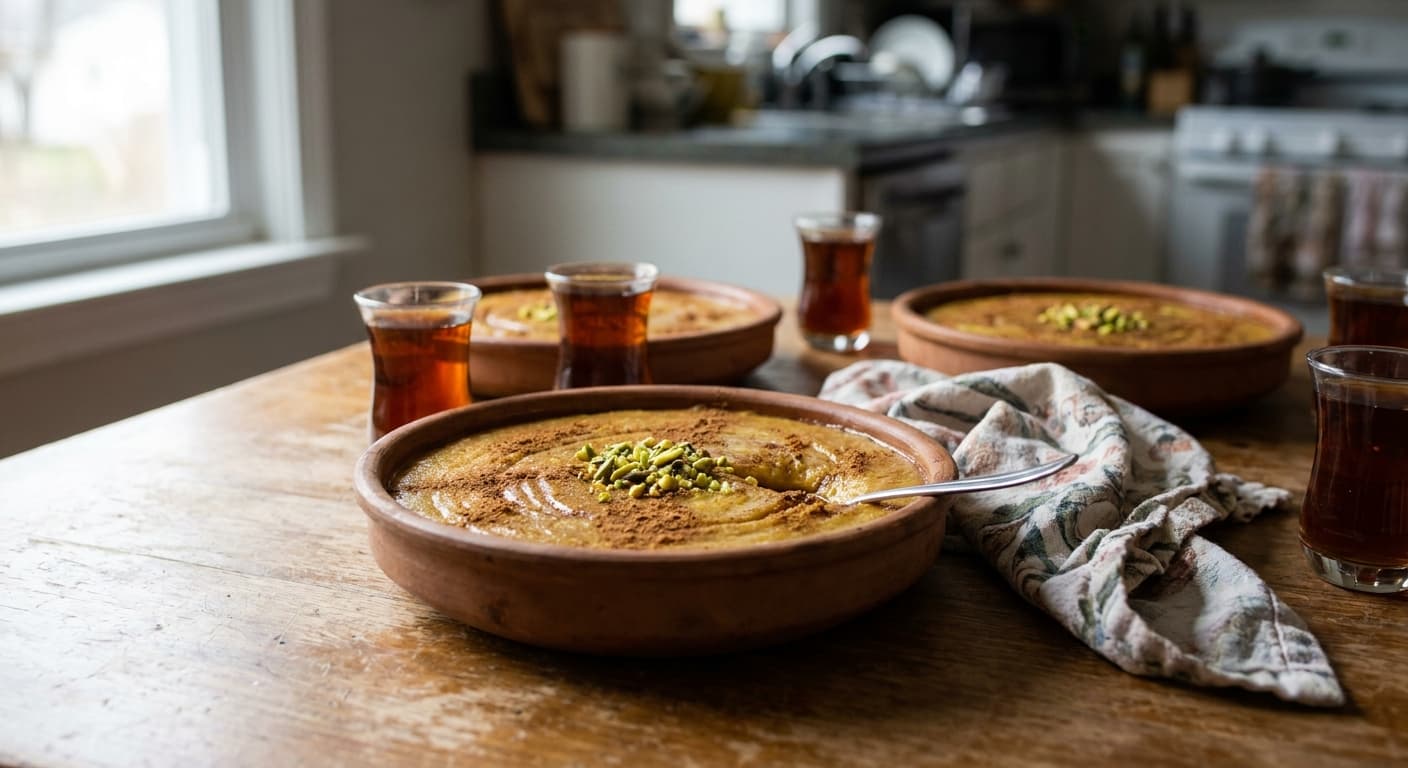
Persian Kachi (کاچی) — Saffron Rosewater Pudding
Persian · Desserts · 45 min
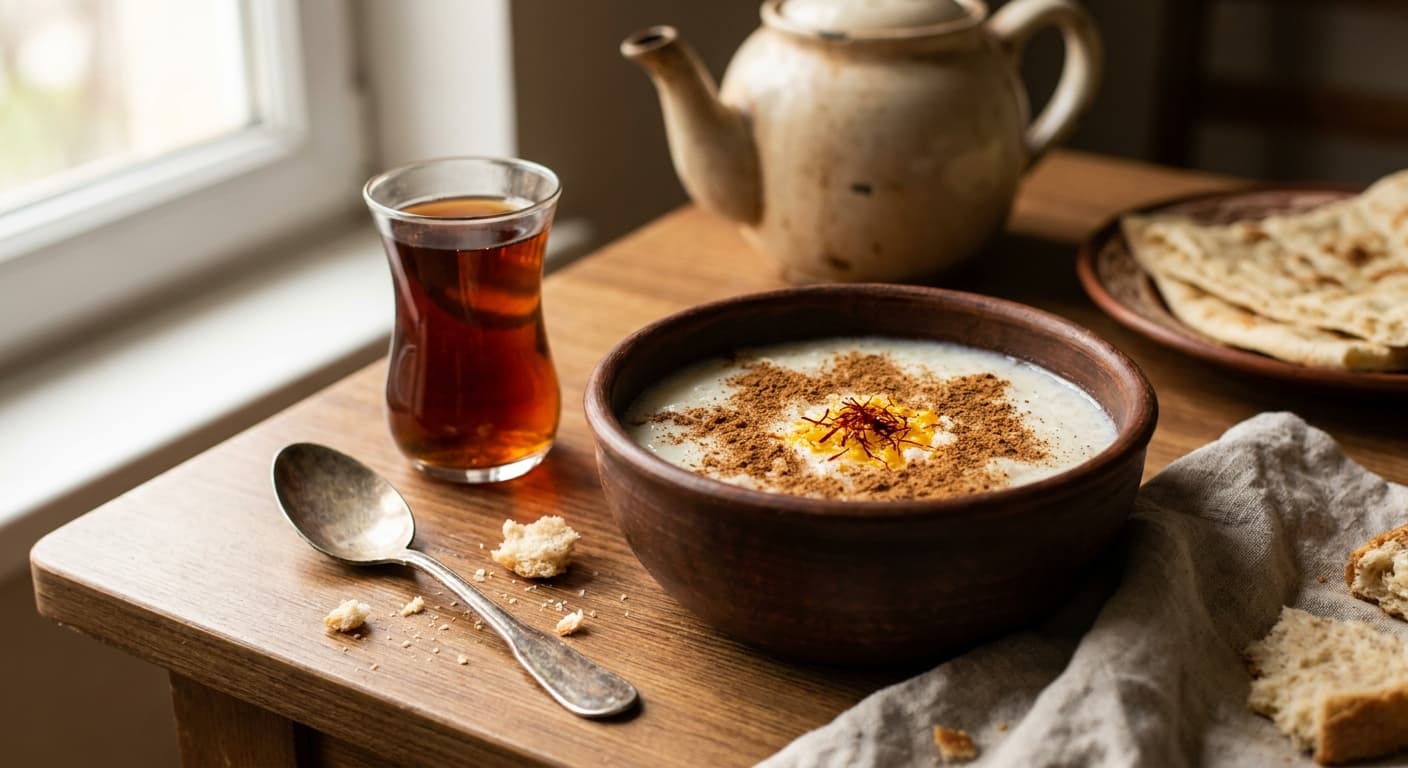
Azerbaijani Milk Rice Porridge (Südlü Sıyıq) — Creamy Breakfast Bowl
Azerbaijani · Rice Dishes · 40 min
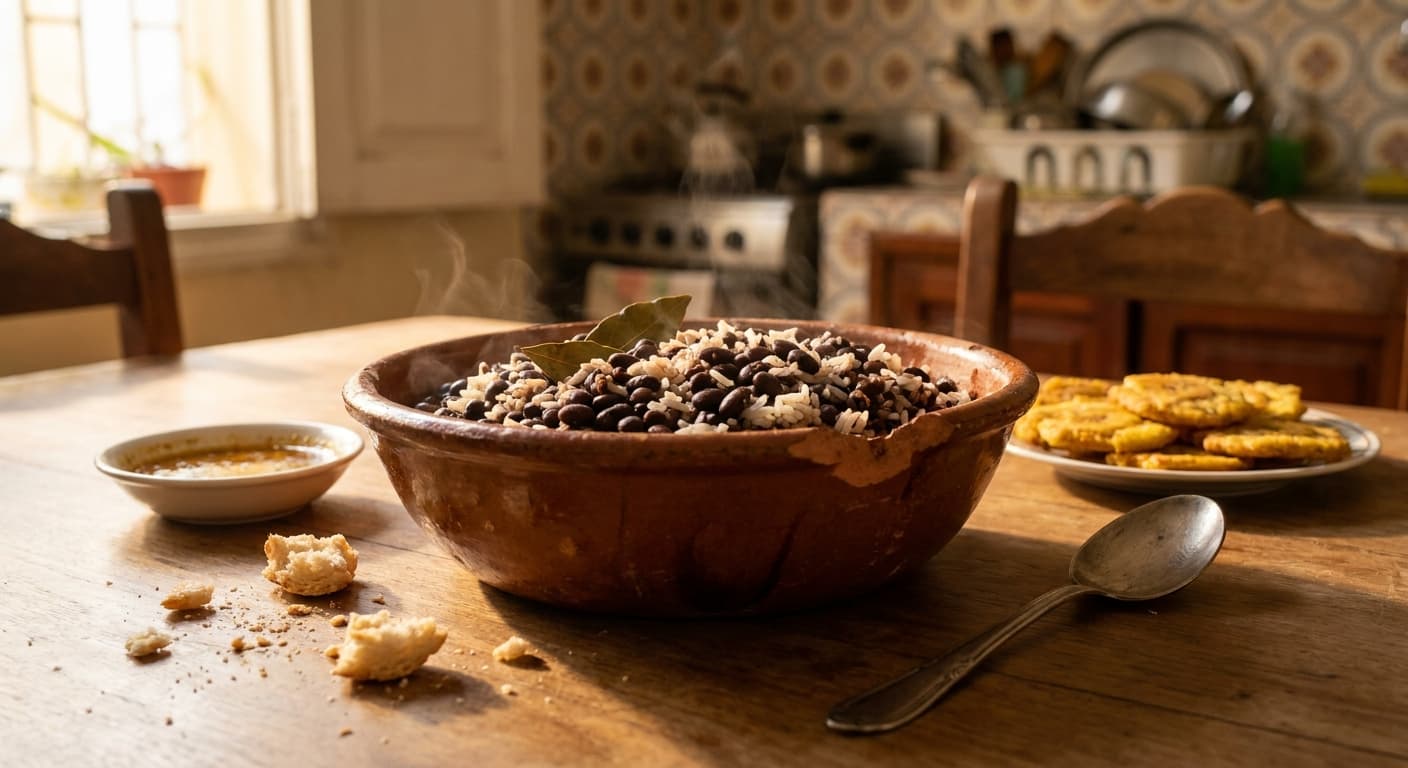
Moros y Cristianos (Moros y Cristianos) — Cuban Black Beans and Rice
Cuban · Rice Dishes · 130 min
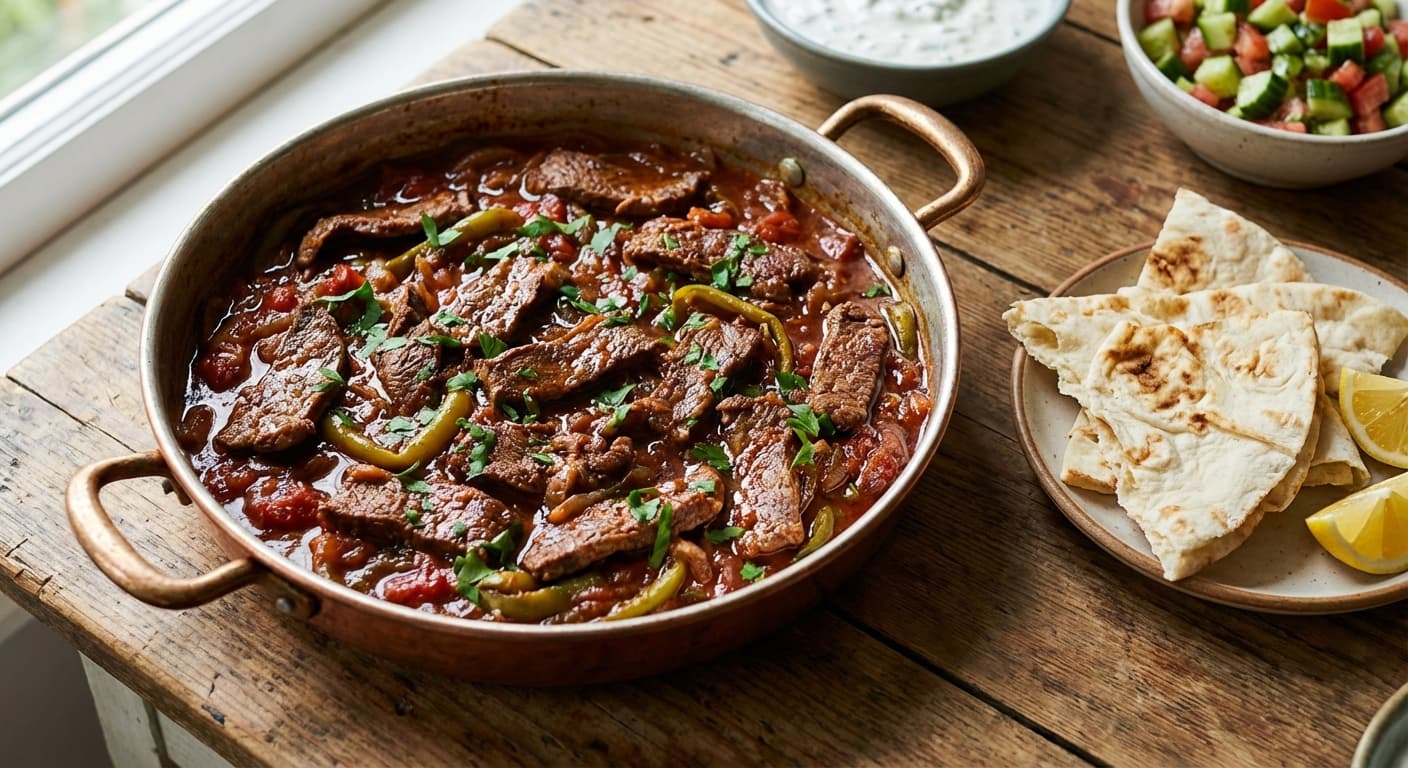
Sac Kavurma (Saç Kavurma) — Thin-Sliced Turkish Meat Sautéed with Onions
Turkish · Main Courses · 38 min
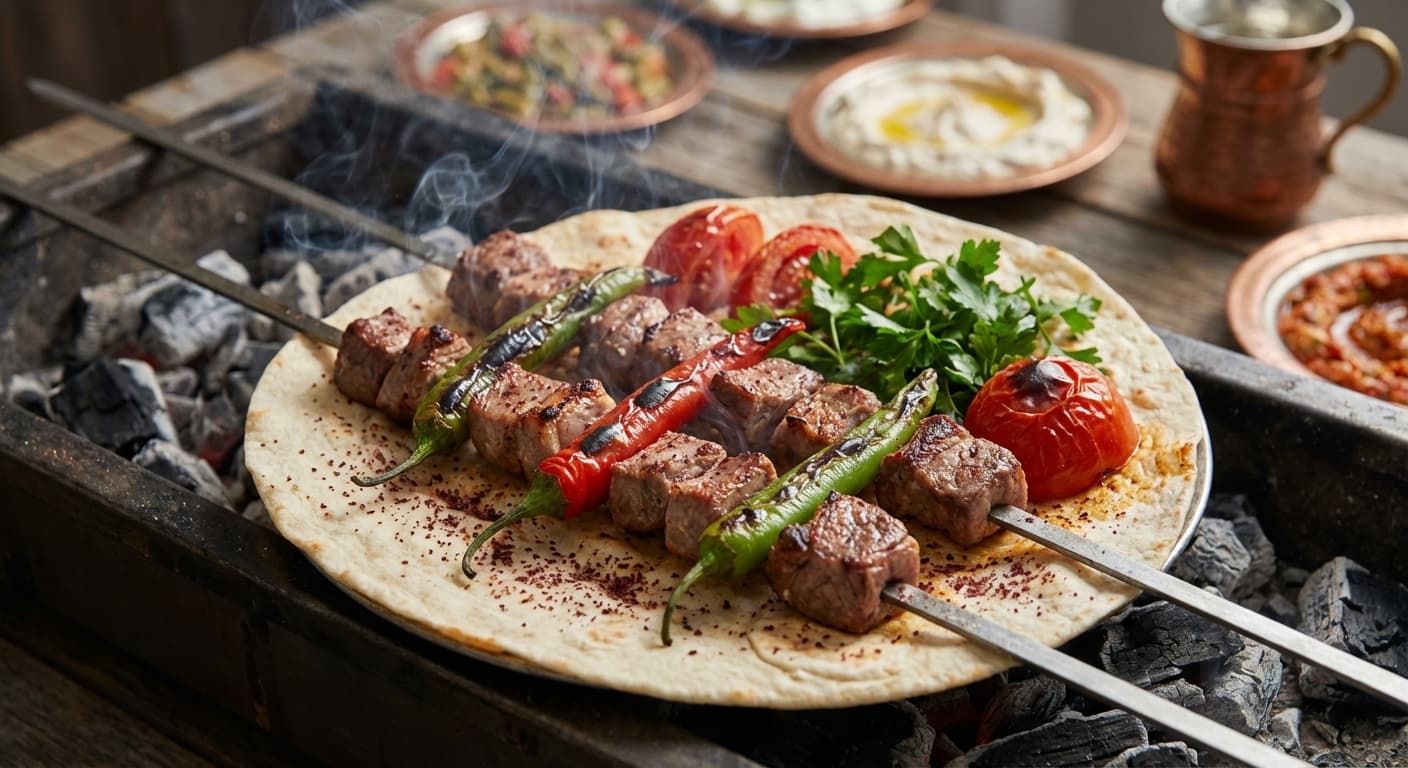
Turkish Shish Kebab (Şiş Kebap) — Charcoal-Grilled Marinated Lamb Skewers
Turkish · Kebabs · 37 min
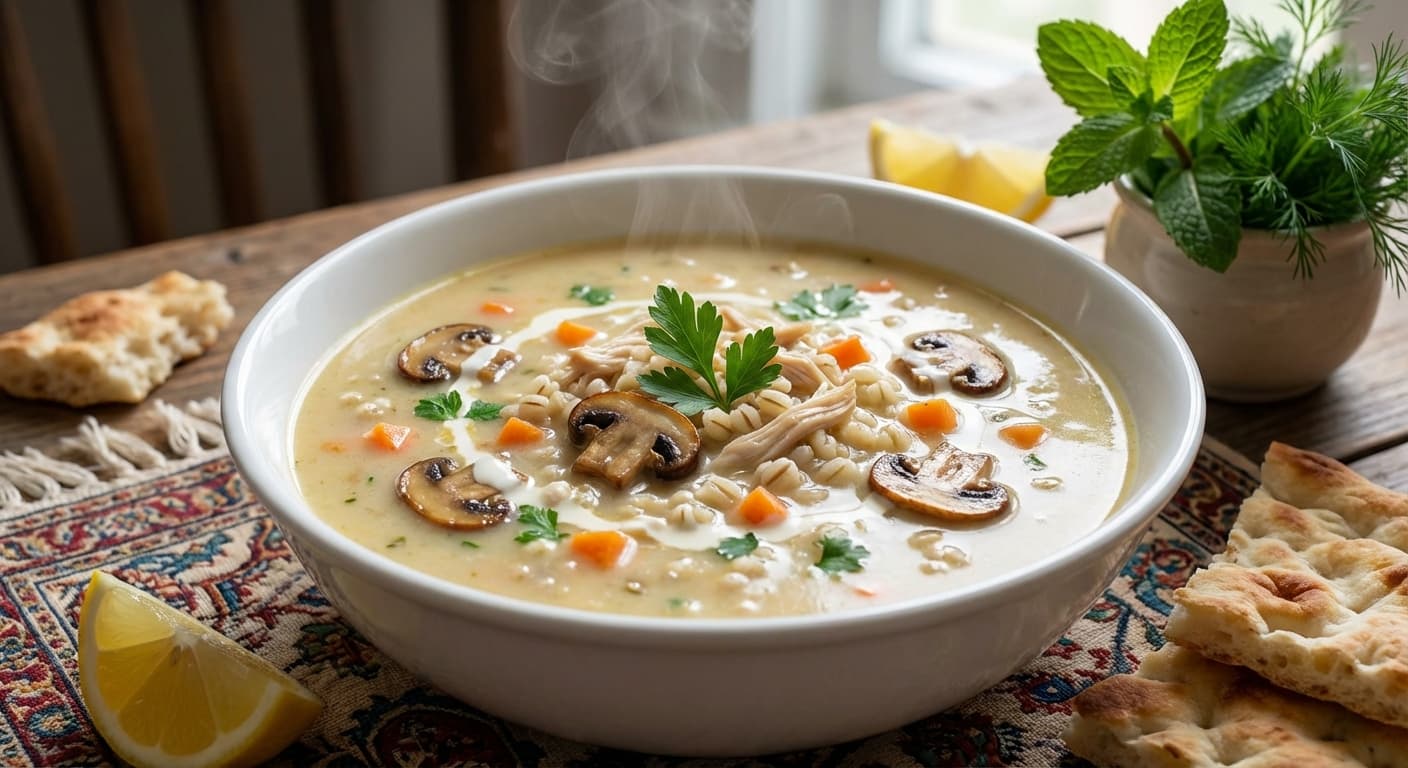
Soup-e Jo (سوپ جو) — Persian Creamy Barley Soup
Persian · Soups · 90 min
Reviews
Cooked this recipe?
Tap the stars to rate it — that's all it takes. A few words are welcome but optional.
No ratings yet. Cooked this one? Be the first to rate it — it takes one tap.