Persian Kotlet (کتلت) — Saffron-Infused Meat & Potato Patties
Kotlet is a nostalgic Persian home-style patty of potato and ground beef, pan-fried until deeply golden and crisp. It’s a picnic and family-gathering favorite, often tucked into lavash with herbs, pickles, and a squeeze of citrus.
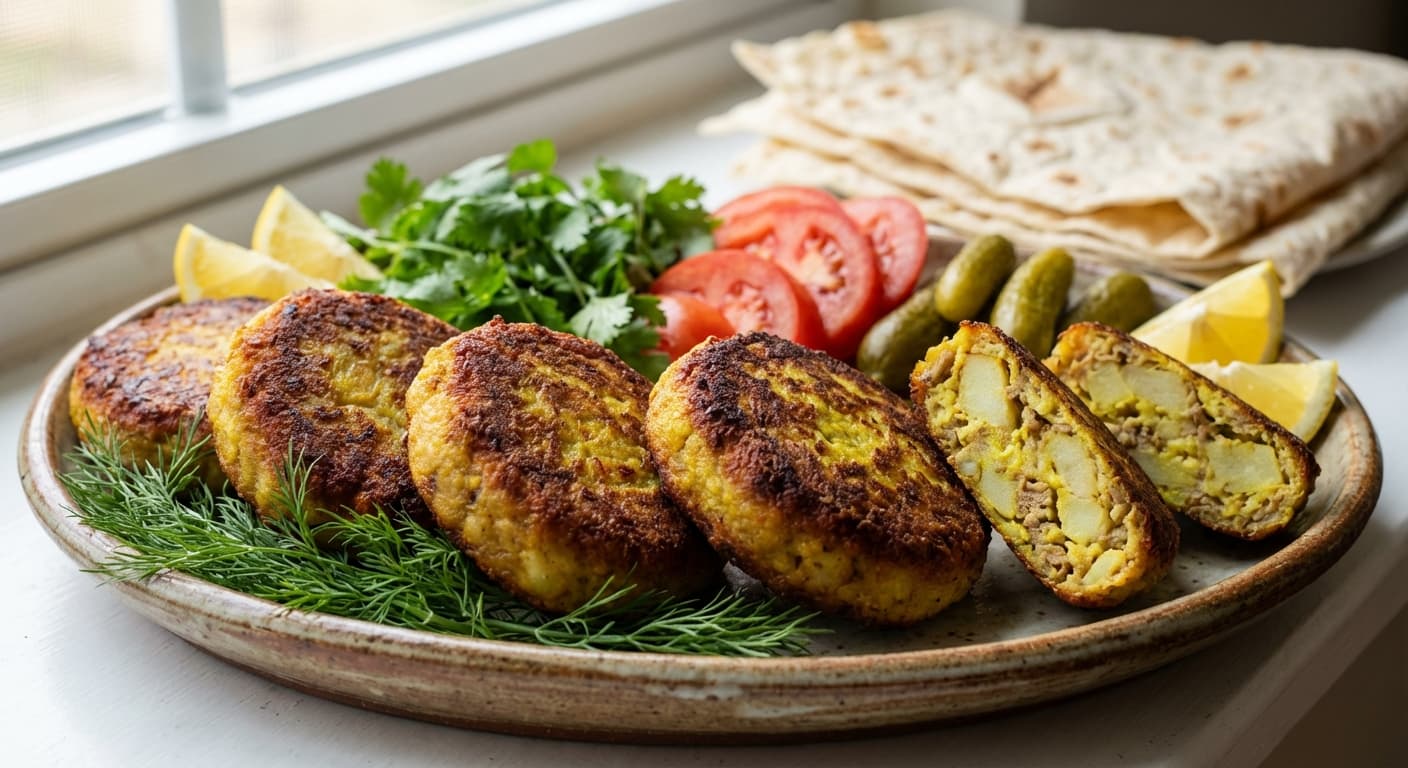
Printable Recipe Card
Servings: 6 · Total: 55 min · Difficulty: medium
Ingredients (quick list)
- 700 g Russet potatoes, peeled (about 3 medium)
- 450 g Lean ground beef (90% lean)
- 180 g Yellow onion, grated (squeeze out excess juice)
- 2 Large eggs
- 2 tsp Turmeric powder
- 2 tsp Sea salt (fine salt)
- 1 tsp Freshly cracked black pepper
- 0.25 tsp Saffron threads (about 0.5 g)
- 30 ml Hot water (just off the boil)
- 60 g Fine breadcrumbs (plus 20 g if needed for texture)
- 120 ml Vegetable oil (use 60 ml initially and add the rest as needed)
Steps (summary)
- Boil the peeled potatoes in salted water until completely tender, about 18–22 minutes depending on size. Drain them very well,…
- Bloom the saffron by crushing the threads and stirring them into 30 ml hot water. Let it steep for 10 minutes; the liquid shoul…
- Mash the hot potatoes until smooth, then spread them on a plate to cool to warm room temperature. Cooling is important because…
- Grate the onion on the fine side of a box grater, then squeeze it firmly to remove as much juice as possible. Add the drained o…
- Add the ground beef, mashed potatoes, eggs, turmeric, salt, black pepper, bloomed saffron (including the liquid), and 60 g brea…
- Rest the mixture for 10 minutes so the breadcrumbs hydrate and the texture firms up. If the mixture still feels wet and hard to…
+ 3 more steps in the full instructions section below.
Cultural Background
Kotlet is a quintessential Persian comfort food, packed for school lunches, road trips, and park picnics because it travels well and tastes great at room temperature. Many families pass down their preferred potato-to-meat ratio, making it a personal, home-defined classic.
Equipment
💡 Tips
- Squeeze the grated onion until almost dry; excess onion juice is the #1 cause of soft, fragile kotlet.
- For an extra-crisp crust, chill the shaped patties for 20 minutes before frying to help them firm up.
- Keep the oil at a steady medium heat; if it’s too hot the outside browns before the center cooks, and if too cool the kotlet absorbs oil.
⚠️ Common Mistakes
❌ Kotlets fall apart in the pan.
✅ Fix: Drain potatoes thoroughly, squeeze onion dry, and rest the mixture 10 minutes; add 20 g more breadcrumbs if it still feels wet.
❌ Outside browns too fast while the center stays raw.
✅ Fix: Lower heat to medium and keep patties 1.5 cm thick; fry 3–4 minutes per side and avoid overcrowding.
❌ Kotlets turn greasy and soft.
✅ Fix: Maintain oil around 175°C, fry in batches, and drain on a rack; oil that’s too cool causes absorption.
🧊 How to Store
Cool kotlets to room temperature within 1 hour, then refrigerate in an airtight container for up to 3 days. Reheat on a skillet over medium heat with 10 ml oil for 2–3 minutes per side, or in a 190°C oven for 8–10 minutes to restore crispness.
📅 Make Ahead
Boil and mash the potatoes up to 1 day ahead and refrigerate tightly covered. You can also mix and shape the patties, then chill them for up to 12 hours; fry just before serving for the crispest crust.
🍽️ Pairs Well With
- Lavash
- sabzi khordan (fresh herbs)
- torshi
- pickled cucumbers
- sliced tomatoes
- yogurt
- lemon wedges
Regional Variations
- Some Tehran-style home versions add 1 tsp ground cumin for a deeper, earthy note.
- In some households, 30 g chopped parsley is mixed in for a greener, fresher kotlet.
- A few northern-style variations serve kotlet with more torshi and citrus-forward sides to cut richness.
Ingredients
- 700 gRusset potatoes, peeled (about 3 medium)
- 450 gLean ground beef (90% lean)
- 180 gYellow onion, grated (squeeze out excess juice)
- 2Large eggs
- 2 tspTurmeric powder
- 2 tspSea salt (fine salt)
- 1 tspFreshly cracked black pepper
- 0.25 tspSaffron threads (about 0.5 g)
- 30 mlHot water (just off the boil)
- 60 gFine breadcrumbs (plus 20 g if needed for texture)
- 120 mlVegetable oil (use 60 ml initially and add the rest as needed)
🔄 Substitutions
- Lean ground beef (90% lean)→ ground lamb (85–90% lean)
- Fine breadcrumbs→ panko breadcrumbs, pulsed briefly
- Vegetable oil→ sunflower oil
Instructions
- 1
Boil the peeled potatoes in salted water until completely tender, about 18–22 minutes depending on size. Drain them very well, then return them to the hot pot for 1 minute to steam off excess moisture so the kotlets won’t fall apart.
- 2
Bloom the saffron by crushing the threads and stirring them into 30 ml hot water. Let it steep for 10 minutes; the liquid should turn a deep orange-red and smell floral and honeyed.
- 3
Mash the hot potatoes until smooth, then spread them on a plate to cool to warm room temperature. Cooling is important because hot potatoes can make the mixture greasy and loose once you add eggs.
- 4
Grate the onion on the fine side of a box grater, then squeeze it firmly to remove as much juice as possible. Add the drained onion to a large bowl; removing liquid keeps the patties crisp and prevents splattering during frying.
- 5
Add the ground beef, mashed potatoes, eggs, turmeric, salt, black pepper, bloomed saffron (including the liquid), and 60 g breadcrumbs to the bowl. Mix thoroughly for 2–3 minutes until the mixture becomes cohesive and slightly tacky, which helps the kotlets hold their shape.
- 6
Rest the mixture for 10 minutes so the breadcrumbs hydrate and the texture firms up. If the mixture still feels wet and hard to shape, mix in an additional 20 g breadcrumbs and rest 5 more minutes.
- 7
Divide the mixture into 12 equal portions and shape each into an oval patty about 9 cm long and 1.5 cm thick. Press the surface smooth and compact; tighter shaping reduces cracking and keeps the inside tender.
- 8
Heat 60 ml vegetable oil in a wide skillet over medium heat until shimmering, about 175°C if you have a thermometer. Fry in batches without crowding, 3–4 minutes per side, until deeply golden and crisp; add more oil between batches as needed to maintain a shallow-fry level.
- 9
Transfer the kotlets to a rack or paper-lined tray and let them rest 3 minutes before serving. This brief rest sets the crust and keeps the patties juicy, while excess surface oil drains away.
🪪 Recipe Passport
Cultural Background
Kotlet is a quintessential Persian comfort food, packed for school lunches, road trips, and park picnics because it travels well and tastes great at room temperature. Many families pass down their preferred potato-to-meat ratio, making it a personal, home-defined classic.
Regional Variations
Researched from multiple sources and validated by the Zaffaron editorial team. Every recipe is tested for accuracy, measurements, and cultural authenticity.
Nutrition per serving
Pairs well with
If you enjoyed this recipe, here are a few related Zaffaron recipes to try next.
- Makaronī bā Ānānās (ماکارونی با آناناس) — Persian Pasta Salad with Pineapple
- Khoresht-e Porteghal ba Belderchin (خورشت پرتقال با بلدرچین) — Persian Quail Stew with Sweet Orange Sauce
- Soup-e Adas va Karafs (سوپ عدس و کرفس) — Persian Lentil and Celery Soup
- Samosa-ye Goosht (سمبوسه گوشت) — Persian-Style Crispy Meat & Herb Pastries
Does your family make this differently?
Every family has their own version. Maybe your grandmother adds a secret ingredient, or your aunt has a completely different technique. Preserve your family's version — with their name on it, forever.
You Might Also Like
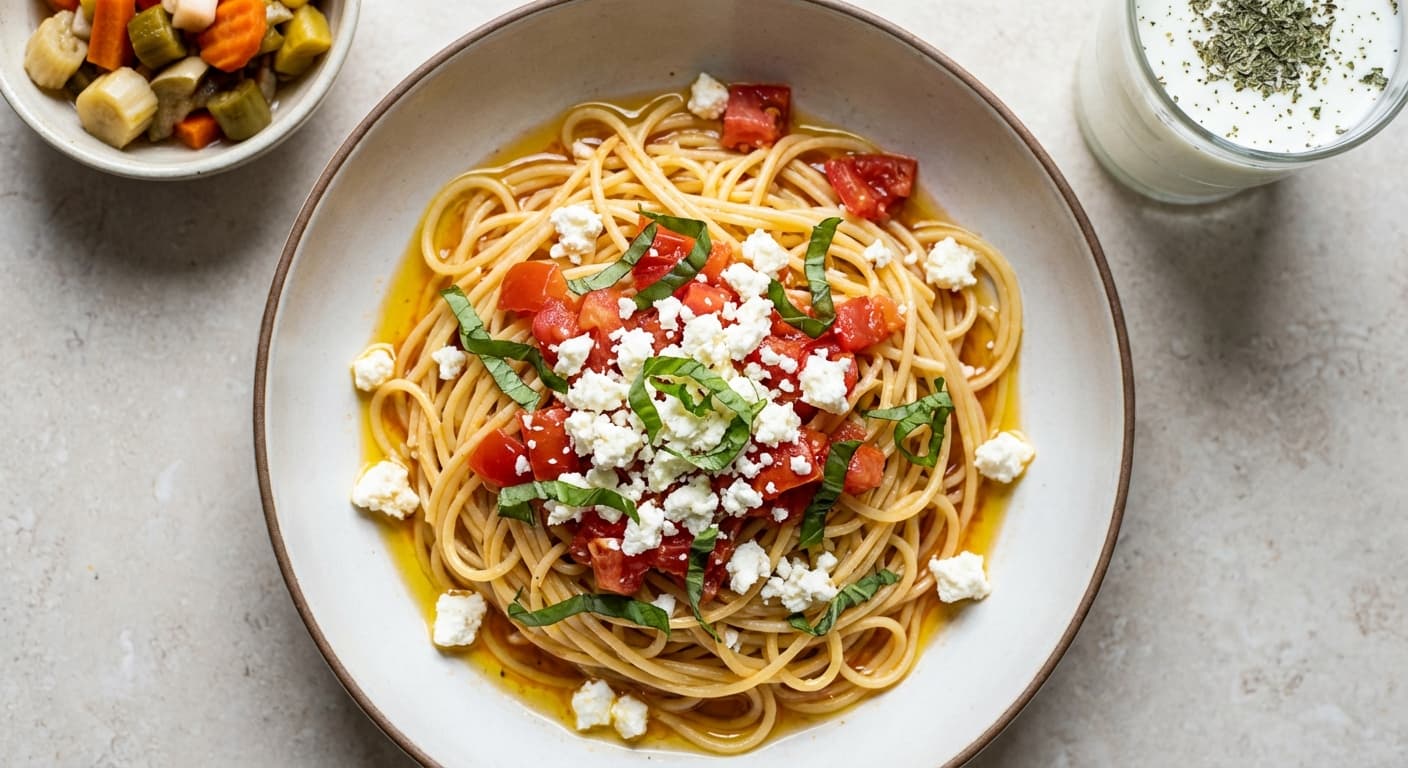
Pastay Paniri (پاستای پنیری) — Persian-Style Cheesy Pasta with Fresh Tomatoes
Persian · Main Courses · 27 min
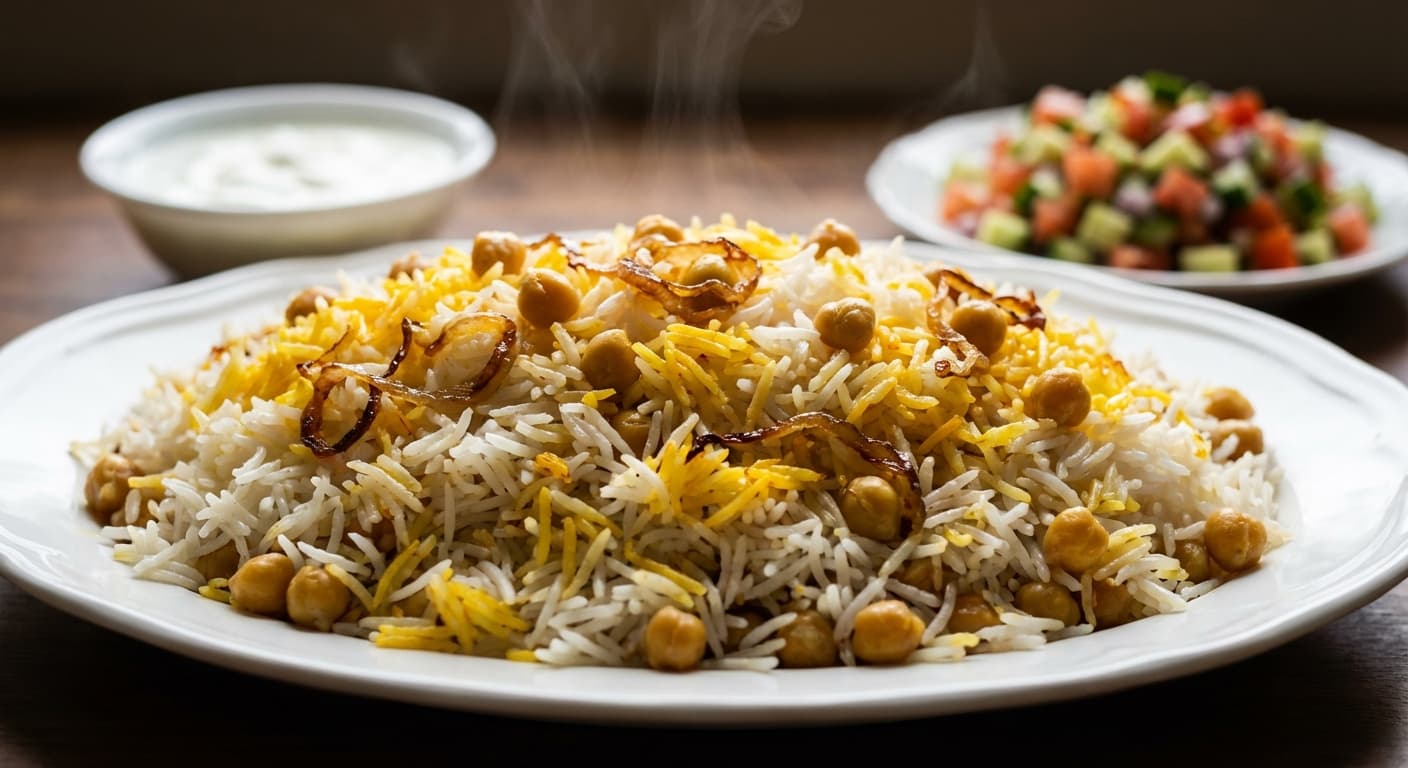
Nokhod Polo (نخود پلو) — Saffron Chickpea Rice with Warm Spices
Persian · Rice Dishes · 80 min
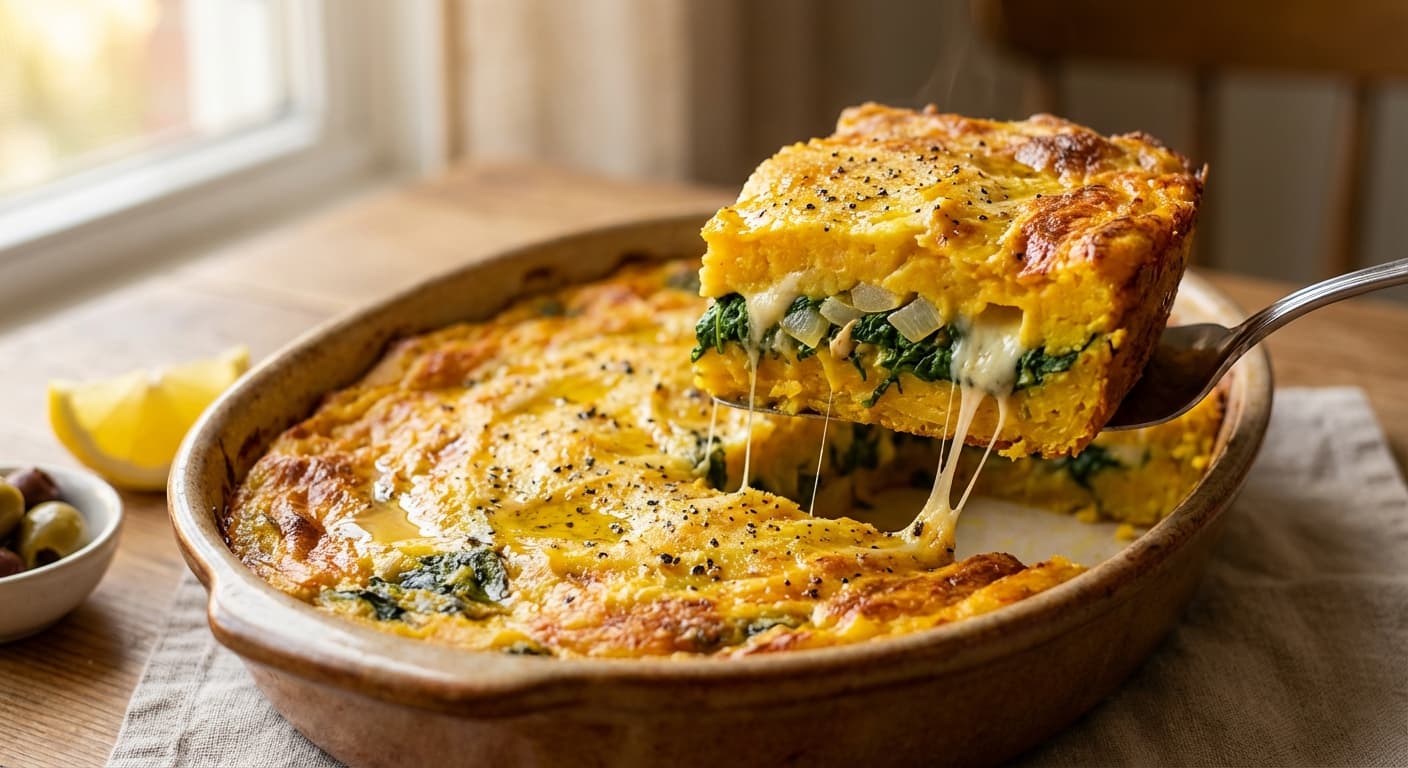
Golden Turmeric Potato and Spinach Casserole (غراتان سیبزمینی و اسفناج) — Mediterranean-Inspired Layered Gratin
Persian · Main Courses · 70 min
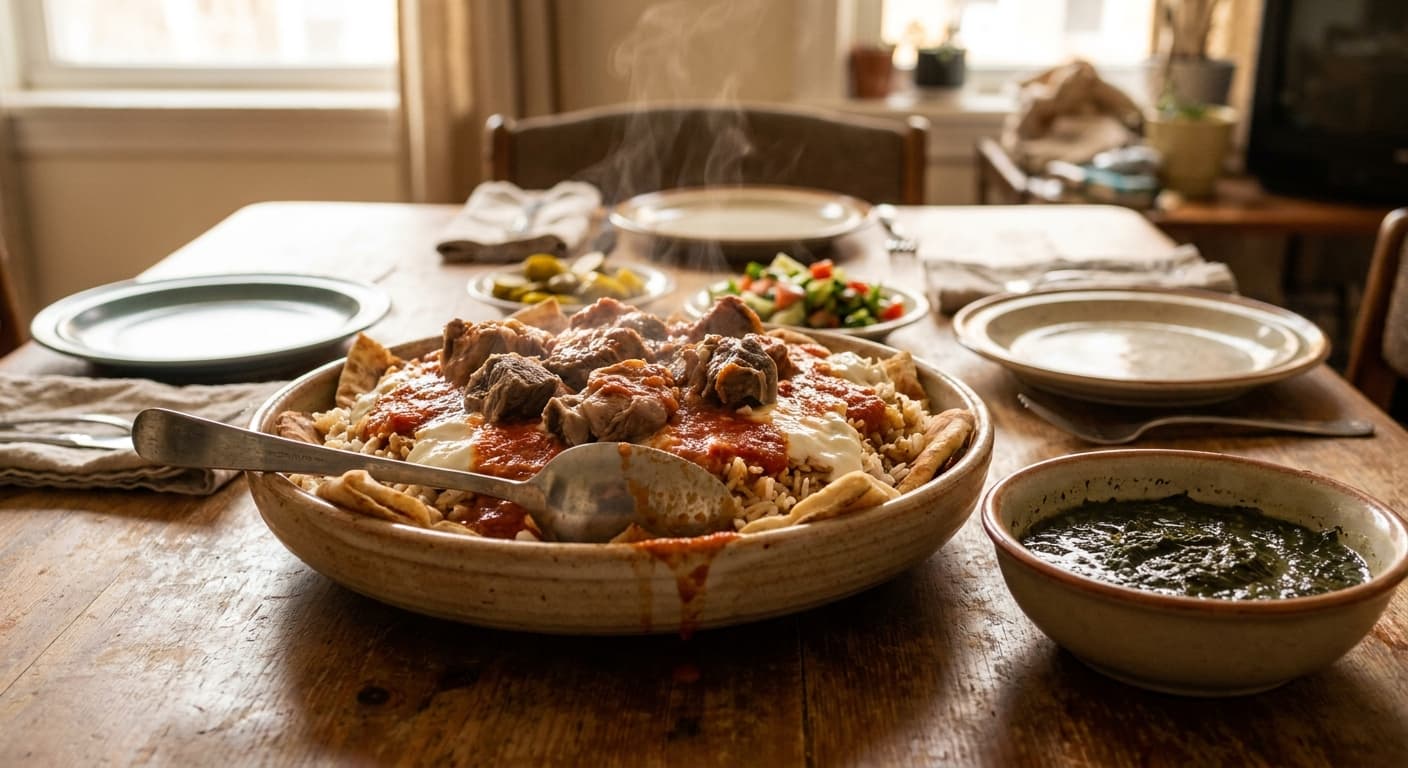
Egyptian Fatta (فتة) — Layered Meat, Rice, and Crisp Bread
Egyptian · Main Courses · 145 min
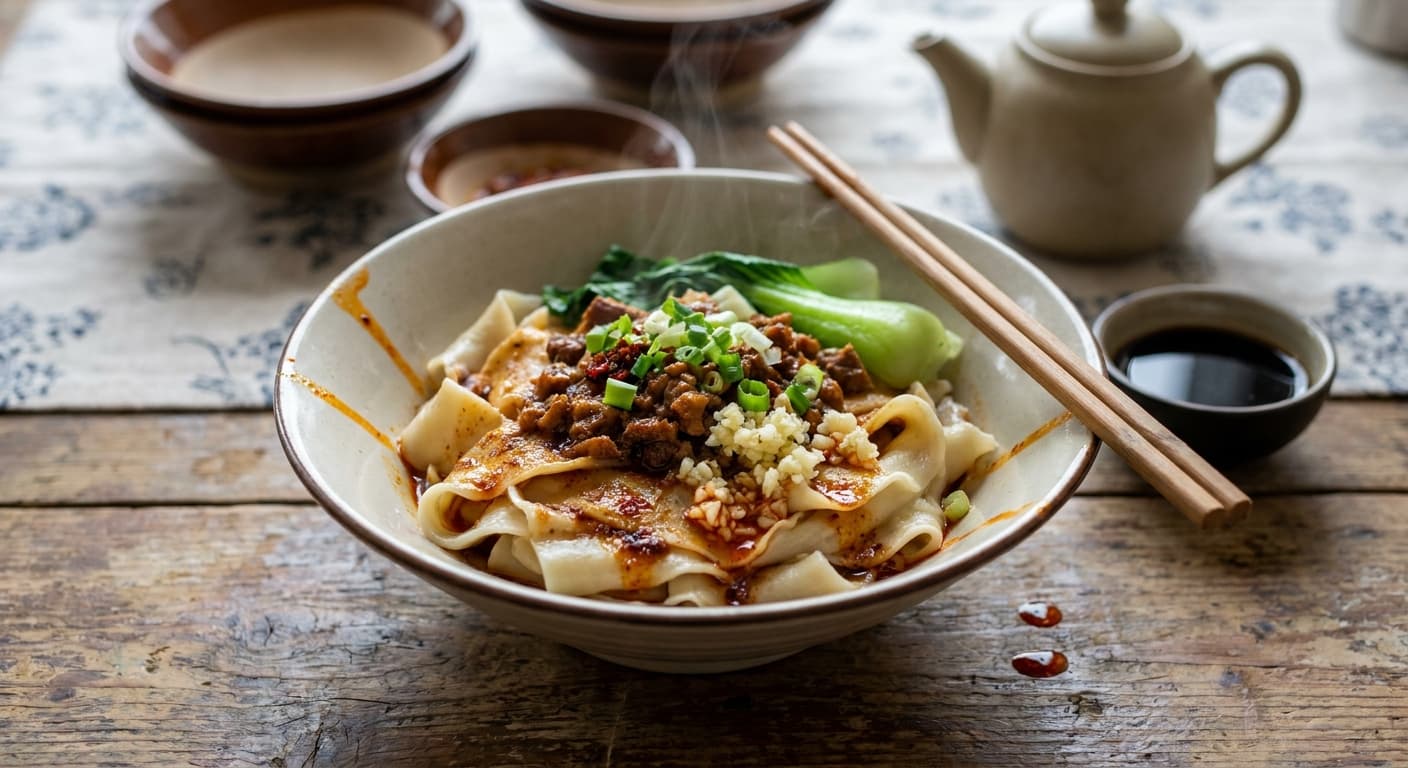
Biangbiang Noodles (油泼扯面) — Xi'an Hand-Pulled Belt Noodles
Chinese · Main Courses · 65 min
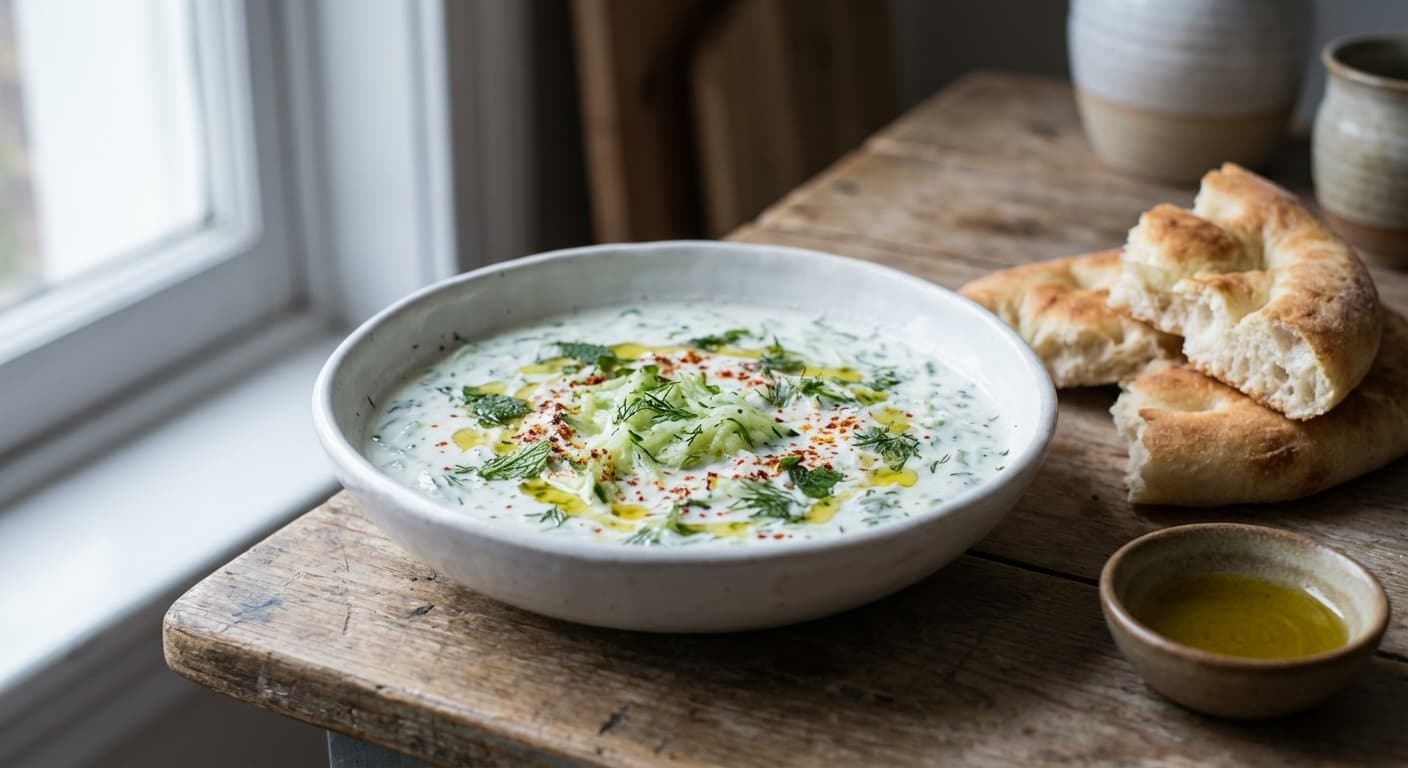
Cacık (Yoğurtlu Salatalık Mezesi) — Chilled Turkish Yogurt, Cucumber & Mint Dip
Turkish · Appetizers · 15 min
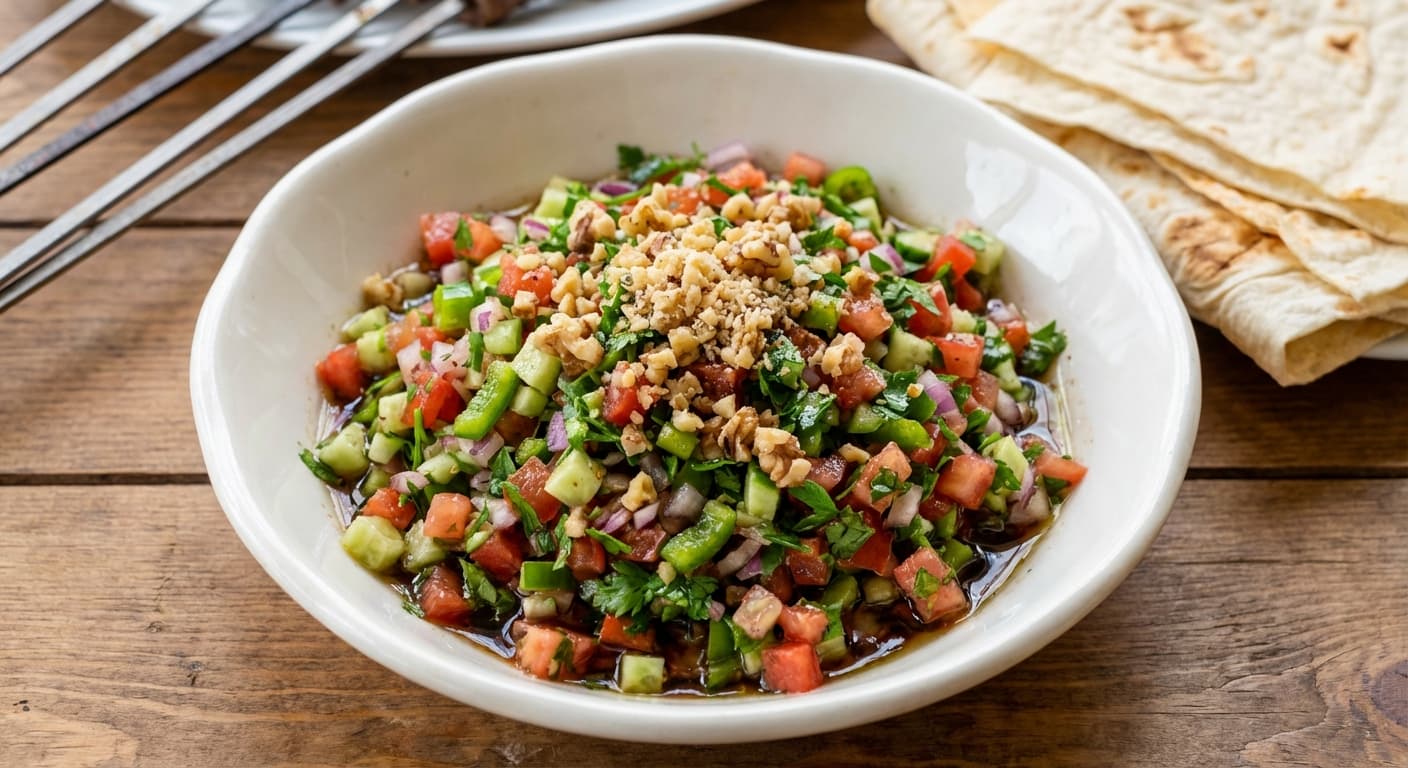
Gavurdağı Salad (Gavurdağı Salatası) — Finely Chopped Walnut & Pomegranate Salad
Turkish · Salads · 20 min
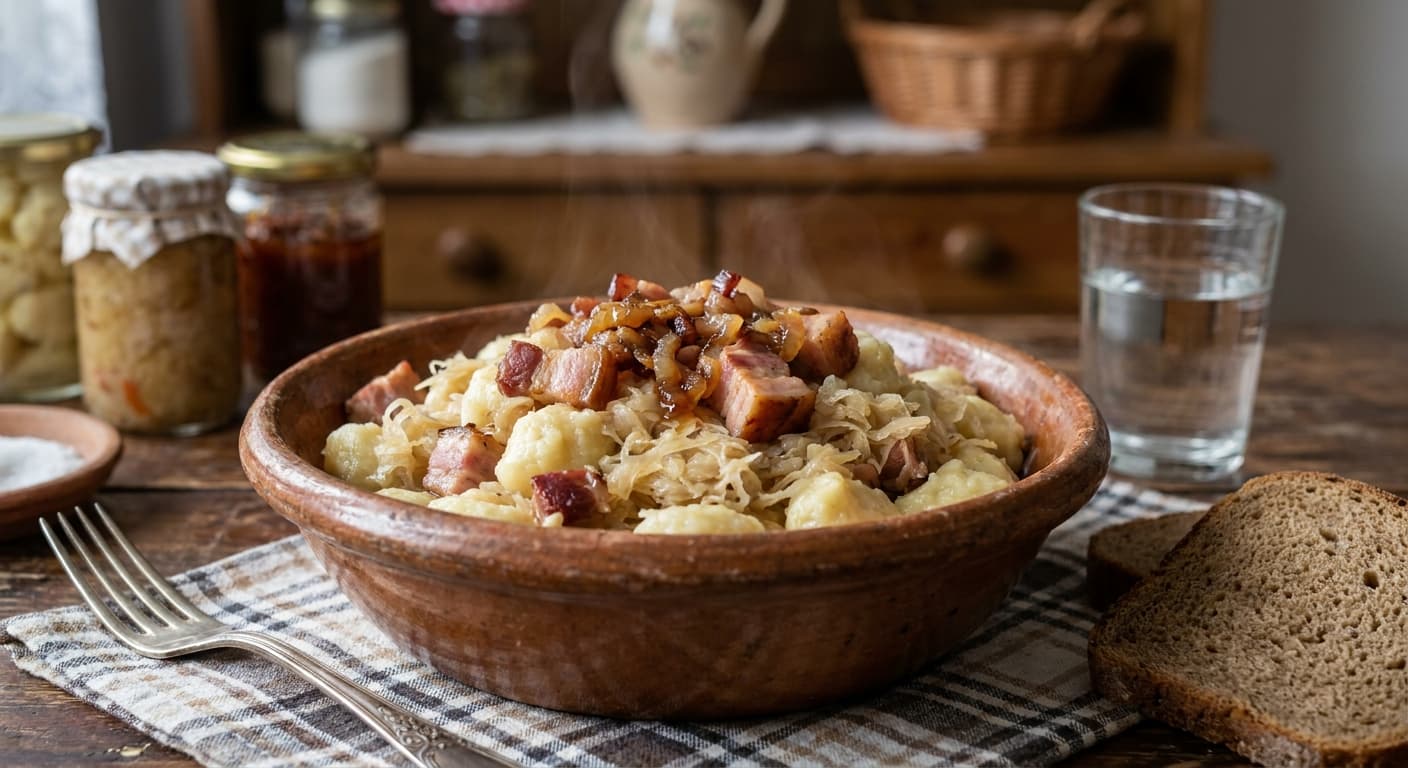
Potato Dumplings with Smoked Meat (Strapačky s údeným mäsom) — Rustic Slovak Halušky with Sauerkraut
Slovak · Main Courses · 70 min
Reviews
Cooked this recipe?
Tap the stars to rate it — that's all it takes. A few words are welcome but optional.
No ratings yet. Cooked this one? Be the first to rate it — it takes one tap.