Makaroni (ماکارونی) — Persian-Style Pasta with Savory Meat Sauce
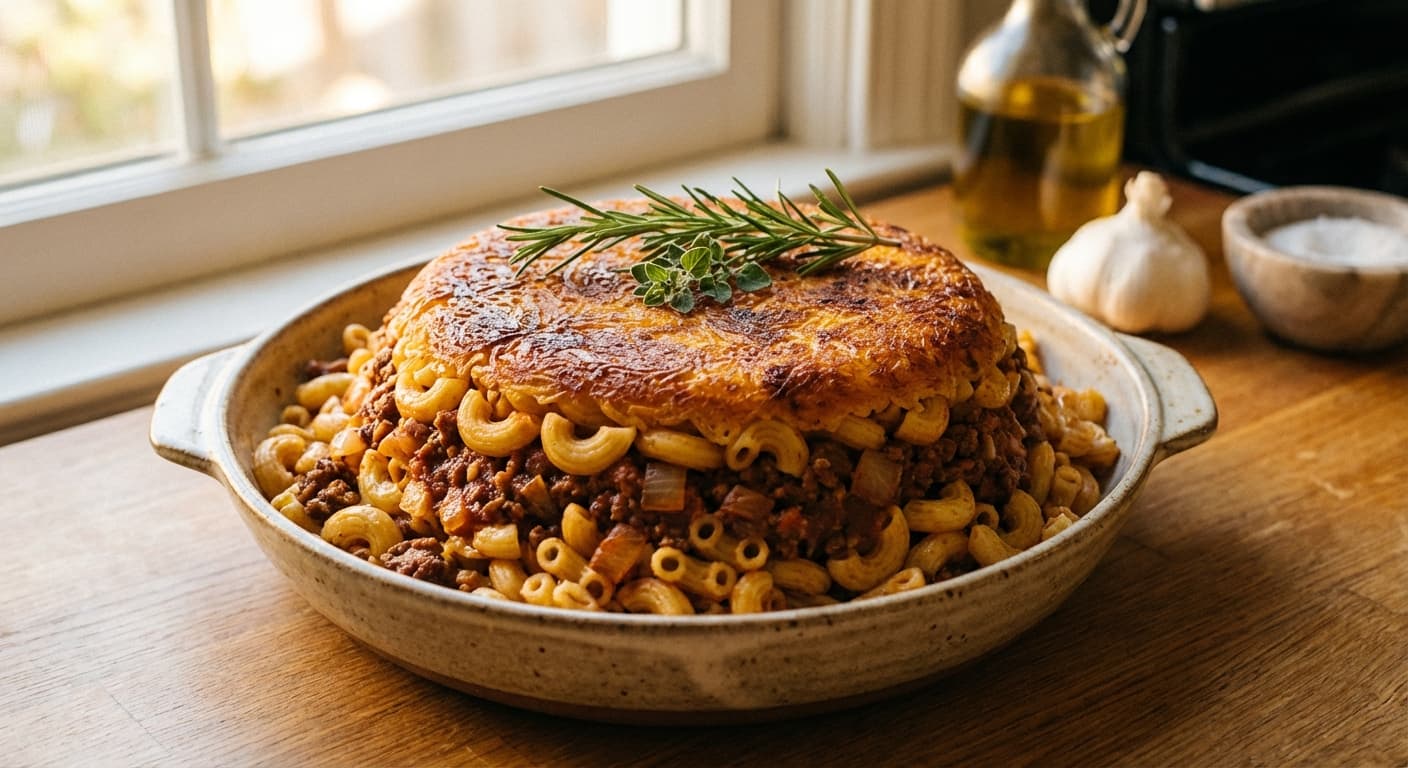
Persian makaroni layers pasta with a spiced meat-and-tomato sauce, then steams to form a crisp tahdig crust. Aromatic oregano, rosemary, cumin, and garlic make it deeply savory and comforting.
Printable Recipe Card
Servings: 6 · Total: 75 min · Difficulty: medium
Ingredients (quick list)
- 400 g Shaped macaroni (short tubes or shells) (choose a sturdy shape that holds sauce)
- 18 g Sea salt (for pasta water (about 1 tablespoon))
- 60 ml Olive oil (divided)
- 300 g Yellow onions (finely diced (about 2 medium))
- 12 g Garlic (minced (about 4 cloves))
- 450 g Ground meat (halal beef or beef-lamb blend, 15–20% fat preferred)
- 70 g Tomato paste (about 4 tablespoons)
- 400 g Canned crushed tomatoes (or passata)
- 180 ml Water (to loosen the sauce)
- 2 tsp Dried oregano
- 1 tsp Dried rosemary (crushed between fingers)
- 0.5 tsp Red pepper flakes (adjust to taste)
+ 4 more in the full ingredients section below.
Steps (summary)
- Bring a large pot of water to a rolling boil (about 4 liters). Add 18 g sea salt and stir. Add the macaroni and boil until just…
- Meanwhile, heat 30 ml olive oil in a wide skillet over medium heat. Add diced onions and cook, stirring, until golden and softe…
- Push the meat aside and add tomato paste to the center of the pan. Fry the paste for 2 minutes to deepen color and remove raw t…
- Set a heavy nonstick or well-seasoned pot (24–26 cm) over medium heat. Add remaining 15 ml olive oil and swirl to coat. Arrange…
- Layer the pot: add one-third of the pasta, then half the meat sauce. Repeat with another third of pasta and the remaining sauce…
- Mix 60 ml water with 1 tablespoon (15 ml) olive oil from the measured amount if any remains in your bowl; drizzle evenly over t…
+ 1 more steps in the full instructions section below.
Cultural Background
Makaroni is a widely cooked home dish in Iran, reflecting how pasta was adapted into local cooking techniques like steaming for a crisp tahdig. It is commonly served for family lunches and casual gatherings, with each household adjusting spices, sauce richness, and the style of crust.
Equipment
💡 Tips
- Undercook the pasta slightly; the final steaming finishes it without turning it soft.
- Frying the tomato paste for a full 2 minutes makes the sauce darker and more savory.
- Keep heat low during steaming; if the pot crackles loudly, add 1–2 tablespoons water and lower the flame.
- A towel-wrapped lid absorbs condensation so the top layer stays fluffy instead of wet.
- For a deeper crust, use a heavier pot and allow the tahdig to rest 5 minutes before flipping.
⚠️ Common Mistakes
❌ Boiling the pasta fully before steaming
💡 Why: The second cook during steaming makes it mushy and causes layers to compress.
✅ Fix: Boil 2 minutes less than package directions and drain thoroughly before layering.
❌ Using high heat during the steaming stage
💡 Why: The bottom burns before the interior steams through, and the sauce can scorch.
✅ Fix: Steam on low heat with a towel-wrapped lid; if sizzling is loud, lower heat and add 15–30 ml water.
❌ Skipping the tomato paste fry
💡 Why: Raw tomato paste tastes sharp and the sauce lacks the deep, caramelized base typical of Persian makaroni.
✅ Fix: Fry paste in the pan for 2 minutes before adding tomatoes and water.
❌ Flipping immediately without resting
💡 Why: The crust sticks and breaks because steam is still trapped against the pot bottom.
✅ Fix: Rest covered for 5 minutes off heat, then loosen edges with a spatula before inverting.
🧊 How to Store
Cool leftovers within 2 hours. Refrigerate airtight up to 4 days. Reheat covered in a skillet with 2–3 tablespoons water over low heat 8–12 minutes, or microwave covered until hot. Freeze portions up to 2 months; thaw overnight in the fridge before reheating.
📅 Make Ahead
Prepare the meat sauce up to 2 days ahead and refrigerate airtight. Rewarm with 2–3 tablespoons water until simmering before layering with freshly boiled pasta. Fully assembled makaroni is best eaten the day it is steamed for the crispest tahdig.
🍽️ Pairs Well With
- Shirazi salad (cucumber
- tomato
- onion with lemon)
- Plain yogurt or cucumber-yogurt
- Pickled vegetables
- Fresh herbs and radishes
Regional Variations
- Tehran-style home cookingOften features a thicker tomato base with more caramelized onions, and is commonly served with salad and yogurt; potato tahdig is popular for a sturdy crust.
- Northern Iran (Caspian influence)Some households add extra herbs and a slightly tangier sauce, and may prefer bread tahdig for a thinner, crackly crust.
- Iranian diaspora kitchensFrequently uses readily available Italian pasta shapes and may include vegetables like bell pepper or peas, while keeping the steaming method for the signature crust.
Ingredients
- 400 gShaped macaroni (short tubes or shells) (choose a sturdy shape that holds sauce)
- 18 gSea salt (for pasta water (about 1 tablespoon))
- 60 mlOlive oil (divided)
- 300 gYellow onions (finely diced (about 2 medium))
- 12 gGarlic (minced (about 4 cloves))
- 450 gGround meat (halal beef or beef-lamb blend, 15–20% fat preferred)
- 70 gTomato paste (about 4 tablespoons)
- 400 gCanned crushed tomatoes (or passata)
- 180 mlWater (to loosen the sauce)
- 2 tspDried oregano
- 1 tspDried rosemary (crushed between fingers)
- 0.5 tspRed pepper flakes (adjust to taste)
- 1.5 tspGround cumin
- 1 tspBlack pepper (freshly ground)
- 1 tspGround turmeric (optional but common for color and warmth)
- 250 gPotatoes (peeled and cut into 6 mm slices for tahdig (about 2 small))
🔄 Substitutions
- Ground meat→ Cooked brown lentils (350 g) plus 2 tablespoons olive oil
- Crushed tomatoes→ Passata or finely grated fresh tomatoes (450 g)
- Potato tahdig→ Flatbread tahdig (1 large lavash or pita, cut to fit)
Instructions
- 1
Bring a large pot of water to a rolling boil (about 4 liters). Add 18 g sea salt and stir. Add the macaroni and boil until just under al dente, 2 minutes less than package time (typically 6–8 minutes). Drain well, then toss with 15 ml olive oil to prevent sticking.
- 2
Meanwhile, heat 30 ml olive oil in a wide skillet over medium heat. Add diced onions and cook, stirring, until golden and softened, 10–12 minutes. Add minced garlic and cook 45–60 seconds until fragrant. Add ground meat, increase to medium-high, and break it up; cook until browned, 6–8 minutes.
- 3
Push the meat aside and add tomato paste to the center of the pan. Fry the paste for 2 minutes to deepen color and remove raw taste. Stir in crushed tomatoes and 180 ml water. Add oregano, rosemary, red pepper flakes, cumin, black pepper, 6 g salt, and optional turmeric. Simmer uncovered 10–12 minutes until thick but spoonable.
- 4
Set a heavy nonstick or well-seasoned pot (24–26 cm) over medium heat. Add remaining 15 ml olive oil and swirl to coat. Arrange potato slices in a single layer on the bottom. Cook 3–4 minutes until the oil sizzles gently, which helps start the crust; reduce heat to low.
- 5
Layer the pot: add one-third of the pasta, then half the meat sauce. Repeat with another third of pasta and the remaining sauce, finishing with the last third of pasta. Use the handle of a wooden spoon to poke 5–6 holes down to the bottom so steam circulates and the tahdig crisps evenly.
- 6
Mix 60 ml water with 1 tablespoon (15 ml) olive oil from the measured amount if any remains in your bowl; drizzle evenly over the pasta. Cover the lid with a clean kitchen towel and place it tightly on the pot. Steam on low heat for 40–45 minutes; you should hear gentle sizzling, not aggressive frying.
- 7
To unmold, turn off heat and rest covered for 5 minutes to release the crust. Run a thin spatula around the edge. Place a large plate over the pot and invert in one confident motion. Serve immediately, breaking the potato tahdig into pieces and spooning pasta and sauce together.
🪪 Recipe Passport
Cultural Background
Makaroni is a widely cooked home dish in Iran, reflecting how pasta was adapted into local cooking techniques like steaming for a crisp tahdig. It is commonly served for family lunches and casual gatherings, with each household adjusting spices, sauce richness, and the style of crust.
Regional Variations
Researched from multiple sources and validated by the Zaffaron editorial team. Every recipe is tested for accuracy, measurements, and cultural authenticity.
Nutrition per serving
Pairs well with
If you enjoyed this recipe, here are a few related Zaffaron recipes to try next.
- Puree-ye Sib Zamini (پوره سیب زمینی) — Persian Potato Purée
- Makaroni ba Meygoo va Nan (ماکارونی با میگو و نان) — Persian-Style Shrimp Pasta with Toasted Breadcrumbs
- Persian Meat and Egg Loaf (خوراک گوشت با تخممرغ) — Herb-Scented Meatloaf with Tomato Sauce
- Kabob Kardan Goosht Dar Far (کباب کردن گوشت در فر) — Persian Oven-Roasted Minced Meat Kebabs
Does your family make this differently?
Every family has their own version. Maybe your grandmother adds a secret ingredient, or your aunt has a completely different technique. Preserve your family's version — with their name on it, forever.
You Might Also Like
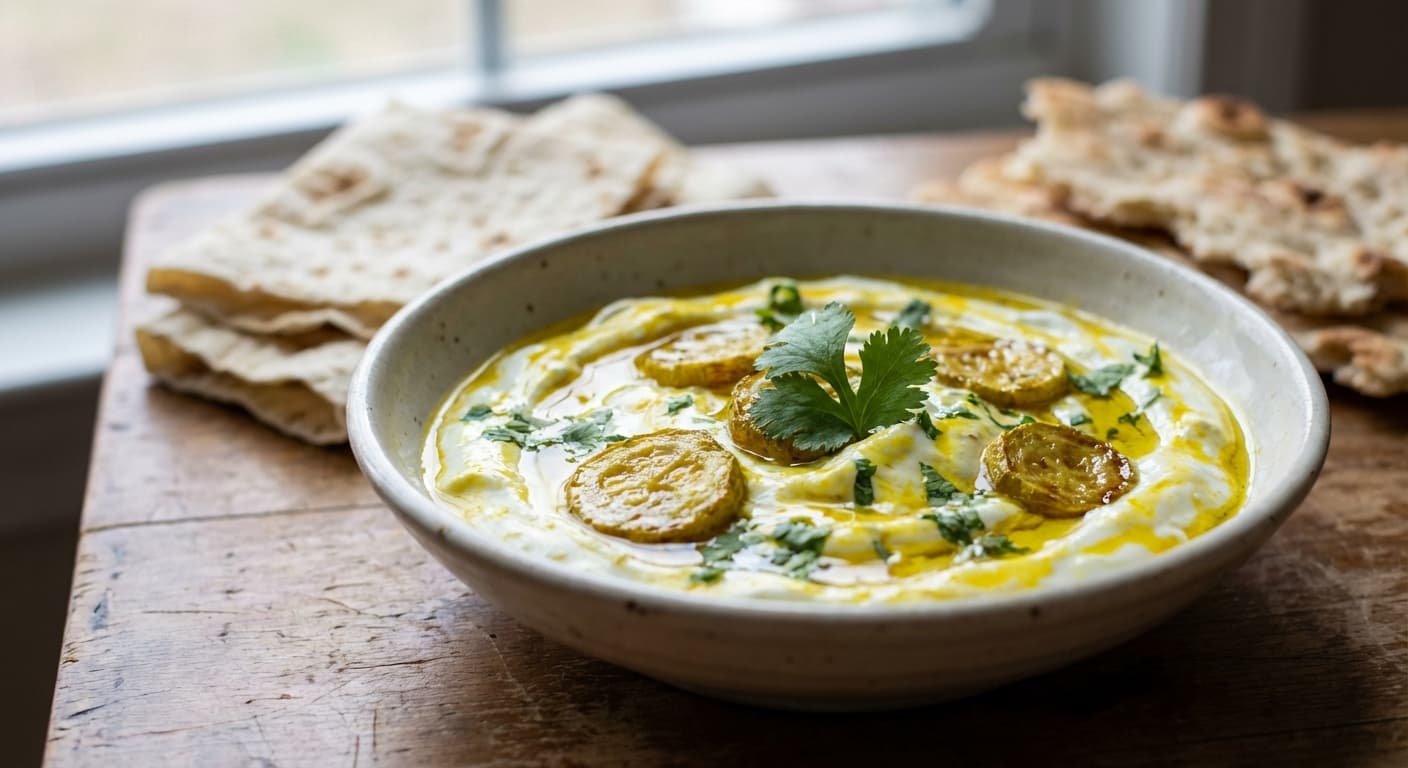
Borani Kadu (بورانی کدو) — Saffron-Infused Zucchini and Yogurt Dip
Persian · Appetizers · 40 min
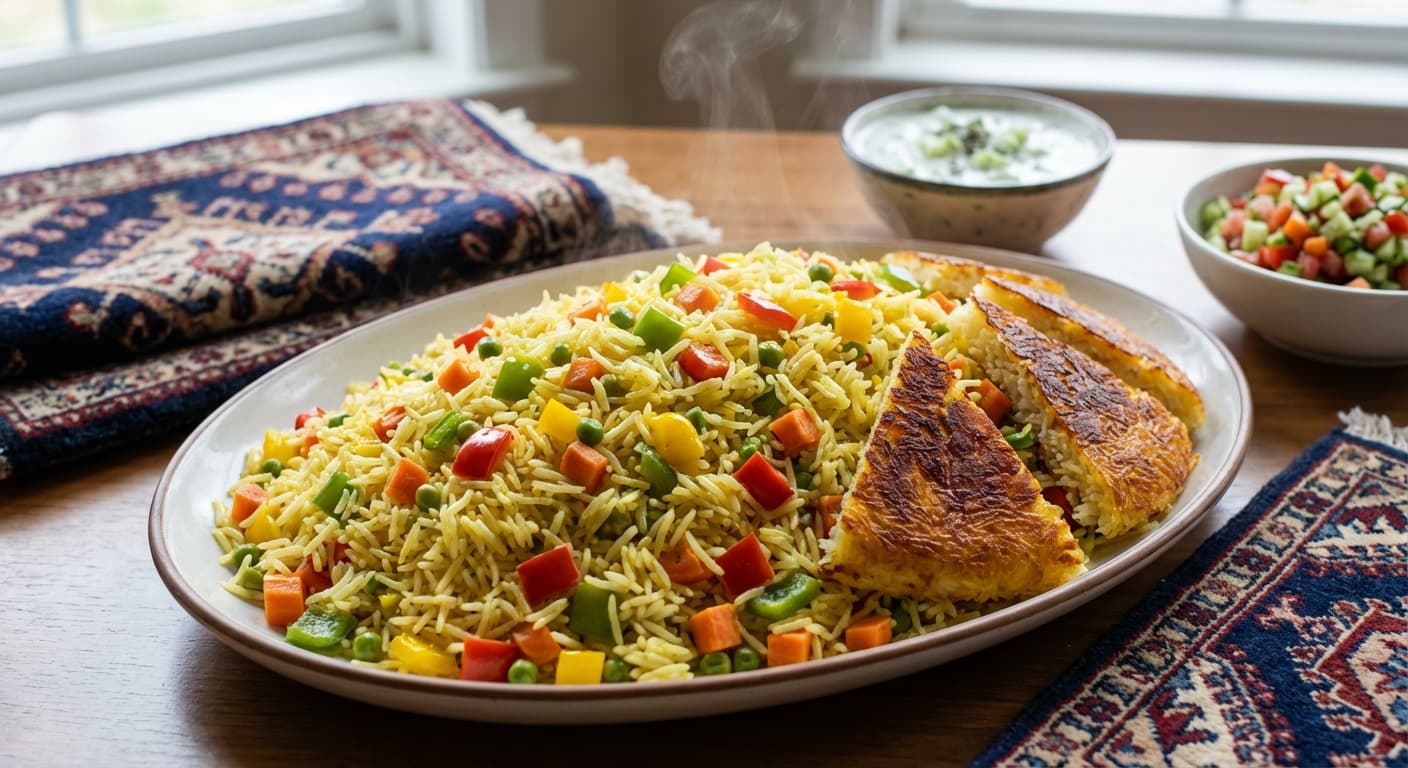
Mixed Vegetable Rice (برنج با مخلوط سبزیجات) — Persian-Style Aromatic Pilaf
Persian · Rice Dishes · 75 min
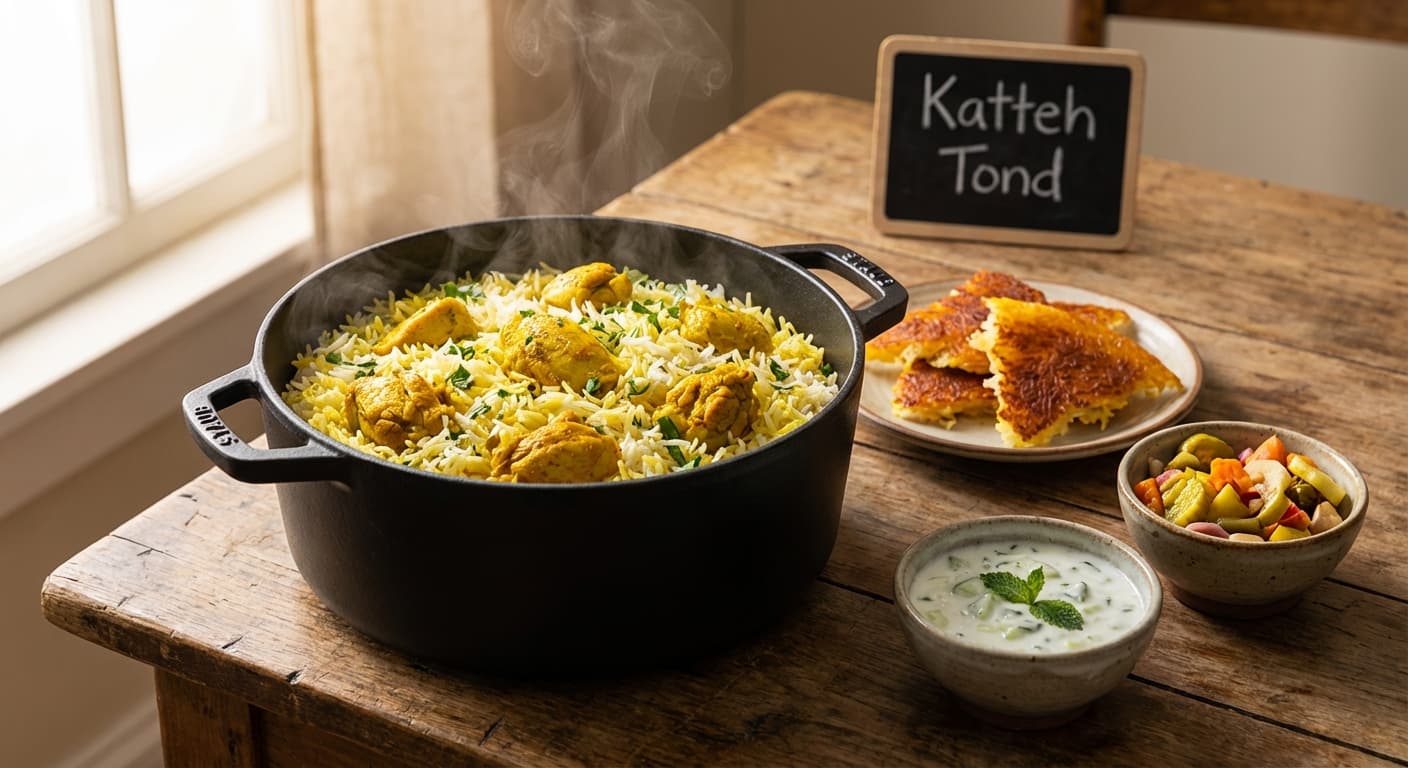
Katteh Tond (کته تند) — Spicy Caspian-Style One-Pot Chicken Rice
Persian · Rice Dishes · 85 min
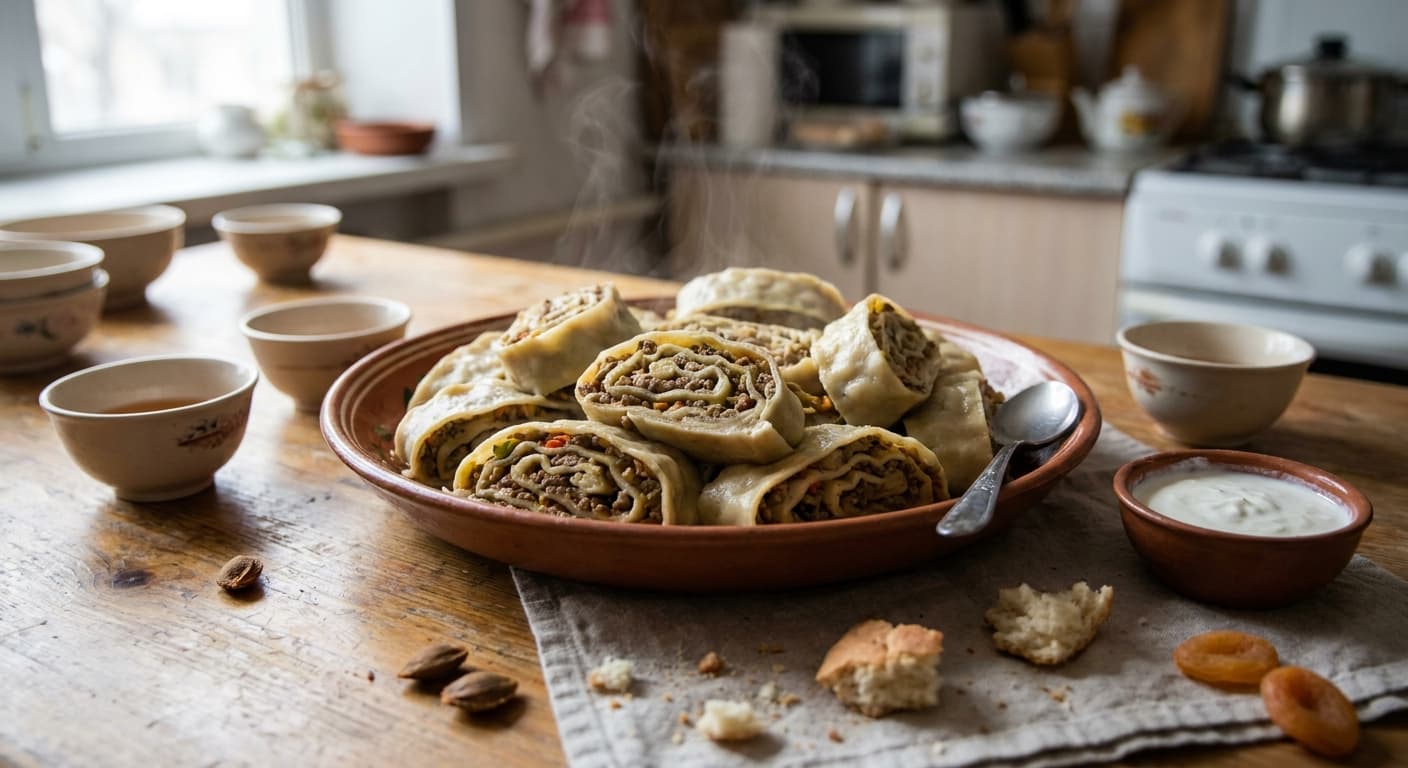
Orromo (Оромо) — Kyrgyz Steamed Rolled Dumpling with Lamb and Pumpkin
Kyrgyz · Main Courses · 105 min
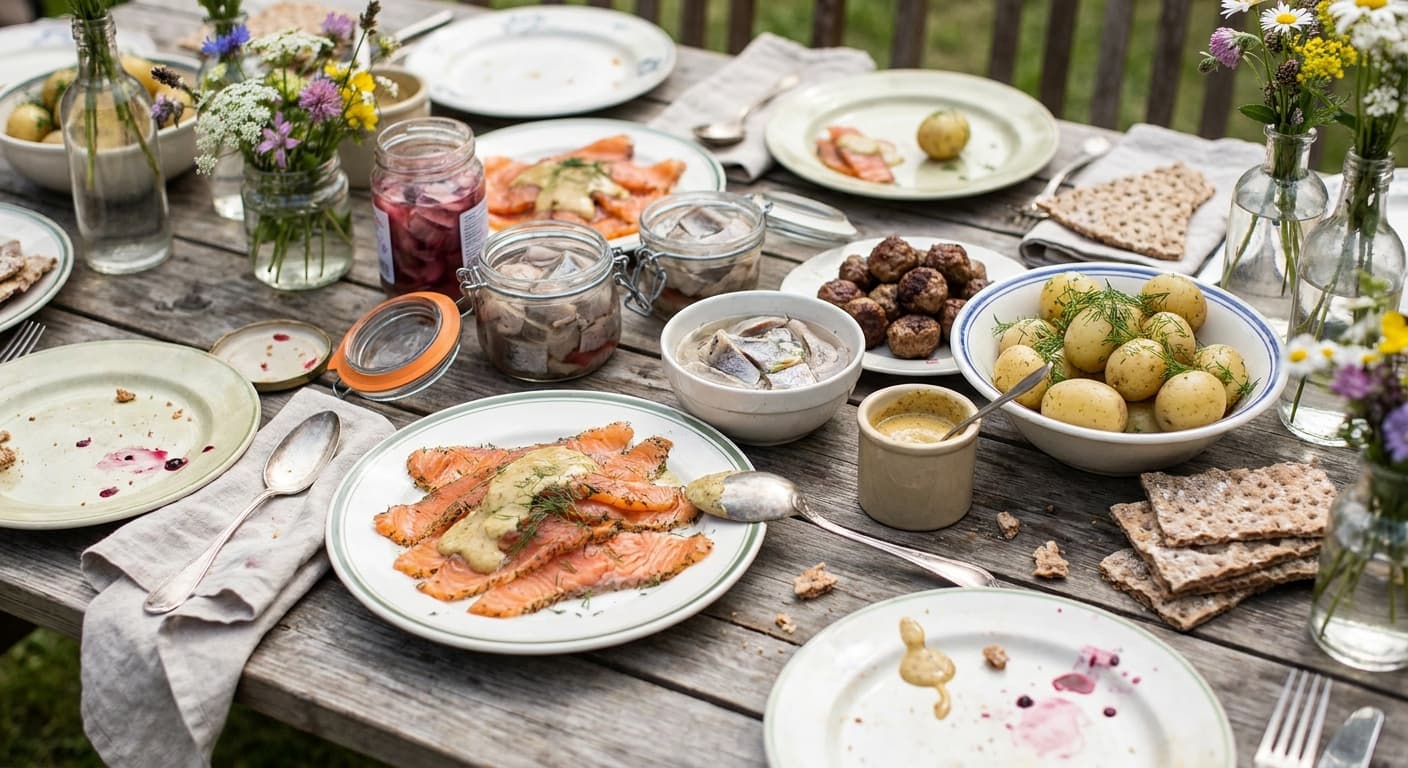
Swedish Smörgåsbord (Smörgåsbord) — Classic Buffet with Gravlax, Sill, and Köttbullar
Swedish · Main Courses · 115 min
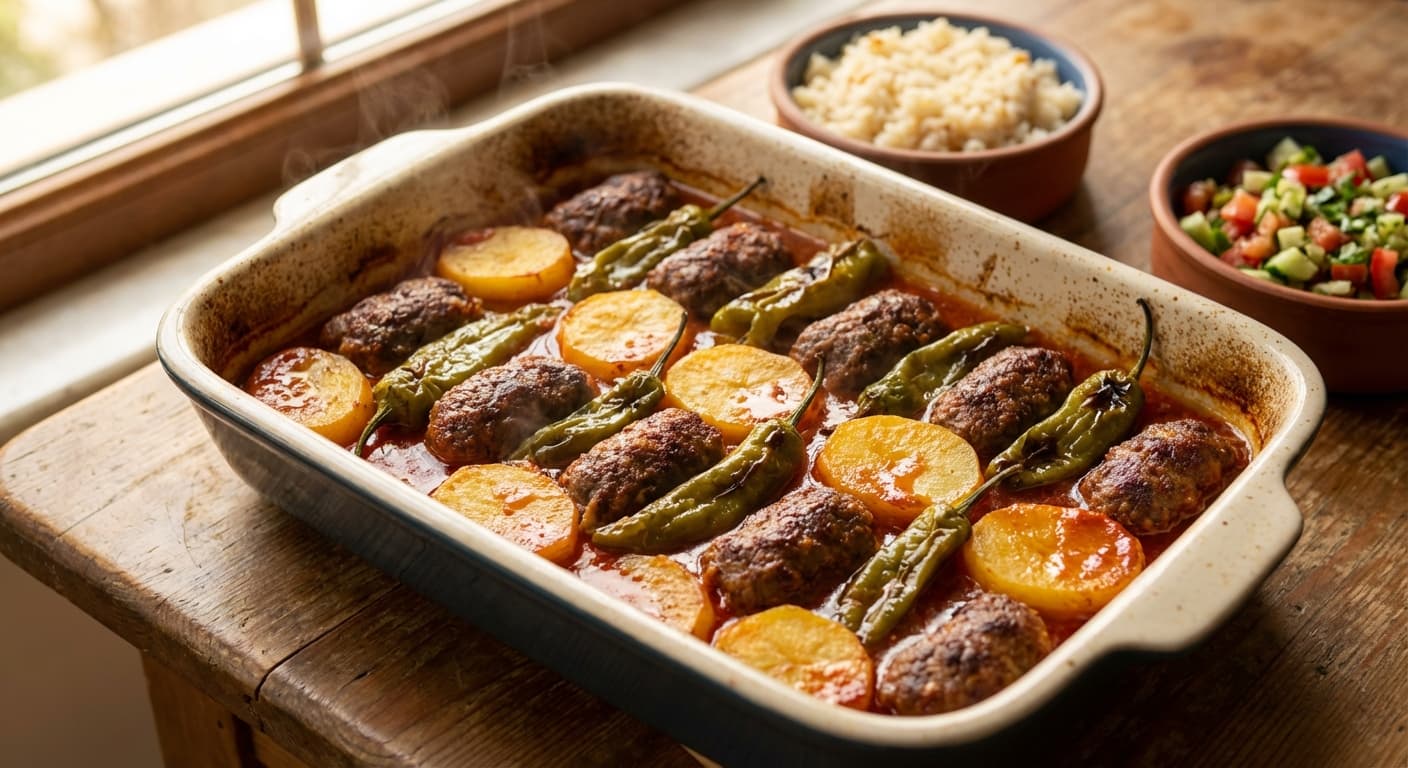
Izmir Kofte (İzmir Köfte) — Oven-Baked Meatballs with Tomato Sauce and Potatoes
Turkish · Main Courses · 70 min
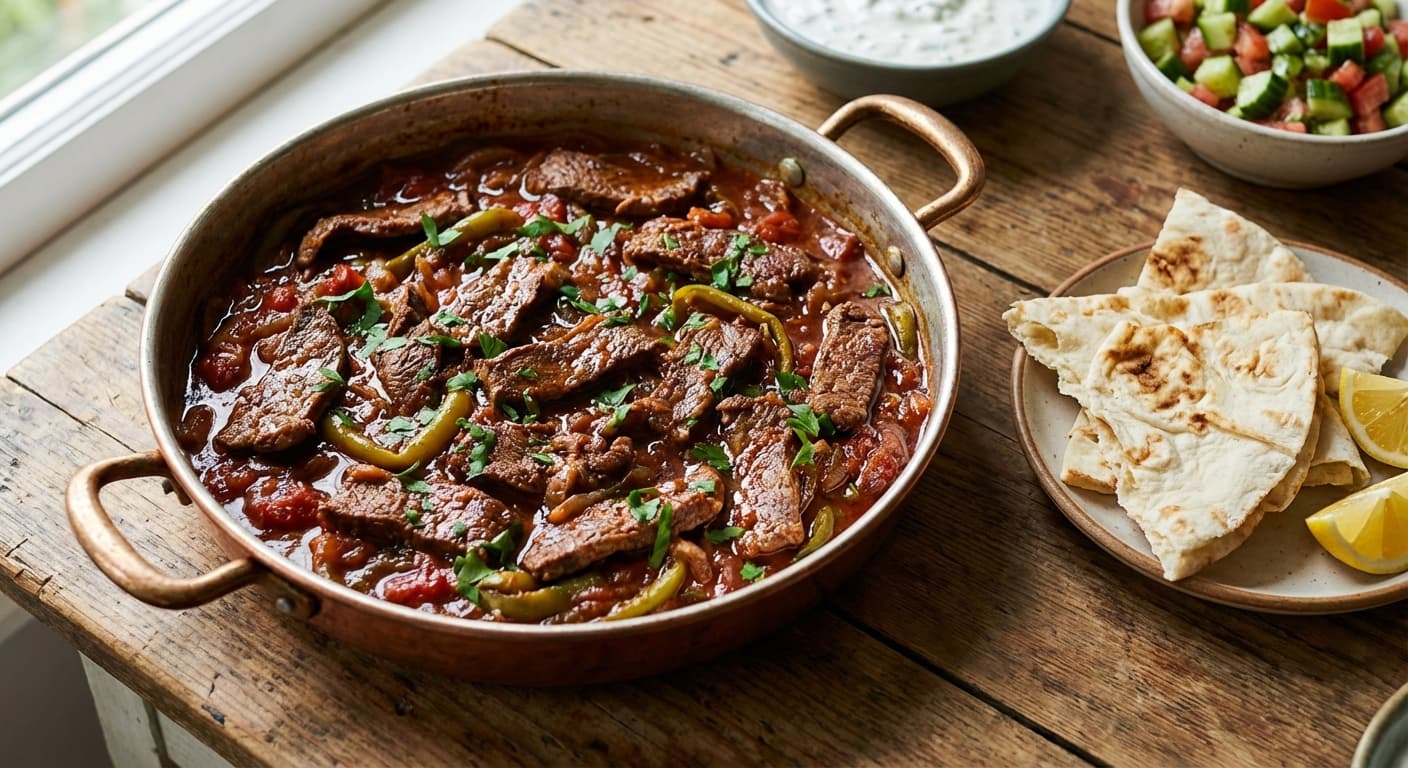
Sac Kavurma (Saç Kavurma) — Thin-Sliced Turkish Meat Sautéed with Onions
Turkish · Main Courses · 38 min
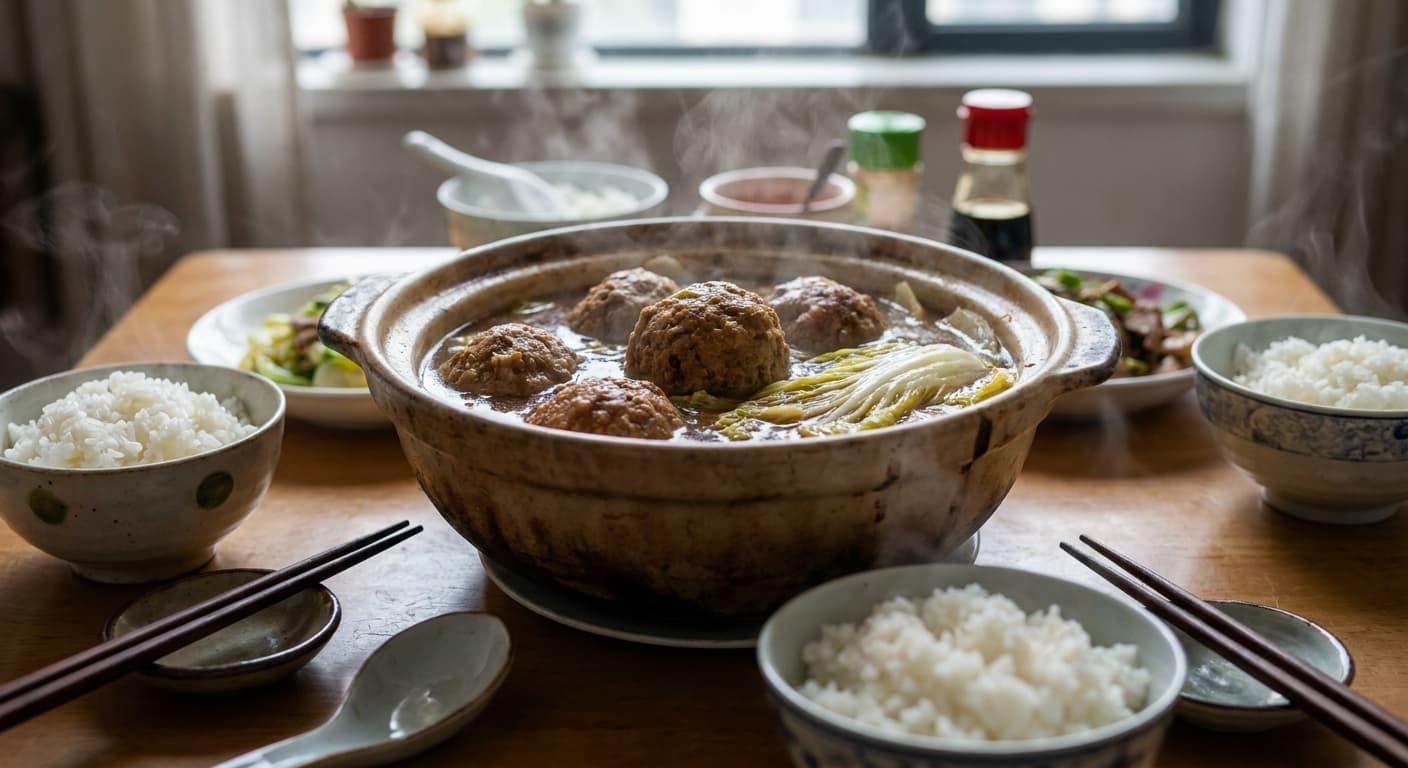
Lion's Head Meatballs (狮子头) — Braised Huaiyang Pork Meatballs
Chinese · Main Courses · 110 min
Reviews
Cooked this recipe?
Tap the stars to rate it — that's all it takes. A few words are welcome but optional.
No ratings yet. Cooked this one? Be the first to rate it — it takes one tap.