Lion's Head Meatballs (狮子头) — Braised Huaiyang Pork Meatballs
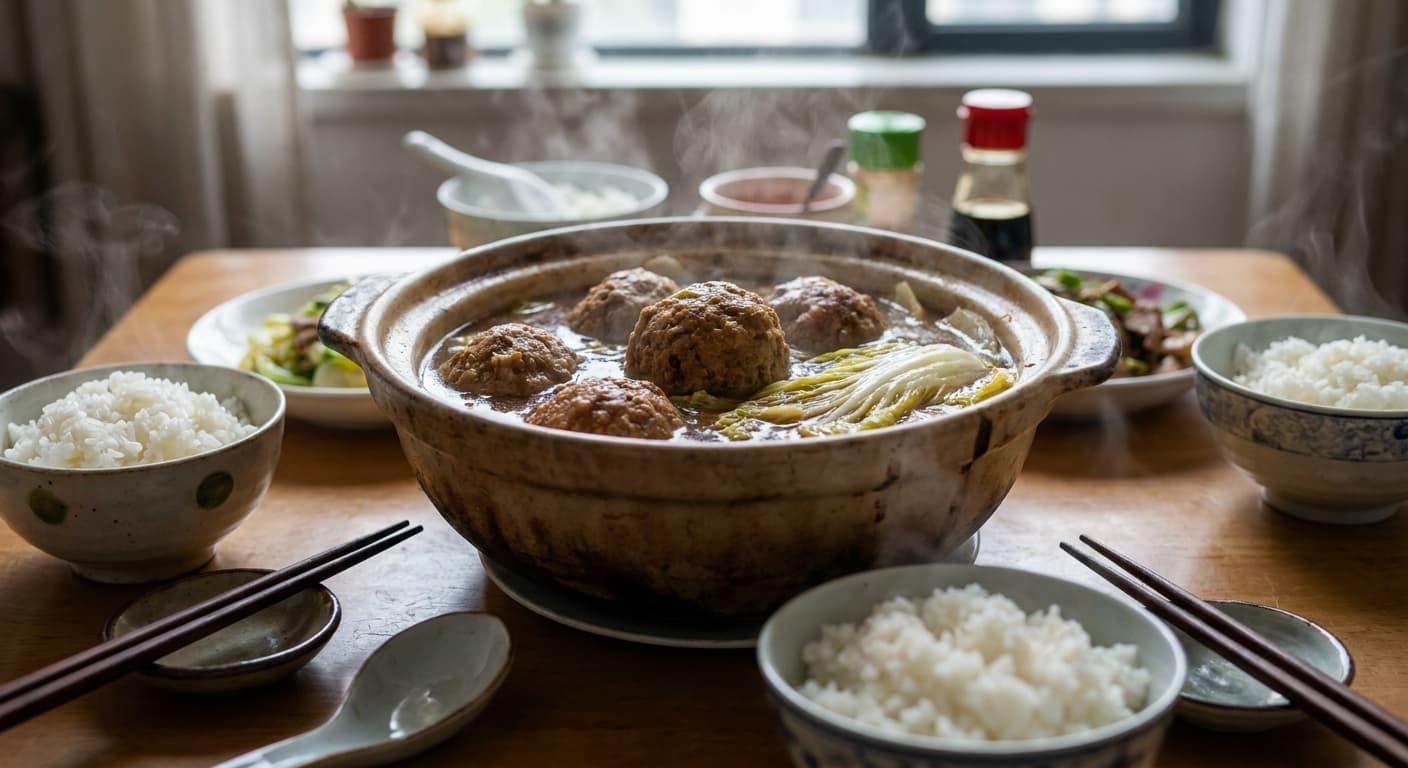
Lion's Head Meatballs are large, tender pork meatballs from Jiangsu and Shanghai cooking, often braised with napa cabbage. Their grand shape makes them popular at family banquets and Lunar New Year tables.
Printable Recipe Card
Servings: 4 · Total: 110 min · Difficulty: medium
Ingredients (quick list)
- 700 g fatty ground pork (about 25 percent fat for a tender texture)
- 100 g water chestnuts (peeled and finely chopped)
- 4 scallions (finely chopped)
- 1 inch fresh ginger (peeled and finely grated)
- 1 egg
- 30 ml Shaoxing wine
- 30 ml light soy sauce
- 10 ml dark soy sauce
- 24 g cornstarch
- 6 g fine sea salt
- 8 g granulated sugar
- 2 g ground white pepper
+ 7 more in the full ingredients section below.
Steps (summary)
- Prepare the napa cabbage, aromatics, and water chestnuts before mixing the pork because the meat mixture becomes sticky quickly…
- Put the pork in a large bowl with the chopped water chestnuts, scallions, grated ginger, egg, Shaoxing wine, light soy sauce, d…
- Divide the meat mixture into 4 equal portions of about 240 g each and shape them into large round meatballs with wet hands. Tos…
- Heat the neutral oil in a wok or deep skillet to 180°C. Fry the meatballs in batches for 2 to 3 minutes, turning carefully, unt…
- Line the bottom of a heavy clay pot or Dutch oven with half of the napa cabbage. Add the chicken stock, Shaoxing wine, light so…
- Nestle the browned meatballs into the simmering liquid and cover them with the remaining napa cabbage. Reduce the heat to low,…
+ 1 more steps in the full instructions section below.
Cultural Background
In Jiangsu and Shanghai cooking, the oversized meatballs suggest a lion's head framed by cabbage leaves. Their round form also symbolizes reunion, making the dish meaningful at banquets and Lunar New Year meals.
Equipment
💡 Tips
- Use pork with visible fat; lean pork makes dry, bouncy meatballs rather than soft, luxurious ones.
- Stir the meat mixture in one direction only, which develops the protein structure that keeps large meatballs from falling apart.
- Keep the braise at a quiet simmer because a rolling boil can break the meatballs and make the broth cloudy.
⚠️ Common Mistakes
❌ Using lean pork
✅ Fix: Choose fatty ground pork or ask for pork shoulder with about 25 percent fat so the meatballs braise up tender.
❌ Mixing the meat too briefly
✅ Fix: Stir firmly until the mixture becomes sticky and elastic, which helps the large meatballs hold together.
❌ Boiling the braise hard
✅ Fix: Keep the liquid at a low simmer and use cabbage as a cushion around the meatballs.
🧊 How to Store
Cool the meatballs and braising liquid within 2 hours, then refrigerate in an airtight container for up to 3 days. Reheat gently in a covered pot over low heat with 60 ml water or stock until hot throughout.
📅 Make Ahead
Shape the meatballs up to 12 hours ahead and refrigerate them covered on a tray. The finished dish also improves after overnight chilling because the cabbage absorbs the braising liquid.
🍽️ Pairs Well With
- Steamed jasmine rice
- stir-fried greens
- cucumber salad
- hot tea.
Regional Variations
- Huaiyang versions are often paler and more delicately seasoned, sometimes simmered in a clearer broth.
- Shanghai-style versions are commonly darker and sweeter, with more dark soy sauce and sugar.
- Some banquet versions include crab roe or minced shrimp for extra richness.
Ingredients
- 700 gfatty ground pork (about 25 percent fat for a tender texture)
- 100 gwater chestnuts (peeled and finely chopped)
- 4scallions (finely chopped)
- 1 inchfresh ginger (peeled and finely grated)
- 1egg
- 30 mlShaoxing wine
- 30 mllight soy sauce
- 10 mldark soy sauce
- 24 gcornstarch
- 6 gfine sea salt
- 8 ggranulated sugar
- 2 gground white pepper
- 10 mltoasted sesame oil
- 90 mlcold water
- 250 mlneutral frying oil
- 800 gnapa cabbage (leaves separated and cut into wide strips)
- 750 mlchicken stock
- 12 grock sugar
- 1 podstar anise
🔄 Substitutions
- Shaoxing wine→ dry sherry
- water chestnuts→ peeled jicama
- light soy sauce→ gluten-free tamari
Instructions
- 1
Prepare the napa cabbage, aromatics, and water chestnuts before mixing the pork because the meat mixture becomes sticky quickly. Keep the pork cold until the moment you mix it, as cold fat helps the meatballs hold their shape and stay juicy during braising.
- 2
Put the pork in a large bowl with the chopped water chestnuts, scallions, grated ginger, egg, Shaoxing wine, light soy sauce, dark soy sauce, cornstarch, salt, sugar, white pepper, sesame oil, and cold water. Stir firmly in one direction for 4 to 5 minutes until the mixture looks glossy, elastic, and slightly stringy.
- 3
Divide the meat mixture into 4 equal portions of about 240 g each and shape them into large round meatballs with wet hands. Toss each meatball gently from one palm to the other 8 to 10 times to compact the surface without making the center dense.
- 4
Heat the neutral oil in a wok or deep skillet to 180°C. Fry the meatballs in batches for 2 to 3 minutes, turning carefully, until the outside is browned and set but the centers are still raw.
- 5
Line the bottom of a heavy clay pot or Dutch oven with half of the napa cabbage. Add the chicken stock, Shaoxing wine, light soy sauce, dark soy sauce, rock sugar, sliced ginger, scallions, and star anise, then bring the liquid to a gentle simmer.
- 6
Nestle the browned meatballs into the simmering liquid and cover them with the remaining napa cabbage. Reduce the heat to low, cover the pot, and braise for 55 to 65 minutes until the meatballs are tender and the cabbage has softened into the broth.
- 7
Remove the star anise, ginger slices, and scallion pieces before serving. Spoon one meatball into each shallow bowl with plenty of cabbage and braising liquid, and serve immediately with steamed rice.
🪪 Recipe Passport
Cultural Background
In Jiangsu and Shanghai cooking, the oversized meatballs suggest a lion's head framed by cabbage leaves. Their round form also symbolizes reunion, making the dish meaningful at banquets and Lunar New Year meals.
Regional Variations
Researched from multiple sources and validated by the Zaffaron editorial team. Every recipe is tested for accuracy, measurements, and cultural authenticity.
📚 Sources & Cultural References
- Fuchsia Dunlop — Land of Fish and Rice: Recipes from the Culinary Heart of China — (2016)
Sources cited by the Zaffaron editorial team during recipe research. Cultural and culinary references supporting authenticity claims.
Nutrition per serving
Pairs well with
If you enjoyed this recipe, here are a few related Zaffaron recipes to try next.
Does your family make this differently?
Every family has their own version. Maybe your grandmother adds a secret ingredient, or your aunt has a completely different technique. Preserve your family's version — with their name on it, forever.
You Might Also Like
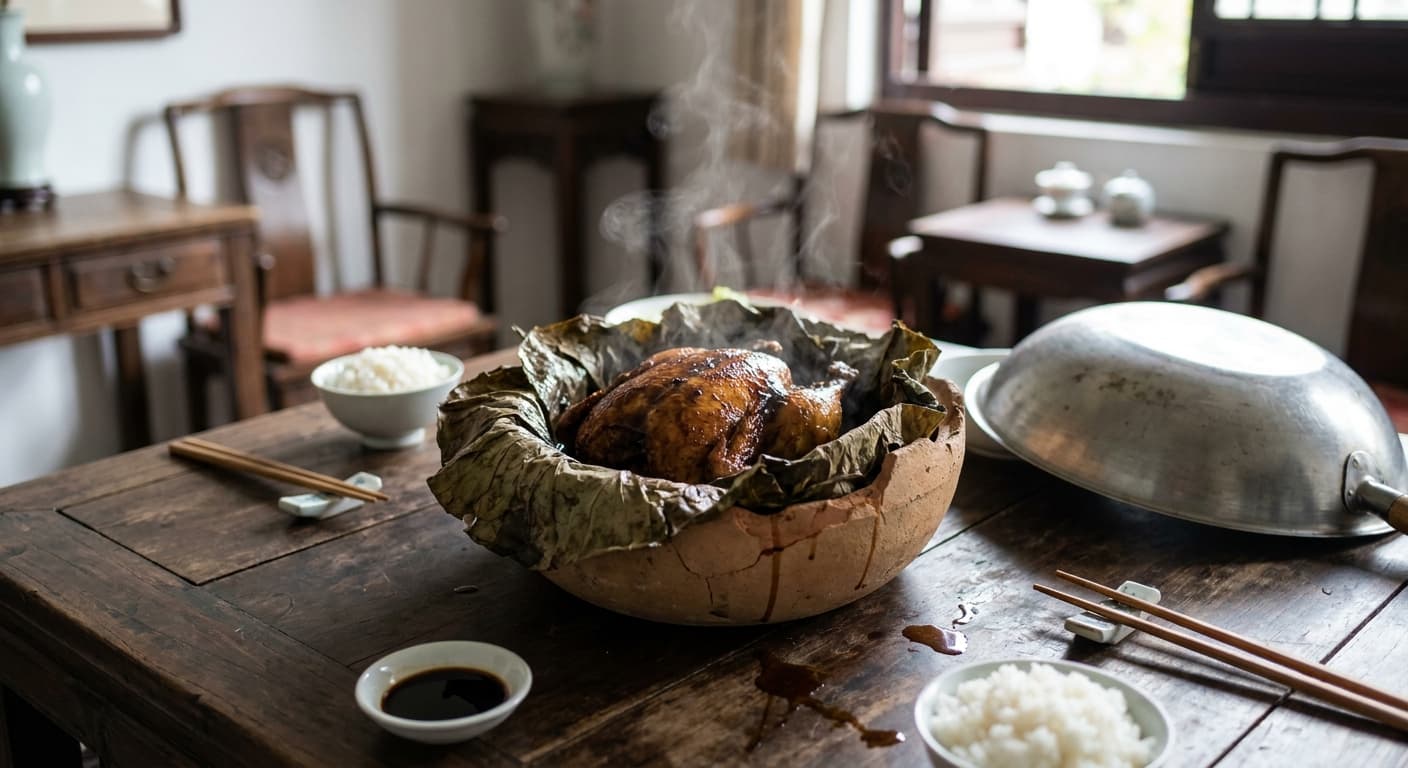
Beggar's Chicken (叫化鸡) — Lotus-Wrapped Clay-Baked Jiangnan Chicken
Chinese · Main Courses · 240 min
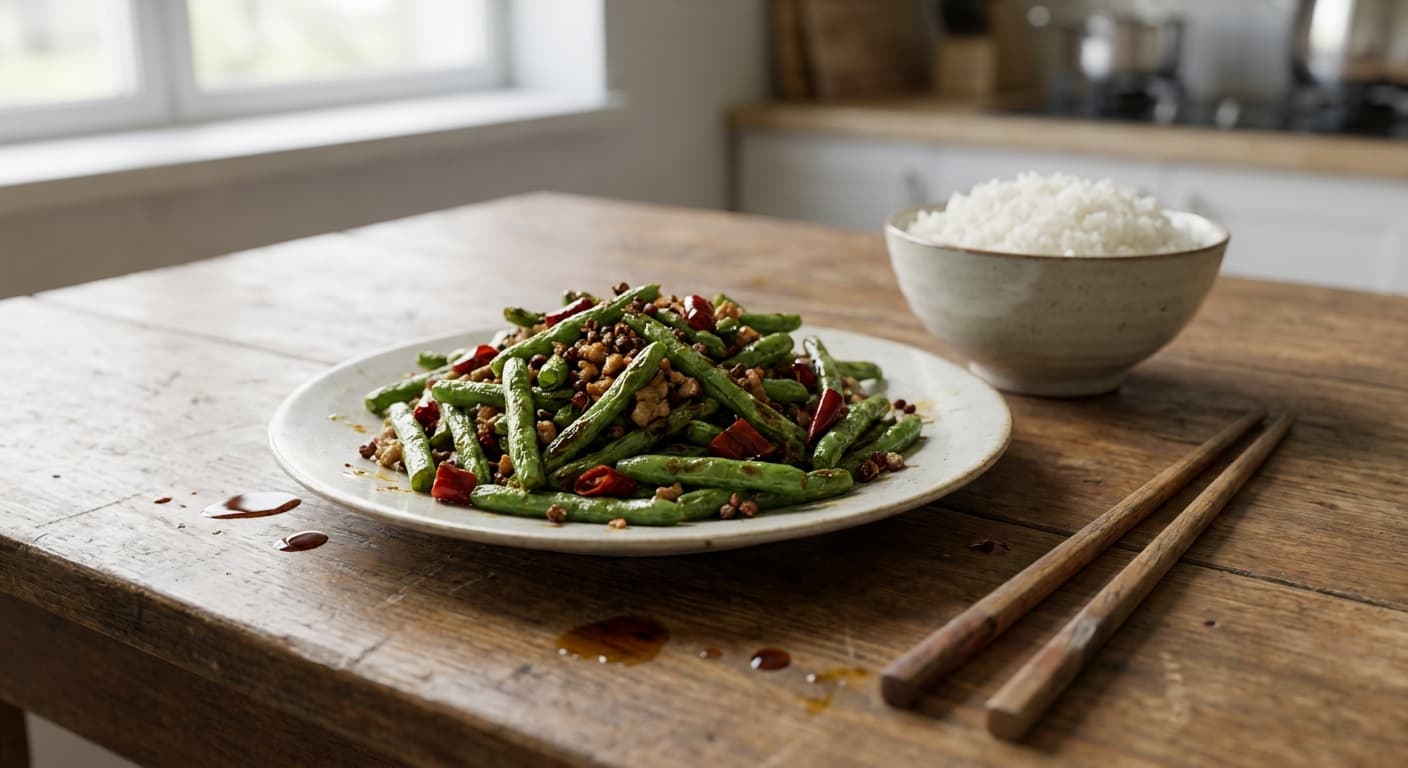
Dry-Fried Green Beans (干煸四季豆) — Sichuan Wok-Blistered Beans with Pork
Chinese · Side Dishes · 27 min
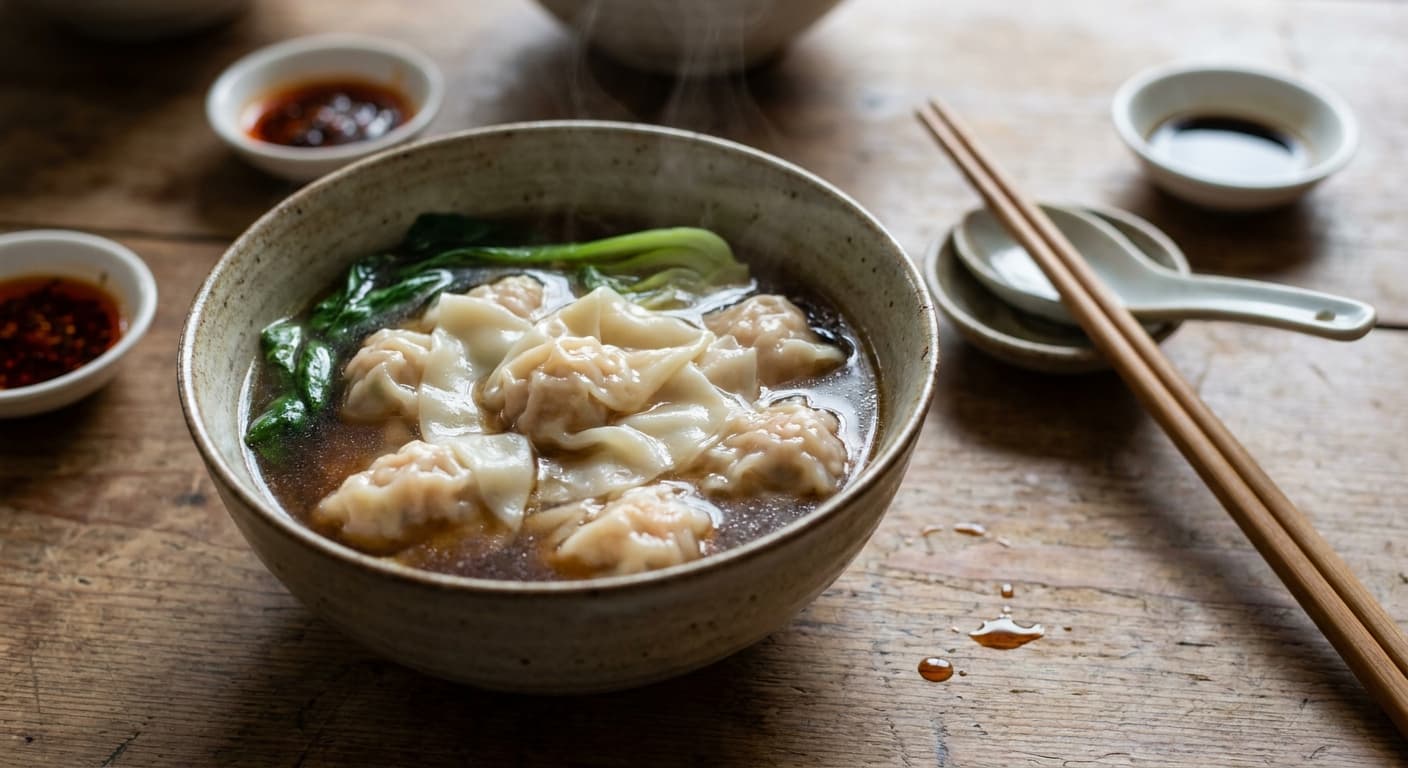
Wonton Soup (雲吞湯) — Cantonese Pork and Shrimp Dumpling Broth
Chinese · Soups · 70 min
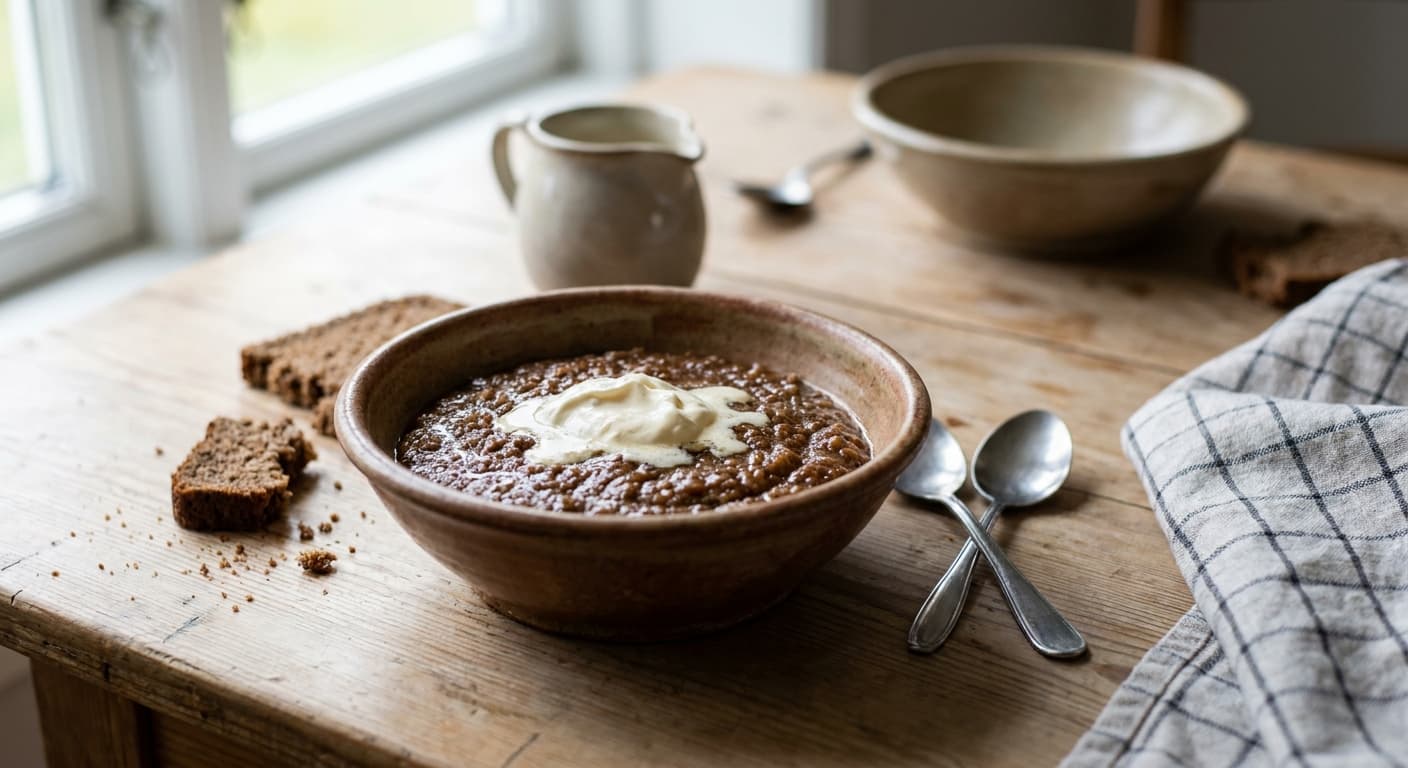
Rye Bread and Beer Porridge (Øllebrød) — Traditional Danish Breakfast
Danish · Main Courses · 65 min
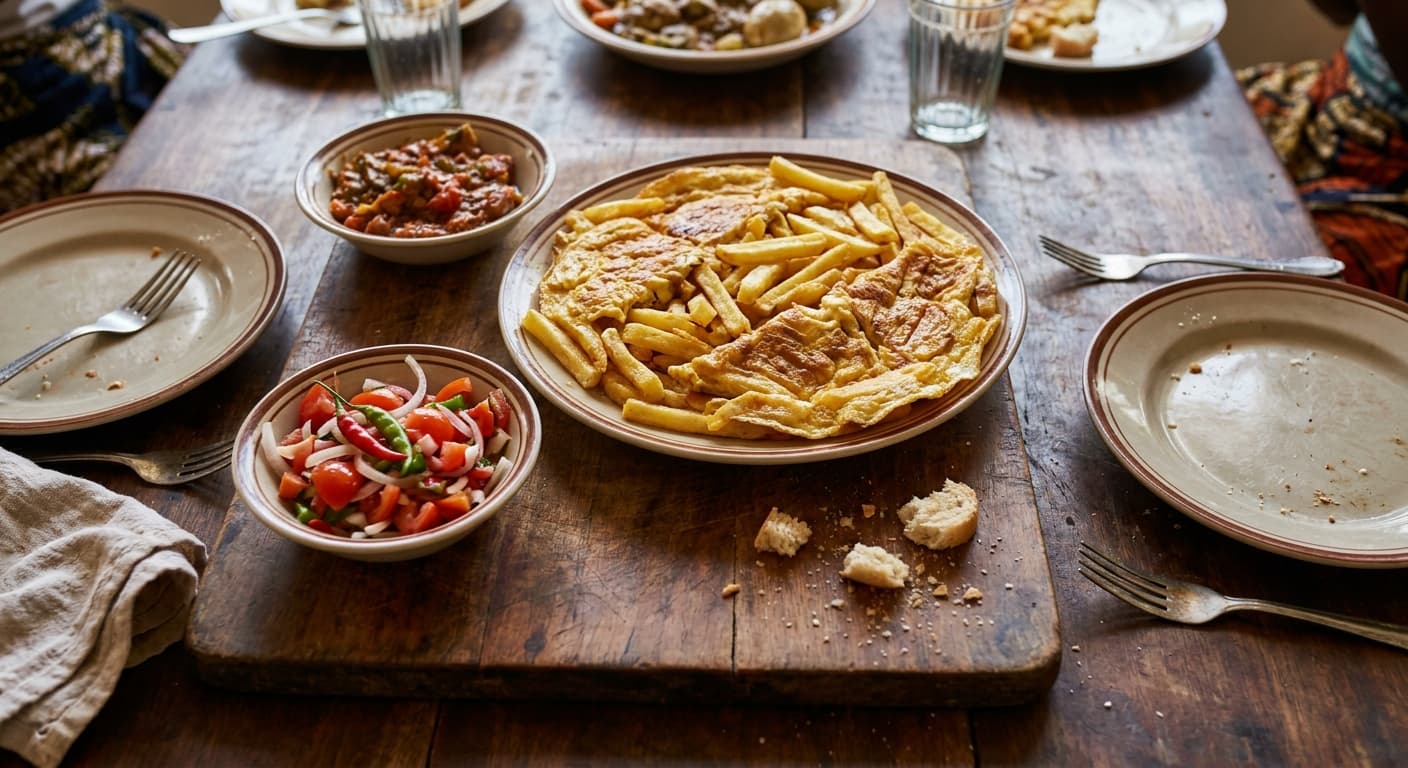
Chips and Egg Omelet (Chipsi Mayai) — Tanzanian Street-Food Classic
Tanzanian · Main Courses · 50 min
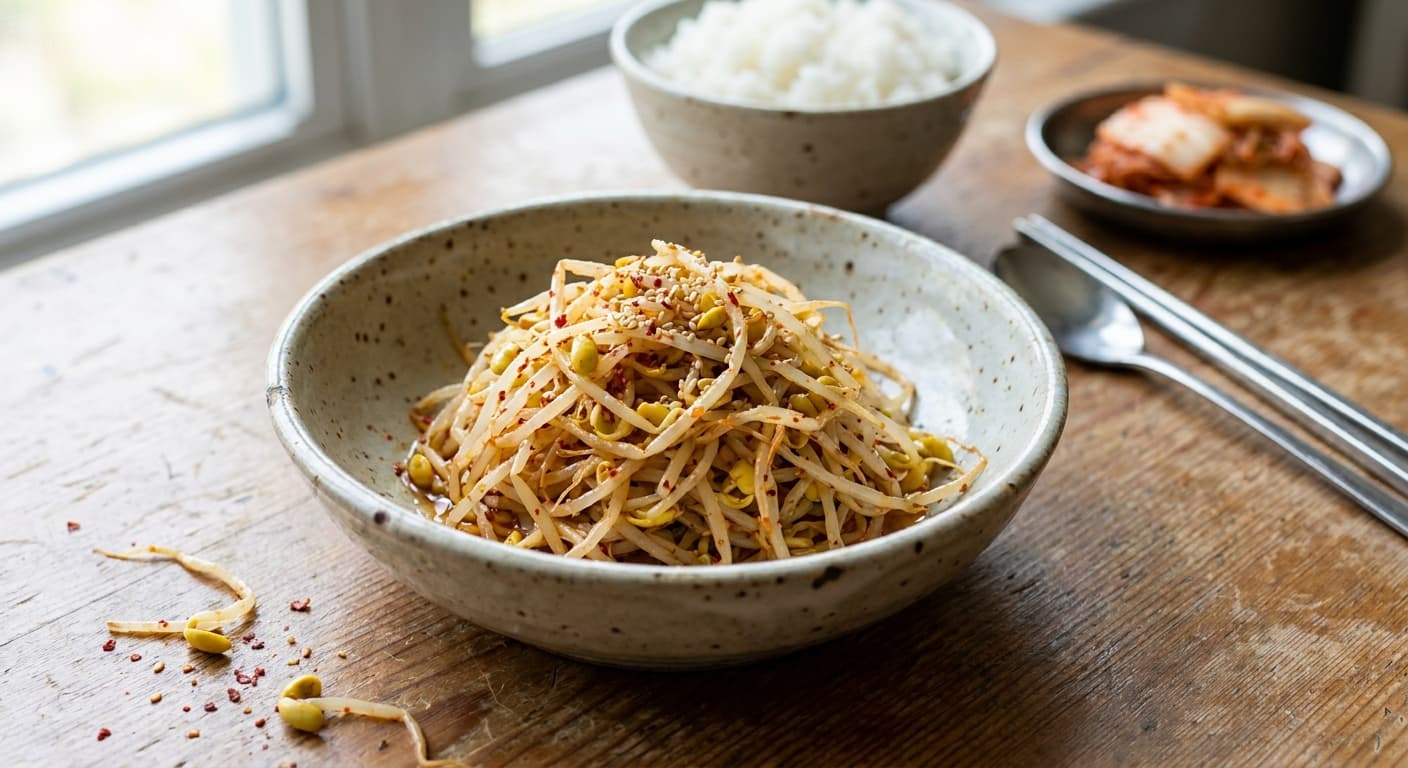
Kongnamul Muchim (콩나물무침) — Korean Seasoned Soybean Sprout Banchan
Korean · Side Dishes · 16 min
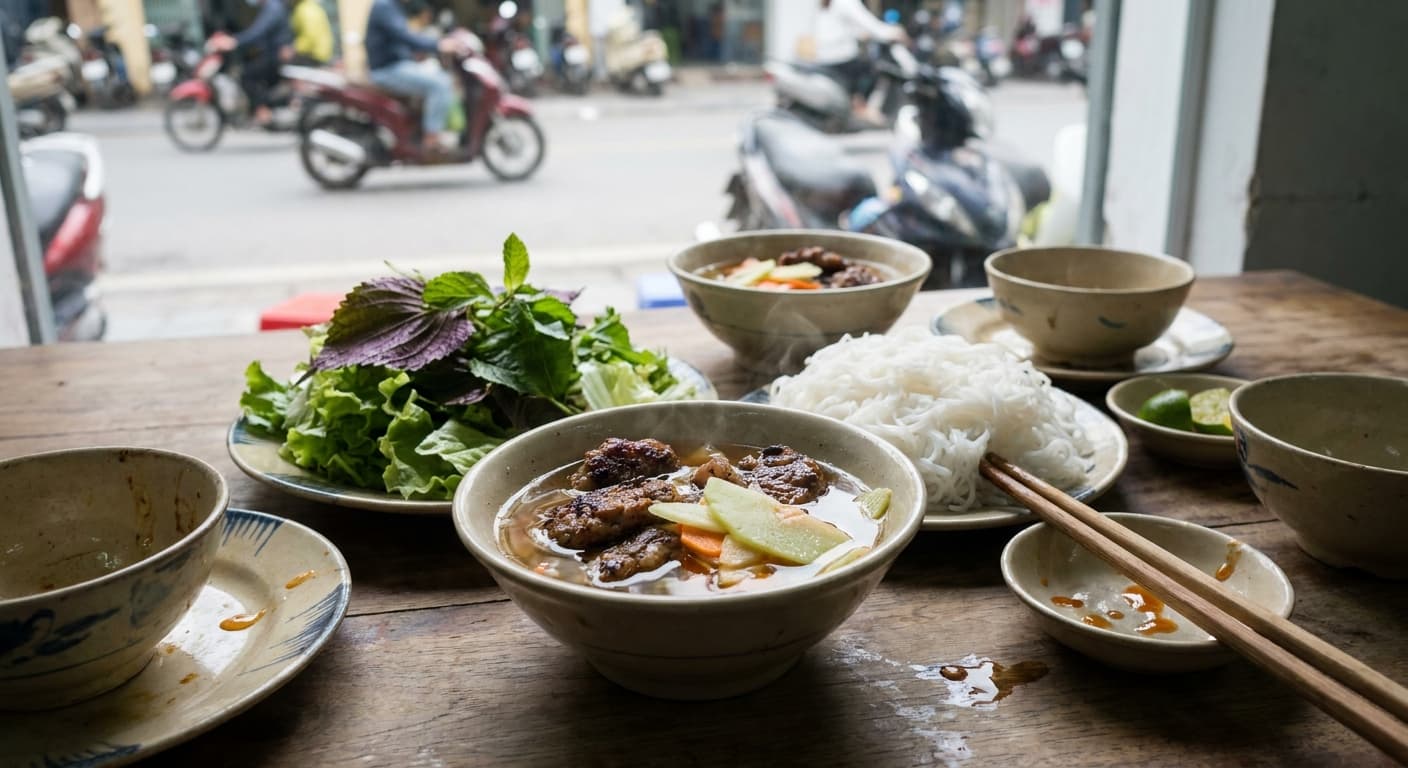
Vietnamese Grilled Pork with Rice Noodles (Bún Chả) — Hanoi-Style Charcoal Pork and Vermicelli
Vietnamese · Main Courses · 65 min
Hoppin' John (Hoppin' John) — Southern Black-Eyed Peas and Rice
American · Rice Dishes · 115 min
Reviews
Cooked this recipe?
Tap the stars to rate it — that's all it takes. A few words are welcome but optional.
No ratings yet. Cooked this one? Be the first to rate it — it takes one tap.