Omelet-e Gojeh Farangi (املت گوجه فرنگی) — Persian Tomato and Cheese Omelet
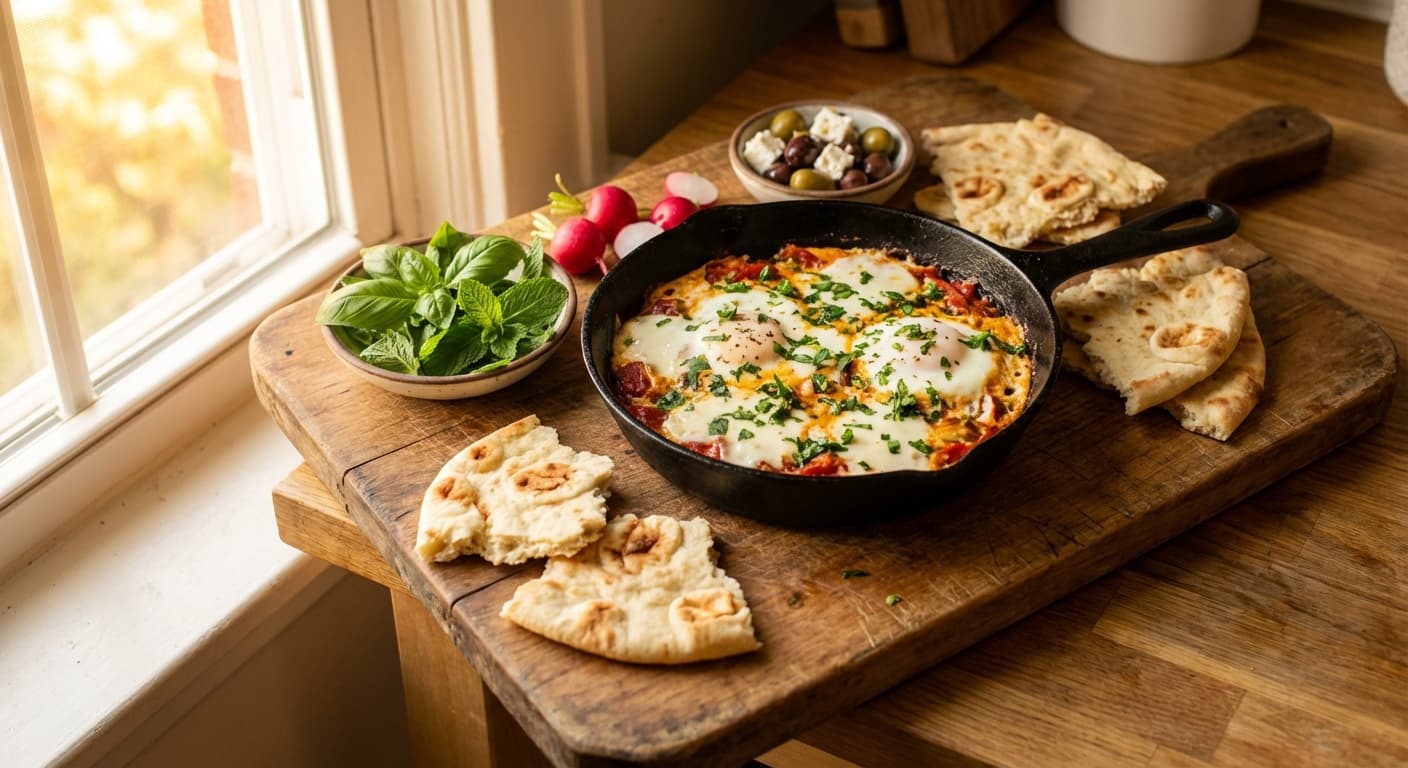
A classic Persian breakfast omelet simmered in a quick tomato sauce, then finished with soft-set eggs and melted cheese. Rustic, savory, and best scooped with warm flatbread for a comforting start to the day.
Printable Recipe Card
Servings: 2 · Total: 25 min · Difficulty: easy
Ingredients (quick list)
- 400 g Ripe tomatoes (about 3 medium; grated or finely chopped)
- 15 ml Neutral oil (or melted butter; plus 5 ml if pan is dry)
- 3 g Salt (about 1/2 tsp, divided)
- 1 g Black pepper (about 1/2 tsp, divided)
- 4 large Eggs (room temperature if possible)
- 80 g Mozzarella cheese (coarsely grated; low-moisture melts best)
- 30 ml Water (to loosen the tomato base if needed)
Steps (summary)
- Prepare the tomatoes: grate them on the large holes of a box grater into a bowl (or finely chop). Heat a 24–26 cm nonstick or w…
- Add the grated tomatoes to the hot oil and stir well. Season with about half the salt and half the black pepper. Simmer uncover…
- If the tomatoes start sticking before they thicken, reduce heat to medium-low and add up to 30 ml water, 1 tablespoon at a time…
- Crack the eggs directly into the pan, spacing them evenly over the tomato base. Sprinkle the remaining salt and black pepper ov…
- Uncover and scatter the grated mozzarella over the eggs and tomatoes. Cover again and cook 1–2 minutes on low, just until the c…
- Turn off the heat and rest the omelet, covered, for 1 minute to finish gently with residual heat. Serve immediately from the sk…
Cultural Background
This tomato omelet is a common home-style breakfast in Iran, valued for being quick, filling, and affordable. It is often served family-style in the pan and eaten with flatbread, making it a practical dish for everyday mornings and casual gatherings.
Equipment
💡 Tips
- Grating tomatoes creates a smoother, faster-cooking base that clings to the eggs and tastes sweeter than large chunks.
- Keep the heat low once the eggs go in; high heat can toughen the whites before the yolks warm through.
- For a richer flavor, use melted butter instead of oil and let the tomato base cook until it turns deeper red and glossy.
- If using very juicy tomatoes, extend the simmer time by 2–4 minutes to avoid a watery omelet.
⚠️ Common Mistakes
❌ Adding eggs before the tomato base has thickened
💡 Why: Excess liquid can leave the whites watery and prevent the eggs from setting evenly.
✅ Fix: Simmer the tomatoes until glossy and thick, with oil separating at the edges; extend cooking 2–4 minutes for very juicy tomatoes.
❌ Cooking the eggs on high heat
💡 Why: High heat can toughen the whites and overcook the edges before the yolks warm through.
✅ Fix: Lower to low heat, cover, and cook gently; use residual heat during the 1-minute rest to finish setting.
❌ Over-salting when using salty cheese
💡 Why: Some cheeses (especially feta) contribute significant salt, making the omelet taste harsh.
✅ Fix: Season in two stages and taste the tomato base before adding the final salt; reduce salt when using feta or other salty cheeses.
🧊 How to Store
Best eaten immediately. Refrigerate leftovers in an airtight container for up to 2 days. Reheat gently in a covered skillet over low heat for 4–6 minutes (add 1–2 tsp water to prevent drying).
📅 Make Ahead
Grate or chop the tomatoes up to 24 hours ahead and refrigerate in a sealed container. For best texture, cook the omelet fresh; if needed, pre-simmer the tomato base up to 2 days ahead and reheat before adding eggs and cheese.
🍽️ Pairs Well With
- Warm flatbread (Barbari-style or whole-wheat flatbread)
- Fresh herbs (mint
- basil
- parsley)
- Cucumbers and radishes
- Hot tea
Regional Variations
- Tehran and central IranOften kept simple with tomatoes, eggs, and seasoning, cooked until the tomato base is thick and the eggs are soft-set, then eaten with fresh flatbread.
- Caspian regionCommonly served alongside abundant fresh herbs and vegetables; some households cook the tomatoes longer for a sweeter, deeper base to balance the region’s herb-forward breakfast spreads.
Ingredients
- 400 gRipe tomatoes (about 3 medium; grated or finely chopped)
- 15 mlNeutral oil (or melted butter; plus 5 ml if pan is dry)
- 3 gSalt (about 1/2 tsp, divided)
- 1 gBlack pepper (about 1/2 tsp, divided)
- 4 largeEggs (room temperature if possible)
- 80 gMozzarella cheese (coarsely grated; low-moisture melts best)
- 30 mlWater (to loosen the tomato base if needed)
🔄 Substitutions
- Mozzarella cheese→ Feta cheese (60 g, crumbled)
- Neutral oil→ Melted butter
- Fresh ripe tomatoes→ Canned crushed tomatoes (400 g)
Instructions
- 1
Prepare the tomatoes: grate them on the large holes of a box grater into a bowl (or finely chop). Heat a 24–26 cm nonstick or well-seasoned skillet over medium heat for 1 minute, then add the oil and swirl to coat the pan evenly.
- 2
Add the grated tomatoes to the hot oil and stir well. Season with about half the salt and half the black pepper. Simmer uncovered over medium heat for 6–8 minutes, stirring every minute, until the mixture thickens and looks glossy and jammy, with most liquid evaporated.
- 3
If the tomatoes start sticking before they thicken, reduce heat to medium-low and add up to 30 ml water, 1 tablespoon at a time, scraping the bottom to dissolve any browned bits. Continue cooking 2–3 minutes until the sauce is thick again and oil begins to separate at the edges.
- 4
Crack the eggs directly into the pan, spacing them evenly over the tomato base. Sprinkle the remaining salt and black pepper over the eggs. Reduce heat to low, cover with a lid, and cook for 4–6 minutes until the whites are set but the yolks are still slightly soft.
- 5
Uncover and scatter the grated mozzarella over the eggs and tomatoes. Cover again and cook 1–2 minutes on low, just until the cheese melts. For firmer yolks, cook 1–2 minutes longer; for softer yolks, remove as soon as the whites are fully opaque.
- 6
Turn off the heat and rest the omelet, covered, for 1 minute to finish gently with residual heat. Serve immediately from the skillet, spooning tomatoes over the eggs. Pair with warm flatbread and fresh herbs or cucumbers if desired.
🪪 Recipe Passport
Cultural Background
This tomato omelet is a common home-style breakfast in Iran, valued for being quick, filling, and affordable. It is often served family-style in the pan and eaten with flatbread, making it a practical dish for everyday mornings and casual gatherings.
Regional Variations
Researched from multiple sources and validated by the Zaffaron editorial team. Every recipe is tested for accuracy, measurements, and cultural authenticity.
Nutrition per serving
Pairs well with
If you enjoyed this recipe, here are a few related Zaffaron recipes to try next.
Does your family make this differently?
Every family has their own version. Maybe your grandmother adds a secret ingredient, or your aunt has a completely different technique. Preserve your family's version — with their name on it, forever.
You Might Also Like
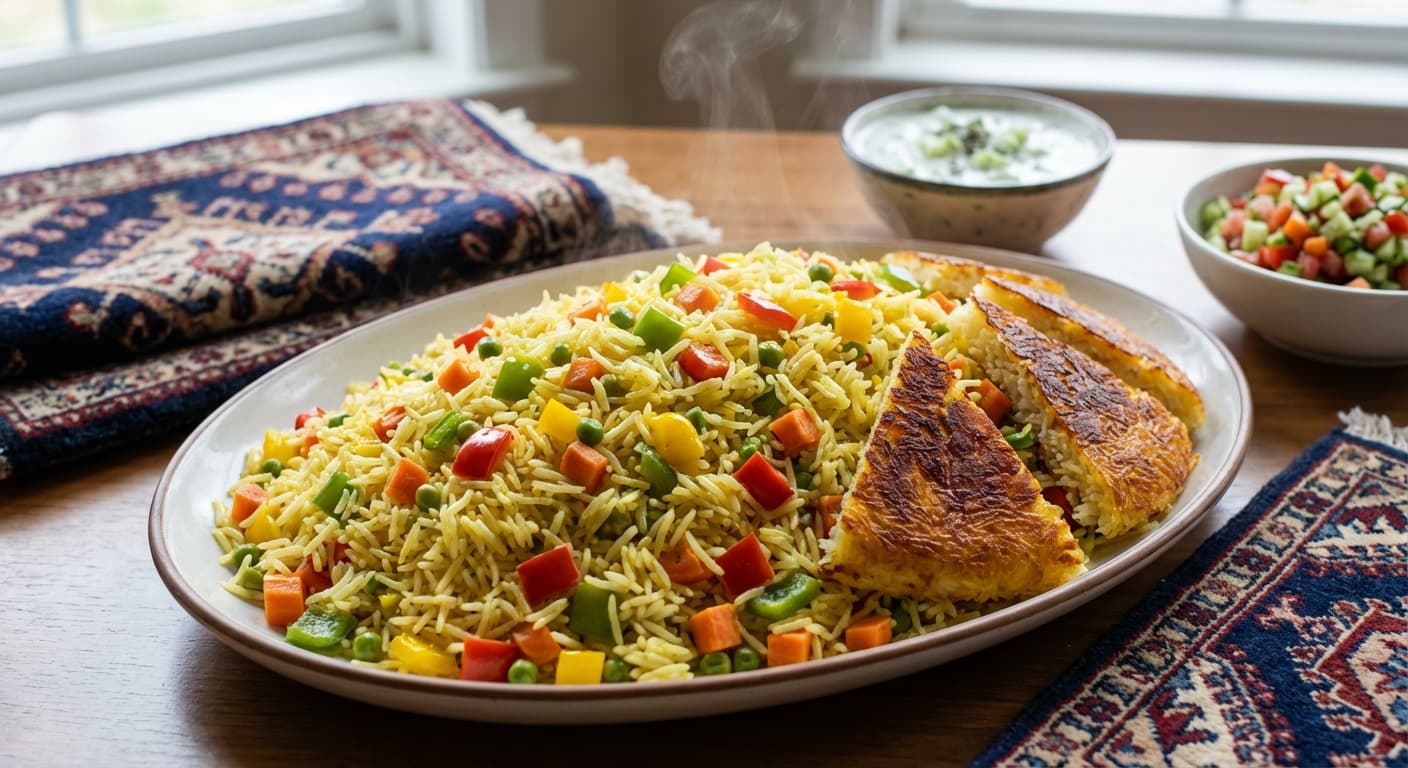
Mixed Vegetable Rice (برنج با مخلوط سبزیجات) — Persian-Style Aromatic Pilaf
Persian · Rice Dishes · 75 min
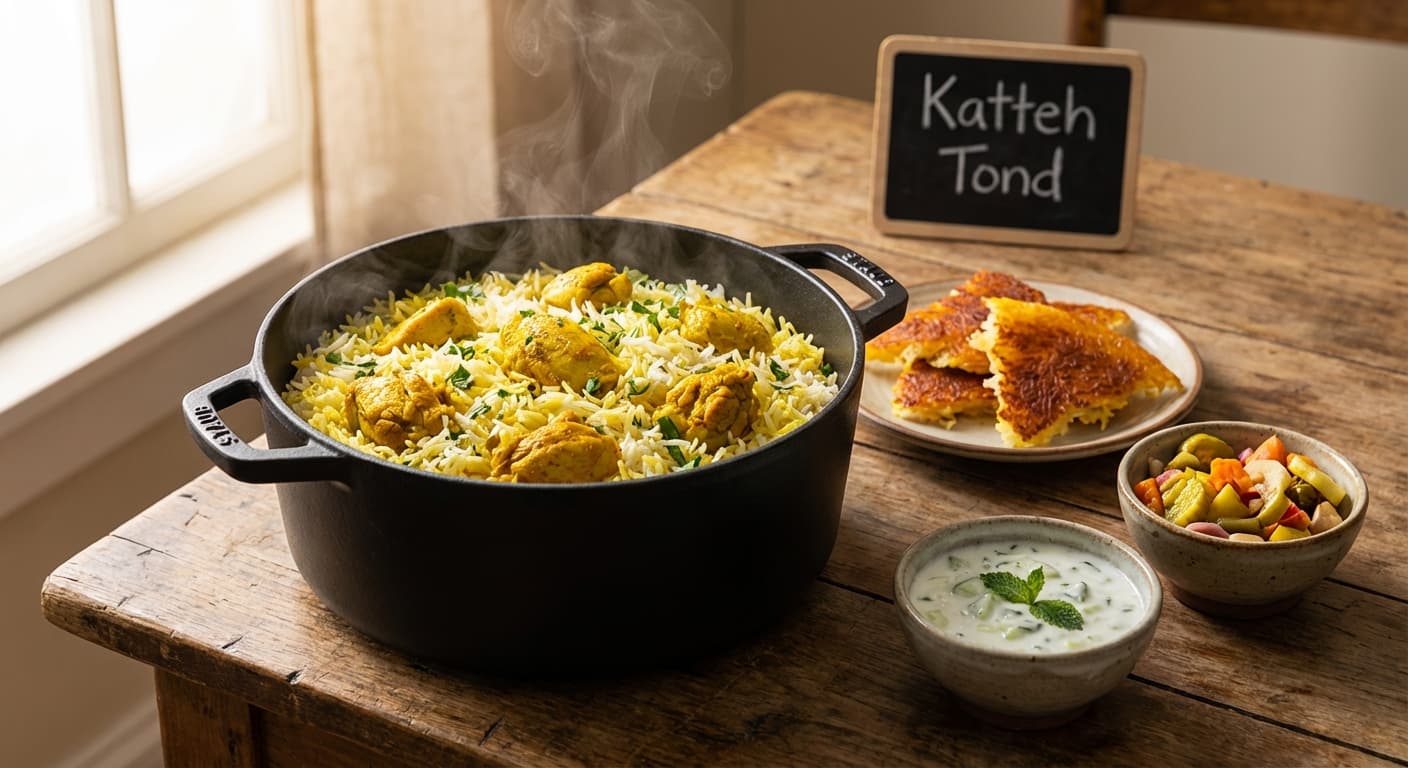
Katteh Tond (کته تند) — Spicy Caspian-Style One-Pot Chicken Rice
Persian · Rice Dishes · 85 min

Saffron Sweet Rice (پلو شیرینی زعفرانی) — Festive Persian milk-saffron rice with nuts
Persian · Rice Dishes · 75 min
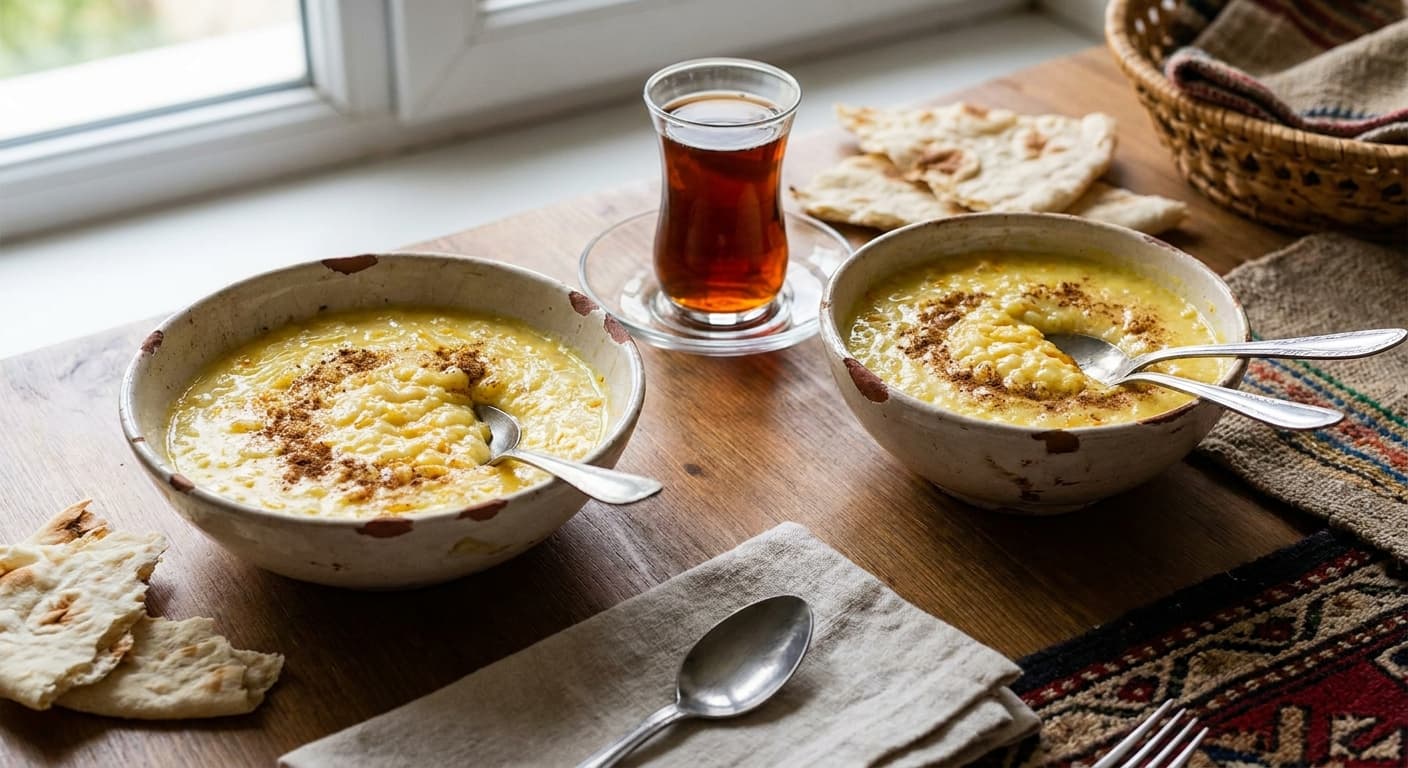
Azerbaijani Milk-Rice Porridge (Südlü Sıyıq) — Creamy Breakfast Rice with Saffron
Azerbaijani · Rice Dishes · 50 min
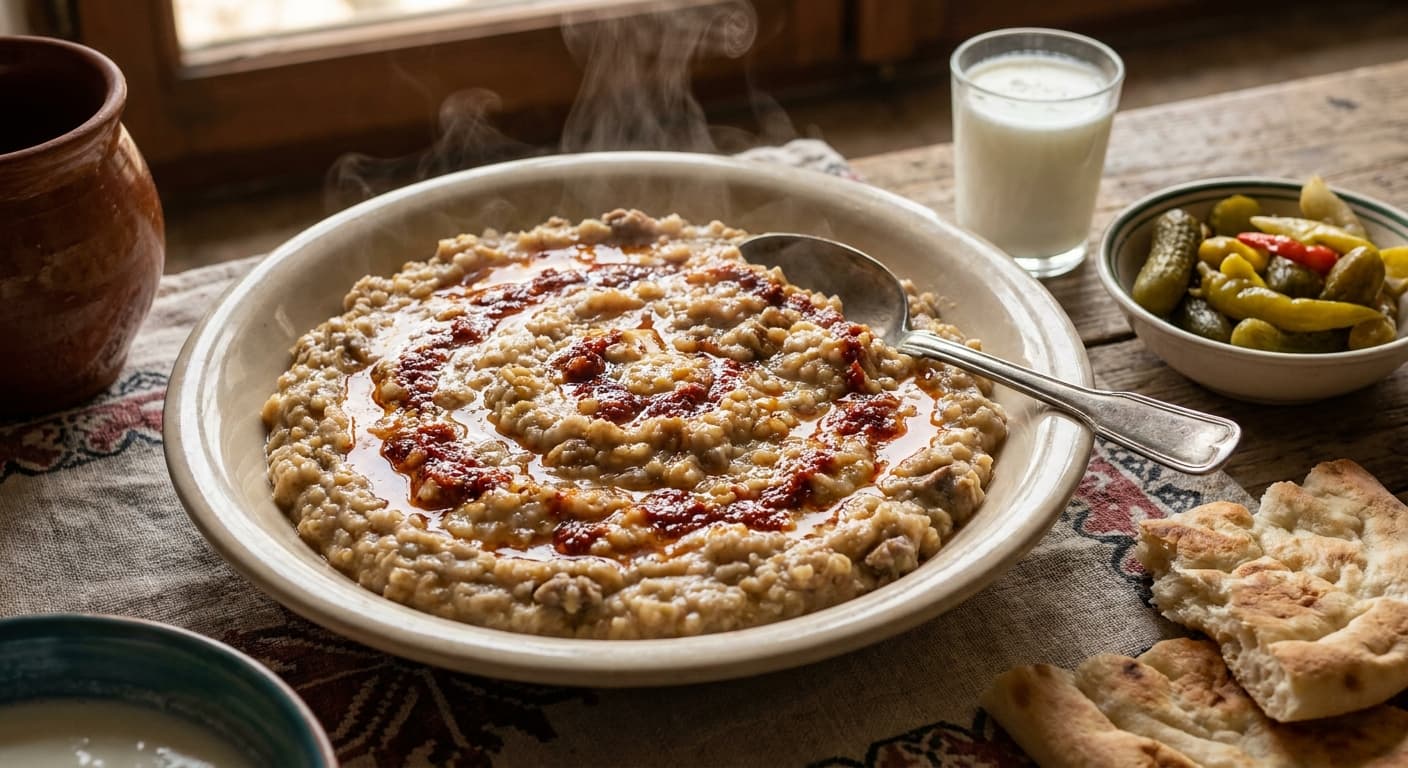
Keshkek (Keşkek) — Creamy Ceremonial Wheat and Lamb Stew
Turkish · Stews · 240 min
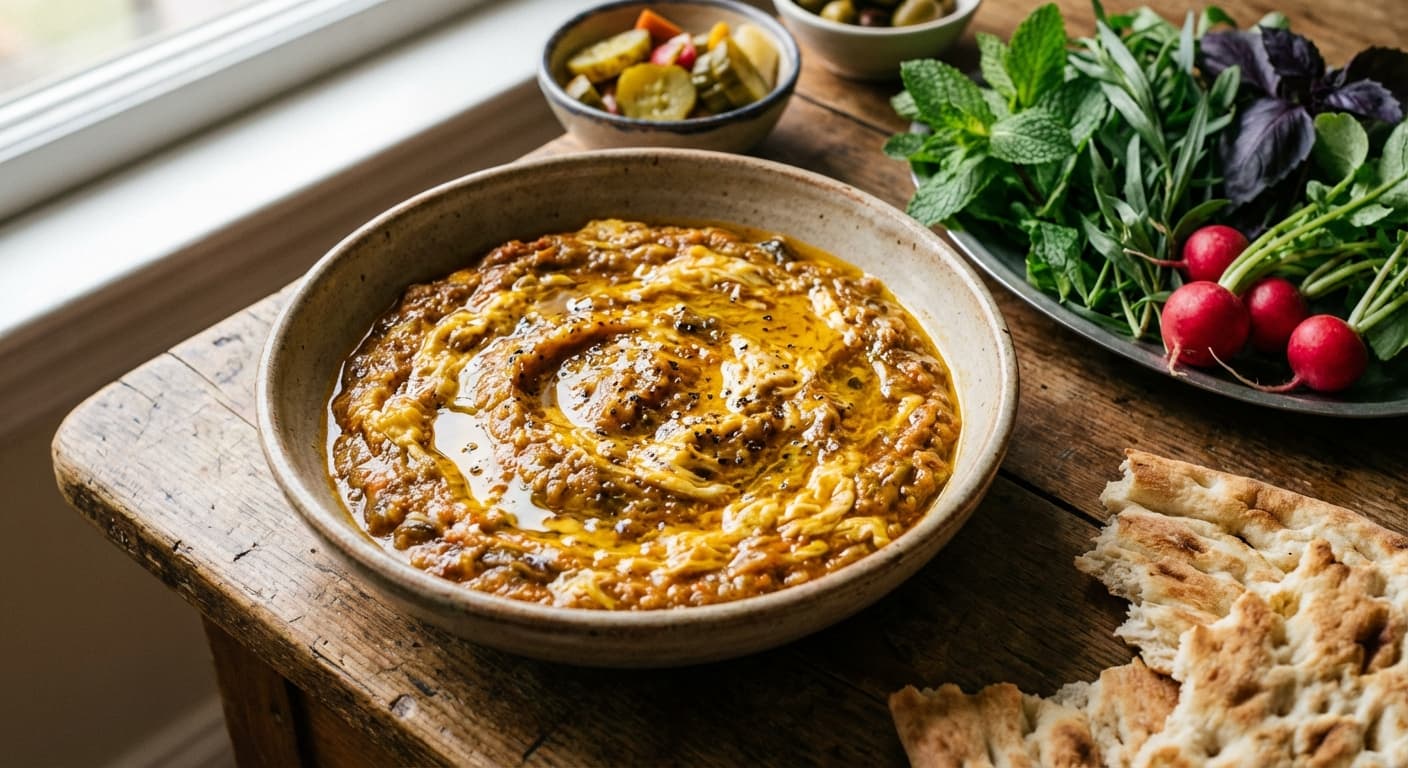
Smoked Silk Mirza Ghasemi (میرزا قاسمی) — Silky smoked eggplant with tomato, garlic, and eggs
Persian · Appetizers · 60 min
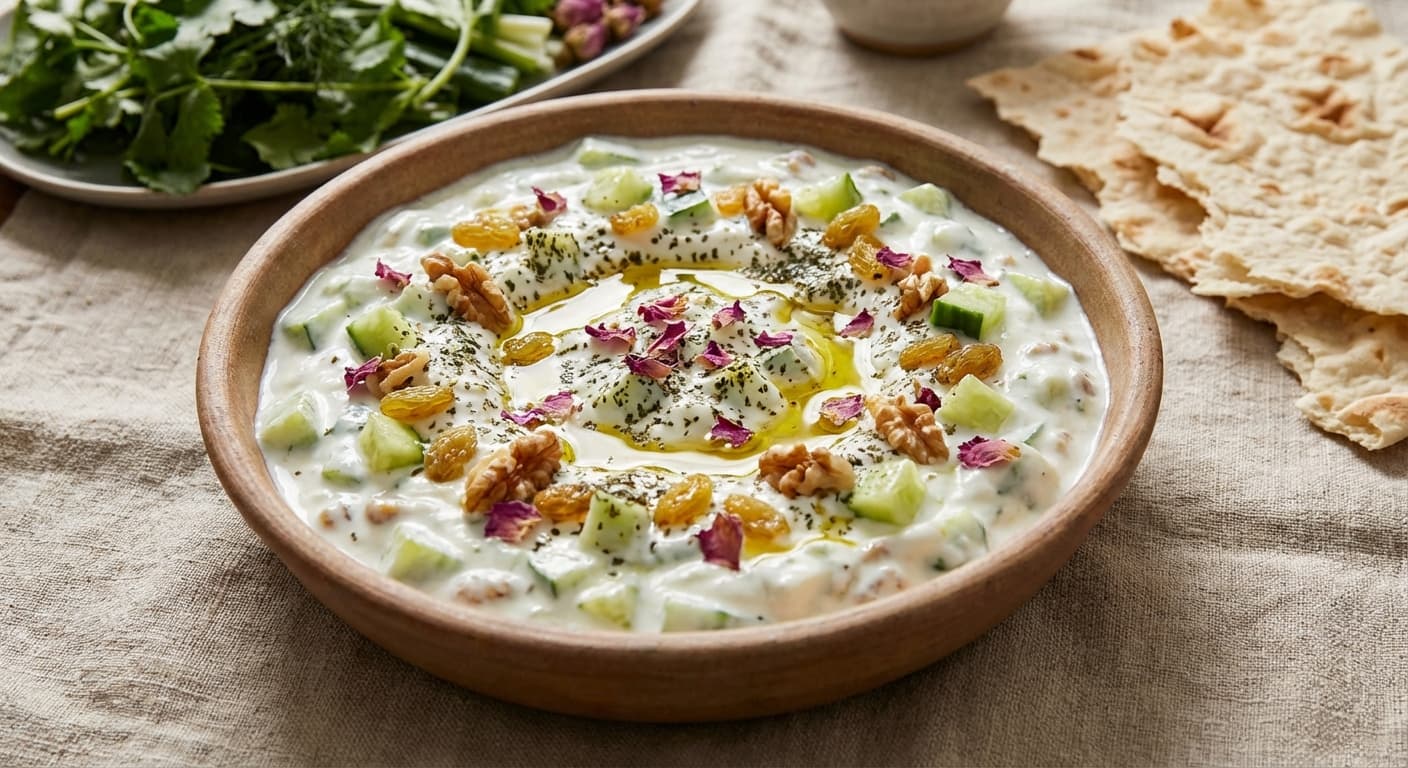
Mast-o-Khiar (ماست و خیار) — Persian Cucumber and Herb Yogurt Dip
Persian · Side Dishes · 25 min
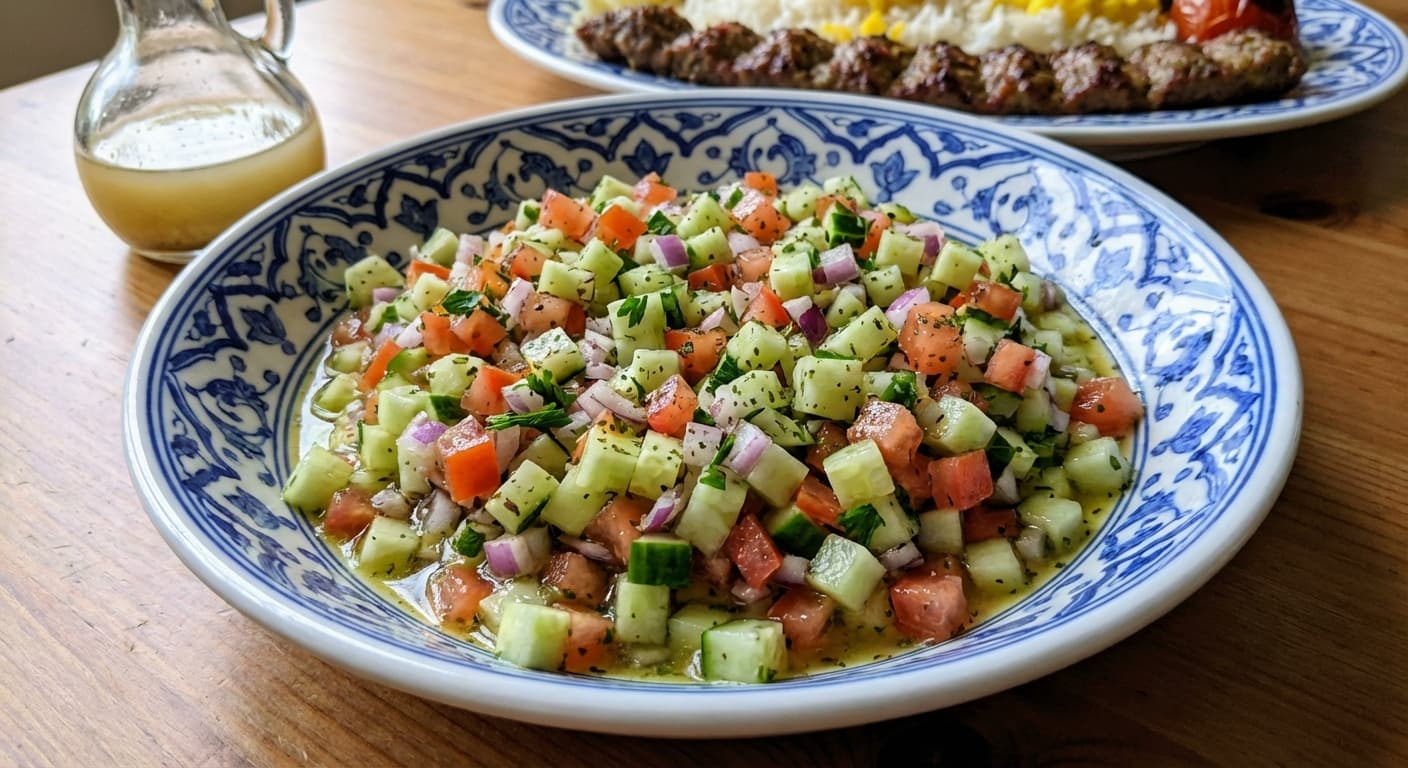
Shirazi Salad (سالاد شیرازی) — Brunoised cucumber-tomato herb salad with ab-ghooreh
Persian · Salads · 20 min
Reviews
Cooked this recipe?
Tap the stars to rate it — that's all it takes. A few words are welcome but optional.
No ratings yet. Cooked this one? Be the first to rate it — it takes one tap.