Polo Sabzijat (پلو سبزیجات) — Persian-Style Vegetable Pilaf
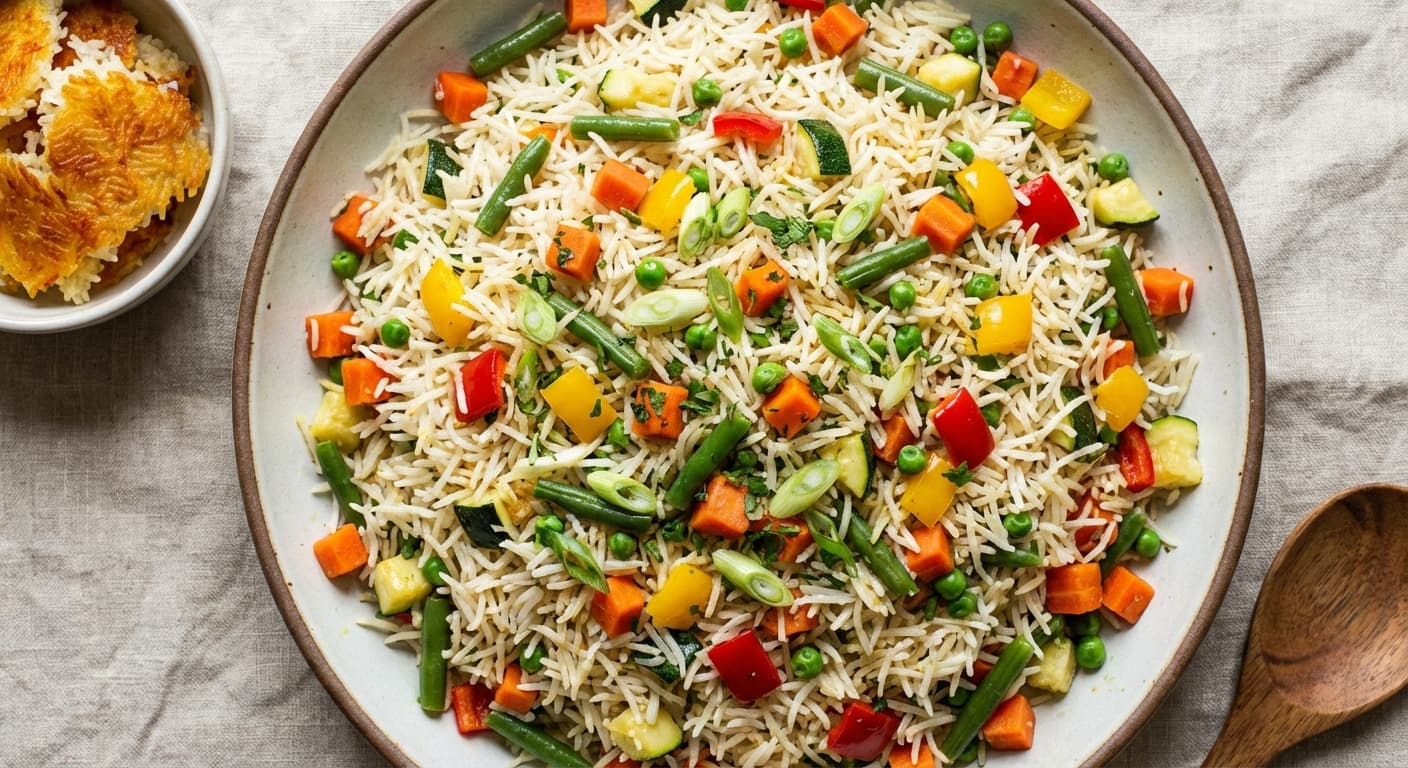
Fluffy basmati rice layered with sautéed mixed vegetables and fragrant aromatics. Finished with soy and sesame for a Silk Road–inspired, savory pilaf that stays light, colorful, and comforting.
Printable Recipe Card
Servings: 4 · Total: 110 min · Difficulty: medium
Ingredients (quick list)
- 300 g Basmati rice (rinsed until water runs mostly clear)
- 2000 ml Water (for parboiling the rice)
- 18 g Salt (12 g for parboiling water, 6 g for vegetables and final seasoning)
- 45 ml Vegetable oil (divided; for sautéing and for the pot)
- 450 g Mixed vegetables (small dice; suggested mix: carrot, green beans, peas, bell pepper, zucchini)
- 80 g Green onions (thinly sliced; white and green parts separated)
- 12 g Garlic (finely minced (about 3 cloves))
- 10 g Ginger (finely grated)
- 30 ml Soy sauce (use regular or low-sodium; adjust salt accordingly)
- 10 ml Sesame oil (to finish; do not overheat)
- 2 g Black pepper (freshly ground)
Steps (summary)
- Rinse the basmati rice in several changes of cool water until it runs mostly clear. Soak the rice with 60 ml water and 6 g of t…
- Bring 2000 ml water to a rolling boil in a large pot. Add the remaining 12 g salt, then drain and add the soaked rice. Boil 6–8…
- Heat 30 ml vegetable oil in a wide skillet over medium-high heat. Add the sliced white parts of the green onions and sauté 60 s…
- Reduce heat to medium. Stir in soy sauce, black pepper, and the remaining 6 g salt (or less if your soy sauce is salty). Cook 1…
- Place a heavy-bottom pot (about 20–22 cm) over medium heat. Add the remaining 15 ml vegetable oil and swirl to coat. Add a thin…
- Wrap the lid with a clean kitchen towel and cover the pot tightly. Steam on medium heat for 10 minutes until you see strong ste…
+ 1 more steps in the full instructions section below.
Cultural Background
Vegetable rice pilafs are common across Iranian home cooking, where rice is often parboiled and then steamed to achieve separate, fluffy grains. This version uses globally familiar seasonings like soy and sesame to echo historic trade-route flavors while keeping the technique rooted in Persian-style rice preparation.
Equipment
💡 Tips
- Keep vegetable pieces small and uniform (about 1 cm) so they cook quickly without turning mushy.
- Do not overboil the rice during parboiling; a firm center is essential for fluffy steamed grains.
- If using low-sodium soy sauce, you may need 2–3 g extra salt; if using regular soy sauce, reduce salt by 2–4 g.
- Sesame oil is best added after steaming; high heat can dull its aroma.
- For a crisper bottom, keep the first 10 minutes of steaming at medium heat and use a heavy-bottom pot.
⚠️ Common Mistakes
❌ Boiling the rice until fully cooked before steaming
💡 Why: Fully cooked grains break during steaming and turn clumpy instead of fluffy.
✅ Fix: Parboil only until the outside is tender and the center is still firm, then drain immediately and steam to finish.
❌ Adding wet vegetables to the pot
💡 Why: Excess moisture can make the rice gummy and prevent proper steaming.
✅ Fix: Stir-fry vegetables until any released liquid evaporates; cool 5 minutes before layering so they do not create extra steam pockets.
❌ Overheating sesame oil
💡 Why: High heat can mute sesame aroma and introduce bitterness.
✅ Fix: Drizzle sesame oil after steaming, then rest covered 10 minutes to perfume the rice.
❌ Skipping steam holes
💡 Why: Steam cannot circulate evenly, leading to undercooked patches.
✅ Fix: Poke 5–6 holes down to the bottom after layering to channel steam through the rice.
🧊 How to Store
Cool to room temperature within 2 hours, then refrigerate in an airtight container for up to 4 days. Reheat covered with 1–2 tbsp water in a pot on low heat for 10–12 minutes, or microwave covered 2–3 minutes, stirring once. Freeze up to 2 months; thaw overnight in the refrigerator before reheating.
📅 Make Ahead
Dice vegetables and slice green onions up to 24 hours ahead; refrigerate airtight. Rinse and soak rice up to 1 hour ahead at room temperature. Cooked pilaf keeps well for meal prep; reheat gently with a splash of water to restore fluffiness.
🍽️ Pairs Well With
- Plain yogurt or cucumber-yogurt salad
- Fresh herbs and radishes
- Pickled vegetables
- Grilled mushrooms or tofu
- Simple tomato and cucumber salad
Regional Variations
- Tehran-style home pilafOften includes a small amount of saffron water and a crisp bottom layer, with vegetables kept simple and lightly seasoned to highlight the rice.
- Caspian-influenced vegetable riceMay feature more green herbs and spring vegetables, with a brighter, garden-forward profile and less emphasis on deep browning.
Ingredients
- 300 gBasmati rice (rinsed until water runs mostly clear)
- 2000 mlWater (for parboiling the rice)
- 18 gSalt (12 g for parboiling water, 6 g for vegetables and final seasoning)
- 45 mlVegetable oil (divided; for sautéing and for the pot)
- 450 gMixed vegetables (small dice; suggested mix: carrot, green beans, peas, bell pepper, zucchini)
- 80 gGreen onions (thinly sliced; white and green parts separated)
- 12 gGarlic (finely minced (about 3 cloves))
- 10 gGinger (finely grated)
- 30 mlSoy sauce (use regular or low-sodium; adjust salt accordingly)
- 10 mlSesame oil (to finish; do not overheat)
- 2 gBlack pepper (freshly ground)
🔄 Substitutions
- Basmati rice→ Jasmine rice
- Soy sauce→ Tamari
- Sesame oil→ Toasted sesame seeds (10 g) + 10 ml vegetable oil
Instructions
- 1
Rinse the basmati rice in several changes of cool water until it runs mostly clear. Soak the rice with 60 ml water and 6 g of the salt for 45 minutes at room temperature. Meanwhile, dice the mixed vegetables evenly (about 1 cm) so they cook at the same rate and stay distinct in the pilaf.
- 2
Bring 2000 ml water to a rolling boil in a large pot. Add the remaining 12 g salt, then drain and add the soaked rice. Boil 6–8 minutes, stirring twice to prevent sticking, until the grains are tender on the outside but still firm in the center. Drain immediately in a colander and rinse briefly with cool water to stop cooking.
- 3
Heat 30 ml vegetable oil in a wide skillet over medium-high heat. Add the sliced white parts of the green onions and sauté 60 seconds. Add garlic and ginger and cook 30 seconds until fragrant. Add the mixed vegetables and stir-fry 5–7 minutes, keeping them bright and slightly crisp; add up to 60 ml water only if the pan looks dry.
- 4
Reduce heat to medium. Stir in soy sauce, black pepper, and the remaining 6 g salt (or less if your soy sauce is salty). Cook 1 minute to coat and evaporate excess moisture. Turn off the heat and fold in the green onion greens. Let the vegetable mixture cool 5 minutes so it does not over-steam the rice during layering.
- 5
Place a heavy-bottom pot (about 20–22 cm) over medium heat. Add the remaining 15 ml vegetable oil and swirl to coat. Add a thin layer of parboiled rice to cover the bottom. Then alternate layers of rice and vegetables, finishing with rice on top. Use the handle of a spoon to poke 5–6 steam holes down to the bottom.
- 6
Wrap the lid with a clean kitchen towel and cover the pot tightly. Steam on medium heat for 10 minutes until you see strong steam. Reduce to low and continue steaming 35–40 minutes. Turn off the heat, drizzle sesame oil over the top, and rest covered for 10 minutes to set the grains and deepen the aroma.
- 7
To serve, gently fluff the rice with a fork, lifting from the sides to keep the vegetables distributed. If a crisp bottom forms, loosen it with a spatula and serve alongside or on top. Taste and adjust with up to 5 ml more soy sauce or 1 g more pepper if needed, keeping the rice fragrant and not overly salty.
🪪 Recipe Passport
Cultural Background
Vegetable rice pilafs are common across Iranian home cooking, where rice is often parboiled and then steamed to achieve separate, fluffy grains. This version uses globally familiar seasonings like soy and sesame to echo historic trade-route flavors while keeping the technique rooted in Persian-style rice preparation.
Regional Variations
Researched from multiple sources and validated by the Zaffaron editorial team. Every recipe is tested for accuracy, measurements, and cultural authenticity.
Nutrition per serving
Pairs well with
If you enjoyed this recipe, here are a few related Zaffaron recipes to try next.
Does your family make this differently?
Every family has their own version. Maybe your grandmother adds a secret ingredient, or your aunt has a completely different technique. Preserve your family's version — with their name on it, forever.
You Might Also Like
Soup-e Jo (سوپ جو) — Persian Creamy Barley Soup
Persian · Soups · 90 min
Ash Reshteh (آش رشته) — Persian Herb, Bean, and Noodle Soup
Persian · Soups · 145 min
Kuku Sabzi (کوکو سبزی) — Emerald Persian Herb Frittata
Persian · Main Courses · 38 min
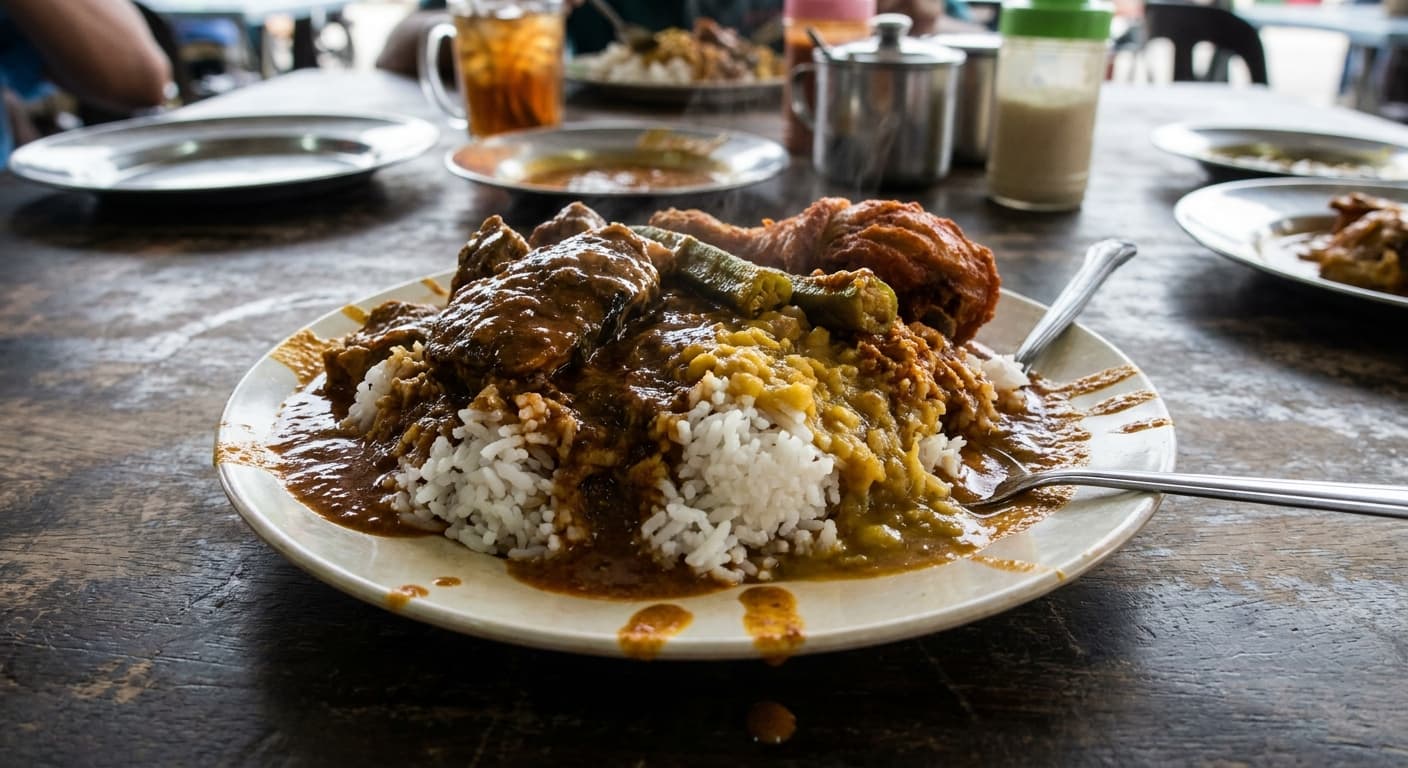
Nasi Kandar (Nasi Kandar) — Penang Mamak Curry Rice Plate
Malaysian · Rice Dishes · 110 min
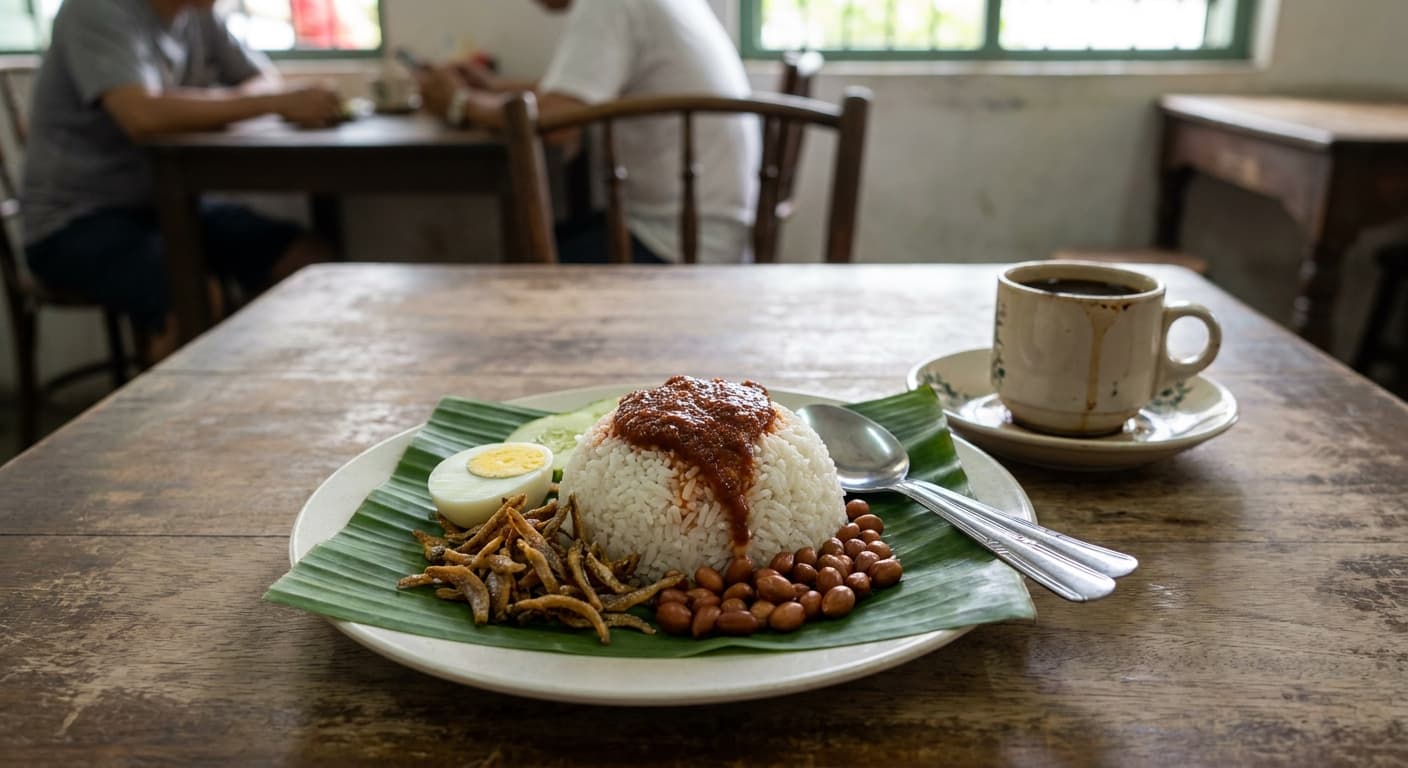
Nasi Lemak (Nasi Lemak) — Coconut Rice with Sambal and Classic Garnishes
Malaysian · Rice Dishes · 90 min
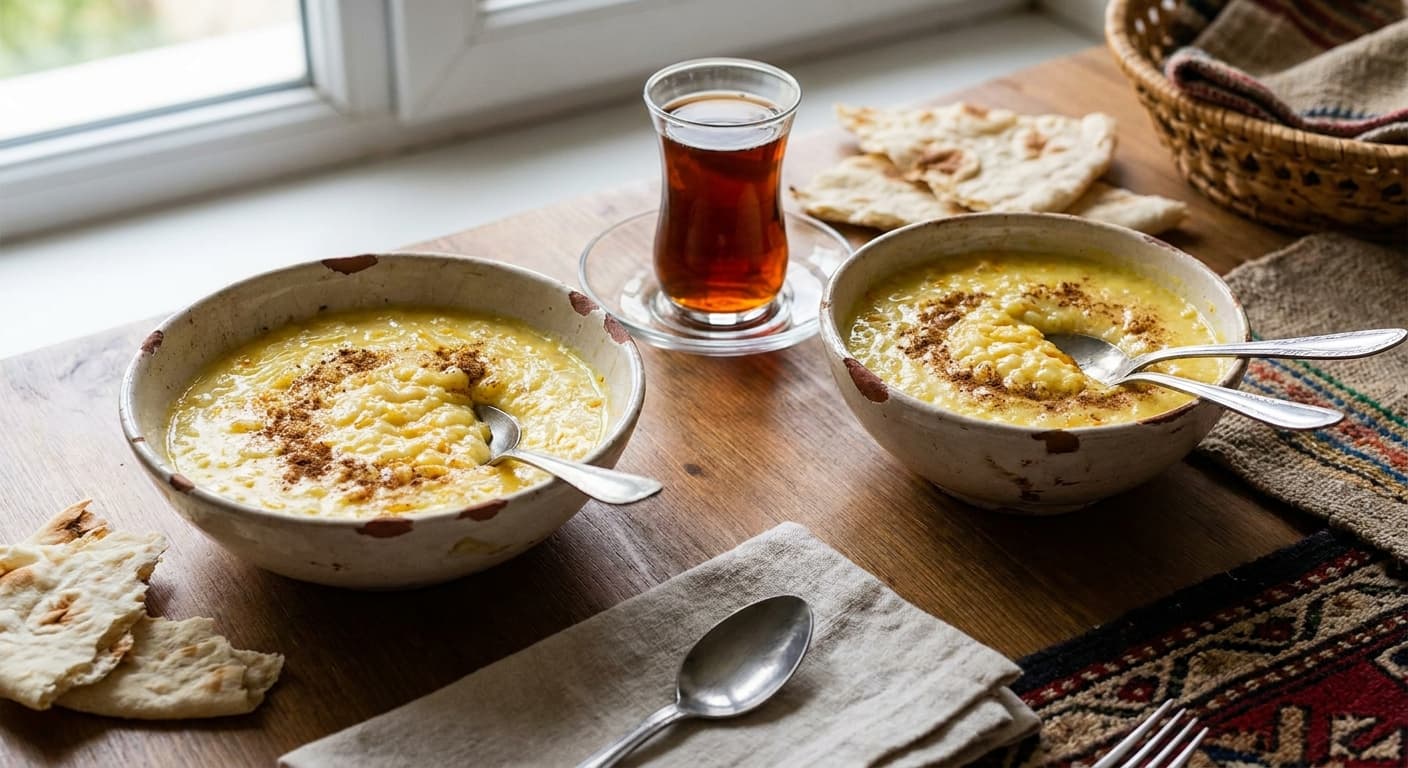
Azerbaijani Milk-Rice Porridge (Südlü Sıyıq) — Creamy Breakfast Rice with Saffron
Azerbaijani · Rice Dishes · 50 min
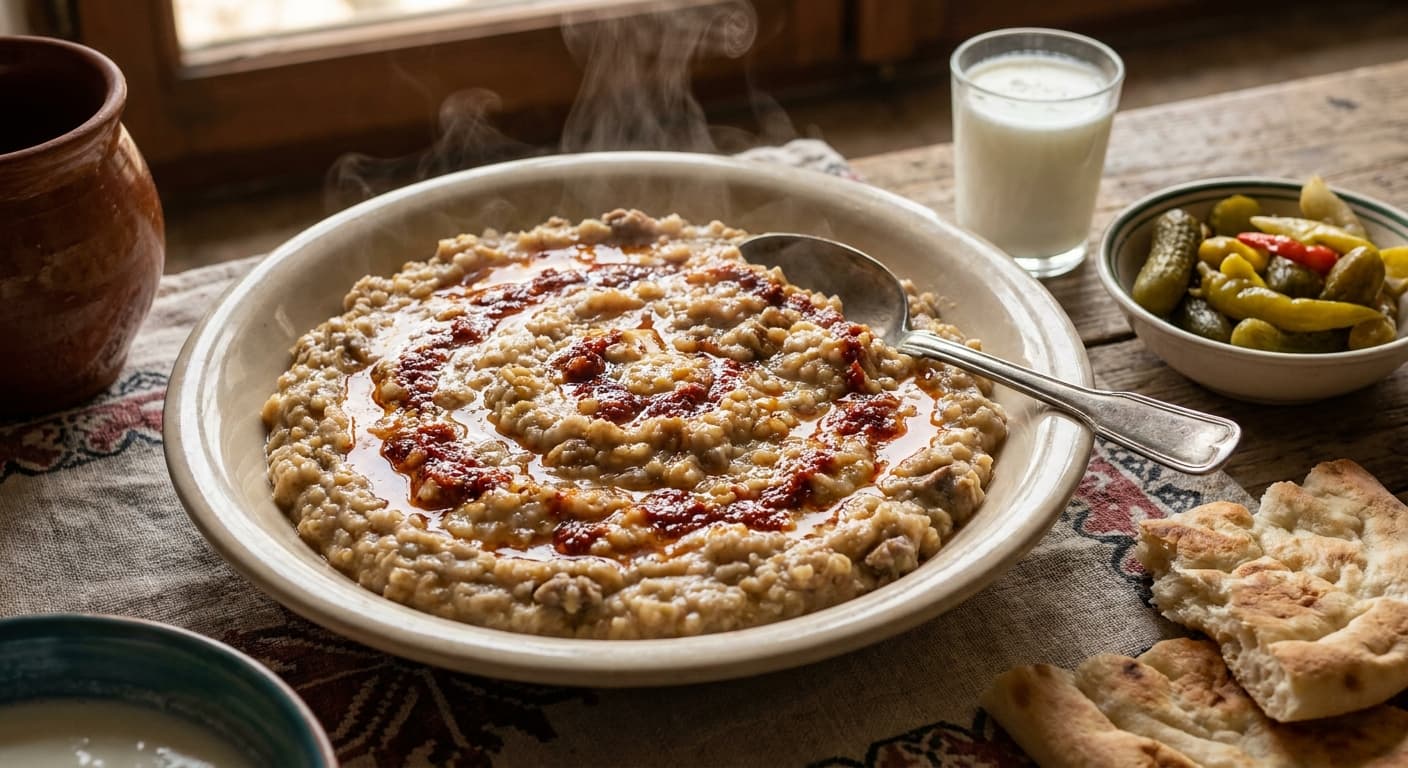
Keshkek (Keşkek) — Creamy Ceremonial Wheat and Lamb Stew
Turkish · Stews · 240 min
Samlor Machu Kroeung (សម្លម្ជូរគ្រឿង) — Cambodian Sour Kroeung Beef Soup
Cambodian · Soups · 130 min
Reviews
Cooked this recipe?
Tap the stars to rate it — that's all it takes. A few words are welcome but optional.
No ratings yet. Cooked this one? Be the first to rate it — it takes one tap.