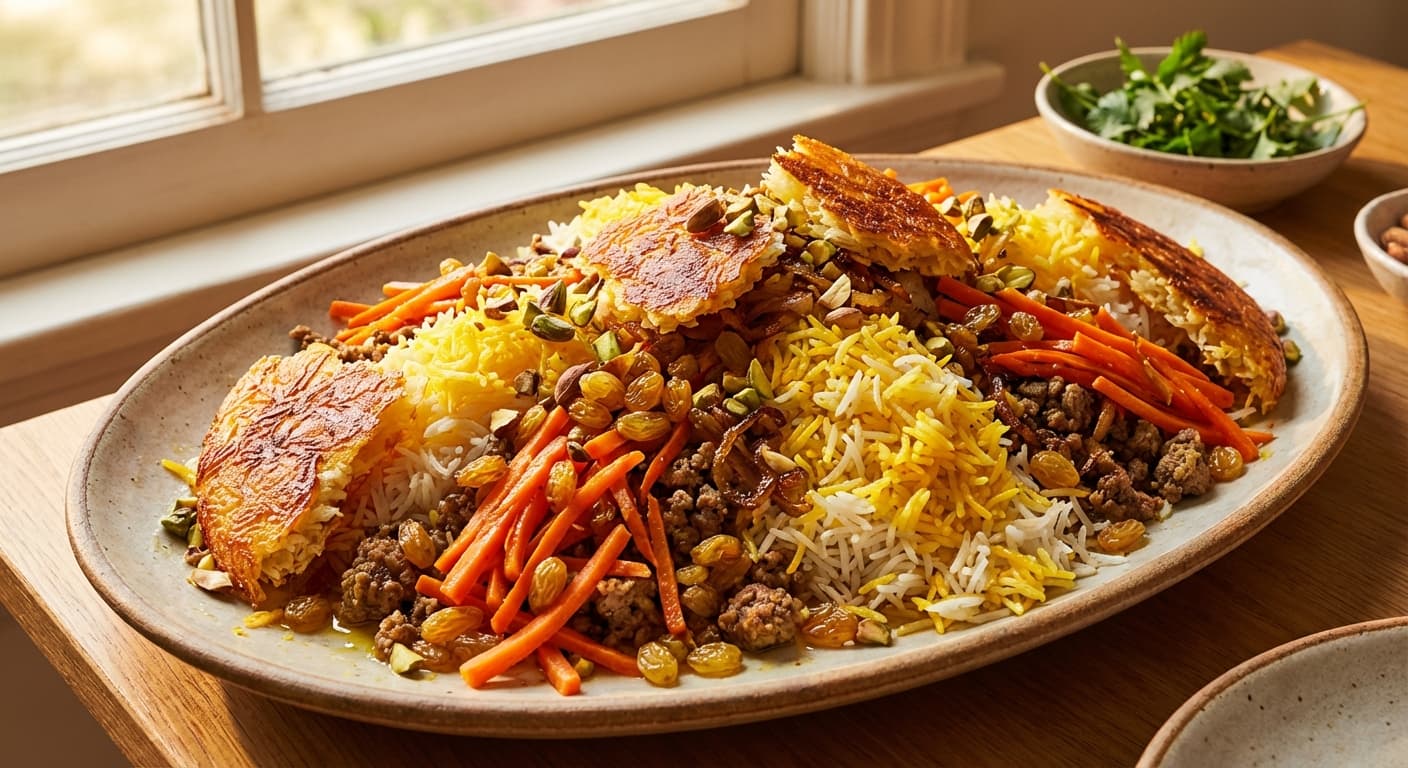
Shirin Polo (شیرین پلو) — Persian Carrot and Raisin Rice
A celebratory Persian layered rice dish with fragrant basmati, sweet julienned carrots, plump raisins, savory spiced ground meat, and crisp tahdig. Warm spices and fried onions make it aromatic, colorful, and festive.
Printable Recipe Card
Servings: 6 · Total: 110 min · Difficulty: medium
Ingredients (quick list)
- 500 g Basmati rice (rinsed until water runs mostly clear, then soaked)
- 2500 ml Water (for parboiling rice, plus more for soaking if needed)
- 24 g Salt (18 g for boiling water, 6 g for meat and carrots)
- 350 g Ground lamb or beef (15–20% fat preferred for flavor)
- 250 g Yellow onion (thinly sliced for frying)
- 60 ml Neutral oil (such as sunflower or canola, divided)
- 45 g Butter (for layering and finishing; can replace with more oil)
- 350 g Carrots (peeled and cut into fine julienne (matchsticks))
- 120 g Raisins (sun-dried or golden; rinsed and drained well)
- 12 g Granulated sugar (optional, to enhance carrot sweetness)
- 30 ml Brewed saffron water (made from 0.2 g saffron steeped in 60 ml hot water; use half)
- 8 g Persian spice blend (a mix such as cinnamon, cumin, cardamom, and black pepper)
+ 6 more in the full ingredients section below.
Steps (summary)
- Rinse the basmati rice in several changes of water until mostly clear. Soak it in plenty of cool water with 10 g of the salt fo…
- Fry the onions: heat 45 ml oil in a wide skillet over medium-high heat. Add sliced onion and cook 12–15 minutes, stirring often…
- Cook the ground meat in the same skillet over medium-high heat. Add meat and break it up; cook 6–8 minutes until browned. Stir…
- In the same skillet, add the remaining 15 ml oil if dry, then add julienned carrots. Cook over medium heat for 6–8 minutes unti…
- Parboil the rice: bring 2500 ml water to a rolling boil in a large pot and add 8 g salt. Drain soaked rice and add to boiling w…
- Make the tahdig base: in a bowl, whisk yogurt, egg yolk, remaining 30 ml saffron water, and 2 tablespoons (about 120 g) of the…
+ 3 more steps in the full instructions section below.
Cultural Background
Sweet-and-savory layered rice dishes are commonly served in Iran for guests and festive gatherings, where saffron, carrots, and dried fruit signal celebration. The method highlights Persian rice technique—parboiling and steaming—to create separate grains and a prized crispy tahdig.
Equipment
💡 Tips
- For distinct grains, do not fully cook the rice during parboil; it should still have a firm core when drained.
- Raisins burn quickly; add them only at the end of cooking the carrots and keep heat moderate.
- If your pot runs hot, place a heat diffuser under it during the low steaming phase to protect the tahdig.
- For extra aroma, drizzle 1–2 tablespoons of saffron water over the top rice layer before steaming (reduce butter slightly to keep balance).
⚠️ Common Mistakes
❌ Overboiling the rice during parboil
💡 Why: Fully cooked grains break during steaming and turn sticky, losing the layered texture.
✅ Fix: Boil only until elongated with a firm center (6–8 minutes), then drain promptly and steam to finish.
❌ Cooking raisins too long or over high heat
💡 Why: Raisins scorch quickly, turning bitter and hard.
✅ Fix: Add raisins at the end, cook 1–2 minutes on medium, and remove from heat once plump.
❌ Weak steam seal on the lid
💡 Why: Escaping steam prevents proper finishing and can leave the rice undercooked or uneven.
✅ Fix: Wrap the lid with a towel and fit tightly; keep heat low after the initial 10-minute steam build.
❌ Tahdig burning before rice is done
💡 Why: Some stoves run hot, and direct heat can over-brown the crust.
✅ Fix: Use a heat diffuser, keep the long steaming phase on very low, and only increase heat briefly at the end if needed.
🧊 How to Store
Cool leftovers within 2 hours. Refrigerate airtight up to 3 days. Reheat covered with 2–3 tablespoons water in a pot over low heat 15–20 minutes, or microwave covered 2–3 minutes; tahdig will soften but can be re-crisped in a lightly oiled skillet.
📅 Make Ahead
Fry onions and cook the meat-carrot-raisin mixture up to 2 days ahead; refrigerate airtight. On cooking day, parboil and steam the rice fresh for best texture. Leftover rice can be portioned and reheated gently with a splash of water.
🍽️ Pairs Well With
- Shirazi salad (cucumber
- tomato
- onion with lemon)
- Plain yogurt or cucumber yogurt
- Pickled vegetables
- Fresh herbs platter
Regional Variations
- Tehran-style banquet versionOften uses more saffron and a slightly sweeter carrot-raisin mixture, with a generous tahdig and fried onions served on top for presentation.
- Northern Iran (Caspian-influenced)May include more aromatic spices and a slightly tangier balance, sometimes pairing the rice with herb-heavy sides and pickles to contrast the sweetness.
Ingredients
- 500 gBasmati rice (rinsed until water runs mostly clear, then soaked)
- 2500 mlWater (for parboiling rice, plus more for soaking if needed)
- 24 gSalt (18 g for boiling water, 6 g for meat and carrots)
- 350 gGround lamb or beef (15–20% fat preferred for flavor)
- 250 gYellow onion (thinly sliced for frying)
- 60 mlNeutral oil (such as sunflower or canola, divided)
- 45 gButter (for layering and finishing; can replace with more oil)
- 350 gCarrots (peeled and cut into fine julienne (matchsticks))
- 120 gRaisins (sun-dried or golden; rinsed and drained well)
- 12 gGranulated sugar (optional, to enhance carrot sweetness)
- 30 mlBrewed saffron water (made from 0.2 g saffron steeped in 60 ml hot water; use half)
- 8 gPersian spice blend (a mix such as cinnamon, cumin, cardamom, and black pepper)
- 2 gGround cinnamon (for a warmer, sweeter aroma)
- 1 gGround cardamom (optional but traditional in festive rice dishes)
- 2 gTurmeric (for color and earthiness)
- 1 gBlack pepper (freshly ground)
- 150 gPlain yogurt (for tahdig base)
- 1 largeEgg yolk (for sturdier tahdig)
🔄 Substitutions
- Ground lamb or beef→ Ground turkey or chicken
- Butter→ Neutral oil or ghee
- Plain yogurt (tahdig base)→ Thinly sliced potatoes for tahdig
Instructions
- 1
Rinse the basmati rice in several changes of water until mostly clear. Soak it in plenty of cool water with 10 g of the salt for 30 minutes. Meanwhile, place saffron in hot water to bloom for 10 minutes, then set aside for layering and the carrot mixture.
- 2
Fry the onions: heat 45 ml oil in a wide skillet over medium-high heat. Add sliced onion and cook 12–15 minutes, stirring often, until deep golden and crisp at the edges. Remove half for garnish (optional), leaving the rest in the skillet for the meat.
- 3
Cook the ground meat in the same skillet over medium-high heat. Add meat and break it up; cook 6–8 minutes until browned. Stir in turmeric, Persian spice blend, cinnamon, cardamom, black pepper, and 6 g of the remaining salt. Cook 1 minute to toast spices, then transfer to a bowl.
- 4
In the same skillet, add the remaining 15 ml oil if dry, then add julienned carrots. Cook over medium heat for 6–8 minutes until tender-crisp. Stir in raisins and cook 1–2 minutes just to plump. Add sugar (if using) and 30 ml saffron water; cook 1 minute until glossy. Combine with the meat.
- 5
Parboil the rice: bring 2500 ml water to a rolling boil in a large pot and add 8 g salt. Drain soaked rice and add to boiling water. Boil 6–8 minutes, stirring gently once or twice, until grains are elongated but still firm in the center. Drain in a colander and rinse quickly with 250 ml warm water.
- 6
Make the tahdig base: in a bowl, whisk yogurt, egg yolk, remaining 30 ml saffron water, and 2 tablespoons (about 120 g) of the parboiled rice. Heat a heavy nonstick or well-seasoned pot over medium heat, add 15 ml oil, then spread the yogurt-rice mixture evenly across the bottom.
- 7
Layer the dish: reduce heat to low. Add a layer of rice (about one-third), then spoon over one-third of the meat-carrot-raisin mixture. Repeat layers, finishing with rice on top. Dot the surface with butter in small pieces. With a spoon handle, poke 5–6 holes down to the bottom for steam vents.
- 8
Steam the rice: cover the lid with a clean towel and place it tightly on the pot. Cook 10 minutes over medium heat to build steam, then reduce to very low and steam 45 minutes. For a deeper tahdig, keep the final 10 minutes on low-medium, watching for any burning smell.
- 9
Rest and serve: turn off heat and let the pot rest, covered, 10 minutes to set the crust. Fluff the rice gently, lifting layers to distribute filling without crushing grains. Invert the pot onto a platter to release the tahdig, or remove it in pieces. Garnish with reserved fried onions if desired.
🪪 Recipe Passport
Cultural Background
Sweet-and-savory layered rice dishes are commonly served in Iran for guests and festive gatherings, where saffron, carrots, and dried fruit signal celebration. The method highlights Persian rice technique—parboiling and steaming—to create separate grains and a prized crispy tahdig.
Regional Variations
Researched from multiple sources and validated by the Zaffaron editorial team. Every recipe is tested for accuracy, measurements, and cultural authenticity.
Nutrition per serving
Pairs well with
If you enjoyed this recipe, here are a few related Zaffaron recipes to try next.
- Soop-e Reshteh Farangi (سوپ رشته فرنگی) — Persian-Style Chicken Noodle Soup
- Sholeh Zard (شله زرد) — Persian Aromatic Rice Pudding with Grape Syrup
- Sini Ordour (سینی اردور) — Persian Salad Olivieh & Seafood Appetizer Platter
- Smoked Silk Mirza Ghasemi (میرزا قاسمی) — Silky smoked eggplant with tomato, garlic, and eggs
Does your family make this differently?
Every family has their own version. Maybe your grandmother adds a secret ingredient, or your aunt has a completely different technique. Preserve your family's version — with their name on it, forever.
You Might Also Like
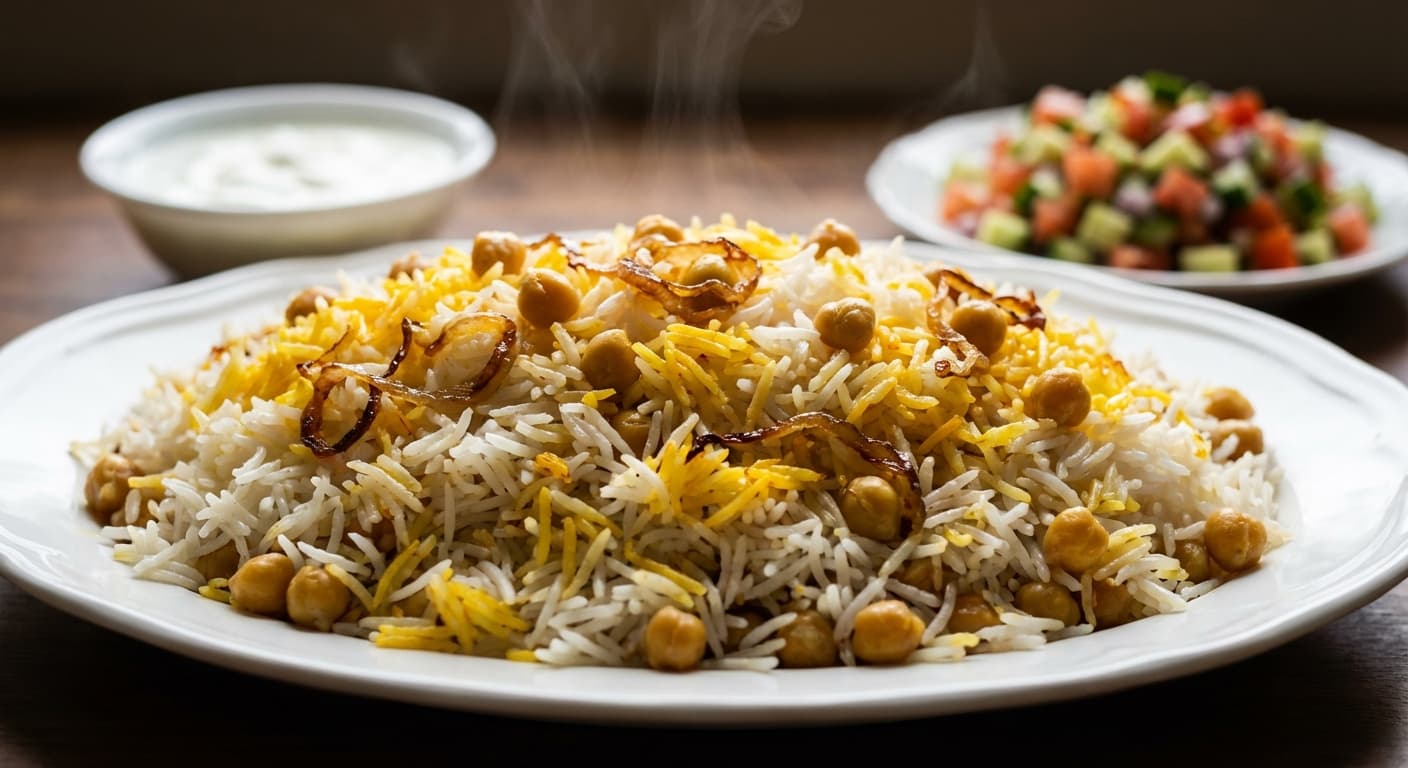
Nokhod Polo (نخود پلو) — Saffron Chickpea Rice with Warm Spices
Persian · Rice Dishes · 80 min

Golden Turmeric Potato and Spinach Casserole (غراتان سیبزمینی و اسفناج) — Mediterranean-Inspired Layered Gratin
Persian · Main Courses · 70 min
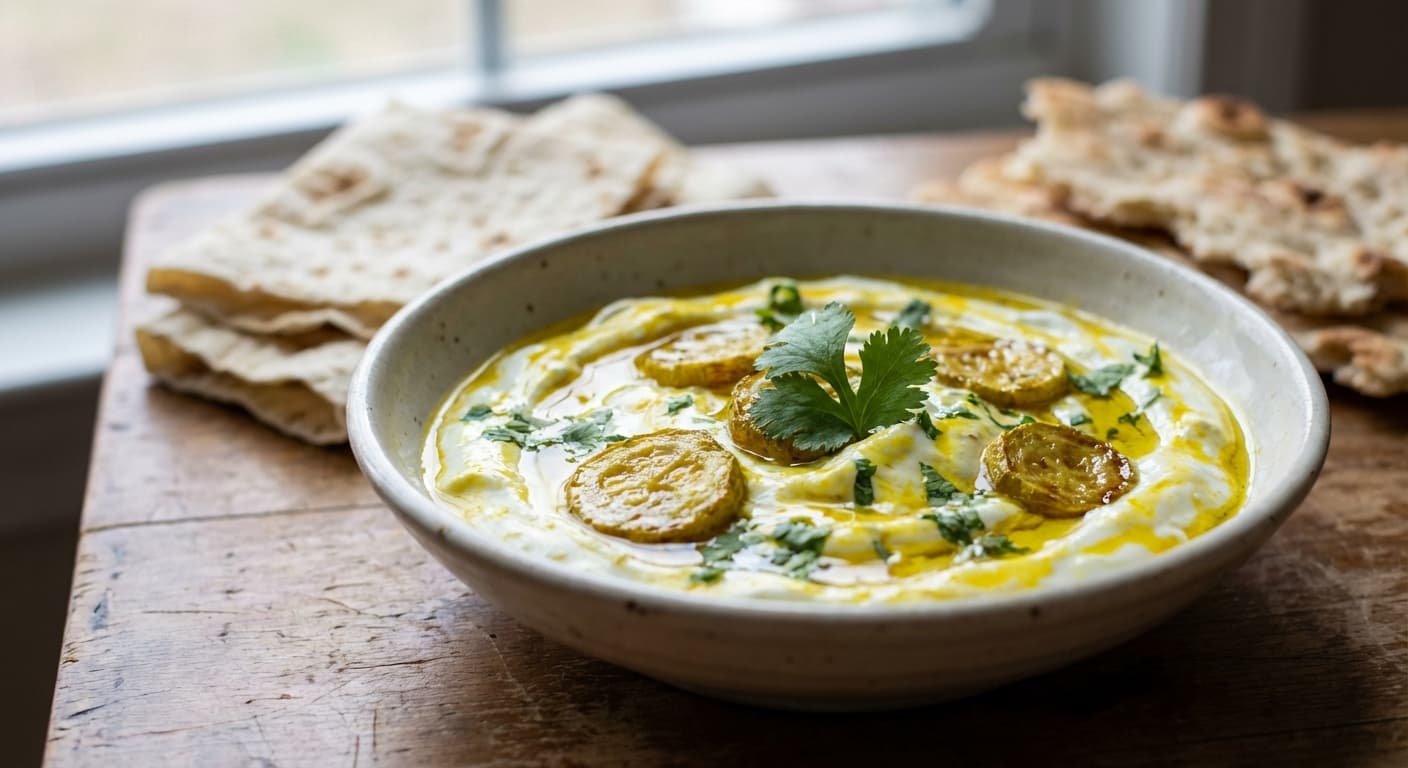
Borani Kadu (بورانی کدو) — Saffron-Infused Zucchini and Yogurt Dip
Persian · Appetizers · 40 min
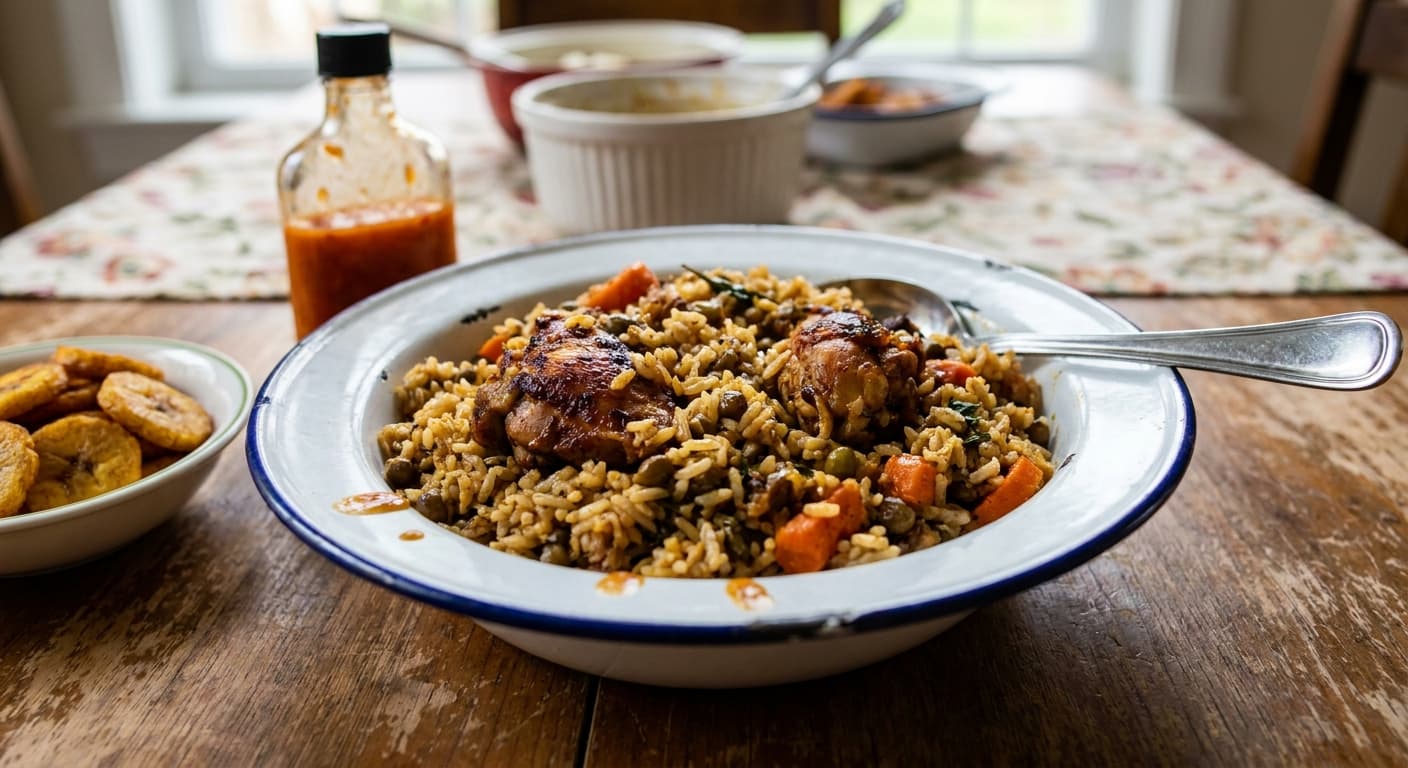
Trinidadian Pelau (Pelau) — Caramel-Browned Chicken, Rice, and Pigeon Peas
Trinidadian · Rice Dishes · 85 min
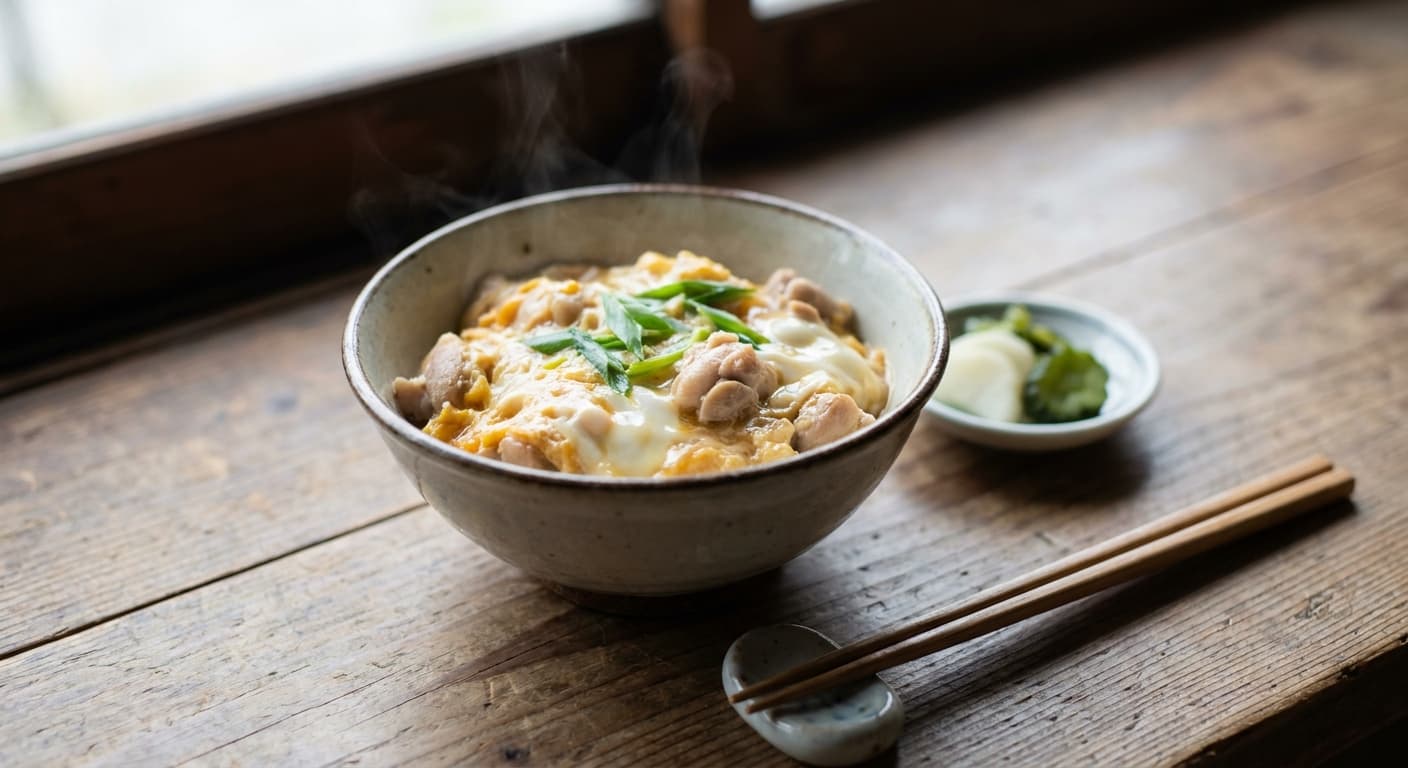
Japanese Oyakodon (親子丼) — Chicken and Egg Rice Bowl
Japanese · Rice Dishes · 29 min
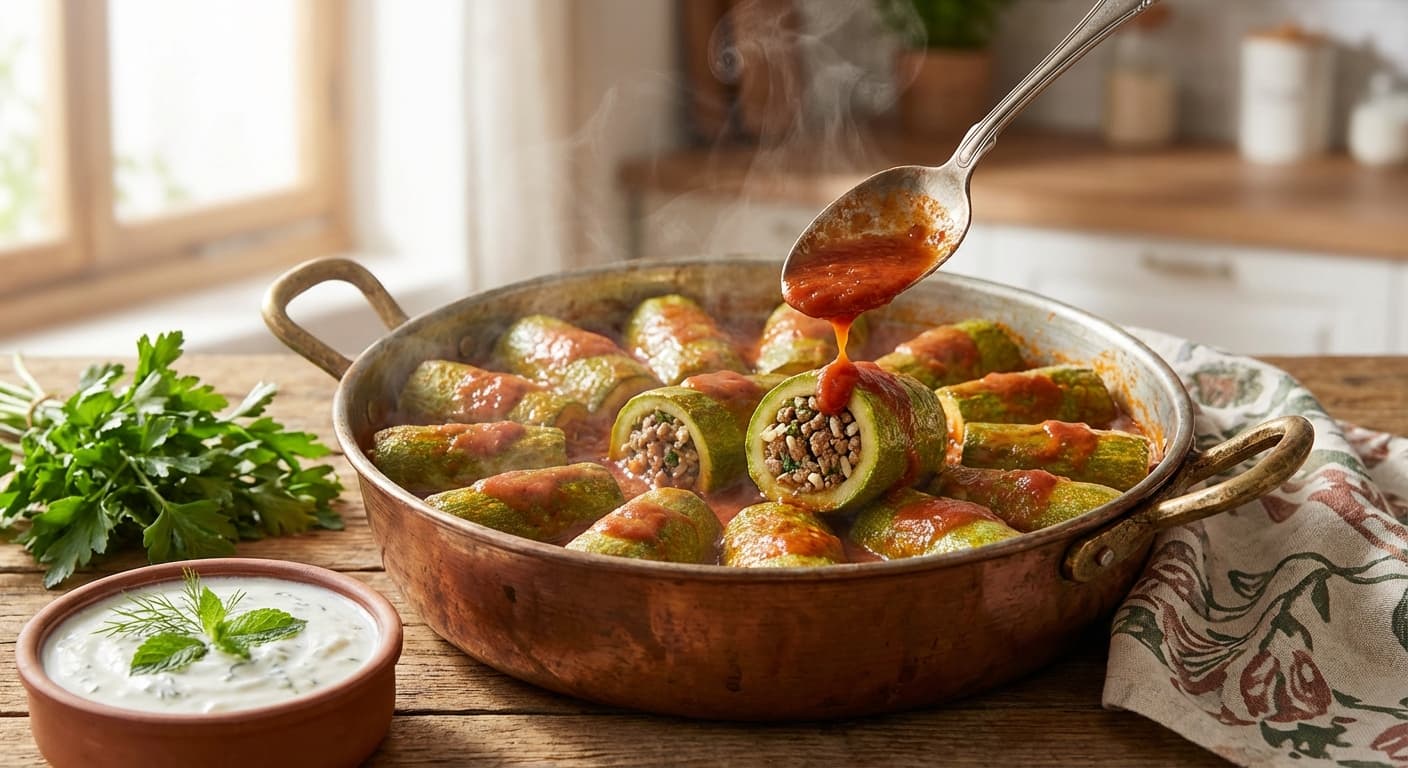
Stuffed Zucchini (Kabak Dolması) — Hollowed zucchini filled with spiced minced meat and rice
Turkish · Main Courses · 90 min
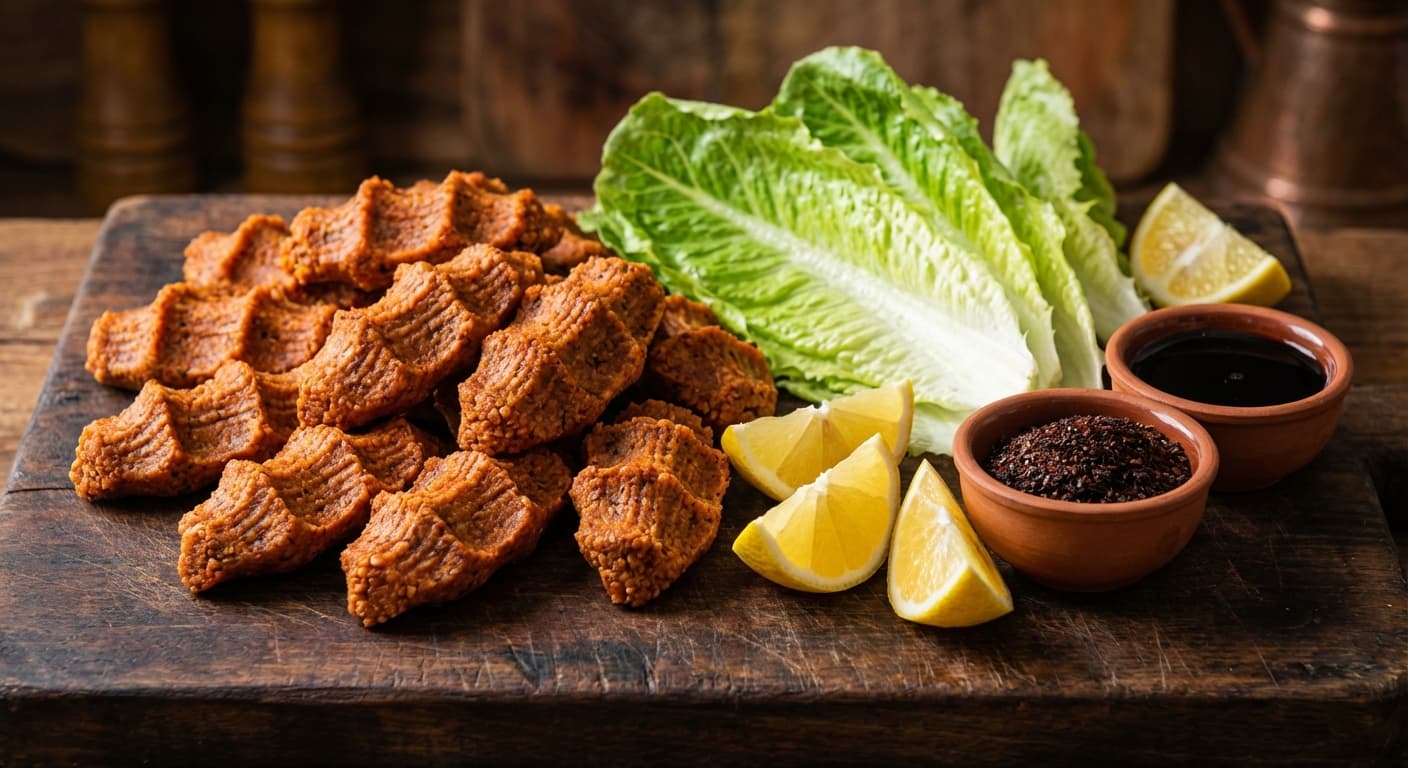
Cig Kofte (Çiğ Köfte) — Isot-kissed bulgur kneaded and served in lettuce
Turkish · Appetizers · 25 min
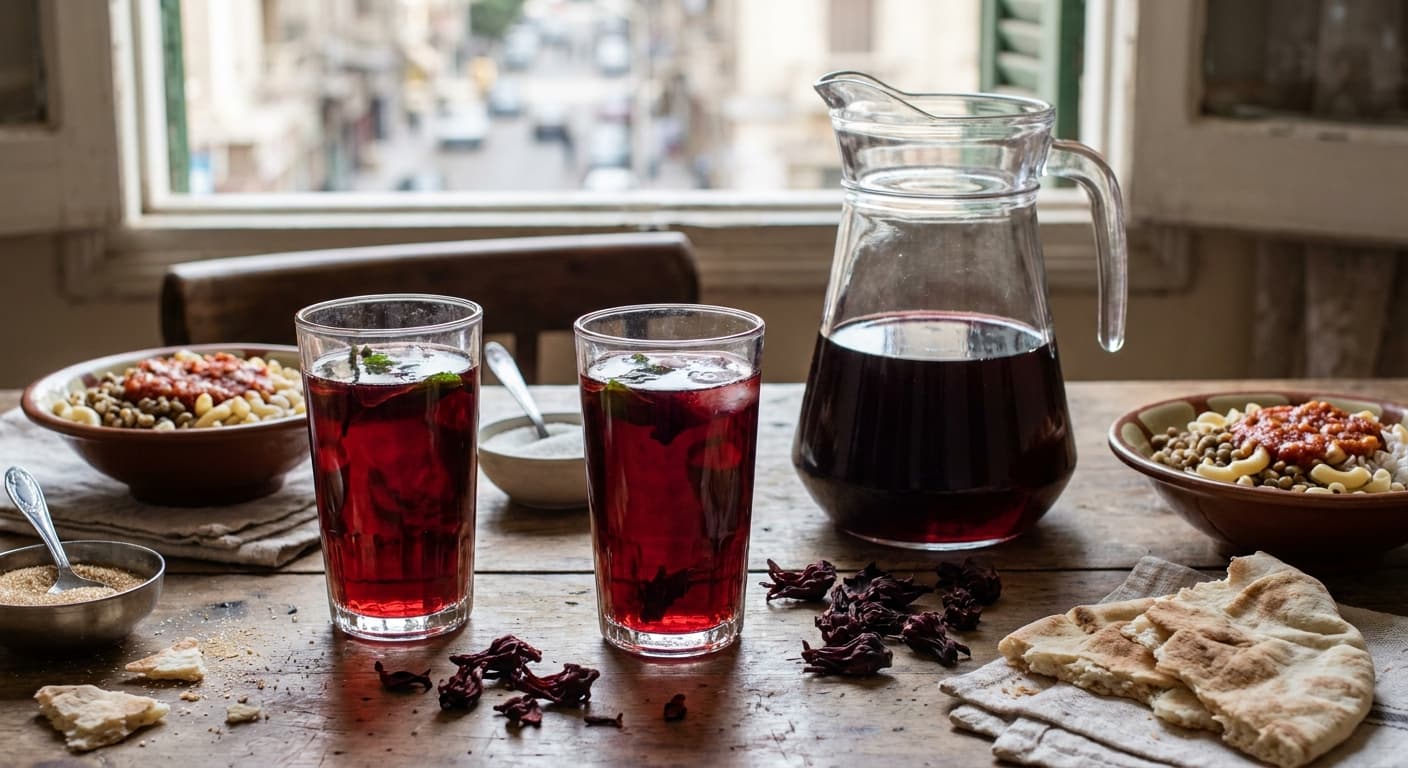
Egyptian Karkadeh (كركديه) — Chilled Hibiscus Tea
Egyptian · Drinks · 18 min
Reviews
Cooked this recipe?
Tap the stars to rate it — that's all it takes. A few words are welcome but optional.
No ratings yet. Cooked this one? Be the first to rate it — it takes one tap.