Cantonese Chicken Congee (粵式雞粥) — Silky Rice Porridge with Ginger
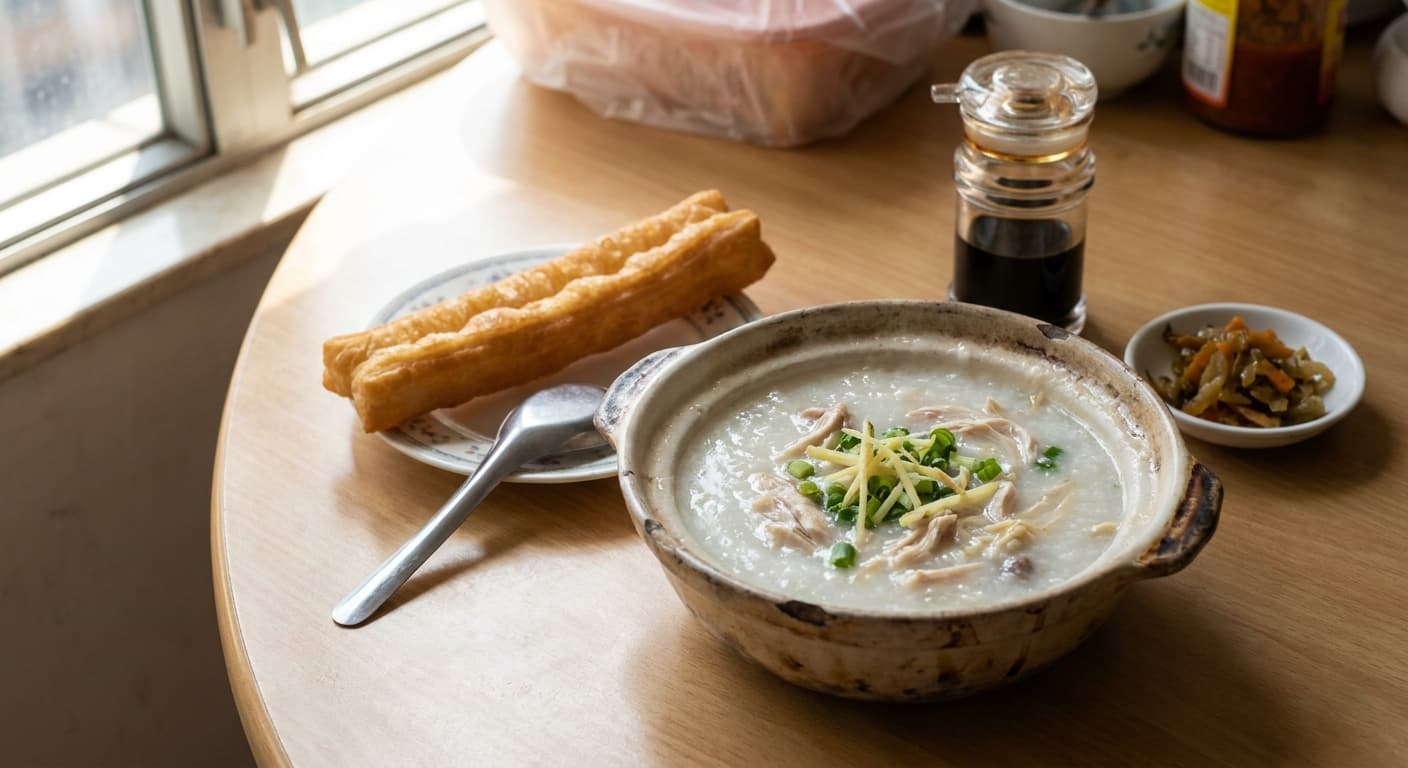
A classic Cantonese comfort dish, chicken congee turns rice, ginger, and bone-in chicken into a silky, soothing porridge. It is served for breakfast, late-night meals, and family tables across Hong Kong and Guangdong.
Printable Recipe Card
Servings: 4 · Total: 95 min · Difficulty: medium
Ingredients (quick list)
- 200 g jasmine rice
- 2 tsp neutral oil (peanut, canola, or grapeseed oil)
- 0.5 tsp fine sea salt
- 4 bone-in skin-on chicken thighs (about 900 g total)
- 1 tbsp Shaoxing wine
- 1 inch fresh ginger (finely julienned)
- 2600 ml water
- 2 scallion whites (lightly smashed)
- 2 tsp light soy sauce
- 0.5 tsp ground white pepper
- 2 tsp toasted sesame oil
- 2 scallions (thinly sliced)
+ 1 more in the full ingredients section below.
Steps (summary)
- Rinse the jasmine rice in several changes of cool water until the water runs mostly clear, then drain it very well. Toss the dr…
- Rub the chicken thighs with the Shaoxing wine, 0.5 tsp fine sea salt, and the julienned ginger. Let the chicken rest while the…
- Bring 2600 ml water to a rolling boil in a heavy pot, then stir in the seasoned rice so it does not stick to the bottom. Add th…
- Reduce the heat to medium-low and simmer the congee uncovered for 25 minutes, stirring every 5 minutes with a wooden spoon. Rem…
- When the chicken is cool enough to handle, discard the skin and bones, then shred the meat into bite-size strands. Continue coo…
- Return the shredded chicken to the pot and stir in 1 tsp fine sea salt, the light soy sauce, ground white pepper, and toasted s…
+ 1 more steps in the full instructions section below.
Cultural Background
In Cantonese cooking, congee is both everyday nourishment and restorative food. Chicken congee is especially valued for its gentle texture, economical use of bones, and ability to comfort children, elders, and anyone feeling unwell.
Equipment
💡 Tips
- Starting the rice with oil and salt is a Cantonese home-cook technique that helps the grains bloom into a smoother porridge.
- Stir more often during the final 20 minutes, because thick congee can catch on the bottom even in a heavy pot.
- For an extra-silky texture, whisk the congee briskly for 30 seconds after removing the chicken bones and before returning the shredded meat.
⚠️ Common Mistakes
❌ Cooking the rice at a hard boil for the entire time
✅ Fix: Boil only at the beginning, then reduce to a steady simmer so the congee thickens without scorching or evaporating too quickly.
❌ Leaving the chicken in the pot until the congee is finished
✅ Fix: Remove it once cooked, shred it, and return it near the end so the meat stays tender instead of dry and stringy.
❌ Adding all the salt at the beginning
✅ Fix: Season in stages because long simmering concentrates salt and soy sauce as the water evaporates.
🧊 How to Store
Cool leftovers within 1 hour and refrigerate in an airtight container for up to 3 days. Reheat gently in a saucepan with 60 to 120 ml water per serving, stirring until smooth and piping hot.
📅 Make Ahead
The rice can be rinsed, drained, and mixed with oil and salt up to 8 hours ahead, then refrigerated. Cooked congee also reheats well when loosened with hot water.
🍽️ Pairs Well With
- Chinese fried dough sticks
- soft-boiled eggs
- chili oil
- pickled mustard greens
- steamed greens.
Regional Variations
- Hong Kong shops often serve chicken congee with fried dough sticks cut into short lengths for dipping.
- Guangdong home versions may add a small amount of dried scallop to the pot for deeper seafood savoriness.
- Some Cantonese cooks use leftover roast or poached chicken, adding it only at the end to make a faster breakfast congee.
Ingredients
- 200 gjasmine rice
- 2 tspneutral oil (peanut, canola, or grapeseed oil)
- 0.5 tspfine sea salt
- 4bone-in skin-on chicken thighs (about 900 g total)
- 1 tbspShaoxing wine
- 1 inchfresh ginger (finely julienned)
- 2600 mlwater
- 2scallion whites (lightly smashed)
- 2 tsplight soy sauce
- 0.5 tspground white pepper
- 2 tsptoasted sesame oil
- 2scallions (thinly sliced)
- 6 sprigcilantro (leaves picked)
🔄 Substitutions
- Shaoxing wine→ dry sherry
- Shaoxing wine→ water
- bone-in skin-on chicken thighs→ chicken drumsticks
- light soy sauce→ gluten-free tamari
Instructions
- 1
Rinse the jasmine rice in several changes of cool water until the water runs mostly clear, then drain it very well. Toss the drained rice with 2 tsp neutral oil and 0.5 tsp fine sea salt, and let it stand for 15 minutes so the grains soften and break down more readily during cooking.
- 2
Rub the chicken thighs with the Shaoxing wine, 0.5 tsp fine sea salt, and the julienned ginger. Let the chicken rest while the rice stands, turning it once so the seasoning reaches both the skin side and the flesh side.
- 3
Bring 2600 ml water to a rolling boil in a heavy pot, then stir in the seasoned rice so it does not stick to the bottom. Add the chicken thighs, sliced ginger, and smashed scallion whites, then return the pot to a boil and skim off any foam that rises.
- 4
Reduce the heat to medium-low and simmer the congee uncovered for 25 minutes, stirring every 5 minutes with a wooden spoon. Remove the chicken thighs to a plate when they are fully cooked, and keep simmering the rice mixture so the grains continue to burst and thicken the porridge.
- 5
When the chicken is cool enough to handle, discard the skin and bones, then shred the meat into bite-size strands. Continue cooking the congee for another 35 to 45 minutes, stirring frequently near the end, until it is creamy, flowing, and silky rather than separate grains in broth.
- 6
Return the shredded chicken to the pot and stir in 1 tsp fine sea salt, the light soy sauce, ground white pepper, and toasted sesame oil. Simmer for 5 minutes more so the chicken warms through and the seasoning becomes rounded.
- 7
Check the texture before serving, adding 120 ml hot water if the congee has become thicker than a pourable porridge. Ladle it into warm bowls and finish with sliced scallions and cilantro leaves so the fresh herbs contrast with the soft rice and gingered chicken.
🪪 Recipe Passport
Cultural Background
In Cantonese cooking, congee is both everyday nourishment and restorative food. Chicken congee is especially valued for its gentle texture, economical use of bones, and ability to comfort children, elders, and anyone feeling unwell.
Regional Variations
Researched from multiple sources and validated by the Zaffaron editorial team. Every recipe is tested for accuracy, measurements, and cultural authenticity.
📚 Sources & Cultural References
- Eileen Yin-Fei Lo — The Chinese Kitchen — (1999)
- Grace Young — The Wisdom of the Chinese Kitchen — (1999)
Sources cited by the Zaffaron editorial team during recipe research. Cultural and culinary references supporting authenticity claims.
Nutrition per serving
Pairs well with
If you enjoyed this recipe, here are a few related Zaffaron recipes to try next.
Does your family make this differently?
Every family has their own version. Maybe your grandmother adds a secret ingredient, or your aunt has a completely different technique. Preserve your family's version — with their name on it, forever.
You Might Also Like
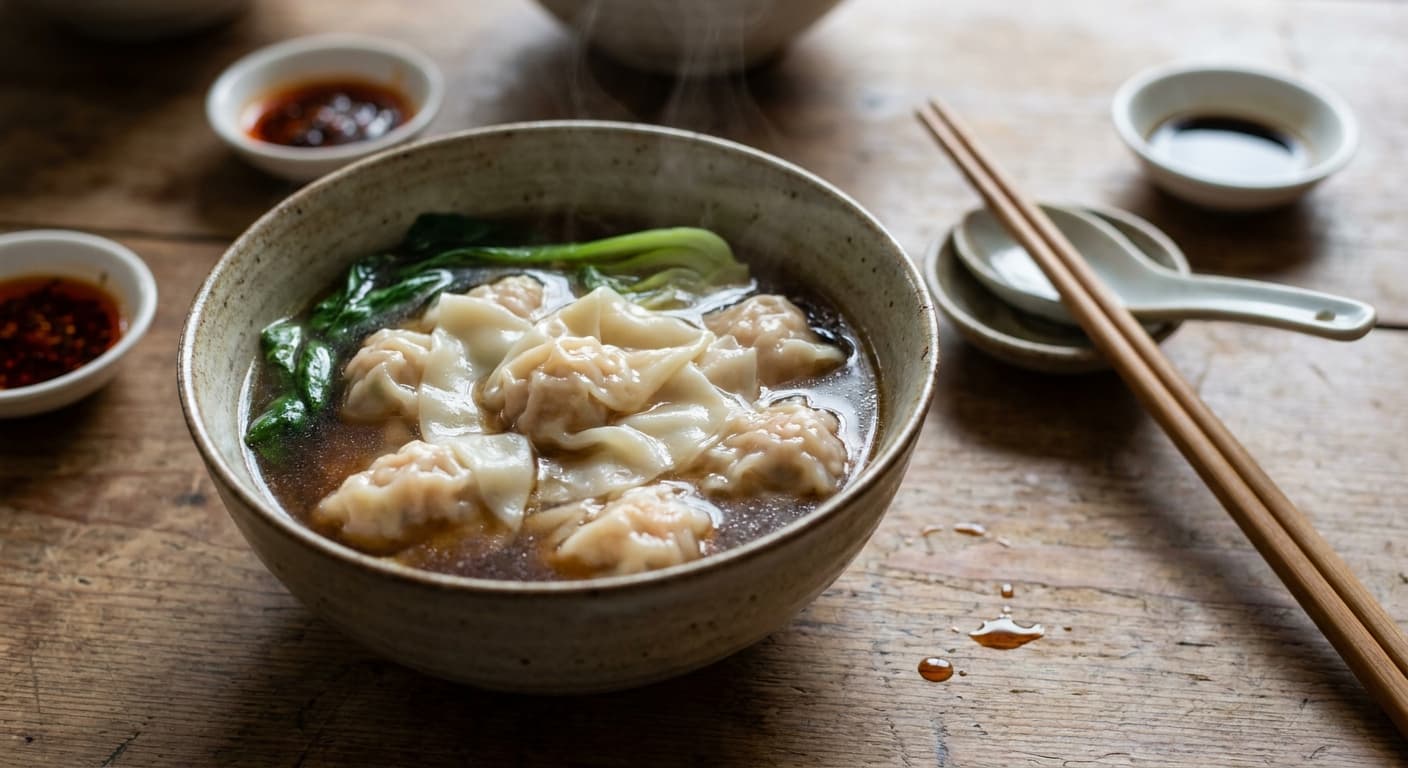
Wonton Soup (雲吞湯) — Cantonese Pork and Shrimp Dumpling Broth
Chinese · Soups · 70 min
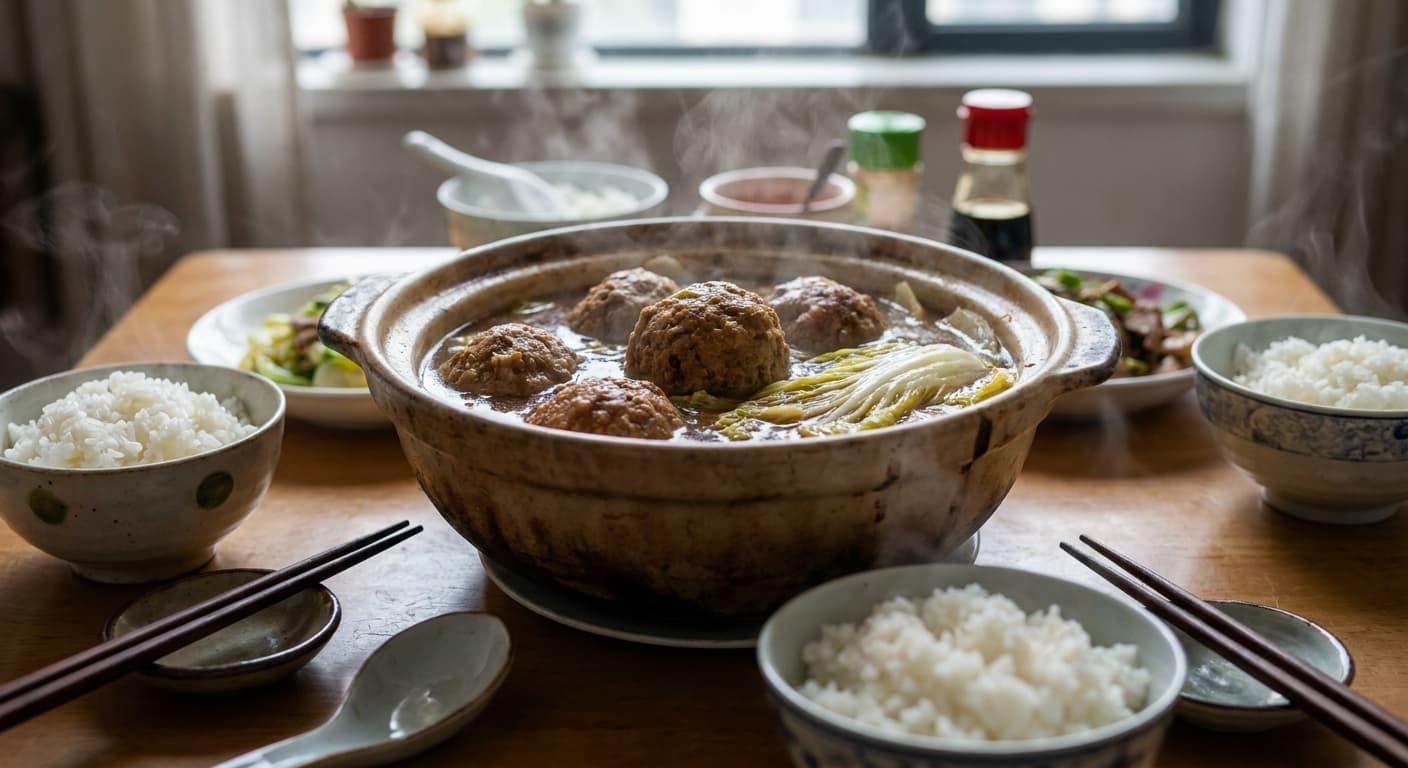
Lion's Head Meatballs (狮子头) — Braised Huaiyang Pork Meatballs
Chinese · Main Courses · 110 min
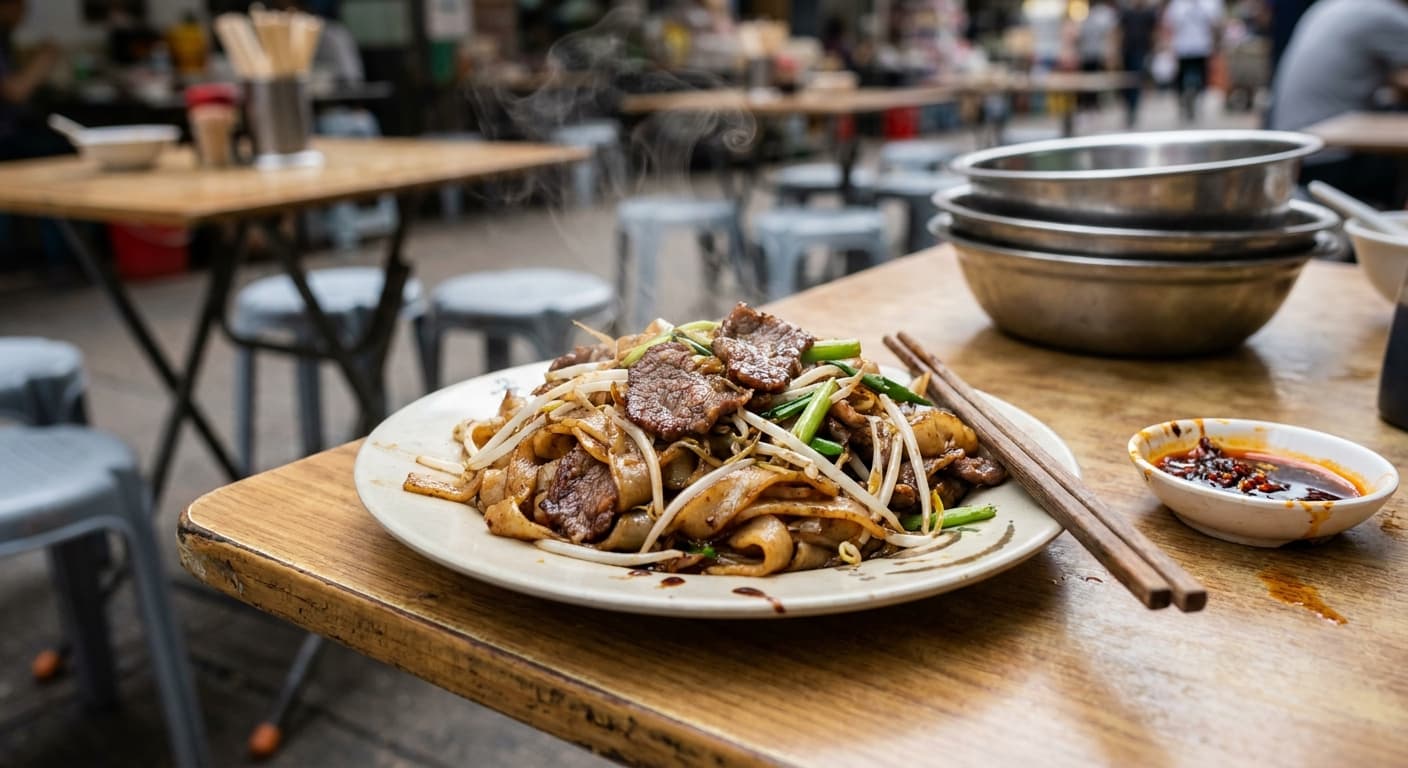
Beef Chow Fun (干炒牛河) — Cantonese Wok-Fried Rice Noodles with Beef
Chinese · Main Courses · 33 min
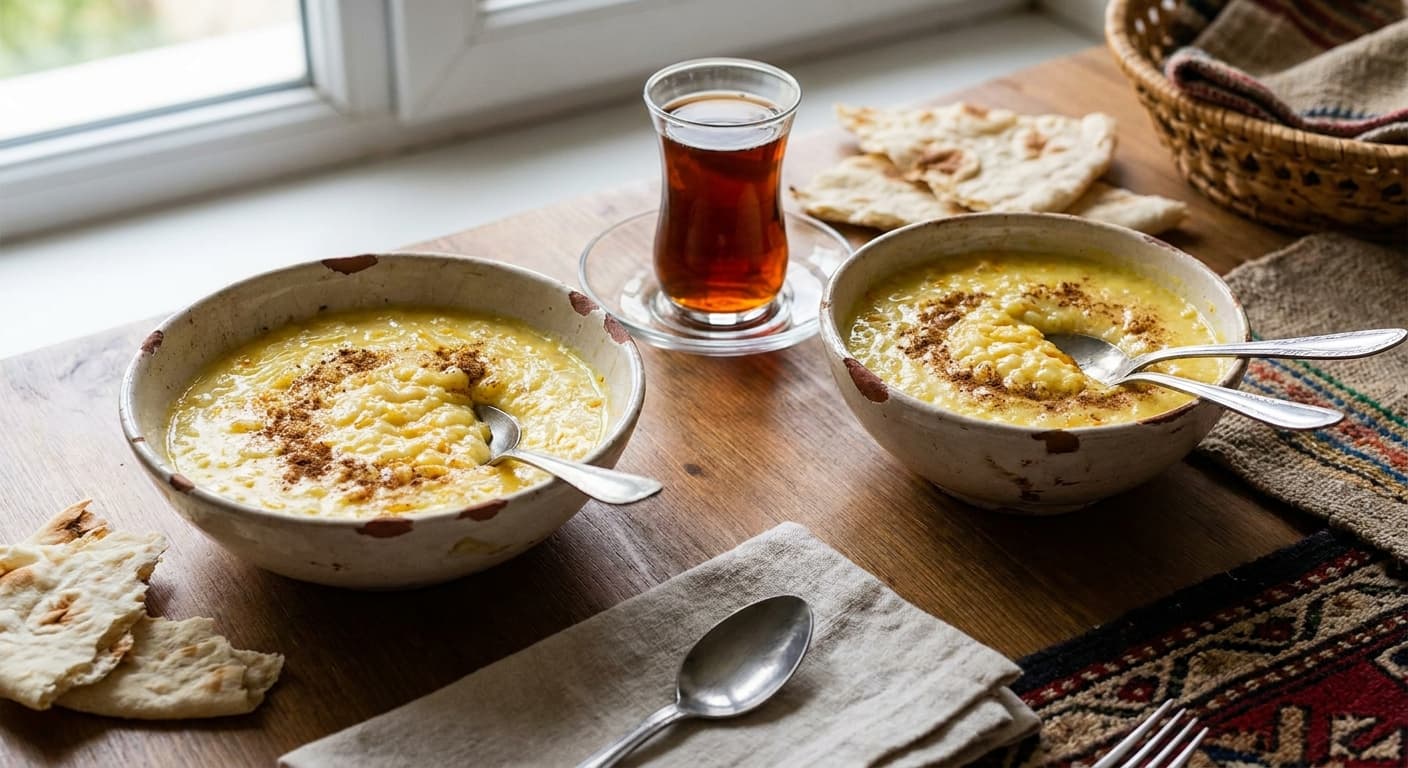
Azerbaijani Milk-Rice Porridge (Südlü Sıyıq) — Creamy Breakfast Rice with Saffron
Azerbaijani · Rice Dishes · 50 min
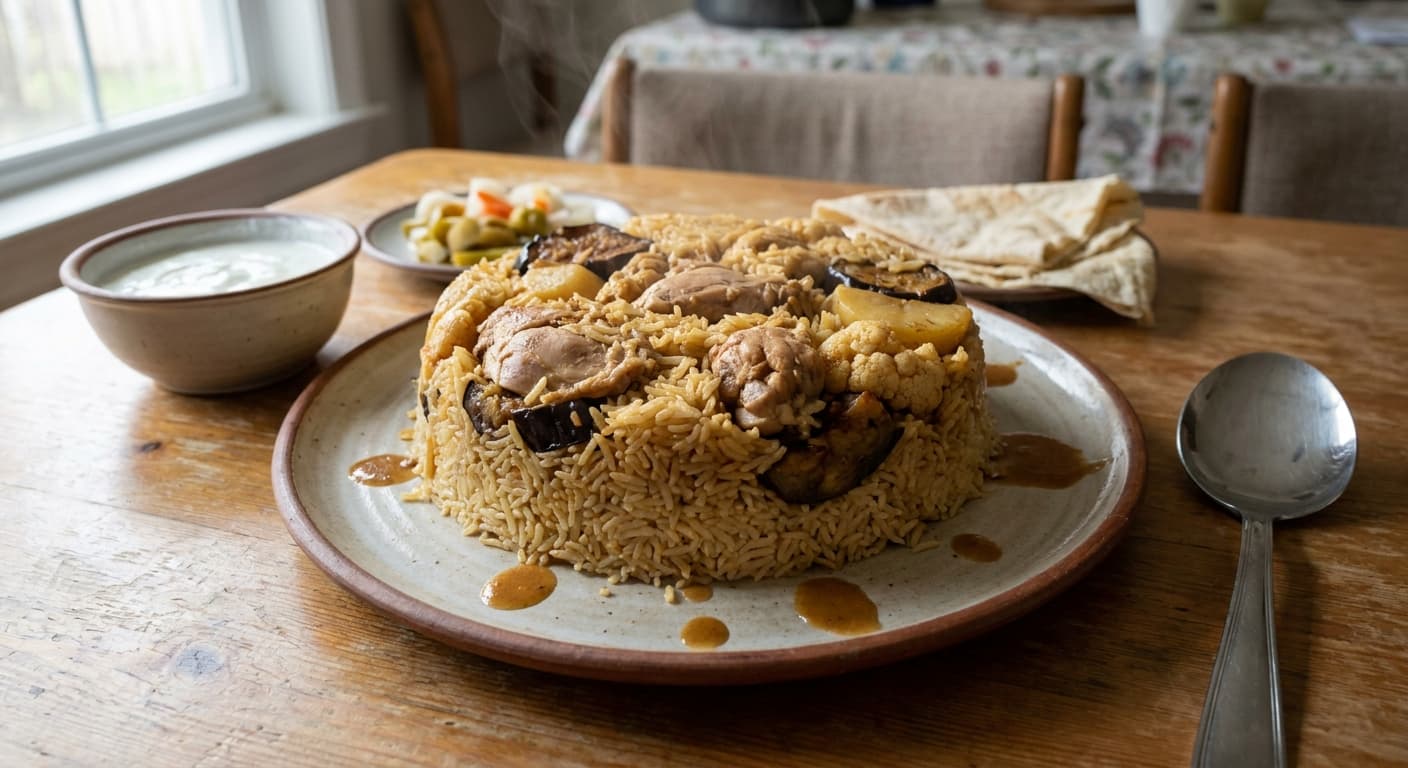
Maqluba (مقلوبة) — Jordanian Upside-Down Rice with Chicken
Jordanian · Rice Dishes · 110 min
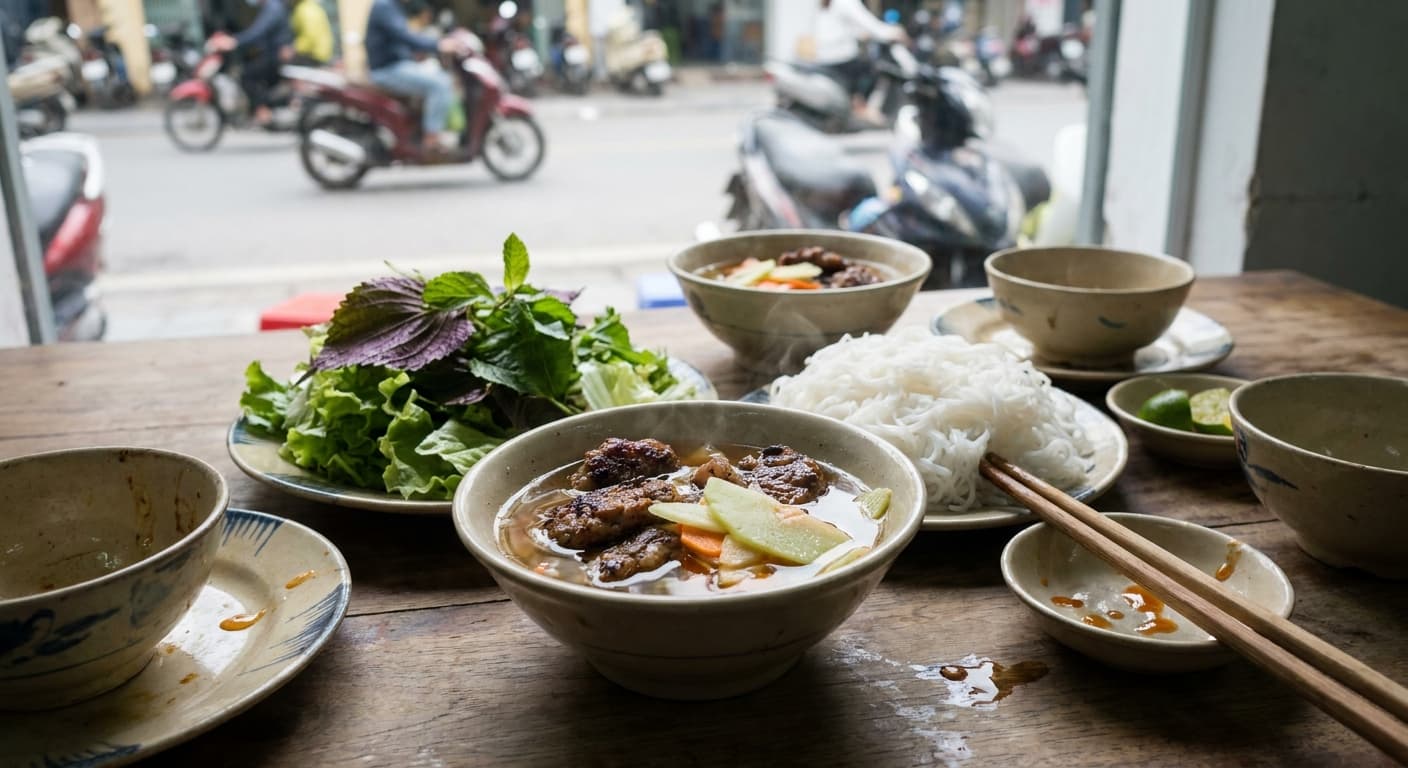
Vietnamese Grilled Pork with Rice Noodles (Bún Chả) — Hanoi-Style Charcoal Pork and Vermicelli
Vietnamese · Main Courses · 65 min

Kitsune Udon (きつねうどん) — Udon Noodles with Sweet Fried Tofu
Japanese · Main Courses · 40 min
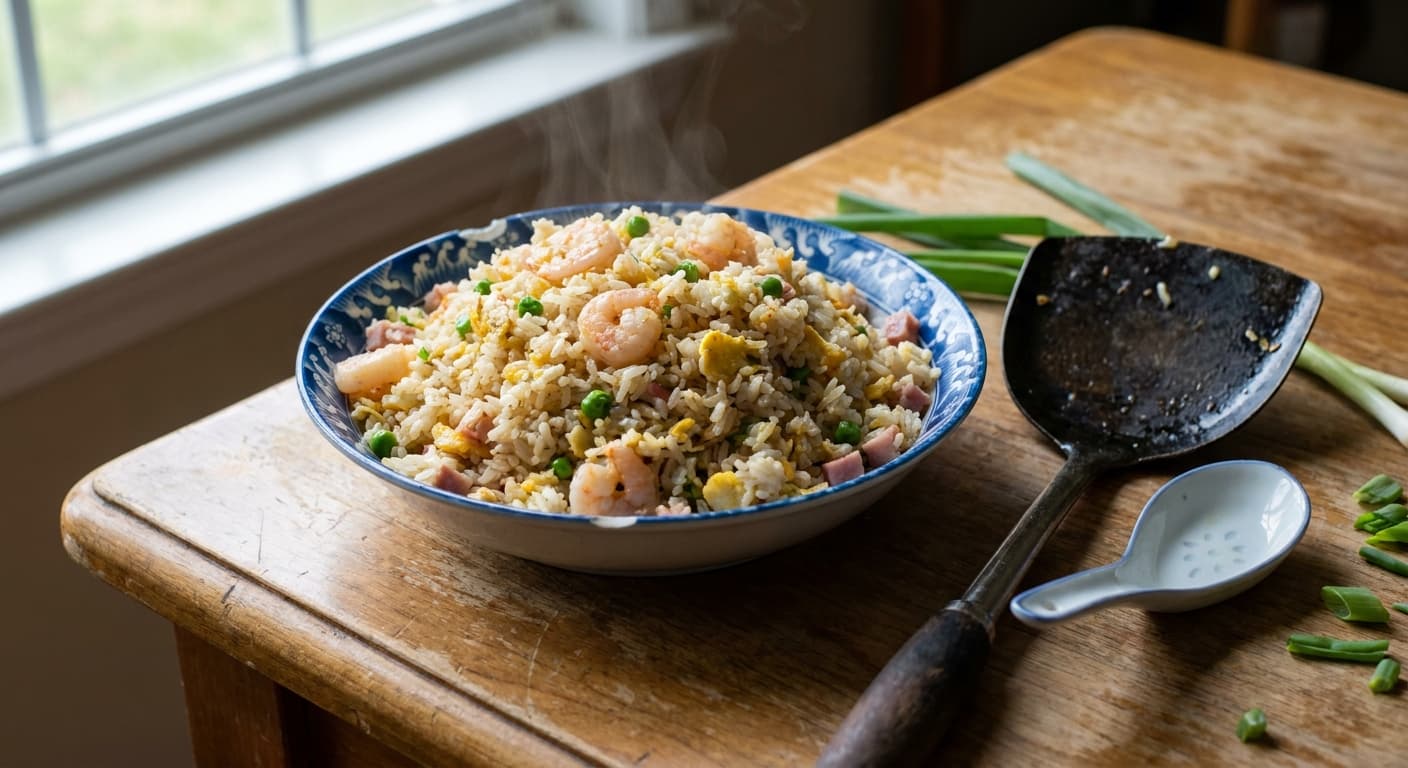
Yangzhou Fried Rice (扬州炒饭) — Classic Shrimp, Char Siu, and Egg Fried Rice
Chinese · Rice Dishes · 30 min
Reviews
Cooked this recipe?
Tap the stars to rate it — that's all it takes. A few words are welcome but optional.
No ratings yet. Cooked this one? Be the first to rate it — it takes one tap.