Saffron Rice Pudding (شله زرد)
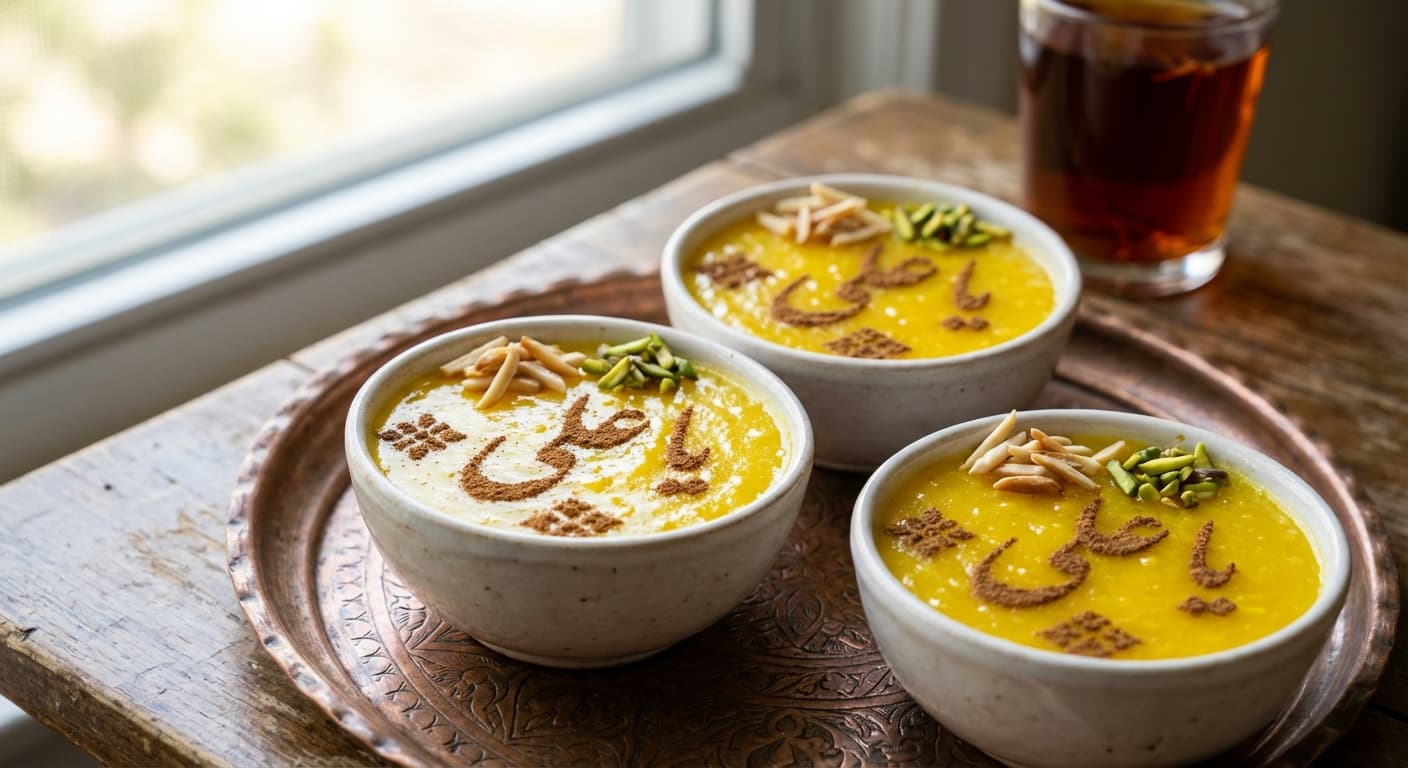
A ceremonial Persian saffron rice pudding simmered in water (not milk) until silky and bright yellow, then sweetened and perfumed with rosewater. Finished with cinnamon and almonds, it’s a beloved nazri dessert for vows and gatherings.
Printable Recipe Card
Servings: 10 · Total: 270 min · Difficulty: medium
Ingredients (quick list)
- 300 g Basmati rice (uncooked)
- 2400 g Water (plus extra hot water as needed to maintain a loose simmer)
- 650 g Granulated sugar
- 0.5 g Saffron threads (ground and bloomed)
- 60 g Hot water (for blooming saffron)
- 60 ml Rose water
- 60 g Unsalted butter
- 1 tsp Ground cardamom (optional but traditional in many homes)
- 1 g Fine sea salt (about 1/6 tsp; balances sweetness)
- 2 tbsp Ground cinnamon (for garnish)
- 60 g Slivered almonds (lightly toasted, for garnish)
- 30 g Pistachios (finely chopped, optional garnish)
Steps (summary)
- Rinse the basmati rice in cool water 4–5 times until the water runs mostly clear. Cover with plenty of fresh water and soak for…
- Add drained rice and 2400 g water to a heavy-bottom pot (at least 6 liters). Bring to a boil over medium-high heat, stirring ev…
- Using the back of a wooden spoon, mash the rice against the side of the pot for 2–3 minutes to help it become creamy. Continue…
- Add the sugar gradually over 3–4 minutes while stirring constantly to dissolve and prevent clumping. Keep the heat at low and s…
- Stir in the bloomed saffron (all liquid and sediment), salt, and optional cardamom. Simmer on very low heat for 10–15 minutes,…
- Turn off the heat. Stir in butter until fully melted, then add rose water and mix for 60 seconds. Let the sholeh zard rest, cov…
+ 1 more steps in the full instructions section below.
Cultural Background
Sholeh zard is a sacred, ceremonial dessert commonly prepared as nazri—food offered to fulfill a vow or in remembrance during religious gatherings. Its bright saffron color, rosewater perfume, and cinnamon decorations make it both a devotional offering and a symbol of generosity shared with neighbors and community.
Equipment
💡 Tips
- For the brightest yellow, bloom saffron in hot (not boiling) water and add it after sugar has dissolved, then simmer briefly on low.
- Stir with a flat-edged wooden spoon and scrape the bottom every few minutes; sholeh zard scorches easily once sugar is added.
- If it sets too firm after chilling, loosen each bowl with 1–2 tbsp hot water stirred gently, or warm briefly and re-chill.
⚠️ Common Mistakes
❌ Adding sugar too early
💡 Why: Sugar firms the rice and slows breakdown, leaving a grainy pudding that never becomes silky.
✅ Fix: Simmer rice in water until very soft and starting to split before adding sugar, then cook until glossy.
❌ Boiling hard after sugar is added
💡 Why: A rapid boil increases sticking and scorching, and can make the texture uneven.
✅ Fix: After sugar, keep heat low and stir every 2–3 minutes, scraping the bottom and corners.
❌ Adding rose water early and cooking it долго
💡 Why: Long cooking drives off the delicate floral aroma and can leave a flat, overly sweet taste.
✅ Fix: Stir rose water in after turning off the heat (or in the last 1–2 minutes), then rest covered.
🧊 How to Store
Refrigerate covered for up to 4 days. Keep garnishes separate if possible; cinnamon can bleed and nuts soften. Do not freeze (texture becomes grainy). For serving later, garnish right before presenting.
📅 Make Ahead
Make up to 2 days ahead: cook fully, portion into bowls, and chill. Keep covered once set. Garnish with cinnamon and nuts right before serving so designs stay sharp and nuts remain crisp.
🍽️ Pairs Well With
- Serve chilled or at room temperature
- often in small bowls for nazri distribution. Pair with Persian tea (chai)
- dates
- or fresh fruit. For ceremonies
- decorate with cinnamon calligraphy (e.g.
- the name "Hossein") and sliced almonds or pistachios.
Regional Variations
- Tehran (central Iran)Often made very bright yellow with generous saffron and finished with rose water and butter; cinnamon is commonly used for decorative patterns and writing on top for nazri distribution.
- Shiraz (Fars)Some families add a touch more cardamom and use a lighter hand with cinnamon, emphasizing floral aromatics; pistachio garnish is more common alongside almonds for a greener, festive look.
Ingredients
- 300 gBasmati rice (uncooked)
- 2400 gWater (plus extra hot water as needed to maintain a loose simmer)
- 650 gGranulated sugar
- 0.5 gSaffron threads (ground and bloomed)
- 60 gHot water (for blooming saffron)
- 60 mlRose water
- 60 gUnsalted butter
- 1 tspGround cardamom (optional but traditional in many homes)
- 1 gFine sea salt (about 1/6 tsp; balances sweetness)
- 2 tbspGround cinnamon (for garnish)
- 60 gSlivered almonds (lightly toasted, for garnish)
- 30 gPistachios (finely chopped, optional garnish)
🔄 Substitutions
- Basmati rice→ Persian rice (chelo rice) or jasmine rice
- Unsalted butter→ Ghee
- Rose water→ Orange blossom water
Instructions
- 1
Rinse the basmati rice in cool water 4–5 times until the water runs mostly clear. Cover with plenty of fresh water and soak for 120 minutes at room temperature. Drain well. Meanwhile, grind saffron threads to a fine powder and bloom with 60 g hot water (about 80–90°C) for 20 minutes to intensify color and aroma.
- 2
Add drained rice and 2400 g water to a heavy-bottom pot (at least 6 liters). Bring to a boil over medium-high heat, stirring every 1–2 minutes to prevent sticking. Skim any foam. Reduce to a gentle simmer (small bubbles) and cook uncovered for 60–75 minutes, stirring every 5 minutes, until grains are very soft and beginning to break down.
- 3
Using the back of a wooden spoon, mash the rice against the side of the pot for 2–3 minutes to help it become creamy. Continue simmering 15 minutes, stirring frequently. If the mixture thickens too quickly or looks dry, add 100–200 g hot water to keep it loose; it should flow slowly like thick porridge at this stage.
- 4
Add the sugar gradually over 3–4 minutes while stirring constantly to dissolve and prevent clumping. Keep the heat at low and simmer 25–35 minutes, stirring every 2–3 minutes, until the mixture thickens and turns glossy. Sugar slows softening, so do not add it earlier than this stage.
- 5
Stir in the bloomed saffron (all liquid and sediment), salt, and optional cardamom. Simmer on very low heat for 10–15 minutes, stirring continuously for the last 5 minutes to prevent scorching. The color should be bright yellow and uniform, and the pudding should mound slightly then relax back when stirred.
- 6
Turn off the heat. Stir in butter until fully melted, then add rose water and mix for 60 seconds. Let the sholeh zard rest, covered, for 20 minutes so the rice fully relaxes and the aroma settles. It will continue to thicken as it cools, so keep it slightly looser than your final serving texture.
- 7
Portion into 10 bowls (about 220–250 g each). Cool at room temperature for 30 minutes, then refrigerate uncovered for 30 minutes to set, and finally cover and chill at least 2 hours before serving. Garnish with cinnamon designs and toasted slivered almonds (and pistachios if using) just before serving for crisp contrast.
🪪 Recipe Passport
Cultural Background
Sholeh zard is a sacred, ceremonial dessert commonly prepared as nazri—food offered to fulfill a vow or in remembrance during religious gatherings. Its bright saffron color, rosewater perfume, and cinnamon decorations make it both a devotional offering and a symbol of generosity shared with neighbors and community.
Regional Variations
Researched from multiple sources and validated by the Zaffaron editorial team. Every recipe is tested for accuracy, measurements, and cultural authenticity.
📚 Sources & Cultural References
- https://persianmama.com/sholeh-zard-persian-saffron-rice-pudding/
- https://thecaspianchef.com/2021/04/13/sholeh-zard-saffron-rice-pudding/
Sources cited by the Zaffaron editorial team during recipe research. Cultural and culinary references supporting authenticity claims.
Nutrition per serving
Pairs well with
If you enjoyed this recipe, here are a few related Zaffaron recipes to try next.
Does your family make this differently?
Every family has their own version. Maybe your grandmother adds a secret ingredient, or your aunt has a completely different technique. Preserve your family's version — with their name on it, forever.
You Might Also Like
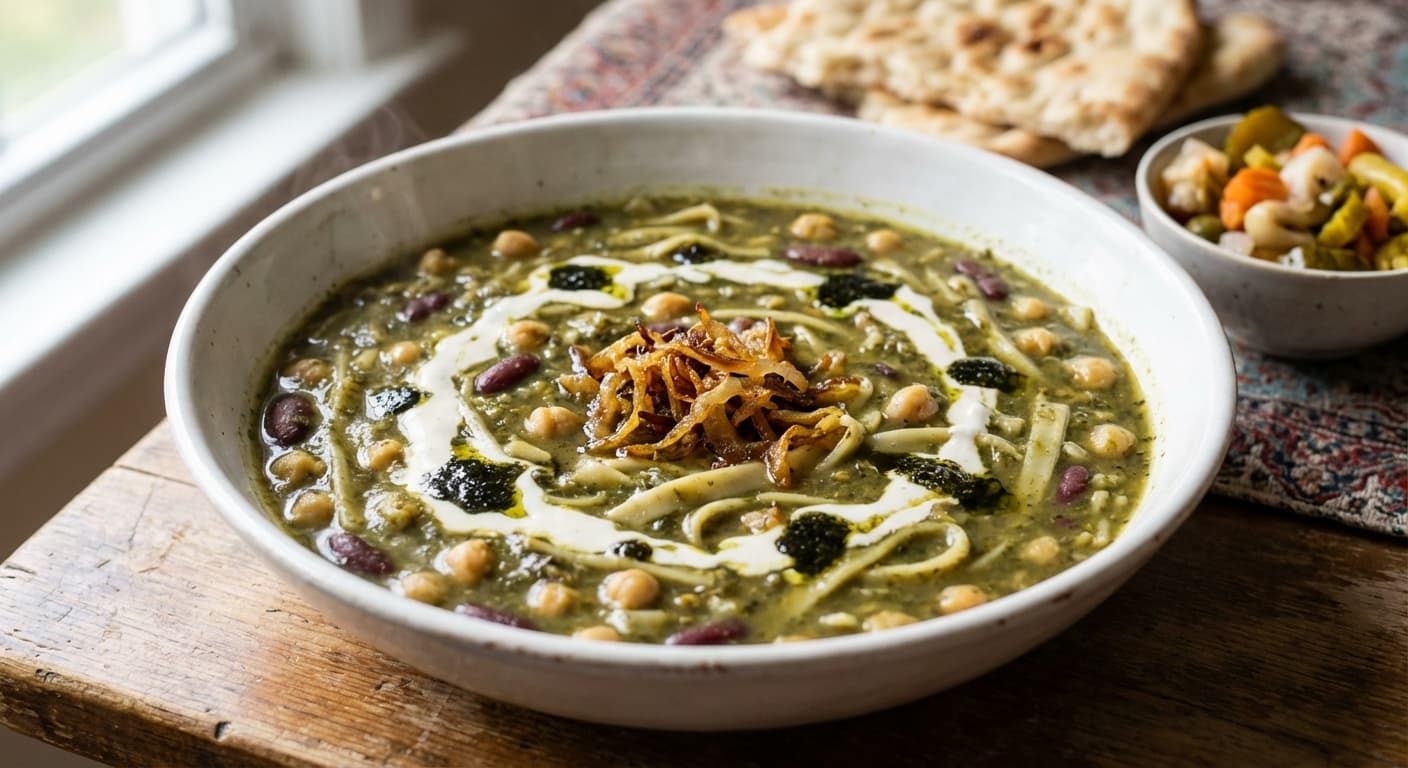
Ash Reshteh (آش رشته) — Persian Herb, Bean, and Noodle Soup
Persian · Soups · 145 min
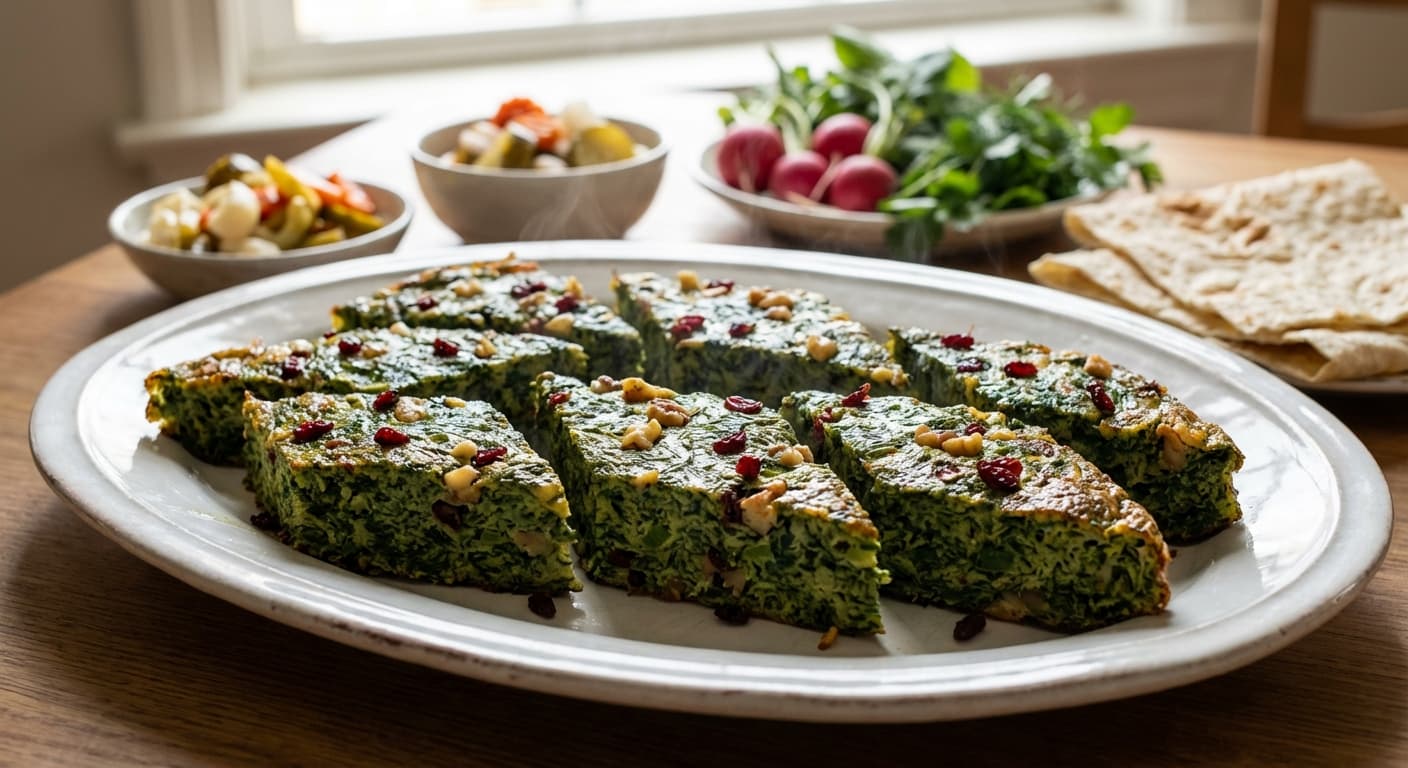
Kuku Sabzi (کوکو سبزی) — Emerald Persian Herb Frittata
Persian · Main Courses · 38 min
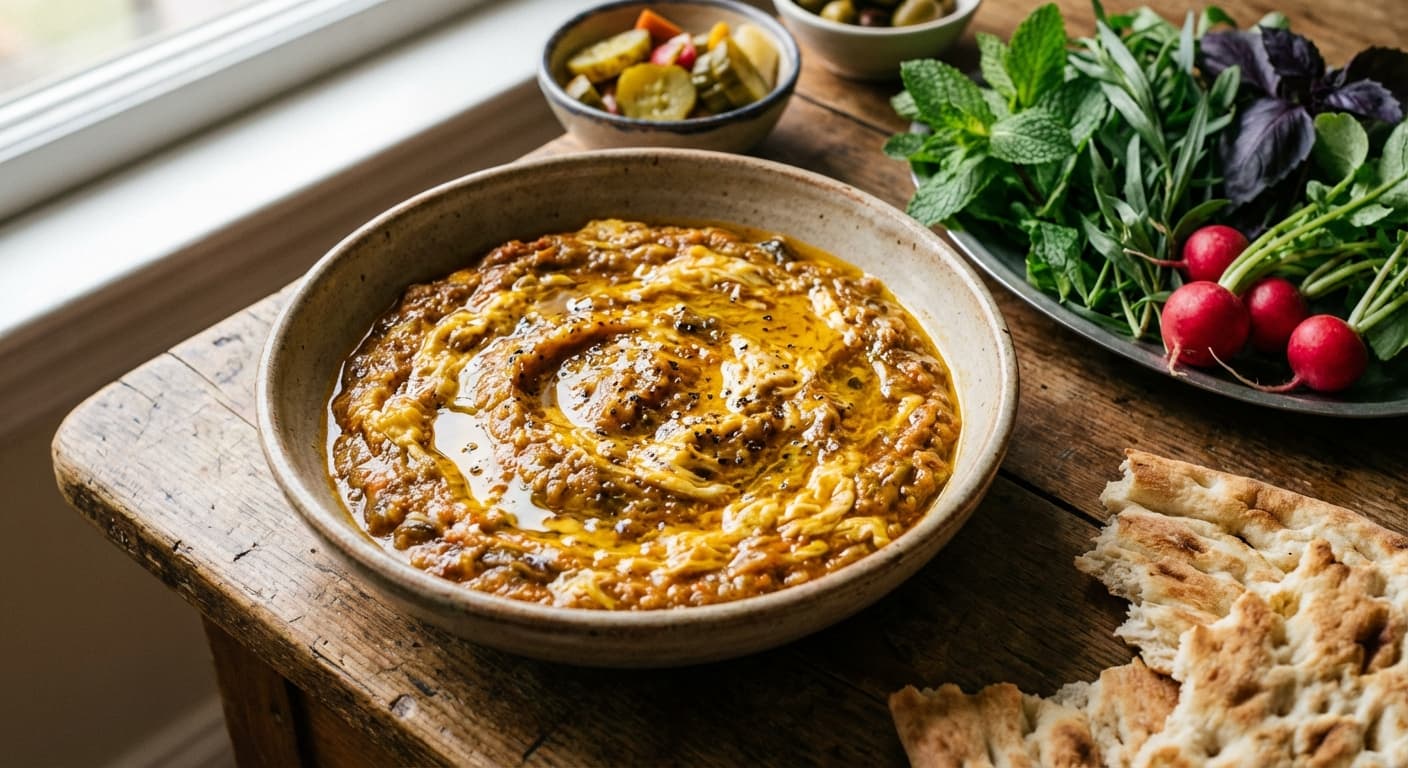
Smoked Silk Mirza Ghasemi (میرزا قاسمی) — Silky smoked eggplant with tomato, garlic, and eggs
Persian · Appetizers · 60 min

Romanian Cheese Doughnuts (Papanași) — Fried Curd-Cheese Rings with Sour Cream and Jam
Romanian · Desserts · 45 min
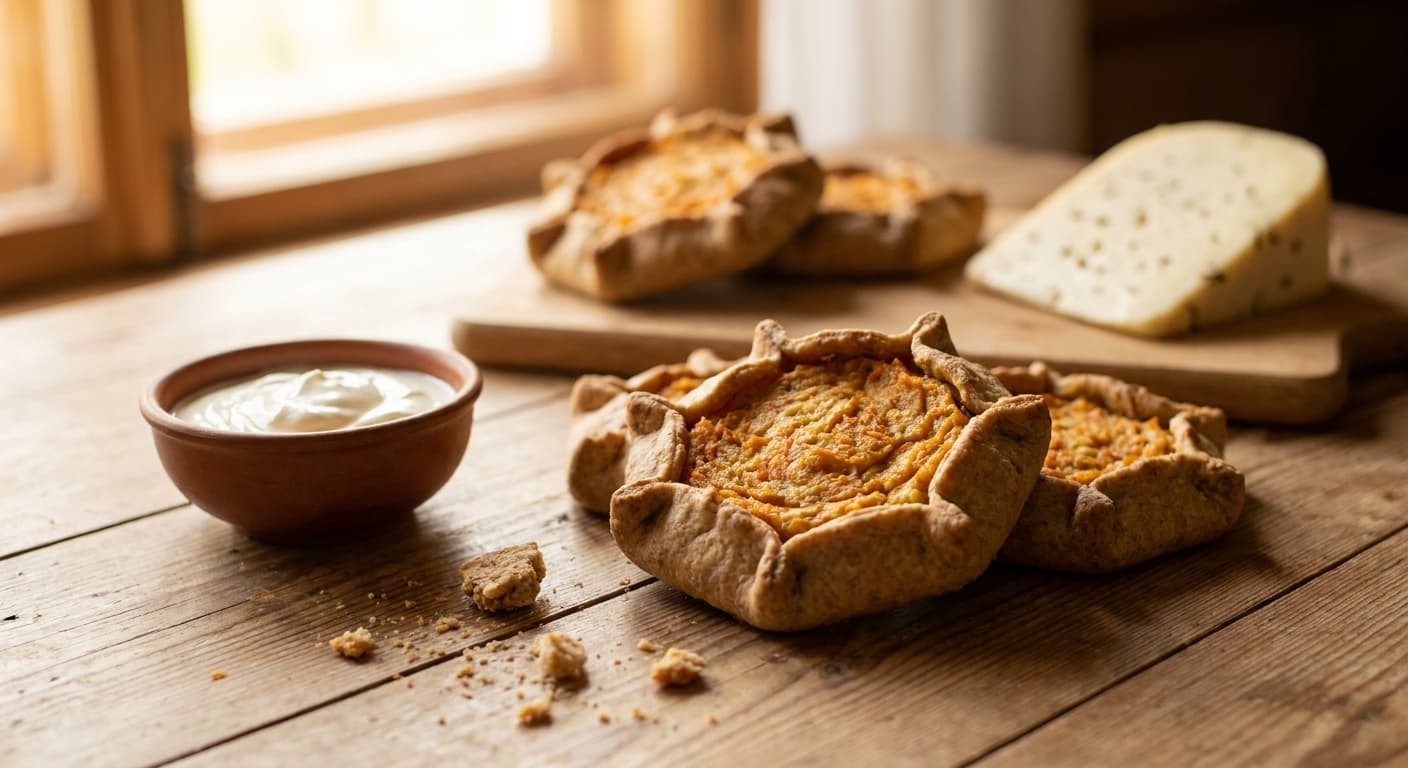
Sklandrausis (Sklandrausis) — Latvian Rye Carrot-Potato Tart
Latvian · Desserts · 100 min
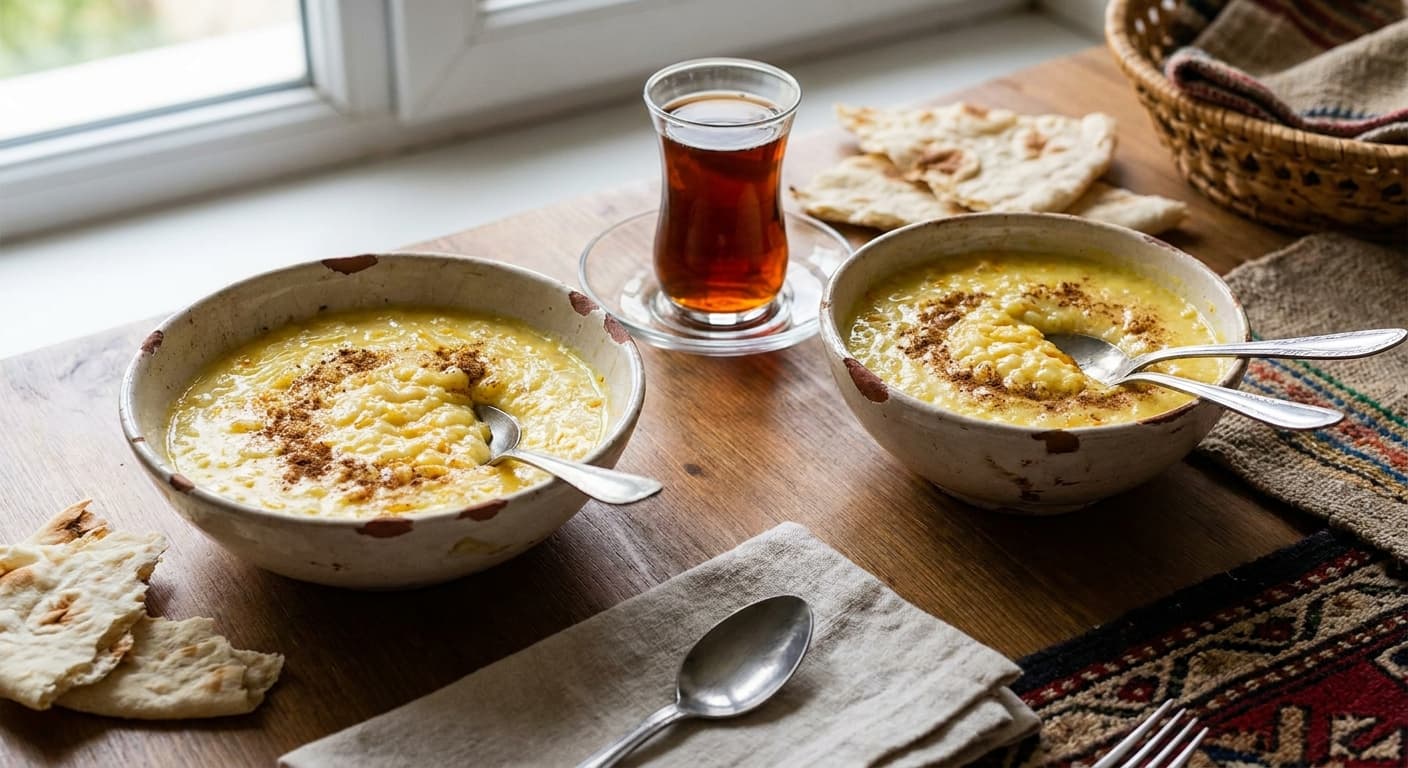
Azerbaijani Milk-Rice Porridge (Südlü Sıyıq) — Creamy Breakfast Rice with Saffron
Azerbaijani · Rice Dishes · 50 min
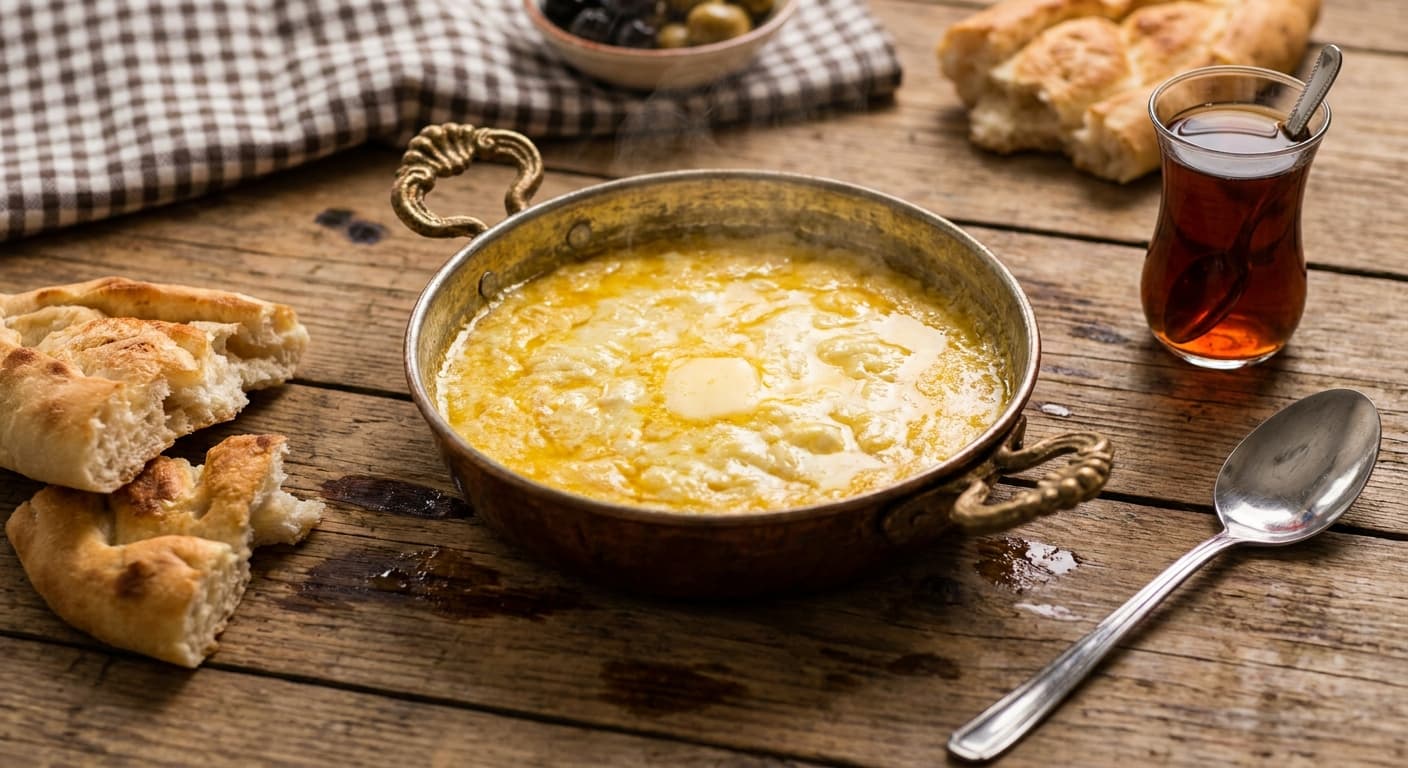
Mıhlama (Mıhlama) — Black Sea Cornmeal and Cheese Skillet
Turkish · Main Courses · 25 min
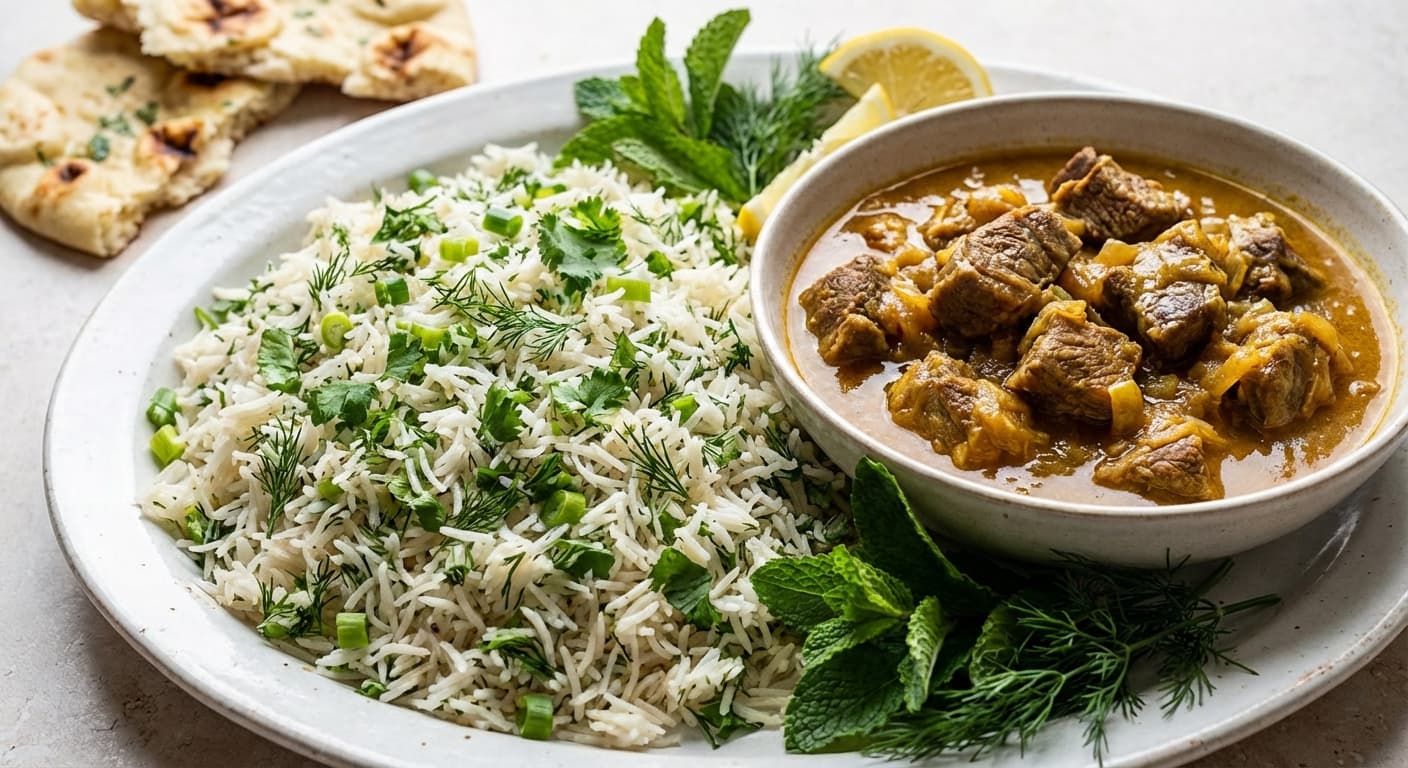
Sabzi Chalaw (سبزی چلو) — Afghan Herb Rice with Meat Stew
Afghan · Rice Dishes · 130 min
Reviews
Cooked this recipe?
Tap the stars to rate it — that's all it takes. A few words are welcome but optional.
No ratings yet. Cooked this one? Be the first to rate it — it takes one tap.