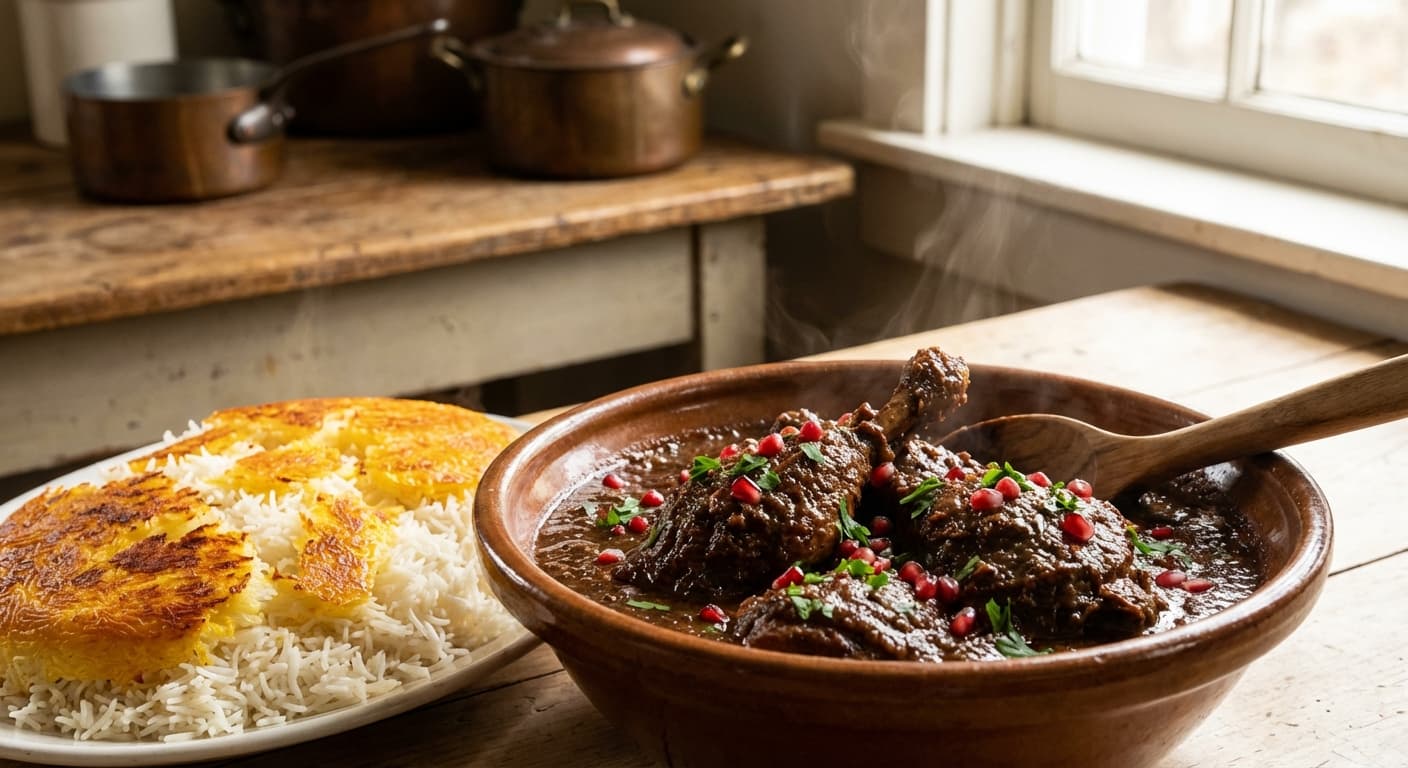
Fesenjan (فسنجان) — Slow-Braised Duck in Walnut Pomegranate Stew
A luxurious Persian stew of duck gently braised in a dark, velvety sauce of toasted walnuts and sour pomegranate molasses. Finished with herbs and served with saffron rice, it balances rich nuttiness with bright tartness.
Printable Recipe Card
Servings: 6 · Total: 220 min · Difficulty: hard
Ingredients (quick list)
- 2000 g Whole duck (cut into 6–8 pieces; excess fat trimmed and reserved)
- 10 g Sea salt (divided)
- 2 g Black pepper (freshly ground; divided)
- 4 g Turmeric powder (about 2 teaspoons)
- 30 mL Vegetable oil (plus more only if needed; neutral oil)
- 300 g Yellow onion (finely diced)
- 350 g Walnut halves (toasted and cooled)
- 1200 mL Water (divided; hot water preferred for blending)
- 150 mL Sour pomegranate molasses (adjust to taste for tartness)
- 10 g Fresh mint leaves (finely chopped)
- 15 g Fresh parsley leaves (finely chopped)
- 15 g Fresh cilantro leaves (finely chopped)
+ 1 more in the full ingredients section below.
Steps (summary)
- Toast the walnuts to deepen flavor: spread on a tray and bake at 160°C/320°F for 10–12 minutes, stirring once, until fragrant b…
- Render and brown the duck: heat a heavy pot over medium heat and add 30 mL vegetable oil. Place duck pieces skin-side down and…
- Build the base: reduce heat to medium-low, add the diced onion to the pot, and sauté 12–15 minutes until deeply golden and swee…
- Make the walnut sauce: grind cooled toasted walnuts to a fine meal in a processor. Transfer to a blender and blend with 700 mL…
- Slow-braise: return duck pieces to the pot, nestling them into the walnut sauce. Add the remaining 500 mL water, bring to a gen…
- Prepare the eggplant while the stew cooks: sprinkle eggplant rounds with 6 g salt and rest 20 minutes to draw out bitterness. R…
+ 2 more steps in the full instructions section below.
Cultural Background
Fesenjan is a well-known Persian stew associated with the northern regions where walnuts and pomegranates are widely used in cooking. It is often prepared for guests and special meals because the sauce requires careful toasting, grinding, and slow simmering to reach its characteristic dark, glossy finish.
Equipment
💡 Tips
- For the smoothest, most velvety sauce, blend the walnuts with hot water until completely creamy; gritty walnuts will never fully smooth out later.
- Keep heat low and stir often—walnut sauces can scorch quickly, and scorched walnuts taste bitter.
- If the stew tastes flat, it usually needs more simmering time (to concentrate) rather than more molasses; reduce uncovered first.
- Duck varies in fattiness; skim excess fat from the surface near the end for a cleaner, brighter pomegranate flavor.
- Eggplant is optional in some households, but it adds a silky layer that pairs well with the tart walnut sauce.
⚠️ Common Mistakes
❌ Cooking the walnut sauce over high heat
💡 Why: Walnuts scorch easily, creating bitterness that dominates the stew.
✅ Fix: Keep a gentle simmer, stir frequently, and use a heavy pot; add small splashes of water if the bottom thickens too fast.
❌ Adding all the pomegranate molasses at the beginning
💡 Why: Long high-acid cooking can mute brightness and can tighten the sauce before the walnuts fully release their oils.
✅ Fix: Braise duck first in walnut sauce, then add molasses for the final 30–40 minutes and adjust to taste.
❌ Skipping walnut toasting or under-grinding
💡 Why: Untoasted or coarse walnuts taste raw and make the sauce gritty rather than velvety.
✅ Fix: Toast gently until fragrant and grind very fine; blend with hot water until completely smooth before simmering.
❌ Not drying duck skin before browning
💡 Why: Moisture prevents proper browning and reduces rendered fat, leading to a paler, less flavorful stew.
✅ Fix: Pat dry thoroughly, brown skin-side down patiently, and avoid overcrowding the pot.
🧊 How to Store
Cool quickly, then refrigerate in an airtight container for up to 3 days. Reheat gently over low heat, stirring often; add 60–120 mL water if thickened. Freeze up to 2 months; thaw overnight in the refrigerator and reheat slowly to prevent walnut sauce separation.
📅 Make Ahead
Make the stew 1 day ahead for best flavor. Cool, refrigerate overnight, and reheat gently over low heat for 20–30 minutes, stirring often. Fry or bake the eggplant the day of serving for the best texture, or re-crisp in a 200°C/400°F oven for 8–10 minutes.
🍽️ Pairs Well With
- Steamed basmati rice (ideally saffron rice)
- Fresh herbs platter (mint
- basil
- scallions
- radishes)
- Pickled vegetables or torshi
- Plain yogurt (optional
- served on the side)
Regional Variations
- Northern Iran (Caspian regions)Often made more tart with extra sour pomegranate molasses and simmered longer for a darker, more concentrated sauce; duck or other game birds are common when available.
- Tehran and central IranSometimes prepared slightly sweeter by balancing sour molasses with a small amount of sugar or sweeter molasses, creating a gentler sweet-and-sour profile.
Ingredients
- 2000 gWhole duck (cut into 6–8 pieces; excess fat trimmed and reserved)
- 10 gSea salt (divided)
- 2 gBlack pepper (freshly ground; divided)
- 4 gTurmeric powder (about 2 teaspoons)
- 30 mlVegetable oil (plus more only if needed; neutral oil)
- 300 gYellow onion (finely diced)
- 350 gWalnut halves (toasted and cooled)
- 1200 mlWater (divided; hot water preferred for blending)
- 150 mlSour pomegranate molasses (adjust to taste for tartness)
- 10 gFresh mint leaves (finely chopped)
- 15 gFresh parsley leaves (finely chopped)
- 15 gFresh cilantro leaves (finely chopped)
- 600 gEggplant (2 medium; cut into 2 cm thick rounds)
🔄 Substitutions
- Whole duck→ Duck legs (bone-in)
- Sour pomegranate molasses→ Unsweetened pomegranate juice reduced by half
- Eggplant→ Roasted butternut squash cubes
Instructions
- 1
Toast the walnuts to deepen flavor: spread on a tray and bake at 160°C/320°F for 10–12 minutes, stirring once, until fragrant but not dark. Cool completely. Meanwhile, pat duck pieces very dry, then season with 10 g salt, 2 g pepper, and 4 g turmeric, coating all sides evenly.
- 2
Render and brown the duck: heat a heavy pot over medium heat and add 30 mL vegetable oil. Place duck pieces skin-side down and cook 8–10 minutes until a good amount of fat renders and the skin turns golden. Flip and brown 4–6 minutes more. Transfer duck to a plate; keep 2 tablespoons rendered fat in the pot.
- 3
Build the base: reduce heat to medium-low, add the diced onion to the pot, and sauté 12–15 minutes until deeply golden and sweet, scraping up browned bits. Add a splash of water if it threatens to scorch. This slow onion step is key for a rounded, regal sauce rather than a sharp one.
- 4
Make the walnut sauce: grind cooled toasted walnuts to a fine meal in a processor. Transfer to a blender and blend with 700 mL hot water until very smooth and creamy, 1–2 minutes. Pour the walnut mixture into the pot with onions and simmer gently for 10 minutes, stirring often to prevent sticking.
- 5
Slow-braise: return duck pieces to the pot, nestling them into the walnut sauce. Add the remaining 500 mL water, bring to a gentle simmer, then cover and cook on low heat for 90 minutes. Keep the stew at a lazy bubble; stir every 15–20 minutes, especially along the bottom, to avoid scorching.
- 6
Prepare the eggplant while the stew cooks: sprinkle eggplant rounds with 6 g salt and rest 20 minutes to draw out bitterness. Rinse quickly and pat very dry. Pan-fry in 45 mL oil over medium heat 3–4 minutes per side until golden, or bake at 220°C/425°F for 20–25 minutes, flipping halfway.
- 7
Season and deepen color: after 90 minutes, stir in the sour pomegranate molasses (150 mL). Simmer uncovered 30–40 minutes to thicken and darken, stirring frequently. If the sauce becomes too thick, add 60–120 mL water. Taste and adjust with the remaining pepper and a small amount of extra molasses if needed.
- 8
Finish with herbs and serve: gently fold in mint, parsley, and cilantro and simmer 2 minutes to perfume the stew without dulling the herbs. Add fried or baked eggplant on top and warm 5 minutes. Rest off heat 10 minutes so the walnut oil rises slightly and the flavors round out before serving.
🪪 Recipe Passport
Cultural Background
Fesenjan is a well-known Persian stew associated with the northern regions where walnuts and pomegranates are widely used in cooking. It is often prepared for guests and special meals because the sauce requires careful toasting, grinding, and slow simmering to reach its characteristic dark, glossy finish.
Regional Variations
Researched from multiple sources and validated by the Zaffaron editorial team. Every recipe is tested for accuracy, measurements, and cultural authenticity.
Nutrition per serving
Pairs well with
If you enjoyed this recipe, here are a few related Zaffaron recipes to try next.
Does your family make this differently?
Every family has their own version. Maybe your grandmother adds a secret ingredient, or your aunt has a completely different technique. Preserve your family's version — with their name on it, forever.
You Might Also Like
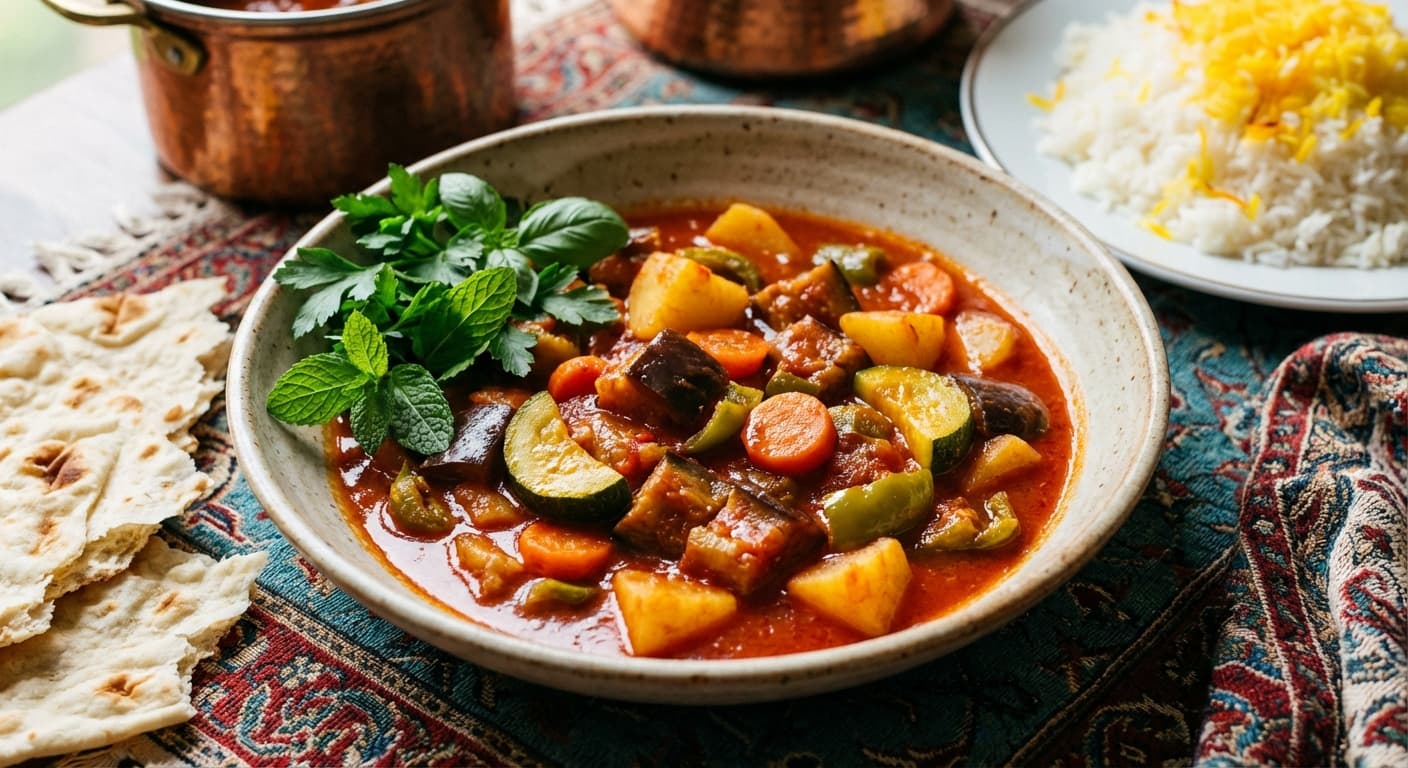
Yatimcheh (یتیمچه) — Persian Slow-Cooked Summer Vegetable Stew
Persian · Stews · 100 min
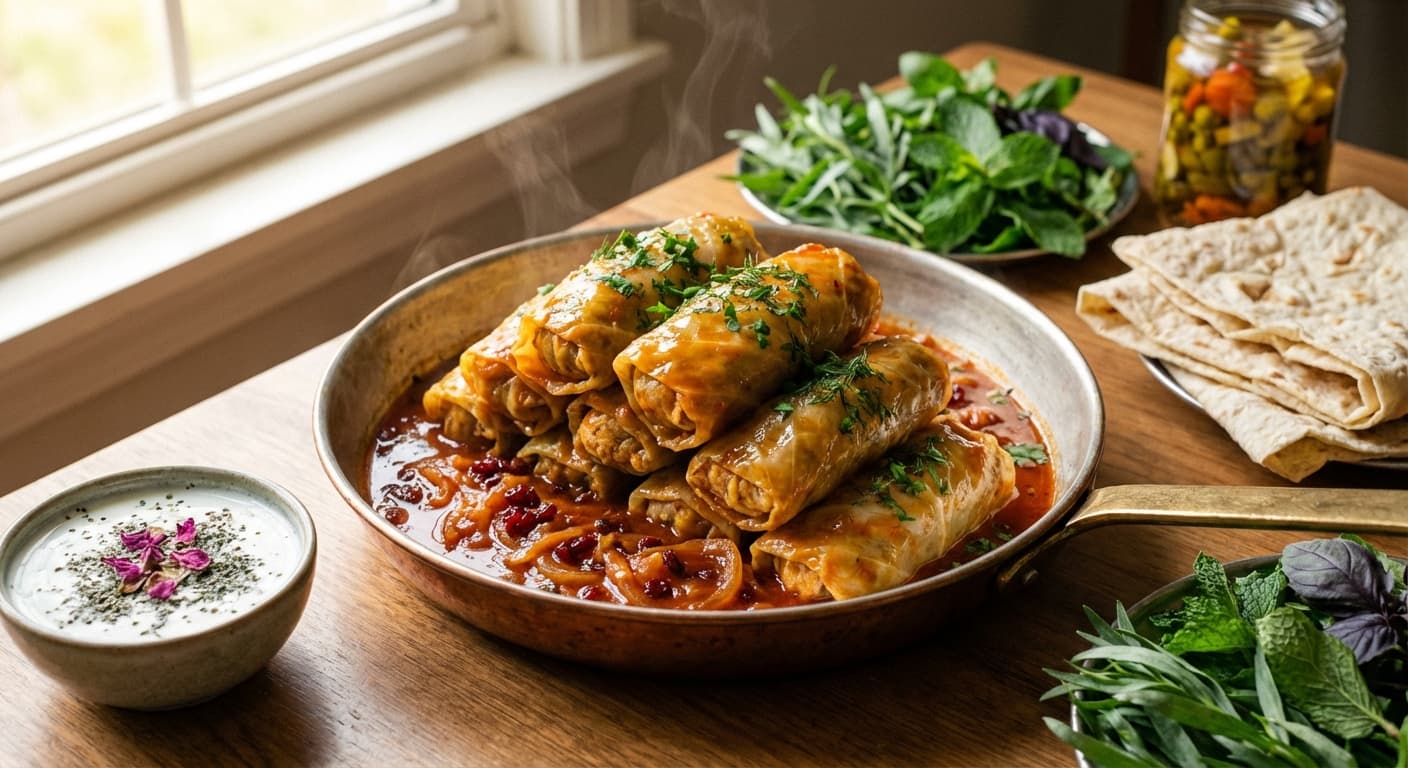
Chicken Stuffed Cabbage Rolls (دلمه کلم با مرغ) — Herb-Scented Persian Dolmeh in Tomato Saffron Sauce
Persian · Main Courses · 90 min
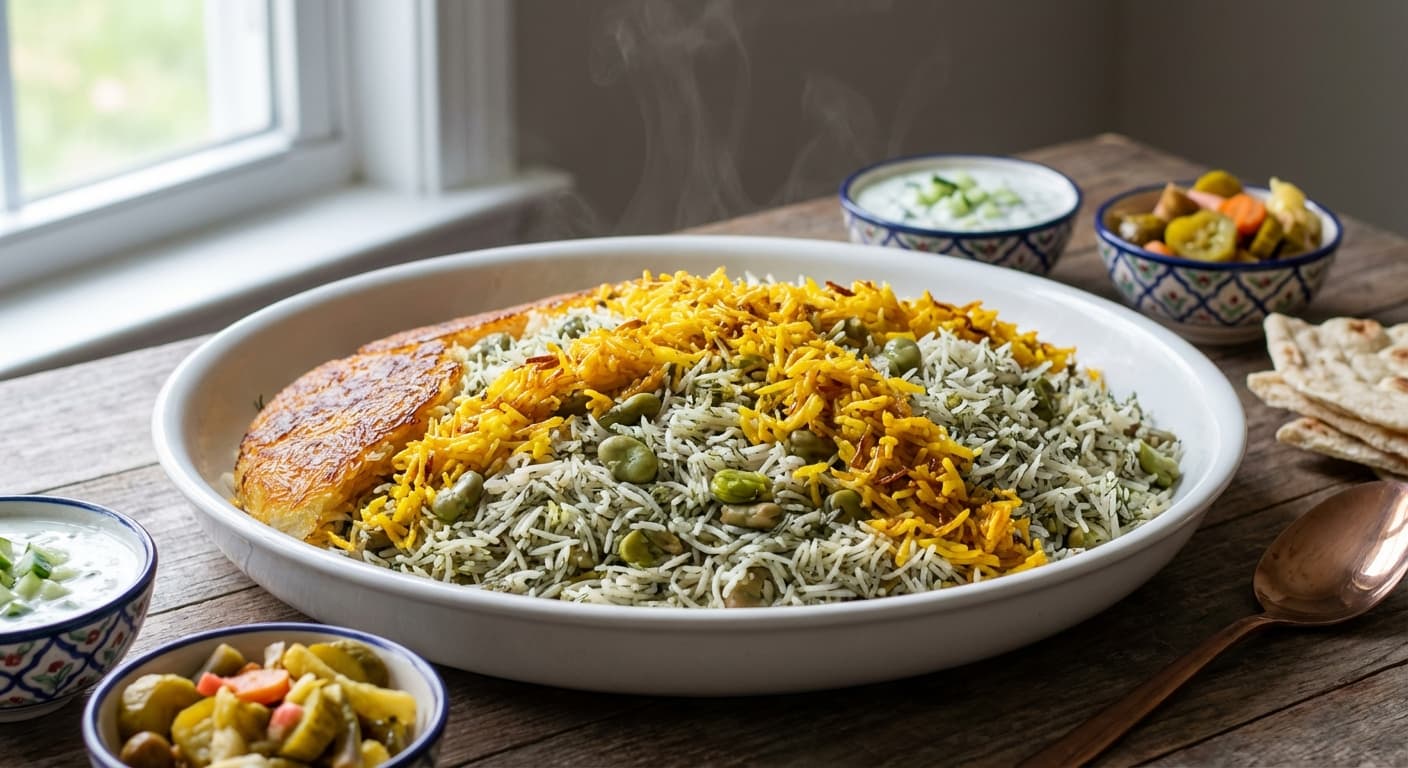
Baghali Polo (باقالی پلو) — Persian Dill and Fava Bean Rice with Saffron
Persian · Rice Dishes · 95 min
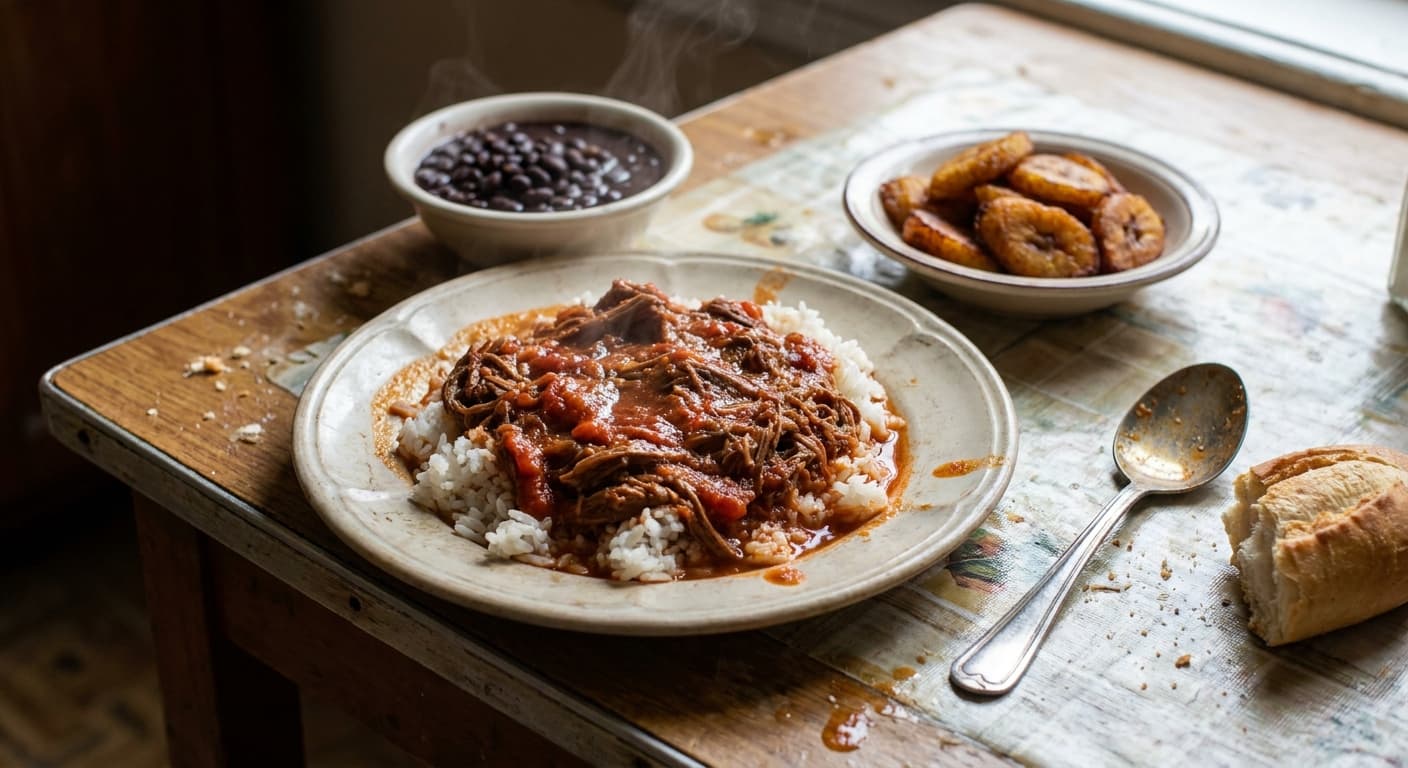
Cuban Ropa Vieja (Ropa Vieja) — Shredded Beef in Tomato-Pepper Sauce
Cuban · Stews · 190 min
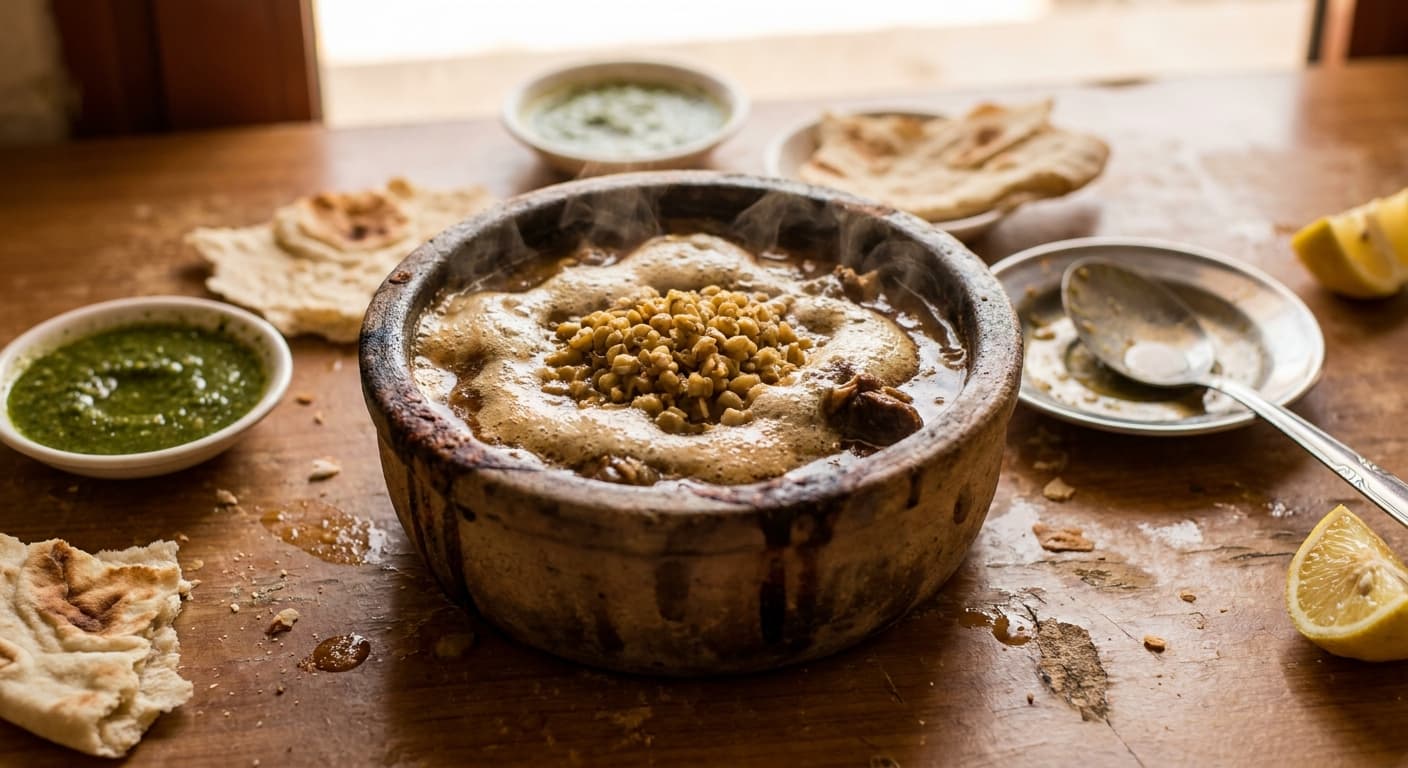
Yemeni Saltah (سلتة) — Bubbling Fenugreek Lamb Stew
Yemeni · Stews · 130 min
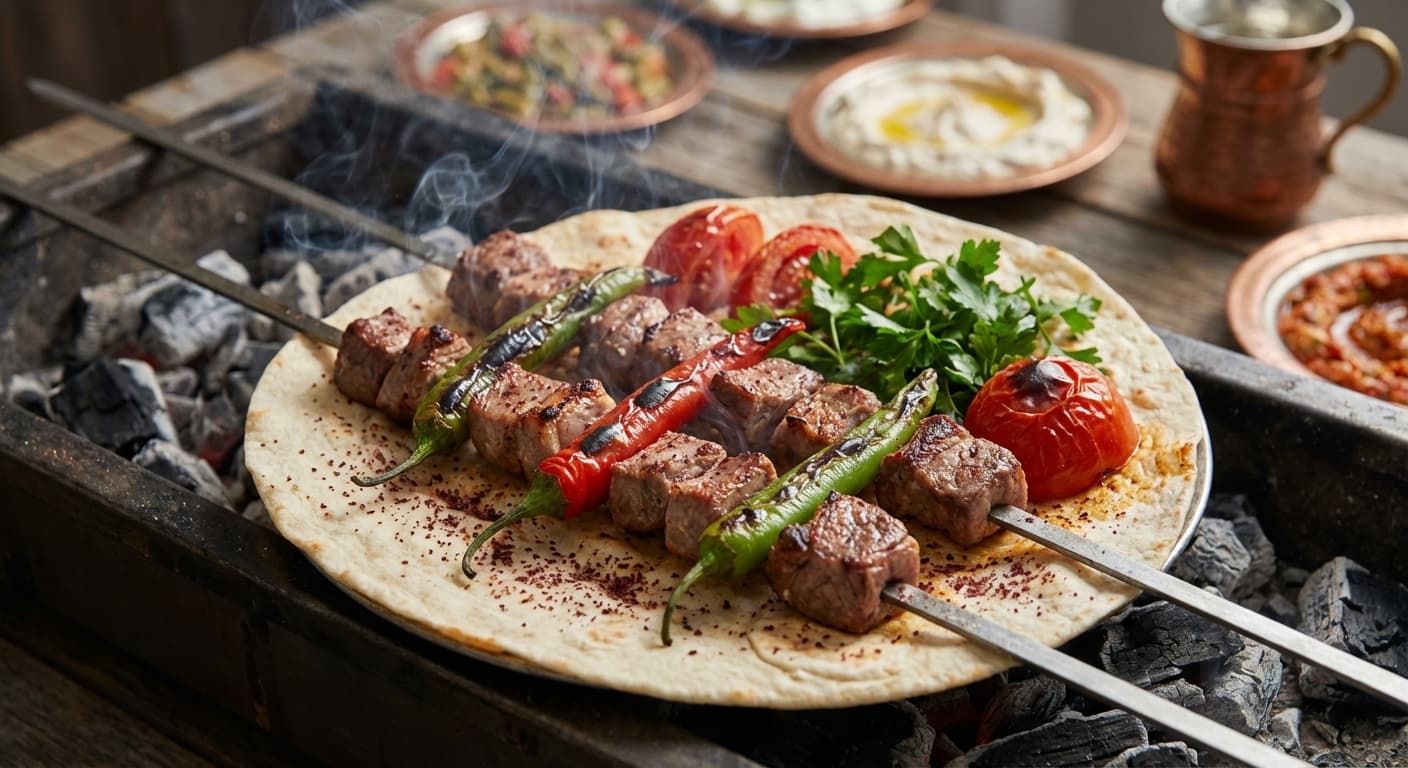
Turkish Shish Kebab (Şiş Kebap) — Charcoal-Grilled Marinated Lamb Skewers
Turkish · Kebabs · 37 min
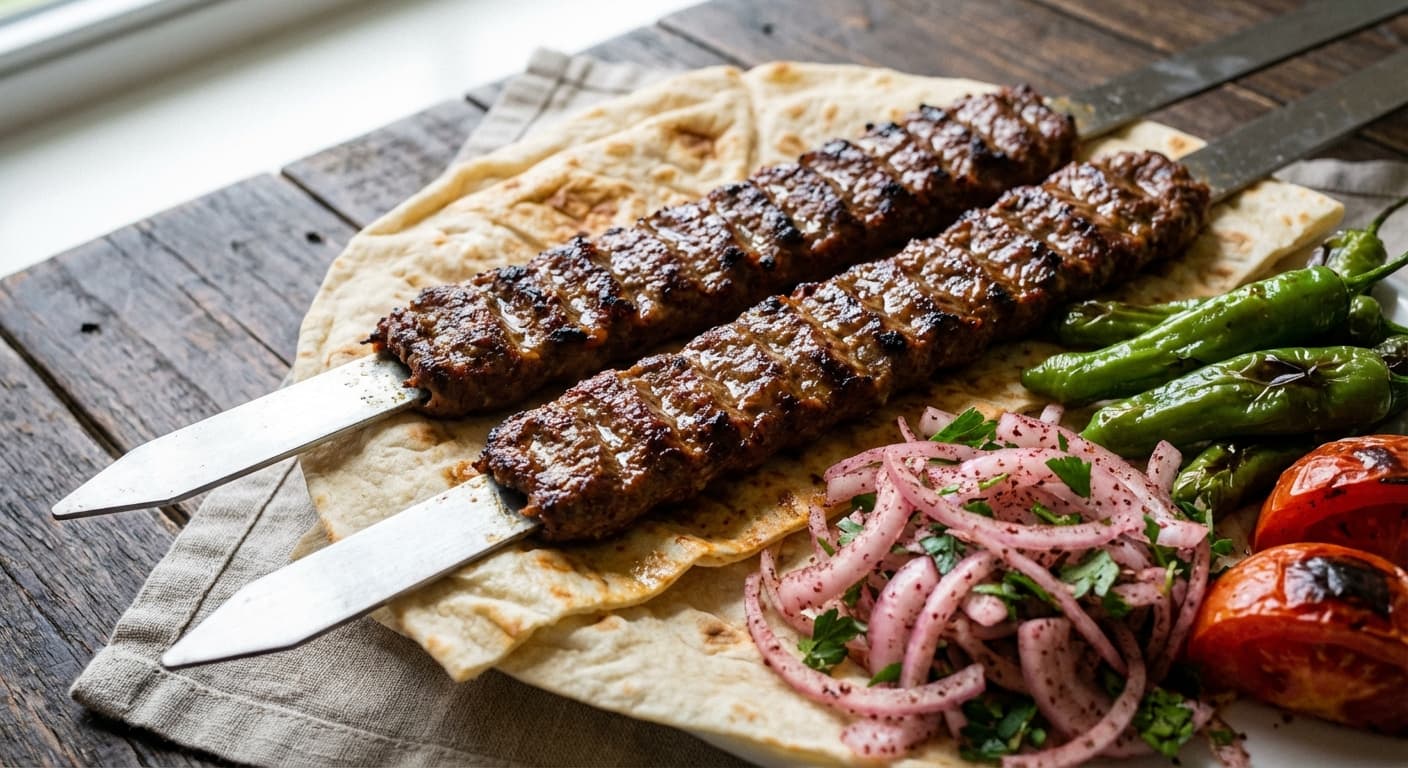
Urfa Kebab (اورفا کباب) — Mild Turkish minced skewer with sumac onions
Turkish · Kebabs · 37 min

Peking Duck (北京烤鸭) — Crisp-Skinned Beijing Roast Duck
Chinese · Main Courses · 180 min
Reviews
Cooked this recipe?
Tap the stars to rate it — that's all it takes. A few words are welcome but optional.
No ratings yet. Cooked this one? Be the first to rate it — it takes one tap.