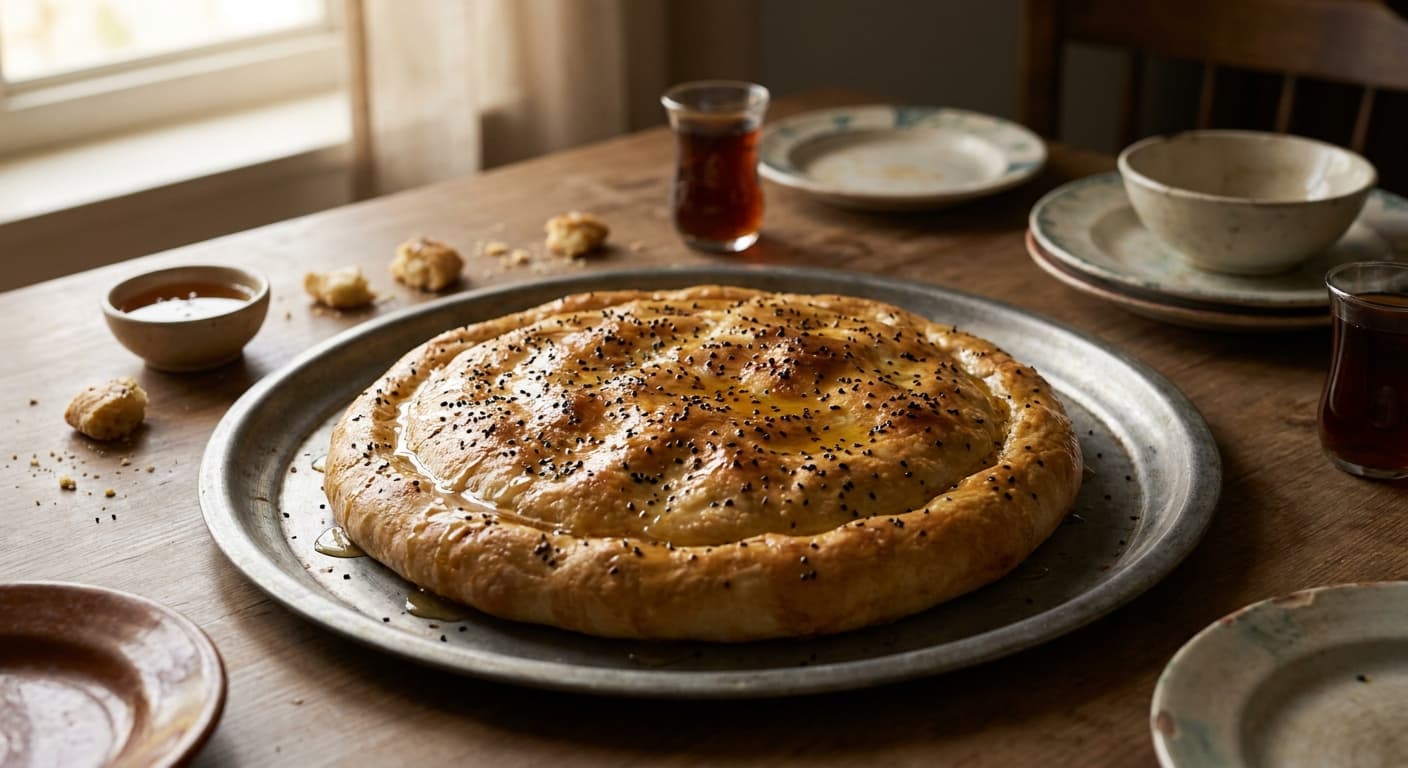
Bint al-Sahn (بنت الصحن) — Yemeni Honey Layer Bread
Bint al-Sahn is Yemen's festive honey-glossed layered bread, rich with ghee and nigella. While saltah and fahsa anchor savory meals, this sweet bread is served for guests with hawaij-spiced tea.
Printable Recipe Card
Servings: 8 · Total: 70 min · Difficulty: medium
Ingredients (quick list)
- 500 g all-purpose flour
- 2.25 tsp active dry yeast
- 15 g granulated sugar
- 6 g fine sea salt
- 180 ml warm whole milk (about 38 C)
- 3 large eggs
- 150 g ghee (melted and divided)
- 180 g Yemeni sidr honey (warm gently before pouring)
- 2 tsp nigella seeds
- 2 tbsp black tea leaves (optional, for serving)
- 1 tsp hawaij spice blend (for the tea, not the dough)
- 600 ml water (for brewing the tea)
Steps (summary)
- Combine the warm milk, yeast, and sugar in the bowl of a stand mixer or a large mixing bowl. Let the mixture stand for 8 minute…
- Add the flour, salt, eggs, and 40 g of the melted ghee to the yeast mixture. Mix until a soft dough forms, then knead for 8 min…
- Shape the dough into a ball and coat it with 10 g of the melted ghee from the measured amount. Cover the bowl and let the dough…
- Brush a 30 cm round baking tray with 15 g of the melted ghee. Heat the oven to 200 C and place a rack in the center so the laye…
- Divide the risen dough into 8 equal balls, each about 105 g. Keep them covered while you work, because the dough must stay soft…
- On a lightly greased work surface, flatten one dough ball and stretch it into a very thin round about 28 cm wide. Lay it in the…
+ 3 more steps in the full instructions section below.
Cultural Background
Anissa Helou describes Bint al-Sahn within Yemen's festive bread tradition, where generous ghee and honey signal hospitality. It often appears for guests, weddings, Ramadan evenings, and Eid tables.
Equipment
💡 Tips
- Stretch each dough round from the center outward with greased hands; a few thin spots are fine, but large tears will let the honey pool unevenly.
- Use real ghee rather than plain oil for the characteristic aroma and tender layered crumb.
- Pour the honey on while the bread is still hot so it flows through the layers instead of sitting only on the surface.
⚠️ Common Mistakes
❌ Rolling the dough too thick
✅ Fix: Stretch each ball into a thin sheet so the final bread has distinct, tender layers rather than a dense loaf.
❌ Adding cold honey after the bread cools
✅ Fix: Warm the honey and pour it on immediately after baking so it seeps through the layers.
❌ Using too little ghee between layers
✅ Fix: Brush every layer with the measured ghee because it separates the sheets and creates the classic aroma.
🧊 How to Store
Store leftovers tightly covered at room temperature for 1 day or refrigerate for up to 4 days. Reheat wedges in a 160 C oven for 8 minutes, then drizzle with 15 g extra warm honey if the layers seem dry.
📅 Make Ahead
Mix and knead the dough up to 12 hours ahead, then refrigerate it after the first rise. Bring it to room temperature for 45 minutes before dividing, stretching, and baking.
🍽️ Pairs Well With
- Hawaij-spiced black tea
- qishr
- fresh dates
- Yemeni coffee.
Regional Variations
- Some Sanaa families make the layers thinner and bake the bread in a wide metal tray for a flatter, pull-apart texture.
- In parts of southern Yemen, cooks may use slightly less honey and serve extra honey at the table for dipping.
- Some home versions sprinkle sesame seeds with the nigella seeds for a nuttier top.
Ingredients
- 500 gall-purpose flour
- 2.25 tspactive dry yeast
- 15 ggranulated sugar
- 6 gfine sea salt
- 180 mlwarm whole milk (about 38 C)
- 3large eggs
- 150 gghee (melted and divided)
- 180 gYemeni sidr honey (warm gently before pouring)
- 2 tspnigella seeds
- 2 tbspblack tea leaves (optional, for serving)
- 1 tsphawaij spice blend (for the tea, not the dough)
- 600 mlwater (for brewing the tea)
🔄 Substitutions
- Yemeni sidr honey→ orange blossom honey
- ghee→ clarified unsalted butter
- whole milk→ water plus 15 g extra ghee
Instructions
- 1
Combine the warm milk, yeast, and sugar in the bowl of a stand mixer or a large mixing bowl. Let the mixture stand for 8 minutes, until the surface looks foamy and smells lightly bready.
- 2
Add the flour, salt, eggs, and 40 g of the melted ghee to the yeast mixture. Mix until a soft dough forms, then knead for 8 minutes by machine or 12 minutes by hand until the dough is smooth, elastic, and slightly tacky.
- 3
Shape the dough into a ball and coat it with 10 g of the melted ghee from the measured amount. Cover the bowl and let the dough rise in a warm place for 60 minutes, or until it has nearly doubled in volume.
- 4
Brush a 30 cm round baking tray with 15 g of the melted ghee. Heat the oven to 200 C and place a rack in the center so the layered bread bakes evenly from top and bottom.
- 5
Divide the risen dough into 8 equal balls, each about 105 g. Keep them covered while you work, because the dough must stay soft enough to stretch into thin sheets like the hand-pulled layering used in Yemeni breads such as malooga.
- 6
On a lightly greased work surface, flatten one dough ball and stretch it into a very thin round about 28 cm wide. Lay it in the tray and brush it with 12 g of melted ghee, then repeat with the remaining dough balls and ghee, stacking the layers neatly.
- 7
Brush the top with any remaining ghee and scatter the nigella seeds evenly over the surface. Bake for 22 to 25 minutes, until the bread is puffed, deeply golden at the edges, and cooked through in the center.
- 8
While the bread bakes, simmer the water with the black tea leaves and hawaij for 4 minutes, then strain into small glasses if serving. Warm the honey gently until fluid, but do not boil it because high heat dulls its floral flavor.
- 9
Remove the hot Bint al-Sahn from the oven and immediately pour the warm honey over the top so it sinks between the layers. Let it stand for 5 minutes, then tear or cut it into wedges and serve warm, especially after a Yemeni meal of saltah or fahsa.
🪪 Recipe Passport
Cultural Background
Anissa Helou describes Bint al-Sahn within Yemen's festive bread tradition, where generous ghee and honey signal hospitality. It often appears for guests, weddings, Ramadan evenings, and Eid tables.
Regional Variations
Researched from multiple sources and validated by the Zaffaron editorial team. Every recipe is tested for accuracy, measurements, and cultural authenticity.
📚 Sources & Cultural References
- Anissa Helou — Feast: Food of the Islamic World — (2018)
Sources cited by the Zaffaron editorial team during recipe research. Cultural and culinary references supporting authenticity claims.
Nutrition per serving
Pairs well with
If you enjoyed this recipe, here are a few related Zaffaron recipes to try next.
Does your family make this differently?
Every family has their own version. Maybe your grandmother adds a secret ingredient, or your aunt has a completely different technique. Preserve your family's version — with their name on it, forever.
You Might Also Like
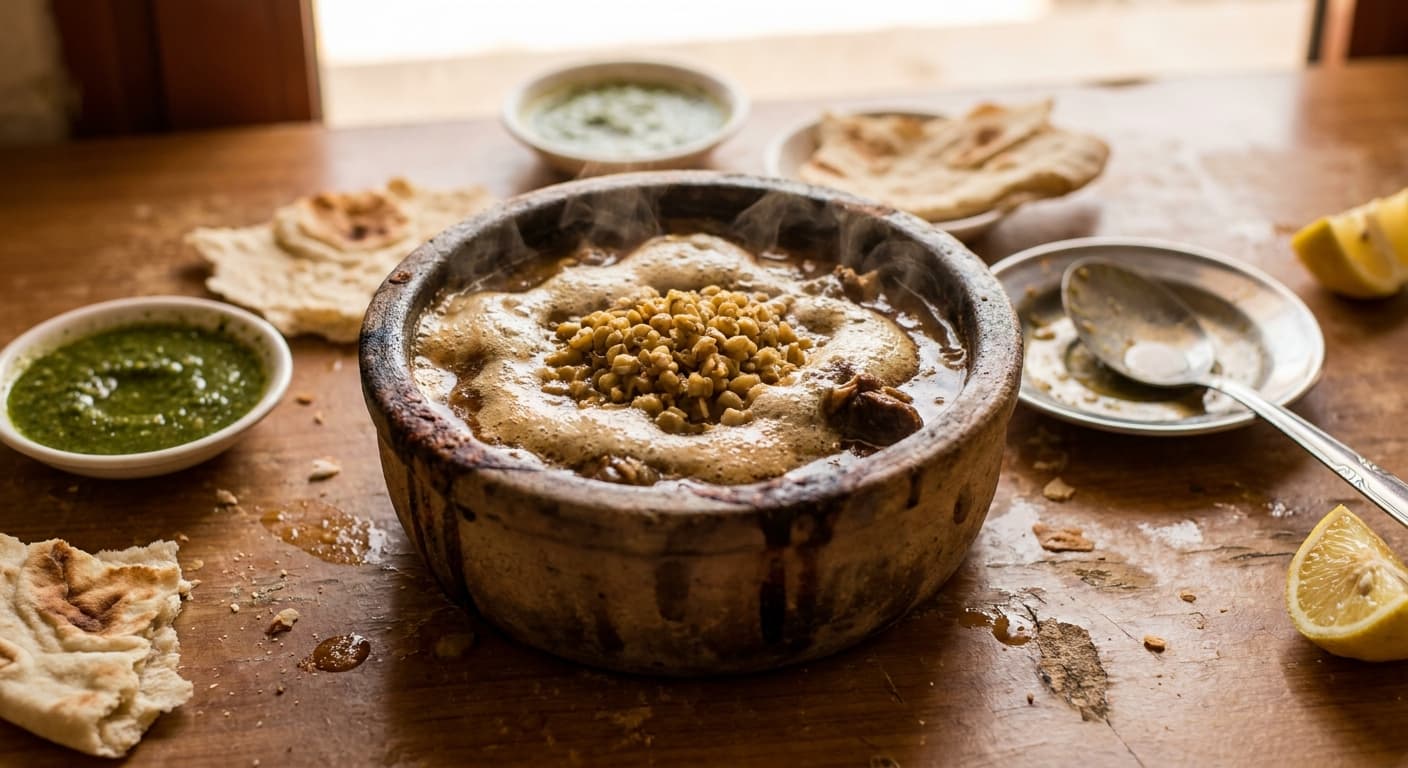
Yemeni Saltah (سلتة) — Bubbling Fenugreek Lamb Stew
Yemeni · Stews · 130 min
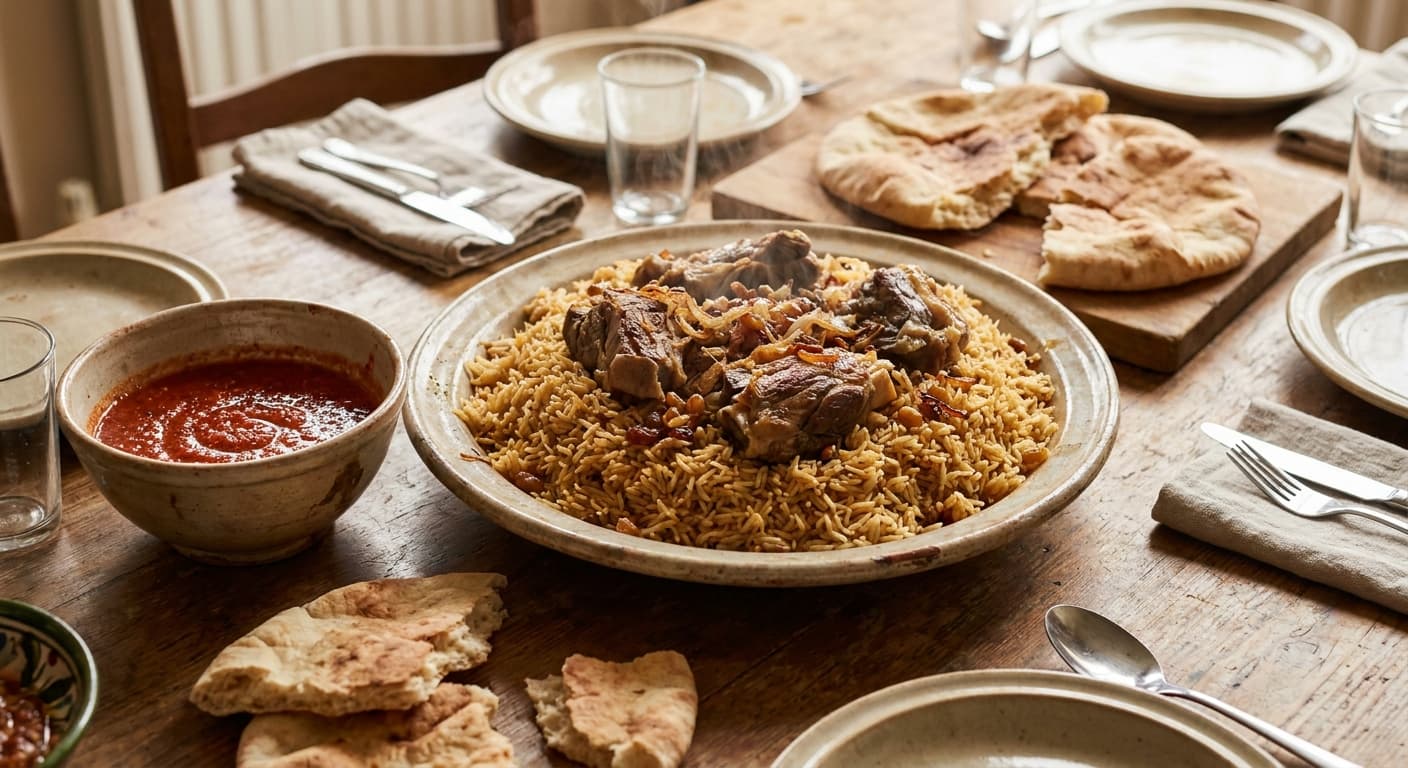
Yemeni Mandi (مندي) — Smoke-Scented Spiced Rice and Lamb
Yemeni · Main Courses · 170 min
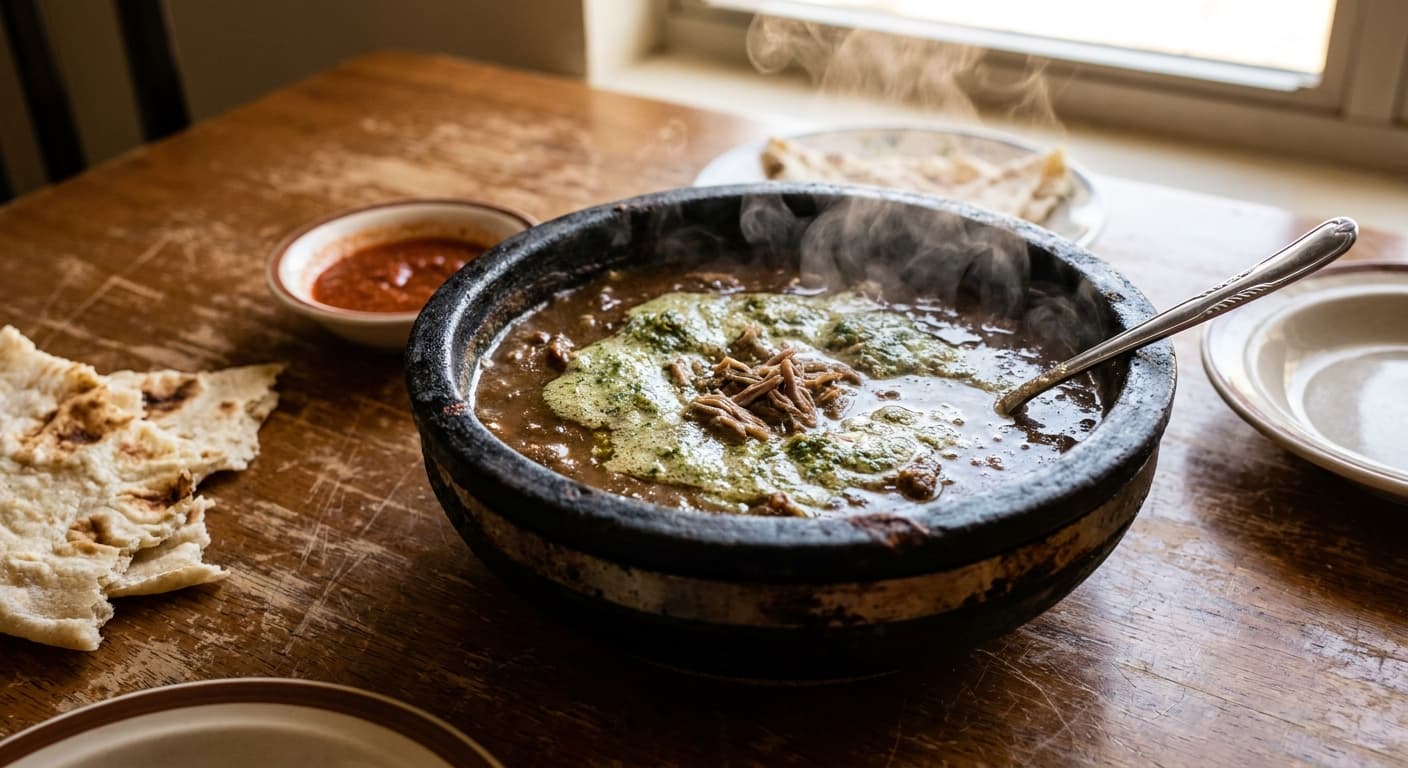
Fahsa (فحسة) — Bubbling Yemeni Shredded Lamb Stew
Yemeni · Stews · 140 min
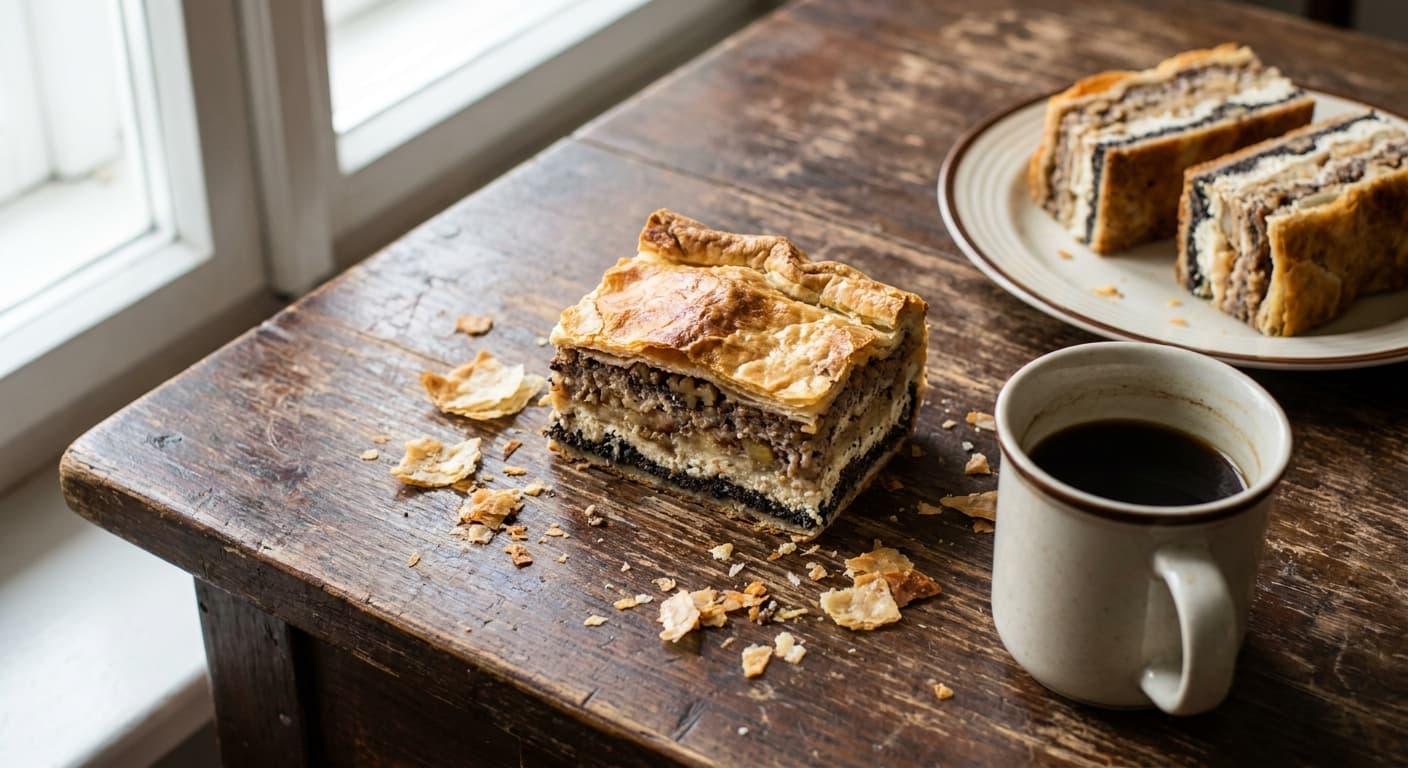
Prekmurje Layer Cake (Prekmurska gibanica) — Slovenian Festival Layer Pastry
Slovenian · Desserts · 185 min

Chimney Cake (Kürtőskalács) — Hungarian Spiral Pastry with Cinnamon Sugar
Hungarian · Desserts · 59 min
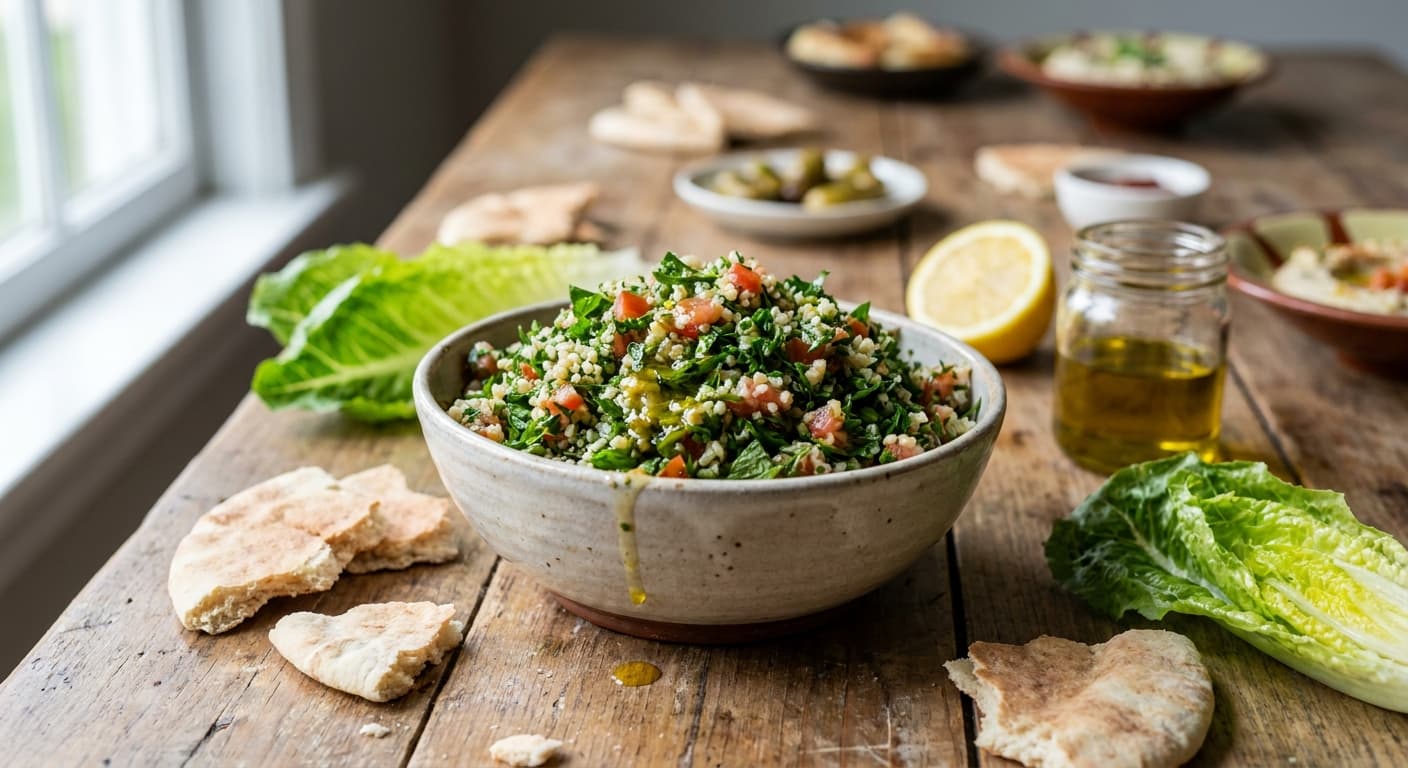
Lebanese Tabbouleh (تبولة لبنانية) — Parsley Bulgur Herb Salad
Lebanese · Salads · 35 min
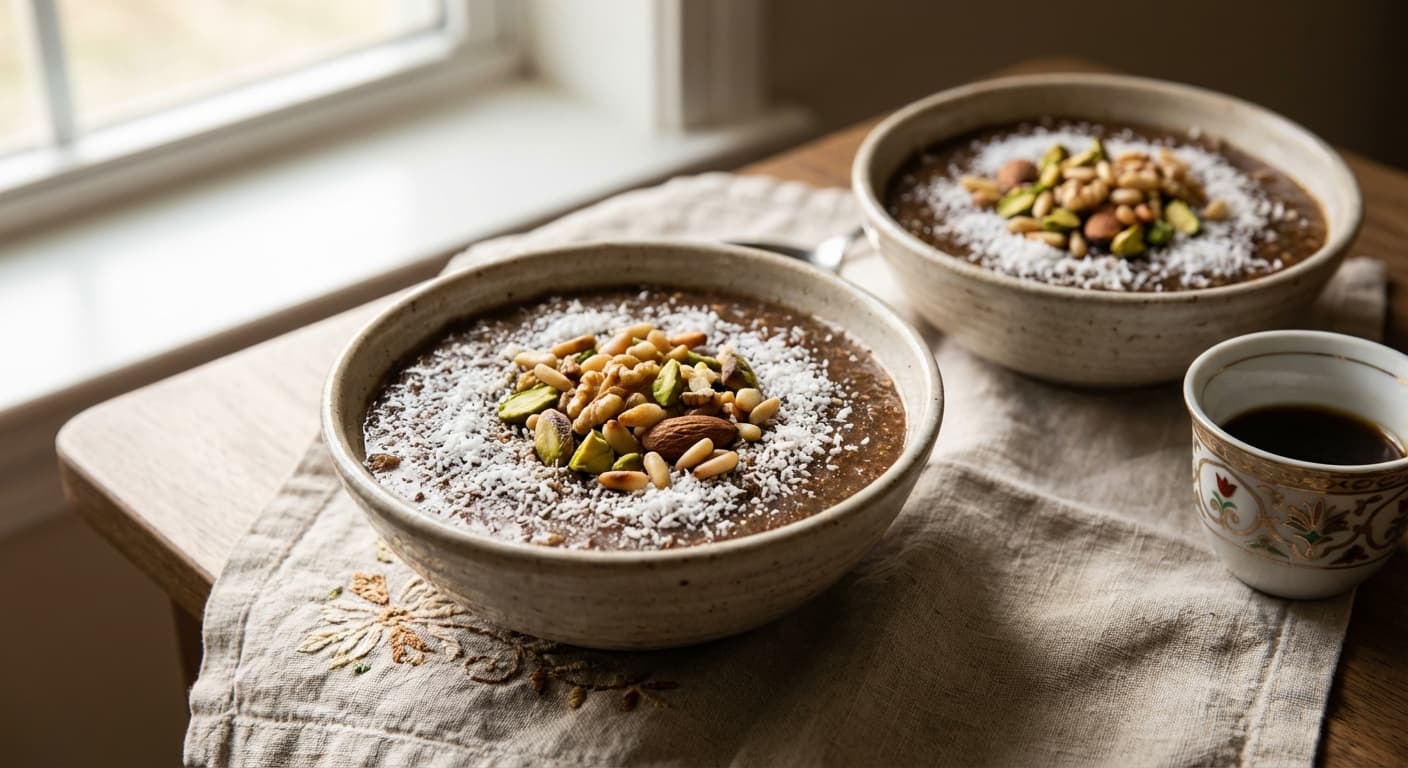
Meghli (مغلي) — Lebanese Spiced Rice Pudding with Nuts
Lebanese · Desserts · 40 min
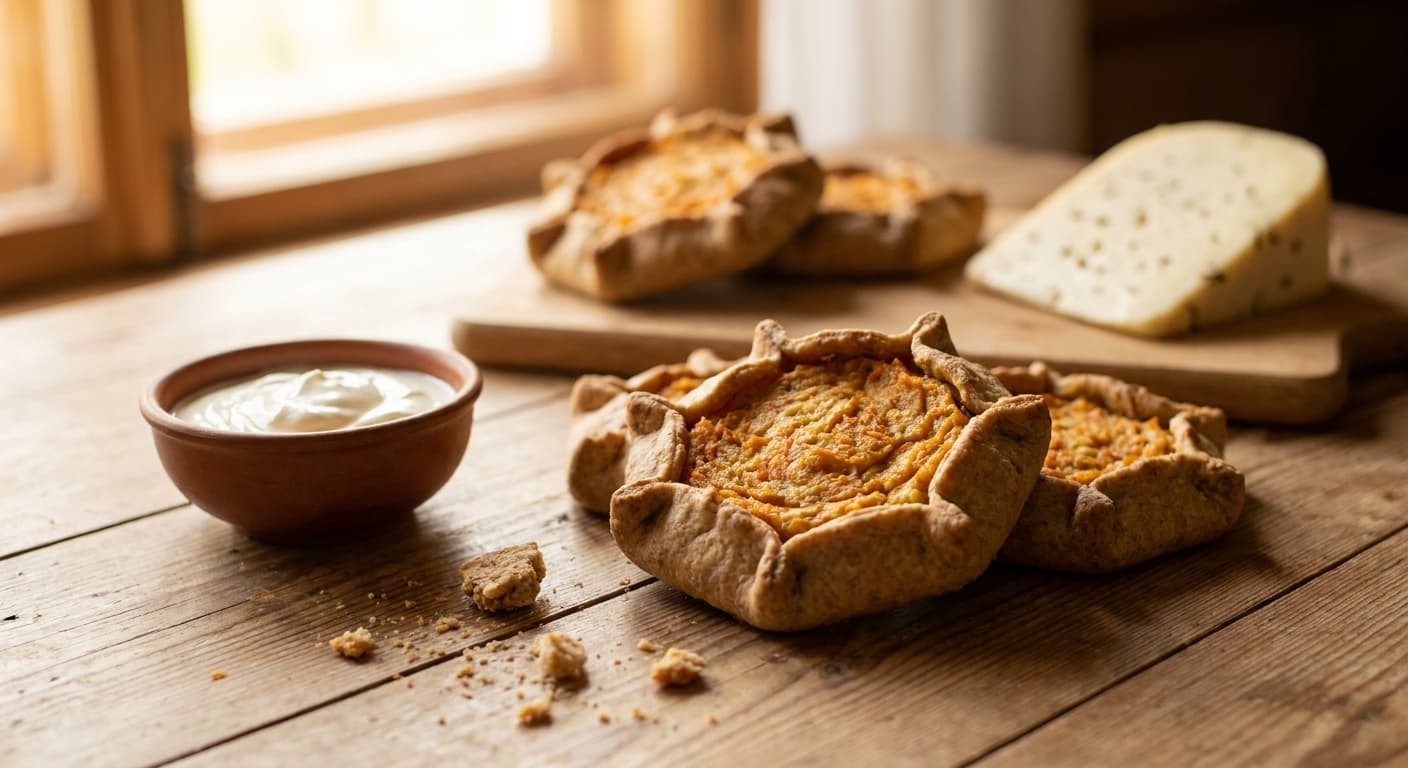
Sklandrausis (Sklandrausis) — Latvian Rye Carrot-Potato Tart
Latvian · Desserts · 100 min
Reviews
Cooked this recipe?
Tap the stars to rate it — that's all it takes. A few words are welcome but optional.
No ratings yet. Cooked this one? Be the first to rate it — it takes one tap.