Shorgogal (شورگؤغال) — Azerbaijani Savory Saffron Layered Pastry
Shorgogal is a celebratory Azerbaijani laminated pastry, perfumed with saffron and warm spices. Often baked for spring festivities, its flaky layers and savory filling make it a beloved tea-time and holiday treat.
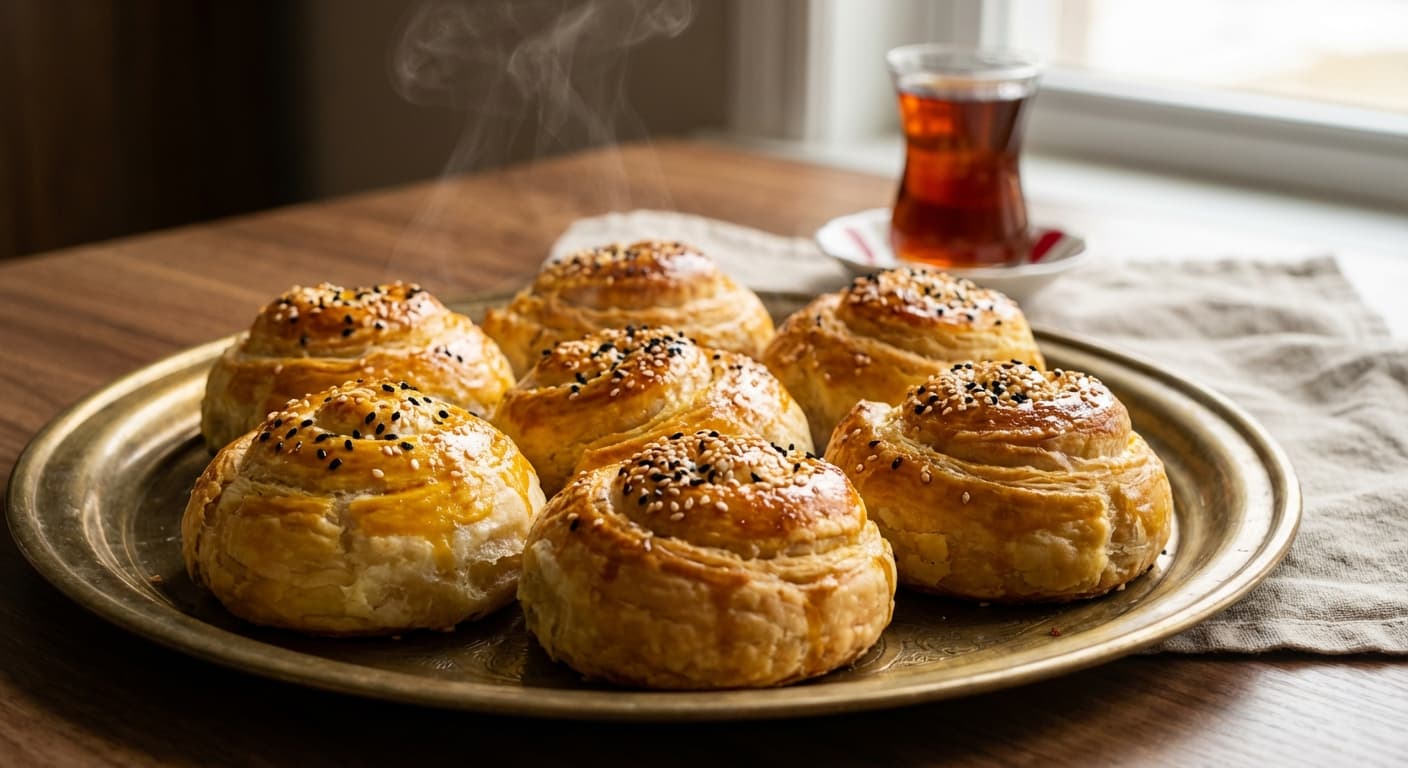
Printable Recipe Card
Servings: 12 · Total: 105 min · Difficulty: hard
Ingredients (quick list)
- 240 ml whole milk (warm to 38°C)
- 7 g active dry yeast (1 packet)
- 10 g granulated sugar (to activate yeast)
- 600 g all-purpose flour (plus 20 g for dusting)
- 8 g fine salt
- 1 egg yolk
- 60 g unsalted butter (melted and cooled)
- 60 g plain yogurt (full-fat preferred)
- 3 tsp ground turmeric
- 2 tsp ground coriander
- 1 tsp ground cumin
- 1 tsp ground black pepper
+ 4 more in the full ingredients section below.
Steps (summary)
- Bloom the saffron by crushing the threads lightly and pouring 30 ml boiling water over them. Let it steep for 10 minutes so the…
- Activate the yeast by stirring the warm milk (38°C) with the sugar and yeast in a bowl. Let it stand for 8–10 minutes until foa…
- Make the dough by mixing flour and salt in a large bowl, then adding the yeast mixture, egg yolk, melted butter, and yogurt. St…
- Rest the dough to relax the gluten by covering it and letting it sit for 20 minutes at room temperature. This short rest makes…
- Prepare the spice filling by combining turmeric, coriander, cumin, black pepper, salt, and 30 g flour in a small bowl. Mix thor…
- Divide the dough into 12 equal pieces, about 85 g each, and roll each into a tight ball. Keep the balls covered with a towel wh…
+ 8 more steps in the full instructions section below.
Cultural Background
Shorgogal is closely associated with Azerbaijani spring celebrations, especially around the New Year season, when households bake symbolic pastries alongside sweets. Its saffron color and layered form reflect prosperity, warmth, and hospitality shared with guests over tea.
Equipment
💡 Tips
- Keep the lamination butter at 18–20°C so it spreads easily but does not melt into the dough layers.
- Brush saffron egg wash only on the tops; coating the sides can glue layers together and reduce flakiness.
- For uniform pastries, weigh each dough portion to 85 g and each butter layer to about 18 g.
⚠️ Common Mistakes
❌ Butter melts and leaks during shaping or baking, making the pastry dense.
✅ Fix: Chill the stacked layers for 15 minutes and keep the room cool; if butter softens, pause and refrigerate the dough before continuing.
❌ Layers fuse and the sides look smooth instead of flaky.
✅ Fix: Avoid brushing egg wash on the sides and do not press the spirals too firmly when flattening.
❌ Spice filling tastes harsh or uneven.
✅ Fix: Mix spices with the measured flour and distribute lightly; do not dump piles of turmeric in one spot.
🧊 How to Store
Store cooled shorgogal airtight at room temperature for up to 2 days or refrigerate for up to 5 days. Reheat on a tray at 160°C for 6–8 minutes to re-crisp the layers; avoid microwaving longer than 15 seconds or the pastry turns chewy.
📅 Make Ahead
Prepare the dough and spice mixture up to 24 hours ahead and refrigerate the dough covered. The next day, bring the dough to cool room temperature for 30 minutes before rolling so it stretches without tearing.
🍽️ Pairs Well With
- Azerbaijani black tea
- ayran
- fresh herbs and cucumbers
- white cheese
- olives.
Regional Variations
- Baku-style shorgogal often leans heavier on turmeric and black pepper for a bolder savory profile.
- Some families add 0.5 tsp ground fennel or anise to the spice mix for a sweeter aromatic edge.
- A richer holiday version increases lamination butter by 30–40 g for extra flake and sheen.
Ingredients
- 240 mlwhole milk (warm to 38°C)
- 7 gactive dry yeast (1 packet)
- 10 ggranulated sugar (to activate yeast)
- 600 gall-purpose flour (plus 20 g for dusting)
- 8 gfine salt
- 1egg yolk
- 60 gunsalted butter (melted and cooled)
- 60 gplain yogurt (full-fat preferred)
- 3 tspground turmeric
- 2 tspground coriander
- 1 tspground cumin
- 1 tspground black pepper
- 0.25 tspsaffron threads (about 0.5 g)
- 30 mlboiling water (to bloom saffron)
- 2 tspnigella seeds (traditional)
- 2 tspsesame seeds (optional but common)
🔄 Substitutions
- plain yogurt→ sour cream
- nigella seeds→ caraway seeds
- active dry yeast→ instant yeast
Instructions
- 1
Bloom the saffron by crushing the threads lightly and pouring 30 ml boiling water over them. Let it steep for 10 minutes so the color turns deep amber, then set it aside to cool completely.
- 2
Activate the yeast by stirring the warm milk (38°C) with the sugar and yeast in a bowl. Let it stand for 8–10 minutes until foamy, because a strong foam indicates the yeast is alive and will lift the dough.
- 3
Make the dough by mixing flour and salt in a large bowl, then adding the yeast mixture, egg yolk, melted butter, and yogurt. Stir until a shaggy dough forms, then knead for 8–10 minutes until smooth and elastic, adding up to 20 g flour only if it is very sticky.
- 4
Rest the dough to relax the gluten by covering it and letting it sit for 20 minutes at room temperature. This short rest makes rolling easier and helps you create thin sheets without tearing.
- 5
Prepare the spice filling by combining turmeric, coriander, cumin, black pepper, salt, and 30 g flour in a small bowl. Mix thoroughly so the spices are evenly distributed, because clumps can create bitter pockets in the finished pastry.
- 6
Divide the dough into 12 equal pieces, about 85 g each, and roll each into a tight ball. Keep the balls covered with a towel while you work so the surface does not dry out and crack during rolling.
- 7
Roll the first dough ball into a thin circle about 22–24 cm wide on a lightly floured surface. Spread about 18 g softened butter in a thin, even layer, then sprinkle about 1 teaspoon of the spice mixture over it to lightly coat the surface.
- 8
Repeat rolling, buttering, and spicing with the remaining dough circles, stacking them neatly to form a layered tower. Press gently as you stack to remove large air pockets, but do not compress hard or you will lose flakiness.
- 9
Chill the stacked dough for 15 minutes to firm the butter and stabilize the layers. This brief chill prevents the butter from squeezing out during shaping and helps the layers separate cleanly in the oven.
- 10
Shape each shorgogal by cutting the chilled stack into 12 wedges like a cake. Take one wedge, coil it into a loose spiral with the point tucked underneath, then gently flatten it to a 9–10 cm round so the layers remain visible on the sides.
- 11
Arrange the pastries on a parchment-lined tray with at least 4 cm space between them. Cover and proof for 25 minutes at warm room temperature, because a short proof gives tenderness without melting the butter layers.
- 12
Preheat the oven to 190°C and place a rack in the middle. Mix the egg yolk with 15 ml milk and 15 ml of the cooled saffron infusion, then brush a thin, even coat over each pastry without letting it drip down the sides.
- 13
Sprinkle nigella seeds and sesame seeds evenly over the tops, using the full measured amounts for consistent flavor. Bake for 25–30 minutes until deeply golden with clear layer definition, rotating the tray at minute 18 for even browning.
- 14
Cool on the tray for 10 minutes, then transfer to a rack to finish cooling for another 15 minutes. Serve warm or at room temperature, because the spice aroma and saffron notes are most pronounced once the steam settles.
🪪 Recipe Passport
Cultural Background
Shorgogal is closely associated with Azerbaijani spring celebrations, especially around the New Year season, when households bake symbolic pastries alongside sweets. Its saffron color and layered form reflect prosperity, warmth, and hospitality shared with guests over tea.
Regional Variations
Researched from multiple sources and validated by the Zaffaron editorial team. Every recipe is tested for accuracy, measurements, and cultural authenticity.
Nutrition per serving
Pairs well with
If you enjoyed this recipe, here are a few related Zaffaron recipes to try next.
Does your family make this differently?
Every family has their own version. Maybe your grandmother adds a secret ingredient, or your aunt has a completely different technique. Preserve your family's version — with their name on it, forever.
You Might Also Like
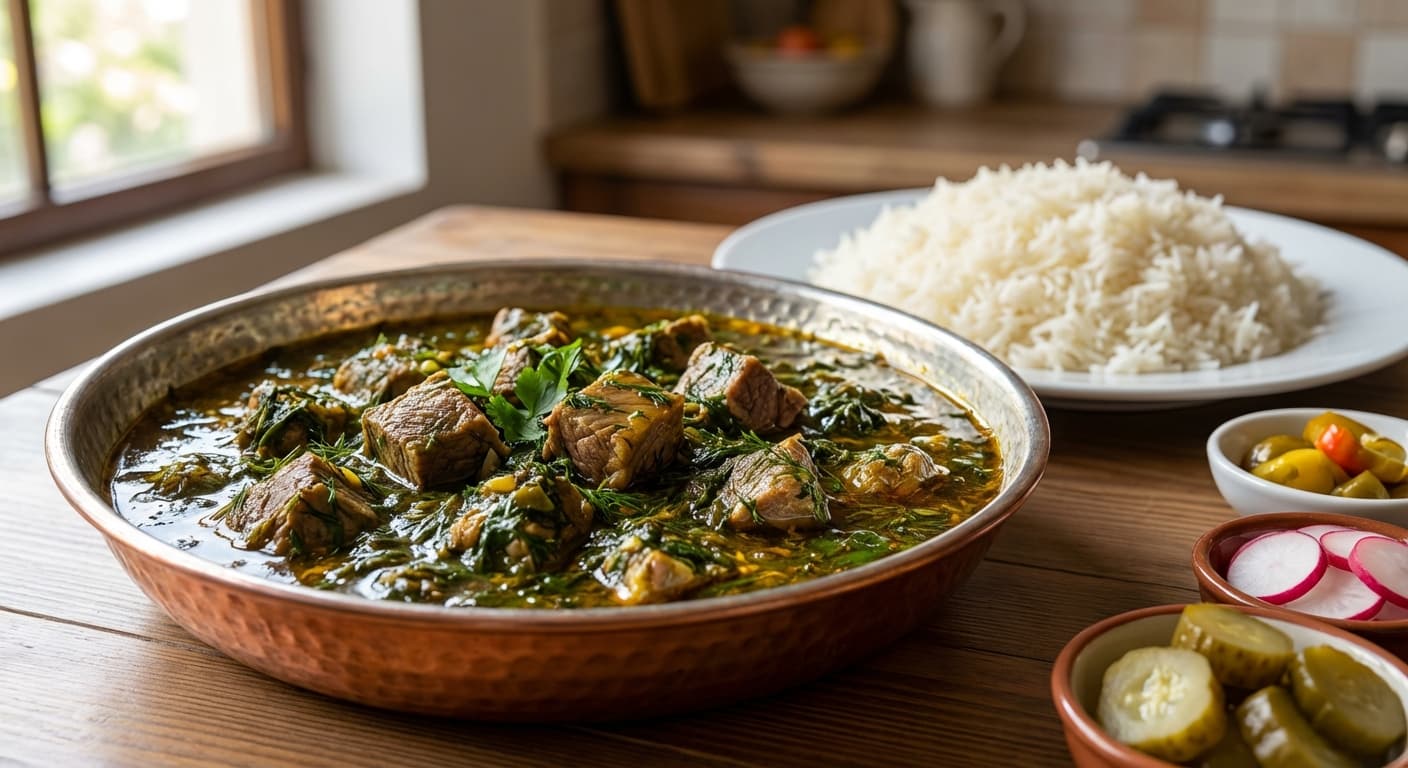
Sabzi Qovurma (Səbzi Qovurma) — Azerbaijani herb-braised lamb with tangy greens
Azerbaijani · Stews · 120 min
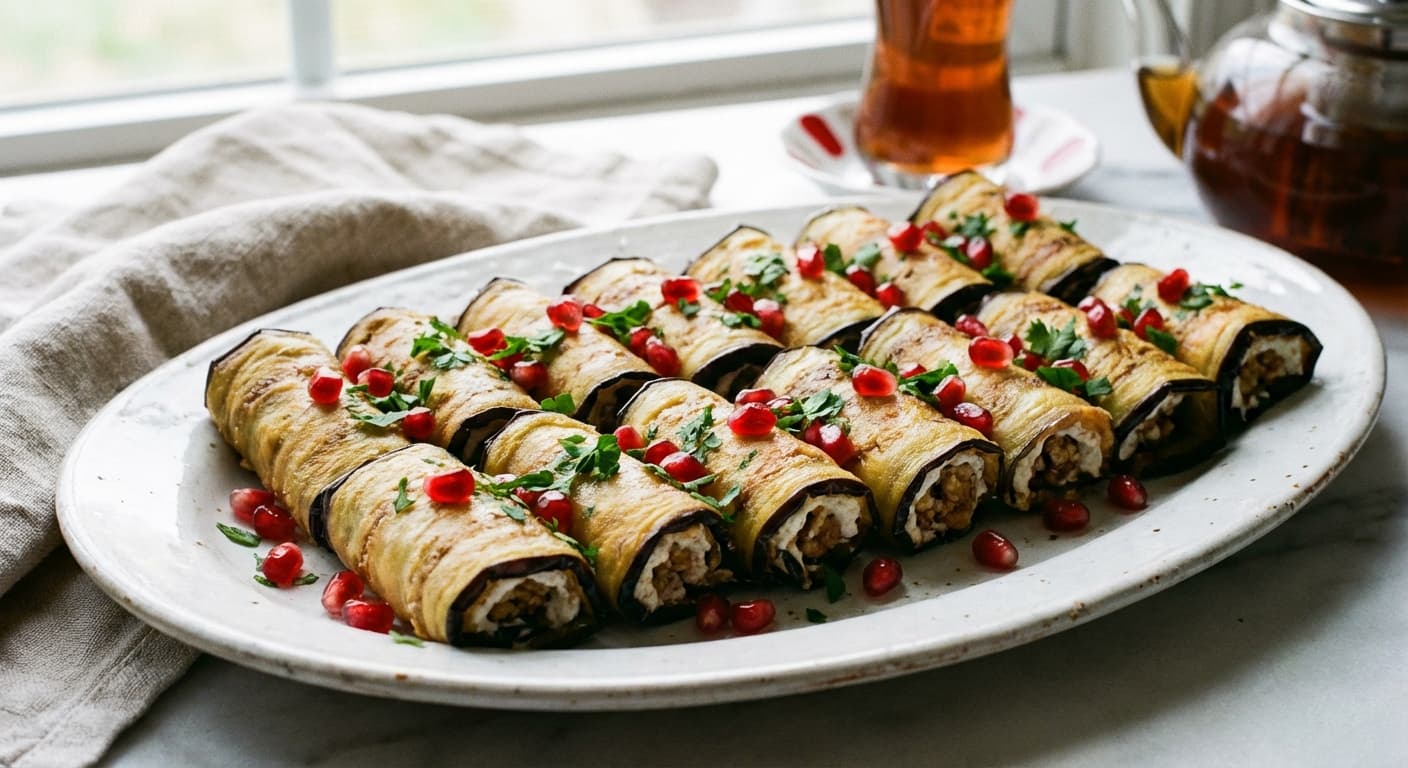
Eggplant Rolls (Badımcan Ruleti) — Azerbaijani Fried Eggplant with Garlicky Walnut Filling
Azerbaijani · Appetizers · 45 min
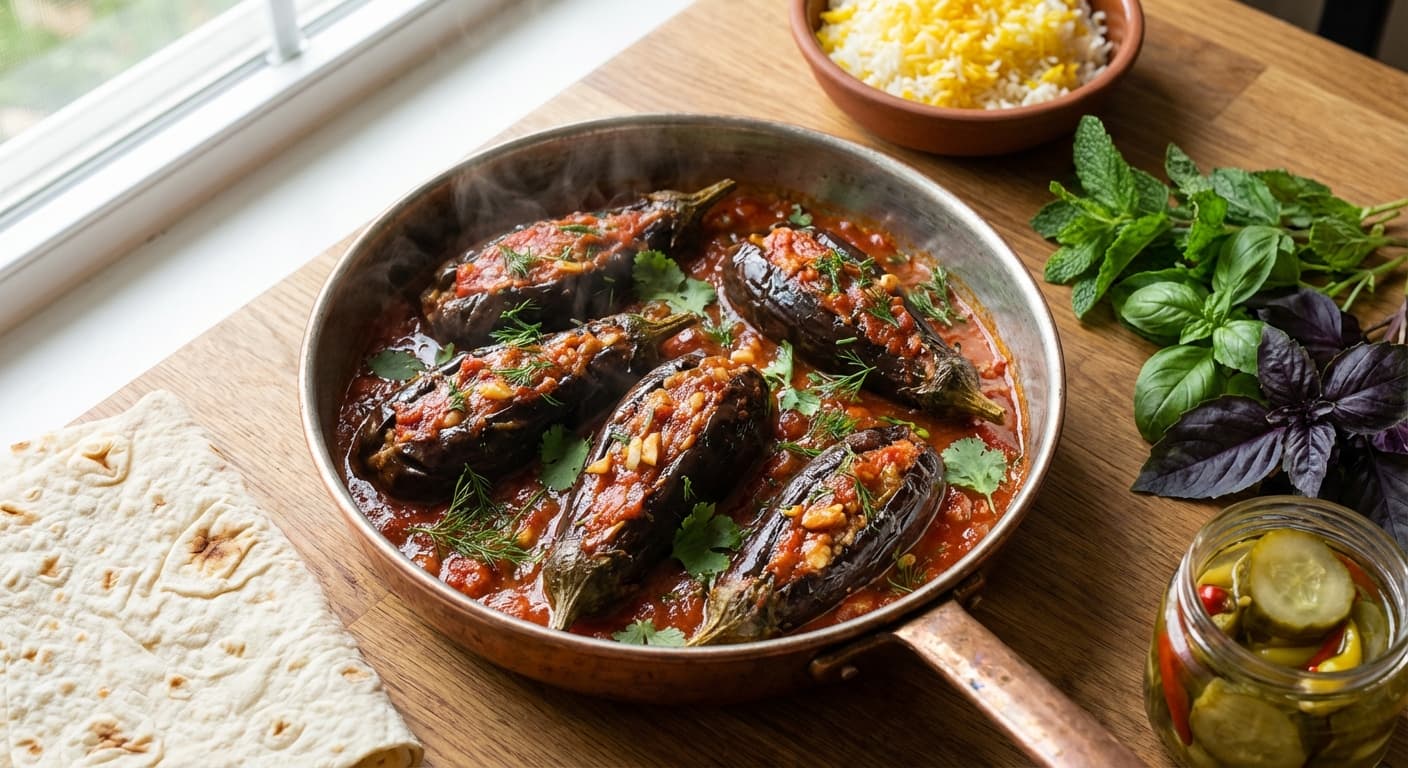
Stuffed Eggplant (Badımcan Dolması) — Azerbaijani eggplants filled with spiced meat and herbs
Azerbaijani · Main Courses · 90 min
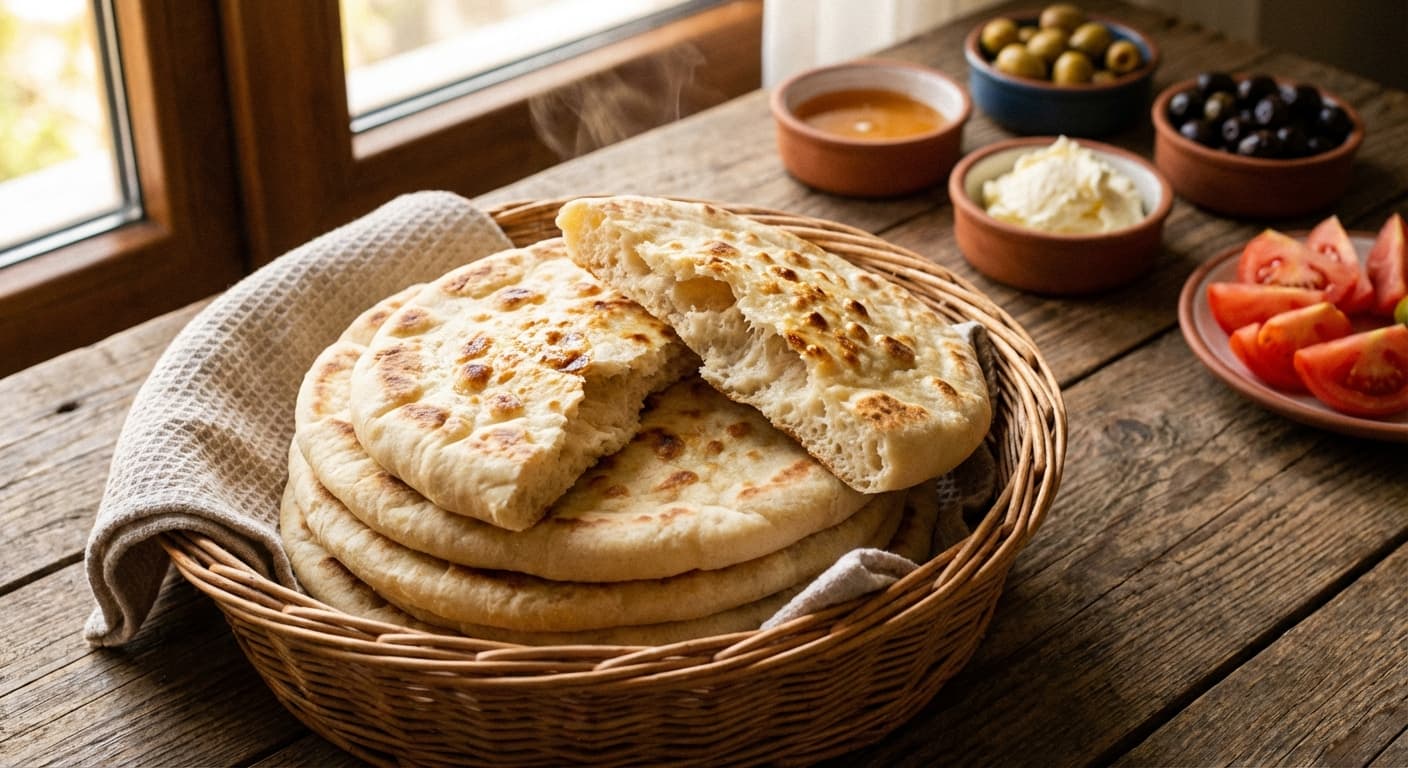
Bazlama (بازلاما) — Puffy Turkish Village Flatbread Cooked on a Saj
Turkish · Breads · 38 min
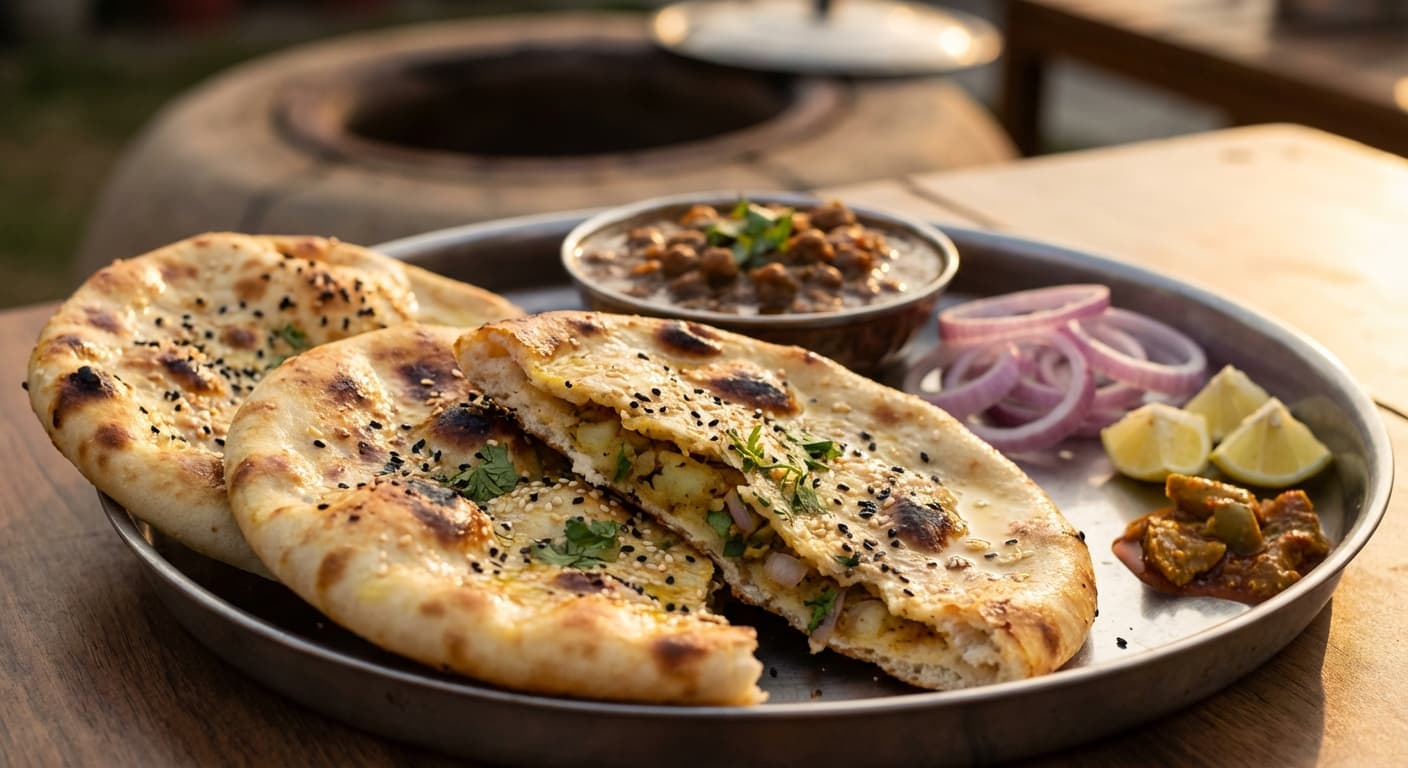
Amritsari Kulcha (अमृतसरी कुलचा) — Tandoor-Baked Stuffed Leavened Bread
Indian · Breads · 65 min
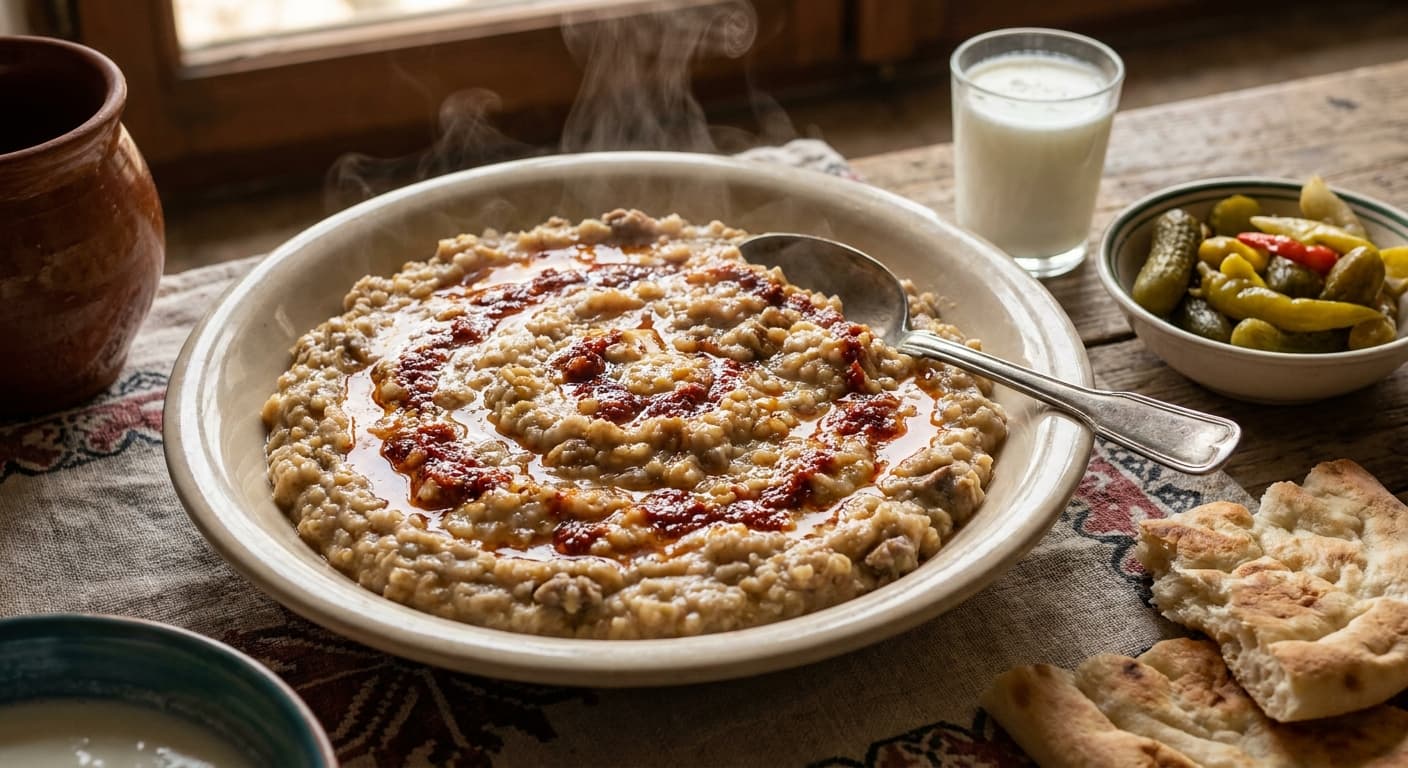
Keshkek (Keşkek) — Creamy Ceremonial Wheat and Lamb Stew
Turkish · Stews · 240 min
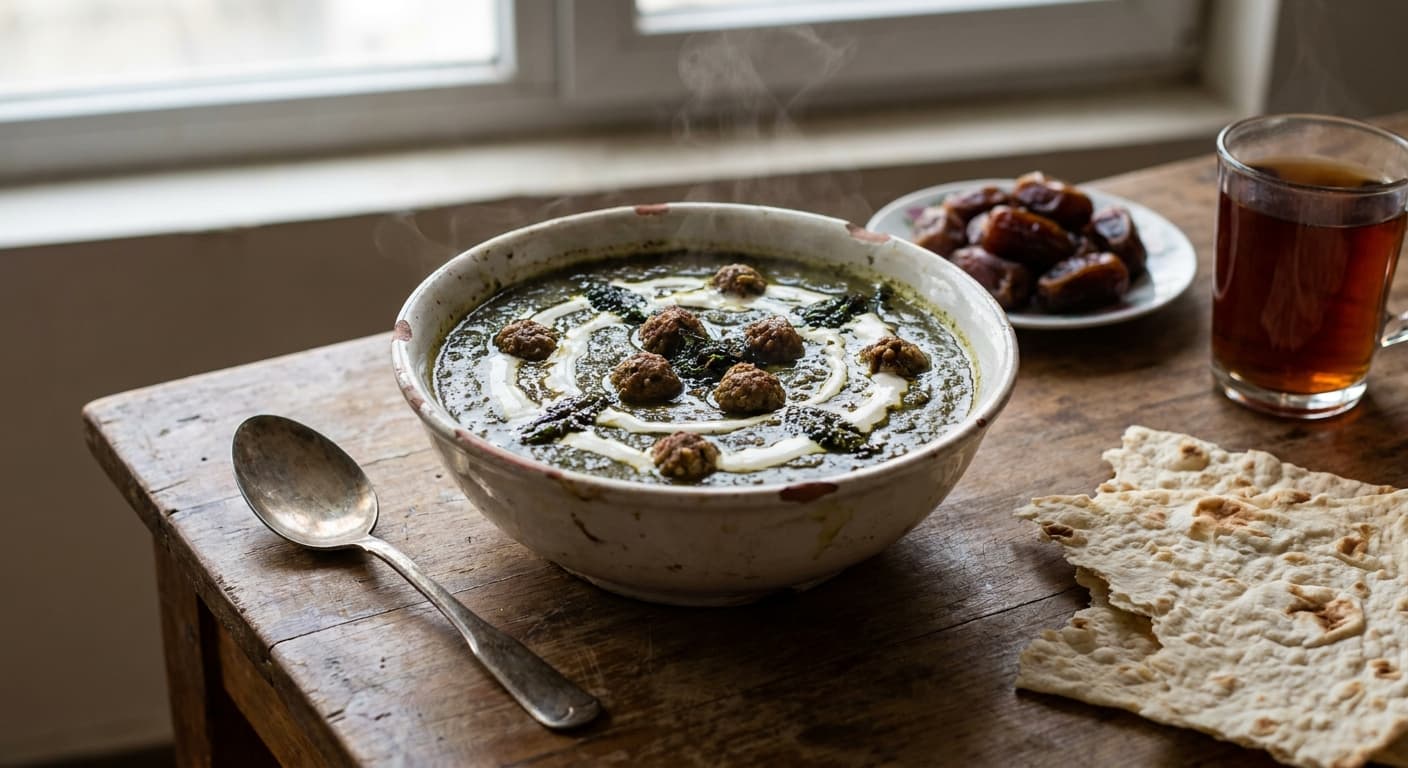
Ash-e Sak (آش ساک) — Golestani Spinach, Legume, and Meatball Soup
Persian · Soups · 175 min
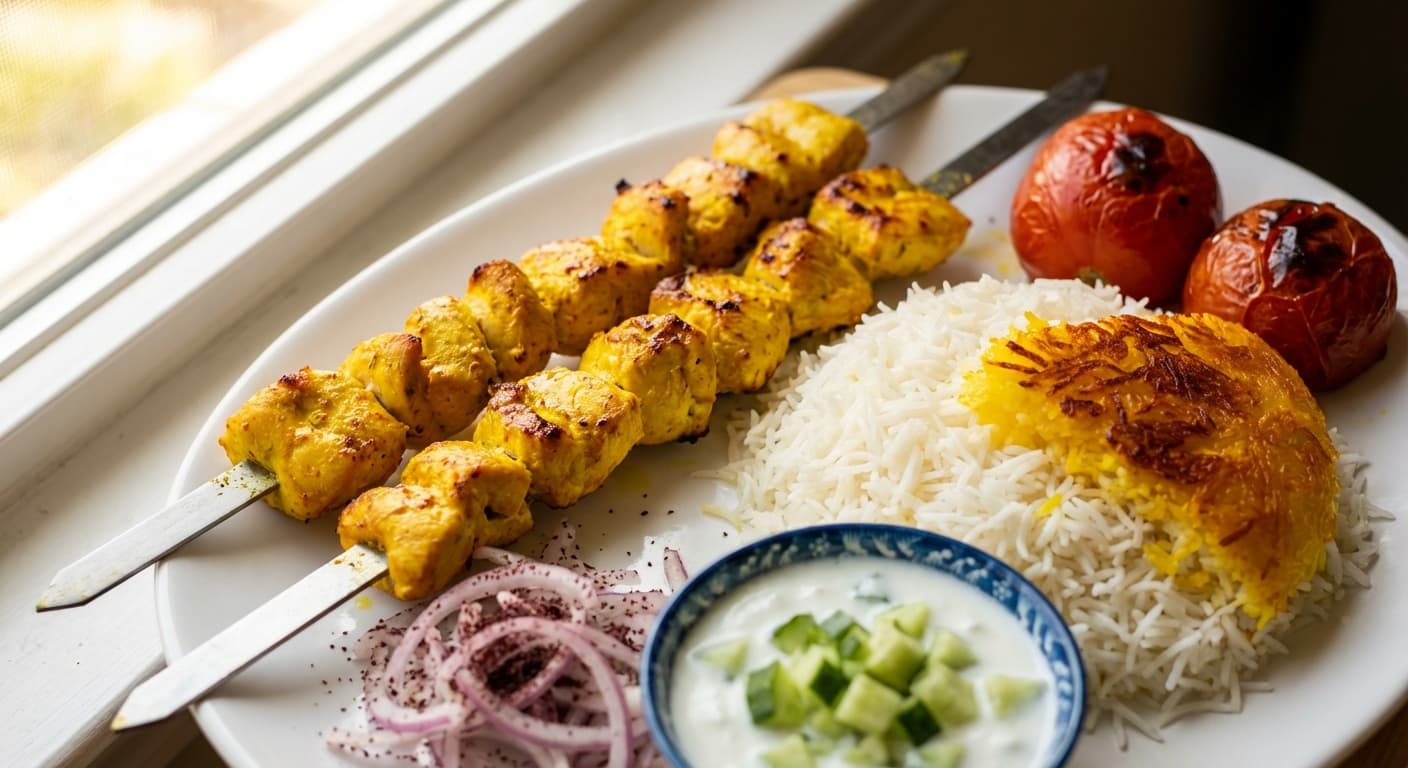
Joojeh Kabab (جوجه کباب) — Saffron-Yogurt Marinated Persian Chicken Skewers
Persian · Kebabs · 39 min
Reviews
Cooked this recipe?
Tap the stars to rate it — that's all it takes. A few words are welcome but optional.
No ratings yet. Cooked this one? Be the first to rate it — it takes one tap.