Tabbouleh (تبولة) — Lebanese Parsley and Bulgur Salad
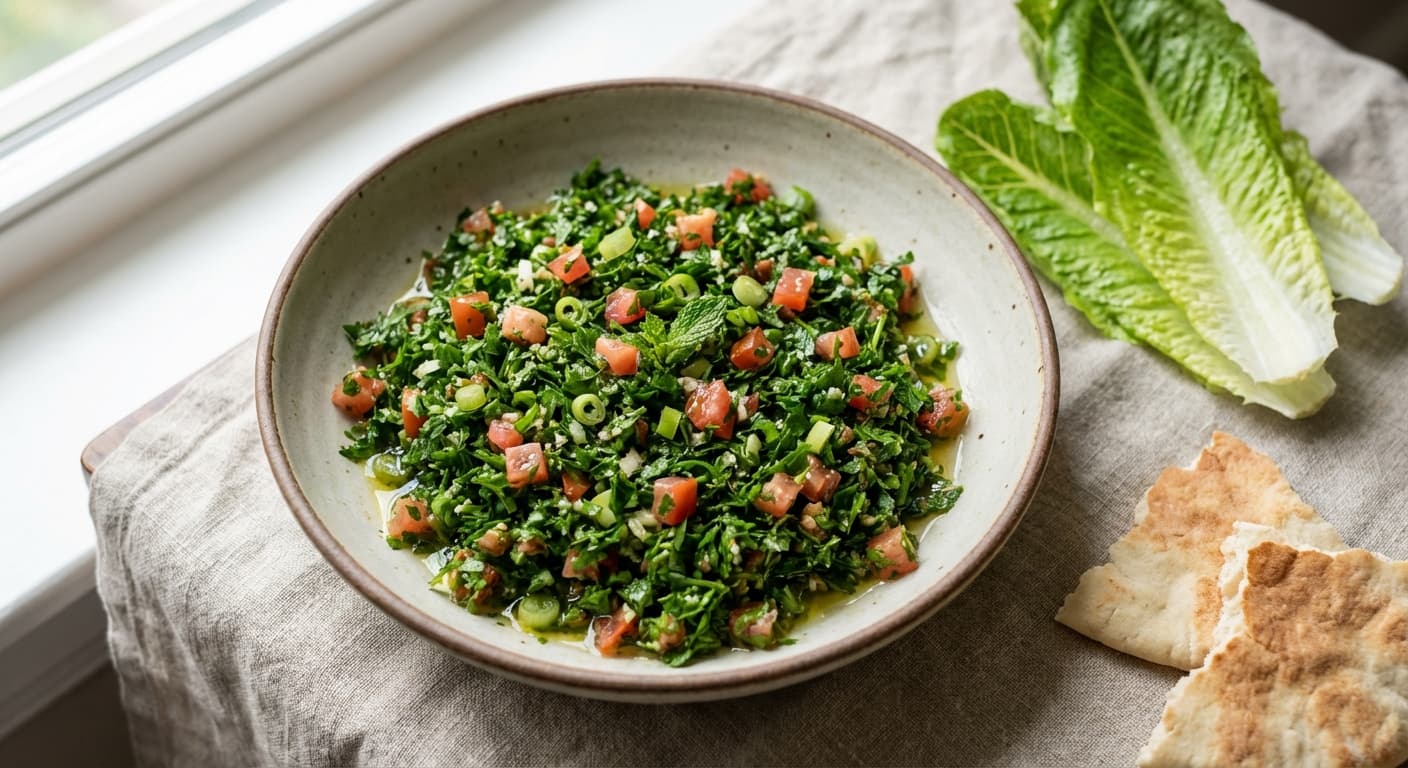
Tabbouleh is a classic Lebanese mezze salad built on mountains of parsley, bright lemon, and a touch of bulgur. It’s served across the Levant as a refreshing counterpoint to grilled meats and rich dips.
Printable Recipe Card
Servings: 4 · Total: 25 min · Difficulty: easy
Ingredients (quick list)
- 40 g Fine bulgur (No. 1) (Use fine bulgur for authentic texture)
- 60 ml Boiling water (For soaking the bulgur)
- 180 g Flat-leaf parsley leaves, finely chopped (Stems removed; chop very fine)
- 15 g Fresh mint leaves, finely chopped (Spearmint preferred)
- 220 g Ripe tomatoes, finely diced (Seeded for a less watery salad)
- 60 g Green onions (scallions), finely sliced (White and green parts)
- 60 ml Fresh lemon juice (About 2 large lemons)
- 45 ml Extra-virgin olive oil (High-quality oil makes a big difference)
- 4 g Fine sea salt (About 3/4 tsp)
- 1 g Ground black pepper (About 1/2 tsp)
Steps (summary)
- Put the fine bulgur in a small bowl and pour 60 ml boiling water over it. Stir once, then let it stand for 10 minutes until ten…
- Fluff the bulgur with a fork, then press it gently through a fine sieve or squeeze it in clean hands to remove excess water. Tr…
- Add the chopped parsley and mint to the bowl with the bulgur, tossing lightly to separate the leaves. Keep mixing gentle so the…
- Add the diced tomatoes and sliced green onions, distributing them evenly through the herbs. If your tomatoes are very juicy, dr…
- In a small bowl, whisk the lemon juice, olive oil, salt, and black pepper for 20 seconds until the salt dissolves. Pour the dre…
- Let the tabbouleh rest for 5 minutes so the bulgur and herbs absorb the lemony dressing. Taste and adjust with an additional 10…
Cultural Background
Tabbouleh is a cornerstone of Lebanese mezze, traditionally prized for its intense herb freshness and lemony brightness. Often eaten with lettuce leaves or pita as a scoop, it reflects the region’s love of garden herbs and olive oil.
Equipment
💡 Tips
- Chop parsley very finely with a sharp knife; a dull blade bruises the leaves and turns the salad dark.
- Seed and drain tomatoes to prevent a soupy tabbouleh, especially if serving later the same day.
- For the most authentic balance, keep parsley dominant and bulgur minimal; it should look green, not grain-heavy.
⚠️ Common Mistakes
❌ Using too much bulgur so the salad becomes grain-heavy and beige.
✅ Fix: Keep bulgur to about 10–20% of the volume; increase parsley and mint for a greener, more authentic tabbouleh.
❌ Chopping herbs too far ahead, causing browning and a grassy smell.
✅ Fix: Chop parsley and mint just before mixing, and chill the leaves dry in the fridge for 10 minutes to keep them crisp.
❌ Watery tabbouleh from juicy tomatoes and undrained bulgur.
✅ Fix: Seed and briefly drain tomatoes, and squeeze bulgur after soaking to remove excess moisture before combining.
🧊 How to Store
Store tabbouleh in an airtight container in the refrigerator for up to 24 hours. For best texture, drain any liquid before serving and refresh with 10 ml lemon juice and 5 ml olive oil; avoid reheating, as it is meant to be served cold.
📅 Make Ahead
Soak and drain the bulgur up to 6 hours ahead and refrigerate it covered. Chop tomatoes and green onions up to 4 hours ahead, but chop herbs and dress the salad just before serving for best color and aroma.
🍽️ Pairs Well With
- Pita bread
- hummus
- baba ghanoush
- falafel
- grilled chicken shish taouk
- stuffed grape leaves.
Regional Variations
- Beirut-style tabbouleh is intensely parsley-forward with minimal bulgur and a sharp lemon profile.
- Some Levantine households add 1 small cucumber (120 g) finely diced for extra crunch, though it is not universal.
- In parts of Lebanon, romaine or little gem leaves are served alongside as edible scoops for the salad.
Ingredients
- 40 gFine bulgur (No. 1) (Use fine bulgur for authentic texture)
- 60 mlBoiling water (For soaking the bulgur)
- 180 gFlat-leaf parsley leaves, finely chopped (Stems removed; chop very fine)
- 15 gFresh mint leaves, finely chopped (Spearmint preferred)
- 220 gRipe tomatoes, finely diced (Seeded for a less watery salad)
- 60 gGreen onions (scallions), finely sliced (White and green parts)
- 60 mlFresh lemon juice (About 2 large lemons)
- 45 mlExtra-virgin olive oil (High-quality oil makes a big difference)
- 4 gFine sea salt (About 3/4 tsp)
- 1 gGround black pepper (About 1/2 tsp)
🔄 Substitutions
- Fine bulgur (No. 1)→ Quinoa, cooked and cooled
- Fresh mint leaves→ Dried mint
- Green onions (scallions)→ Sweet onion, very finely minced
Instructions
- 1
Put the fine bulgur in a small bowl and pour 60 ml boiling water over it. Stir once, then let it stand for 10 minutes until tender and fully hydrated.
- 2
Fluff the bulgur with a fork, then press it gently through a fine sieve or squeeze it in clean hands to remove excess water. Transfer it to a large mixing bowl so it cools quickly and doesn’t steam the herbs.
- 3
Add the chopped parsley and mint to the bowl with the bulgur, tossing lightly to separate the leaves. Keep mixing gentle so the herbs stay vivid and don’t bruise into a paste.
- 4
Add the diced tomatoes and sliced green onions, distributing them evenly through the herbs. If your tomatoes are very juicy, drain them for 2 minutes before adding so the salad stays bright rather than watery.
- 5
In a small bowl, whisk the lemon juice, olive oil, salt, and black pepper for 20 seconds until the salt dissolves. Pour the dressing over the salad and toss for 30–45 seconds until everything is evenly coated.
- 6
Let the tabbouleh rest for 5 minutes so the bulgur and herbs absorb the lemony dressing. Taste and adjust with an additional 10 ml lemon juice if you want sharper acidity, then serve immediately for the freshest flavor.
🪪 Recipe Passport
Cultural Background
Tabbouleh is a cornerstone of Lebanese mezze, traditionally prized for its intense herb freshness and lemony brightness. Often eaten with lettuce leaves or pita as a scoop, it reflects the region’s love of garden herbs and olive oil.
Regional Variations
Researched from multiple sources and validated by the Zaffaron editorial team. Every recipe is tested for accuracy, measurements, and cultural authenticity.
Nutrition per serving
Pairs well with
If you enjoyed this recipe, here are a few related Zaffaron recipes to try next.
Does your family make this differently?
Every family has their own version. Maybe your grandmother adds a secret ingredient, or your aunt has a completely different technique. Preserve your family's version — with their name on it, forever.
You Might Also Like
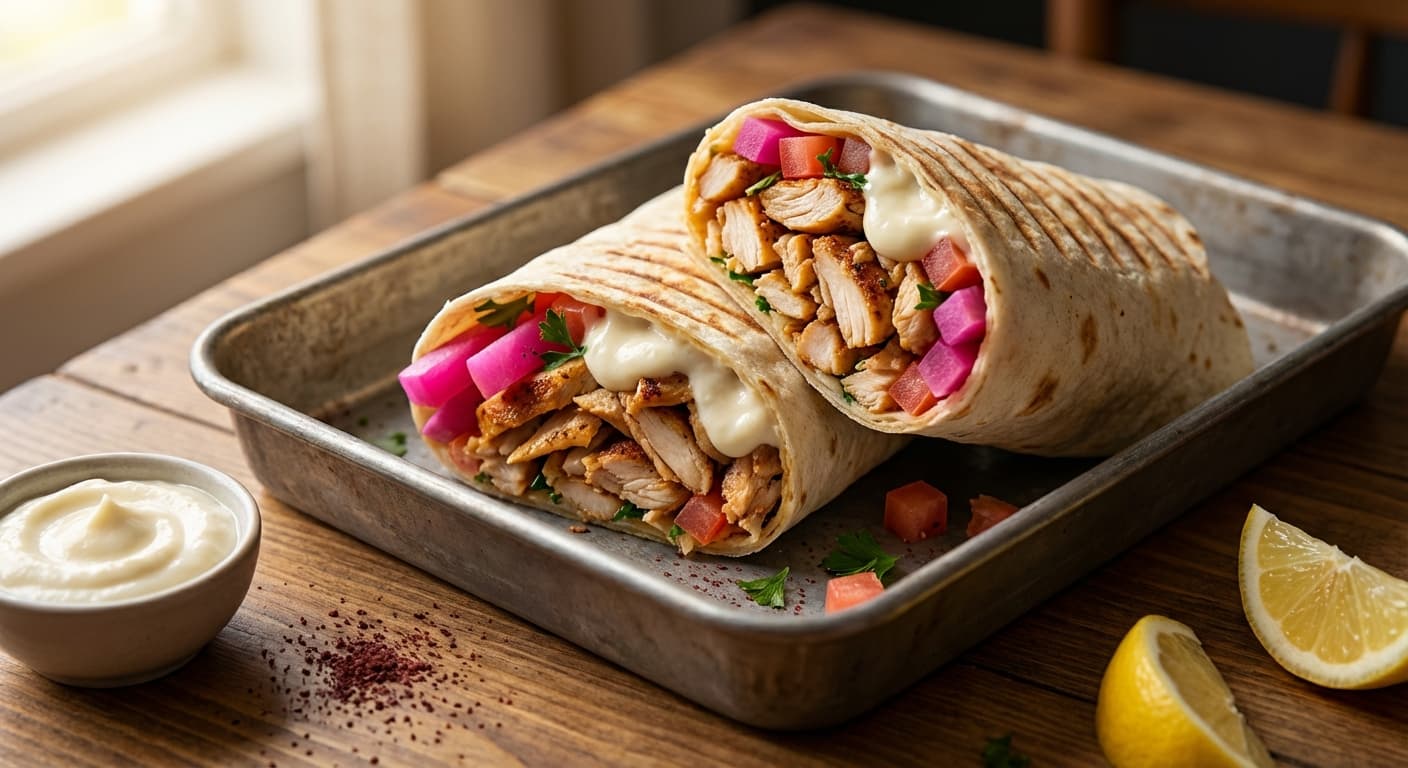
Shawarma Djaj (شاورما دجاج) — Lebanese Chicken Shawarma with Toum
Lebanese · Kebabs · 45 min
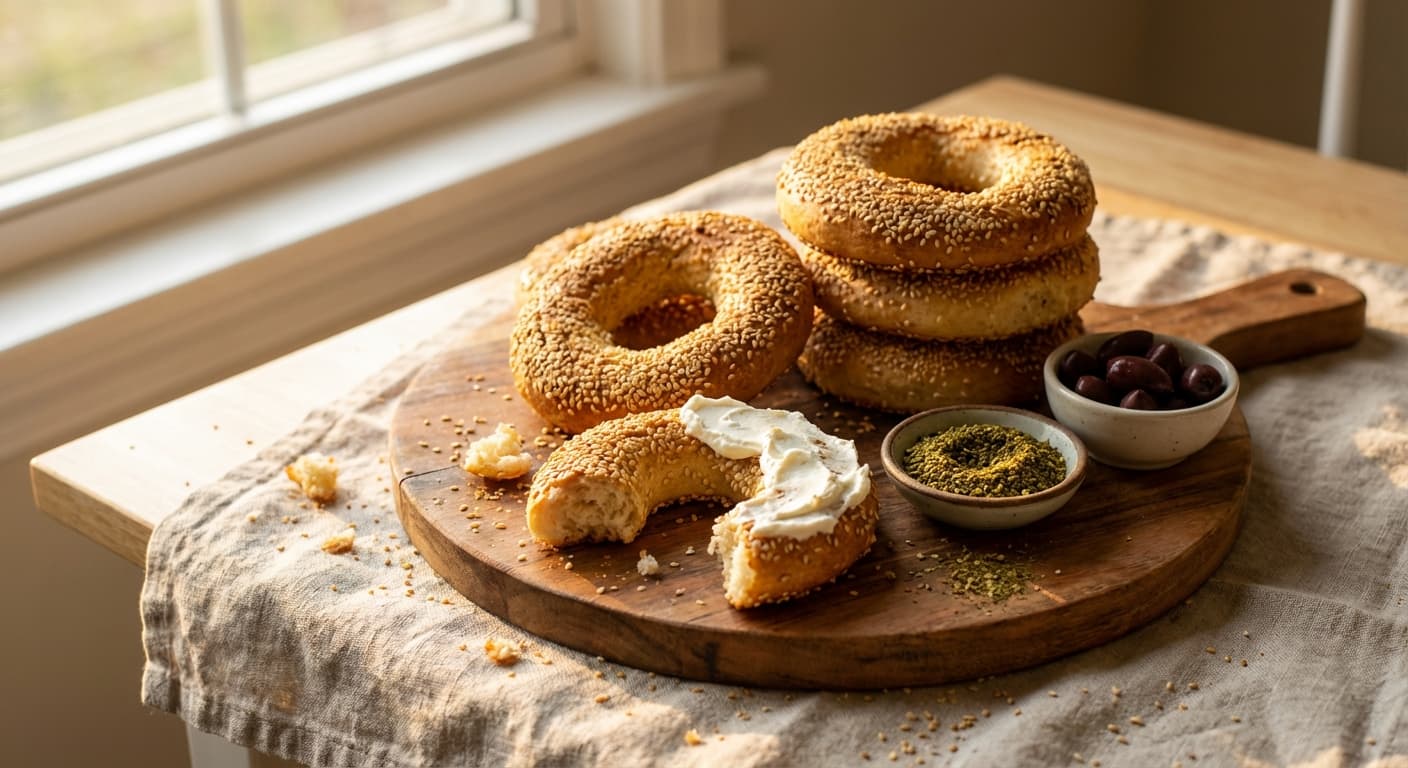
Kaak (كعك) — Lebanese Sesame Bread Rings with a Crisp Crust
Lebanese · Breads · 43 min
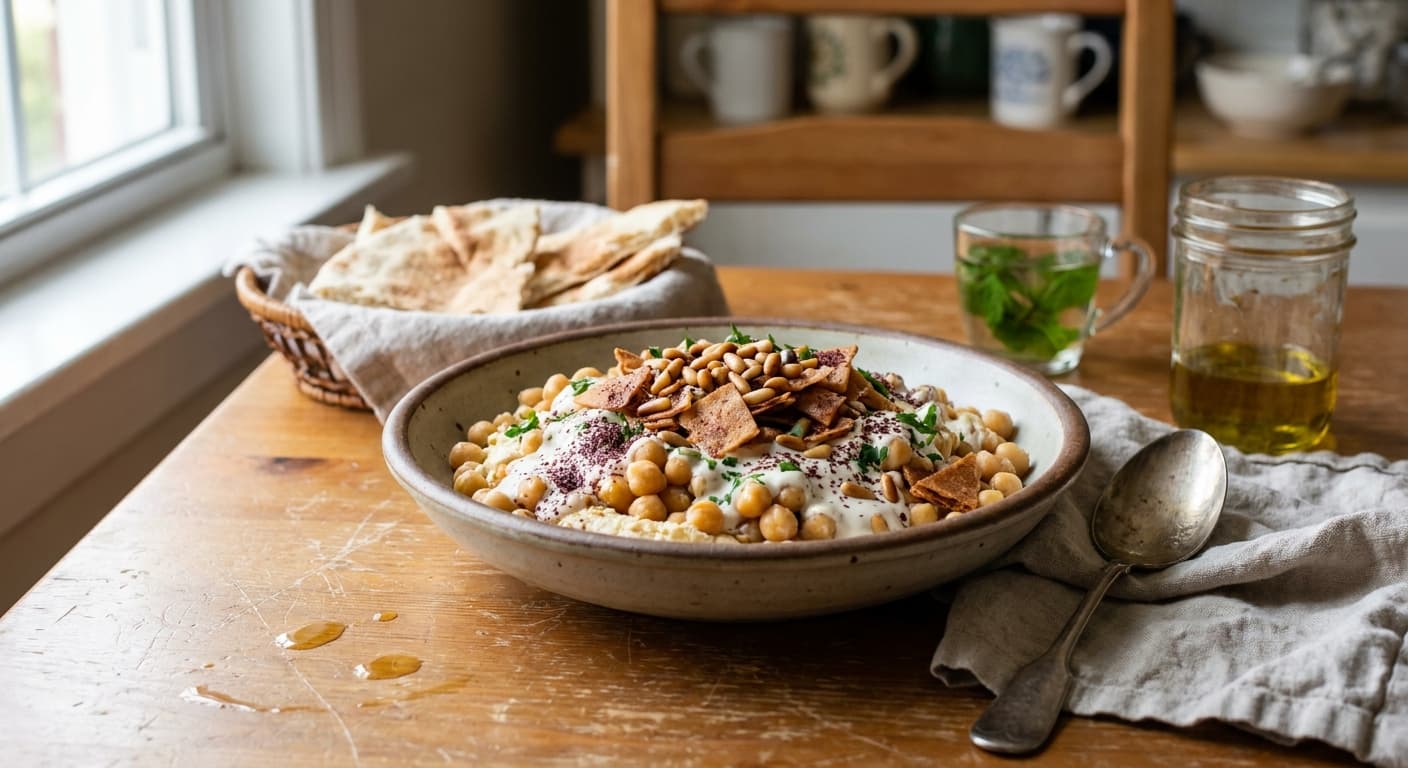
Fattet Hummus (فتة حمص) — Chickpeas with Yogurt and Crisp Bread
Lebanese · Main Courses · 30 min
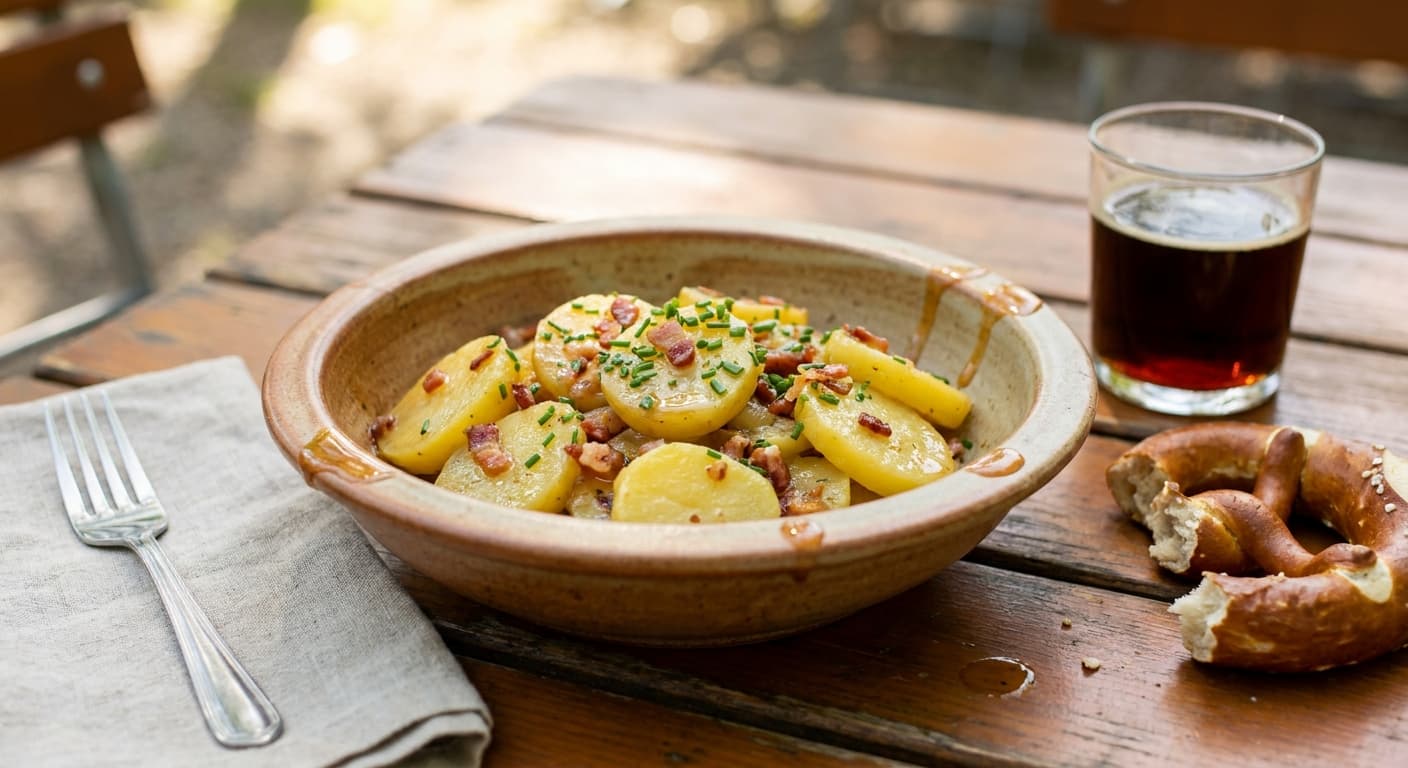
German Potato Salad (Kartoffelsalat) — Warm Vinegar-Broth Potato Salad
German · Salads · 50 min

Som Tum (ส้มตำ) — Thai Green Papaya Salad
Thai · Salads · 25 min
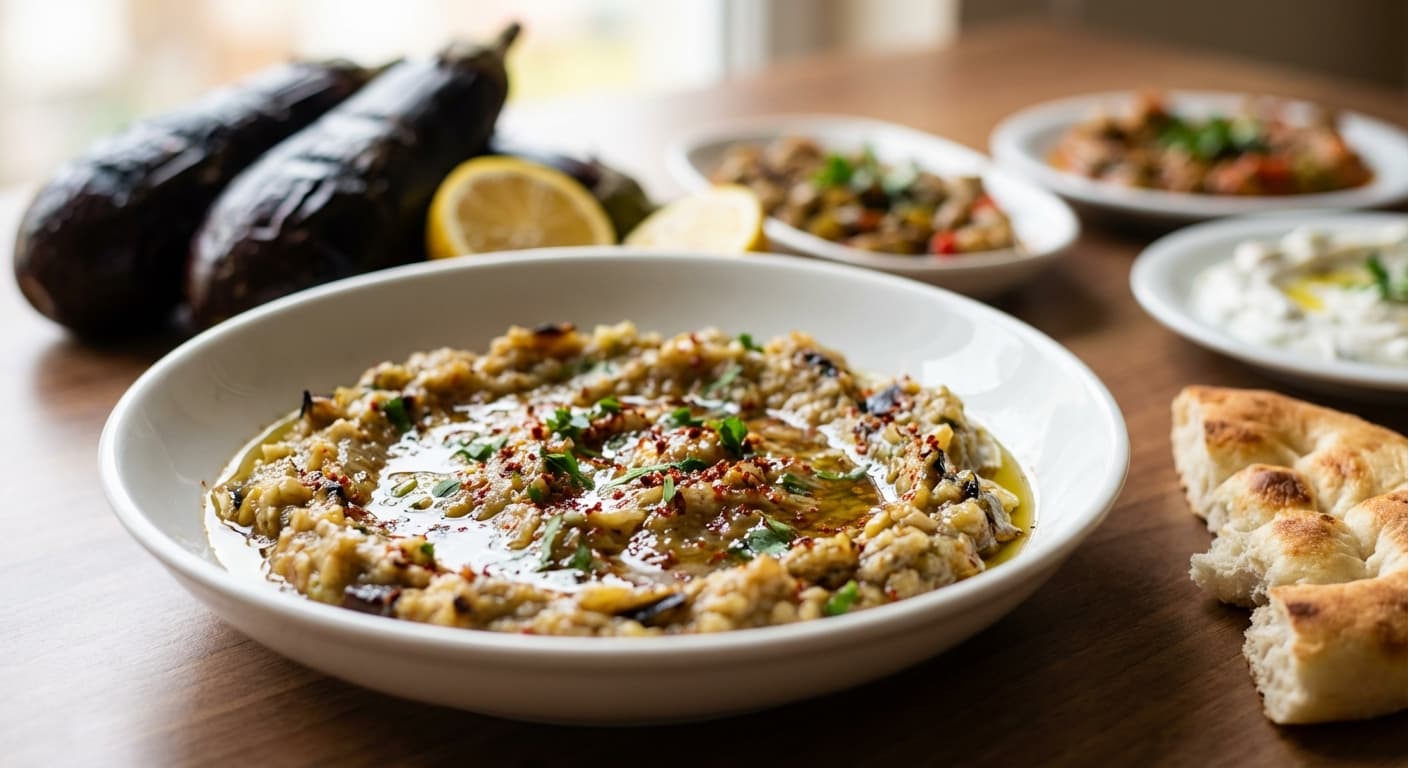
Smoky Eggplant Salad (Patlıcan Salatası) — Turkish charred eggplant with garlic and olive oil
Turkish · Salads · 40 min
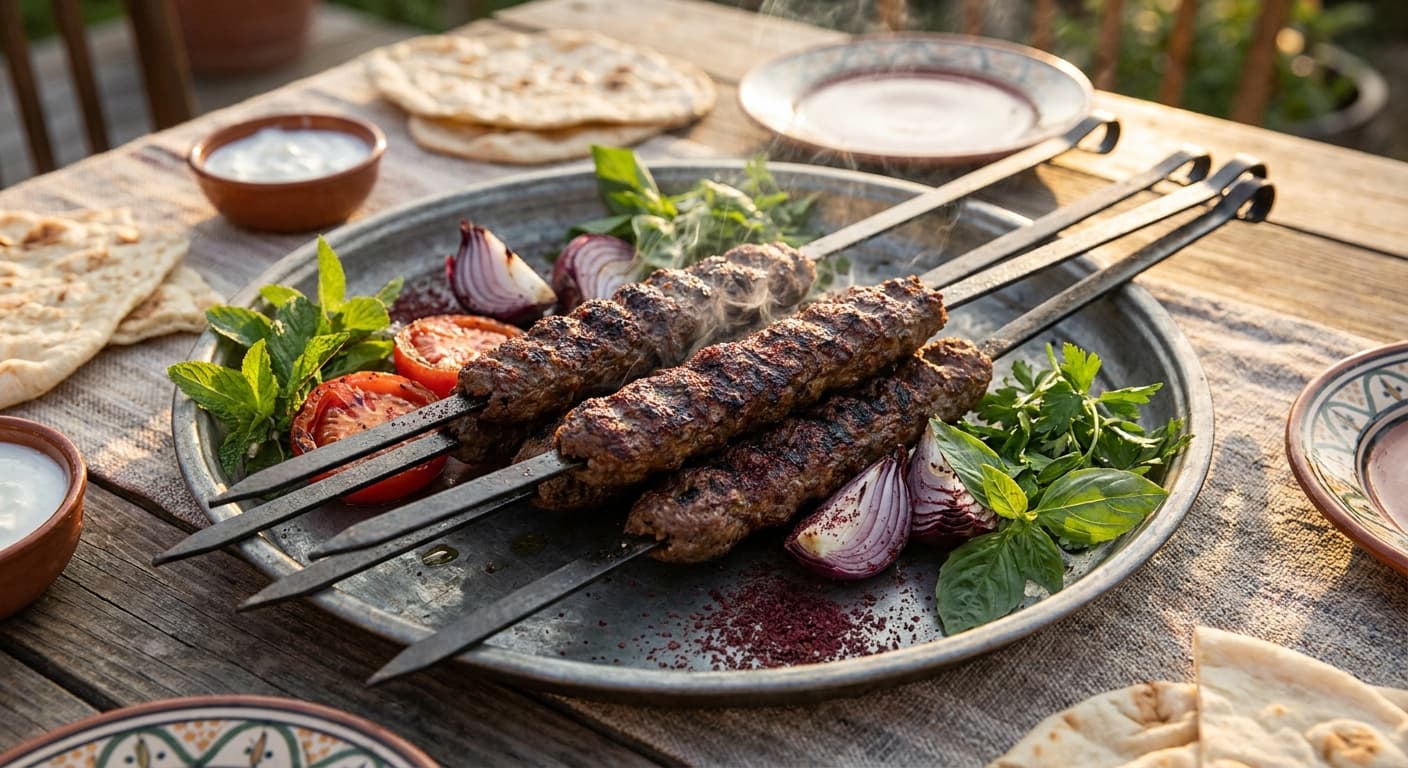
Authentic Kabab Koobideh (کباب کوبیده) — Persian Minced Lamb Skewers
Persian · Kebabs · 40 min
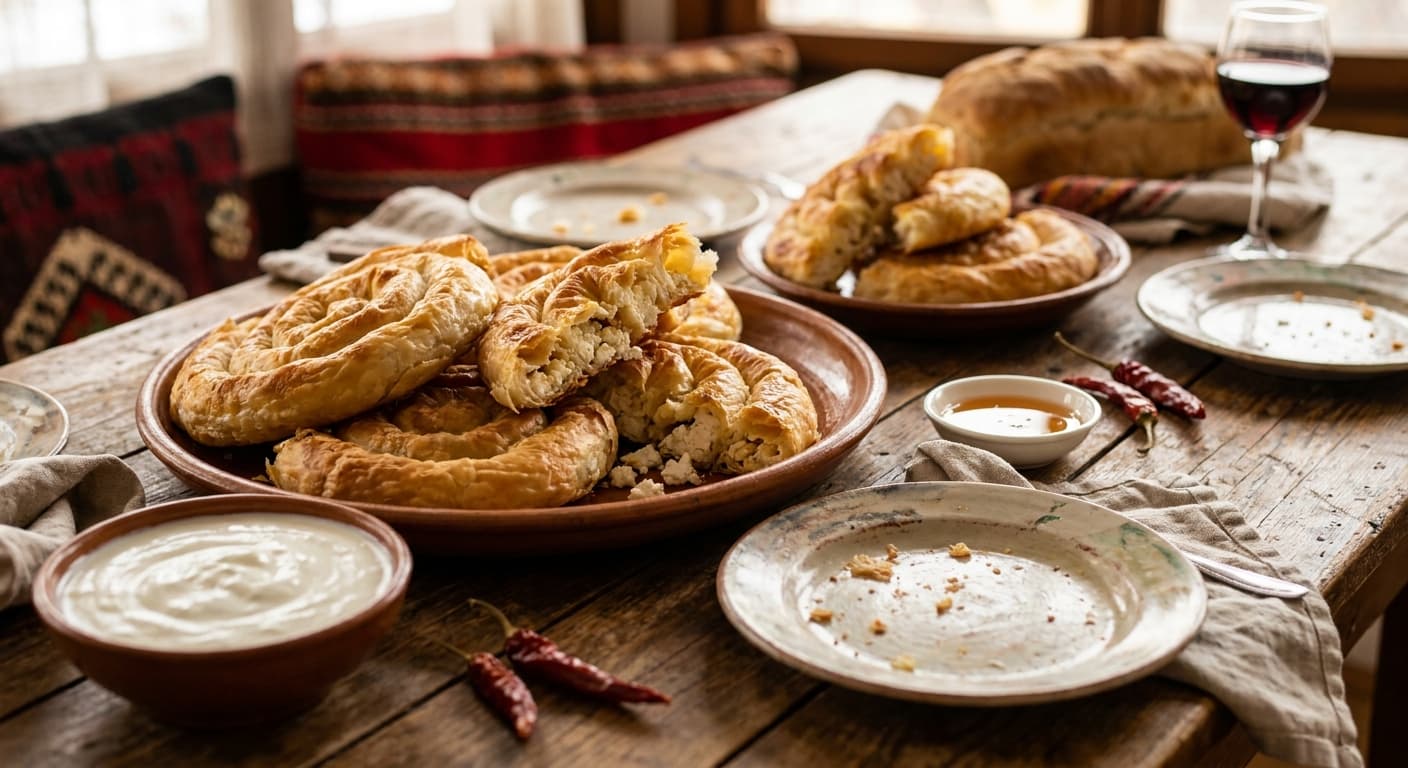
Bulgarian Banitsa (Баница) — Flaky Sirene-Filled Phyllo Pie
Bulgarian · Breads · 68 min
Reviews
Cooked this recipe?
Tap the stars to rate it — that's all it takes. A few words are welcome but optional.
No ratings yet. Cooked this one? Be the first to rate it — it takes one tap.