Tas Kebab (تهکباب) — Persian Layered Lamb and Quince Stew
Tas Kebab is a Persian slow-cooked layered stew where lamb, quince, prunes, and vegetables gently steam together. The result is tender meat and a balanced sweet-and-sour sauce scented with turmeric and cinnamon.
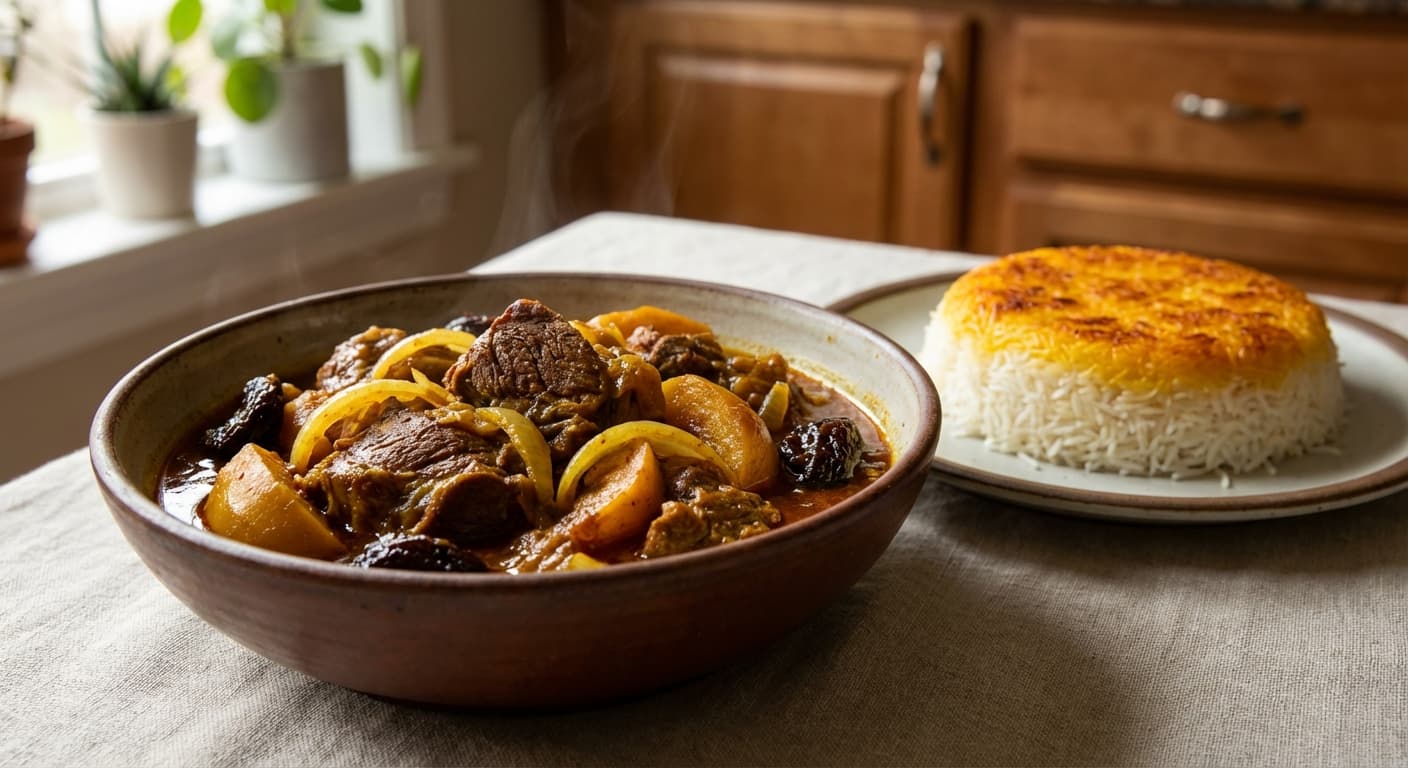
Printable Recipe Card
Servings: 6 · Total: 180 min · Difficulty: medium
Ingredients (quick list)
- 900 g Boneless lamb shoulder, cut into 4 cm cubes (Trim excess surface fat; keep some for flavor)
- 350 g Yellow onions, sliced into 6 mm half-moons (About 2 large onions)
- 30 ml Neutral oil (Such as grapeseed or sunflower)
- 40 g Tomato paste (About 2 tablespoons)
- 2 tsp Ground turmeric
- 1 tsp Ground cinnamon
- 10 g Fine sea salt (About 1 3/4 teaspoons, plus more to taste)
- 1 tsp Black pepper, freshly ground
- 360 ml Boiling water (Add gradually; you want steam more than broth)
- 240 g Carrots, peeled and cut into 1.5 cm rounds (About 2 large carrots)
- 450 g Potatoes, peeled and cut into 2.5 cm chunks (Waxy or all-purpose potatoes hold shape best)
- 400 g Quince, peeled, cored, and cut into 8 wedges (About 2 medium quince; keep pieces large)
+ 5 more in the full ingredients section below.
Steps (summary)
- Salt the eggplant rounds with 8 g salt on both sides and rest in a colander for 25 minutes to draw out bitterness. Rinse quickl…
- In a heavy 5–6 liter pot or Dutch oven, heat 30 ml oil over medium-high heat. Add the sliced onions and cook for 8–10 minutes,…
- Add 240 ml of the boiling water and scrape the bottom to dissolve browned bits. Reduce heat to medium-low and simmer uncovered…
- Layer the stew for gentle steaming: spread the lamb and onions evenly as the bottom layer. Arrange carrots over the lamb, then…
- Pour the remaining 120 ml boiling water down the side of the pot (avoid washing spices off the top layer). Cover with a tight-f…
- Check doneness: the lamb should be fork-tender and the quince should be soft but intact. If the pot looks dry, add 30–60 ml boi…
+ 1 more steps in the full instructions section below.
Cultural Background
Tas Kebab is a traditional Persian home-style stew known for its layered arrangement and gentle, low-heat cooking that concentrates flavors without frequent stirring. The combination of meat with fruit such as quince and prunes reflects a long-standing Persian preference for balanced sweet-and-sour profiles in slow-cooked dishes.
Equipment
💡 Tips
- Keep quince wedges large; small pieces dissolve and cloud the sauce.
- A very low simmer is essential—Tas Kebab is meant to steam in its own juices, not boil like a soup.
- If your prunes are very sweet, start with 15 ml lemon juice and add more at the end to balance.
- For deeper color, let the onions become lightly golden before adding lamb, but avoid burning the tomato paste.
- If eggplants absorb too much oil in your cooking style, dry-salt thoroughly and avoid pre-frying; the steam will soften them.
⚠️ Common Mistakes
❌ Boiling the stew on high heat
💡 Why: Rapid boiling breaks the layers, toughens meat fibers, and can scorch the bottom as liquid evaporates.
✅ Fix: Keep a very low simmer; if you see vigorous bubbling, reduce heat and consider using a heat diffuser.
❌ Adding too much water at the start
💡 Why: Tas Kebab is meant to steam; excess water dilutes the sweet-and-sour sauce and makes vegetables mushy.
✅ Fix: Start with the specified amount and add only 30–60 ml boiling water if the pot looks dry during cooking.
❌ Cutting vegetables too small or stirring the pot
💡 Why: Small pieces disintegrate and stirring destroys the layered presentation and can make the sauce muddy.
✅ Fix: Use the stated sizes and avoid stirring; serve by spooning down through layers.
❌ Skipping eggplant salting and drying
💡 Why: Wet eggplant can taste bitter and releases water, weakening the sauce.
✅ Fix: Salt for 25 minutes, rinse briefly, and pat very dry before layering.
🧊 How to Store
Cool to room temperature within 2 hours, then refrigerate in an airtight container for up to 3 days. Reheat covered on low with 30–60 ml water until steaming hot (74°C). Freeze up to 2 months; thaw overnight in the refrigerator before reheating gently.
📅 Make Ahead
Prep vegetables (except potatoes) up to 24 hours ahead and refrigerate airtight; keep quince wedges in acidulated water (1 liter water + 30 ml lemon juice) to prevent browning, then drain well before layering. The finished stew tastes even better the next day; reheat gently covered on low.
🍽️ Pairs Well With
- Persian steamed rice
- Plain yogurt with cucumber and mint
- Fresh herbs platter (mint
- basil
- radishes)
- Pickled vegetables
Regional Variations
- Tehran-style home cookingOften includes a clearer layering of vegetables with a relatively light tomato base, letting quince and prunes provide most of the sweet-and-sour character.
- Northern Iran (Caspian-influenced households)Sometimes leans more tart by increasing lemon juice at the finish and using more fruit relative to potatoes, creating a brighter sweet-and-sour balance.
Ingredients
- 900 gBoneless lamb shoulder, cut into 4 cm cubes (Trim excess surface fat; keep some for flavor)
- 350 gYellow onions, sliced into 6 mm half-moons (About 2 large onions)
- 30 mlNeutral oil (Such as grapeseed or sunflower)
- 40 gTomato paste (About 2 tablespoons)
- 2 tspGround turmeric
- 1 tspGround cinnamon
- 10 gFine sea salt (About 1 3/4 teaspoons, plus more to taste)
- 1 tspBlack pepper, freshly ground
- 360 mlBoiling water (Add gradually; you want steam more than broth)
- 240 gCarrots, peeled and cut into 1.5 cm rounds (About 2 large carrots)
- 450 gPotatoes, peeled and cut into 2.5 cm chunks (Waxy or all-purpose potatoes hold shape best)
- 400 gQuince, peeled, cored, and cut into 8 wedges (About 2 medium quince; keep pieces large)
- 450 gEggplants, cut into 2.5 cm thick rounds (About 2 medium eggplants)
- 140 gDried prunes, pitted (About 1 cup loosely packed)
- 30 mlFresh lemon juice (About 2 tablespoons; balances the sweet notes)
- 0.25 tspSaffron threads (Optional but traditional)
- 30 mlHot water (For blooming saffron, if using)
🔄 Substitutions
- Quince→ Firm pears (such as Bosc), cut into thick wedges
- Boneless lamb shoulder→ Beef chuck, cut into 4 cm cubes
- Dried prunes→ Dried apricots (halved)
Instructions
- 1
Salt the eggplant rounds with 8 g salt on both sides and rest in a colander for 25 minutes to draw out bitterness. Rinse quickly under cool water, then pat very dry with towels. Meanwhile, peel and cut the quince, carrots, and potatoes to the specified sizes so they cook evenly during the slow steam.
- 2
In a heavy 5–6 liter pot or Dutch oven, heat 30 ml oil over medium-high heat. Add the sliced onions and cook for 8–10 minutes, stirring, until softened and lightly golden. Add lamb cubes and brown for 6–8 minutes, turning occasionally. Stir in turmeric, cinnamon, black pepper, and tomato paste; cook 2 minutes to toast the paste.
- 3
Add 240 ml of the boiling water and scrape the bottom to dissolve browned bits. Reduce heat to medium-low and simmer uncovered for 10 minutes to start tenderizing the lamb and concentrate the base. Taste the liquid and add the 10 g salt (or adjust if your tomato paste is very salty).
- 4
Layer the stew for gentle steaming: spread the lamb and onions evenly as the bottom layer. Arrange carrots over the lamb, then add potatoes in a single layer. Next, place the dried prunes evenly, followed by the quince wedges. Finish by arranging the eggplant rounds on top in overlapping circles to create a tight lid-like layer.
- 5
Pour the remaining 120 ml boiling water down the side of the pot (avoid washing spices off the top layer). Cover with a tight-fitting lid. Cook on very low heat for 1 hour 45 minutes, keeping the stew at a quiet simmer. Do not stir; instead, rotate the pot once or twice for even heat distribution.
- 6
Check doneness: the lamb should be fork-tender and the quince should be soft but intact. If the pot looks dry, add 30–60 ml boiling water, cover, and cook 10–15 minutes more. If using saffron, bloom it in 30 ml hot water for 5 minutes, then drizzle over the top for the final 5 minutes of cooking.
- 7
Turn off the heat and rest the covered pot for 10 minutes so juices redistribute. Gently spoon servings to keep the layers recognizable. Stir 30 ml lemon juice into the sauce at the bottom (or drizzle over portions) to sharpen the sweet-and-sour balance. Adjust salt to taste and serve hot with the sauce.
🪪 Recipe Passport
Cultural Background
Tas Kebab is a traditional Persian home-style stew known for its layered arrangement and gentle, low-heat cooking that concentrates flavors without frequent stirring. The combination of meat with fruit such as quince and prunes reflects a long-standing Persian preference for balanced sweet-and-sour profiles in slow-cooked dishes.
Regional Variations
Researched from multiple sources and validated by the Zaffaron editorial team. Every recipe is tested for accuracy, measurements, and cultural authenticity.
Nutrition per serving
Pairs well with
If you enjoyed this recipe, here are a few related Zaffaron recipes to try next.
Does your family make this differently?
Every family has their own version. Maybe your grandmother adds a secret ingredient, or your aunt has a completely different technique. Preserve your family's version — with their name on it, forever.
You Might Also Like
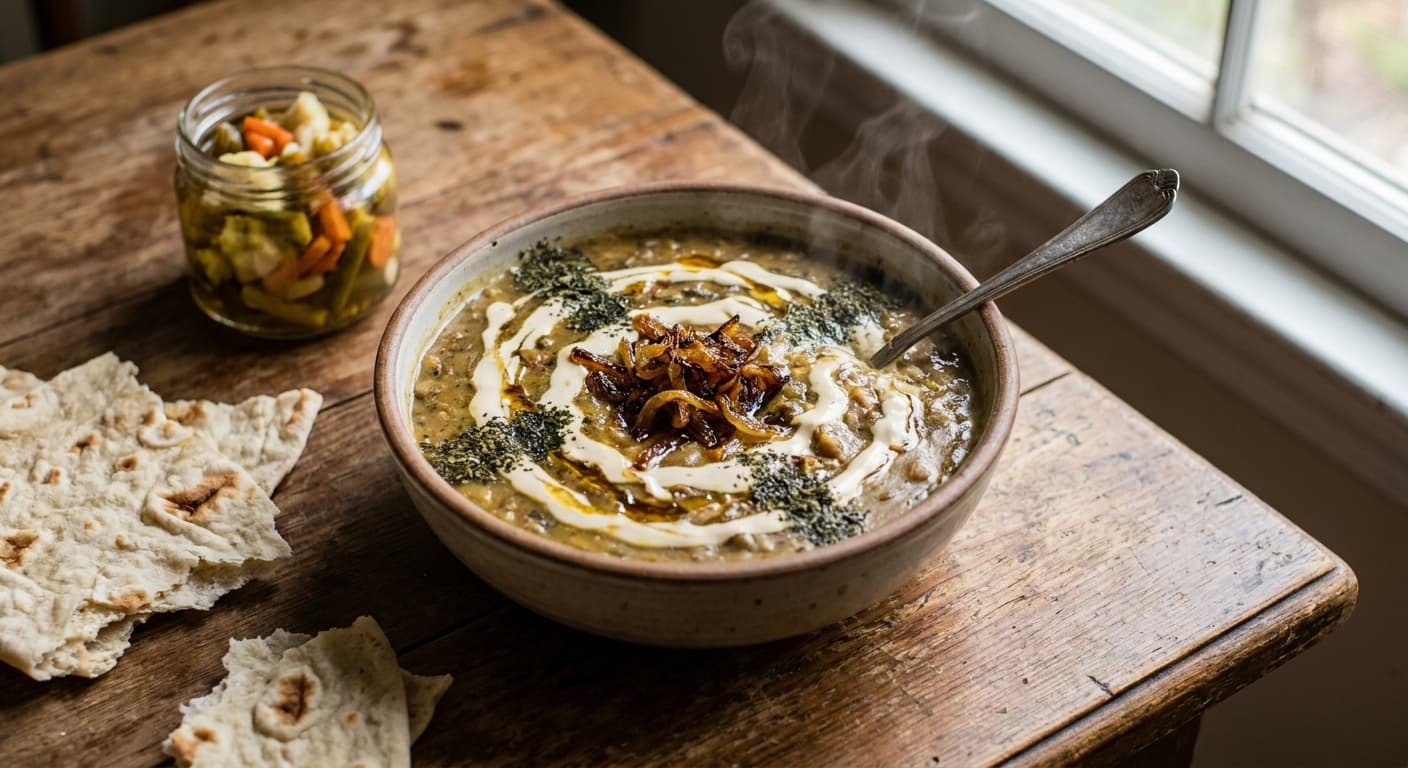
Ash-e Sak (آش ساک) — Gorgani Spinach and Lamb Ash
Persian · Soups · 175 min
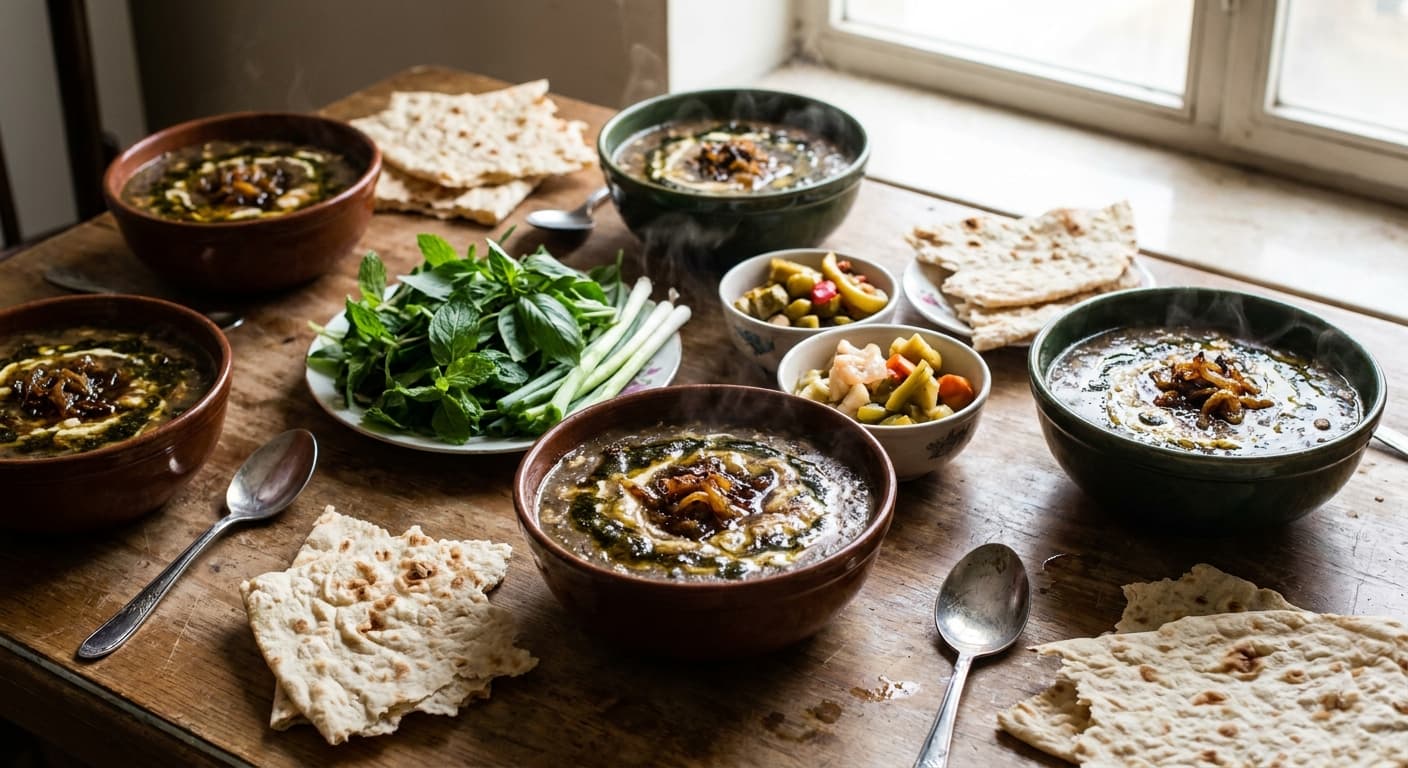
Ash-e Torsh (آش ترش) — Sour Herb and Legume Soup
Persian · Soups · 145 min
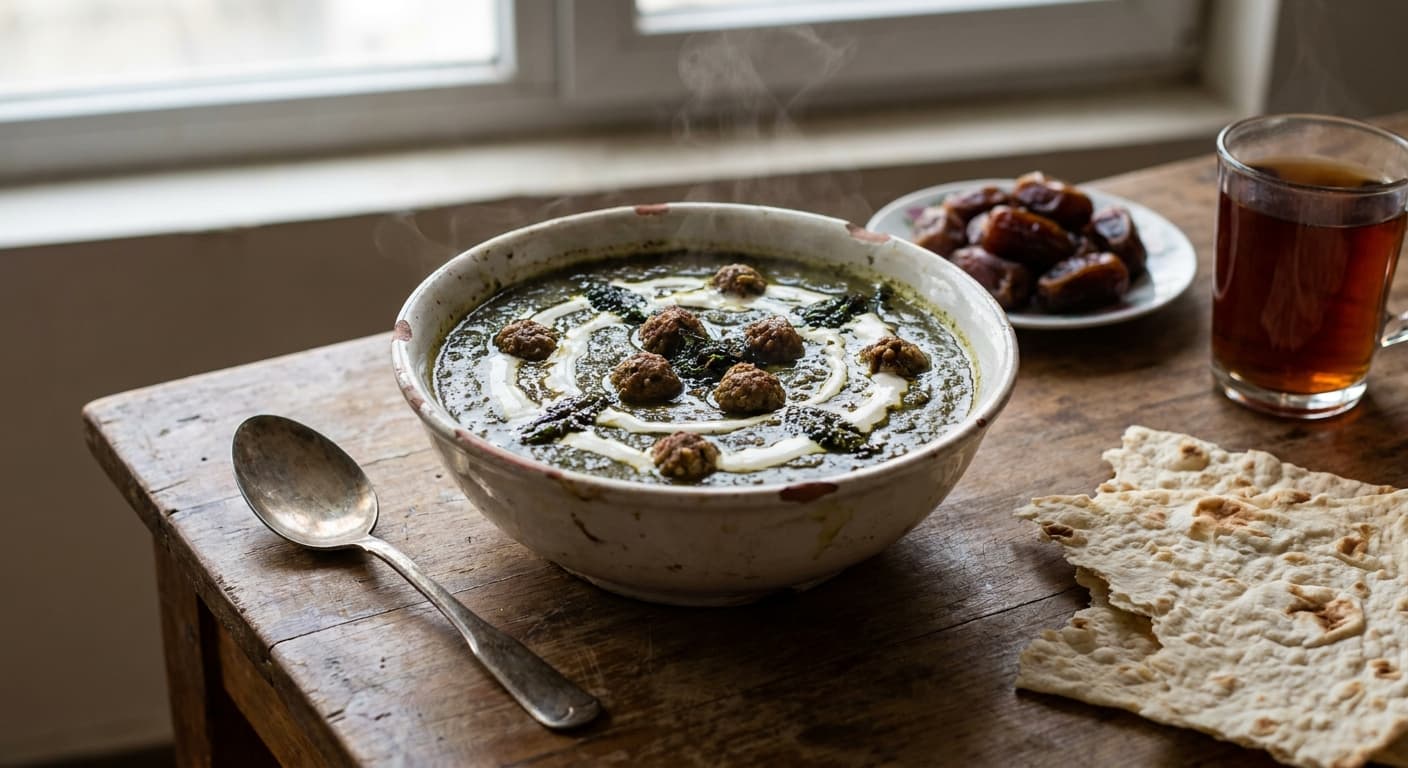
Ash-e Sak (آش ساک) — Golestani Spinach, Legume, and Meatball Soup
Persian · Soups · 175 min
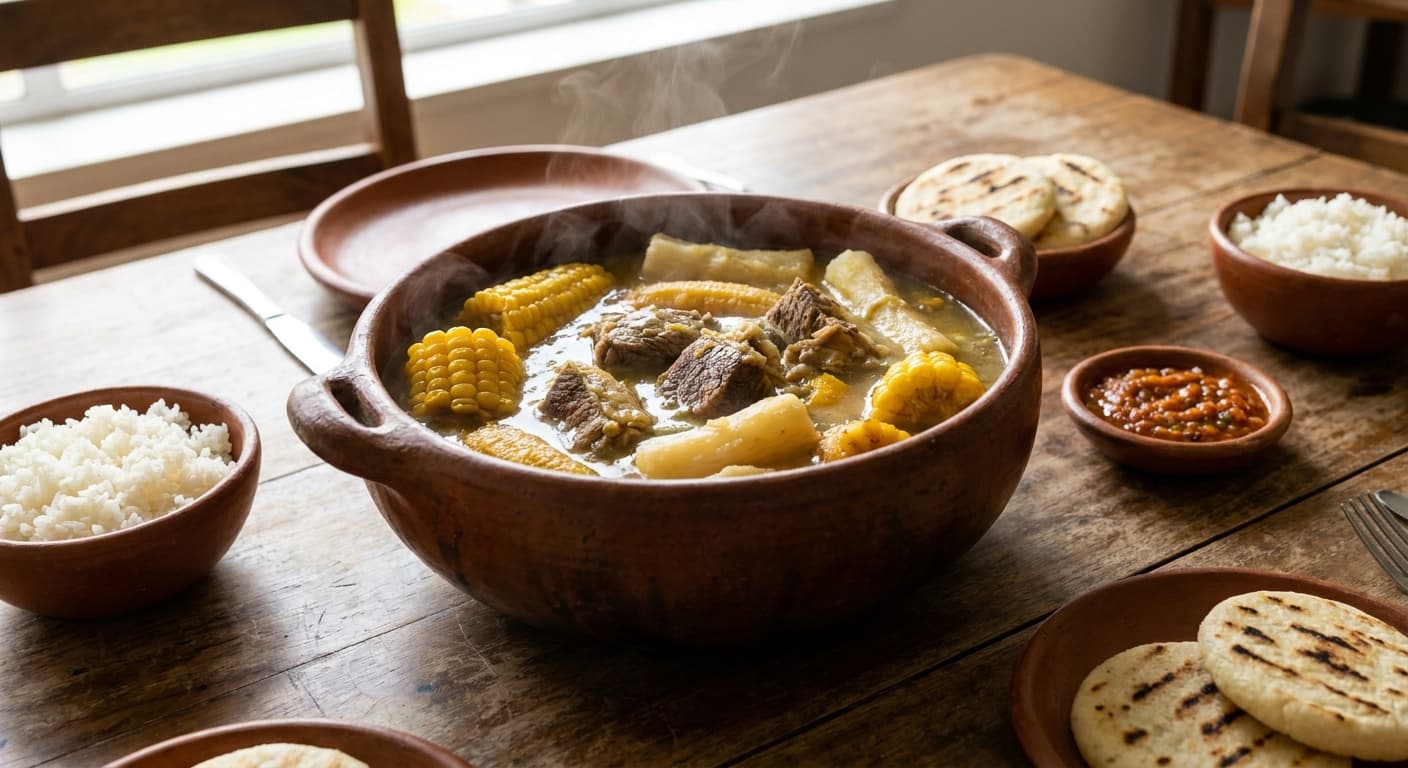
Colombian Sancocho (Sancocho Colombiano) — Hearty Three-Meat Root Vegetable Stew
Colombian · Stews · 170 min
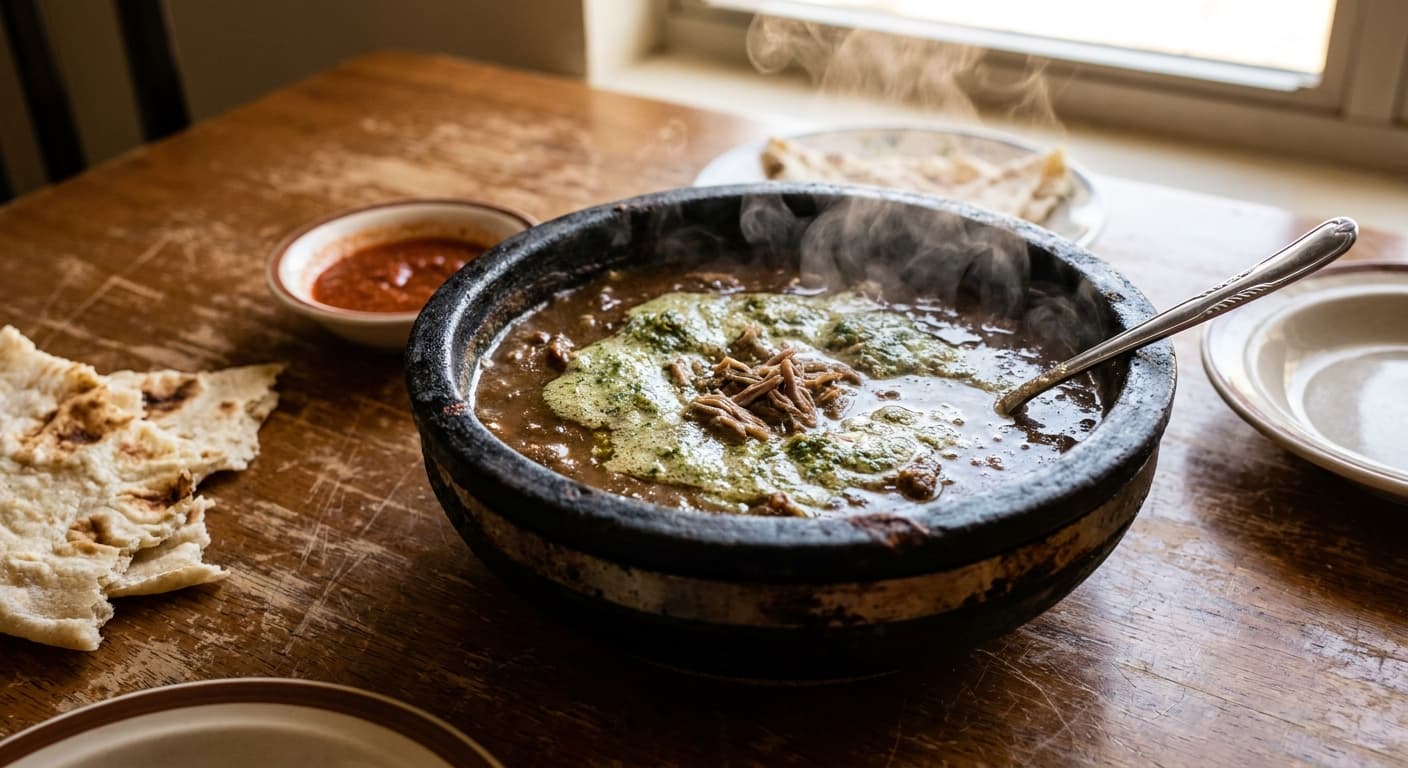
Fahsa (فحسة) — Bubbling Yemeni Shredded Lamb Stew
Yemeni · Stews · 140 min
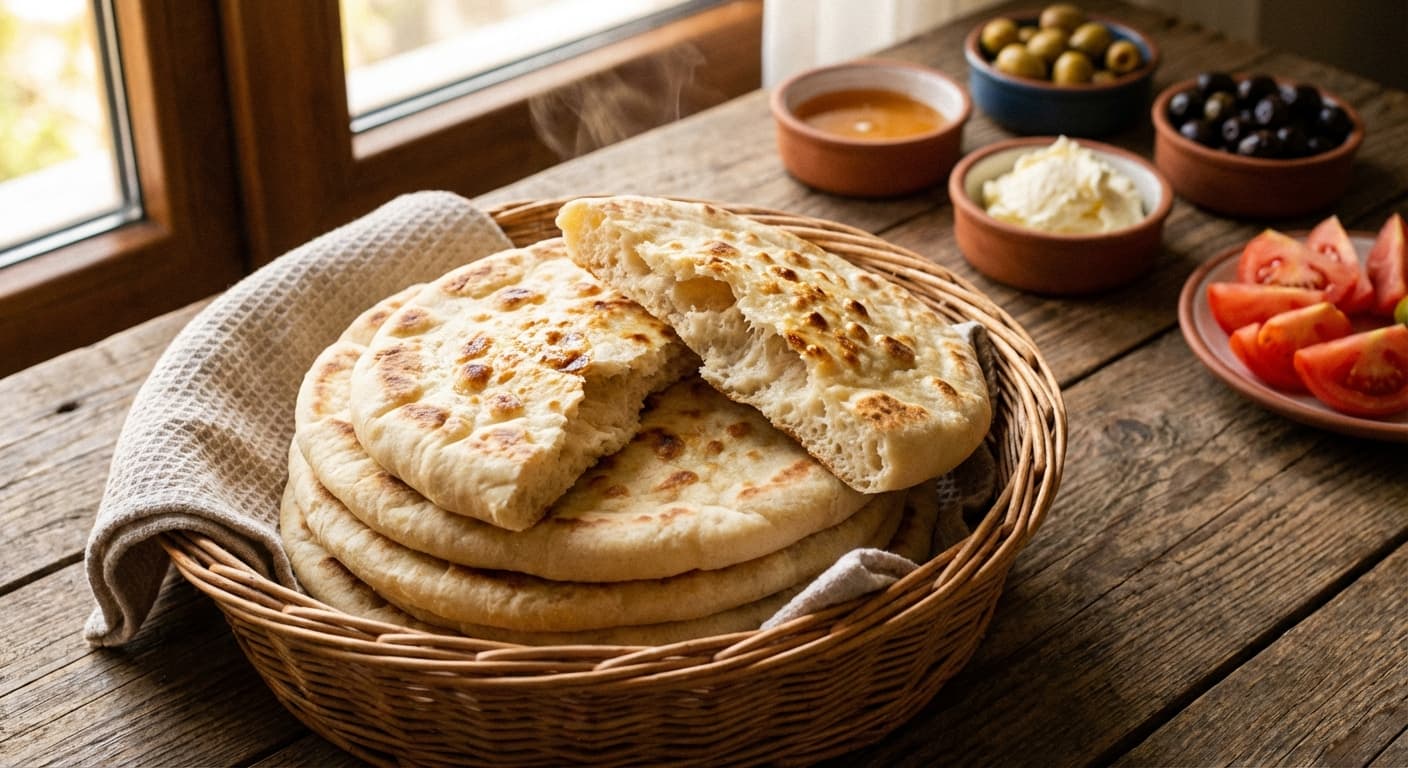
Bazlama (بازلاما) — Puffy Turkish Village Flatbread Cooked on a Saj
Turkish · Breads · 38 min
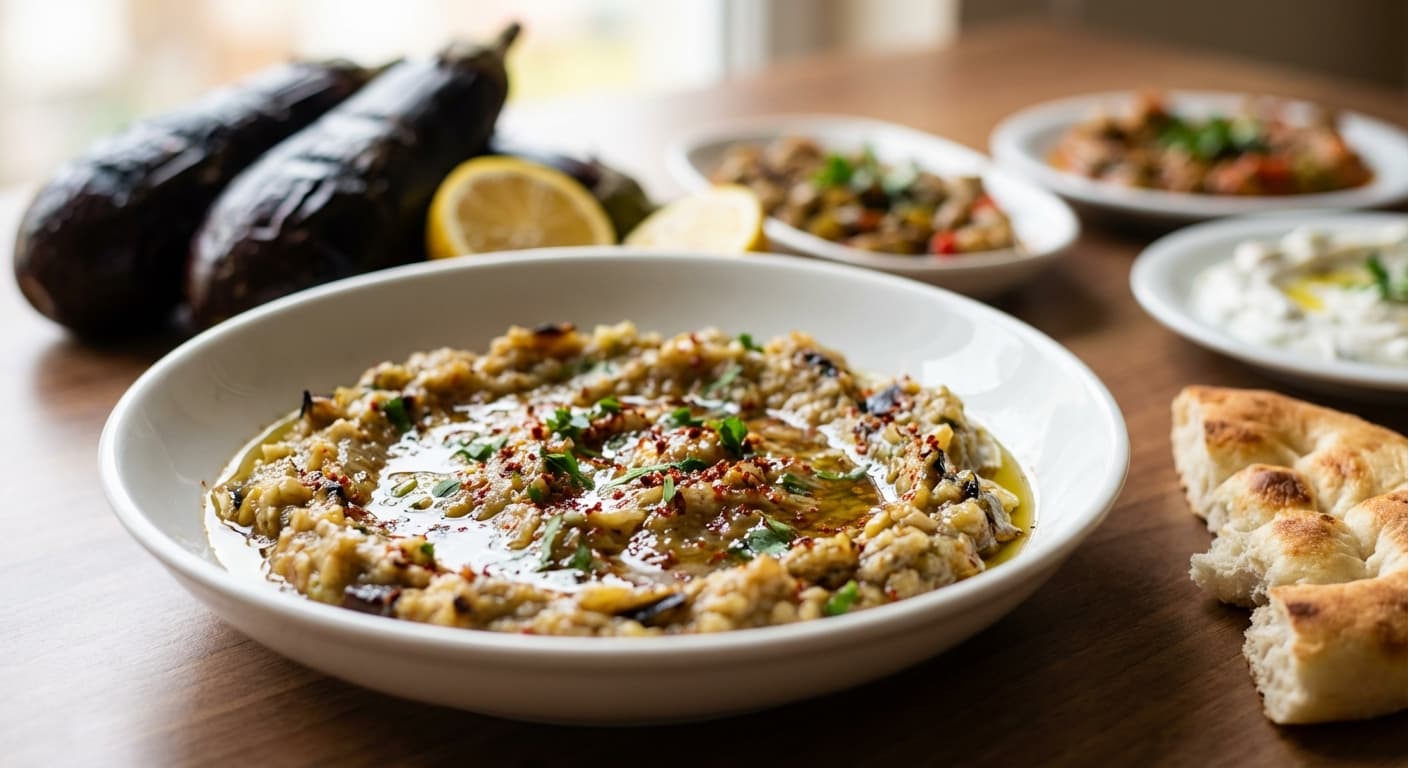
Smoky Eggplant Salad (Patlıcan Salatası) — Turkish charred eggplant with garlic and olive oil
Turkish · Salads · 40 min
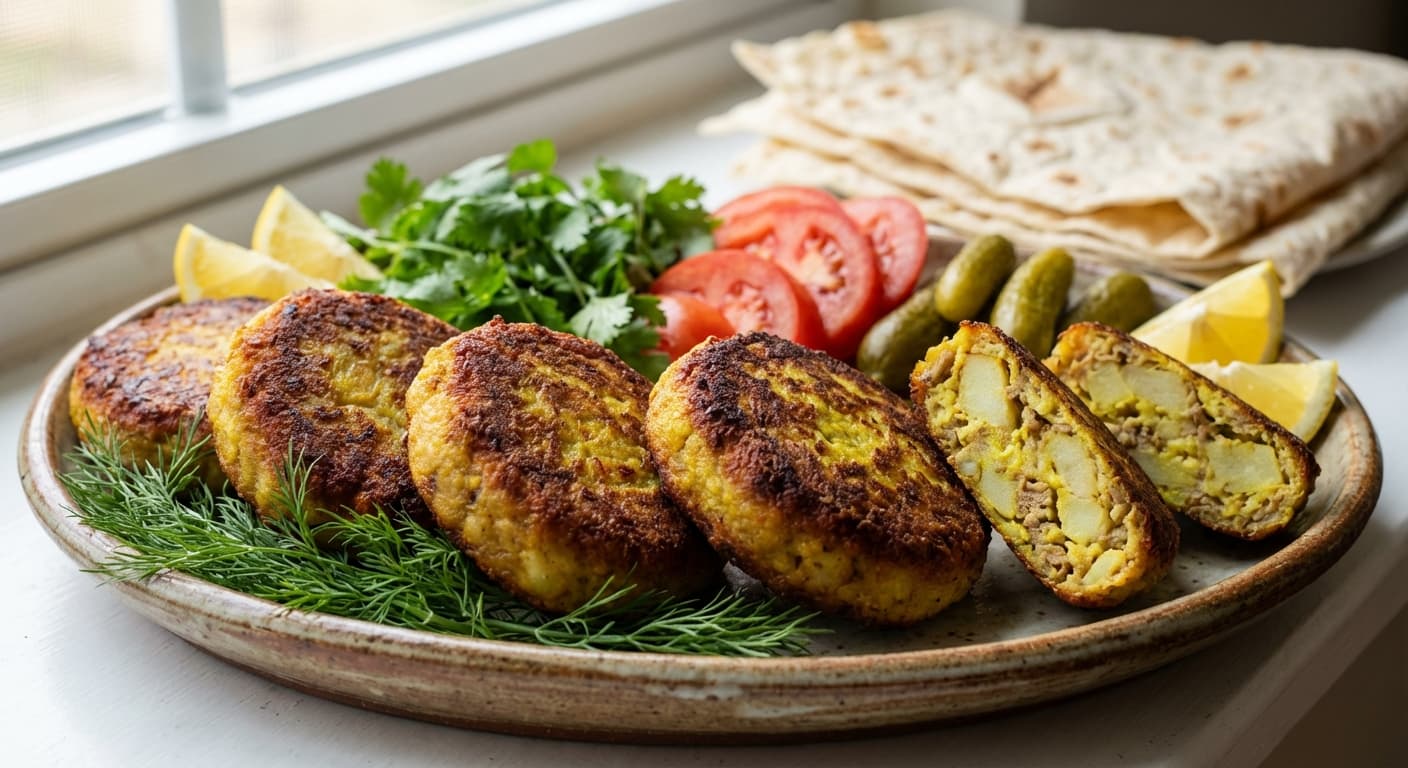
Persian Kotlet (کتلت) — Saffron-Infused Meat & Potato Patties
Persian · Main Courses · 55 min
Reviews
Cooked this recipe?
Tap the stars to rate it — that's all it takes. A few words are welcome but optional.
No ratings yet. Cooked this one? Be the first to rate it — it takes one tap.