Zeytoon Parvardeh (زیتون پرورده) — Persian Pomegranate and Walnut Marinated Olives
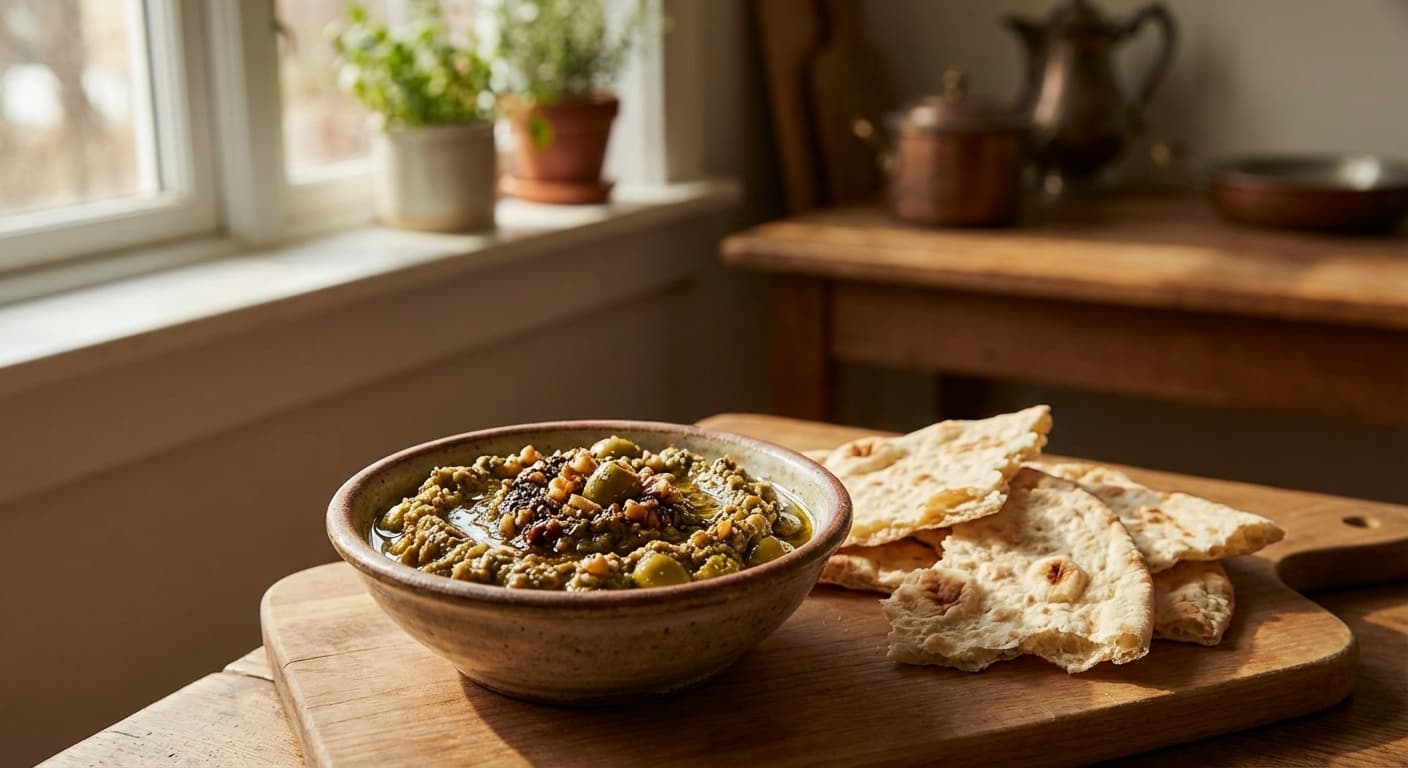
Zeytoon Parvardeh is a Northern Iranian olive appetizer marinated in a walnut-garlic paste with pomegranate molasses, herbs, and golpar. Tangy, nutty, and aromatic, it is best after a long chill for full flavor.
Printable Recipe Card
Servings: 8 · Total: 75 min · Difficulty: easy
Ingredients (quick list)
- 450 g Green olives, pitted (firm, brined; rinse and drain well)
- 120 g Walnuts (raw or lightly toasted, cooled)
- 12 g Garlic (about 3 medium cloves, finely grated)
- 45 ml Pomegranate molasses (3 tbsp; choose a tangy style, not overly sweet)
- 30 ml Extra virgin olive oil (2 tbsp)
- 2 tsp Dried mint (rubbed between fingers to release aroma)
- 2 tsp Dried cilantro (ground or finely crumbled)
- 1 tsp Golpar (ground hogweed) (adjust to taste; citrusy and slightly musky)
- 0.5 tsp Sea salt (add only after tasting olives; brined olives vary)
- 120 g Fresh pomegranate arils (about 3/4 cup, drained of juice)
Steps (summary)
- Rinse the pitted green olives under cool running water for 20–30 seconds to remove excess brine, then drain thoroughly. Spread…
- Make the walnut paste: add walnuts to a food processor and pulse 10–15 times until finely ground, like coarse sand. Add grated…
- Combine: place the drained olives in a mixing bowl. Add the walnut-herb paste and fold gently with a spatula for 1–2 minutes un…
- Finish with pomegranate: fold in the fresh pomegranate arils for 20–30 seconds, keeping some intact for garnish. Transfer to a…
- Serve: remove from the refrigerator 10 minutes before serving to soften the walnut paste and bloom the aromatics. Stir gently a…
Cultural Background
Zeytoon Parvardeh is a well-known appetizer associated with Northern Iran, especially the Caspian coastal region where olives and herb-forward flavors are common. It is often served as part of a spread alongside bread, herbs, and pickles, and it is valued for improving in flavor after resting.
Equipment
💡 Tips
- For best texture, choose firm, meaty green olives; very soft olives can collapse during mixing.
- If your pomegranate molasses is very sweet, balance with 1–2 tsp lemon juice (optional) and reduce added salt slightly.
- Lightly toasting walnuts (8–10 minutes at 160°C/325°F) deepens flavor; cool completely before processing to avoid oily paste.
- Drain pomegranate arils well; excess juice can loosen the paste and dilute flavor.
- Golpar is distinctive; start with 1/2 tsp if you are new to it and increase after chilling and tasting.
⚠️ Common Mistakes
❌ Not draining and drying the olives
💡 Why: Excess brine and water thins the walnut paste and makes the marinade slide off.
✅ Fix: Rinse briefly, drain thoroughly, and air-dry on a towel for 10 minutes before mixing.
❌ Over-processing the walnuts into nut butter
💡 Why: Too much processing releases oils, making the paste greasy and heavy.
✅ Fix: Pulse to a fine meal first, then process briefly with the liquids just until cohesive.
❌ Adding salt without tasting the olives
💡 Why: Brined olives vary widely in sodium, and the dish can become overly salty.
✅ Fix: Taste an olive first; add salt gradually and re-check after chilling, when flavors concentrate.
❌ Serving immediately after mixing
💡 Why: The garlic, herbs, and golpar need time to meld with the walnut and pomegranate.
✅ Fix: Chill at least 60 minutes; for best results, rest 12–24 hours before serving.
🧊 How to Store
Refrigerate in an airtight container for up to 5 days. Stir before serving; the walnut paste may thicken as it chills. Do not leave at room temperature longer than 2 hours. Freezing is not recommended because olives and walnuts change texture.
📅 Make Ahead
Make up to 2 days ahead; flavor improves after 12–24 hours. Stir before serving and add 1–2 tsp olive oil if the mixture tightens in the refrigerator.
🍽️ Pairs Well With
- Warm flatbread or lavash-style bread
- Fresh herbs and radishes
- Feta-style cheese or labneh
- As part of a mezze platter with pickles and cucumbers
Regional Variations
- Caspian coastal Iran (including Gilan-style serving)Often made with a thicker walnut paste and a pronounced use of golpar, then served as part of a larger table with herbs, bread, and other small plates.
- Urban home-kitchen variationSome cooks add a small splash of lemon juice for extra brightness or increase pomegranate molasses for a sweeter-tangier profile, depending on the olives and molasses available.
Ingredients
- 450 gGreen olives, pitted (firm, brined; rinse and drain well)
- 120 gWalnuts (raw or lightly toasted, cooled)
- 12 gGarlic (about 3 medium cloves, finely grated)
- 45 mlPomegranate molasses (3 tbsp; choose a tangy style, not overly sweet)
- 30 mlExtra virgin olive oil (2 tbsp)
- 2 tspDried mint (rubbed between fingers to release aroma)
- 2 tspDried cilantro (ground or finely crumbled)
- 1 tspGolpar (ground hogweed) (adjust to taste; citrusy and slightly musky)
- 0.5 tspSea salt (add only after tasting olives; brined olives vary)
- 120 gFresh pomegranate arils (about 3/4 cup, drained of juice)
🔄 Substitutions
- Golpar (ground hogweed)→ Ground coriander seed + a small pinch of ground cumin
- Pomegranate molasses→ Concentrated pomegranate juice reduction
- Walnuts→ Pecans
Instructions
- 1
Rinse the pitted green olives under cool running water for 20–30 seconds to remove excess brine, then drain thoroughly. Spread on a clean towel and air-dry for 10 minutes; drier olives hold the marinade better and prevent a watery paste. Taste one olive to gauge saltiness before seasoning later.
- 2
Make the walnut paste: add walnuts to a food processor and pulse 10–15 times until finely ground, like coarse sand. Add grated garlic, pomegranate molasses, extra virgin olive oil, dried mint, dried cilantro, golpar, and sea salt. Process 20–30 seconds, scraping once, until a thick, spreadable paste forms.
- 3
Combine: place the drained olives in a mixing bowl. Add the walnut-herb paste and fold gently with a spatula for 1–2 minutes until every olive is evenly coated. Avoid vigorous stirring, which can break olives and turn the mixture muddy. Taste and adjust with up to 1/4 tsp more salt if needed.
- 4
Finish with pomegranate: fold in the fresh pomegranate arils for 20–30 seconds, keeping some intact for garnish. Transfer to a clean glass jar or covered container, pressing lightly so the olives sit snugly. Cover and refrigerate at least 60 minutes, ideally 12–24 hours, to let the flavors deepen.
- 5
Serve: remove from the refrigerator 10 minutes before serving to soften the walnut paste and bloom the aromatics. Stir gently and spoon into a shallow dish. If the mixture looks too thick, drizzle in 1–2 tsp olive oil and fold. Garnish with a few extra arils and a light dusting of golpar.
🪪 Recipe Passport
Cultural Background
Zeytoon Parvardeh is a well-known appetizer associated with Northern Iran, especially the Caspian coastal region where olives and herb-forward flavors are common. It is often served as part of a spread alongside bread, herbs, and pickles, and it is valued for improving in flavor after resting.
Regional Variations
Researched from multiple sources and validated by the Zaffaron editorial team. Every recipe is tested for accuracy, measurements, and cultural authenticity.
Nutrition per serving
Pairs well with
If you enjoyed this recipe, here are a few related Zaffaron recipes to try next.
Does your family make this differently?
Every family has their own version. Maybe your grandmother adds a secret ingredient, or your aunt has a completely different technique. Preserve your family's version — with their name on it, forever.
You Might Also Like
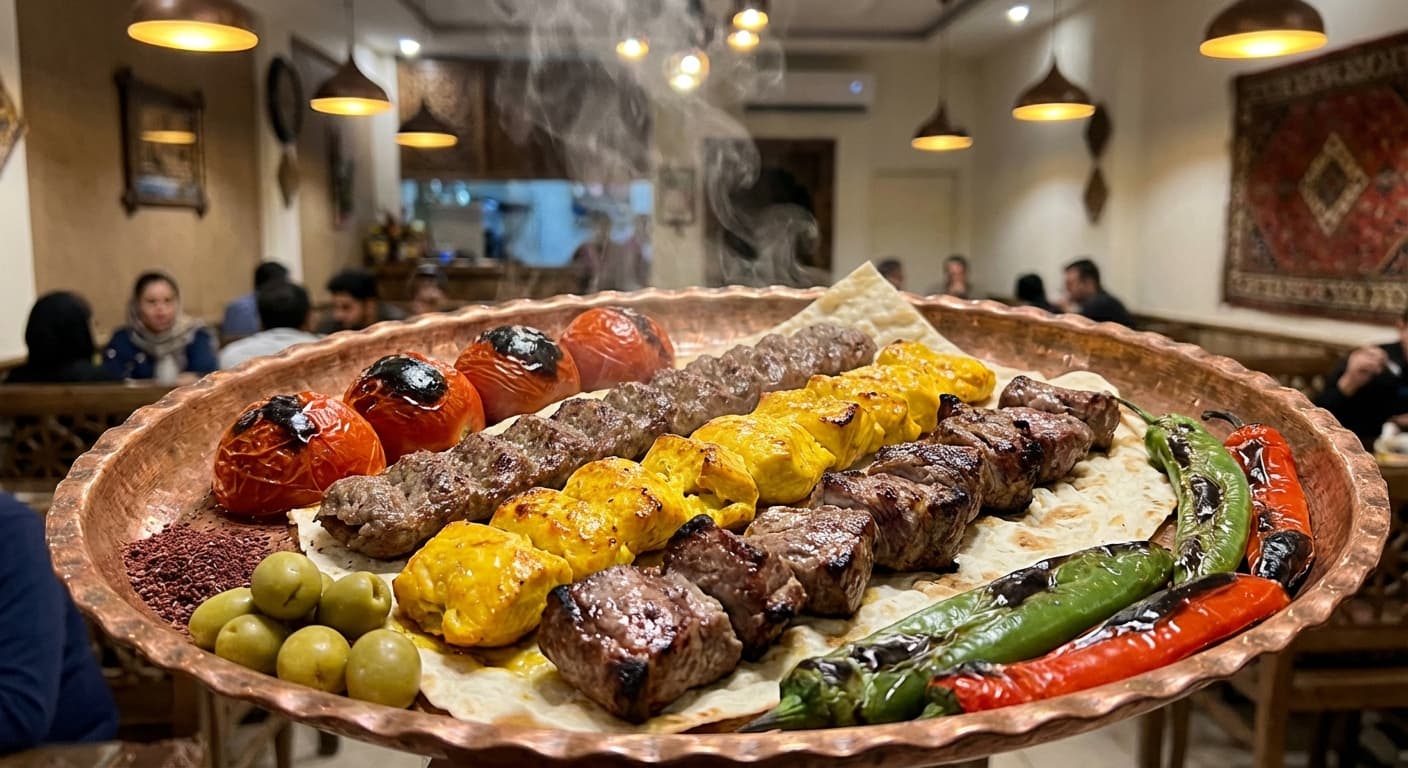
Kabab Vijeh (کباب ویژه) — Royal Persian Mixed Grill Platter
Persian · Kebabs · 70 min
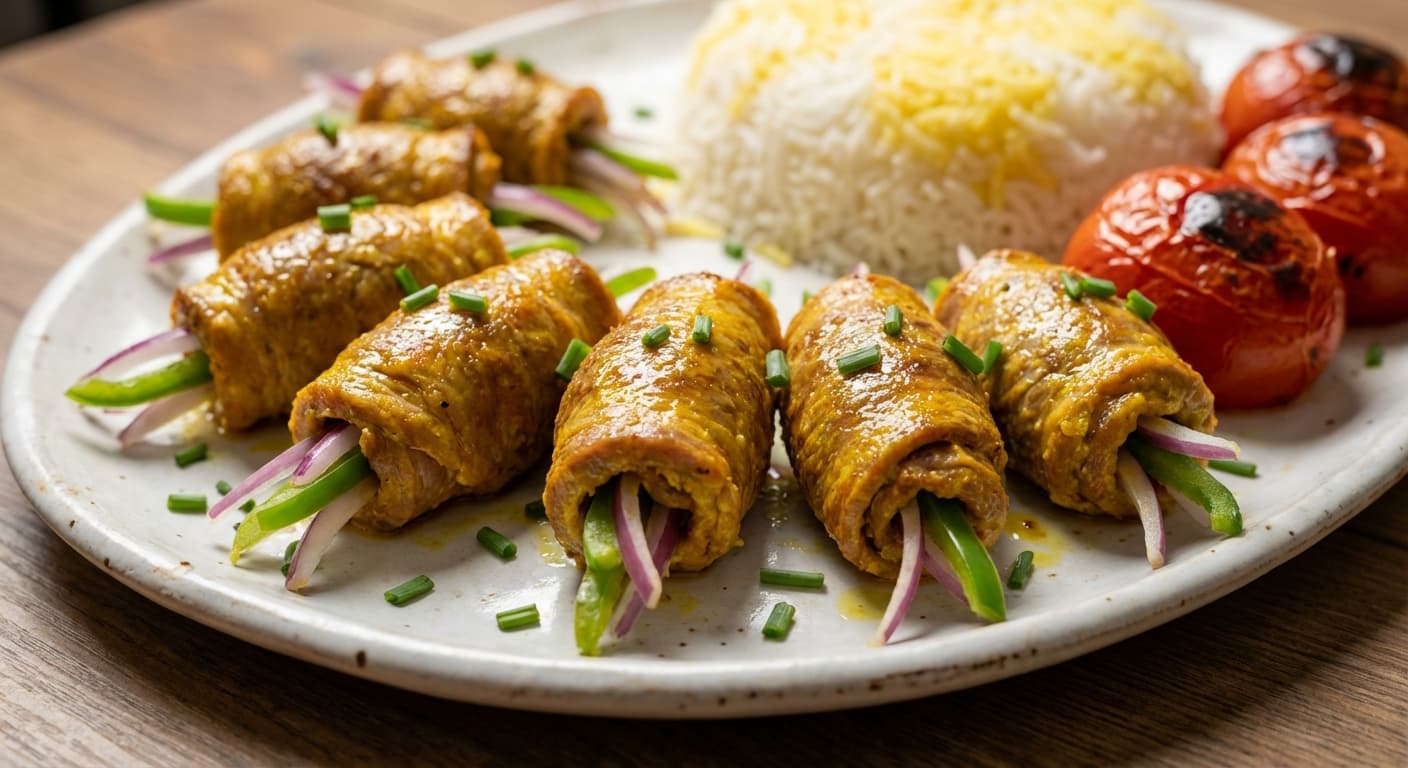
Bulgar Kabab (کباب بلغار) — Persian Rolled Saffron Fillets
Persian · Kebabs · 37 min
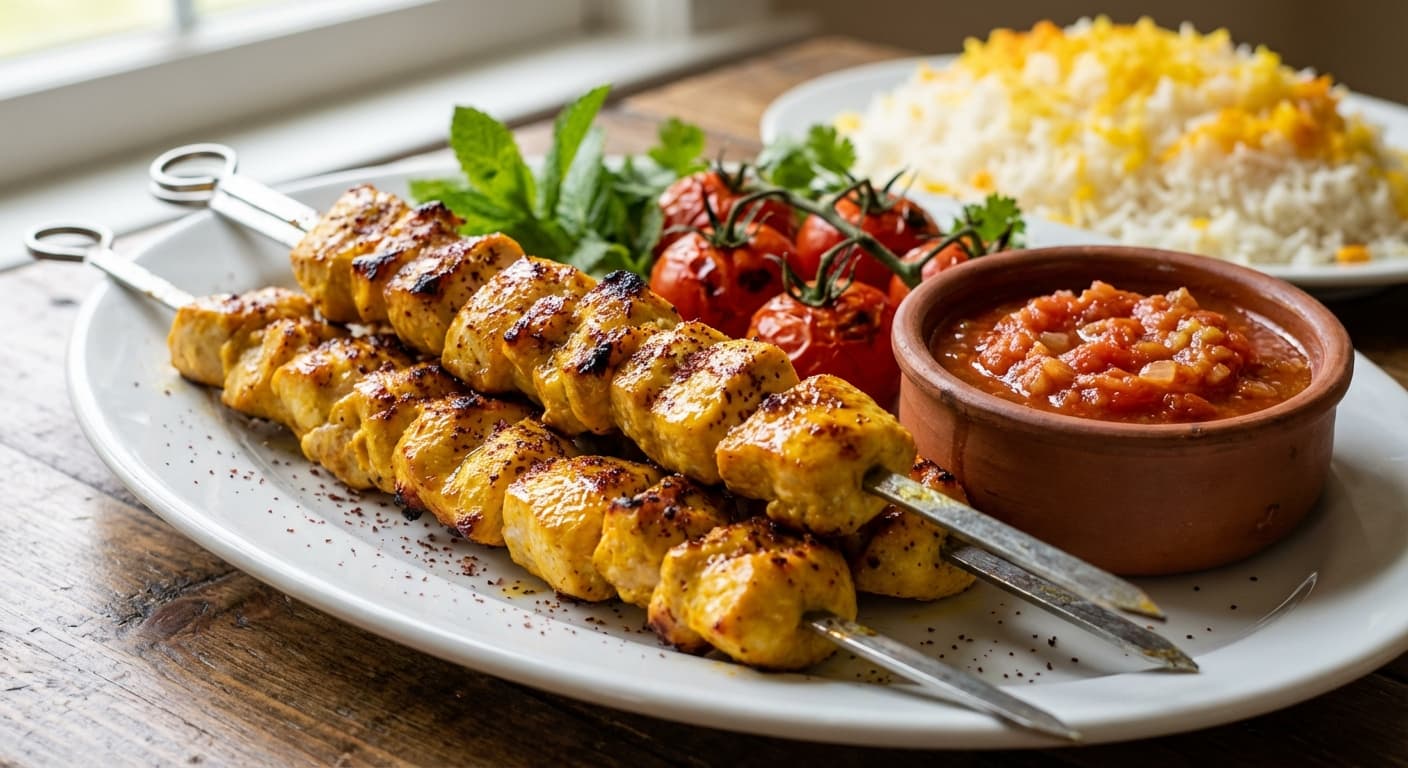
Jujeh Kabab (جوجه کباب) — Saffron-Turmeric Chicken with Rustic Tomato Sauce
Persian · Kebabs · 45 min
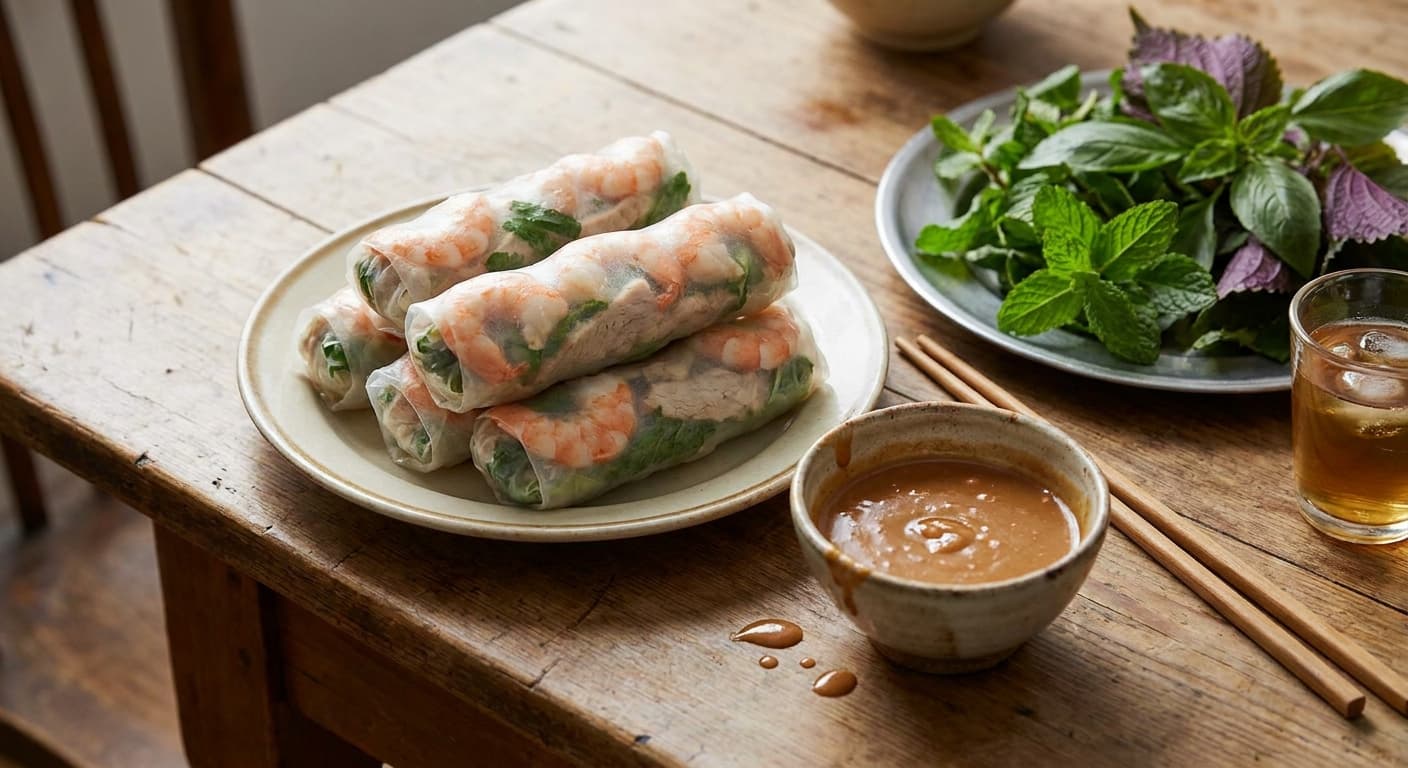
Vietnamese Fresh Spring Rolls (Gỏi Cuốn) — Shrimp, Pork, Herbs, and Peanut Sauce
Vietnamese · Appetizers · 60 min

Haemul Pajeon (해물파전) — Korean Seafood Scallion Pancake
Korean · Appetizers · 41 min
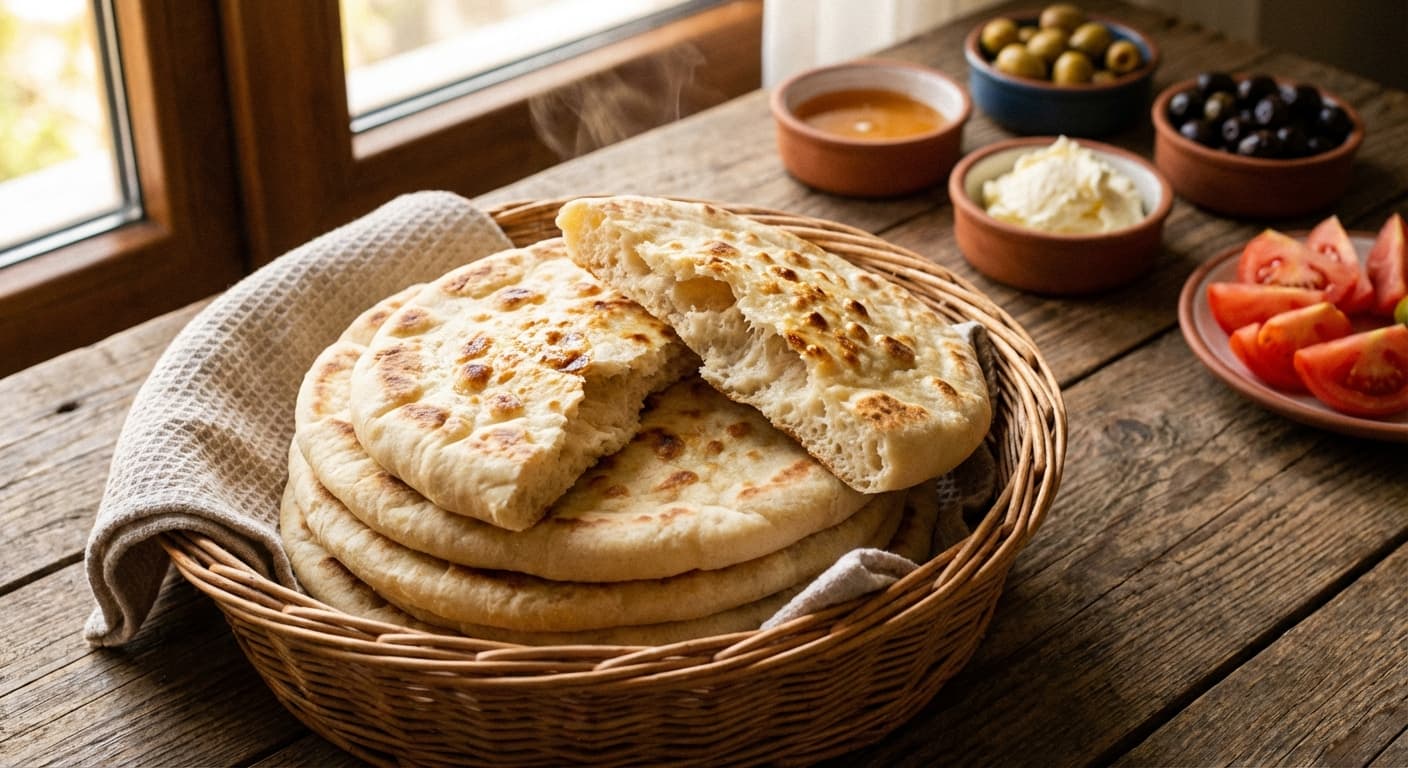
Bazlama (بازلاما) — Puffy Turkish Village Flatbread Cooked on a Saj
Turkish · Breads · 38 min
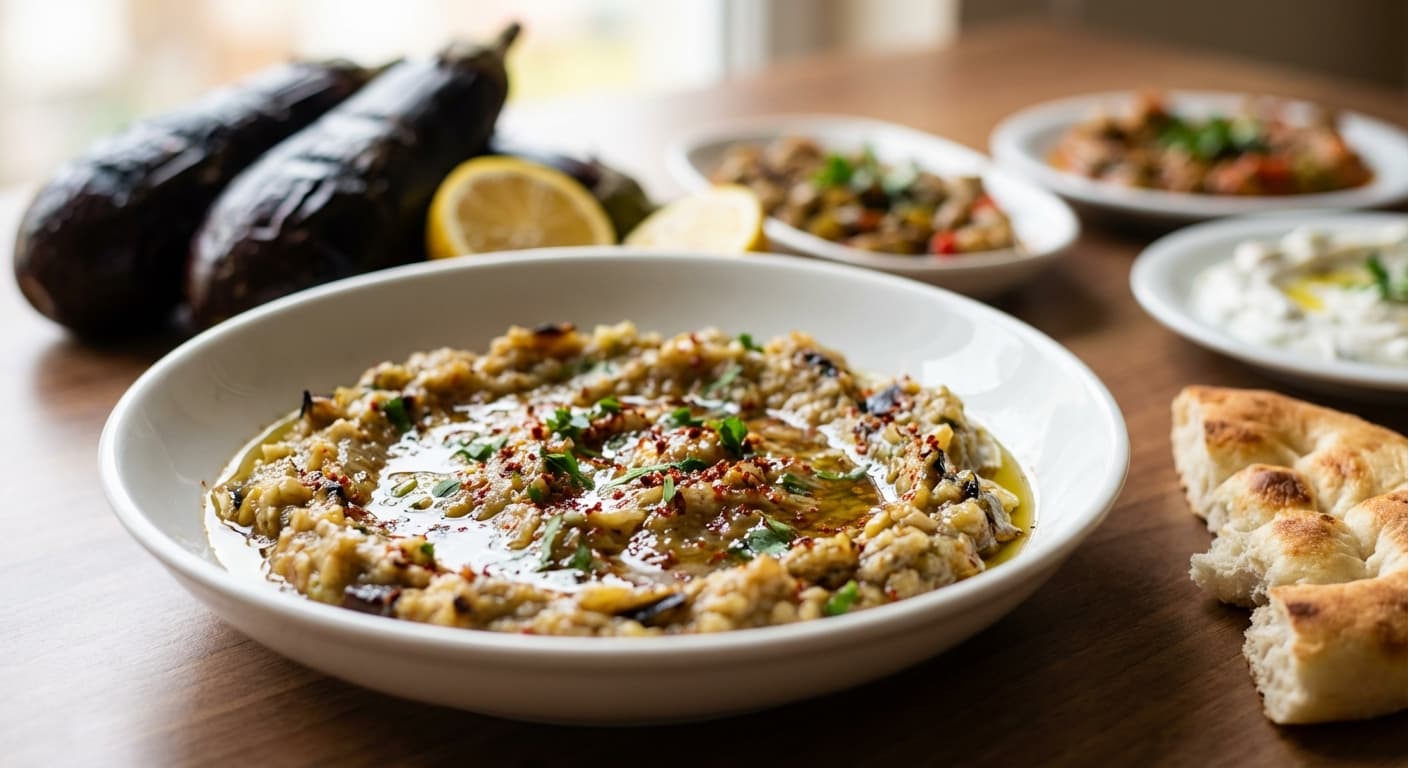
Smoky Eggplant Salad (Patlıcan Salatası) — Turkish charred eggplant with garlic and olive oil
Turkish · Salads · 40 min
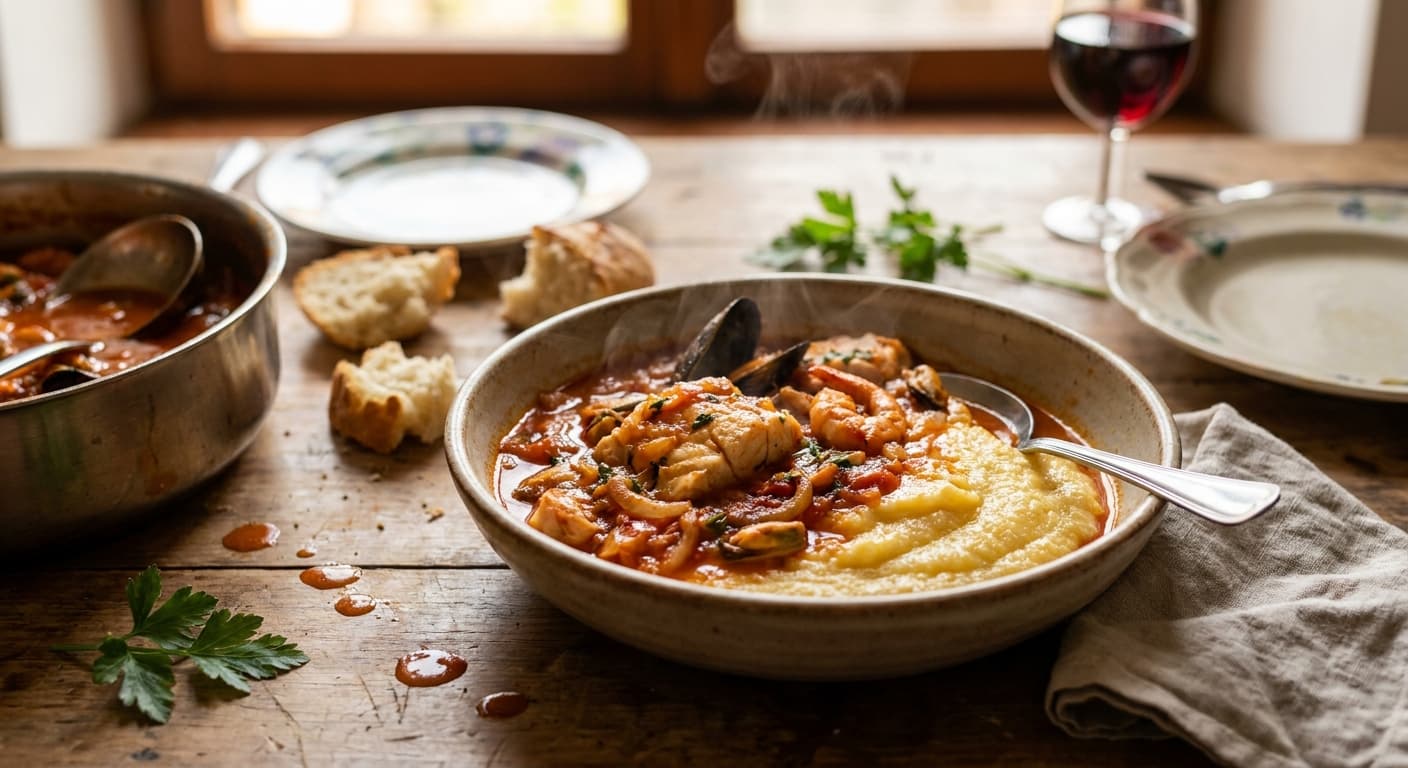
Brodet (Brodet) — Croatian Adriatic Fish Stew with Tomato and White Wine
Croatian · Stews · 70 min
Reviews
Cooked this recipe?
Tap the stars to rate it — that's all it takes. A few words are welcome but optional.
No ratings yet. Cooked this one? Be the first to rate it — it takes one tap.