Vietnamese Fresh Spring Rolls (Gỏi Cuốn) — Shrimp, Pork, Herbs, and Peanut Sauce
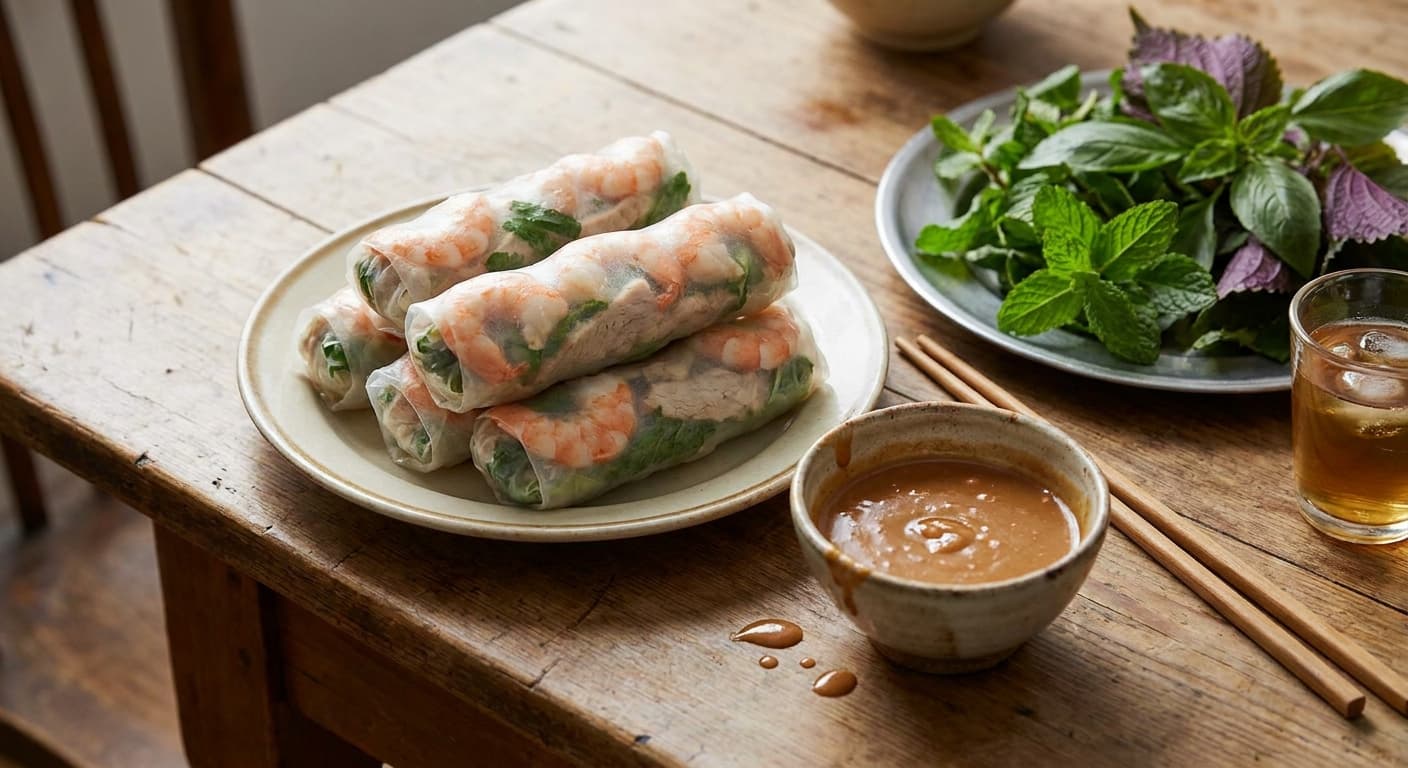
Goi Cuon are southern Vietnamese fresh rice-paper rolls filled with pork, shrimp, rice noodles, lettuce, and fragrant herbs. They are served cool with a savory peanut-hoisin dipping sauce and are prized for balance and freshness.
Printable Recipe Card
Servings: 4 · Total: 60 min · Difficulty: medium
Ingredients (quick list)
- 240 g pork belly (skin-on or skinless, in one thick piece)
- 2 l water
- 1 shallot (halved)
- 1 inch fresh ginger (sliced)
- 2 tsp kosher salt
- 12 large shrimp (shell-on, deveined if possible)
- 120 g fine rice vermicelli (dry weight)
- 8 rice paper wrappers (22 cm round sheets)
- 8 butter lettuce leaves (tough ribs trimmed)
- 120 g cucumber (cut into thin batons)
- 24 leaf fresh mint
- 16 leaf Thai basil
+ 11 more in the full ingredients section below.
Steps (summary)
- Place the pork belly in a saucepan with 2 l water, the shallot, ginger, and kosher salt. Bring to a gentle simmer, skim the sur…
- Lift the pork onto a plate and reserve 90 ml of the cooking liquid for the sauce. Let the pork cool for 10 minutes, then slice…
- Return the same pot of cooking liquid to a simmer and add the shrimp. Cook for 2 to 3 minutes, until the shells turn pink and t…
- Peel the shrimp and slice each shrimp in half lengthwise along the back. Keep the cut sides neat, because the shrimp will be pl…
- Cook the rice vermicelli according to the package directions, usually 3 to 5 minutes in boiling water. Drain, rinse under cool…
- Make the peanut-hoisin sauce by warming the neutral oil in a small saucepan over medium-low heat. Add the garlic and cook for 3…
+ 5 more steps in the full instructions section below.
Cultural Background
Goi Cuon reflects the Vietnamese preference for fresh herbs, contrasting textures, and interactive table eating. In southern Vietnam, the pork-and-shrimp version is a common home, market, and casual restaurant dish.
Equipment
💡 Tips
- Do not soak the rice paper until it feels soft in the water; it continues hydrating on the towel and will become sticky enough to roll.
- Drain the noodles very well and keep the lettuce between the noodles and wrapper to prevent tearing.
- For the cleanest look, place the shrimp near the final turn of the roll so they sit directly under the translucent rice paper.
⚠️ Common Mistakes
❌ Oversoaking the rice paper until it becomes limp in the bowl.
✅ Fix: Dip each sheet for only 2 to 3 seconds and let it finish softening on the damp towel.
❌ Overfilling the rolls with noodles.
✅ Fix: Use about 15 g cooked noodles per roll and rely on herbs and lettuce for volume.
❌ Rolling with wet herbs and noodles.
✅ Fix: Dry the herbs and drain the noodles thoroughly so the wrapper grips instead of sliding.
🧊 How to Store
Goi Cuon are best eaten within 2 hours. To hold briefly, wrap each roll in plastic wrap or cover with a damp towel at cool room temperature; refrigerating longer than 6 hours makes the rice paper firm and the herbs dull.
📅 Make Ahead
Cook the pork, shrimp, noodles, and sauce up to 1 day ahead and refrigerate them separately. Wash and dry the herbs the same day, then assemble the rolls shortly before serving.
🍽️ Pairs Well With
- Peanut-hoisin sauce
- nuoc cham
- pickled carrot and daikon
- iced jasmine tea.
Regional Variations
- Southern Vietnamese versions often include garlic chives and a thick peanut-hoisin dipping sauce.
- Some central and northern Vietnamese tables serve similar fresh rolls with nuoc cham instead of peanut sauce.
- Home cooks may add sliced omelet, poached chicken, or extra herbs depending on the meal.
Ingredients
- 240 gpork belly (skin-on or skinless, in one thick piece)
- 2 lwater
- 1shallot (halved)
- 1 inchfresh ginger (sliced)
- 2 tspkosher salt
- 12large shrimp (shell-on, deveined if possible)
- 120 gfine rice vermicelli (dry weight)
- 8rice paper wrappers (22 cm round sheets)
- 8butter lettuce leaves (tough ribs trimmed)
- 120 gcucumber (cut into thin batons)
- 24 leaffresh mint
- 16 leafThai basil
- 16 sprigcilantro (tender sprigs)
- 8garlic chives (optional but traditional in southern-style rolls)
- 2 tspneutral oil
- 1 clovegarlic (finely minced)
- 80 mlhoisin sauce
- 45 gsmooth peanut butter
- 90 mlreserved pork cooking liquid
- 15 mlrice vinegar
- 8 ggranulated sugar
- 10 gchile-garlic sauce (optional for medium heat)
- 20 groasted peanuts (crushed, for topping)
🔄 Substitutions
- pork belly→ pork shoulder
- Thai basil→ more fresh mint
- reserved pork cooking liquid→ water
Instructions
- 1
Place the pork belly in a saucepan with 2 l water, the shallot, ginger, and kosher salt. Bring to a gentle simmer, skim the surface, and cook for 20 minutes, or until the pork is firm and cooked through but not falling apart.
- 2
Lift the pork onto a plate and reserve 90 ml of the cooking liquid for the sauce. Let the pork cool for 10 minutes, then slice it across the grain into thin pieces about 3 mm thick so each roll gets a balanced strip of meat.
- 3
Return the same pot of cooking liquid to a simmer and add the shrimp. Cook for 2 to 3 minutes, until the shells turn pink and the flesh is opaque, then transfer the shrimp to a bowl of cold water for 2 minutes.
- 4
Peel the shrimp and slice each shrimp in half lengthwise along the back. Keep the cut sides neat, because the shrimp will be placed against the rice paper as the visible top layer of each roll.
- 5
Cook the rice vermicelli according to the package directions, usually 3 to 5 minutes in boiling water. Drain, rinse under cool running water, and let it drain thoroughly so excess water does not make the rolls loose.
- 6
Make the peanut-hoisin sauce by warming the neutral oil in a small saucepan over medium-low heat. Add the garlic and cook for 30 seconds, then stir in the hoisin sauce, peanut butter, reserved pork cooking liquid, rice vinegar, sugar, and chile-garlic sauce until smooth and glossy.
- 7
Simmer the sauce for 2 minutes, stirring constantly, until it lightly thickens and tastes rounded rather than raw. Spoon it into a dipping bowl and top it with the crushed roasted peanuts just before serving.
- 8
Set up a rolling station with a shallow bowl of warm water, a clean damp towel, the rice paper wrappers, noodles, pork, shrimp, lettuce, cucumber, herbs, and garlic chives. Dip one wrapper in warm water for 2 to 3 seconds only, then lay it flat on the damp towel and wait briefly until pliable.
- 9
Place 1 lettuce leaf on the lower third of the wrapper, then add 15 g cooked noodles, a few cucumber batons, 3 mint leaves, 2 basil leaves, 2 cilantro sprigs, and several slices of pork. Fold the bottom of the wrapper over the filling and roll once firmly to compact the ingredients without tearing the paper.
- 10
Place 3 shrimp halves cut-side down in a row above the partly rolled bundle, then fold in the sides of the wrapper. Add 1 garlic chive with the green tip extending slightly from one end if using, and finish rolling snugly so the shrimp show through the top.
- 11
Repeat with the remaining wrappers and fillings, keeping finished rolls under a lightly damp towel for no more than 30 minutes before serving. Serve whole or halved on a platter with the peanut-hoisin sauce alongside.
🪪 Recipe Passport
Cultural Background
Goi Cuon reflects the Vietnamese preference for fresh herbs, contrasting textures, and interactive table eating. In southern Vietnam, the pork-and-shrimp version is a common home, market, and casual restaurant dish.
Regional Variations
Researched from multiple sources and validated by the Zaffaron editorial team. Every recipe is tested for accuracy, measurements, and cultural authenticity.
📚 Sources & Cultural References
- Andrea Nguyen — Into the Vietnamese Kitchen — (2006)
- Mai Pham — Pleasures of the Vietnamese Table — (2001)
Sources cited by the Zaffaron editorial team during recipe research. Cultural and culinary references supporting authenticity claims.
Nutrition per serving
Pairs well with
If you enjoyed this recipe, here are a few related Zaffaron recipes to try next.
- Vietnamese Grilled Pork with Rice Noodles (Bún Chả) — Hanoi-Style Charcoal Pork and Vermicelli
- Vietnamese Sour Fish Soup (Canh Chua Cá) — Tamarind-Scented Mekong Soup
- Vietnamese Beef Stew (Bò Kho) — Lemongrass-Spiced Carrot Stew
- Hanoi Turmeric Fish with Dill (Chả Cá Lã Vọng) — Sizzling Fish with Rice Noodles
Does your family make this differently?
Every family has their own version. Maybe your grandmother adds a secret ingredient, or your aunt has a completely different technique. Preserve your family's version — with their name on it, forever.
You Might Also Like
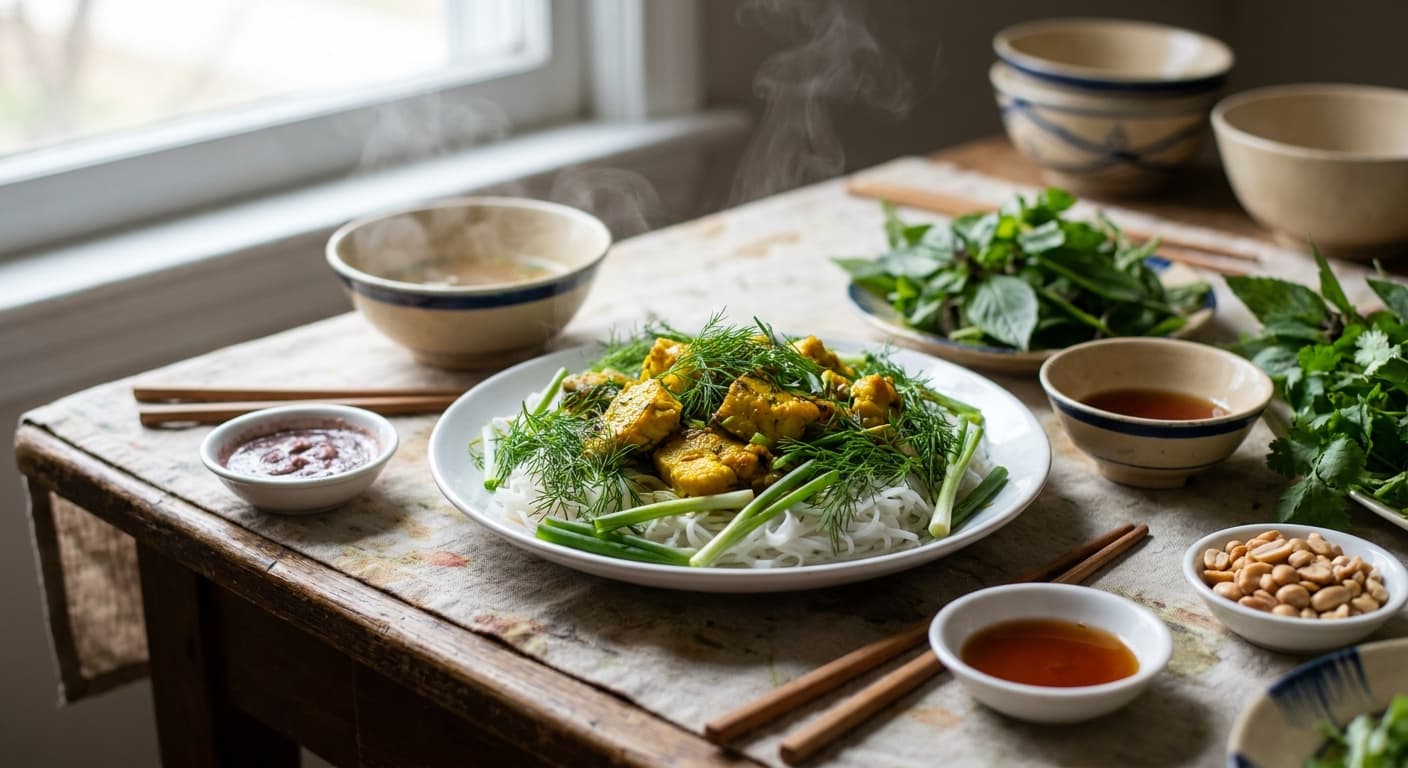
Hanoi Turmeric Fish with Dill (Chả Cá Lã Vọng) — Sizzling Fish with Rice Noodles
Vietnamese · Main Courses · 47 min
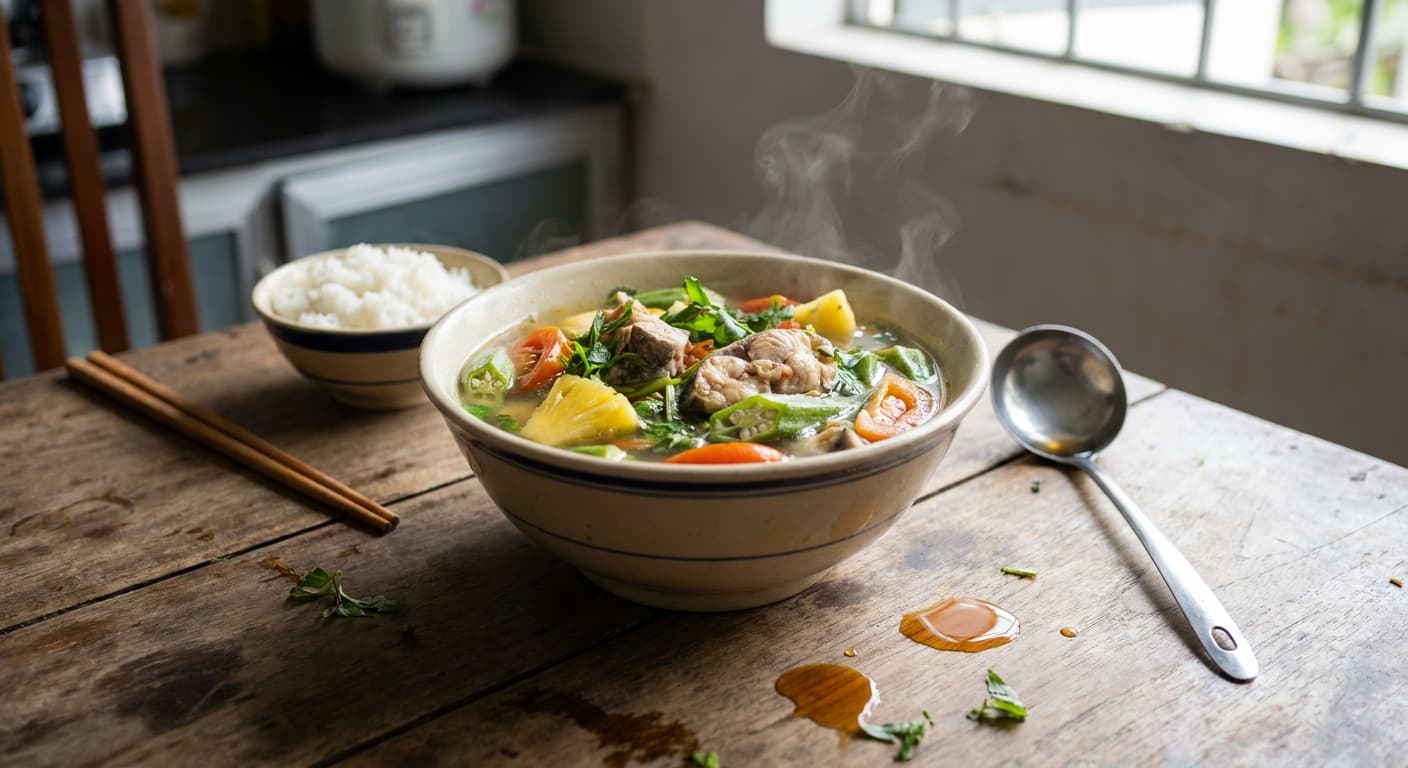
Vietnamese Sour Fish Soup (Canh Chua Cá) — Tamarind-Scented Mekong Soup
Vietnamese · Soups · 45 min
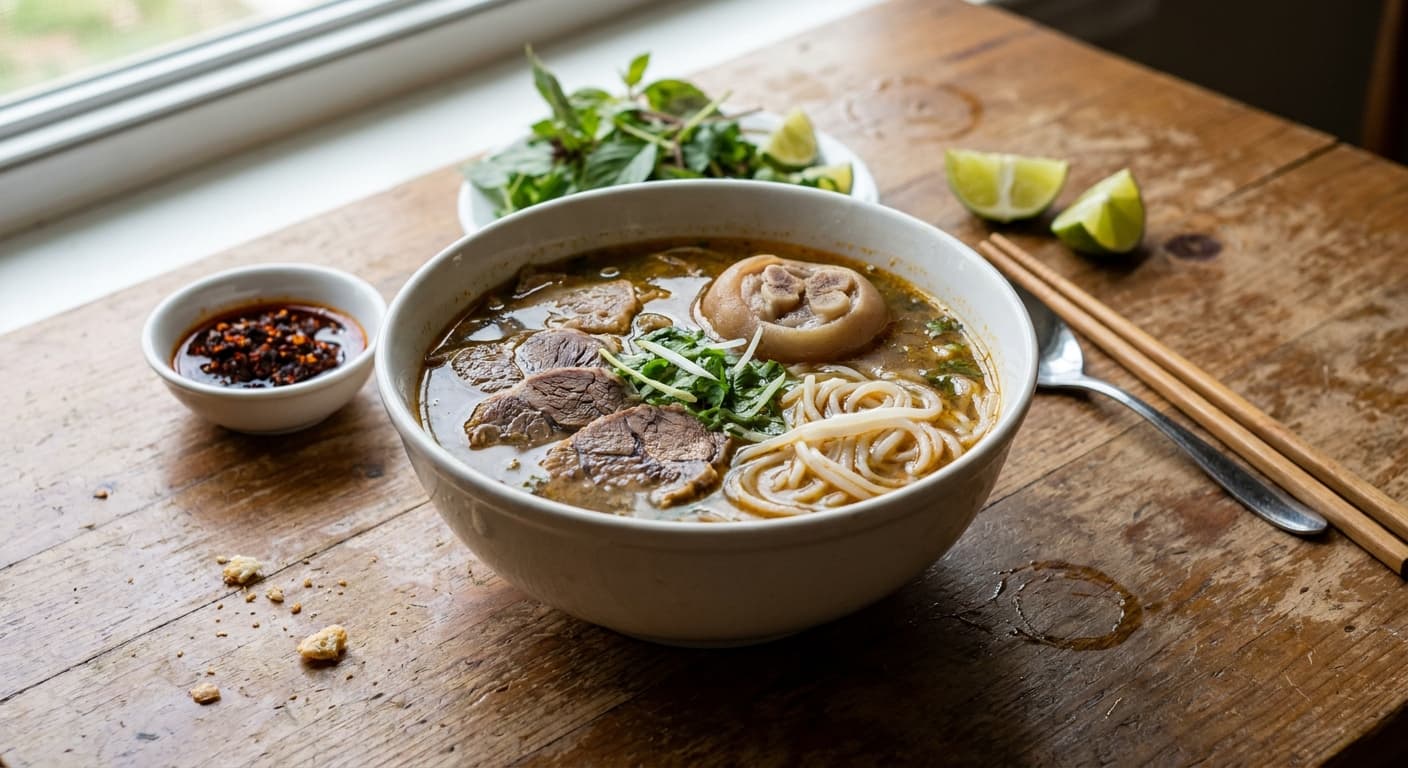
Hue-Style Spicy Beef Noodle Soup (Bún Bò Huế) — Lemongrass Beef and Pork Rice Noodle Soup
Vietnamese · Soups · 260 min
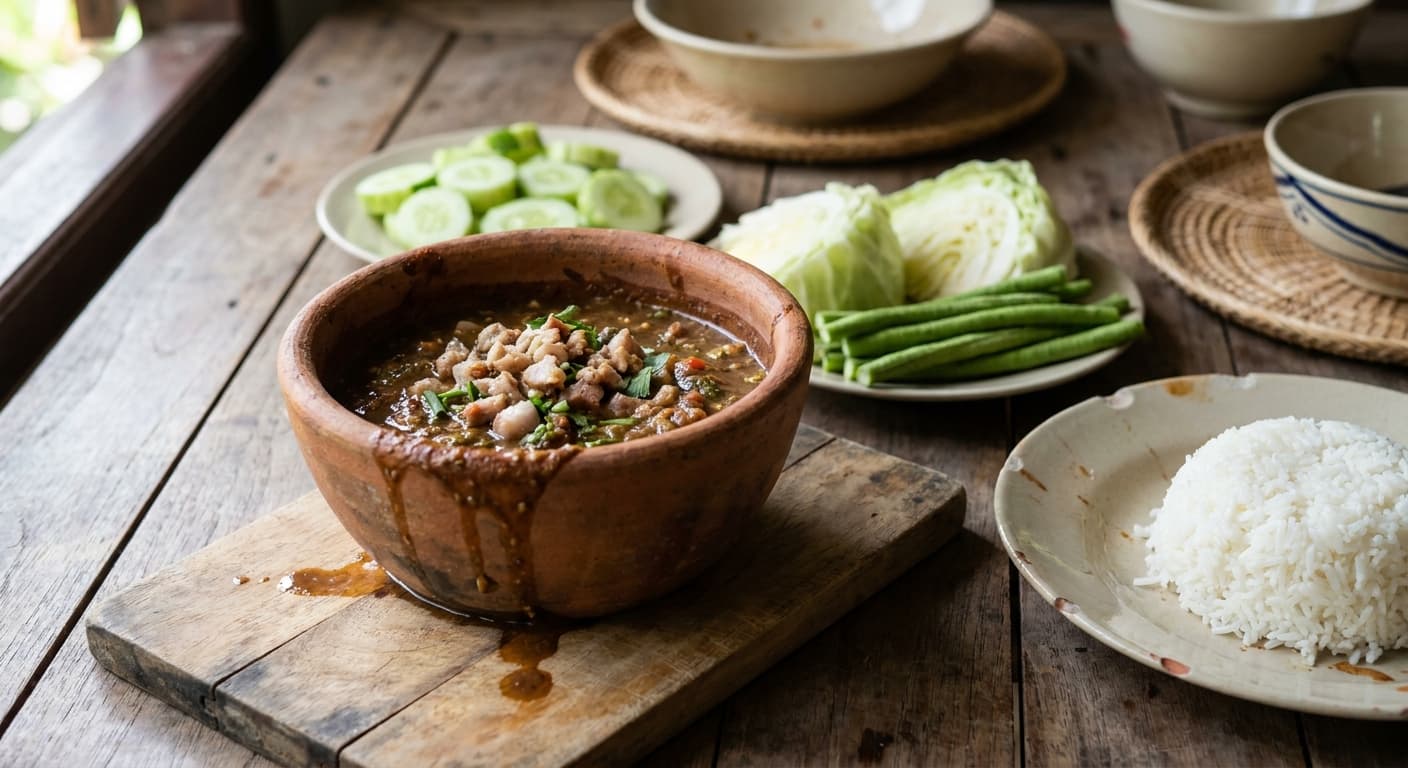
Prahok Ktis (ប្រហុកខ្ទិះ) — Cambodian Coconut Pork Dip
Cambodian · Appetizers · 55 min
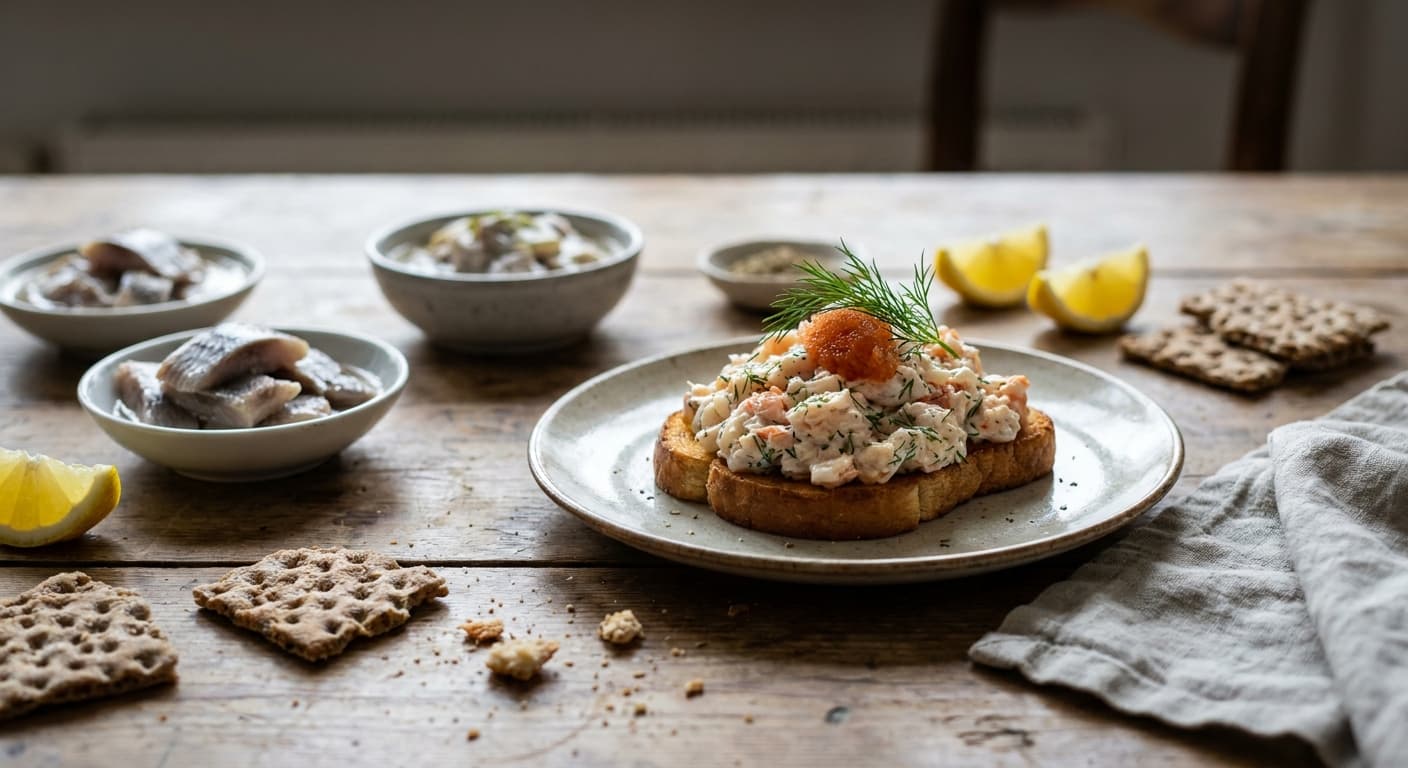
Toast Skagen (Toast Skagen) — Swedish Shrimp Toast with Dill and Roe
Swedish · Appetizers · 26 min
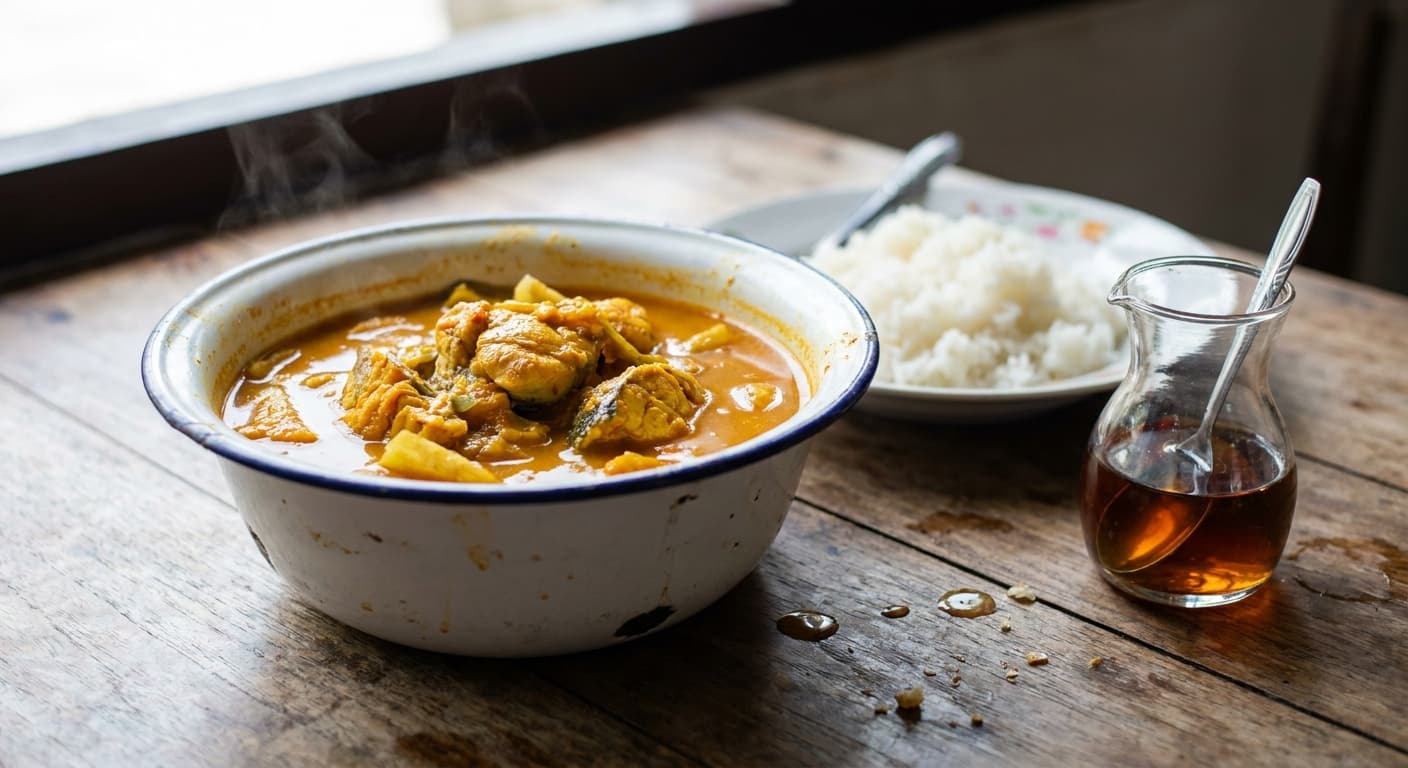
Gaeng Som (แกงส้ม) — Thai Sour Curry with Fish and Vegetables
Thai · Soups · 60 min
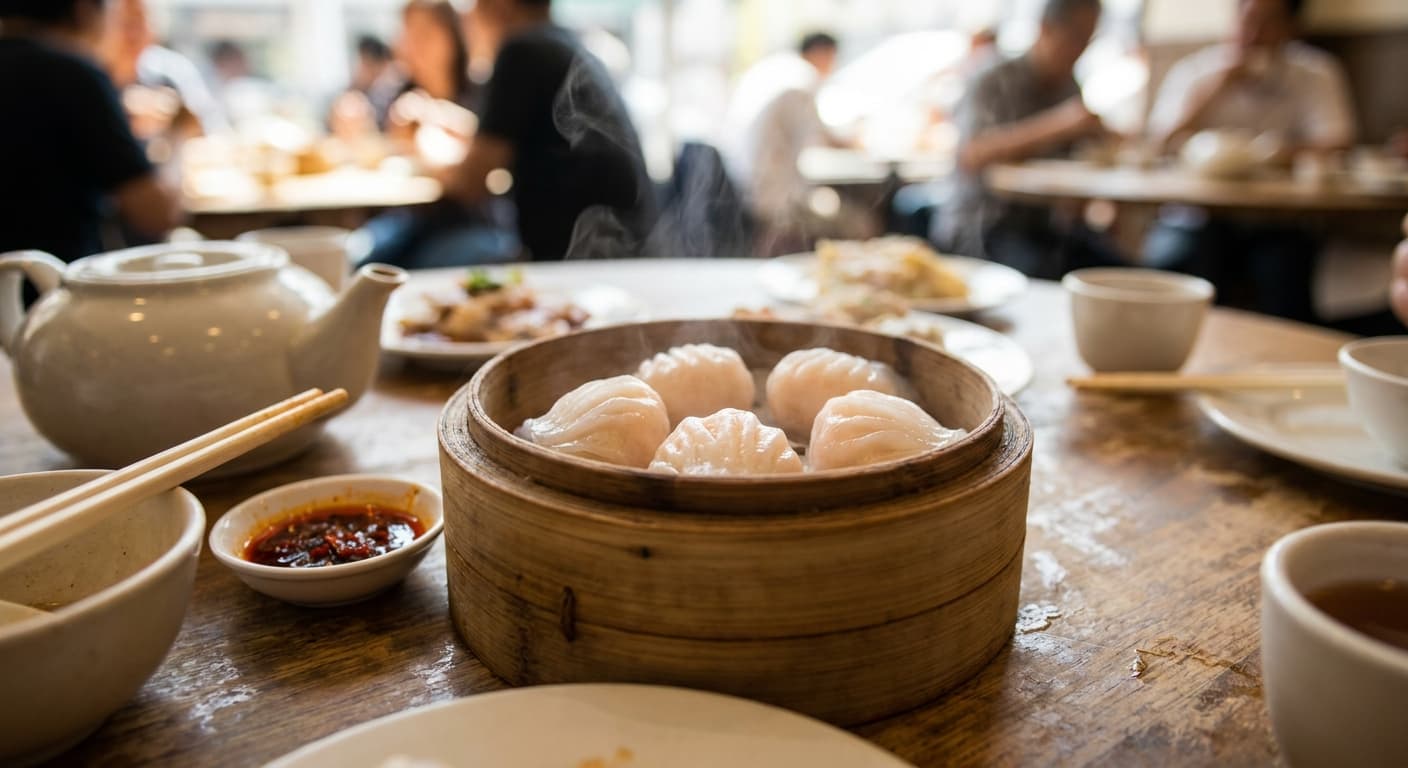
Har Gow Shrimp Dumplings (虾饺) — Translucent Cantonese Dim Sum
Chinese · Appetizers · 68 min
Dongpo Pork (东坡肉) — Hangzhou Red-Braised Pork Belly
Chinese · Main Courses · 205 min
Reviews
Cooked this recipe?
Tap the stars to rate it — that's all it takes. A few words are welcome but optional.
No ratings yet. Cooked this one? Be the first to rate it — it takes one tap.