Zhingyalov Hats (Ժենգյալով հաց) — Artsakh Herb-Stuffed Flatbread
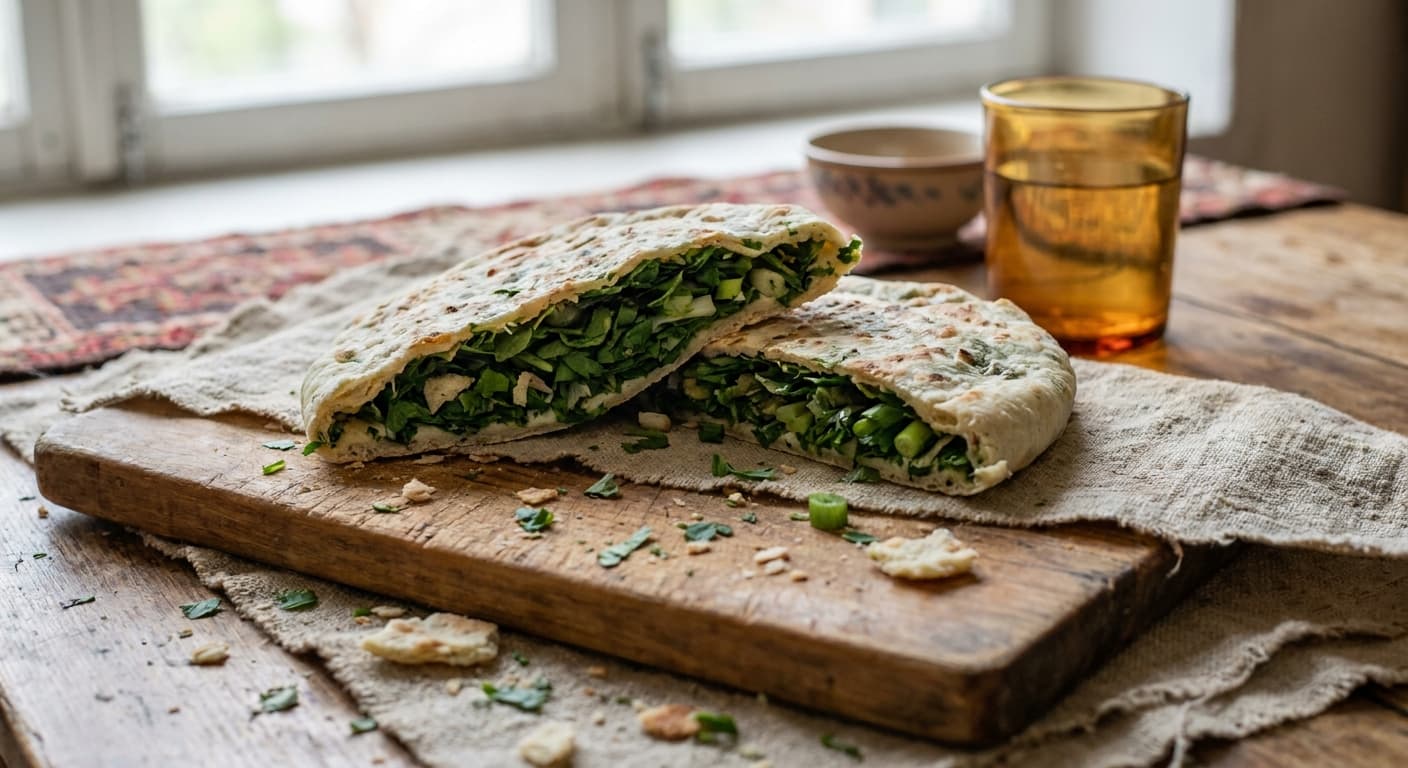
Zhingyalov hats is a thin, herb-packed flatbread from Artsakh and Syunik, rolled nearly lavash-thin and cooked dry on a hot saj or griddle. Unlike tonir-baked lavash, it encloses a fragrant mix of fresh greens.
Printable Recipe Card
Servings: 6 · Total: 73 min · Difficulty: medium
Ingredients (quick list)
- 360 g all-purpose flour
- 6 g fine sea salt
- 220 ml warm water (about 38 C)
- 15 ml sunflower oil
- 150 g spinach leaves
- 120 g Swiss chard leaves (stems removed)
- 80 g beet greens (tender leaves only)
- 70 g sorrel (or other tart field greens)
- 70 g watercress (thick stems removed)
- 1 bunch flat-leaf parsley (about 60 g leaves and tender stems after trimming)
- 1 bunch cilantro (about 50 g leaves and tender stems after trimming)
- 25 g dill fronds
+ 6 more in the full ingredients section below.
Steps (summary)
- Combine the flour and 6 g salt in a wide bowl, then add the warm water and 15 ml sunflower oil. Mix until a shaggy dough forms,…
- Wash all greens thoroughly, then dry them very well in a salad spinner or between clean towels. Chop the greens finely but not…
- Place the chopped greens, scallions, 6 g salt, black pepper, paprika, 30 ml sunflower oil, and lemon juice in a large bowl. Mix…
- Divide the rested dough into 6 equal balls of about 100 g each and keep them covered. On a lightly floured surface, roll one ba…
- Spread one-sixth of the herb filling, about 110 g, over one half of the oval while leaving a 2 cm border. Fold the dough over t…
- Heat a dry saj, convex griddle, or 30 cm cast-iron skillet over medium-high heat for 5 minutes until very hot. Cook one filled…
+ 1 more steps in the full instructions section below.
Cultural Background
As Kate Leahy, John Lee, and Ara Zada document in Lavash, Armenian bread culture is deeply regional. Zhingyalov hats is especially tied to Artsakh, where seasonal greens become a generous everyday flatbread.
Equipment
💡 Tips
- Dry the herbs completely before chopping; excess water makes the filling soupy and weakens the sealed edge.
- Salt the greens immediately before filling, not earlier, to prevent liquid from pooling in the bowl.
- Use a broad mix of mild, bitter, peppery, and tart greens; the character of the bread depends on herbal complexity.
⚠️ Common Mistakes
❌ Mixing salt into the greens too early
✅ Fix: Season the filling just before shaping so the herbs do not shed enough liquid to soak the dough.
❌ Rolling the dough too thick
✅ Fix: Roll each oval very thin, close to lavash thickness, so the bread cooks before the herbs oversteam.
❌ Using a lightly heated pan
✅ Fix: Preheat the dry griddle for 5 minutes so the surface browns the dough quickly without drying the filling.
🧊 How to Store
Cool leftovers completely, wrap in foil or an airtight container, and refrigerate for up to 3 days. Reheat in a dry skillet over medium heat for 2 minutes per side, or warm in a 180 C oven for 8 minutes.
📅 Make Ahead
The dough can be kneaded and refrigerated for up to 24 hours, then brought to room temperature for 45 minutes before rolling. Greens may be washed and dried 1 day ahead, but chop and salt them just before filling.
🍽️ Pairs Well With
- Plain yogurt
- tan
- fresh radishes
- cucumbers
- tomato salad
- Armenian pickles
- spas.
Regional Variations
- Artsakh versions often use a larger range of wild and cultivated greens, sometimes more than a dozen varieties.
- Some Armenian home cooks add nettles, purslane, chickweed, or mallow when those spring greens are available.
- A sharper version increases sorrel and omits lemon juice, relying entirely on tart greens for brightness.
Ingredients
- 360 gall-purpose flour
- 6 gfine sea salt
- 220 mlwarm water (about 38 C)
- 15 mlsunflower oil
- 150 gspinach leaves
- 120 gSwiss chard leaves (stems removed)
- 80 gbeet greens (tender leaves only)
- 70 gsorrel (or other tart field greens)
- 70 gwatercress (thick stems removed)
- 1 bunchflat-leaf parsley (about 60 g leaves and tender stems after trimming)
- 1 bunchcilantro (about 50 g leaves and tender stems after trimming)
- 25 gdill fronds
- 15 gfresh mint leaves
- 10 gtarragon leaves
- 6scallions (thinly sliced)
- 2 gground black pepper
- 3 gsweet paprika
- 15 mllemon juice
🔄 Substitutions
- sorrel→ spinach plus 10 ml extra lemon juice
- sunflower oil→ grapeseed oil
- Swiss chard leaves→ young kale leaves
Instructions
- 1
Combine the flour and 6 g salt in a wide bowl, then add the warm water and 15 ml sunflower oil. Mix until a shaggy dough forms, knead for 8 minutes until smooth and elastic, cover with a damp towel, and rest for 30 minutes.
- 2
Wash all greens thoroughly, then dry them very well in a salad spinner or between clean towels. Chop the greens finely but not into a paste, because zhingyalov hats should have a distinct leafy texture inside its thin bread shell.
- 3
Place the chopped greens, scallions, 6 g salt, black pepper, paprika, 30 ml sunflower oil, and lemon juice in a large bowl. Mix only when you are ready to fill the breads, because salted greens release liquid quickly and can tear the lavash-thin dough.
- 4
Divide the rested dough into 6 equal balls of about 100 g each and keep them covered. On a lightly floured surface, roll one ball into a very thin oval about 28 cm long and 18 cm wide, aiming for the supple thinness associated with Armenian lavash.
- 5
Spread one-sixth of the herb filling, about 110 g, over one half of the oval while leaving a 2 cm border. Fold the dough over the filling, press out trapped air, and seal the edges firmly with your fingertips so the flatbread stays closed on the hot saj or griddle.
- 6
Heat a dry saj, convex griddle, or 30 cm cast-iron skillet over medium-high heat for 5 minutes until very hot. Cook one filled flatbread for 2 minutes on the first side and 90 seconds on the second side, pressing gently with a spatula until brown spots appear and the herbs steam inside.
- 7
Transfer the cooked zhingyalov hats to a clean towel and cover loosely while you cook the remaining breads. Serve them warm, cut in halves or quarters, noting that this bread is griddle-cooked rather than baked in a tonir like classic lavash.
🪪 Recipe Passport
Cultural Background
As Kate Leahy, John Lee, and Ara Zada document in Lavash, Armenian bread culture is deeply regional. Zhingyalov hats is especially tied to Artsakh, where seasonal greens become a generous everyday flatbread.
Regional Variations
Researched from multiple sources and validated by the Zaffaron editorial team. Every recipe is tested for accuracy, measurements, and cultural authenticity.
📚 Sources & Cultural References
- Kate Leahy, John Lee, Ara Zada — Lavash: The Bread That Launched 1,000 Meals, Plus Salads, Stews, and Other Recipes from Armenia — (2019)
Sources cited by the Zaffaron editorial team during recipe research. Cultural and culinary references supporting authenticity claims.
Nutrition per serving
Pairs well with
If you enjoyed this recipe, here are a few related Zaffaron recipes to try next.
Does your family make this differently?
Every family has their own version. Maybe your grandmother adds a secret ingredient, or your aunt has a completely different technique. Preserve your family's version — with their name on it, forever.
You Might Also Like
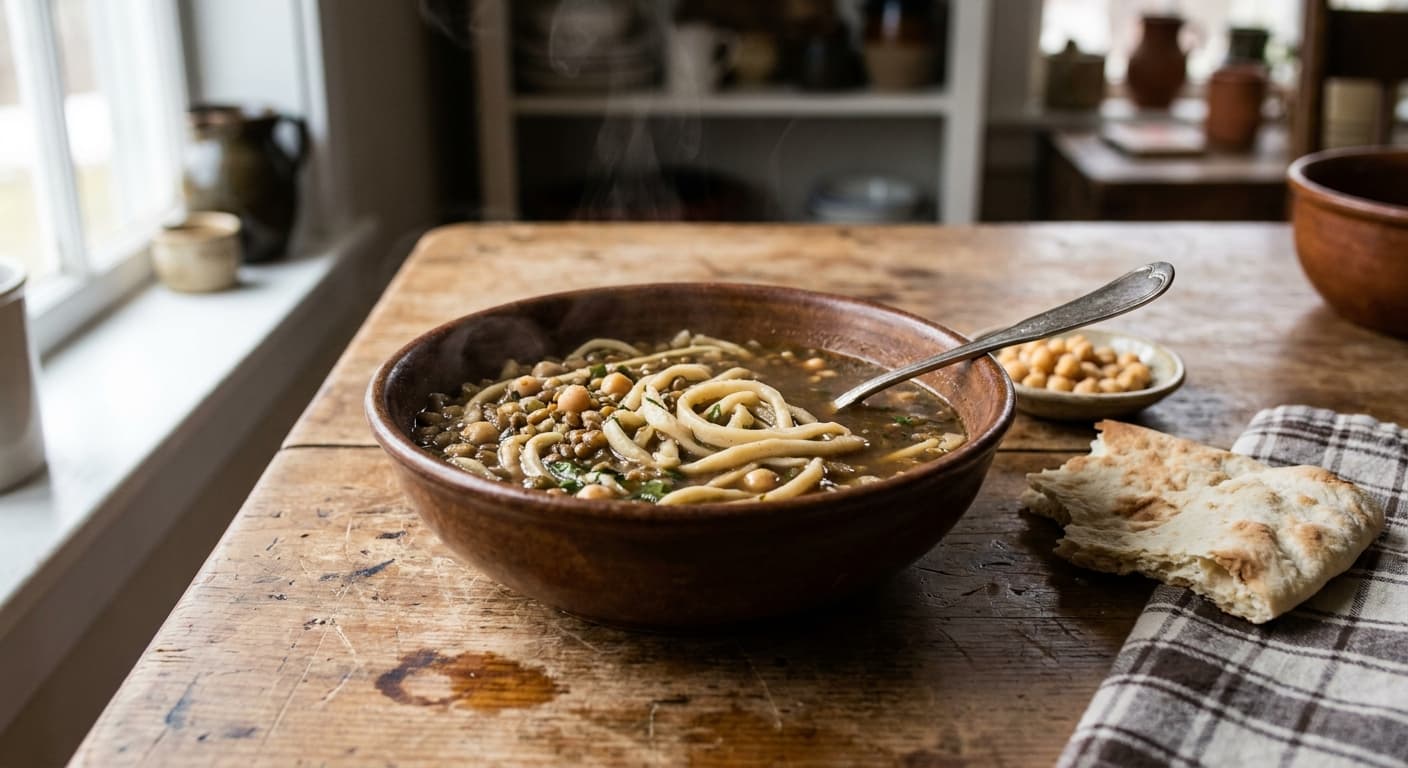
Arishta (Արիշտա) — Armenian Homemade Noodle Soup
Armenian · Soups · 115 min
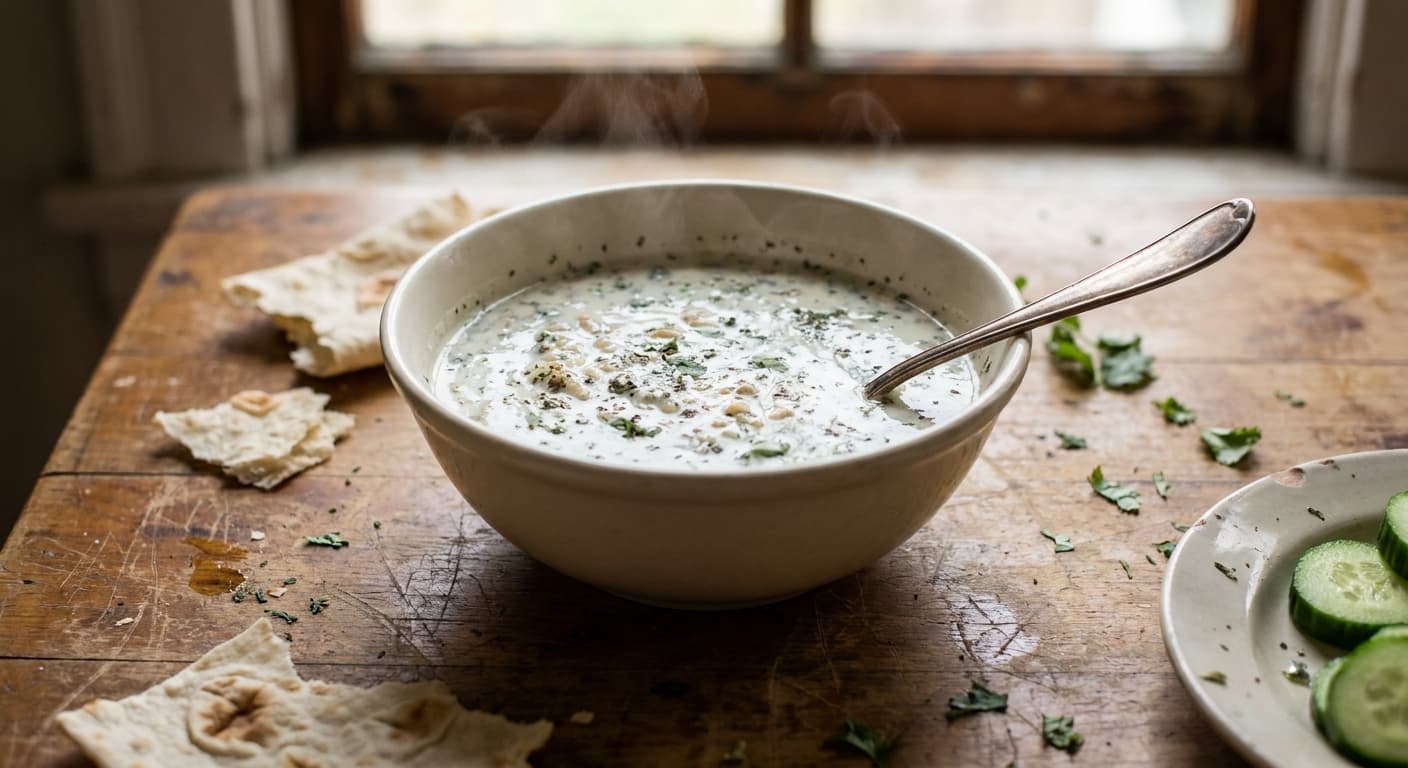
Spas (Սպաս) — Armenian Yogurt-and-Wheat Soup
Armenian · Soups · 70 min
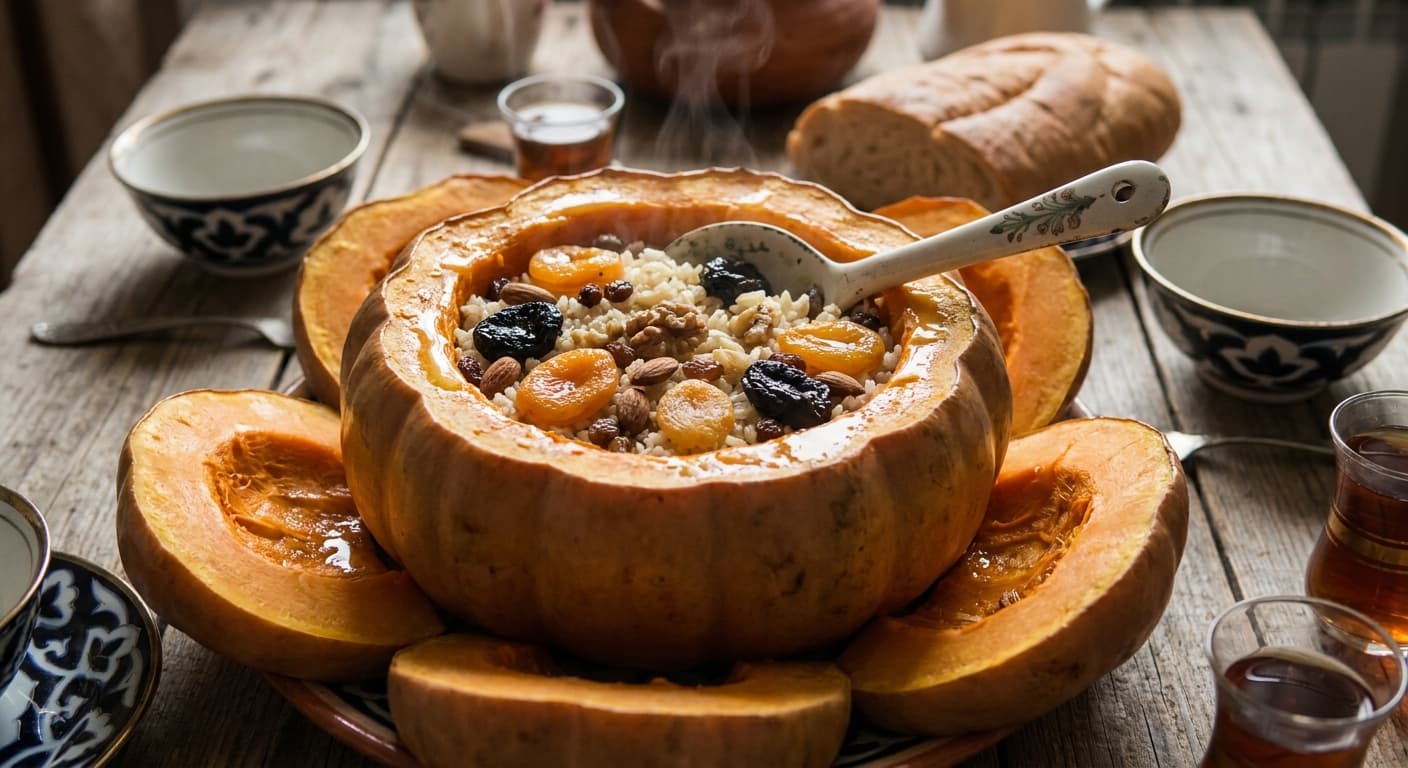
Armenian Ghapama (Ղափամա) — Festive Honeyed Rice-Stuffed Pumpkin
Armenian · Main Courses · 140 min
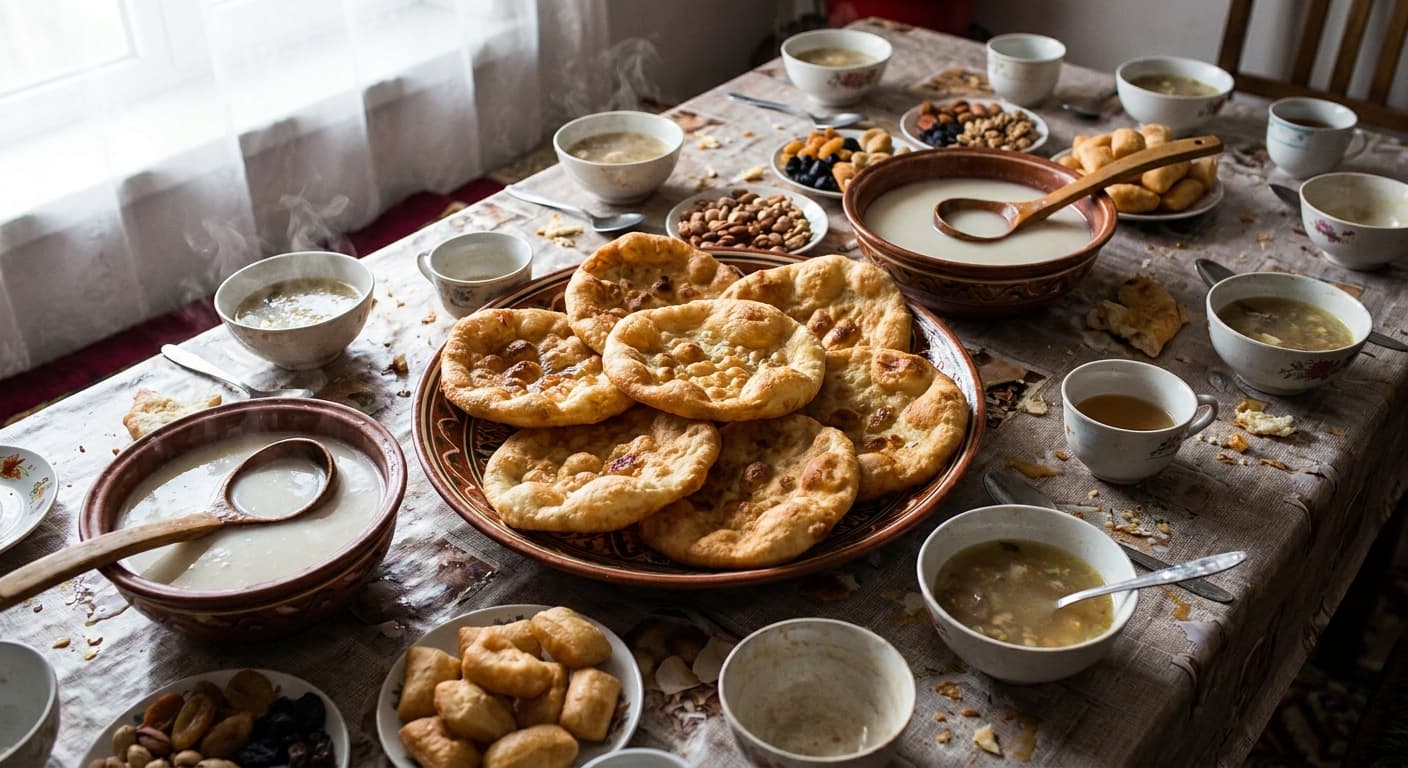
Shelpek (Шелпек) — Kazakh Fried Flatbread
Kazakh · Breads · 63 min
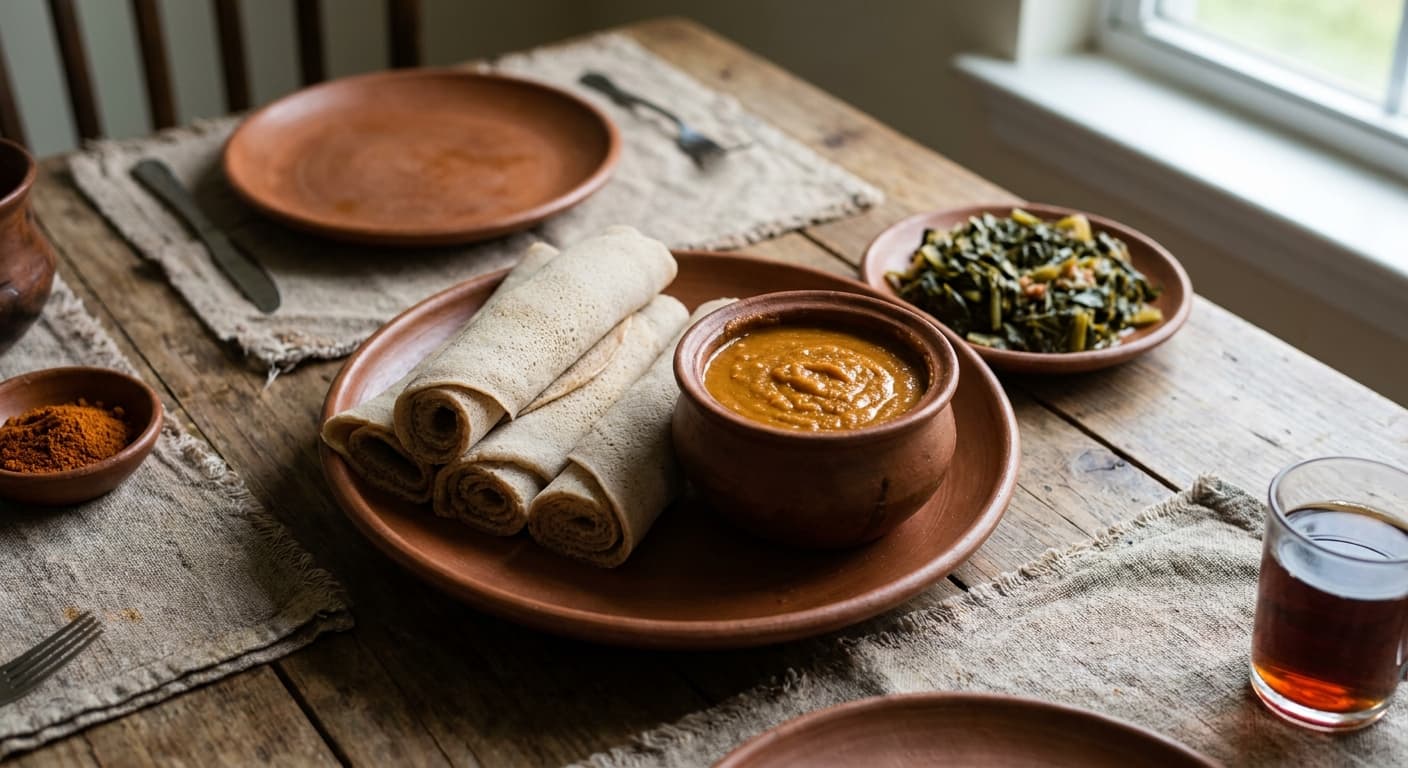
Injera (እንጀራ) — Fermented Ethiopian Teff Flatbread
Ethiopian · Breads · 70 min
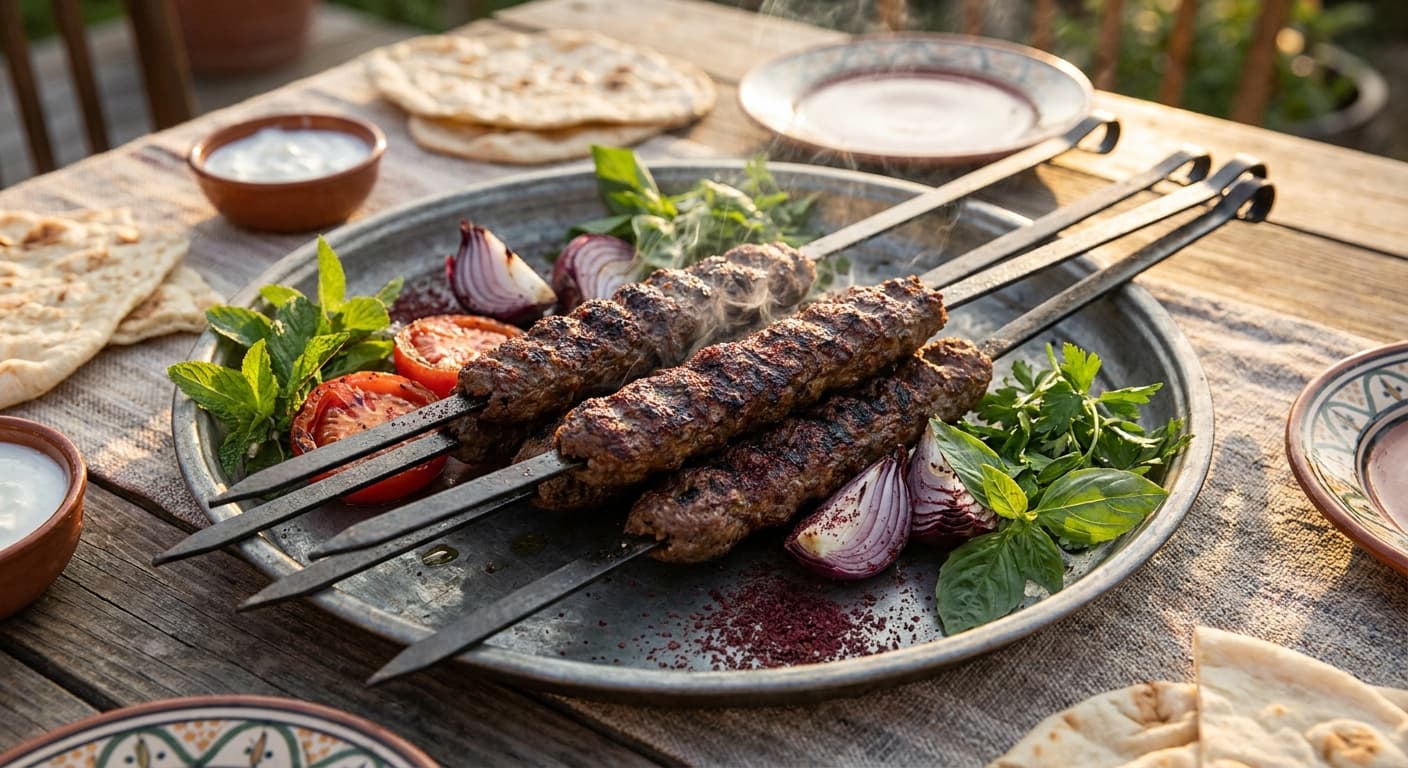
Authentic Kabab Koobideh (کباب کوبیده) — Persian Minced Lamb Skewers
Persian · Kebabs · 40 min
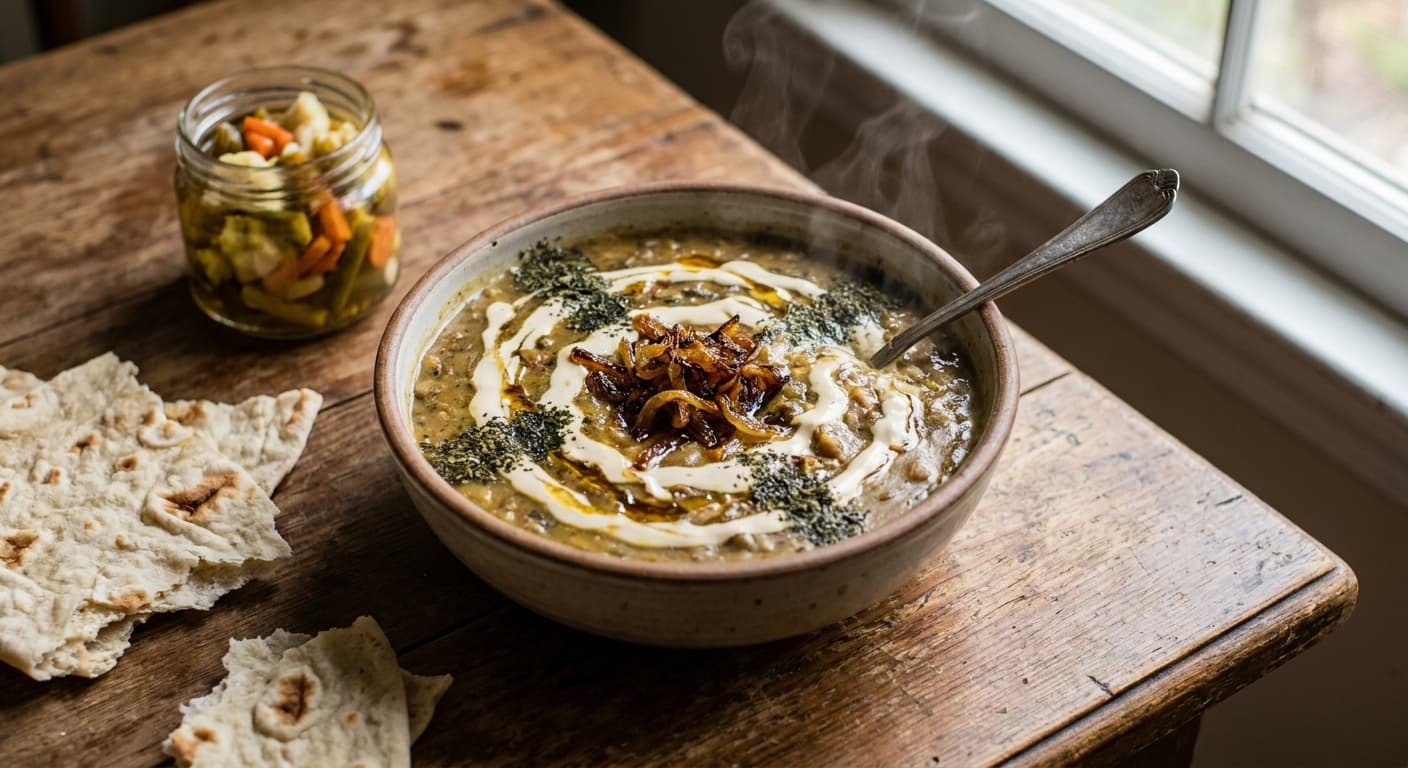
Ash-e Sak (آش ساک) — Gorgani Spinach and Lamb Ash
Persian · Soups · 175 min
Buckwheat Žganci (Ajdovi žganci) — Slovenian Buckwheat Crumbs with Cracklings
Slovenian · Side Dishes · 45 min
Reviews
Cooked this recipe?
Tap the stars to rate it — that's all it takes. A few words are welcome but optional.
No ratings yet. Cooked this one? Be the first to rate it — it takes one tap.