Haleem (حلیم) — Afghan Slow-cooked wheat and meat, silky and rich
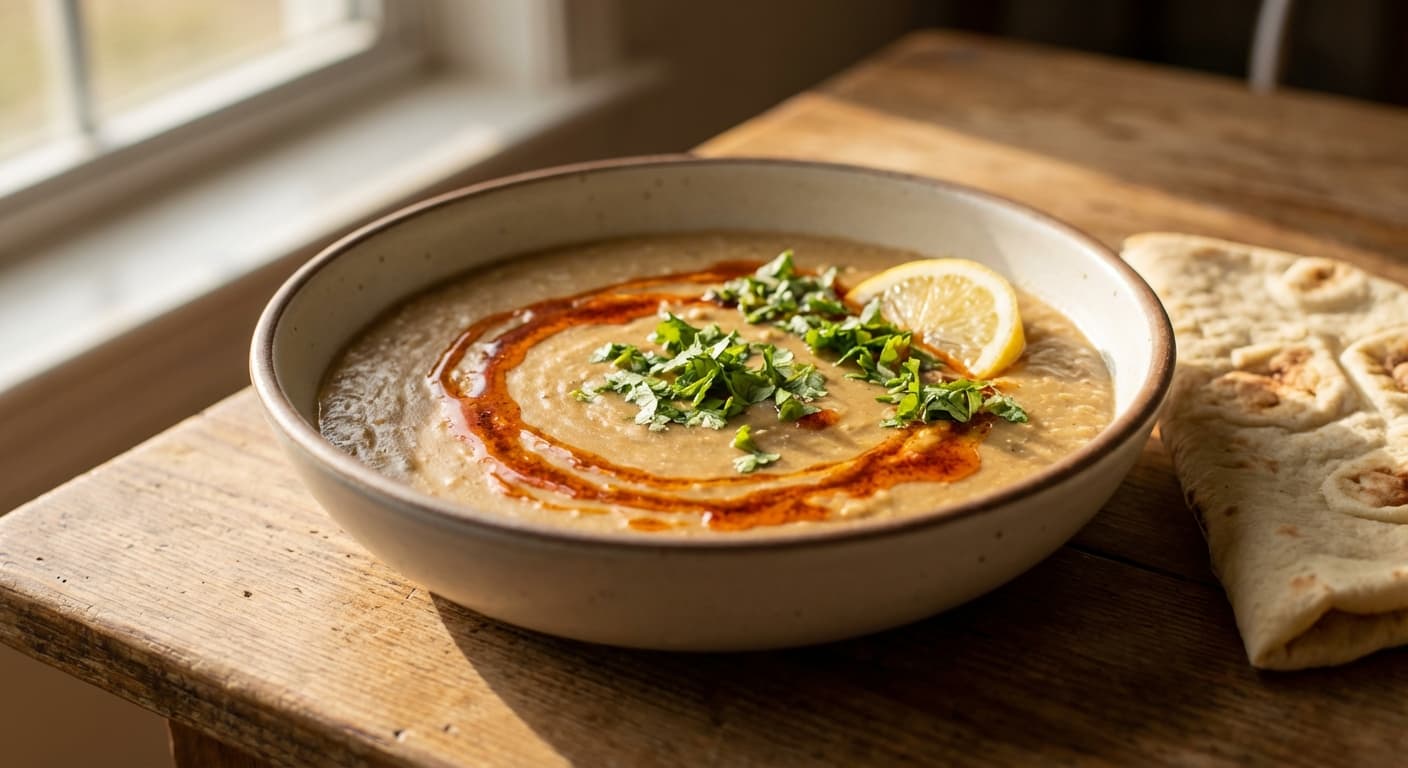
Afghan haleem is a slow-cooked porridge of wheat and tender meat, beaten until silky. Often made for gatherings and Ramadan nights, it’s finished with fragrant spices and a glossy oil topping.
Printable Recipe Card
Servings: 6 · Total: 240 min · Difficulty: hard
Ingredients (quick list)
- 250 g whole wheat berries (rinsed well)
- 80 g split chickpeas (chana dal) (rinsed well)
- 700 g boneless beef chuck (cut into 4 cm chunks)
- 250 g yellow onion (finely sliced)
- 12 clove garlic cloves (crushed)
- 15 g fresh ginger (grated)
- 2 tsp ground turmeric
- 2 tsp ground cumin
- 2 tsp ground coriander
- 1 tsp black pepper
- 2.25 tsp fine sea salt (about 13 g)
- 2500 ml water (plus up to 500 ml as needed)
+ 6 more in the full ingredients section below.
Steps (summary)
- Rinse the wheat berries and split chickpeas under cold water until the water runs mostly clear. Soak them together in plenty of…
- In a heavy pot, combine the beef, sliced onion, crushed garlic, grated ginger, turmeric, cumin, coriander, black pepper, salt,…
- Reduce to a gentle simmer and cook partially covered for 60 minutes, stirring every 10 minutes to prevent sticking at the botto…
- Add the drained wheat berries and split chickpeas to the pot and return to a steady simmer. Cook for 90 minutes, stirring and s…
- When the wheat is very soft and the beef easily shreds, remove the meat pieces with tongs to a bowl. Shred the beef finely with…
- Beat the haleem vigorously with a wooden spoon for 8–10 minutes, or use an immersion blender for 30–45 seconds to break down th…
+ 1 more steps in the full instructions section below.
Cultural Background
Haleem is a celebratory slow-cooked dish across Afghanistan, valued for patience and generosity at the table. It’s especially beloved in Ramadan and community gatherings, where the long stirring symbolizes care and hospitality.
Equipment
💡 Tips
- Stir with a flat-edged wooden spoon and scrape the bottom often; haleem scorches easily once it thickens.
- For the signature silky texture, beat the pot vigorously at the end; the wheat’s starch needs agitation to turn glossy.
- Bloom the paprika in warm fat off high heat; burnt paprika turns bitter and dulls the aroma.
⚠️ Common Mistakes
❌ Letting the pot boil hard after the grains are added.
✅ Fix: Keep it at a gentle simmer and stir often; aggressive boiling breaks the emulsion and increases scorching risk.
❌ Not stirring enough once the mixture thickens.
✅ Fix: Stir and scrape every 5–8 minutes, and add water in small measured amounts to keep it moving.
❌ Over-blending into a gluey paste.
✅ Fix: Use the immersion blender briefly, then finish by beating with a spoon so it stays silky but not gummy.
🧊 How to Store
Cool haleem to room temperature within 90 minutes, then refrigerate in an airtight container for up to 4 days. Reheat gently with 60–120 ml water per portion, stirring constantly to restore the silky texture; freeze up to 2 months.
📅 Make Ahead
Soak the wheat and split chickpeas up to 12 hours ahead and refrigerate. You can also cook and shred the meat a day early, then simmer it with the grains the next day for easier timing.
🍽️ Pairs Well With
- Afghan naan
- sliced radish and cucumber
- lemon wedges
- pickled vegetables
- green chutney.
Regional Variations
- Some Afghan households finish with extra fried onions in oil for deeper sweetness and a darker top layer.
- In parts of the region, haleem is made with a mix of wheat and barley for a more earthy, nutty flavor.
- A festive version may include a stronger spice oil with more paprika and a touch of cinnamon for a pronounced aroma.
Ingredients
- 250 gwhole wheat berries (rinsed well)
- 80 gsplit chickpeas (chana dal) (rinsed well)
- 700 gboneless beef chuck (cut into 4 cm chunks)
- 250 gyellow onion (finely sliced)
- 12 clovegarlic cloves (crushed)
- 15 gfresh ginger (grated)
- 2 tspground turmeric
- 2 tspground cumin
- 2 tspground coriander
- 1 tspblack pepper
- 2.25 tspfine sea salt (about 13 g)
- 2500 mlwater (plus up to 500 ml as needed)
- 60 mlneutral oil (for finishing drizzle)
- 30 gghee (adds classic richness)
- 1.5 tspsweet paprika (for color and warmth)
- 0.5 tspground cinnamon (optional but traditional)
- 15 mllemon juice (brightens the bowl)
- 10 gfresh cilantro (roughly chopped)
🔄 Substitutions
- boneless beef chuck→ boneless lamb shoulder
- whole wheat berries→ cracked wheat (bulgur), 250 g
- ghee→ unsalted butter, 30 g
Instructions
- 1
Rinse the wheat berries and split chickpeas under cold water until the water runs mostly clear. Soak them together in plenty of cold water for 8 hours, then drain well; this shortens cooking and helps the haleem become silky.
- 2
In a heavy pot, combine the beef, sliced onion, crushed garlic, grated ginger, turmeric, cumin, coriander, black pepper, salt, and 2500 ml water. Bring to a boil over medium-high heat for 8 minutes, skimming any foam so the final haleem tastes clean and rich.
- 3
Reduce to a gentle simmer and cook partially covered for 60 minutes, stirring every 10 minutes to prevent sticking at the bottom. The goal is tender beef and a flavorful broth before the grains go in, so keep the heat low enough that it barely bubbles.
- 4
Add the drained wheat berries and split chickpeas to the pot and return to a steady simmer. Cook for 90 minutes, stirring and scraping the base every 8–10 minutes; if the mixture gets too thick to stir, add 100–200 ml water at a time, up to 500 ml total.
- 5
When the wheat is very soft and the beef easily shreds, remove the meat pieces with tongs to a bowl. Shred the beef finely with two forks, then return it to the pot; this keeps the texture even and prevents large chunks from interrupting the classic smooth spoonful.
- 6
Beat the haleem vigorously with a wooden spoon for 8–10 minutes, or use an immersion blender for 30–45 seconds to break down the grains while still leaving a slightly elastic body. Continue simmering for 20–30 minutes, stirring frequently, until it looks glossy, thick, and pulls away from the sides of the pot.
- 7
Make the finishing oil: warm the neutral oil and ghee in a small pan over low heat for 2 minutes, then stir in paprika and cinnamon for 20 seconds to bloom the spices without burning them. Spoon haleem into bowls, drizzle each serving with the spiced oil, and finish with 2.5 ml lemon juice and a pinch of cilantro for balance.
🪪 Recipe Passport
Cultural Background
Haleem is a celebratory slow-cooked dish across Afghanistan, valued for patience and generosity at the table. It’s especially beloved in Ramadan and community gatherings, where the long stirring symbolizes care and hospitality.
Regional Variations
Researched from multiple sources and validated by the Zaffaron editorial team. Every recipe is tested for accuracy, measurements, and cultural authenticity.
Nutrition per serving
Pairs well with
If you enjoyed this recipe, here are a few related Zaffaron recipes to try next.
Does your family make this differently?
Every family has their own version. Maybe your grandmother adds a secret ingredient, or your aunt has a completely different technique. Preserve your family's version — with their name on it, forever.
You Might Also Like
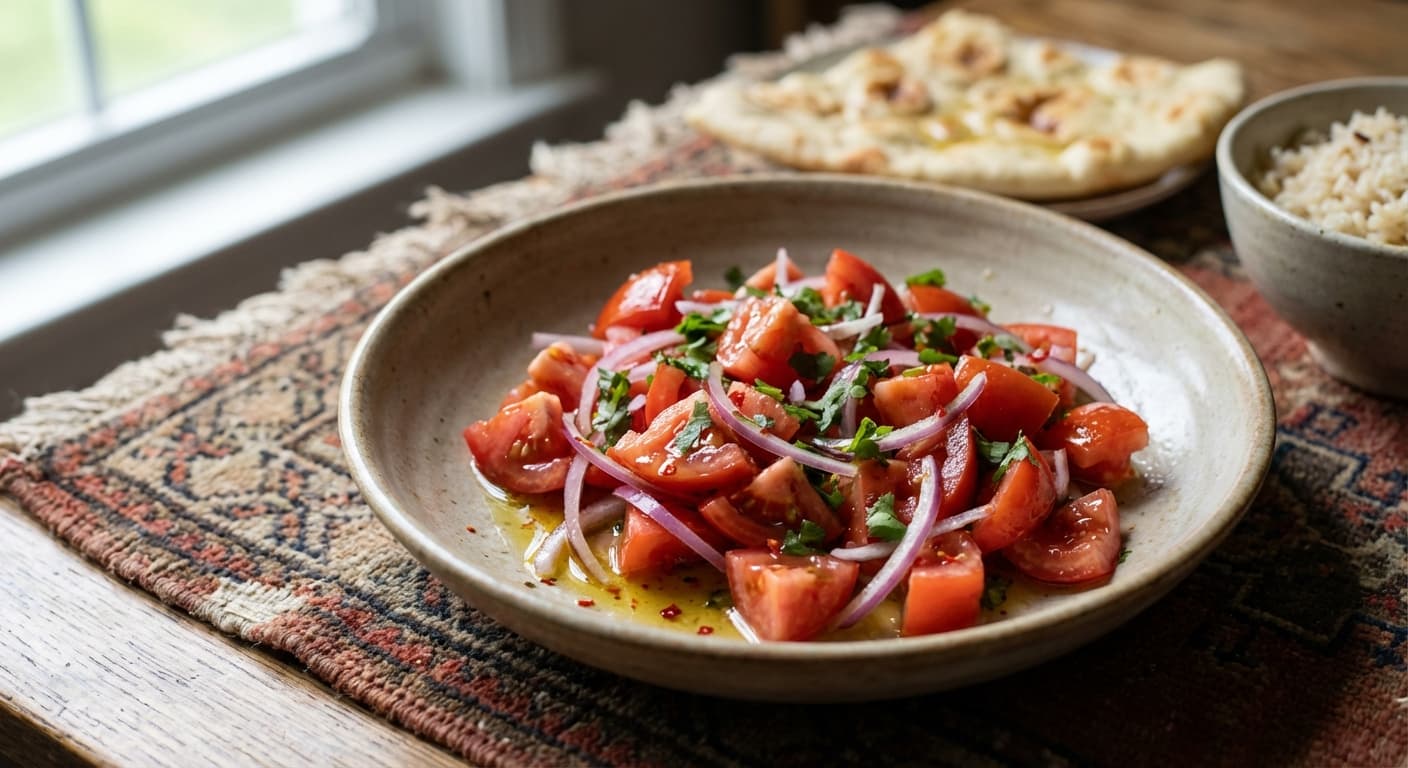
Salata-e Afghan (سالاد افغانی) — Afghan Fresh Tomato, Onion, and Cilantro Salad
Afghan · Salads · 15 min
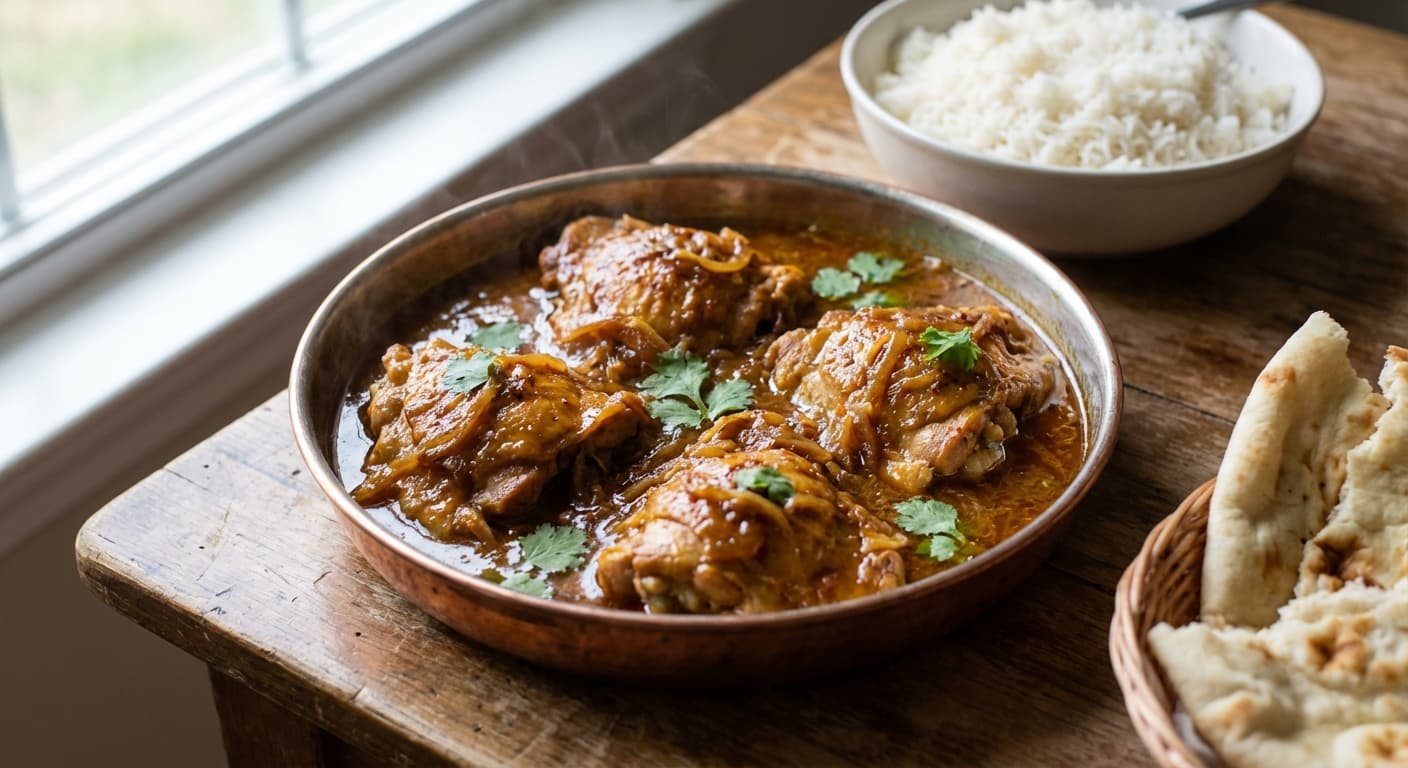
Murgh-e Qorma (مرغ قورمه) — Afghan Chicken in Onion-Tomato Gravy
Afghan · Stews · 95 min
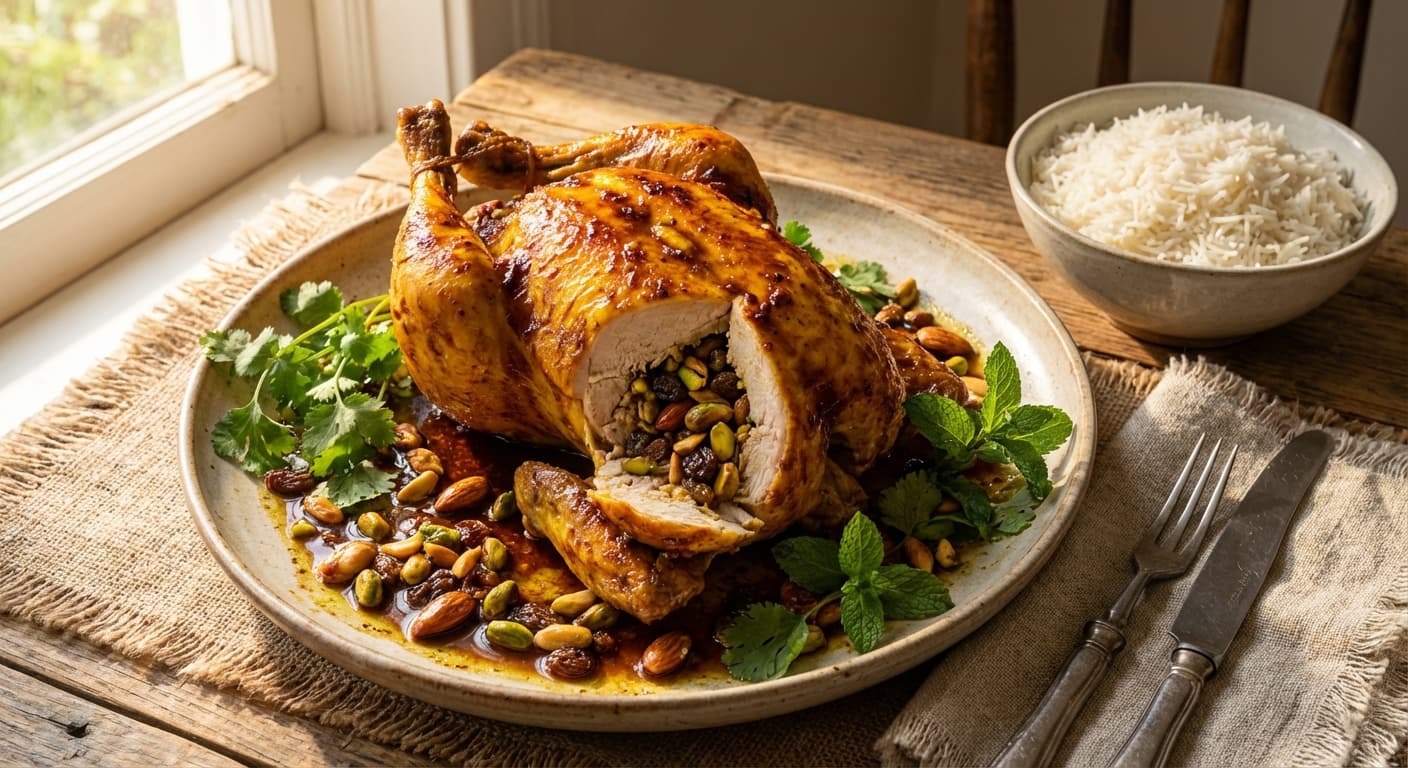
Lawang (لاونگ) — Afghan Stuffed Chicken with Raisins, Nuts, and Warm Spices
Afghan · Main Courses · 120 min
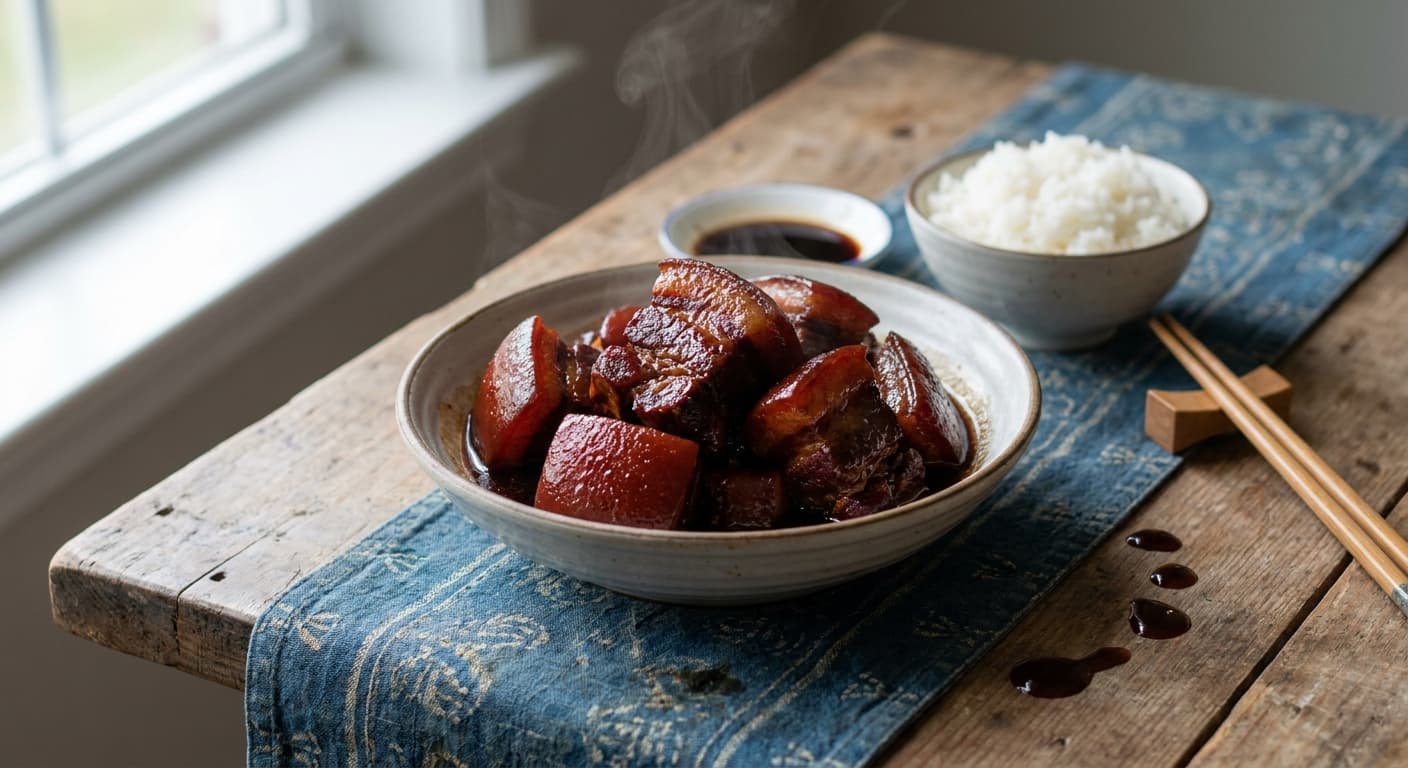
Dongpo Pork (东坡肉) — Hangzhou Red-Braised Pork Belly
Chinese · Main Courses · 205 min

Peking Duck (北京烤鸭) — Crisp-Skinned Beijing Roast Duck
Chinese · Main Courses · 180 min
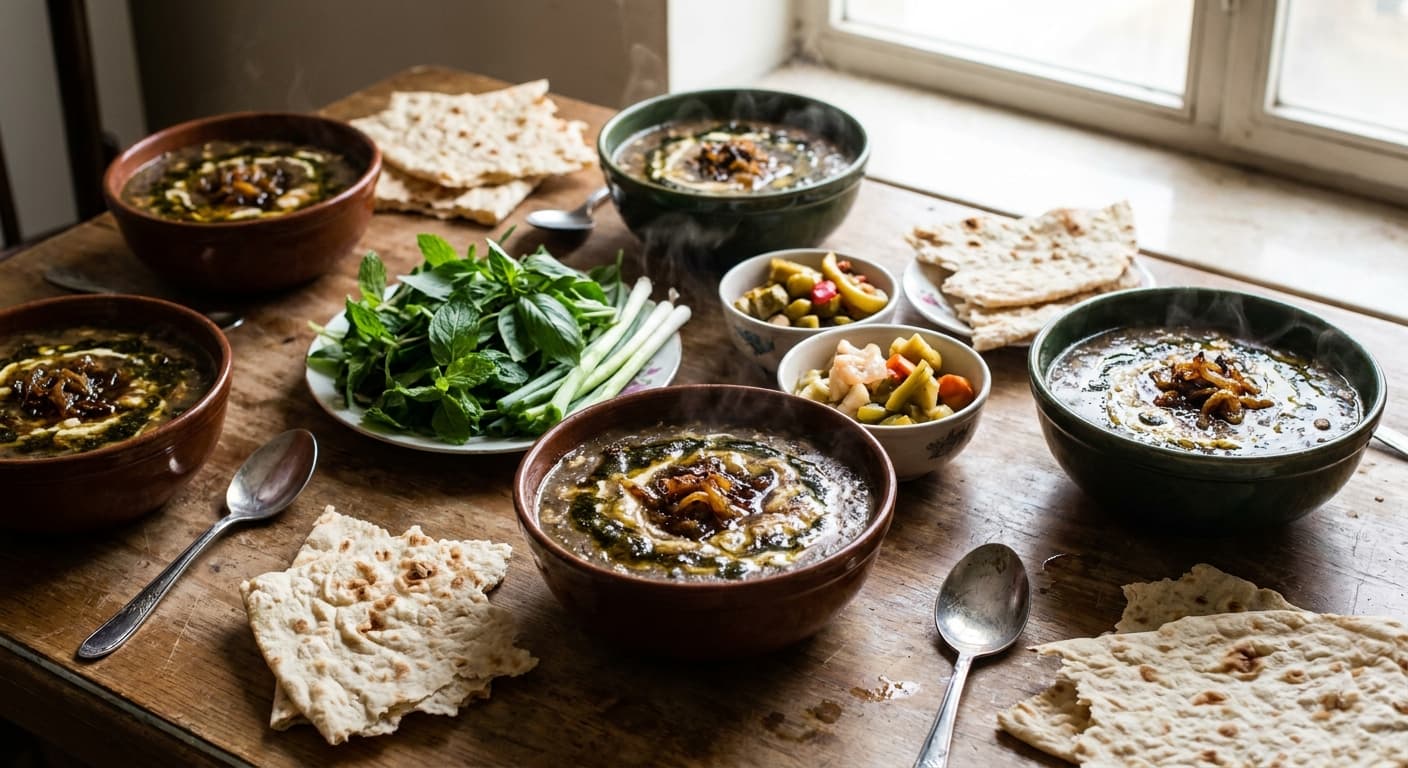
Ash-e Torsh (آش ترش) — Sour Herb and Legume Soup
Persian · Soups · 145 min
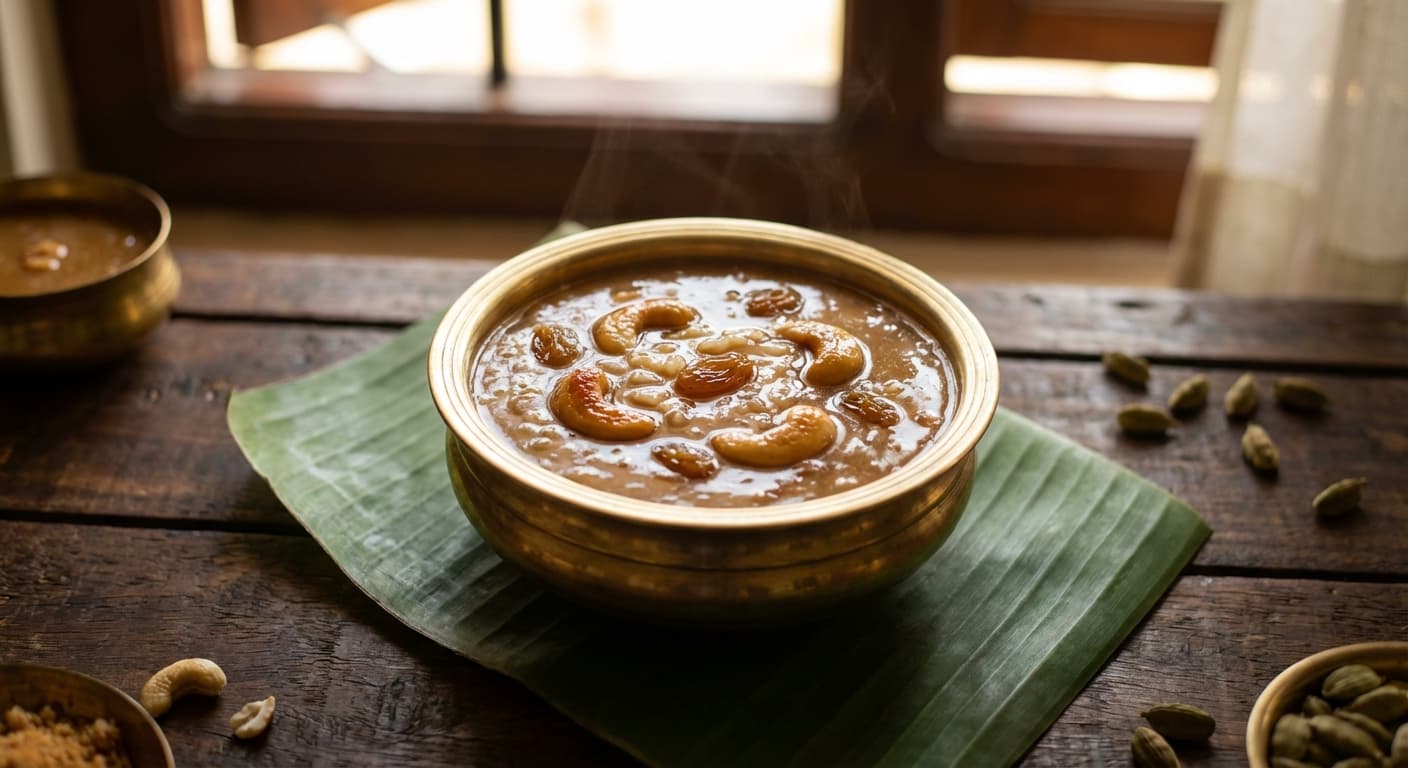
Jaggery Payasam (പായസം) — South Indian milk dessert with ghee and cardamom
Indian · Desserts · 45 min
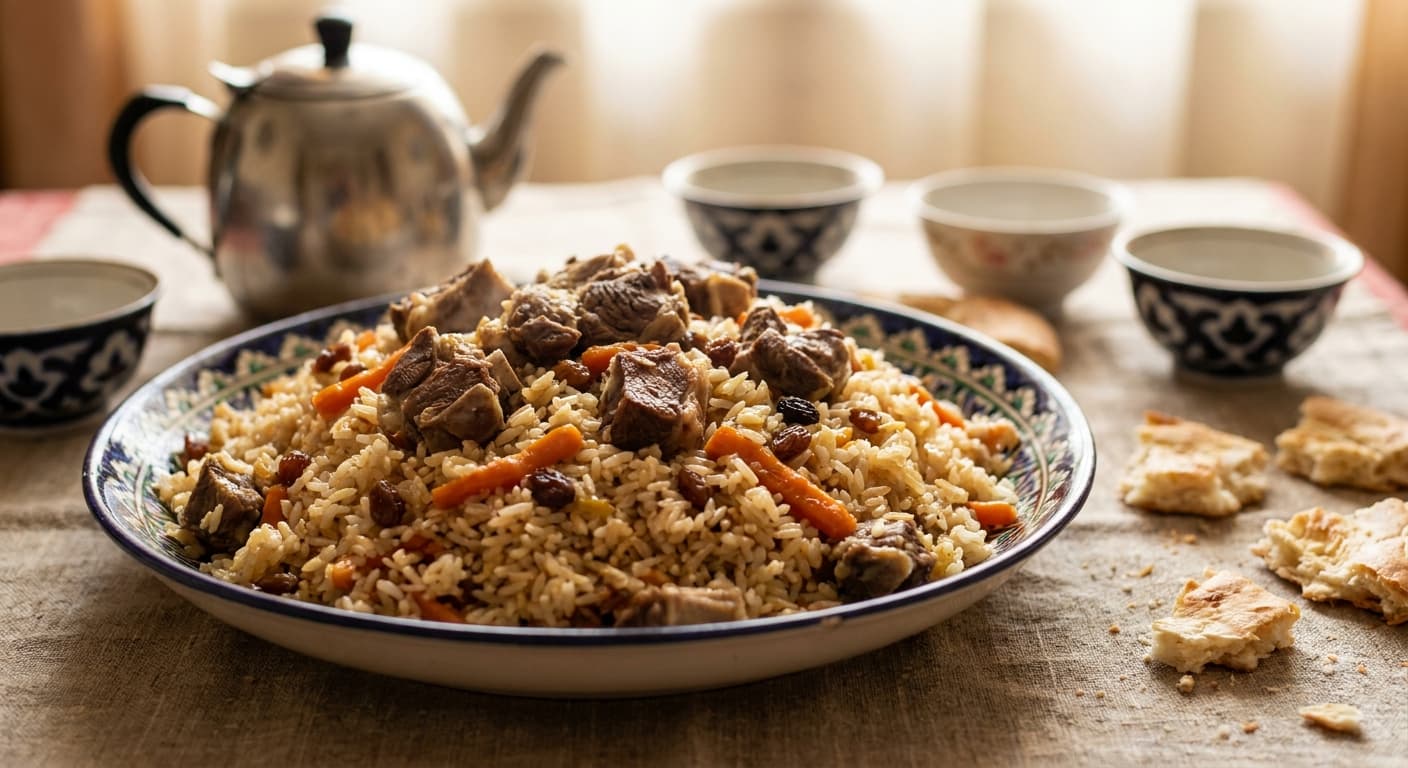
Uzbek Plov (Oʻzbek palovi) — Lamb, Rice, Carrots, and Cumin Pilaf
Uzbek · Rice Dishes · 130 min
Reviews
Cooked this recipe?
Tap the stars to rate it — that's all it takes. A few words are welcome but optional.
No ratings yet. Cooked this one? Be the first to rate it — it takes one tap.