Portuguese Custard Tarts (Pastéis de Nata) — Flaky Lisbon-Style Custard Pastries
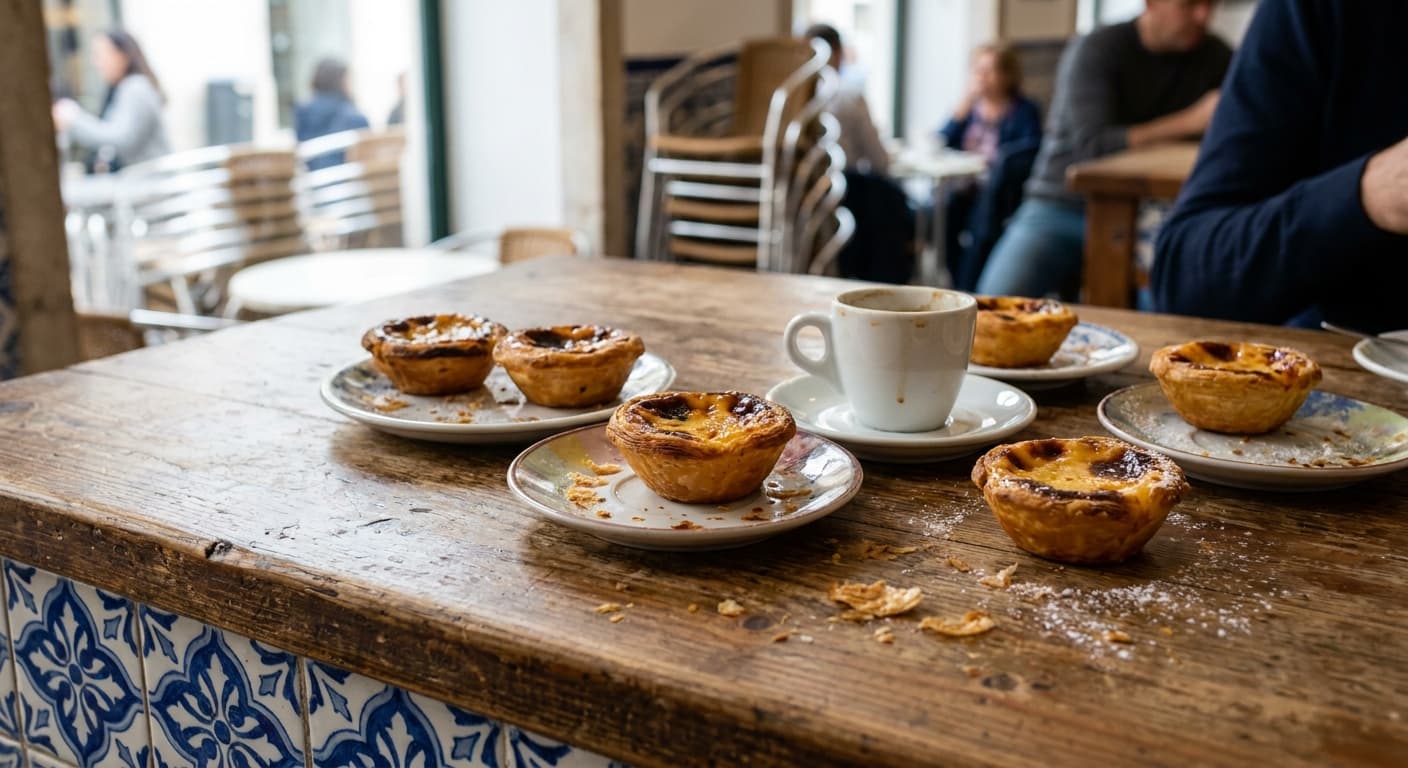
Pastéis de nata are Portugal’s beloved custard tarts, famous for shattering pastry and caramelized, blistered tops. This Lisbon-style version uses laminated dough, lemon-cinnamon syrup, and very high heat for an authentic café result.
Printable Recipe Card
Servings: 12 · Total: 87 min · Difficulty: hard
Ingredients (quick list)
- 250 g all-purpose flour
- 3 g fine sea salt
- 150 ml cold water
- 180 g unsalted butter, softened (170 g for laminating and 10 g for greasing the tin)
- 300 ml whole milk
- 200 g granulated sugar
- 120 ml water
- 1 stick cinnamon
- 3 strip lemon peel (each strip about 7 cm long, yellow zest only)
- 6 egg yolks
- 1 tsp ground cinnamon
- 1 tbsp powdered sugar
Steps (summary)
- Combine 250 g flour and 3 g fine sea salt in a mixing bowl, then add 150 ml cold water. Stir until a rough dough forms, knead f…
- Roll the dough on a lightly floured surface into a rectangle measuring about 45 by 30 cm. Spread 57 g softened butter over the…
- Turn the folded dough 90 degrees, roll it again to about 45 by 30 cm, and repeat the buttering and letter fold with another 57…
- Roll the chilled laminated dough into a rectangle about 45 by 25 cm with the long side facing you. Roll it tightly into a compa…
- Whisk 60 ml of the milk with 30 g flour in a bowl until completely smooth. Heat the remaining 240 ml milk in a saucepan until s…
- Combine 200 g sugar, 120 ml water, 1 cinnamon stick, and 3 lemon peel strips in a small saucepan. Boil without stirring until t…
+ 5 more steps in the full instructions section below.
Cultural Background
Pastéis de nata are closely associated with Lisbon pastry culture and the monastery-rooted sweets of Portugal, where egg yolks enriched many convent desserts. They remain a daily café ritual as much as a festive treat.
Equipment
💡 Tips
- Use metal molds or a metal muffin tin rather than silicone, because metal transfers heat quickly and helps the pastry crisp.
- The oven must be extremely hot before the tarts go in; insufficient heat produces pale pastry and custard that sets without blistering.
- Strain the custard after adding the yolks to remove any cooked flour specks or egg chalazae.
⚠️ Common Mistakes
❌ The pastry turns greasy instead of flaky.
✅ Fix: Chill the dough whenever the butter softens, and roll with firm, even pressure so the butter stays in thin layers.
❌ The custard curdles after the yolks are added.
✅ Fix: Cool the milk-syrup base below 50°C before whisking in yolks, then strain the custard before filling.
❌ The tops stay pale and do not blister.
✅ Fix: Preheat the oven thoroughly to 290°C and bake in the upper third where the custard receives strong radiant heat.
🧊 How to Store
Store cooled pastéis de nata in an airtight container in the refrigerator for up to 2 days. Reheat on a baking sheet at 190°C for 7 minutes to revive the pastry; avoid microwaving because it softens the layers.
📅 Make Ahead
Prepare the pastry log up to 24 hours ahead and keep it refrigerated. The custard can be made 12 hours ahead, strained, covered, and chilled; whisk briefly before filling the shells.
🍽️ Pairs Well With
- Bica espresso
- black coffee
- cinnamon
- powdered sugar
- fresh berries.
Regional Variations
- In Lisbon, the tarts are often served barely warm with cinnamon and powdered sugar offered separately.
- Some home versions use orange peel instead of lemon peel for a rounder citrus perfume.
- Commercial pastelarias may use specialized tart molds and ovens hotter than domestic ovens for faster blistering.
Ingredients
- 250 gall-purpose flour
- 3 gfine sea salt
- 150 mlcold water
- 180 gunsalted butter, softened (170 g for laminating and 10 g for greasing the tin)
- 300 mlwhole milk
- 200 ggranulated sugar
- 120 mlwater
- 1 stickcinnamon
- 3 striplemon peel (each strip about 7 cm long, yellow zest only)
- 6egg yolks
- 1 tspground cinnamon
- 1 tbsppowdered sugar
🔄 Substitutions
- homemade laminated pastry→ all-butter puff pastry
- lemon peel→ orange peel
- whole milk→ lactose-free whole milk
Instructions
- 1
Combine 250 g flour and 3 g fine sea salt in a mixing bowl, then add 150 ml cold water. Stir until a rough dough forms, knead for 3 minutes until elastic, cover, and rest for 20 minutes so the gluten relaxes before lamination.
- 2
Roll the dough on a lightly floured surface into a rectangle measuring about 45 by 30 cm. Spread 57 g softened butter over the left two-thirds of the dough, fold the unbuttered third over the center, then fold the buttered third over it like a letter.
- 3
Turn the folded dough 90 degrees, roll it again to about 45 by 30 cm, and repeat the buttering and letter fold with another 57 g butter. Wrap and chill the dough for 20 minutes, then repeat once more with the remaining 56 g butter for a total of three butter turns.
- 4
Roll the chilled laminated dough into a rectangle about 45 by 25 cm with the long side facing you. Roll it tightly into a compact log from the long edge, wrap it, and chill for 30 minutes so the layers firm up and cut cleanly.
- 5
Whisk 60 ml of the milk with 30 g flour in a bowl until completely smooth. Heat the remaining 240 ml milk in a saucepan until steaming, then whisk it gradually into the flour slurry to make a thick, smooth base.
- 6
Combine 200 g sugar, 120 ml water, 1 cinnamon stick, and 3 lemon peel strips in a small saucepan. Boil without stirring until the syrup reaches 106°C, then remove the cinnamon and lemon and slowly whisk the hot syrup into the milk-flour base.
- 7
Let the custard base cool to below 50°C, then whisk in the 6 egg yolks until the mixture is glossy and uniform. Strain through a fine sieve into a jug, because a smooth custard is essential for the classic silky center.
- 8
Heat the oven to 290°C with a rack in the upper third, allowing at least 25 minutes for full preheating. Grease a 12-cup metal muffin tin or Portuguese tart molds with the reserved 10 g butter, using a thin, even film.
- 9
Cut the pastry log into 12 equal slices and place each slice cut-side down in a prepared cup. With damp thumbs, press each piece from the center outward until the dough climbs the sides and forms a thin shell with a slightly thicker rim.
- 10
Pour 45 ml custard into each pastry shell, stopping about 5 mm below the rim to allow bubbling. Bake for 12 minutes, rotating the tin after 8 minutes, until the pastry is deeply golden and the custard tops are blistered with dark caramel spots.
- 11
Cool the tarts in the tin for 5 minutes, then loosen them carefully with a small offset spatula. Serve warm after another 5 minutes of cooling, dusting each tart with a measured pinch from the 1 tsp cinnamon and 1 tbsp powdered sugar if desired.
🪪 Recipe Passport
Cultural Background
Pastéis de nata are closely associated with Lisbon pastry culture and the monastery-rooted sweets of Portugal, where egg yolks enriched many convent desserts. They remain a daily café ritual as much as a festive treat.
Regional Variations
Researched from multiple sources and validated by the Zaffaron editorial team. Every recipe is tested for accuracy, measurements, and cultural authenticity.
📚 Sources & Cultural References
- Maria de Lourdes Modesto — Cozinha Tradicional Portuguesa — (1982)
- Jean Anderson — The Food of Portugal — (1986)
Sources cited by the Zaffaron editorial team during recipe research. Cultural and culinary references supporting authenticity claims.
Nutrition per serving
Pairs well with
If you enjoyed this recipe, here are a few related Zaffaron recipes to try next.
Does your family make this differently?
Every family has their own version. Maybe your grandmother adds a secret ingredient, or your aunt has a completely different technique. Preserve your family's version — with their name on it, forever.
You Might Also Like
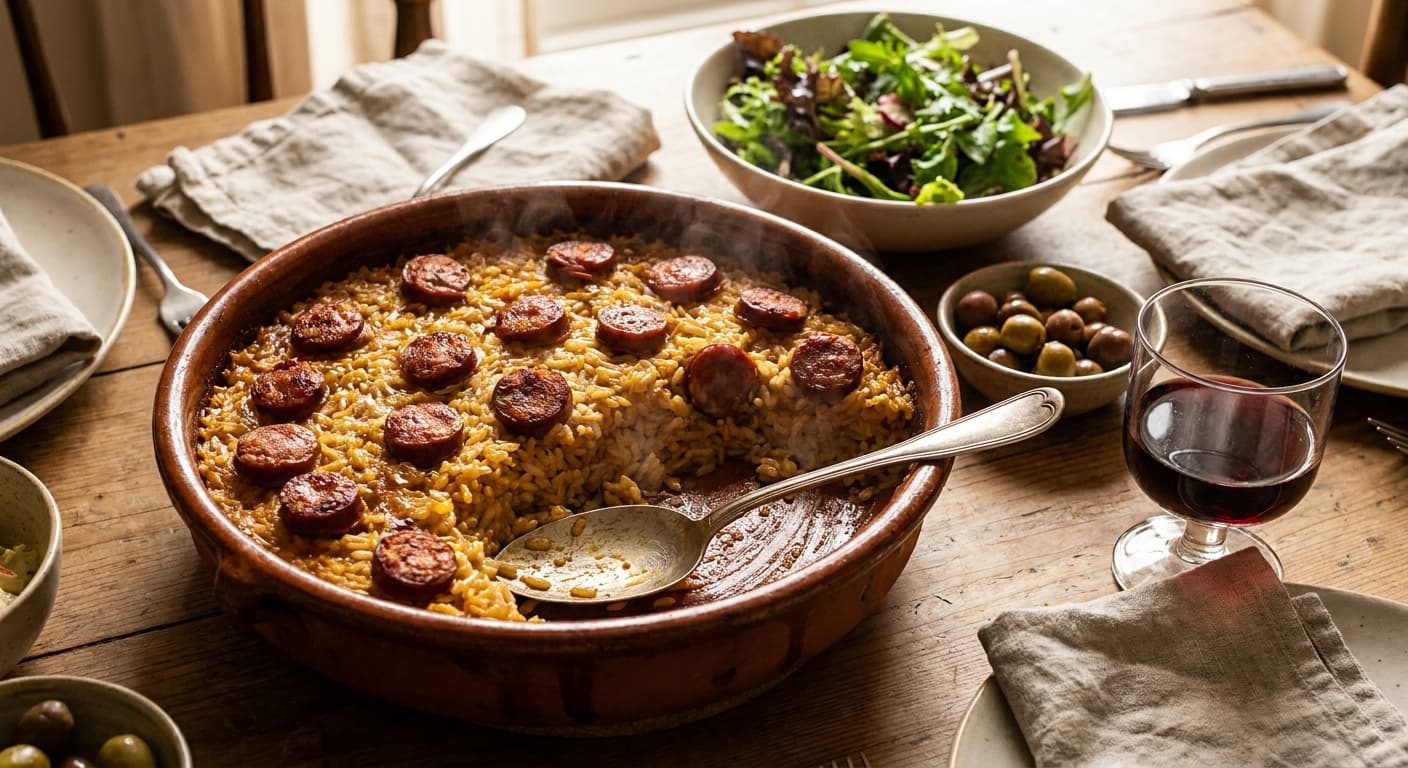
Portuguese Duck Rice (Arroz de Pato) — Baked Duck Rice with Chouriço
Portuguese · Main Courses · 155 min
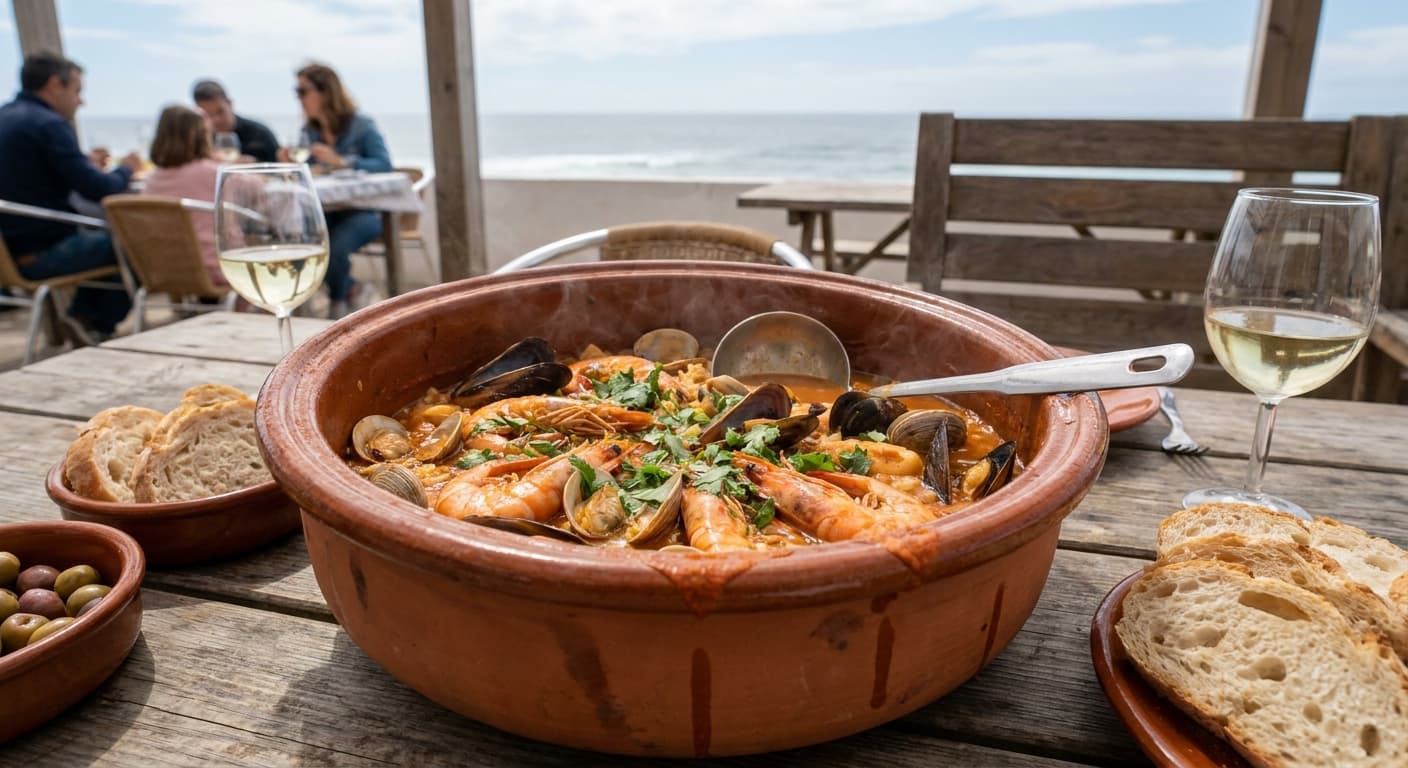
Seafood Rice (Arroz de Marisco) — Saucy Portuguese Shellfish Rice
Portuguese · Rice Dishes · 65 min
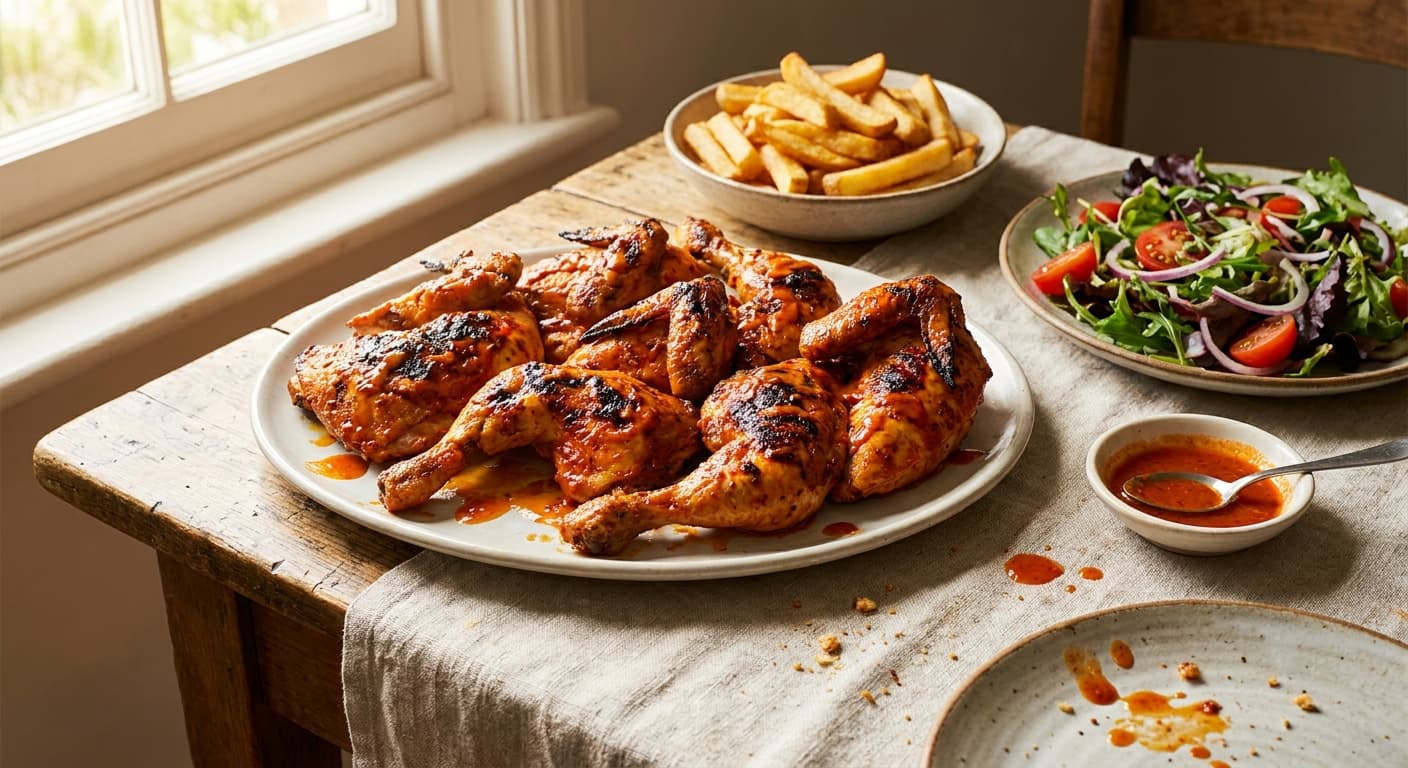
Piri-Piri Chicken (Frango Piri-Piri) — Charred Portuguese Chile-Garlic Grilled Chicken
Portuguese · Main Courses · 70 min
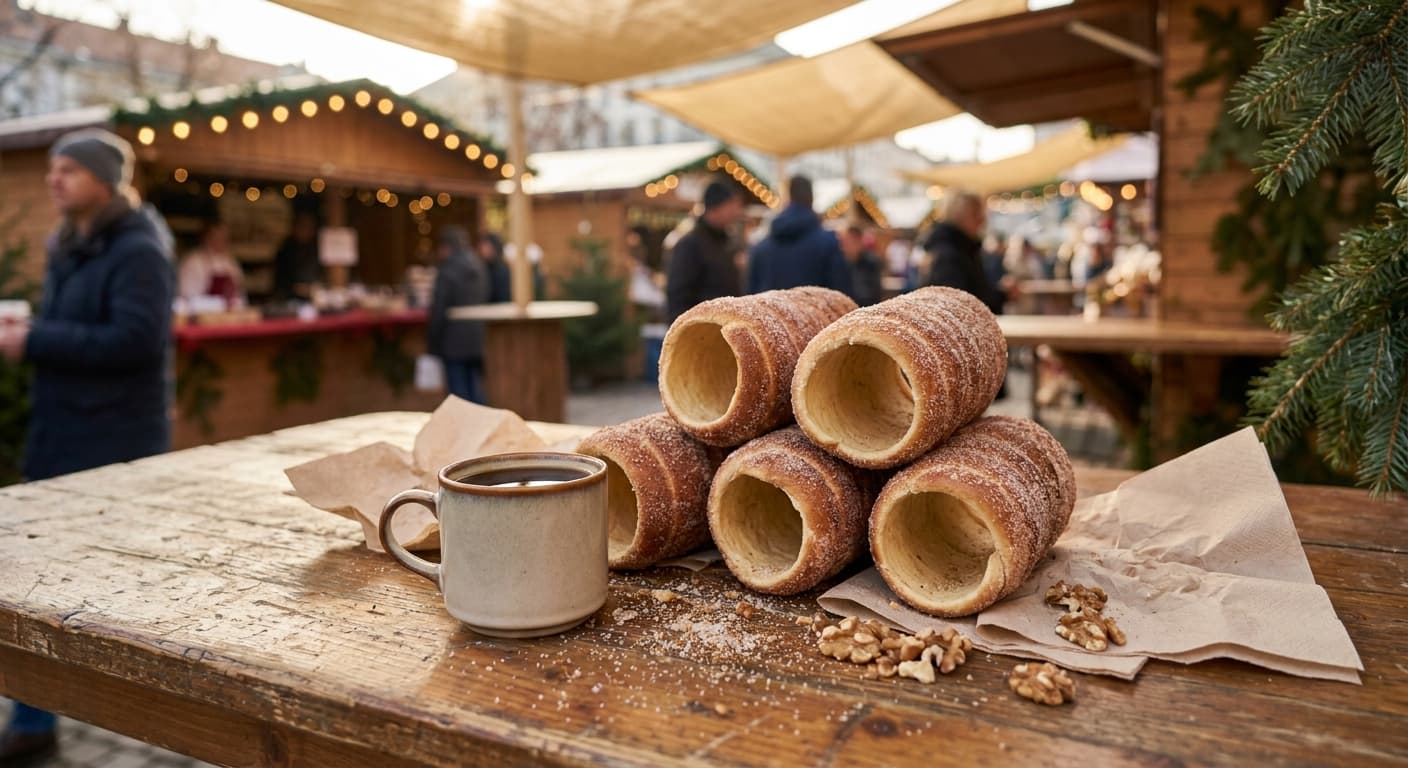
Chimney Cake (Kürtőskalács) — Hungarian Spiral Pastry with Cinnamon Sugar
Hungarian · Desserts · 59 min
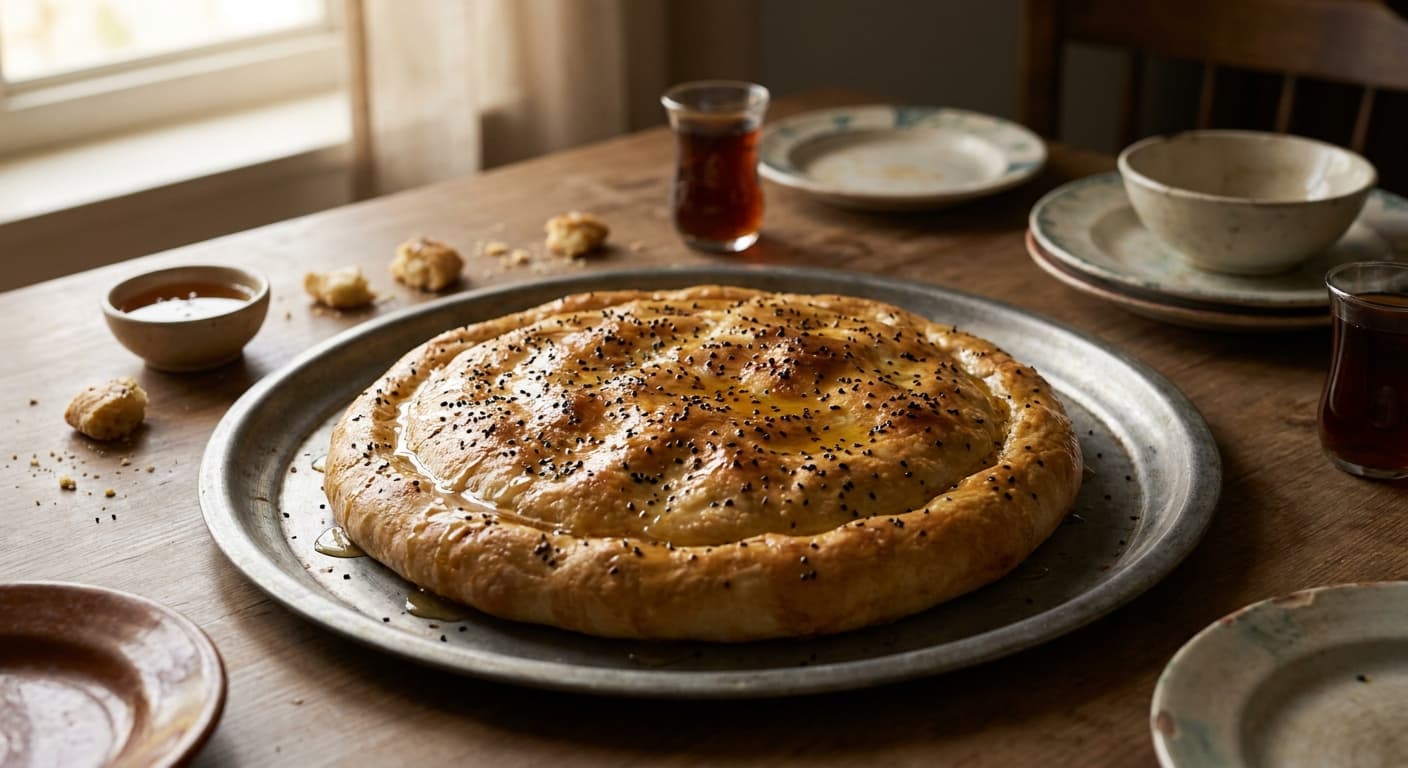
Bint al-Sahn (بنت الصحن) — Yemeni Honey Layer Bread
Yemeni · Desserts · 70 min
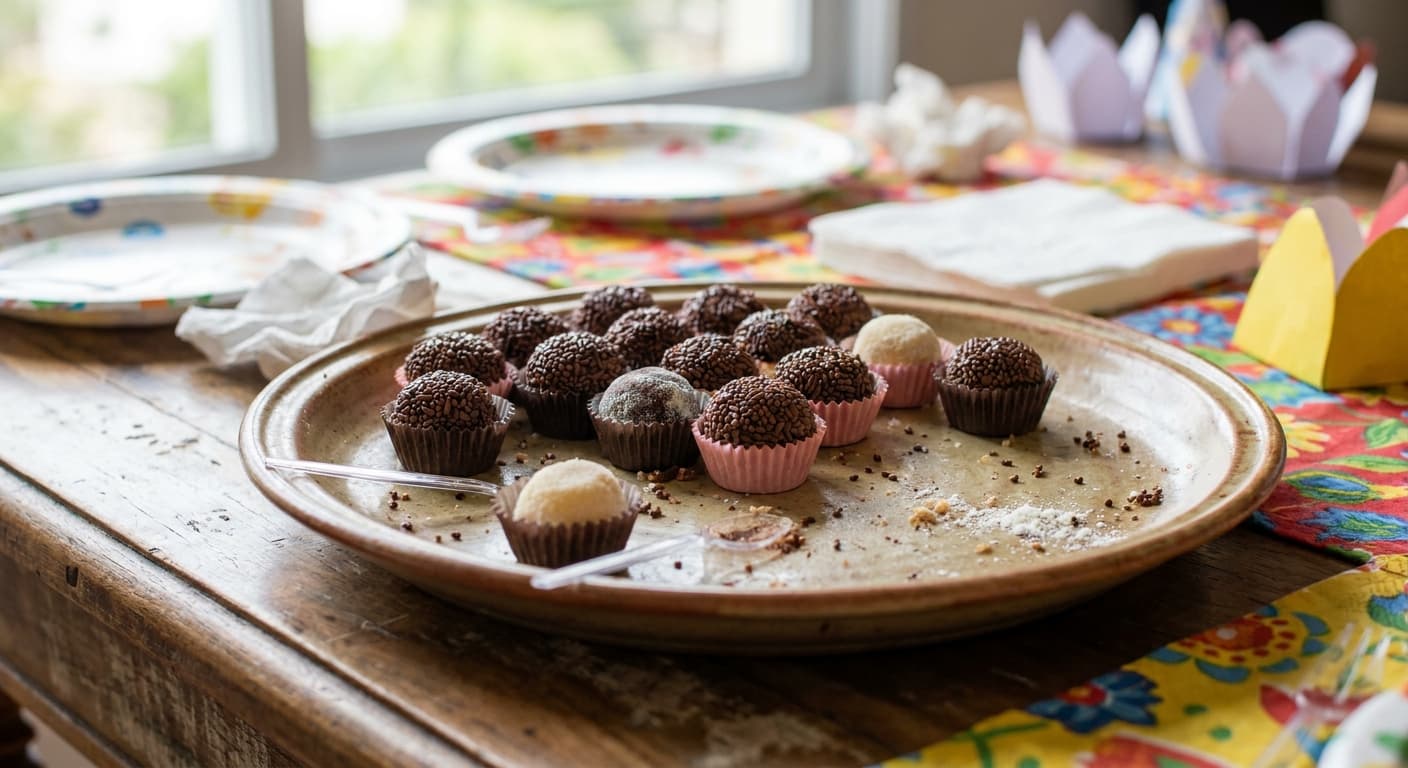
Brigadeiro (Brigadeiro) — Brazilian Chocolate Party Truffles
Brazilian · Desserts · 37 min
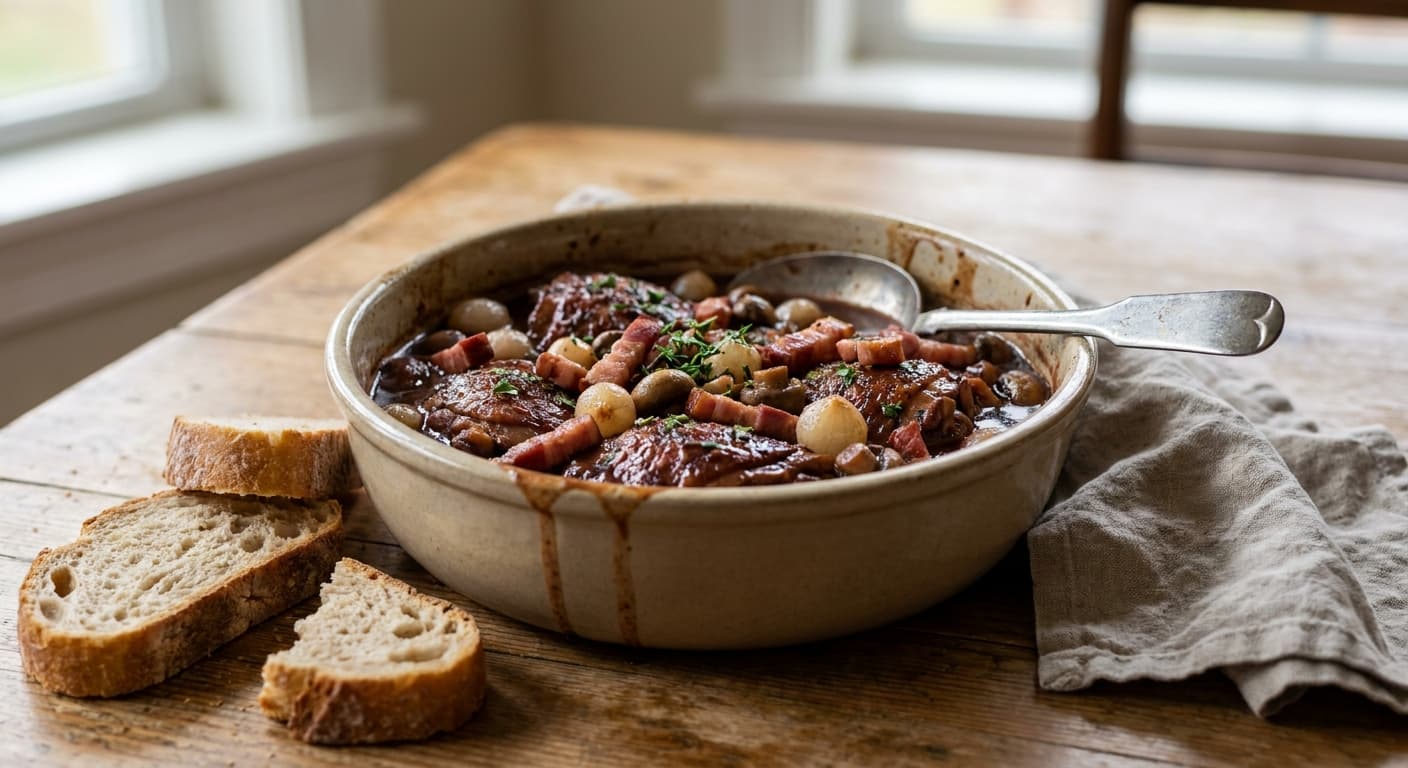
Coq au Vin (Coq au vin) — Burgundy Chicken Braised in Red Wine
French · Stews · 160 min
Bhapa Pitha (ভাপা পিঠা) — Steamed Rice Cakes with Coconut and Date Palm Jaggery
Bangladeshi · Desserts · 67 min
Reviews
Cooked this recipe?
Tap the stars to rate it — that's all it takes. A few words are welcome but optional.
No ratings yet. Cooked this one? Be the first to rate it — it takes one tap.