Haemul Pajeon (해물파전) — Korean Seafood Scallion Pancake
Haemul pajeon is a crisp-edged Korean savory pancake packed with scallions and seafood. It is especially loved with makgeolli on rainy days, when the sizzling sound of batter in oil is said to echo rainfall.
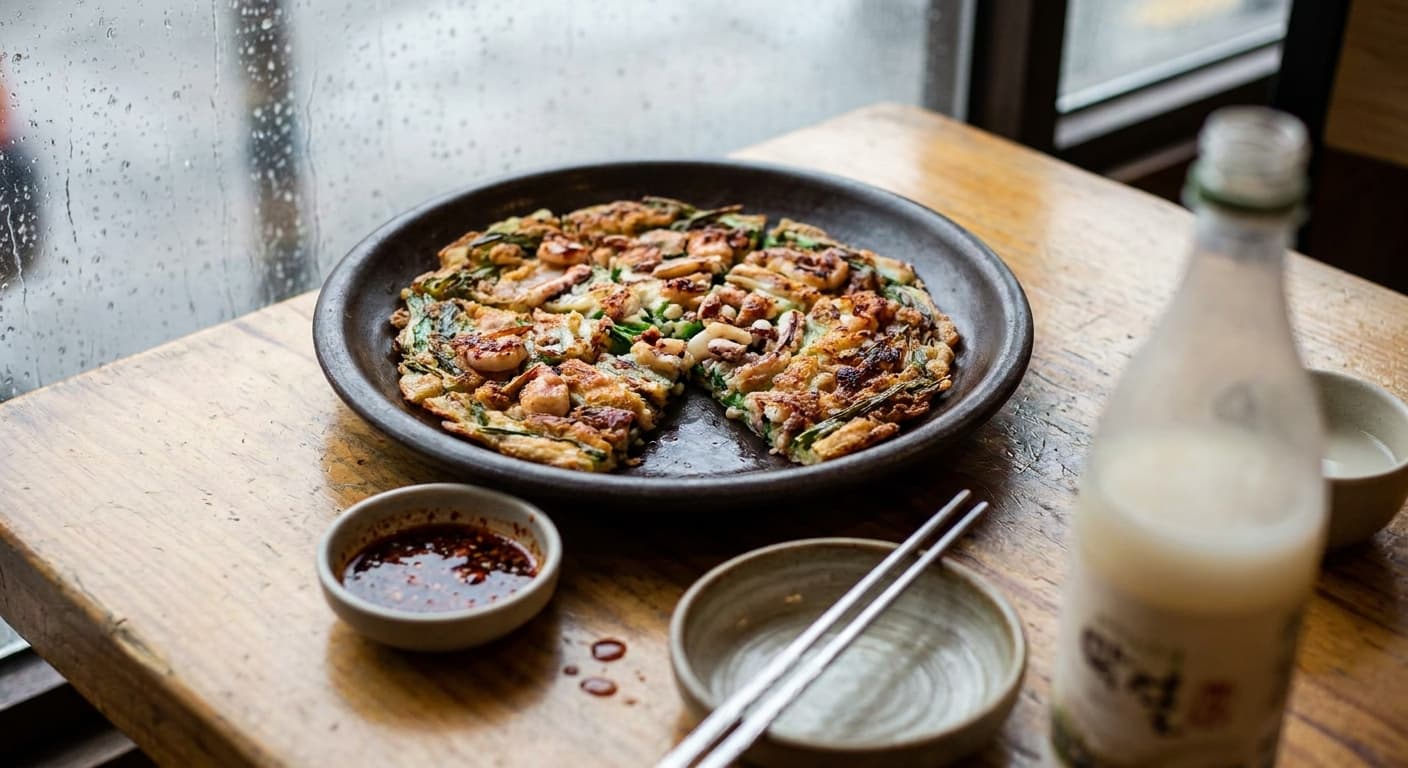
Printable Recipe Card
Servings: 4 · Total: 41 min · Difficulty: medium
Ingredients (quick list)
- 14 large scallions (trimmed to 18 cm lengths, about 180 g)
- 120 g raw shrimp (peeled, deveined, cut into 1 cm pieces)
- 100 g cleaned squid (body and tentacles cut into thin strips)
- 80 g shucked mussels (drained and patted dry)
- 150 g all-purpose flour
- 40 g rice flour
- 20 g potato starch
- 5 g fine sea salt
- 260 ml ice-cold water
- 2 large eggs
- 1 green chile (thinly sliced)
- 1 red chile (thinly sliced)
+ 10 more in the full ingredients section below.
Steps (summary)
- Pat the shrimp, squid, and mussels very dry with paper towels, then cut them to the sizes listed so they cook quickly inside th…
- Make the dipping sauce by stirring the soy sauce, rice vinegar, water, sesame oil, gochugaru, sesame seeds, sugar, grated garli…
- Whisk the all-purpose flour, rice flour, potato starch, and sea salt in a large bowl until evenly combined. Add the ice-cold wa…
- Heat a 28 cm heavy skillet over medium-high heat for 2 minutes, then add 30 ml of the neutral oil and swirl to coat the base. P…
- Scatter half of the shrimp, squid, mussels, green chile, and red chile evenly over the wet batter. Press the seafood lightly in…
- Flip the pancake in one confident motion using a wide spatula, or slide it onto a plate and invert it back into the pan if need…
+ 2 more steps in the full instructions section below.
Cultural Background
Pajeon belongs to Korea's broad jeon tradition of pan-fried batters served at home, pubs, and holiday tables. The seafood version is strongly associated with coastal cooking and with rainy-day drinking snacks paired with makgeolli.
Equipment
💡 Tips
- Keep the batter cold until the moment it hits the pan; cold batter meeting hot oil gives a lighter, crisper crust.
- Dry seafood thoroughly before cooking, because excess surface moisture makes the pancake soggy and can cause oil to splatter.
- Use a generous, even layer of oil and wait for the underside to brown fully before flipping, or the pancake may tear.
⚠️ Common Mistakes
❌ Using wet seafood directly from rinsing or thawing.
✅ Fix: Drain it well and pat it dry before adding it to the batter so the pancake fries rather than steams.
❌ Overmixing the batter until perfectly smooth.
✅ Fix: Whisk only until combined, because too much gluten development makes pajeon chewy instead of crisp-tender.
❌ Flipping before the bottom is fully set.
✅ Fix: Wait until the edges are browned and the pancake moves as one piece when nudged with a spatula.
🧊 How to Store
Refrigerate leftover pajeon in an airtight container for up to 2 days, with sauce stored separately. Reheat on a lightly oiled skillet over medium heat for 2 to 3 minutes per side until hot and crisp; microwaving softens the crust.
📅 Make Ahead
The sauce can be mixed 1 day ahead and refrigerated. Seafood can be cut and dried up to 6 hours ahead, but mix the batter only right before frying for the best texture.
🍽️ Pairs Well With
- Makgeolli
- kimchi
- oi muchim
- kongnamul muchim
- simple Korean radish salad.
Regional Variations
- Dongnae pajeon from Busan is thicker and often uses a glutinous rice-flour batter with abundant scallions and seafood.
- Coastal versions may include oysters, clams, or fresh baby octopus depending on the local catch.
- Home cooks sometimes make a thinner, crisper pub-style haemul pajeon with more oil and a looser batter.
Ingredients
- 14large scallions (trimmed to 18 cm lengths, about 180 g)
- 120 graw shrimp (peeled, deveined, cut into 1 cm pieces)
- 100 gcleaned squid (body and tentacles cut into thin strips)
- 80 gshucked mussels (drained and patted dry)
- 150 gall-purpose flour
- 40 grice flour
- 20 gpotato starch
- 5 gfine sea salt
- 260 mlice-cold water
- 2large eggs
- 1green chile (thinly sliced)
- 1red chile (thinly sliced)
- 60 mlneutral cooking oil (such as grapeseed or canola)
- 3 tbspsoy sauce
- 1 tbsprice vinegar
- 1 tbspwater
- 1 tsptoasted sesame oil
- 1 tspgochugaru
- 1 tsptoasted sesame seeds
- 1 tspgranulated sugar
- 1 clovegarlic (finely grated)
- 1scallion (finely sliced)
🔄 Substitutions
- rice flour→ additional all-purpose flour
- potato starch→ cornstarch
- mussels→ small clams
Instructions
- 1
Pat the shrimp, squid, and mussels very dry with paper towels, then cut them to the sizes listed so they cook quickly inside the pancake. Lay the trimmed scallions in parallel bundles and keep the sliced chiles ready beside the stove.
- 2
Make the dipping sauce by stirring the soy sauce, rice vinegar, water, sesame oil, gochugaru, sesame seeds, sugar, grated garlic, and sliced scallion together in a small bowl. Let it stand while you cook the pancakes so the garlic softens and the chile blooms in the liquid.
- 3
Whisk the all-purpose flour, rice flour, potato starch, and sea salt in a large bowl until evenly combined. Add the ice-cold water and eggs, then whisk just until no dry patches remain; a few small lumps are acceptable and help prevent a tough pancake.
- 4
Heat a 28 cm heavy skillet over medium-high heat for 2 minutes, then add 30 ml of the neutral oil and swirl to coat the base. Pour in about one quarter of the batter, immediately arrange half of the scallions in a tight single layer, and spoon another quarter of the batter over them.
- 5
Scatter half of the shrimp, squid, mussels, green chile, and red chile evenly over the wet batter. Press the seafood lightly into the pancake with a spatula so it adheres, then cook for 4 to 5 minutes until the underside is deep golden and the edges look crisp.
- 6
Flip the pancake in one confident motion using a wide spatula, or slide it onto a plate and invert it back into the pan if needed. Cook the second side for 3 to 4 minutes, pressing gently once or twice, until the seafood is opaque and the scallions are tender.
- 7
Transfer the pancake to a wire rack for 1 minute so steam does not soften the crust. Repeat the shaping and cooking process with the remaining 30 ml oil, batter, scallions, seafood, and chiles to make the second pancake.
- 8
Cut each haemul pajeon into wedges or rough squares while still hot. Serve immediately with the dipping sauce, because the contrast between the crisp exterior, soft scallions, and tender seafood is best straight from the pan.
🪪 Recipe Passport
Cultural Background
Pajeon belongs to Korea's broad jeon tradition of pan-fried batters served at home, pubs, and holiday tables. The seafood version is strongly associated with coastal cooking and with rainy-day drinking snacks paired with makgeolli.
Regional Variations
Researched from multiple sources and validated by the Zaffaron editorial team. Every recipe is tested for accuracy, measurements, and cultural authenticity.
📚 Sources & Cultural References
- Maangchi — Maangchi's Real Korean Cooking — (2015)
- Institute of Traditional Korean Food — The Beauty of Korean Food: With 100 Best-Loved Recipes — (2007)
Sources cited by the Zaffaron editorial team during recipe research. Cultural and culinary references supporting authenticity claims.
Nutrition per serving
Pairs well with
If you enjoyed this recipe, here are a few related Zaffaron recipes to try next.
Does your family make this differently?
Every family has their own version. Maybe your grandmother adds a secret ingredient, or your aunt has a completely different technique. Preserve your family's version — with their name on it, forever.
You Might Also Like
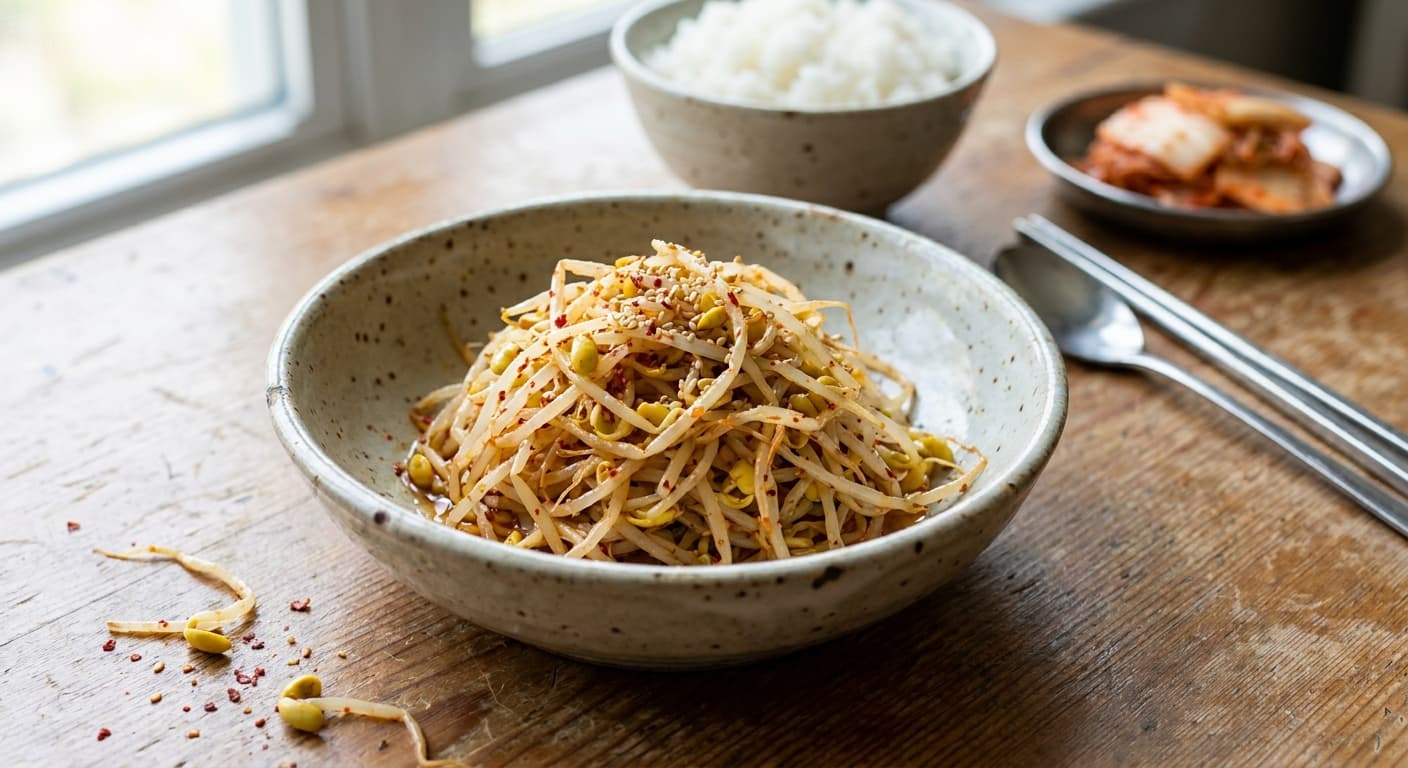
Kongnamul Muchim (콩나물무침) — Korean Seasoned Soybean Sprout Banchan
Korean · Side Dishes · 16 min
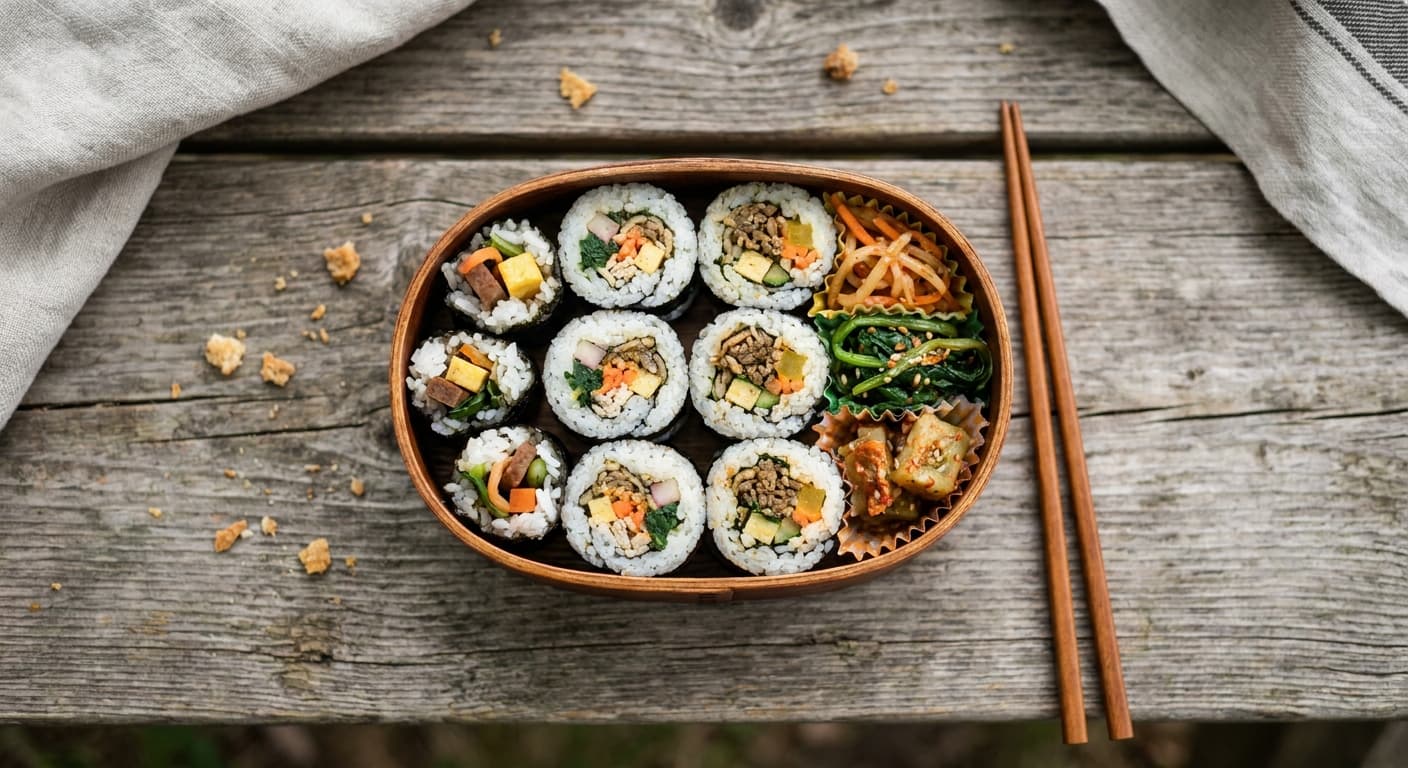
Kimbap (김밥) — Korean Seaweed Rice Rolls
Korean · Main Courses · 70 min
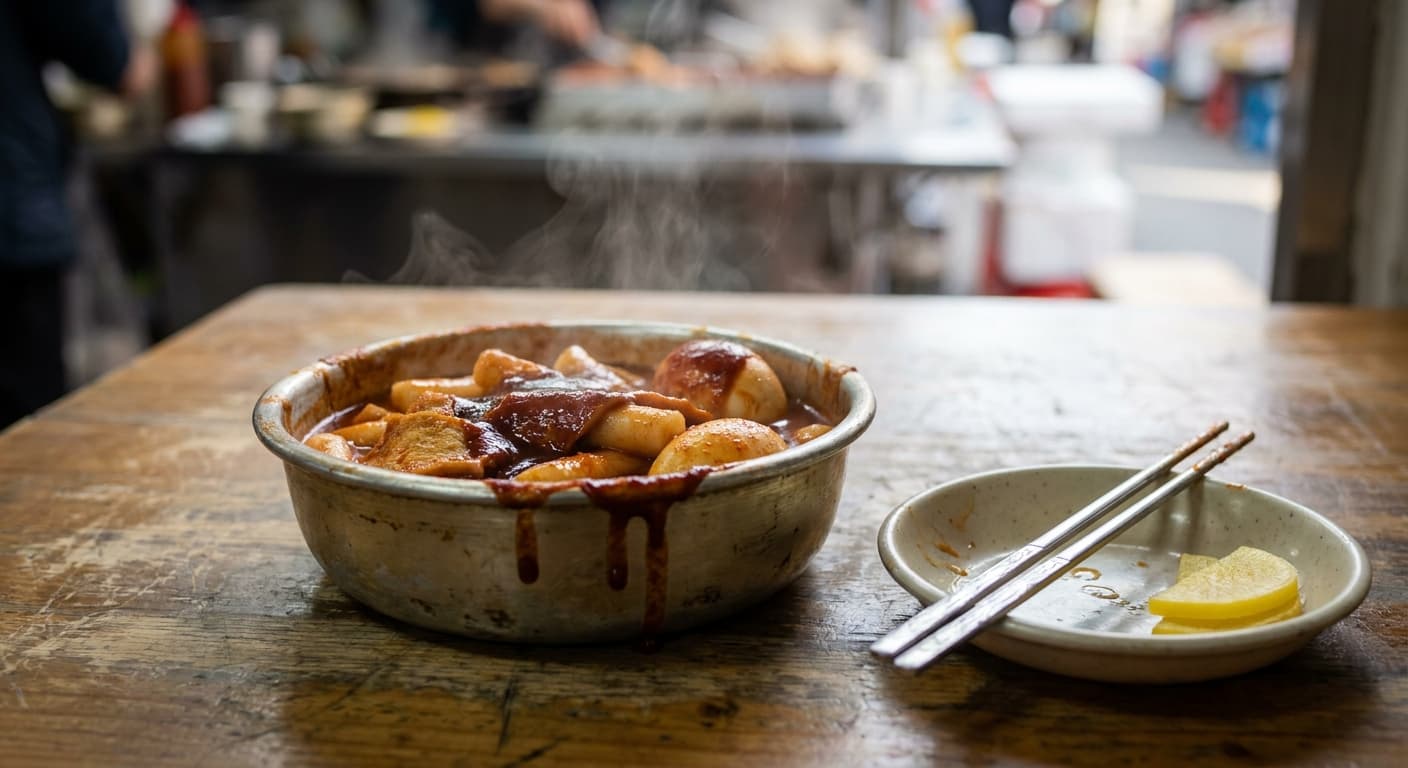
Tteokbokki (떡볶이) — Spicy Korean Rice Cakes
Korean · Main Courses · 45 min
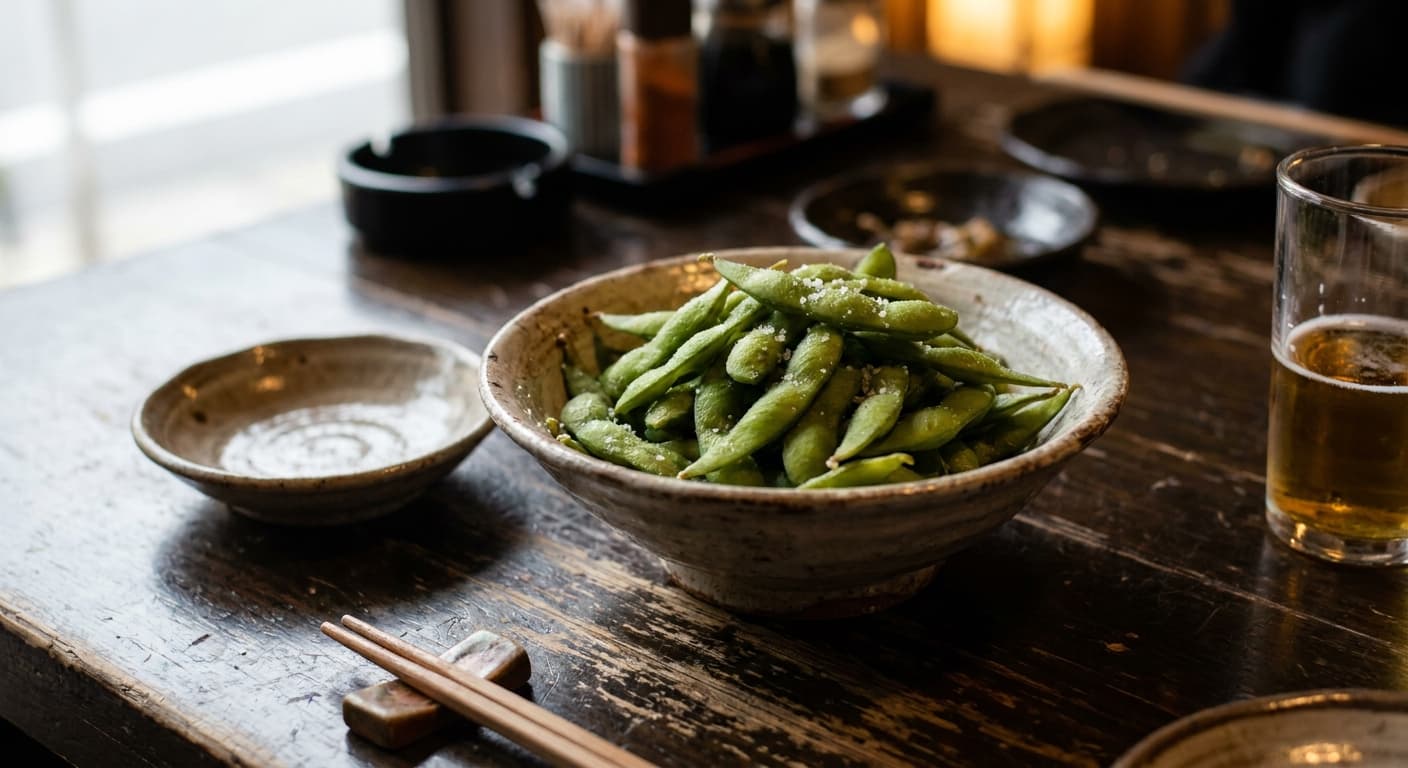
Edamame (枝豆) — Boiled Salted Soybeans, Japanese Izakaya Snack
Japanese · Appetizers · 15 min
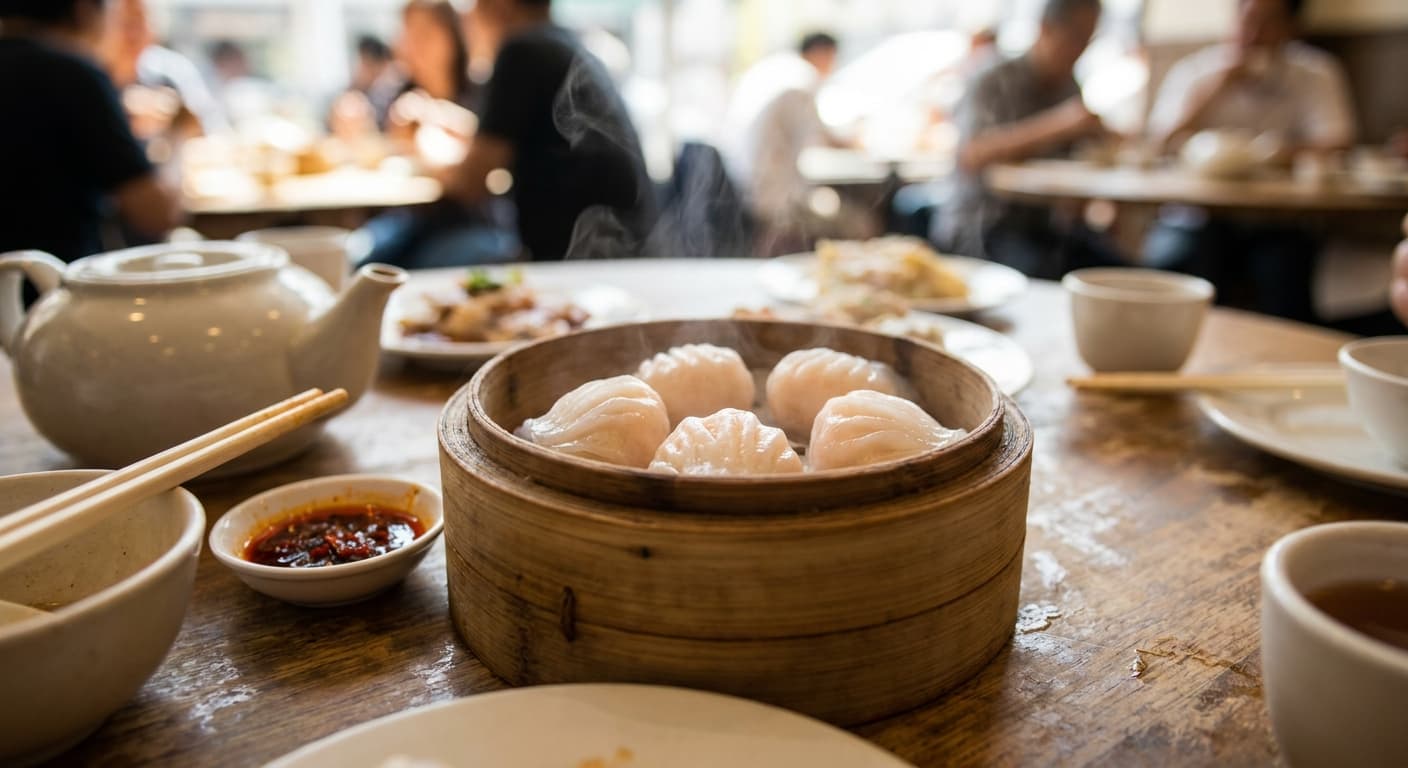
Har Gow Shrimp Dumplings (虾饺) — Translucent Cantonese Dim Sum
Chinese · Appetizers · 68 min
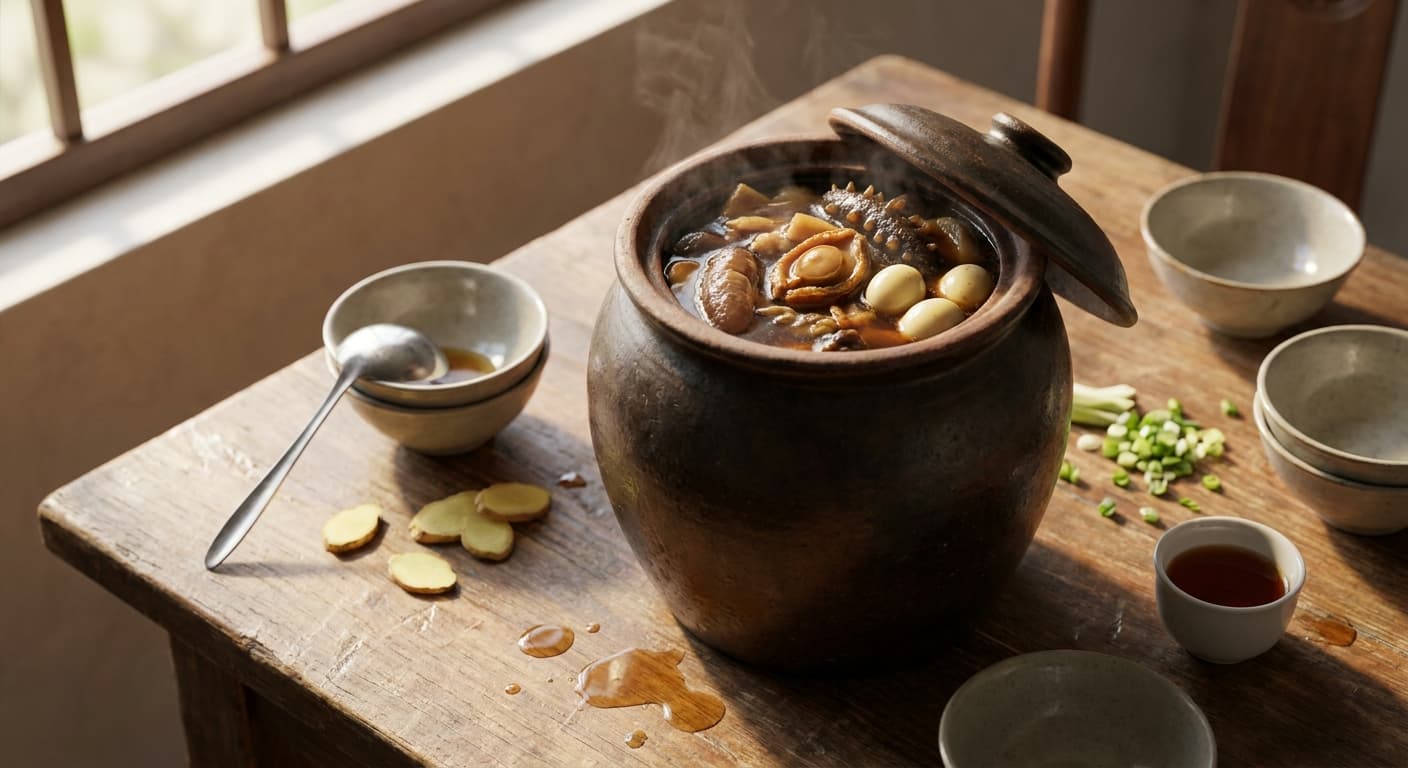
Buddha Jumps Over the Wall (佛跳墙) — Fujian Banquet Treasure Soup
Chinese · Soups · 540 min

Kitsune Udon (きつねうどん) — Udon Noodles with Sweet Fried Tofu
Japanese · Main Courses · 40 min
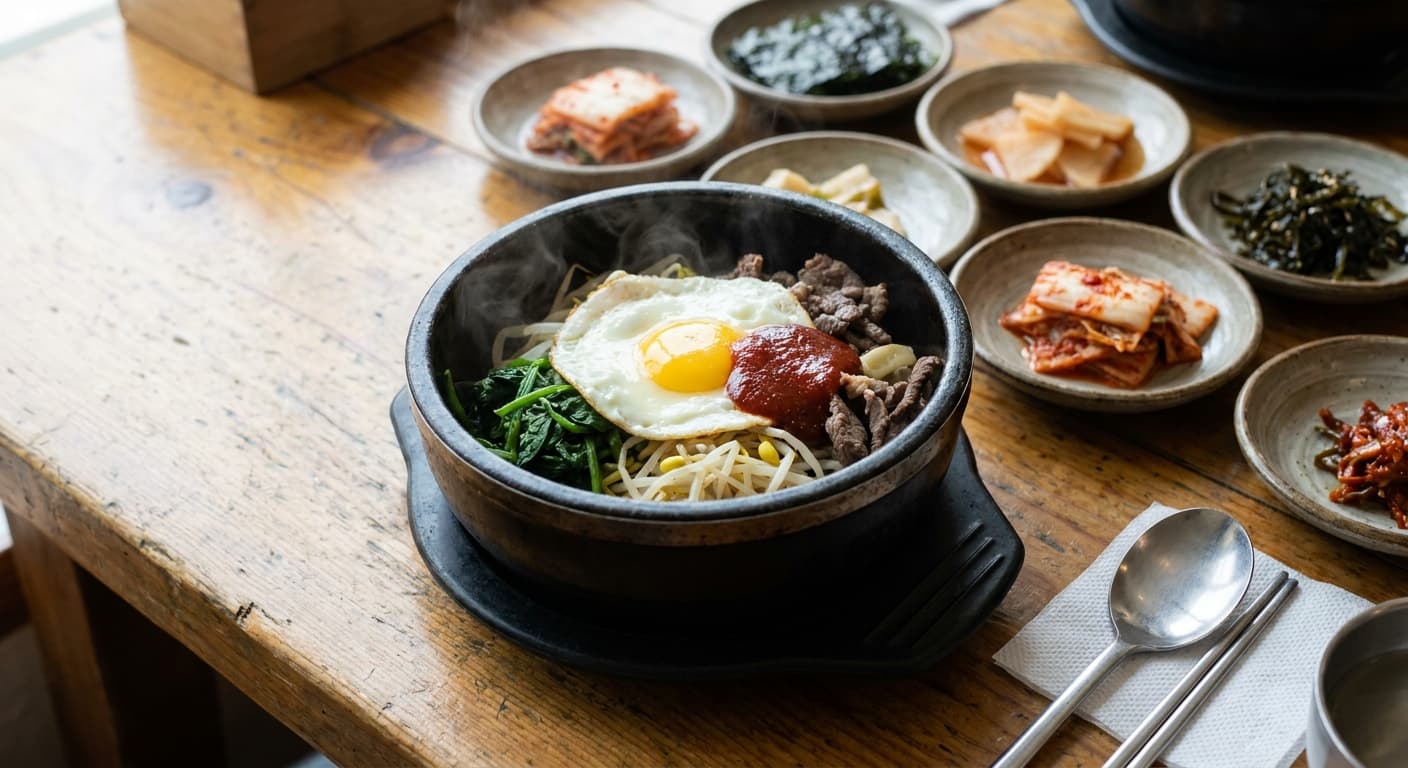
Bibimbap (비빔밥) — Korean Mixed Rice Bowl
Korean · Rice Dishes · 80 min
Reviews
Cooked this recipe?
Tap the stars to rate it — that's all it takes. A few words are welcome but optional.
No ratings yet. Cooked this one? Be the first to rate it — it takes one tap.