Asareh Goosht (عصاره گوشت) — Persian Roasted Beef Bone Broth
A deeply savory Persian-style roasted beef bone broth simmered with onion, carrot, leek, celery, bay, peppercorns, basil, and parsley. Roasting builds color and umami; slow cooking extracts collagen for a silky, restorative stock.
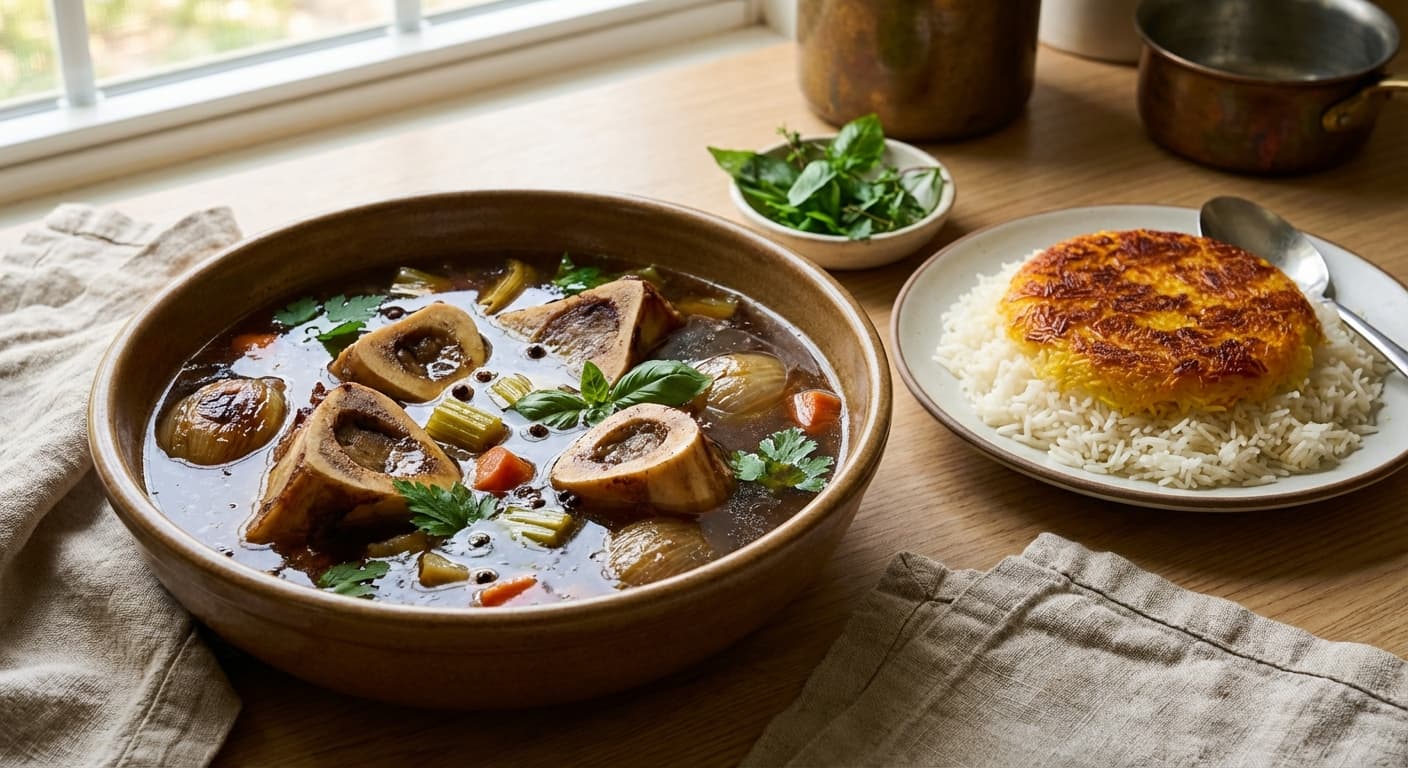
Printable Recipe Card
Servings: 10 · Total: 585 min · Difficulty: medium
Ingredients (quick list)
- 2000 g Beef marrow bones, cut into 5–8 cm pieces (a mix of marrow and knuckle/joint bones for gelatin)
- 300 g Onion (1 large, quartered)
- 200 g Carrots (2 medium, cut into large chunks)
- 150 g Leek (white and light green parts only) (split lengthwise and rinsed well)
- 150 g Celery (2–3 ribs, cut into large chunks)
- 4500 ml Water (plus more as needed to keep bones submerged)
- 2 leaf Bay leaf (dried)
- 1 tsp Black peppercorns (whole)
- 20 g Fresh parsley (stems and leaves, tied with kitchen string)
- 10 g Fresh basil (stems and leaves, tied with kitchen string)
Steps (summary)
- Heat the oven to 220°C (425°F). Spread the beef bones on a sturdy roasting tray. Add onion, carrot, leek, and celery around the…
- Move the roasted bones and vegetables to a large stockpot (8–10 liters). Pour 500 ml of the measured water into the hot roastin…
- Add the remaining water (to total 4500 ml), bay leaves, and peppercorns. Bring just to a gentle simmer over medium heat, 20–30…
- Partially cover the pot, leaving a small gap for evaporation. Simmer very gently for 7–8 hours, checking every 60–90 minutes an…
- During the last 30 minutes of simmering, add the tied parsley and basil bundle. Keep the heat low and avoid stirring. This late…
- Turn off the heat and rest the pot, uncovered, for 15 minutes so solids settle slightly. Strain through a fine-mesh sieve into…
+ 1 more steps in the full instructions section below.
Cultural Background
Beef broth and meat extracts have long been used in Persian home cooking as both a restorative warm drink and a practical foundation for soups and stews. Slow simmering bones with aromatics reflects a tradition of extracting maximum flavor and nourishment from staple ingredients, especially in cooler seasons.
Equipment
💡 Tips
- Use a mix of marrow and joint/knuckle bones; joint bones contribute more gelatin for a firm set when chilled.
- Roast until the bones are deeply browned, not just tan; this is where the broth’s golden color and umami come from.
- Keep the simmer extremely gentle; a rolling boil emulsifies fat into the liquid and makes the broth cloudy.
- Tie herbs into a bundle so you can remove them cleanly without scattering leaves into the broth.
- If you want a stronger body, reduce the strained broth by simmering uncovered 20–40 minutes, then cool again.
⚠️ Common Mistakes
❌ Boiling the broth hard for hours
💡 Why: A rolling boil emulsifies fat and breaks up impurities, making the broth cloudy and sometimes greasy-tasting.
✅ Fix: Maintain a bare simmer with only occasional bubbles; adjust heat frequently and partially cover the pot.
❌ Under-roasting the bones and vegetables
💡 Why: Light roasting produces a pale broth with less depth and weaker roasted aroma.
✅ Fix: Roast at 220°C/425°F until well browned with dark edges; deglaze the tray to capture browned bits.
❌ Adding herbs at the beginning
💡 Why: Long cooking can dull fresh herbal aroma and introduce bitter, grassy notes.
✅ Fix: Add parsley and basil only in the last 30 minutes, then strain promptly.
❌ Cooling the broth too slowly
💡 Why: Slow cooling increases food-safety risk and can lead to off flavors.
✅ Fix: Use an ice bath and stir to cool quickly, then refrigerate in shallow containers.
🧊 How to Store
Refrigerate in covered containers up to 4 days. Freeze up to 3 months in 250–500 ml portions. Reheat to a full simmer (at least 74°C/165°F) before serving. If it gels when cold, that indicates good collagen extraction.
📅 Make Ahead
Make up to 3 days ahead and refrigerate. For best flavor, chill overnight, remove the fat cap (optional), then reheat gently. Freeze in measured portions so you can add exact amounts to rice, soups, and stews.
🍽️ Pairs Well With
- Steamed rice and simple grilled meats as a light starter broth
- Noodle soups or vegetable soups as a base
- Legume stews where a rich stock improves depth
- Sipped warm with a squeeze of lemon (optional) and black pepper
Regional Variations
- Tehran-style home kitchensOften kept relatively simple and clear, with minimal spices beyond bay and peppercorns, so it can be used as a neutral base for many dishes.
- Northwestern IranSome households simmer longer for a firmer gel and may emphasize aromatic herbs more strongly, adding a larger herb bundle near the end for a greener finish.
Ingredients
- 2000 gBeef marrow bones, cut into 5–8 cm pieces (a mix of marrow and knuckle/joint bones for gelatin)
- 300 gOnion (1 large, quartered)
- 200 gCarrots (2 medium, cut into large chunks)
- 150 gLeek (white and light green parts only) (split lengthwise and rinsed well)
- 150 gCelery (2–3 ribs, cut into large chunks)
- 4500 mlWater (plus more as needed to keep bones submerged)
- 2 leafBay leaf (dried)
- 1 tspBlack peppercorns (whole)
- 20 gFresh parsley (stems and leaves, tied with kitchen string)
- 10 gFresh basil (stems and leaves, tied with kitchen string)
🔄 Substitutions
- Beef marrow bones→ Beef knuckle and shank bones (same weight)
- Fresh basil and parsley→ Fresh cilantro (15 g) plus parsley (15 g)
- Leek→ Yellow onion (additional 150 g)
Instructions
- 1
Heat the oven to 220°C (425°F). Spread the beef bones on a sturdy roasting tray. Add onion, carrot, leek, and celery around the bones in one layer. Roast for 35–45 minutes, turning bones once halfway, until deeply browned with dark caramelized spots.
- 2
Move the roasted bones and vegetables to a large stockpot (8–10 liters). Pour 500 ml of the measured water into the hot roasting tray and scrape up all browned bits with a spatula. Add this deglazing liquid to the pot for extra color and roasted depth.
- 3
Add the remaining water (to total 4500 ml), bay leaves, and peppercorns. Bring just to a gentle simmer over medium heat, 20–30 minutes. As foam rises, skim with a ladle for 10 minutes. Reduce heat to low so only small bubbles break the surface.
- 4
Partially cover the pot, leaving a small gap for evaporation. Simmer very gently for 7–8 hours, checking every 60–90 minutes and adding hot water only if bones become exposed. Keep the broth below a full boil to maintain clarity and a clean, silky texture.
- 5
During the last 30 minutes of simmering, add the tied parsley and basil bundle. Keep the heat low and avoid stirring. This late addition preserves a fresh herbal aroma without turning the broth grassy or bitter from over-extraction.
- 6
Turn off the heat and rest the pot, uncovered, for 15 minutes so solids settle slightly. Strain through a fine-mesh sieve into a clean pot. For extra clarity, strain again through a sieve lined with damp cheesecloth, without pressing on the solids.
- 7
Cool quickly for food safety: set the pot in an ice bath and stir the broth until it drops below 21°C (70°F), about 20–30 minutes. Refrigerate 6–8 hours. Lift off the solid fat cap if desired, then portion for use as a tonic or cooking base.
🪪 Recipe Passport
Cultural Background
Beef broth and meat extracts have long been used in Persian home cooking as both a restorative warm drink and a practical foundation for soups and stews. Slow simmering bones with aromatics reflects a tradition of extracting maximum flavor and nourishment from staple ingredients, especially in cooler seasons.
Regional Variations
Researched from multiple sources and validated by the Zaffaron editorial team. Every recipe is tested for accuracy, measurements, and cultural authenticity.
Nutrition per serving
Pairs well with
If you enjoyed this recipe, here are a few related Zaffaron recipes to try next.
Does your family make this differently?
Every family has their own version. Maybe your grandmother adds a secret ingredient, or your aunt has a completely different technique. Preserve your family's version — with their name on it, forever.
You Might Also Like
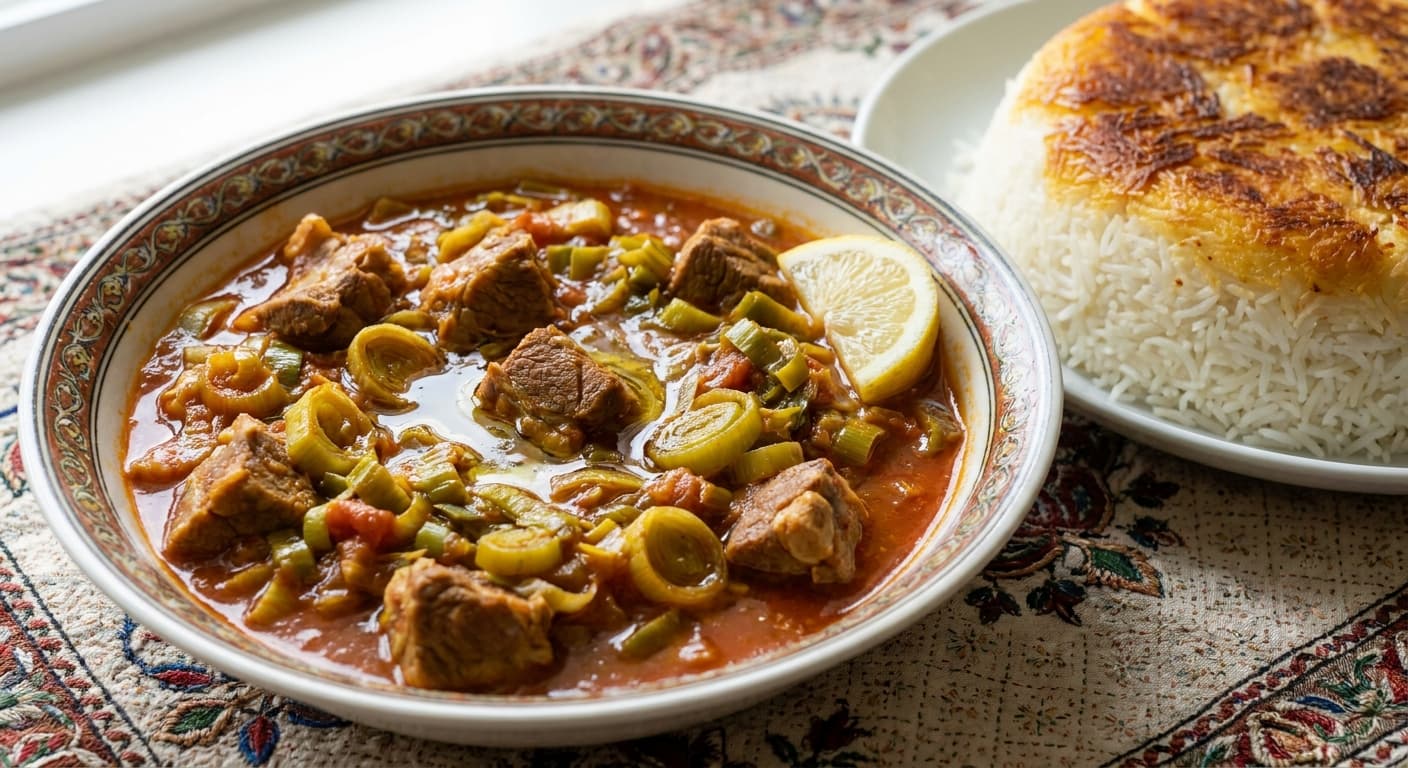
Khoresh Tareh Farangi (خورش تره فرنگی) — Persian Leek and Lamb Stew
Persian · Stews · 130 min
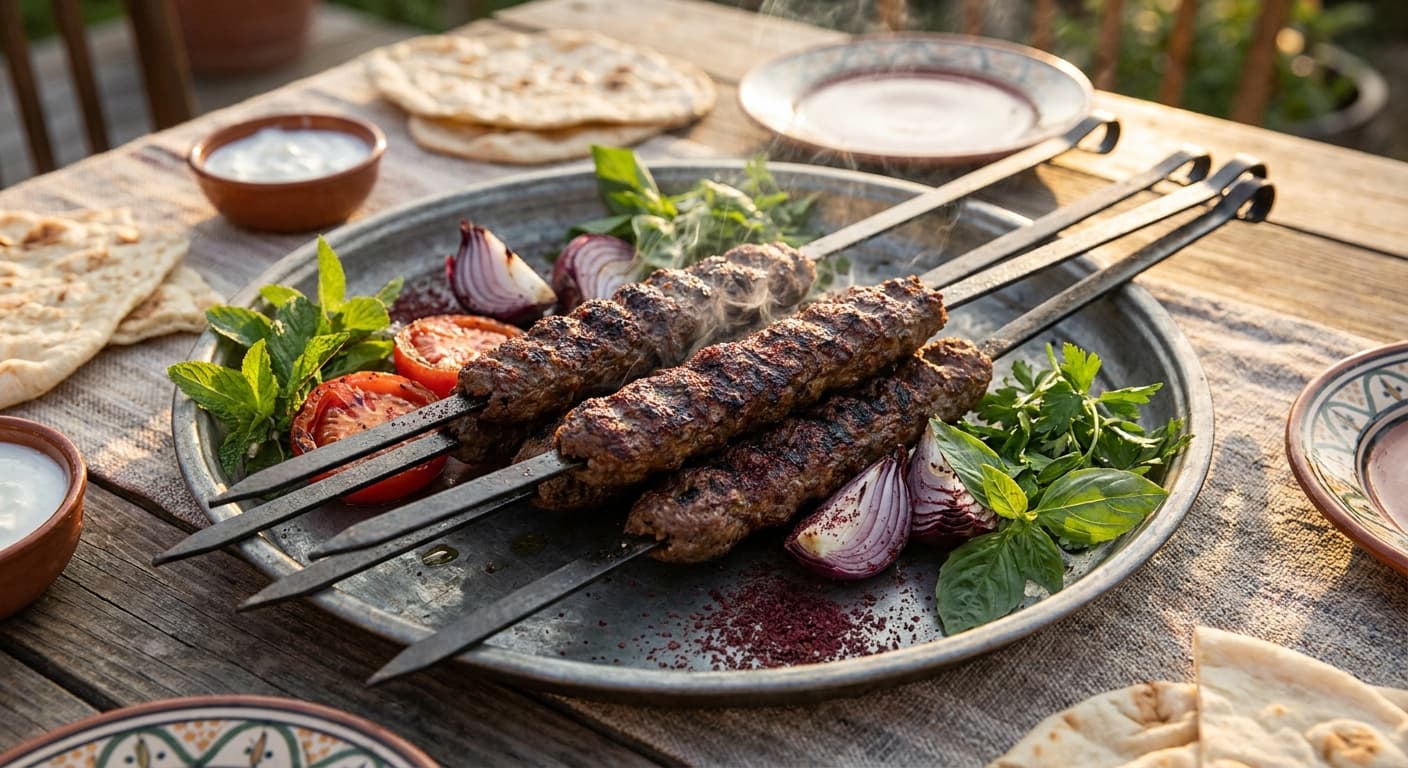
Authentic Kabab Koobideh (کباب کوبیده) — Persian Minced Lamb Skewers
Persian · Kebabs · 40 min
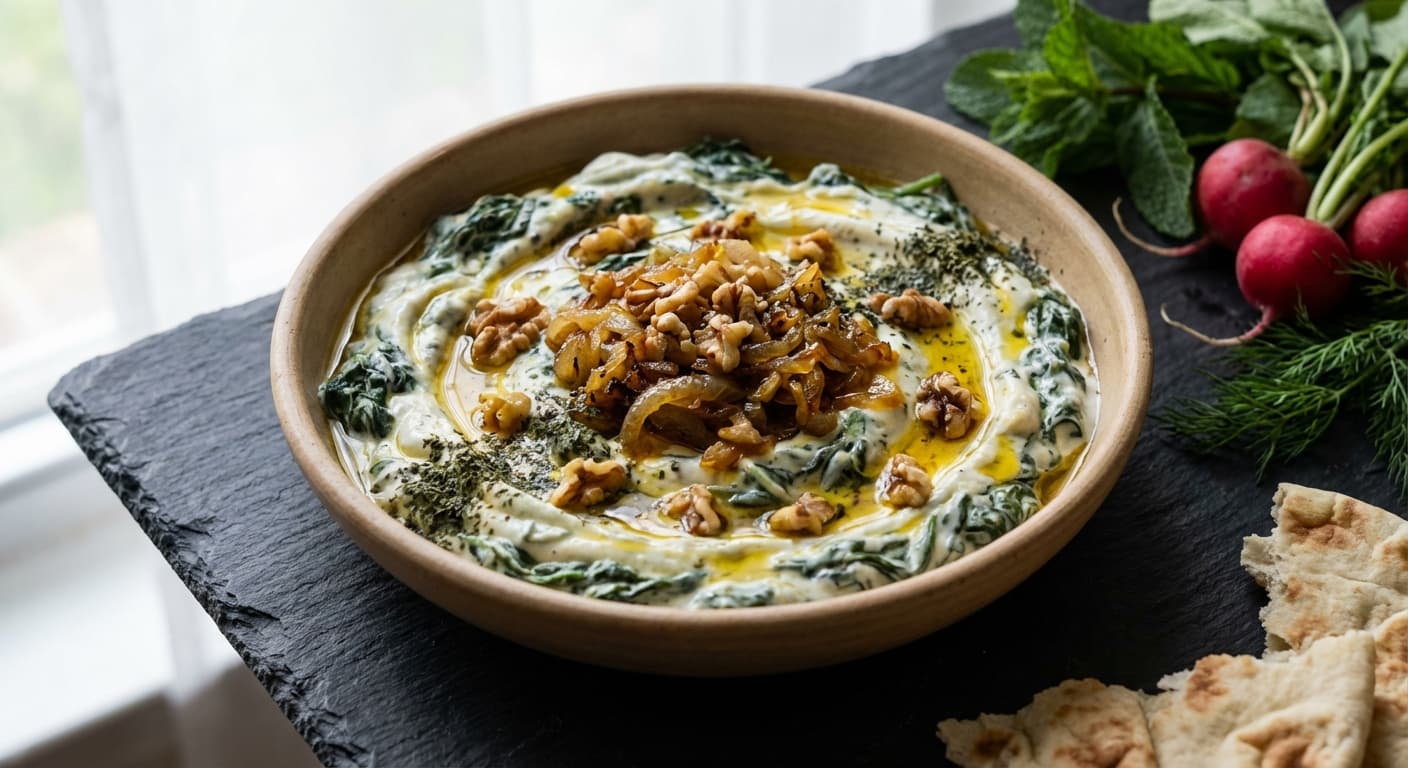
Borani Esfenaj (بورانی اسفناج) — Persian Spinach and Yogurt Dip with Saffron and Walnuts
Persian · Appetizers · 40 min
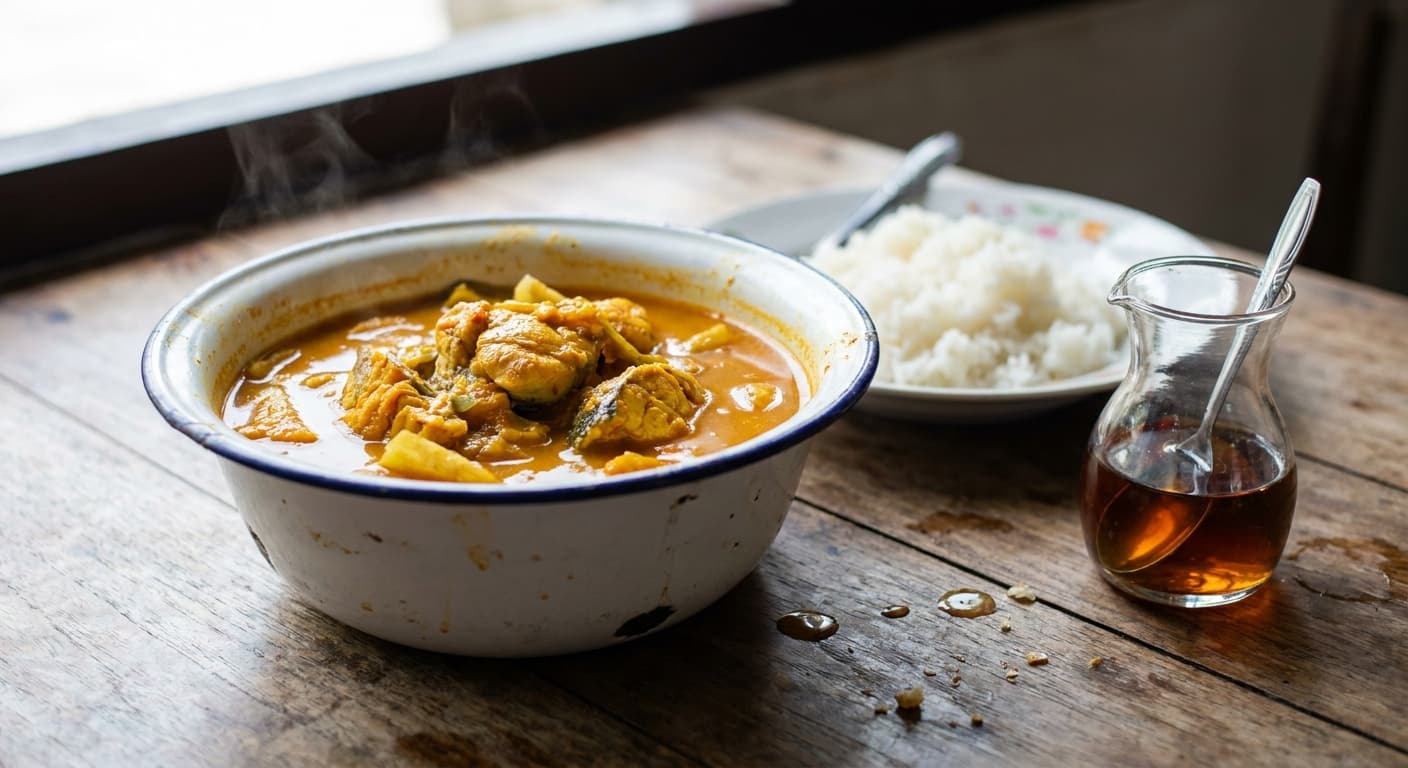
Gaeng Som (แกงส้ม) — Thai Sour Curry with Fish and Vegetables
Thai · Soups · 60 min
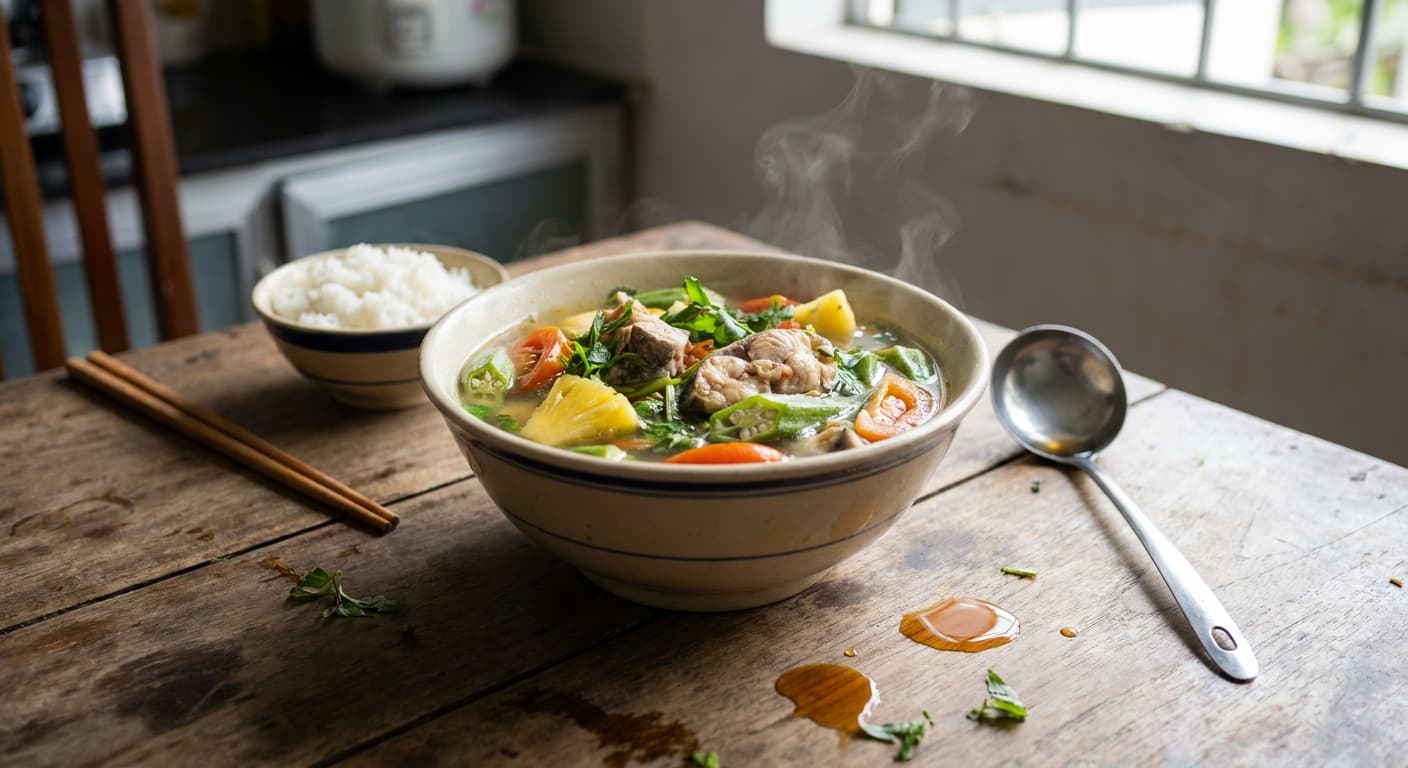
Vietnamese Sour Fish Soup (Canh Chua Cá) — Tamarind-Scented Mekong Soup
Vietnamese · Soups · 45 min
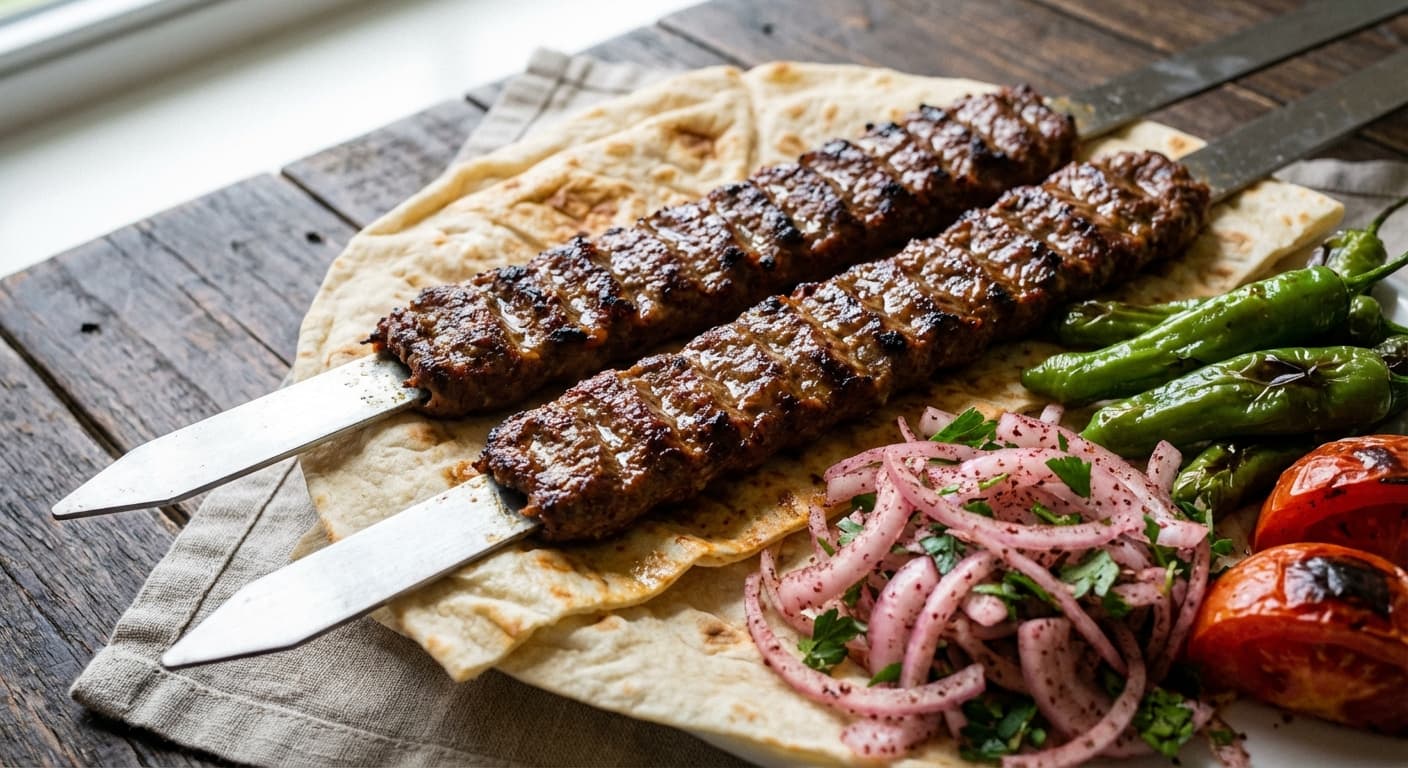
Urfa Kebab (اورفا کباب) — Mild Turkish minced skewer with sumac onions
Turkish · Kebabs · 37 min
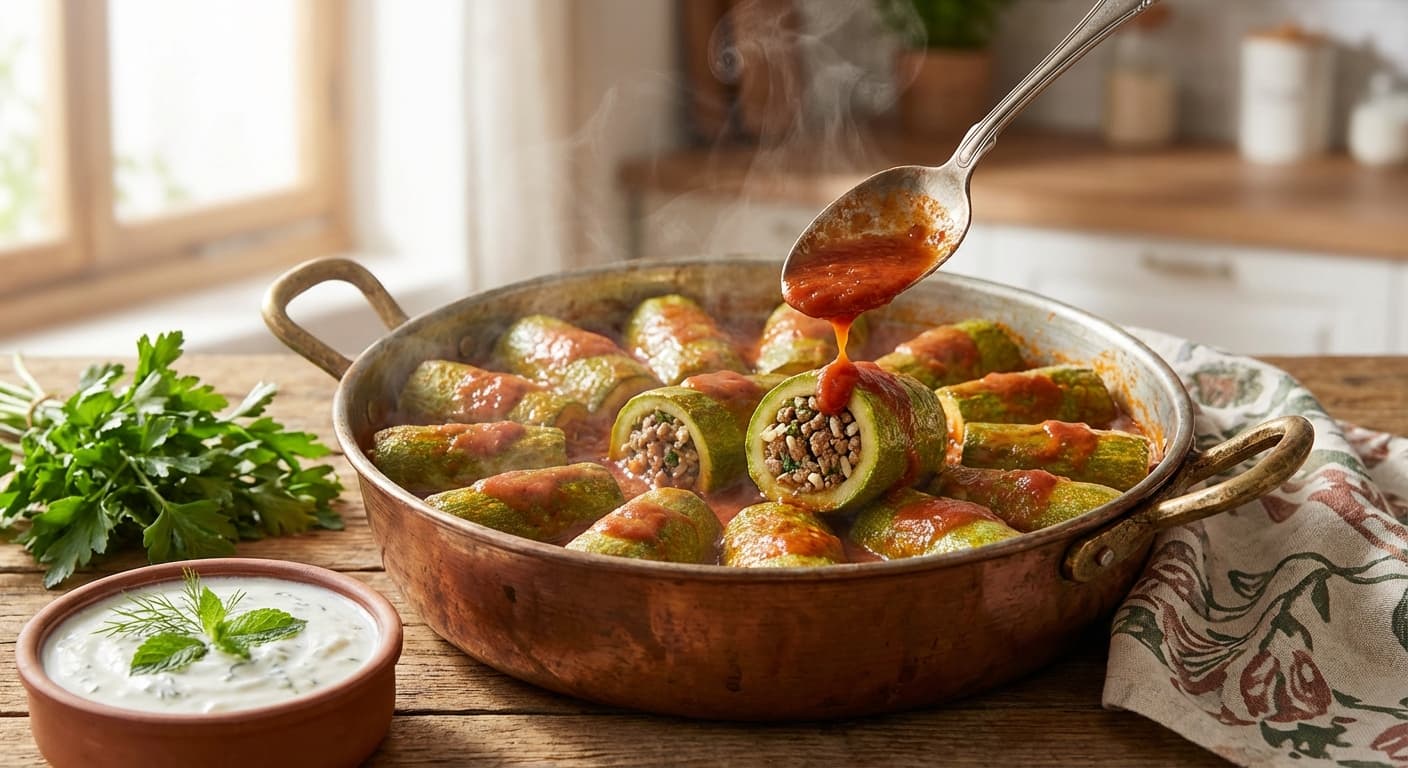
Stuffed Zucchini (Kabak Dolması) — Hollowed zucchini filled with spiced minced meat and rice
Turkish · Main Courses · 90 min
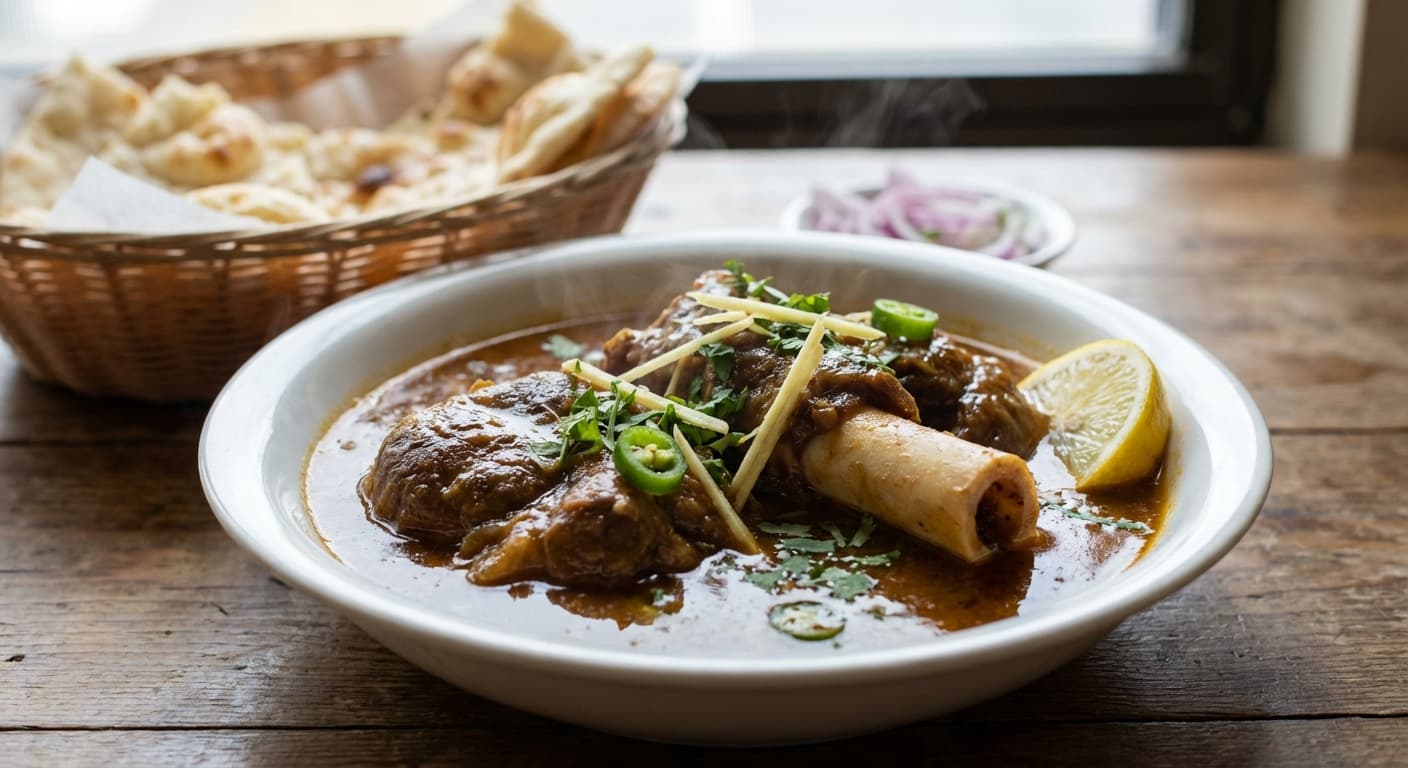
Nihari (نہاری) — Indian Overnight-Cooked Beef Stew with Warming Spices
Indian · Stews · 275 min
Reviews
Cooked this recipe?
Tap the stars to rate it — that's all it takes. A few words are welcome but optional.
No ratings yet. Cooked this one? Be the first to rate it — it takes one tap.