Bangladeshi Steamed Hilsa (ইলিশ ভাপা) — Mustard-Steamed River Fish
Ilish Bhapa is a beloved Bangladeshi preparation of hilsa steamed in a sharp mustard paste with mustard oil and green chiles. It is prized for the fish’s rich, oily flesh and the bold, pungent sauce that soaks perfectly into hot rice.
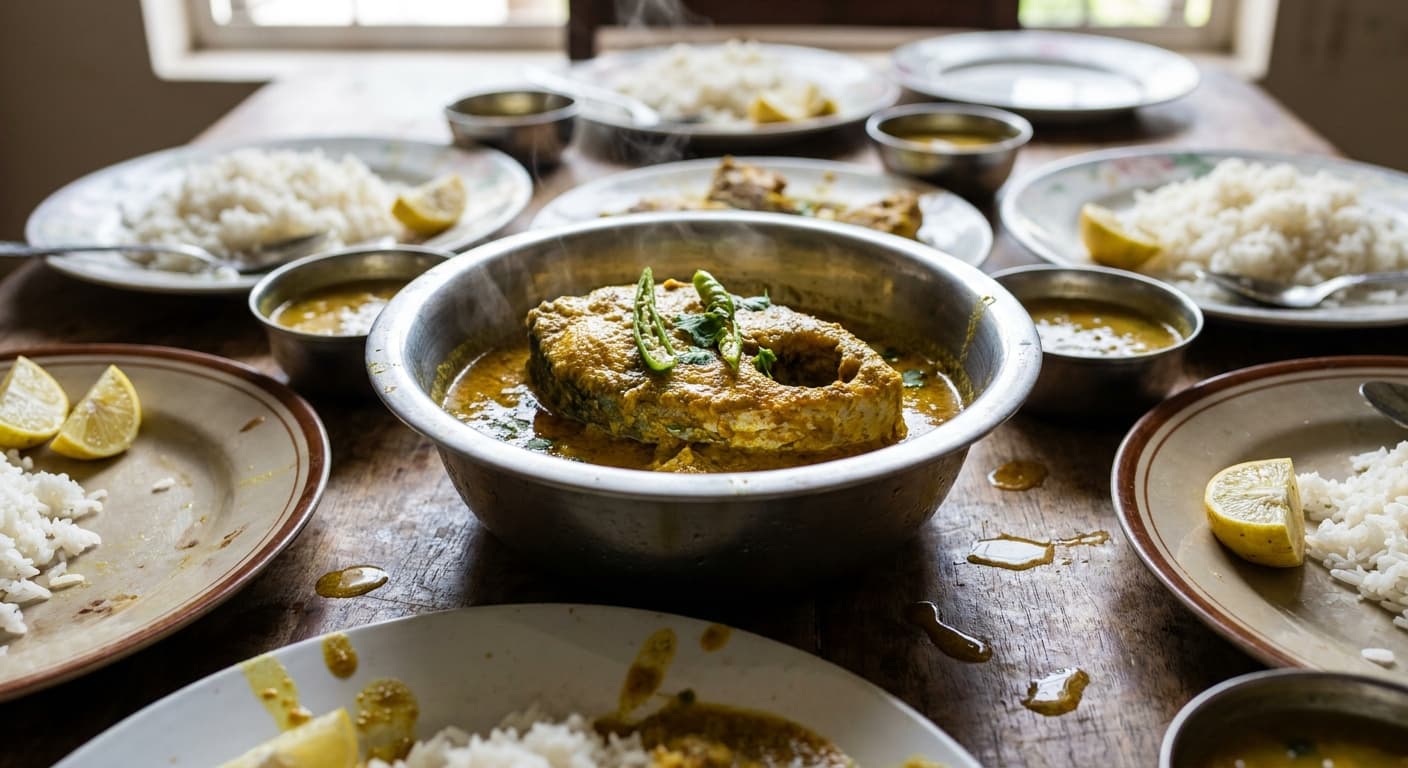
Printable Recipe Card
Servings: 4 · Total: 45 min · Difficulty: medium
Ingredients (quick list)
- 800 g hilsa steaks (cut crosswise into 8 steaks, cleaned and patted dry)
- 30 g yellow mustard seeds
- 15 g black mustard seeds
- 40 g grated fresh coconut
- 6 green chiles (4 for grinding and 2 slit for steaming)
- 1 tsp turmeric powder
- 1.25 tsp fine sea salt
- 60 ml mustard oil (plus 1 tsp for greasing the steaming bowl)
- 60 g plain whole-milk yogurt (whisked smooth)
- 45 ml water (for loosening the mustard paste)
Steps (summary)
- Soak the yellow mustard seeds and black mustard seeds in 120 ml cold water for 15 minutes, then drain them well. This softens t…
- Grind the drained mustard seeds with the grated coconut, 4 green chiles, 0.5 tsp turmeric, 0.5 tsp salt, and 45 ml water to mak…
- Rub the hilsa steaks with the remaining 0.5 tsp turmeric and 0.75 tsp salt. Let the fish stand for 10 minutes while you prepare…
- Whisk the mustard paste with the yogurt and 60 ml mustard oil until the sauce looks glossy and evenly blended. Taste only the s…
- Grease a heatproof stainless-steel tiffin box or shallow steaming bowl with 1 tsp mustard oil. Arrange the hilsa steaks in a si…
- Cover the container tightly with its lid, or seal it with foil and then a lid so steam cannot drip directly into the sauce. Pla…
+ 1 more steps in the full instructions section below.
Cultural Background
Hilsa is one of Bangladesh’s most cherished fish, especially from the Padma and Meghna river systems. Steaming it with mustard reflects a distinctly Bengali love of pungency, rice-based meals, and minimal handling of prized seasonal fish.
Equipment
💡 Tips
- Use fresh or properly thawed hilsa with silvery skin and a clean river-fish aroma; old fish will taste muddy in a steamed preparation.
- Do not fry the mustard paste for this dish, because Ilish Bhapa depends on the raw, steamed sharpness of mustard oil and ground mustard.
- Keep the steaming container tightly sealed so the sauce stays concentrated and clings to the fish rather than turning watery.
⚠️ Common Mistakes
❌ Grinding mustard for too long until it becomes bitter.
✅ Fix: Soak the seeds first, grind only until smooth, and stop the machine before the paste heats up.
❌ Using too much water in the sauce.
✅ Fix: Keep the added water to 45 ml so the sauce steams into a thick coating rather than a thin broth.
❌ Overcooking the hilsa until the flesh turns dry and crumbly.
✅ Fix: Steam for 18 to 20 minutes only, then rest the sealed container for 5 minutes to finish gently.
🧊 How to Store
Refrigerate leftovers in an airtight container for up to 2 days. Reheat gently in a covered pan over low heat with 15 ml water for 4 to 5 minutes, avoiding vigorous boiling because hilsa breaks easily and the mustard sauce can turn harsh.
📅 Make Ahead
The mustard-coconut paste can be ground up to 8 hours ahead and refrigerated in a covered container. Salt the fish only 10 minutes before steaming so the texture stays moist.
🍽️ Pairs Well With
- Steamed white rice
- sliced cucumber
- lime wedges
- dal
- begun bhaja.
Regional Variations
- In many Bangladeshi homes, the coconut is omitted for a sharper, more austere mustard sauce.
- Some cooks use only black mustard for a stronger bite, while others prefer yellow mustard for a milder, brighter flavor.
- A banana leaf or bottle gourd leaf may be used to line the steaming vessel, adding a gentle grassy aroma.
Ingredients
- 800 ghilsa steaks (cut crosswise into 8 steaks, cleaned and patted dry)
- 30 gyellow mustard seeds
- 15 gblack mustard seeds
- 40 ggrated fresh coconut
- 6green chiles (4 for grinding and 2 slit for steaming)
- 1 tspturmeric powder
- 1.25 tspfine sea salt
- 60 mlmustard oil (plus 1 tsp for greasing the steaming bowl)
- 60 gplain whole-milk yogurt (whisked smooth)
- 45 mlwater (for loosening the mustard paste)
🔄 Substitutions
- hilsa steaks→ shad steaks
- fresh coconut→ unsweetened frozen grated coconut
- whole-milk yogurt→ thick coconut milk
Instructions
- 1
Soak the yellow mustard seeds and black mustard seeds in 120 ml cold water for 15 minutes, then drain them well. This softens the seeds and helps them grind smoothly without leaving a gritty sauce.
- 2
Grind the drained mustard seeds with the grated coconut, 4 green chiles, 0.5 tsp turmeric, 0.5 tsp salt, and 45 ml water to make a fine paste. Stop grinding as soon as the paste is smooth, because overworking mustard can make the sauce unpleasantly bitter.
- 3
Rub the hilsa steaks with the remaining 0.5 tsp turmeric and 0.75 tsp salt. Let the fish stand for 10 minutes while you prepare the steamer, so the seasoning penetrates the surface of the rich flesh.
- 4
Whisk the mustard paste with the yogurt and 60 ml mustard oil until the sauce looks glossy and evenly blended. Taste only the sauce base for seasoning before adding the fish, and adjust with a measured 0.25 tsp salt only if your hilsa pieces are very thick.
- 5
Grease a heatproof stainless-steel tiffin box or shallow steaming bowl with 1 tsp mustard oil. Arrange the hilsa steaks in a single layer, coat them completely with the mustard sauce, and tuck the 2 slit green chiles between the pieces.
- 6
Cover the container tightly with its lid, or seal it with foil and then a lid so steam cannot drip directly into the sauce. Place it in a steamer over briskly simmering water and steam for 18 to 20 minutes, until the fish is just cooked through and the sauce smells pungent and nutty.
- 7
Rest the covered container off the heat for 5 minutes before opening it. Serve the hilsa carefully with the mustard sauce spooned over the top, keeping the delicate steaks intact and warning diners about the fine bones.
🪪 Recipe Passport
Cultural Background
Hilsa is one of Bangladesh’s most cherished fish, especially from the Padma and Meghna river systems. Steaming it with mustard reflects a distinctly Bengali love of pungency, rice-based meals, and minimal handling of prized seasonal fish.
Regional Variations
Researched from multiple sources and validated by the Zaffaron editorial team. Every recipe is tested for accuracy, measurements, and cultural authenticity.
📚 Sources & Cultural References
- Chitrita Banerji — Life and Food in Bengal — (1991)
- Alan Davidson — The Oxford Companion to Food — (1999)
Sources cited by the Zaffaron editorial team during recipe research. Cultural and culinary references supporting authenticity claims.
Nutrition per serving
Pairs well with
If you enjoyed this recipe, here are a few related Zaffaron recipes to try next.
Does your family make this differently?
Every family has their own version. Maybe your grandmother adds a secret ingredient, or your aunt has a completely different technique. Preserve your family's version — with their name on it, forever.
You Might Also Like
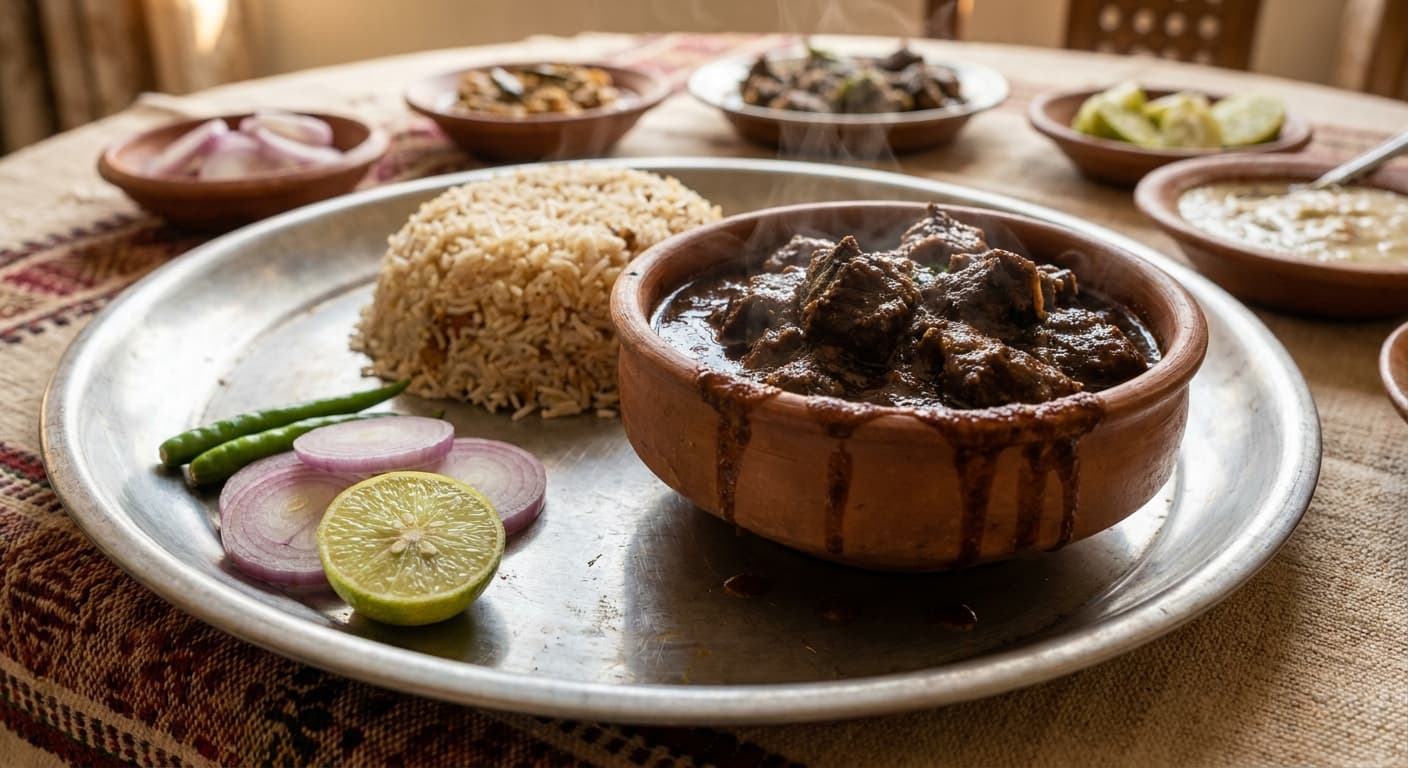
Kala Bhuna (কালা ভুনা) — Chittagong Dark Beef Bhuna
Bangladeshi · Main Courses · 175 min
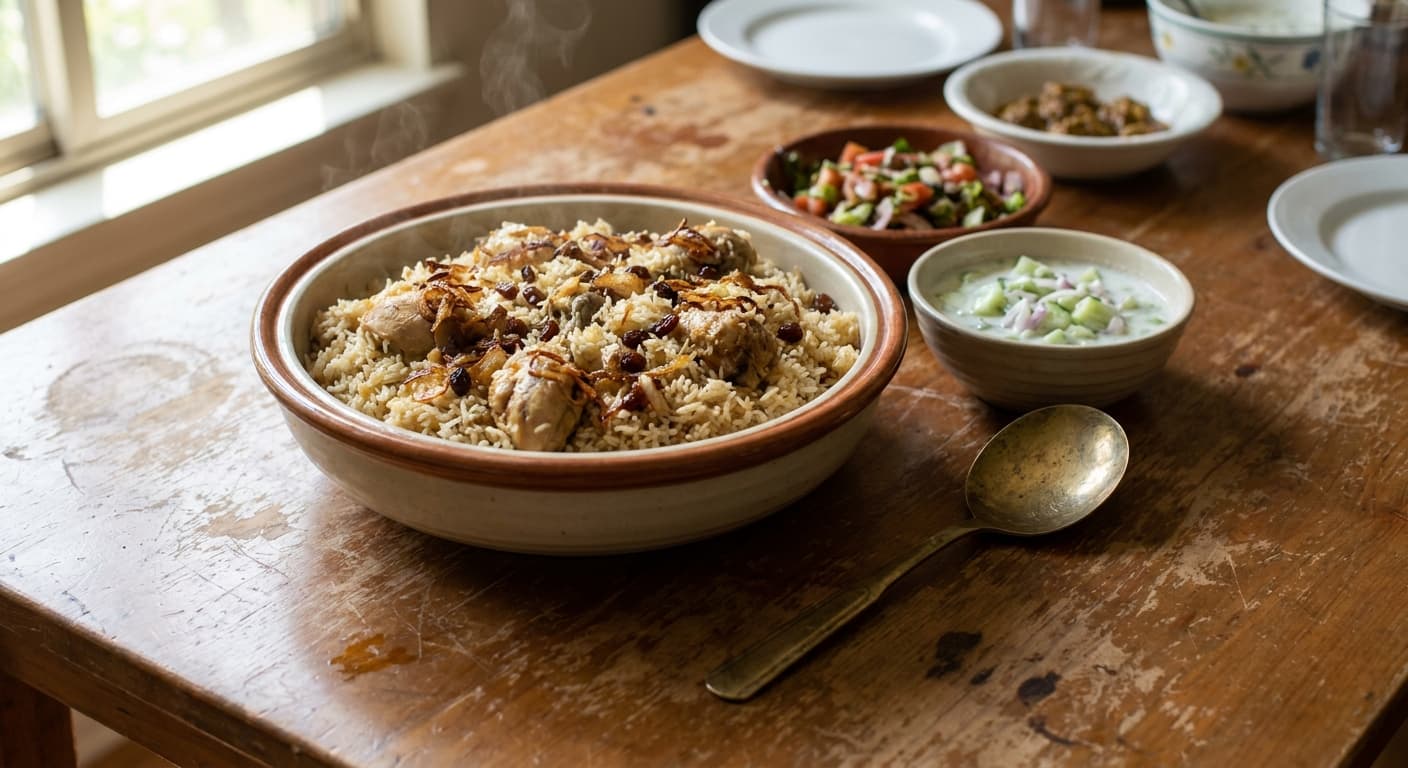
Morog Polao (মোরগ পোলাও) — Bangladeshi Chicken Pilaf
Bangladeshi · Rice Dishes · 100 min
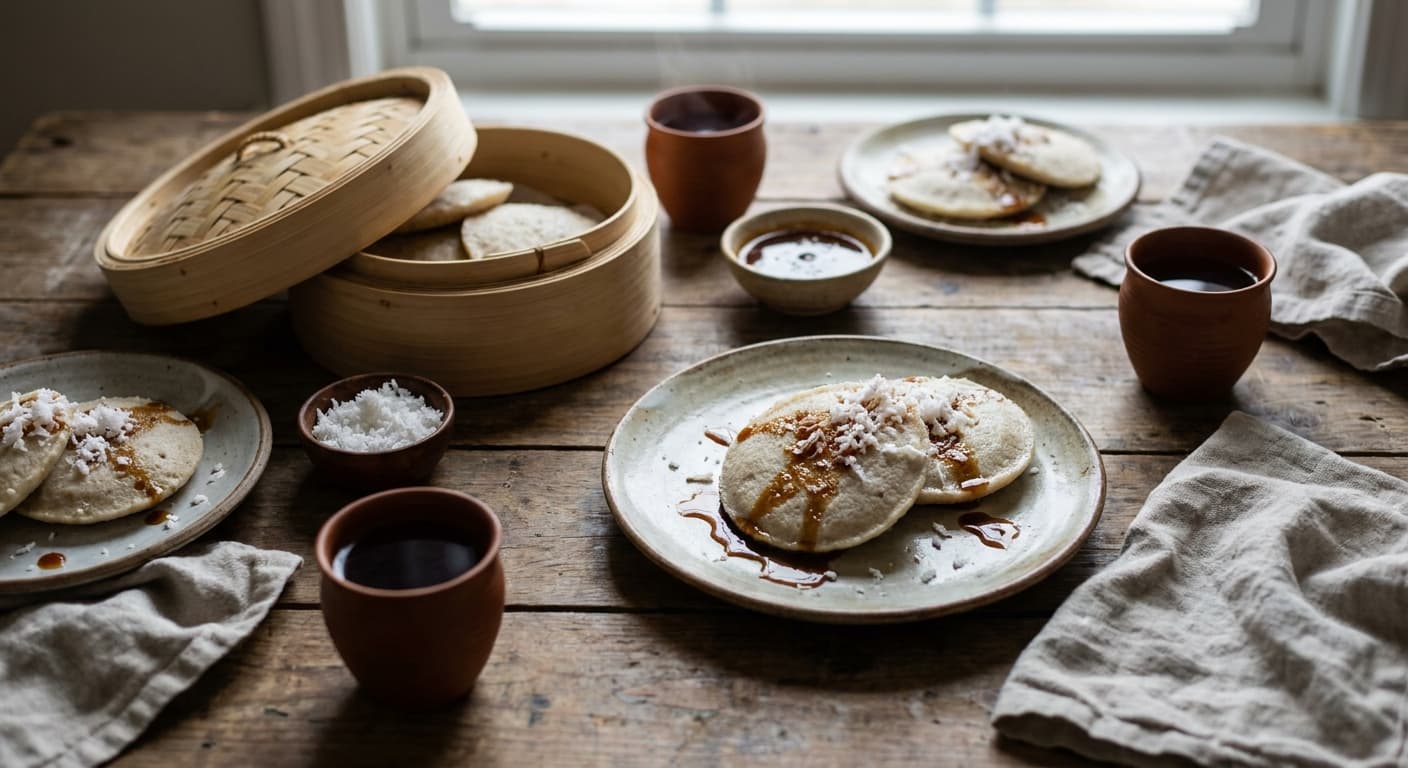
Bhapa Pitha (ভাপা পিঠা) — Steamed Rice Cakes with Coconut and Date Palm Jaggery
Bangladeshi · Desserts · 67 min
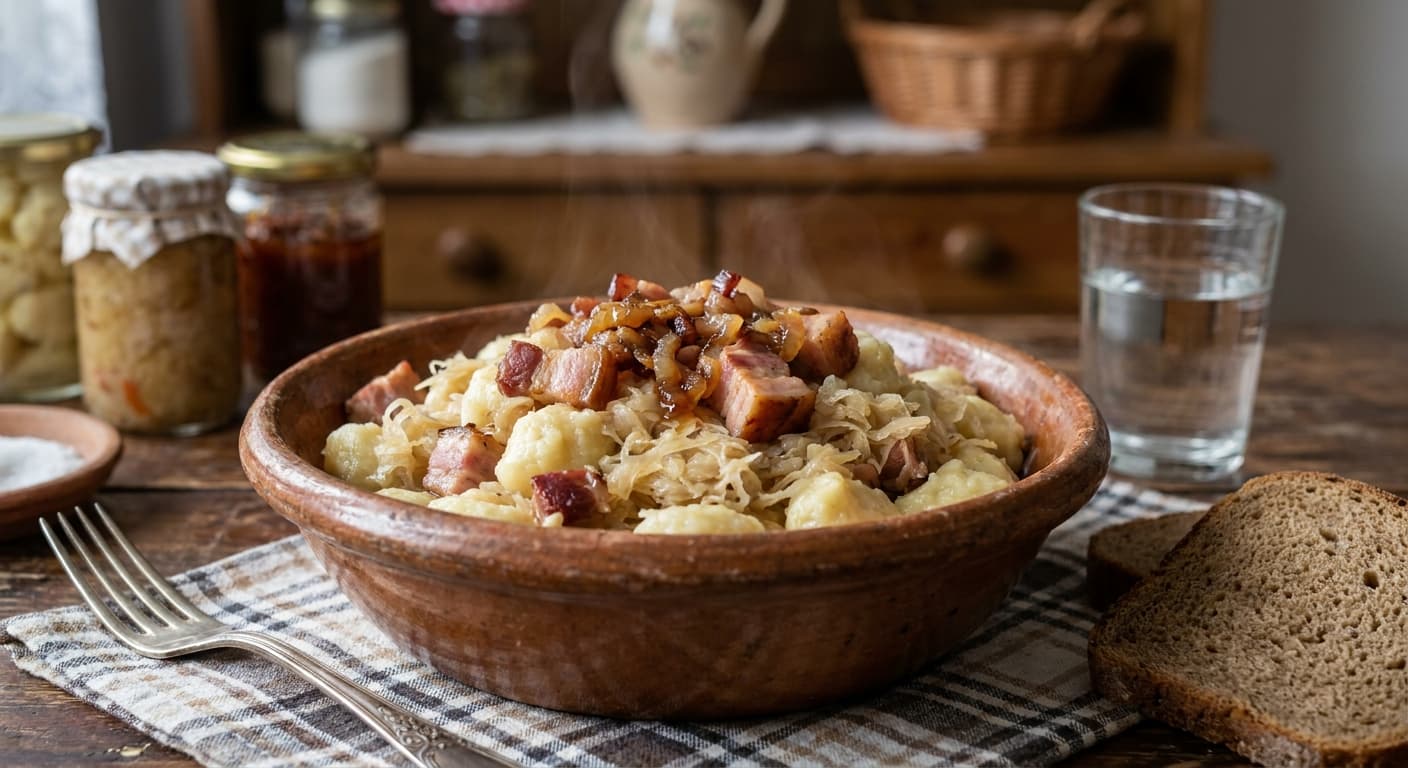
Potato Dumplings with Smoked Meat (Strapačky s údeným mäsom) — Rustic Slovak Halušky with Sauerkraut
Slovak · Main Courses · 70 min
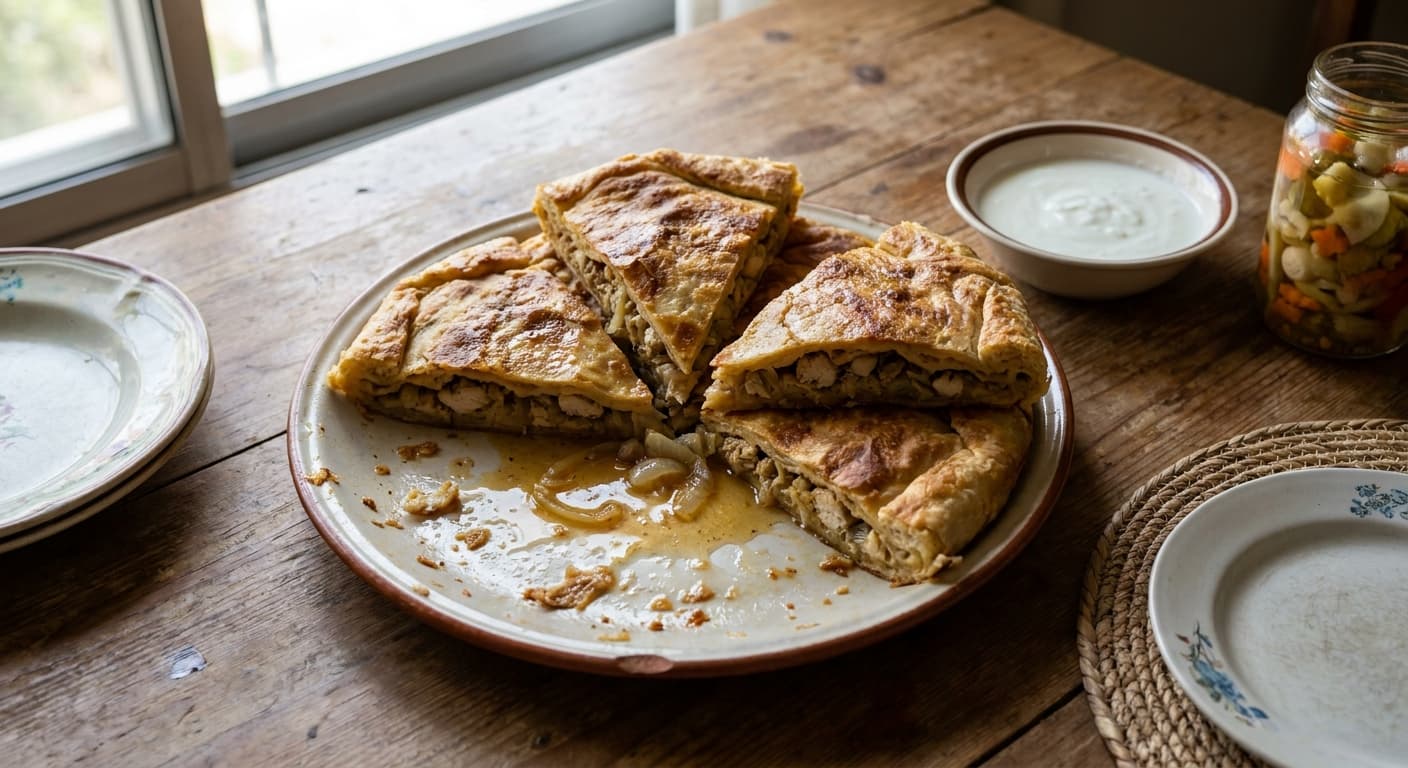
Makmoura (مكمورة) — Jordanian Layered Chicken Bread Pie
Jordanian · Main Courses · 185 min
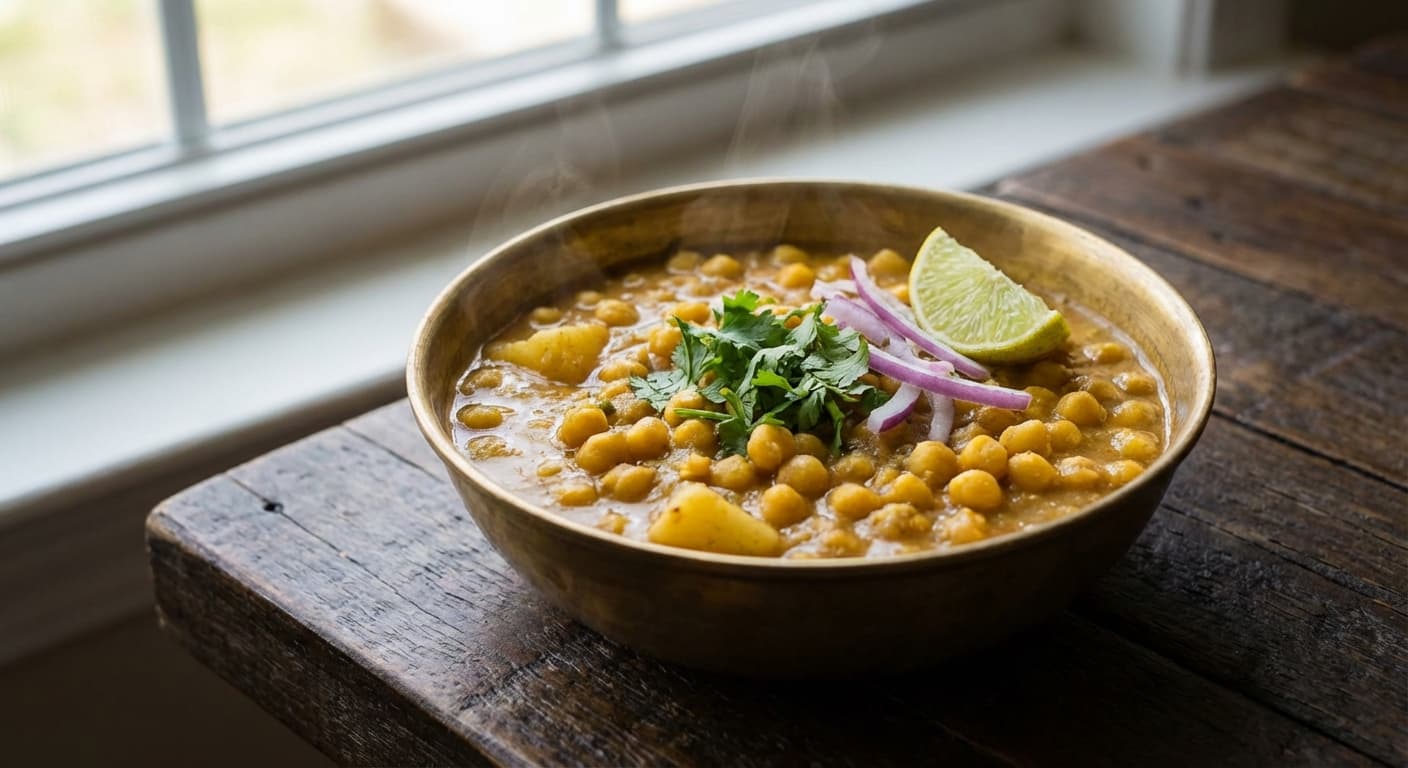
Ghugni (ঘুগনি) — Indian Spiced Yellow Peas Curry with Onions
Indian · Stews · 70 min
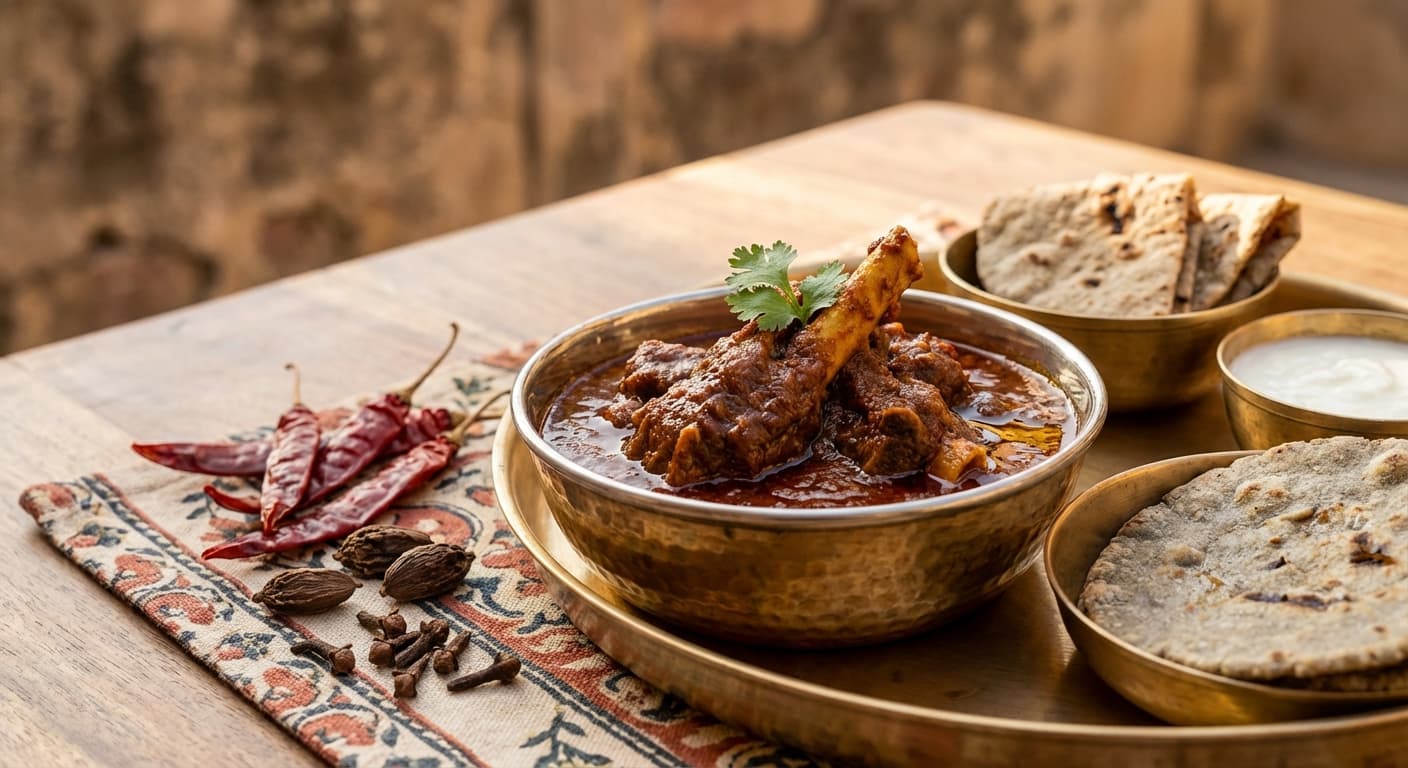
Laal Maas (लाल मांस) — Indian Fiery Rajasthani mutton curry with red chilies
Indian · Stews · 110 min
Panta Bhat (পান্তা ভাত) — Overnight Fermented Rice with Fried Ilish
Bangladeshi · Rice Dishes · 35 min
Reviews
Cooked this recipe?
Tap the stars to rate it — that's all it takes. A few words are welcome but optional.
No ratings yet. Cooked this one? Be the first to rate it — it takes one tap.