Lutefisk (lutefisk) — Lye-Cured Cod with Potatoes and Pea Stew
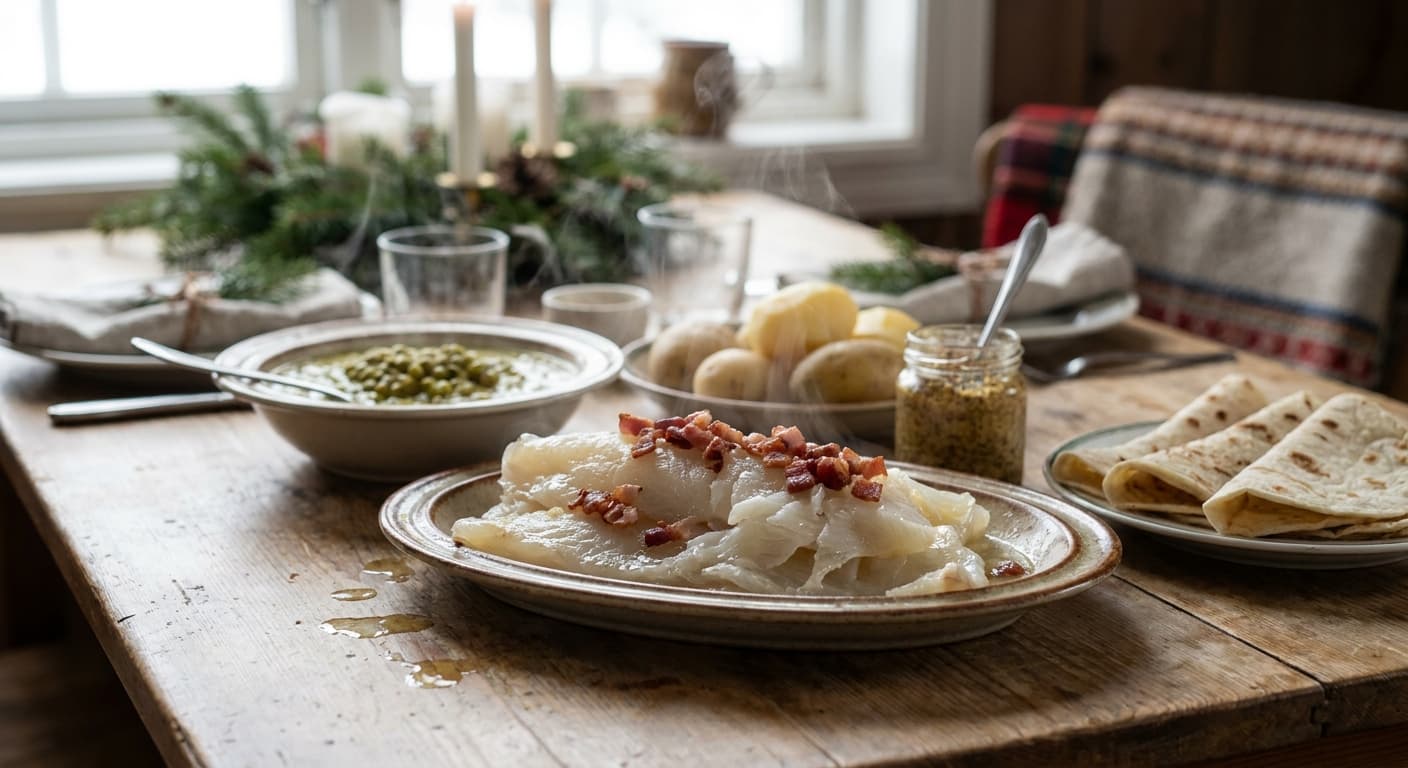
Lutefisk is Norway’s famous lye-cured white fish, traditionally prepared from dried cod such as tørrfisk. It is most associated with Christmas meals and julebord tables, served with potatoes, pea stew, bacon, mustard, and sometimes lefse.
Printable Recipe Card
Servings: 4 · Total: 90 min · Difficulty: medium
Ingredients (quick list)
- 1.2 kg prepared lutefisk (ready-to-cook lye-cured cod made from tørrfisk or dried white fish)
- 24 g fine sea salt (for firming the lutefisk before baking)
- 250 g dried green peas
- 1 l cold water (for soaking peas overnight)
- 750 ml fresh water (for cooking soaked peas)
- 1 g baking soda
- 40 g unsalted butter
- 4 g granulated sugar
- 1 g ground white pepper
- 800 g waxy potatoes
- 2 l water
- 200 g streaky bacon (cut into 1 cm dice)
+ 1 more in the full ingredients section below.
Steps (summary)
- Place the dried green peas in a bowl with 1 l cold water and soak them for 10 to 12 hours in the refrigerator. Drain the peas w…
- Put the soaked peas in a saucepan with 750 ml fresh water and 1 g baking soda. Bring to a gentle boil, skim once, then simmer u…
- While the peas cook, lay the prepared lutefisk in a shallow nonreactive dish and sprinkle it evenly with 24 g fine sea salt. Le…
- Heat the oven to 200 C and line a roasting pan with 1 sheet of parchment paper if the pan is prone to sticking. Rinse the salte…
- Cover the roasting pan tightly with foil and bake the lutefisk for 20 to 25 minutes, until it is opaque, steaming, and flakes i…
- Place the potatoes in a pot with 2 l water and 18 g fine sea salt, then bring to a boil. Cook for 18 to 22 minutes until tender…
+ 3 more steps in the full instructions section below.
Cultural Background
Lutefisk is a polarizing but beloved Norwegian Christmas dish, rooted in preservation traditions using dried fish such as tørrfisk. Magnus Nilsson describes its place in Nordic foodways as both festive ritual and inherited technique.
Equipment
💡 Tips
- Buy fully prepared, ready-to-cook lutefisk from a reputable fishmonger; dry tørrfisk must be professionally soaked and lye-treated before it becomes lutefisk.
- Salting the fish before cooking is not optional for good texture; it tightens the flesh and prevents the lutefisk from collapsing into watery flakes.
- Use a wide spatula and serve straight from the oven, because lutefisk becomes more delicate as it cools.
⚠️ Common Mistakes
❌ Skipping the pre-salting step
✅ Fix: Salt the lutefisk for exactly 30 minutes, then rinse and dry it so the flesh firms without becoming overly salty.
❌ Boiling lutefisk vigorously
✅ Fix: Bake it covered or simmer it very gently; rough boiling breaks the delicate fish into watery fragments.
❌ Serving it after it cools
✅ Fix: Time the potatoes, peas, and bacon so the lutefisk goes to the table immediately after baking.
🧊 How to Store
Store leftover lutefisk, potatoes, peas, and bacon in separate airtight containers for up to 2 days in the refrigerator. Reheat the fish gently, covered, at 150 C for 8 to 10 minutes; avoid microwaving, which can toughen edges and break the flesh.
📅 Make Ahead
Soak the dried peas 1 day ahead and cook the pea stew several hours before serving. Reheat it gently with 30 to 60 ml water, but salt and bake the lutefisk only just before the meal.
🍽️ Pairs Well With
- Boiled potatoes
- ertestuing
- crisp bacon drippings
- coarse mustard
- lefse
- aquavit.
Regional Variations
- Many Norwegian families serve lutefisk with bacon, potatoes, pea stew, and coarse mustard as the standard Christmas plate.
- Some households add white sauce, melted butter, or syrup depending on family tradition and region.
- In parts of Norway, lutefisk may be eaten with lefse, while other tables keep the plate to fish, potatoes, peas, and bacon.
Ingredients
- 1.2 kgprepared lutefisk (ready-to-cook lye-cured cod made from tørrfisk or dried white fish)
- 24 gfine sea salt (for firming the lutefisk before baking)
- 250 gdried green peas
- 1 lcold water (for soaking peas overnight)
- 750 mlfresh water (for cooking soaked peas)
- 1 gbaking soda
- 40 gunsalted butter
- 4 ggranulated sugar
- 1 gground white pepper
- 800 gwaxy potatoes
- 2 lwater
- 200 gstreaky bacon (cut into 1 cm dice)
- 60 gNorwegian-style coarse mustard
🔄 Substitutions
- streaky bacon→ browned butter
- dried green peas→ frozen green peas
- prepared lutefisk→ soaked salt cod
- unsalted butter→ cold-pressed rapeseed oil
Instructions
- 1
Place the dried green peas in a bowl with 1 l cold water and soak them for 10 to 12 hours in the refrigerator. Drain the peas well before cooking, because the soaking water can taste grassy and will make the ertestuing less clean in flavor.
- 2
Put the soaked peas in a saucepan with 750 ml fresh water and 1 g baking soda. Bring to a gentle boil, skim once, then simmer uncovered for 45 to 55 minutes until the peas are very soft and beginning to collapse.
- 3
While the peas cook, lay the prepared lutefisk in a shallow nonreactive dish and sprinkle it evenly with 24 g fine sea salt. Let it stand for 30 minutes, which firms the jelly-like flesh and helps the fish hold its shape during baking.
- 4
Heat the oven to 200 C and line a roasting pan with 1 sheet of parchment paper if the pan is prone to sticking. Rinse the salted lutefisk briefly under cold water, pat it dry with paper towels, and arrange it skin-side down or smooth-side down in the pan.
- 5
Cover the roasting pan tightly with foil and bake the lutefisk for 20 to 25 minutes, until it is opaque, steaming, and flakes into large soft sections. Do not add water, because lutefisk releases plenty of liquid as it cooks and extra water will make it fragile and bland.
- 6
Place the potatoes in a pot with 2 l water and 18 g fine sea salt, then bring to a boil. Cook for 18 to 22 minutes until tender when pierced with a knife, then drain and keep warm under a clean kitchen towel.
- 7
Cook the diced bacon in a skillet over medium heat for 8 to 10 minutes, stirring often, until the pieces are crisp and the fat has rendered. Keep the bacon and hot drippings together, because the smoky fat is a classic seasoning for lutefisk.
- 8
When the peas are tender, drain off excess liquid until only about 60 ml remains in the pan. Mash the peas coarsely with 40 g butter, 5 g fine sea salt, 4 g sugar, and 1 g white pepper until thick but not perfectly smooth.
- 9
Lift the baked lutefisk carefully with a wide spatula and drain away the liquid left in the roasting pan. Serve immediately with boiled potatoes, warm pea stew, crisp bacon with its drippings, and 60 g coarse mustard divided at the table.
🪪 Recipe Passport
Cultural Background
Lutefisk is a polarizing but beloved Norwegian Christmas dish, rooted in preservation traditions using dried fish such as tørrfisk. Magnus Nilsson describes its place in Nordic foodways as both festive ritual and inherited technique.
Regional Variations
Researched from multiple sources and validated by the Zaffaron editorial team. Every recipe is tested for accuracy, measurements, and cultural authenticity.
📚 Sources & Cultural References
- Magnus Nilsson — The Nordic Cookbook — (2015)
Sources cited by the Zaffaron editorial team during recipe research. Cultural and culinary references supporting authenticity claims.
Nutrition per serving
Pairs well with
If you enjoyed this recipe, here are a few related Zaffaron recipes to try next.
- Rakfisk (Rakfisk) — Norwegian Fermented Trout with Lefse and Potatoes
- Norwegian Sour Cream Porridge (Rømmegrøt) — Festive Dairy Porridge with Cinnamon Sugar
- Norwegian Lamb and Cabbage Stew (Fårikål) — Peppery Autumn National Dish
- Norwegian Fish Balls (Fiskeboller) — Tender whitefish dumplings in curry cream sauce
Does your family make this differently?
Every family has their own version. Maybe your grandmother adds a secret ingredient, or your aunt has a completely different technique. Preserve your family's version — with their name on it, forever.
You Might Also Like
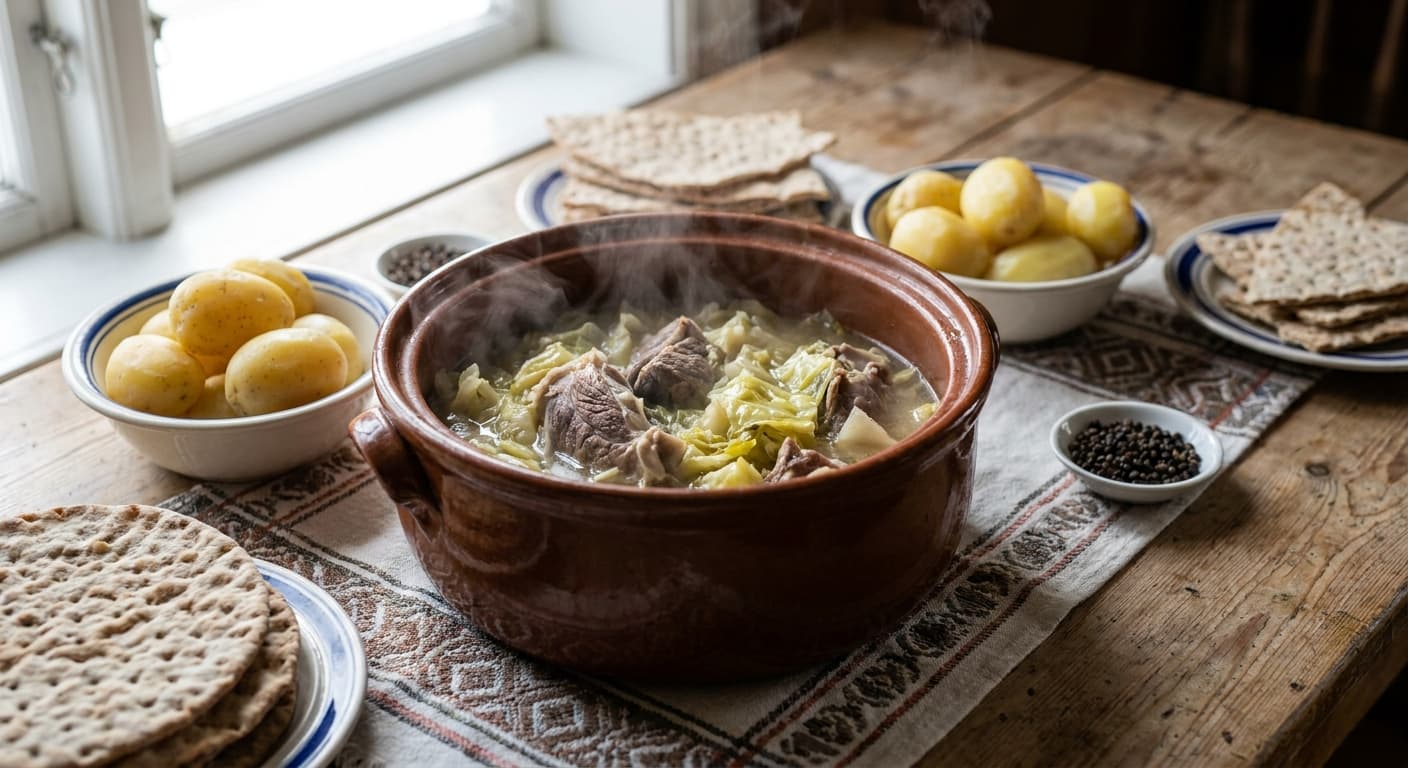
Norwegian Lamb and Cabbage Stew (Fårikål) — Peppery Autumn National Dish
Norwegian · Stews · 170 min
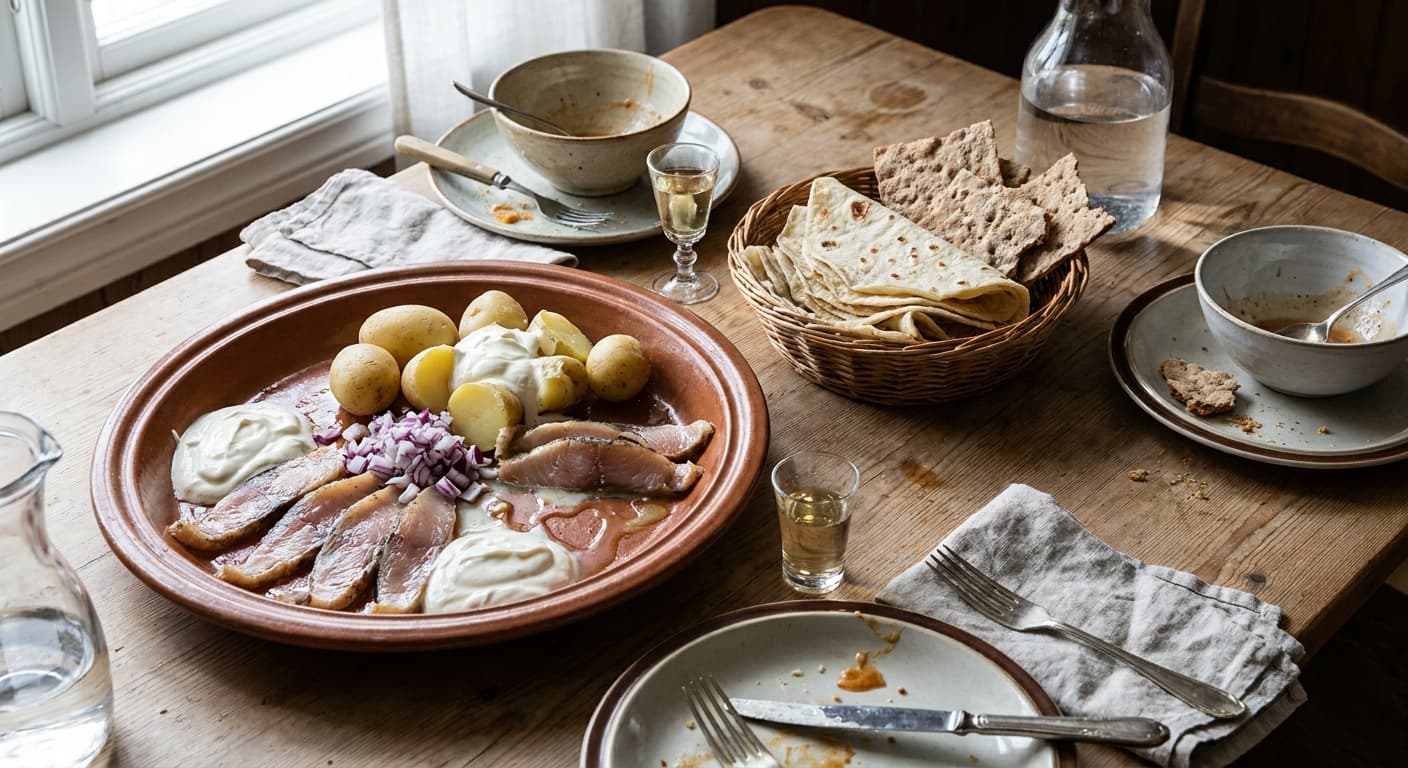
Rakfisk (Rakfisk) — Norwegian Fermented Trout with Lefse and Potatoes
Norwegian · Main Courses · 45 min
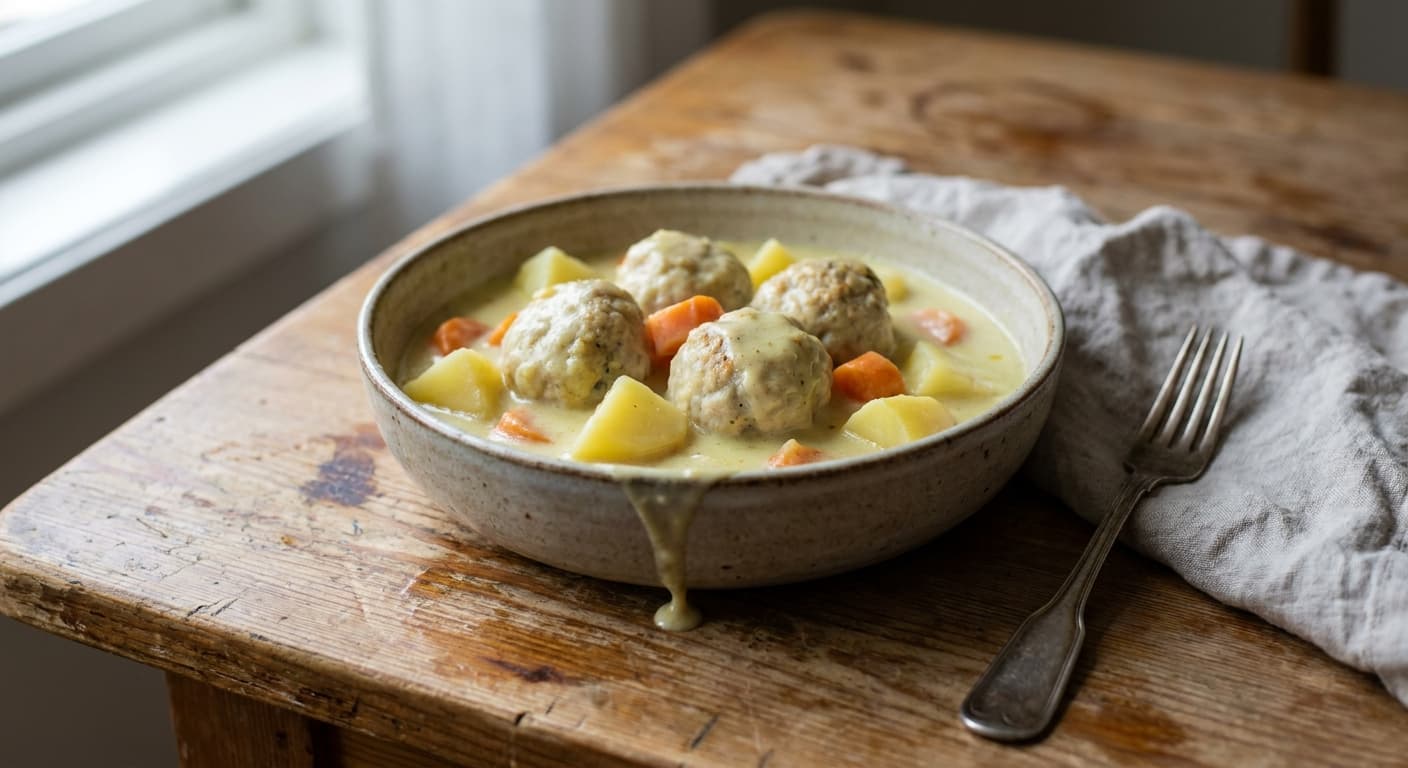
Norwegian Fish Balls (Fiskeboller) — Tender whitefish dumplings in curry cream sauce
Norwegian · Main Courses · 70 min
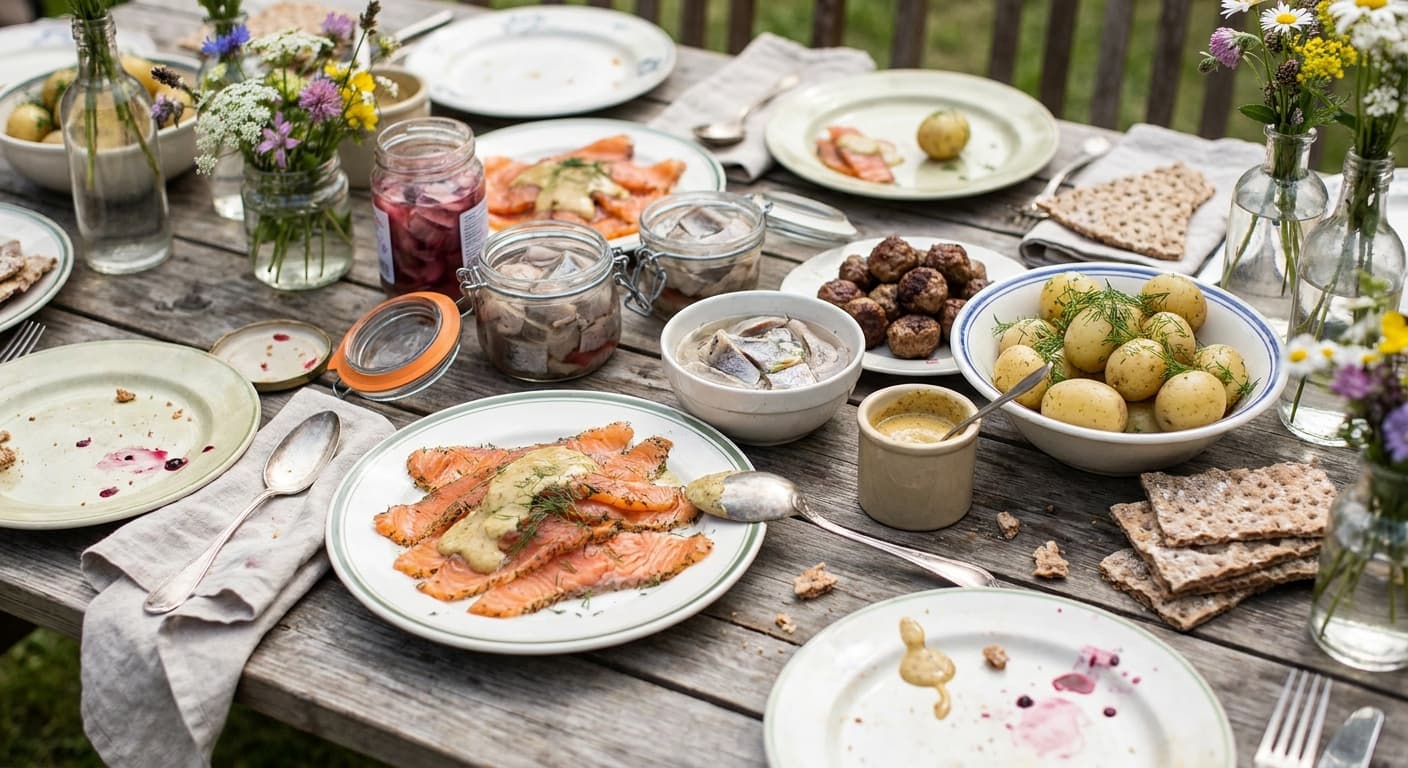
Swedish Smörgåsbord (Smörgåsbord) — Classic Buffet with Gravlax, Sill, and Köttbullar
Swedish · Main Courses · 115 min
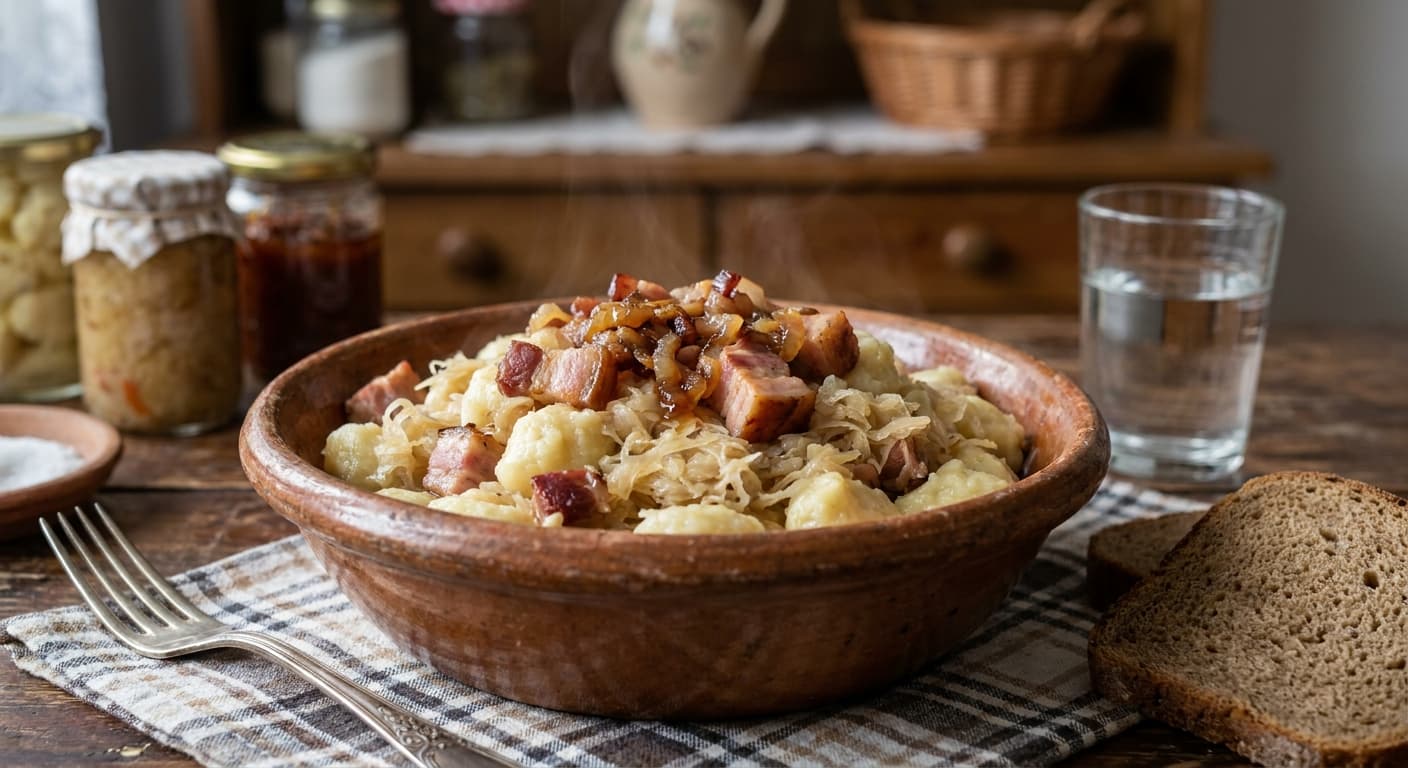
Potato Dumplings with Smoked Meat (Strapačky s údeným mäsom) — Rustic Slovak Halušky with Sauerkraut
Slovak · Main Courses · 70 min
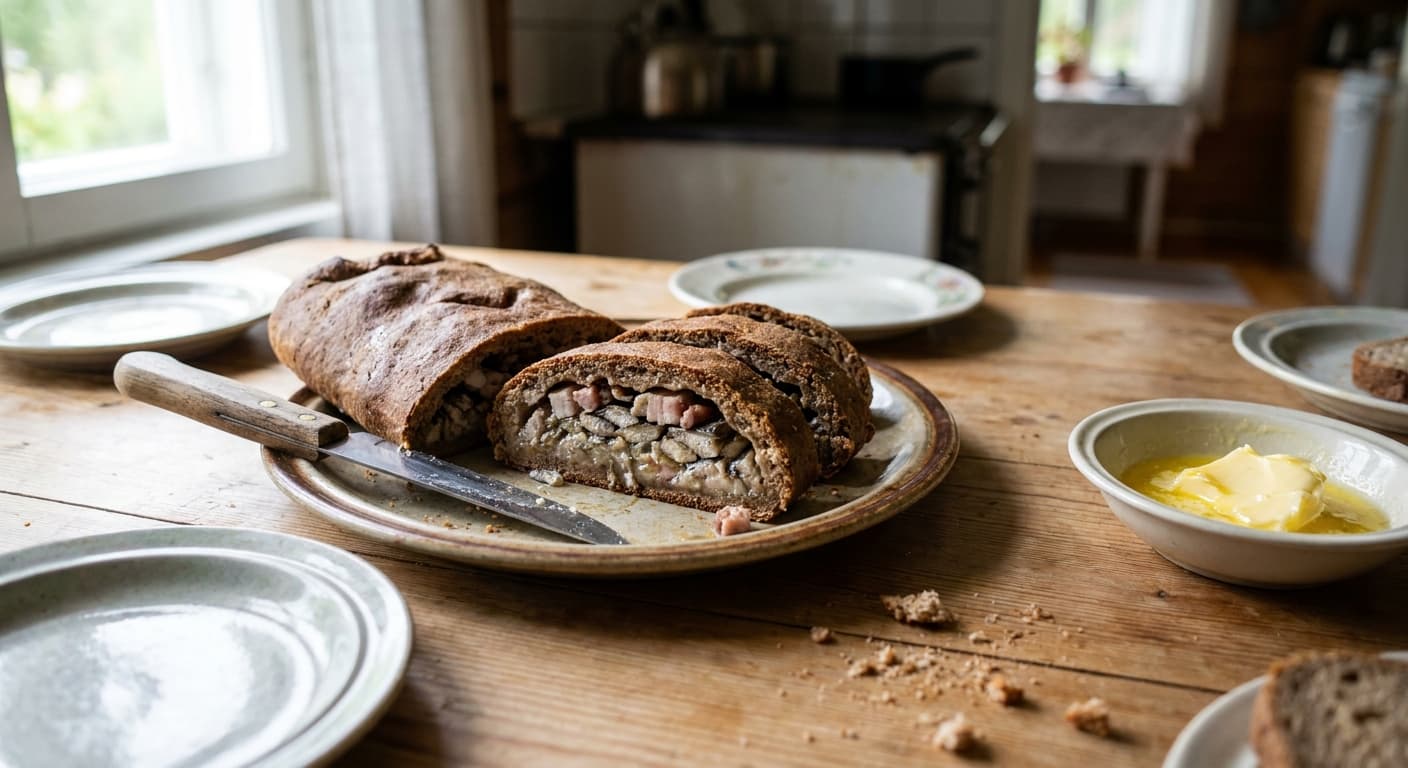
Finnish Fish-Rye Pie (Kalakukko) — Savonian Rye Loaf with Vendace and Pork
Finnish · Main Courses · 405 min
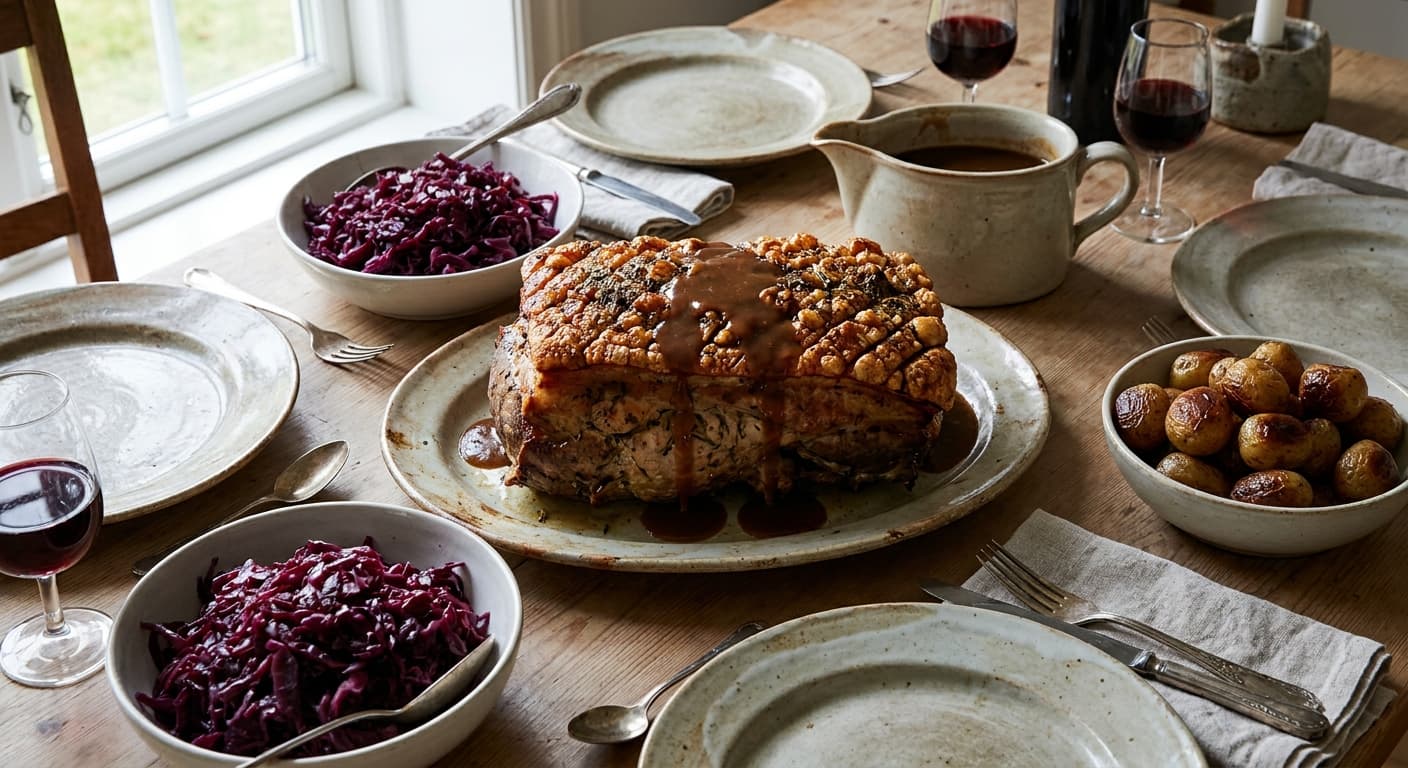
Danish Roast Pork with Crackling (Flæskesteg) — Crisp-Rinded Christmas Pork
Danish · Main Courses · 130 min
Norwegian Sour Cream Porridge (Rømmegrøt) — Festive Dairy Porridge with Cinnamon Sugar
Norwegian · Side Dishes · 35 min
Reviews
Cooked this recipe?
Tap the stars to rate it — that's all it takes. A few words are welcome but optional.
No ratings yet. Cooked this one? Be the first to rate it — it takes one tap.