Bhapa Pitha (ভাপা পিঠা) — Steamed Rice Cakes with Coconut and Date Palm Jaggery
Bhapa pitha is a beloved Bangladeshi winter pitha, steamed in small molds from damp rice flour, coconut, and khejur gur. It is especially associated with village pitha gatherings, Nabanna, and Poush Sankranti.
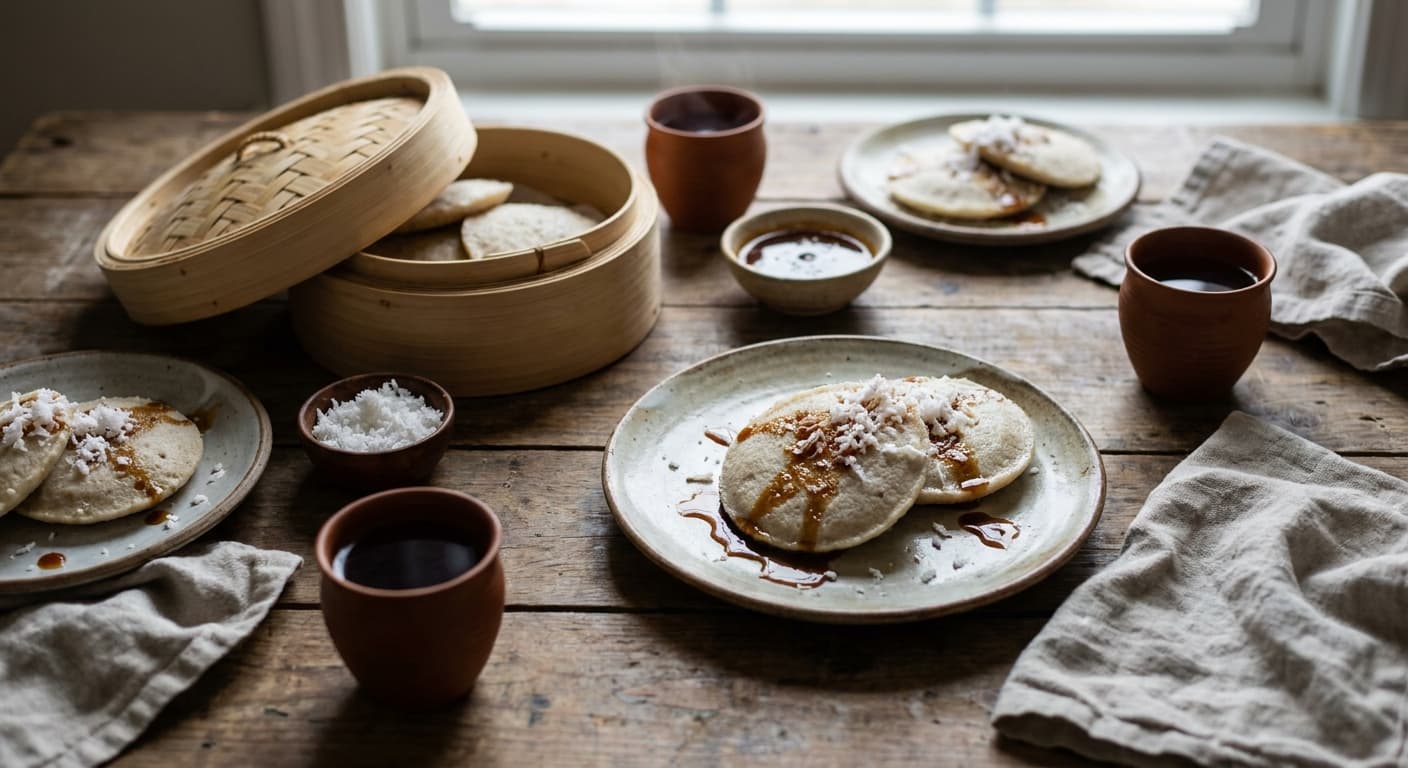
Printable Recipe Card
Servings: 8 · Total: 67 min · Difficulty: medium
Ingredients (quick list)
- 320 g fine rice flour
- 0.5 tsp fine sea salt
- 190 ml warm water (about 40 C, added gradually)
- 120 g fresh grated coconut
- 160 g date palm jaggery (khejur gur, finely chopped or grated)
- 1.5 l water (for the steamer)
Steps (summary)
- Sift the rice flour into a wide bowl and mix in the fine sea salt. Sprinkle in 150 ml of the warm water with your fingertips, r…
- Add the remaining 40 ml warm water only if the flour still feels dry and powdery. The correct texture for bhapa pitha holds tog…
- Cover the damp rice flour with a clean cloth and rest it for 15 minutes so the grains hydrate evenly. After resting, rub the mi…
- Set a steamer over 1.5 l of boiling water and keep the steam steady but not violently bubbling. Line a small bowl or pitha mold…
- Spoon a thin layer of damp rice flour into the lined mold without pressing it down hard. Add 15 g grated coconut and 20 g date…
- Fold the damp cloth over the top and invert the filled mold onto the steamer tray, then lift away the mold so the cloth-wrapped…
+ 2 more steps in the full instructions section below.
Cultural Background
As Chitrita Banerji notes in writing on Bengal’s seasonal foodways, winter pitha marks harvest abundance and domestic skill. In Bangladesh, bhapa pitha is tied to Nabanna, Poush Sankranti, and family courtyard steaming.
Equipment
💡 Tips
- Use freshly milled or very fine rice flour; coarse flour makes bhapa pitha gritty and heavy.
- Do not pack the rice flour into the mold, because loose damp crumbs are what create the tender steamed texture.
- Khejur gur gives the most authentic Bangladeshi winter aroma, but it melts quickly, so keep the filling centered to prevent leaking.
⚠️ Common Mistakes
❌ Adding too much water to the rice flour
✅ Fix: Add water gradually and stop when the flour clumps when squeezed but still crumbles easily.
❌ Pressing the rice flour firmly into the mold
✅ Fix: Fill the mold lightly, because compacted flour steams into a dense and chewy cake.
❌ Using weak steam
✅ Fix: Bring the steamer to a full steam before adding each pitha and keep the lid closed during cooking.
🧊 How to Store
Bhapa pitha is best eaten hot from the steamer. Store leftovers in an airtight container in the refrigerator for up to 2 days, then re-steam for 2 to 3 minutes until soft; avoid dry reheating, which hardens the rice flour.
📅 Make Ahead
The rice flour can be moistened, sieved, and held covered at room temperature for 2 hours. Coconut and jaggery can be measured 1 day ahead and refrigerated separately.
🍽️ Pairs Well With
- Hot milk tea
- extra grated coconut
- warm khejur gur syrup
- winter fruit.
Regional Variations
- In rural Dhaka and Mymensingh, bhapa pitha is often made with freshly ground soaked rice for a softer texture.
- Some Bangladeshi households mix a small amount of grated coconut into the rice flour as well as the filling.
- In winter markets, vendors may serve bhapa pitha with extra melted khejur gur spooned over the top.
Ingredients
- 320 gfine rice flour
- 0.5 tspfine sea salt
- 190 mlwarm water (about 40 C, added gradually)
- 120 gfresh grated coconut
- 160 gdate palm jaggery (khejur gur, finely chopped or grated)
- 1.5 lwater (for the steamer)
🔄 Substitutions
- date palm jaggery→ dark cane jaggery
- fresh grated coconut→ unsweetened desiccated coconut
- fine rice flour→ homemade soaked-and-ground rice flour
Instructions
- 1
Sift the rice flour into a wide bowl and mix in the fine sea salt. Sprinkle in 150 ml of the warm water with your fingertips, rubbing the flour between your palms until it resembles damp sand rather than a dough.
- 2
Add the remaining 40 ml warm water only if the flour still feels dry and powdery. The correct texture for bhapa pitha holds together lightly when squeezed in your fist, then breaks apart into soft crumbs when touched.
- 3
Cover the damp rice flour with a clean cloth and rest it for 15 minutes so the grains hydrate evenly. After resting, rub the mixture again and pass it through a medium sieve to make the pitha light and fluffy after steaming.
- 4
Set a steamer over 1.5 l of boiling water and keep the steam steady but not violently bubbling. Line a small bowl or pitha mold with a damp muslin cloth, leaving enough cloth overhang to lift the cake out safely.
- 5
Spoon a thin layer of damp rice flour into the lined mold without pressing it down hard. Add 15 g grated coconut and 20 g date palm jaggery in the center, then cover with another loose layer of rice flour.
- 6
Fold the damp cloth over the top and invert the filled mold onto the steamer tray, then lift away the mold so the cloth-wrapped pitha sits directly over the steam. Steam for 4 minutes, until the rice flour sets and the jaggery softens into the coconut.
- 7
Unwrap the first bhapa pitha carefully and transfer it to a warm plate. Repeat the filling and steaming process to make 8 pitha, keeping the rice flour covered so it does not dry out between batches.
- 8
Serve the pitha hot, when the rice cake is soft and the khejur gur is fragrant. If the surface feels firm after sitting, steam the pitha again for 1 minute before serving rather than microwaving it dry.
🪪 Recipe Passport
Cultural Background
As Chitrita Banerji notes in writing on Bengal’s seasonal foodways, winter pitha marks harvest abundance and domestic skill. In Bangladesh, bhapa pitha is tied to Nabanna, Poush Sankranti, and family courtyard steaming.
Regional Variations
Researched from multiple sources and validated by the Zaffaron editorial team. Every recipe is tested for accuracy, measurements, and cultural authenticity.
📚 Sources & Cultural References
- Chitrita Banerji — Life and Food in Bengal — (1991)
- Alan Davidson — The Oxford Companion to Food — (2014)
Sources cited by the Zaffaron editorial team during recipe research. Cultural and culinary references supporting authenticity claims.
Nutrition per serving
Pairs well with
If you enjoyed this recipe, here are a few related Zaffaron recipes to try next.
Does your family make this differently?
Every family has their own version. Maybe your grandmother adds a secret ingredient, or your aunt has a completely different technique. Preserve your family's version — with their name on it, forever.
You Might Also Like
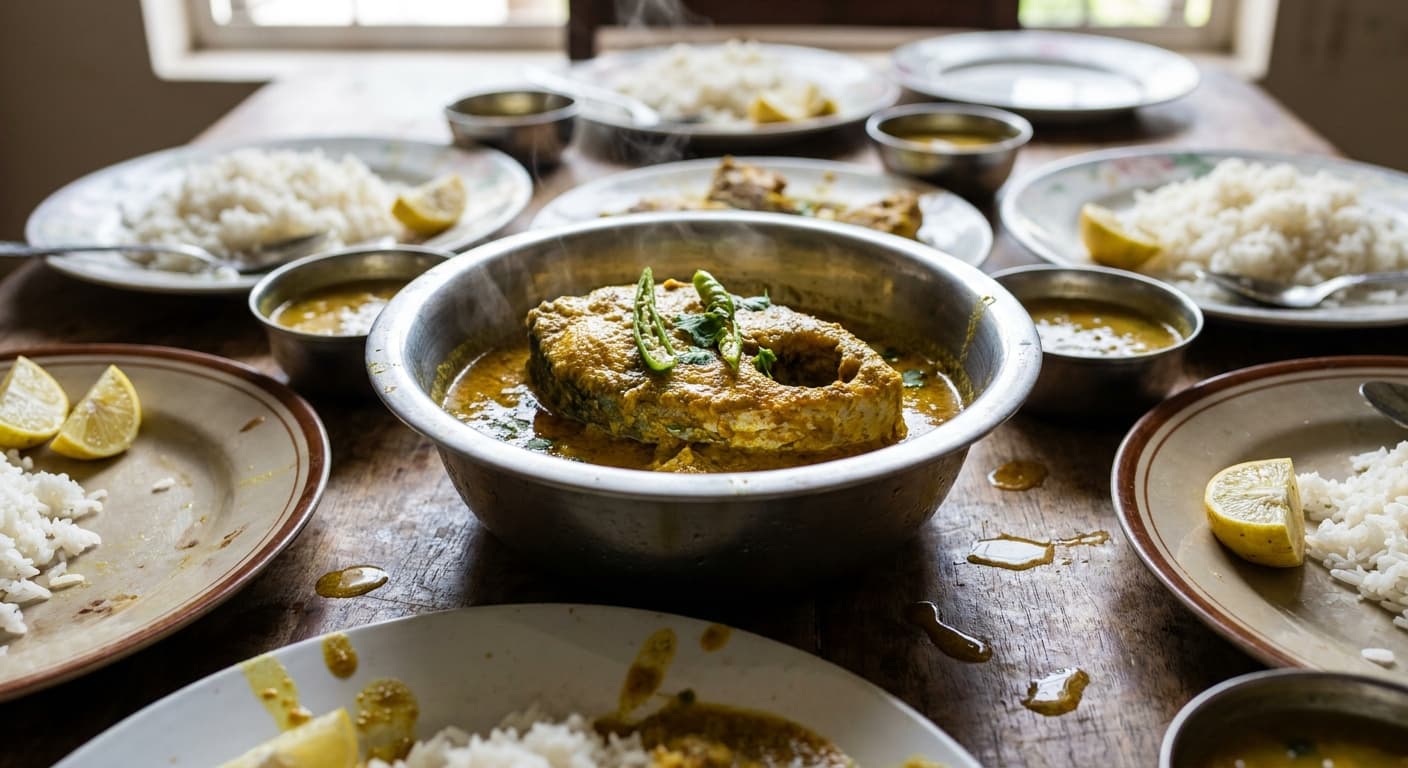
Bangladeshi Steamed Hilsa (ইলিশ ভাপা) — Mustard-Steamed River Fish
Bangladeshi · Main Courses · 45 min
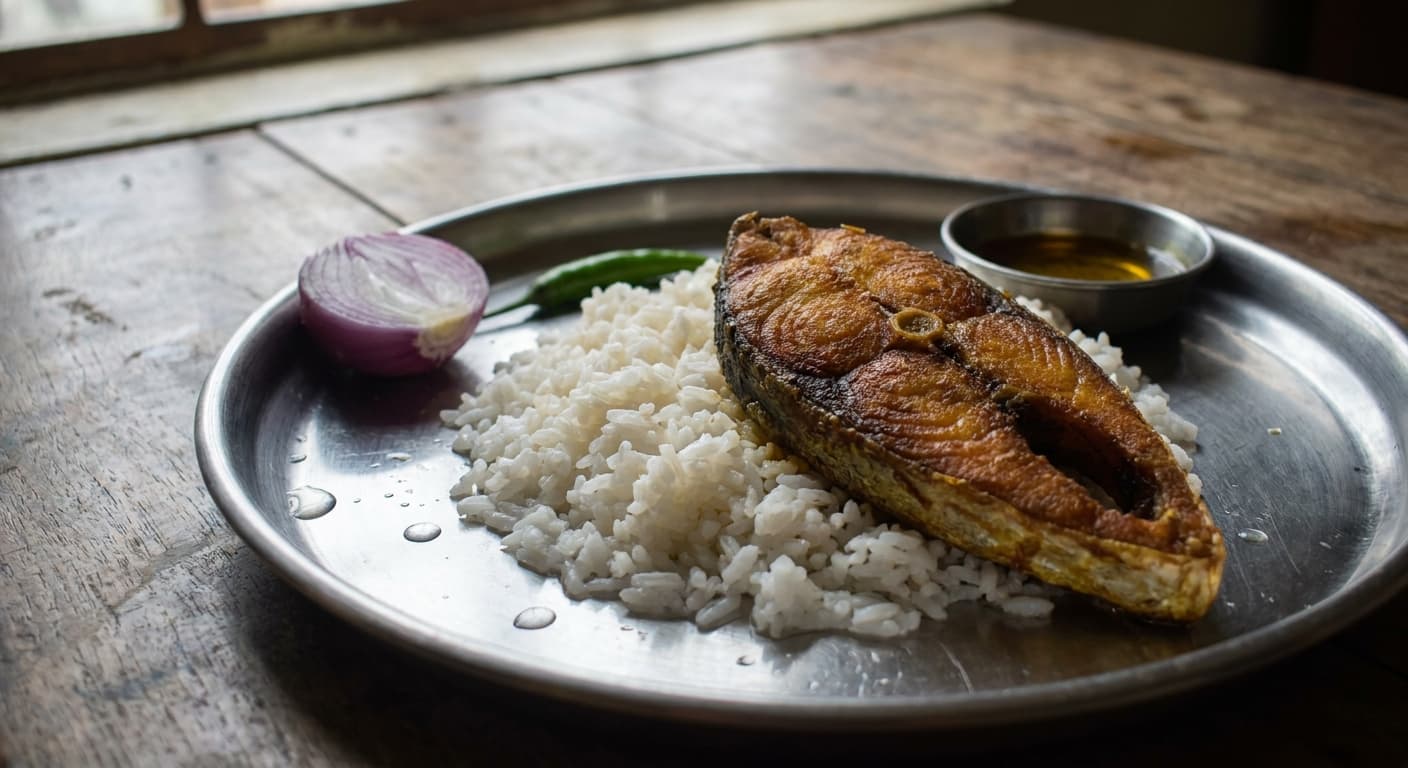
Panta Bhat (পান্তা ভাত) — Overnight Fermented Rice with Fried Ilish
Bangladeshi · Rice Dishes · 35 min
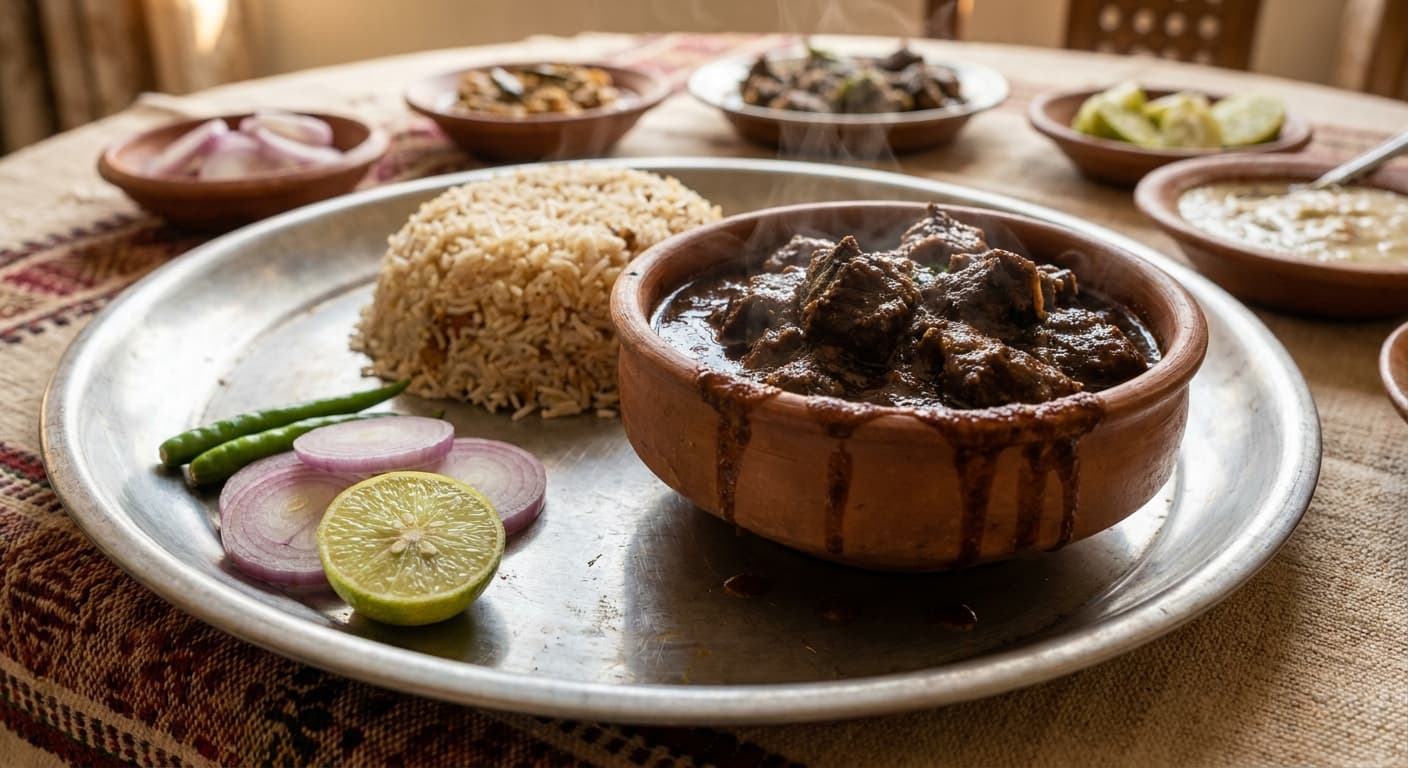
Kala Bhuna (কালা ভুনা) — Chittagong Dark Beef Bhuna
Bangladeshi · Main Courses · 175 min
Romanian Cheese Doughnuts (Papanași) — Fried Curd-Cheese Rings with Sour Cream and Jam
Romanian · Desserts · 45 min
Sklandrausis (Sklandrausis) — Latvian Rye Carrot-Potato Tart
Latvian · Desserts · 100 min
Kothimbir Vadi (कोथिंबीर वडी) — Steamed coriander-gram cakes, pan-fried crisp
Indian · Appetizers · 50 min
Misal Pav (मिसळ पाव) — Spicy sprouted moth bean curry with farsan
Indian · Main Courses · 70 min
Prahok Ktis (ប្រហុកខ្ទិះ) — Cambodian Coconut Pork Dip
Cambodian · Appetizers · 55 min
Reviews
Cooked this recipe?
Tap the stars to rate it — that's all it takes. A few words are welcome but optional.
No ratings yet. Cooked this one? Be the first to rate it — it takes one tap.